-
-
logo
-
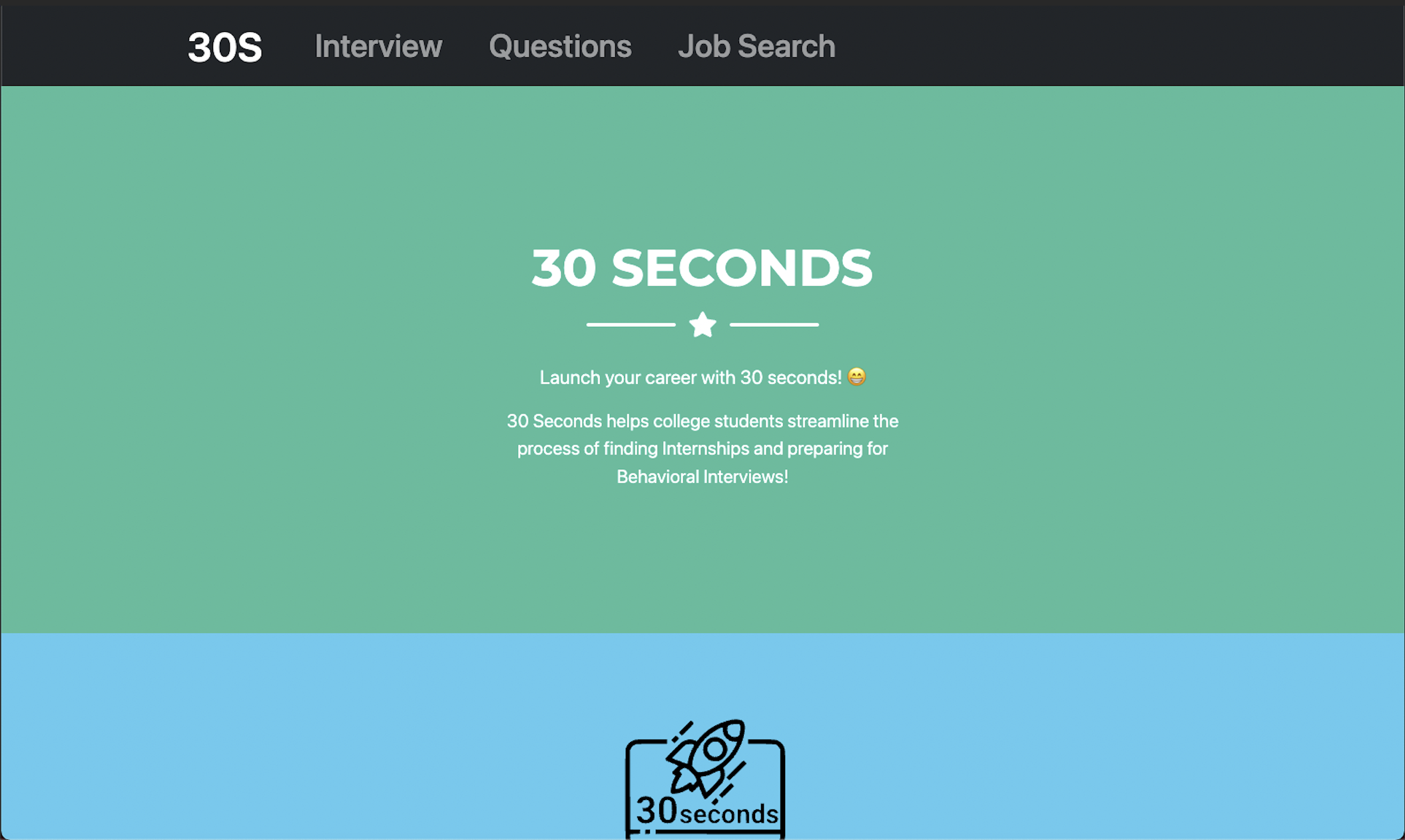
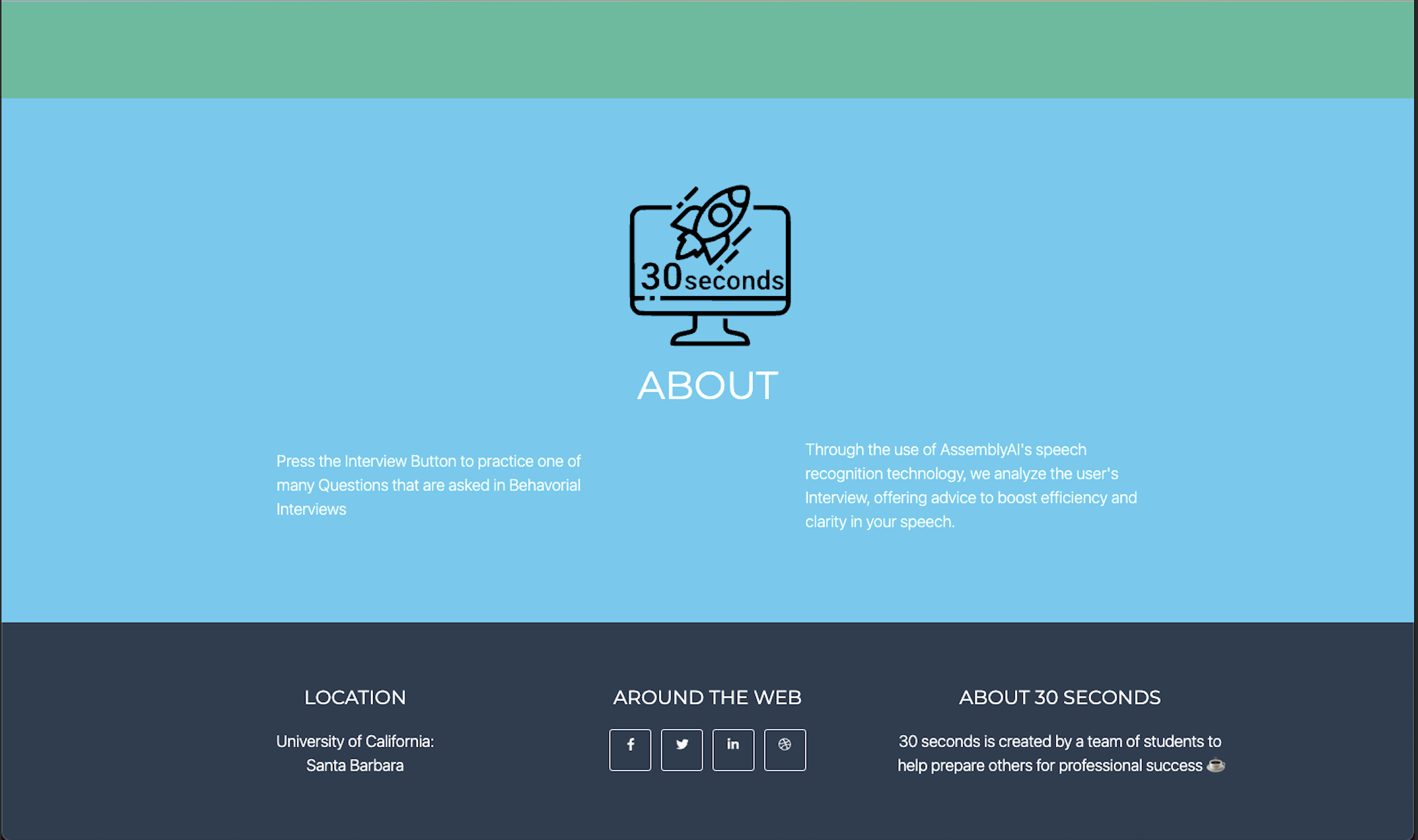
home top
-
home bottom
-
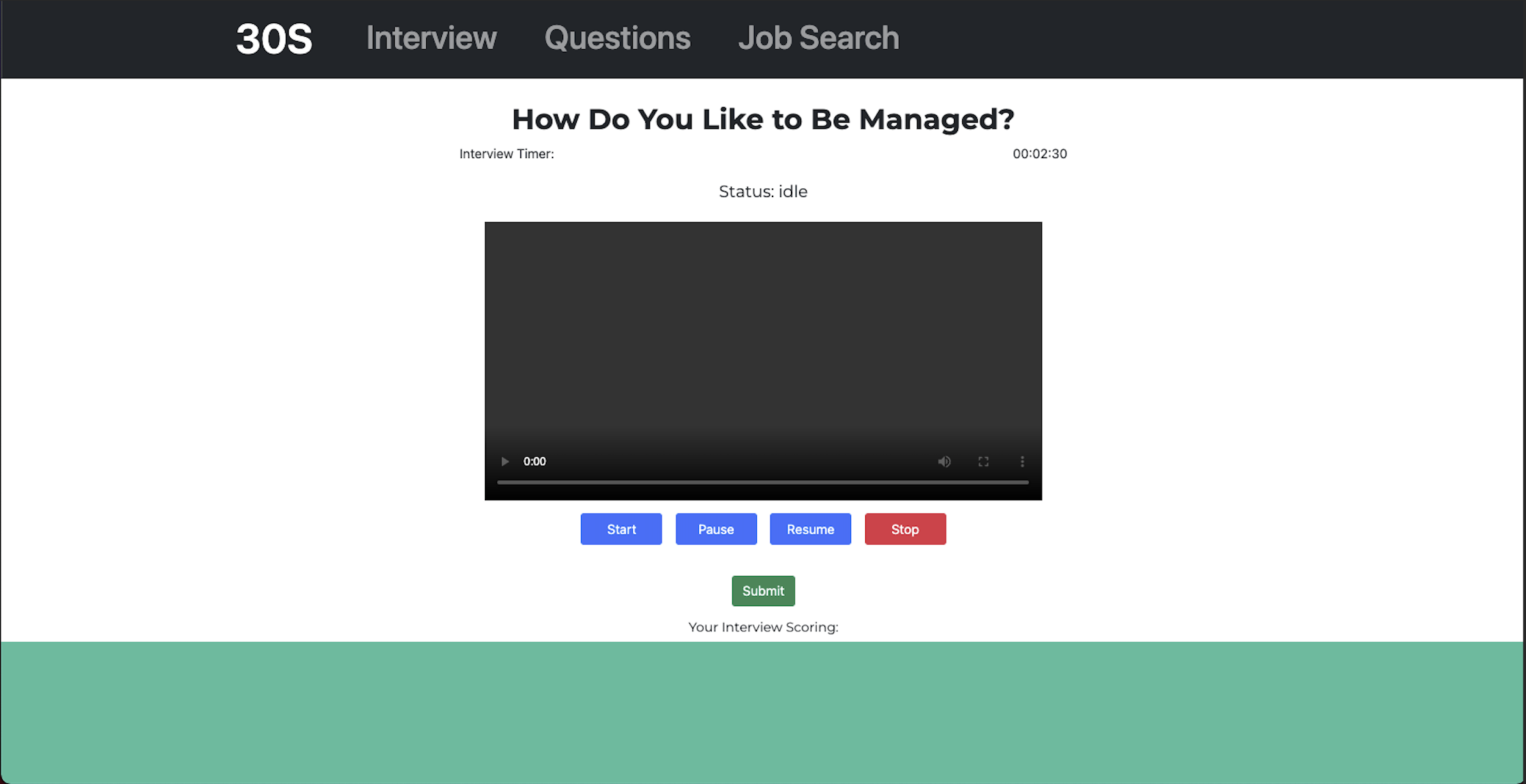
interview prep
-
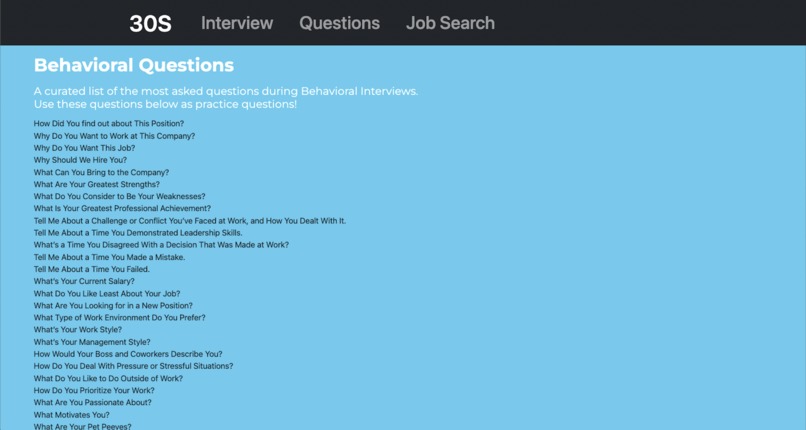
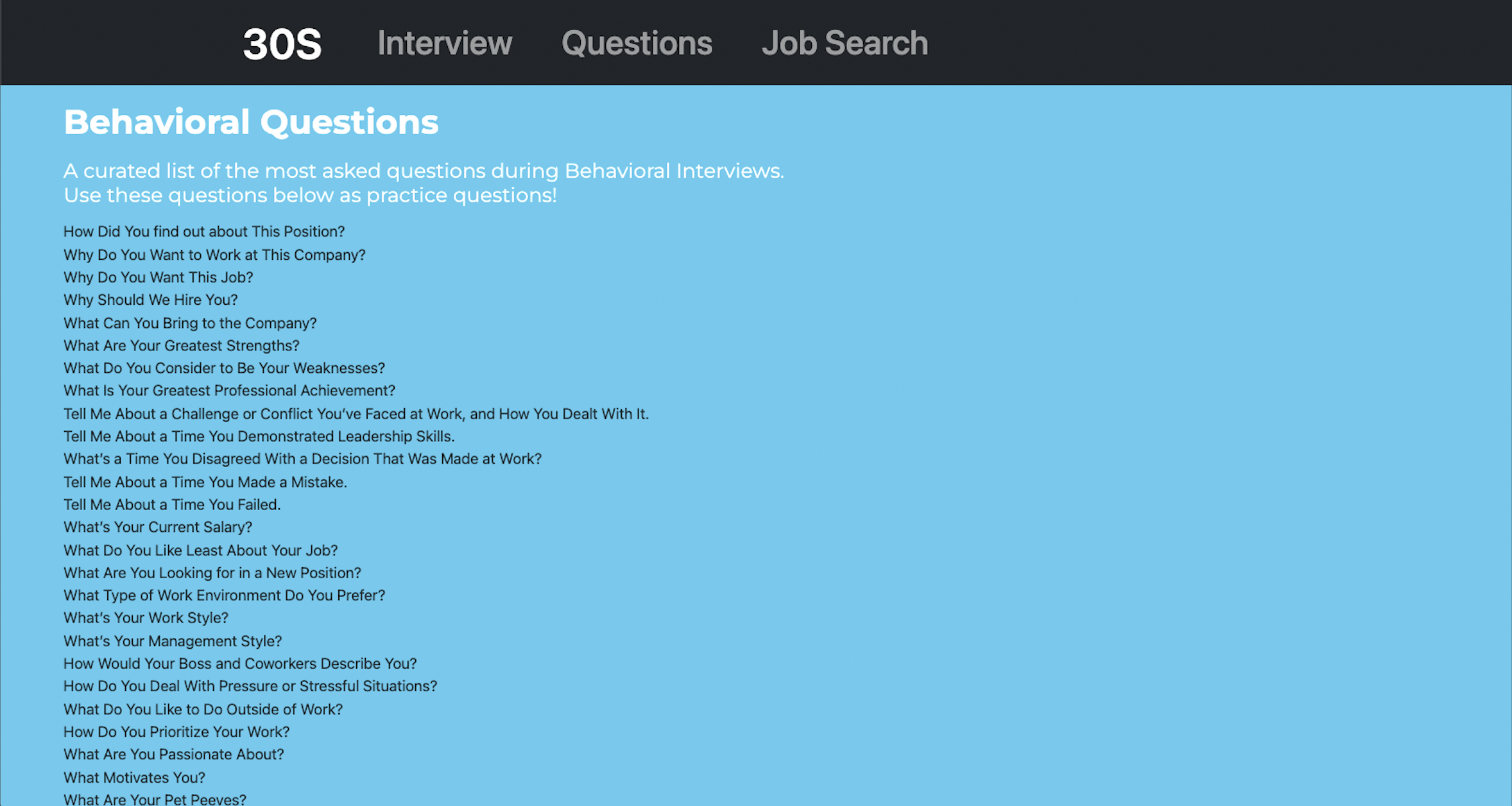
practice questions
-
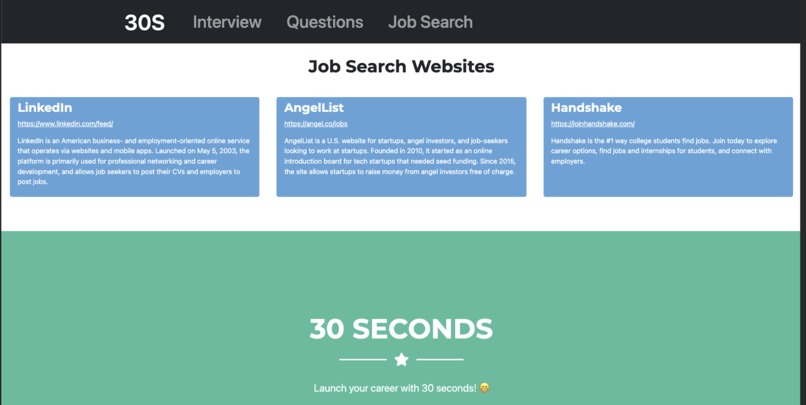
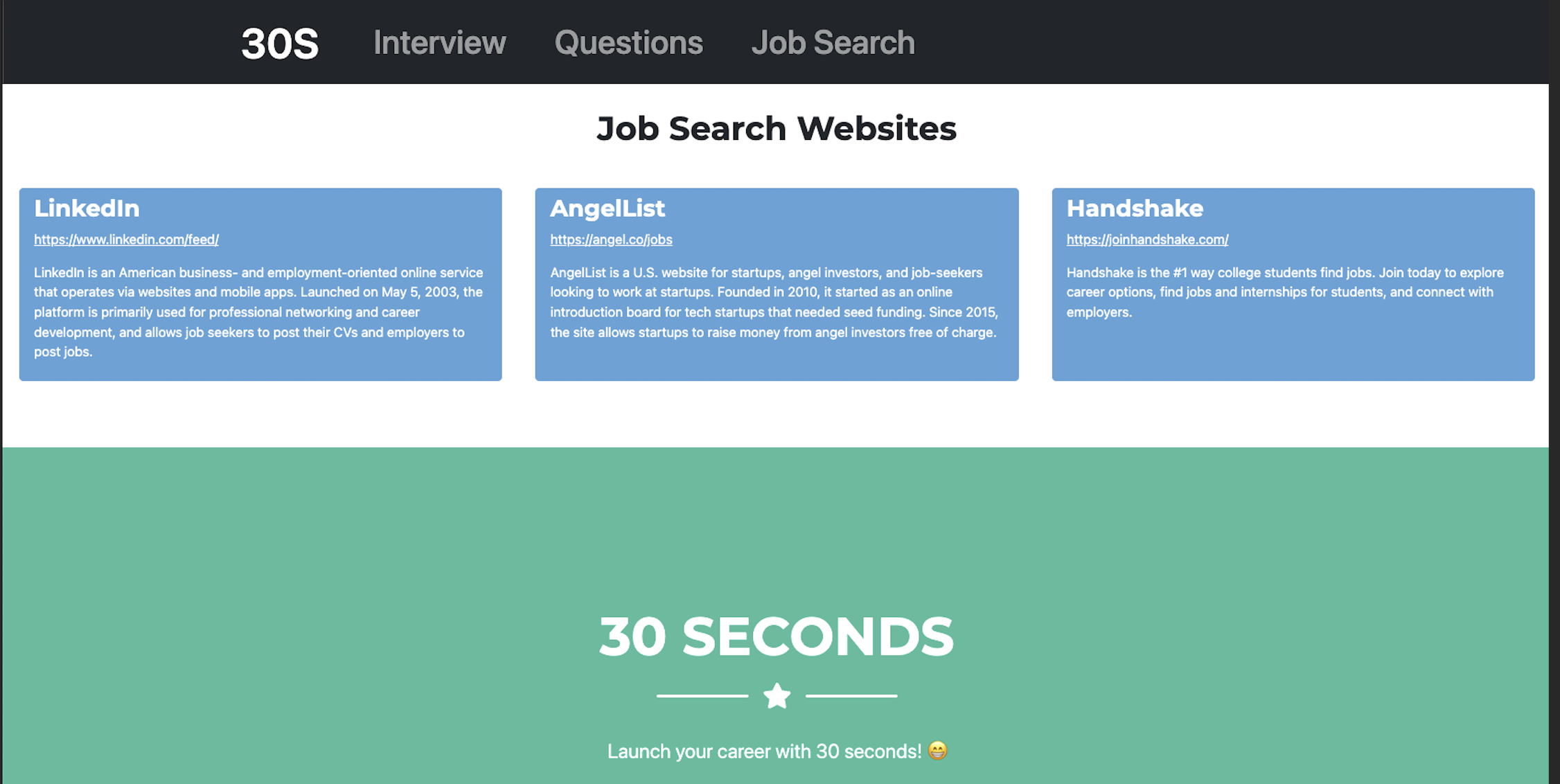
job search
Inspiration
For the past few months, my classmates and I have struggled through numerous interviews because of a lack of interview prep for freshmen. We decided to build a site to help people of all ages, majors, and background to help improve upon their speaking, presenting, and interviewing skills.
What it does
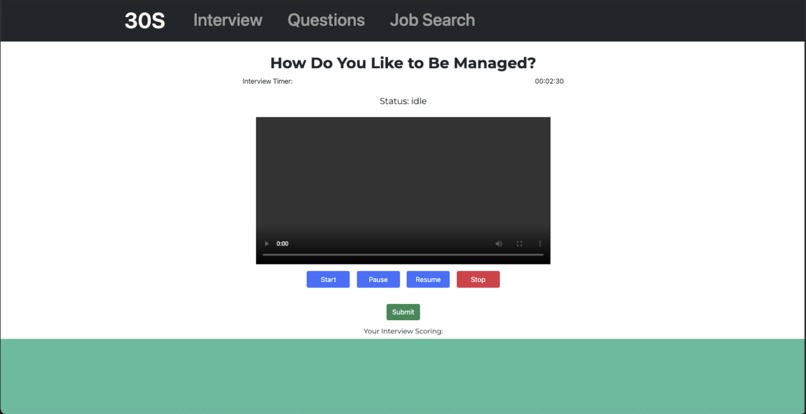
The site offers a series of interview questions that are randomized every time the user clicks on the interview tab. The user gets a time of 2 minutes and 30 seconds for every single question and must record themselves throughout the entire question. If the user is interrupted for some circumstance, he or she can pause the recording and then unpause when back. Finally, the user can click stop recording to end the video answer, and send the data to the Assembly AI, which will return a list of all the words a user spoke. Finally, the program will detect the number of filler words and return that number to the user so they can know how they did and potentially improve upon their confidence in the next question by reducing the number of filler words.
How we built it
We built it entirely using React JS and other frontend languages. We split the project up into components: A Recording Component, Questions Component, Nav Bar Component, etc. We split the project into two teams: One handling working with the Assembly AI and the other completing the frontend design. Not only that, but we also fetched the text data that the Assembly AI created from the raw binary data, in order to display the array of words.
Challenges we ran into
One challenge we ran into was trying to navigate around the assembly API as beginners, like when we tried getting data out of the blob URL, since the assembly AI only allowed for links and files. A function we discovered that solved the problem was that we found an arrow function that converted the blob URL to a blob object, which was compatible with the API.
Accomplishments that we're proud of
We are extremely proud of exploring and understanding an entire API with React, a language we all self-taught ourselves a few months ago. We are also proud of completing such a complex project within the span of 18 hours by staying motivated and never giving up, even though it was our first college hackathon. Another thing we are proud of is creating a professional and appealing UI for the website that is fully scalable. Finally, the last thing we are proud of is being able to communicate efficiently as a team and working to finish the project.
What we learned
We learned how to access JSON data and manipulate it within our program. We learned about the DOM and explored the similarities between all the languages that make up the full-stack web development field. Furthermore, we also learned a lot about the Assembly API through our program. Additionally, we learned how to optimize our full-stack web development skills by improving upon our debugging, communicating, and researching skills. Finally, we learned that Hackathons are hard but a great way to build something great!
What's next for Thirty Seconds
Our next goal is to incorporate Computer Vision within our interviewing software to detect user confidence by monitoring certain expressions and movements. The software could then create a combined score of the user's confidence by using data from the number of filler words in our program and the confidence rating from the CV AI. This number could be outputted as a rating to allow a user to continue to improve upon his or her score. Another idea would be to expand our program for other languages so that people all over the world can use the website.


Log in or sign up for Devpost to join the conversation.