-
-
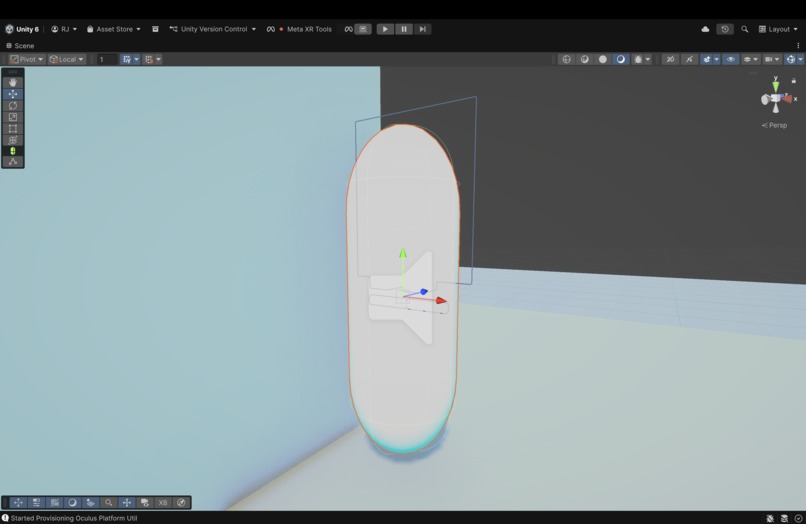
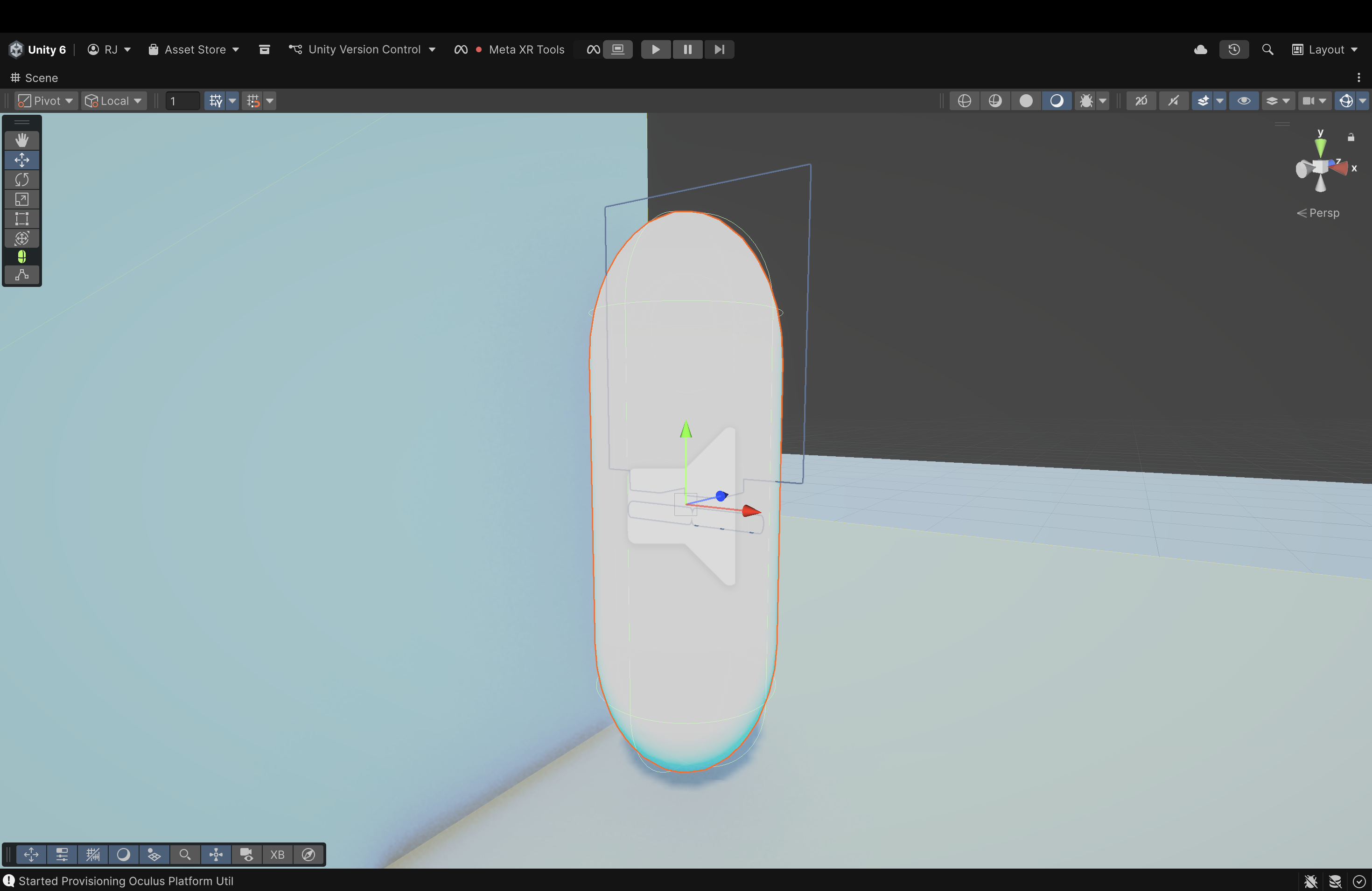
Prototype spatial UI element designed for comfortable, intuitive interaction in immersive VR environments.
-
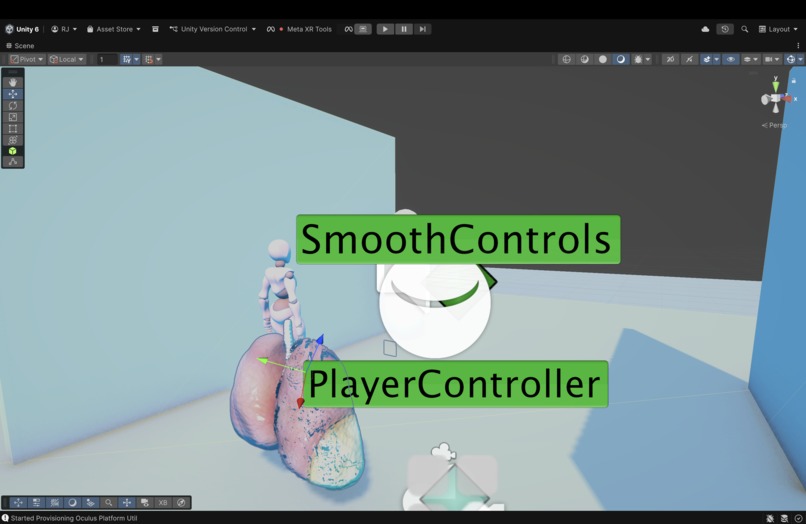
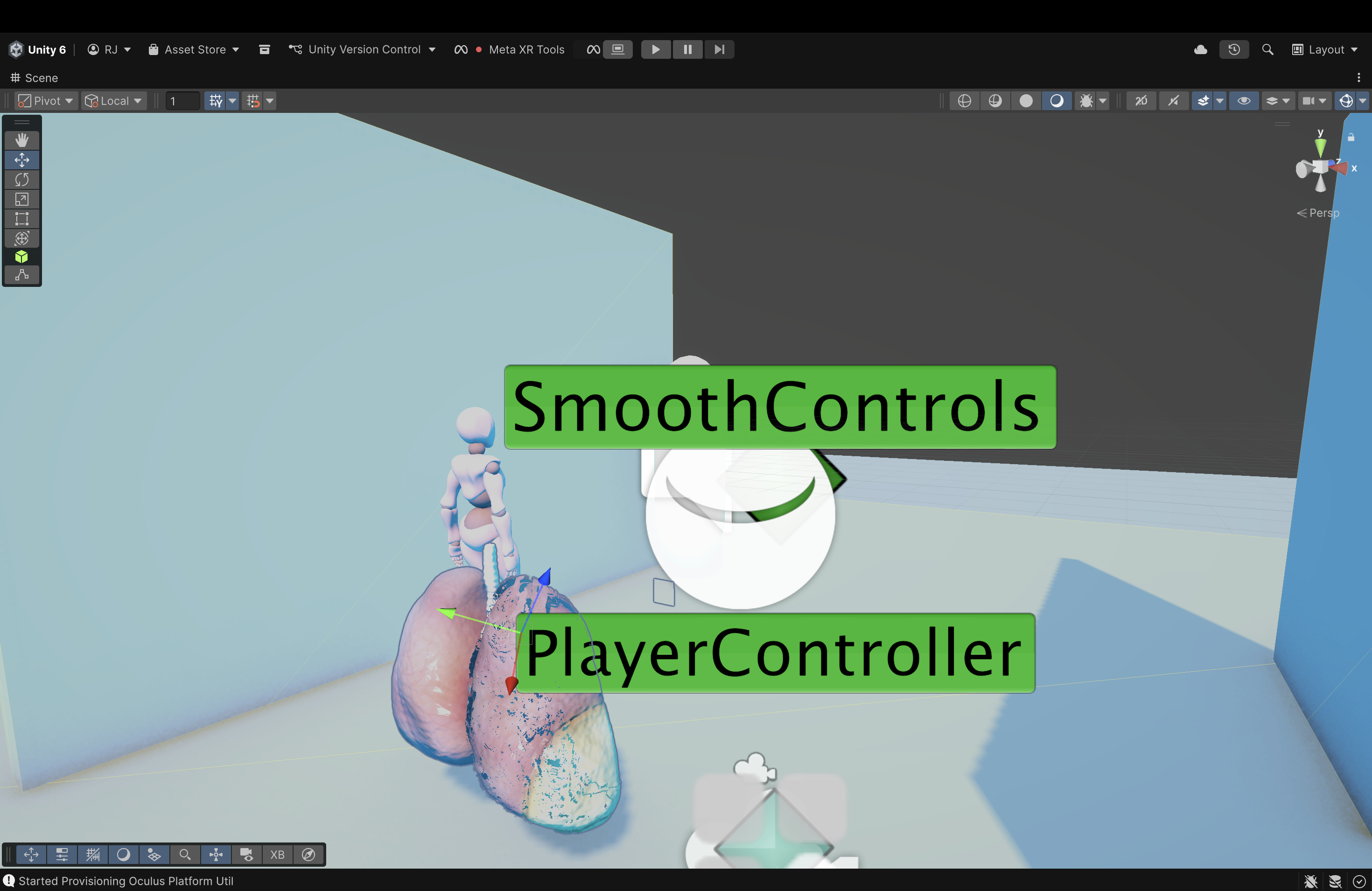
Custom VR locomotion and hand-based interaction system built using Meta XR Interaction SDK in Unity.
-
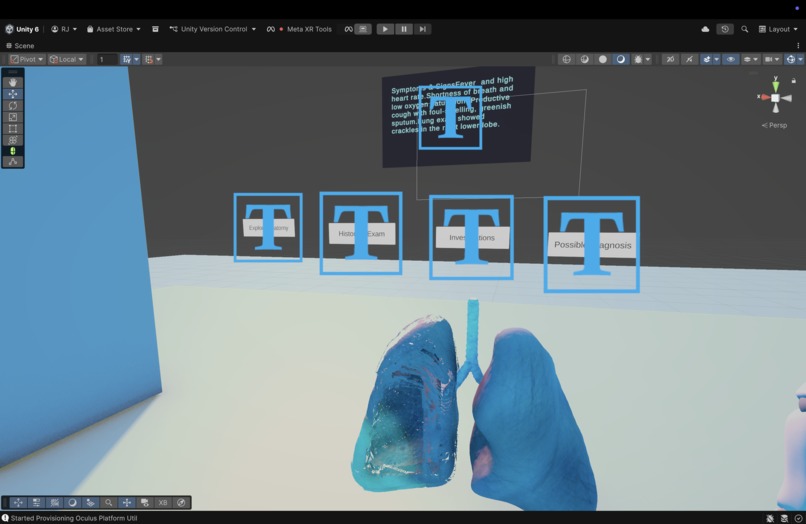
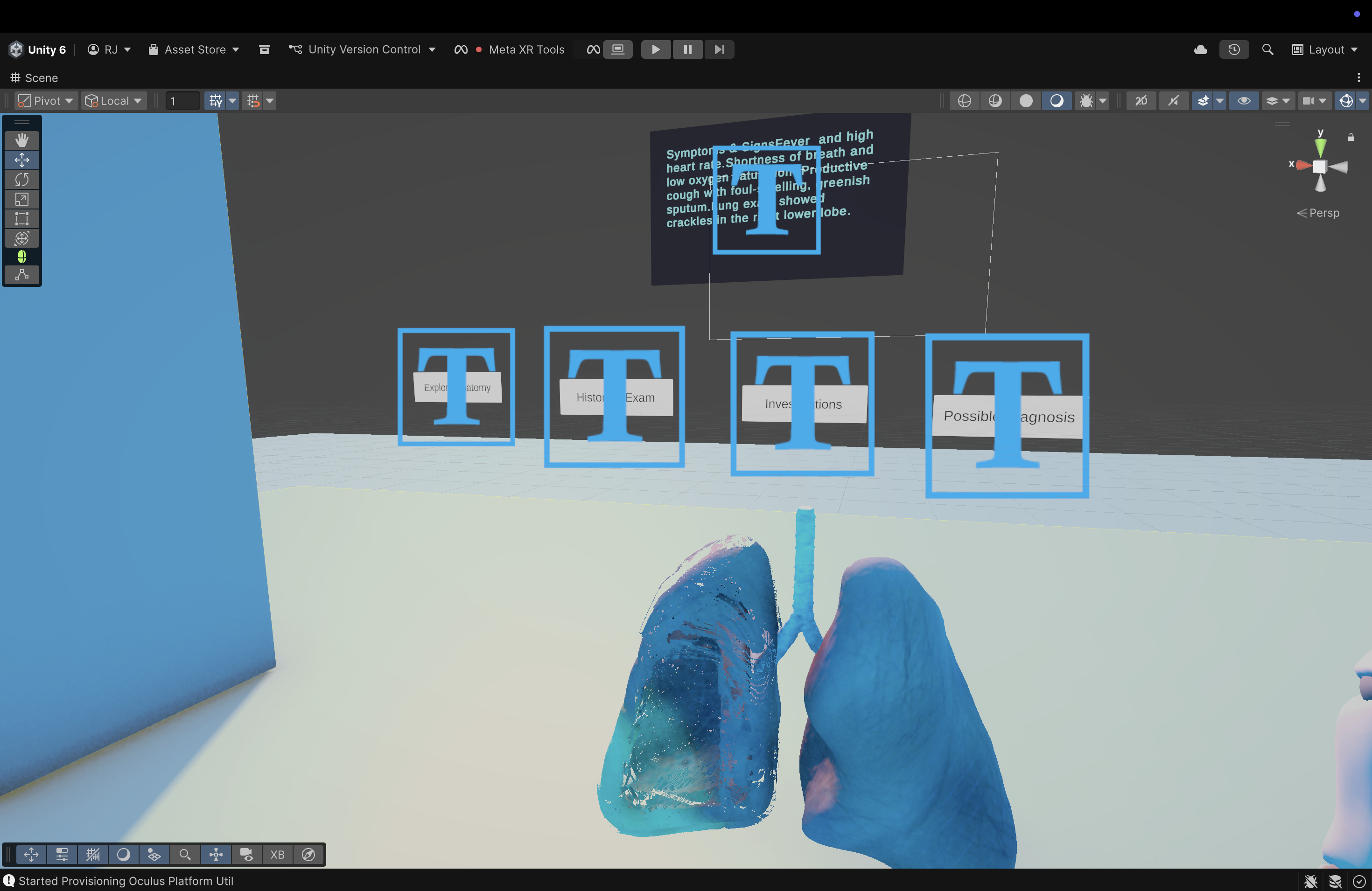
Interactive 3D lung model enabling immersive exploration of anatomy through natural hand tracking.
-
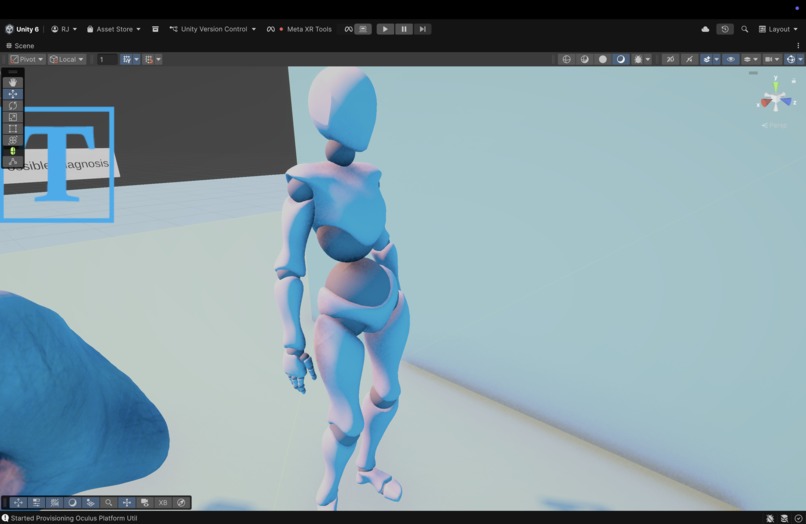
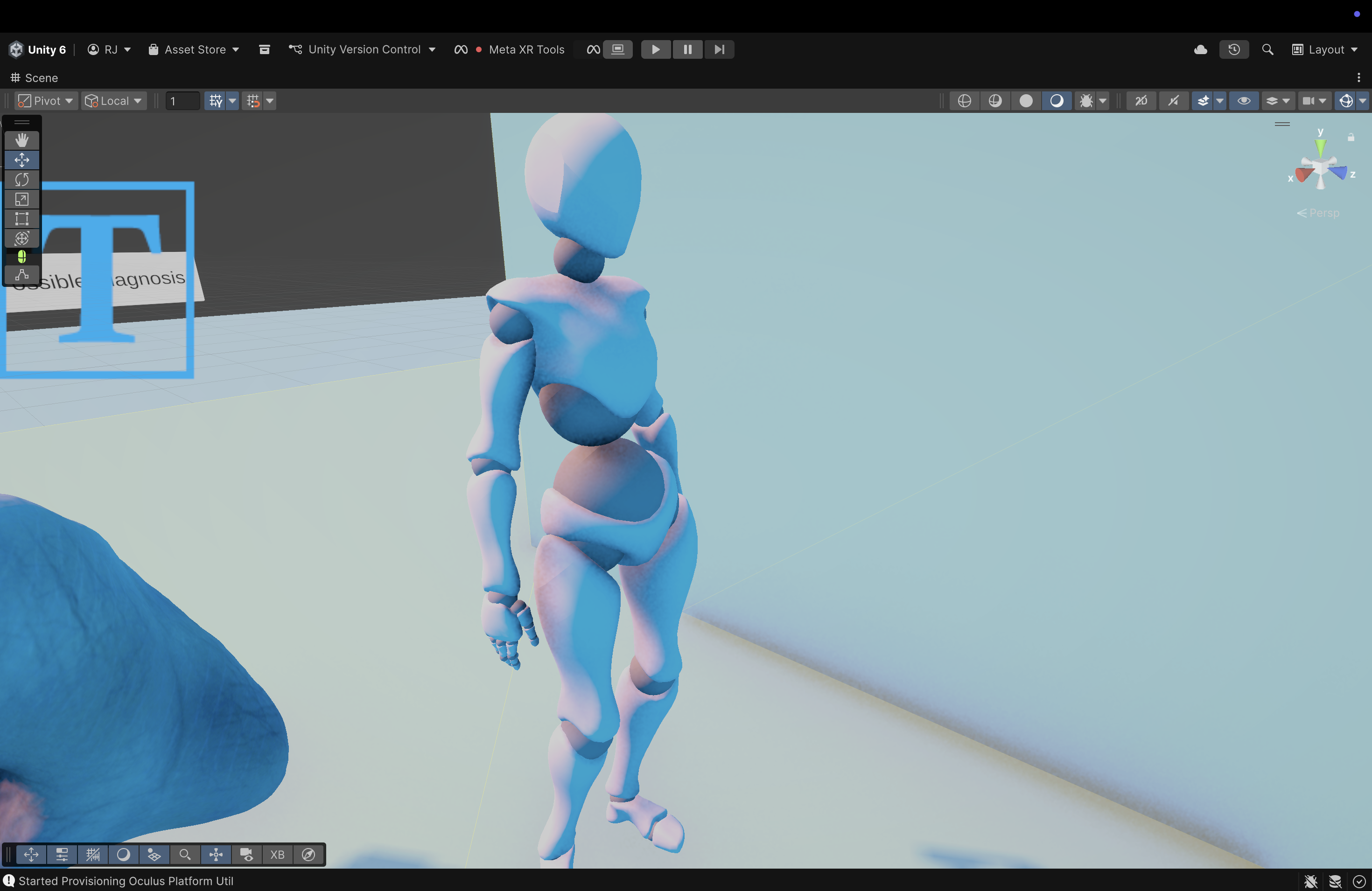
Virtual clinical avatar used to simulate real-world medical learning scenarios in VR.
Inspiration
Medical education is still dominated by textbooks and 2D screens, making it difficult for learners to visualize anatomy and truly understand how symptoms relate to disease. As a physician and healthcare analytics professional, I wanted to create a more intuitive way to learn medicine — one that feels experiential rather than memorized.
PathoVision VR was inspired by the idea that learners should be able to step inside medical concepts, not just study them.
What it does
PathoVision VR is an immersive medical learning experience built for Meta Quest. It allows users to explore anatomical structures in 3D, interact using natural hand tracking (no controllers), and understand clinical concepts through spatial visualization. Medical learning becomes interactive, intuitive, and engaging.
How we built it
The project was developed in Unity using the Meta XR SDK and Interaction SDK, targeting Quest headsets. We designed a clean virtual environment, interactive anatomy models, and spatial UI panels optimized for VR comfort. The app was compiled as a Quest-ready Android build and prepared for distribution via Meta Horizon release channels.
Challenges we ran into
Key challenges included fine-tuning hand-tracking interactions, optimizing VR UI for comfort, managing large Unity builds, and navigating Meta’s deployment workflow on macOS under tight time constraints.
Accomplishments that we're proud of
Built a working, controller-free VR medical learning prototype
Implemented natural hand tracking aligned with Meta’s spatial vision
Delivered a Quest-ready build within the competition timeframe
What we learned
Immersive, hands-on learning dramatically improves comprehension in healthcare education. Spatial computing requires rethinking traditional UI, but the payoff is a more intuitive learning experience.
What's next for PathoVision VR
PathoVision VR is designed to scale into a full clinical learning platform with multi-organ systems, case-based scenarios, AI-guided learning, and integration into medical and nursing education programs.

Log in or sign up for Devpost to join the conversation.