Inspiration
When in 1996 Kasparov lost a match against Deep Blue, first ever AI based chess machine, people soon realized that computers will define the future of chess. But something went wrong, as today children and even professionals spend hours and hours in front of tablets, mobile phones and PC: getting more addicted to gadgets and totally losing interest to books and a chessboard itself, while there is no single computer-chessboard existing in the market, but only electronic boards with very limited capabilities so that no one really buys them.
What it does
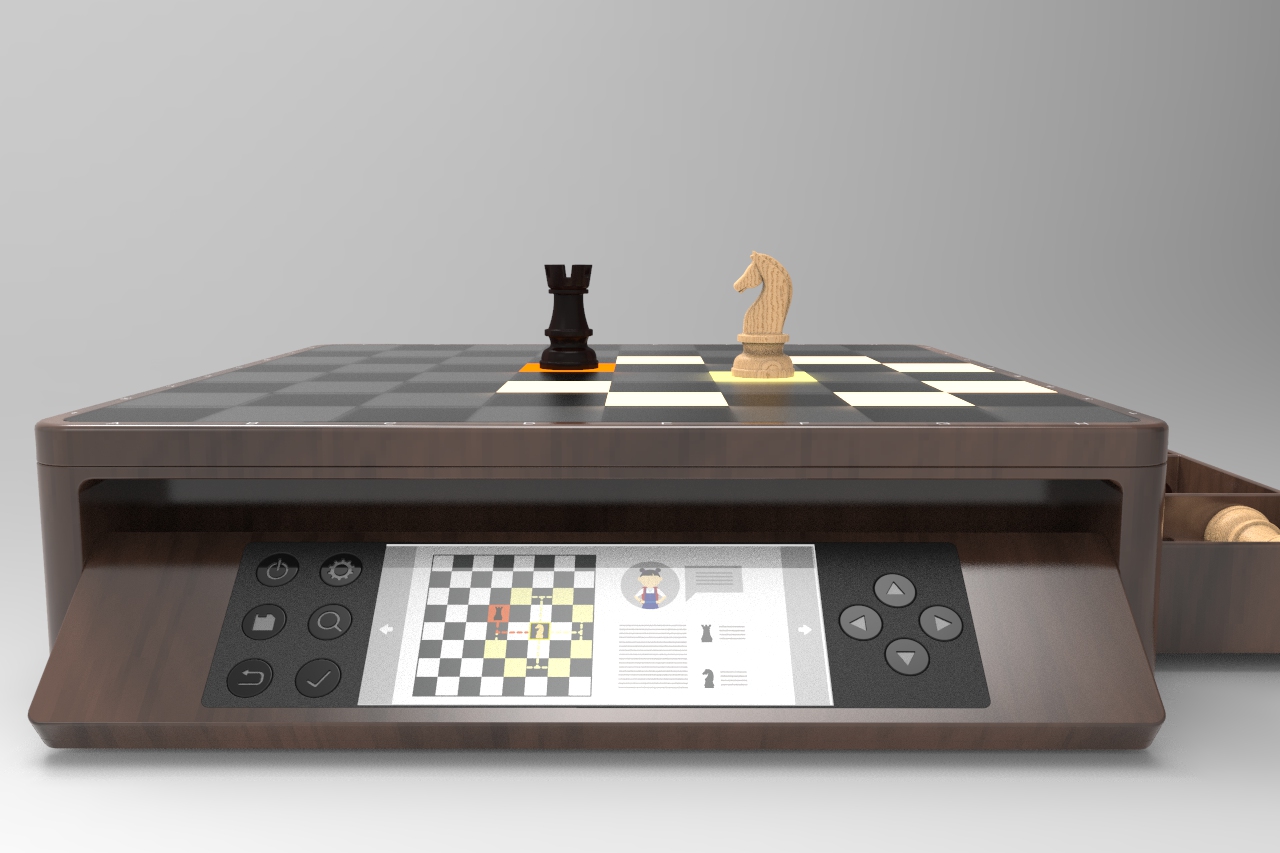
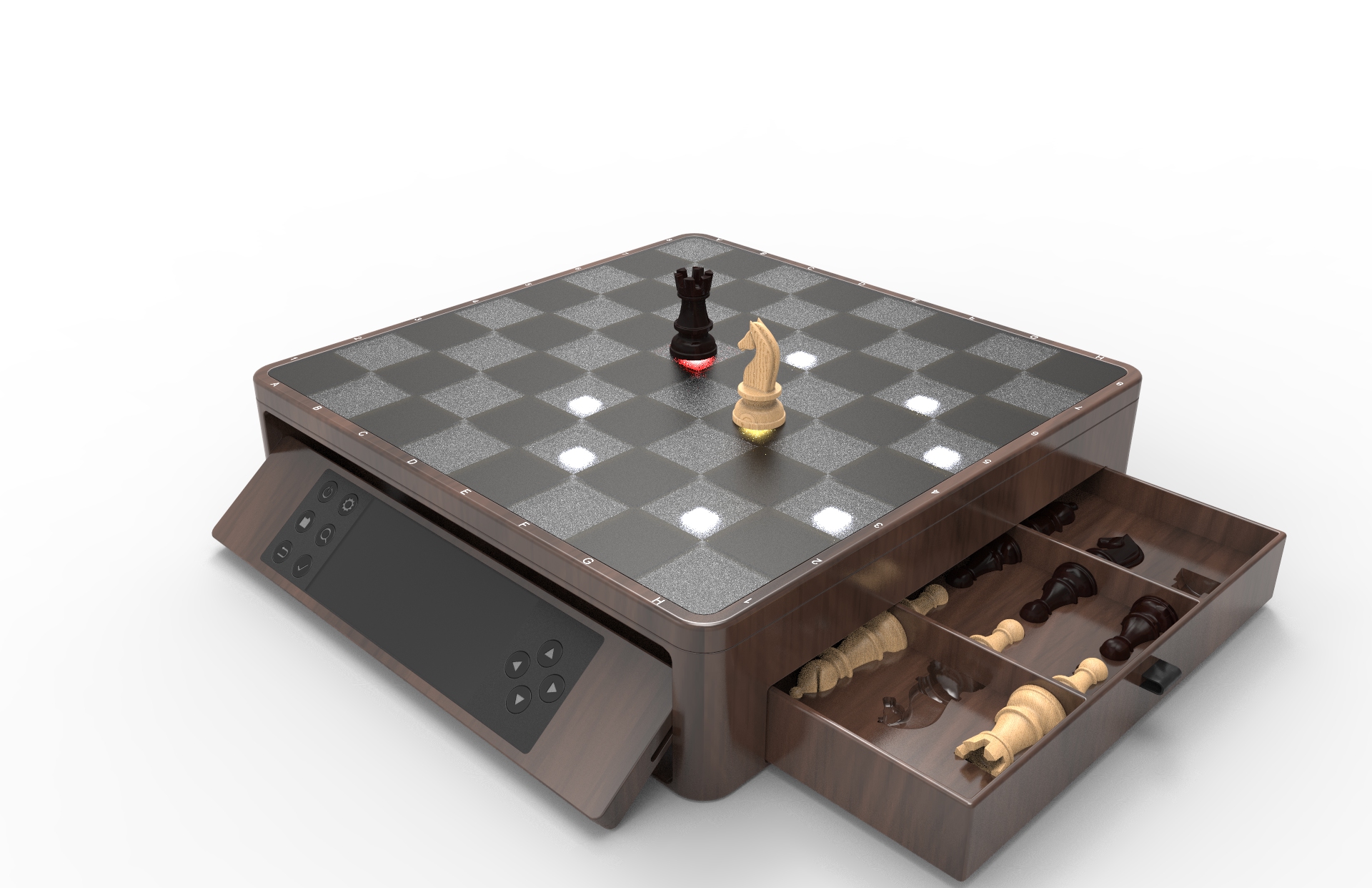
With our team, we are thrilled to introduce the ambitious and futuristic concept of a chess-computer. With unique ideas on hardware design and software capabilities, during this hackathon we developed the concept up to the next level. The software incorporates the widest range of capabilities such as: • Thousands of exercises • Tactics and strategies • Educational courses for beginners, with supporting lighting effects • Analysis of matches based on AI • Sharing your game through the Cloud with anyone at any location on the planet • Playing against real person, computer or virtual person • Personal progress tracking based on Machine Learning
How we built it
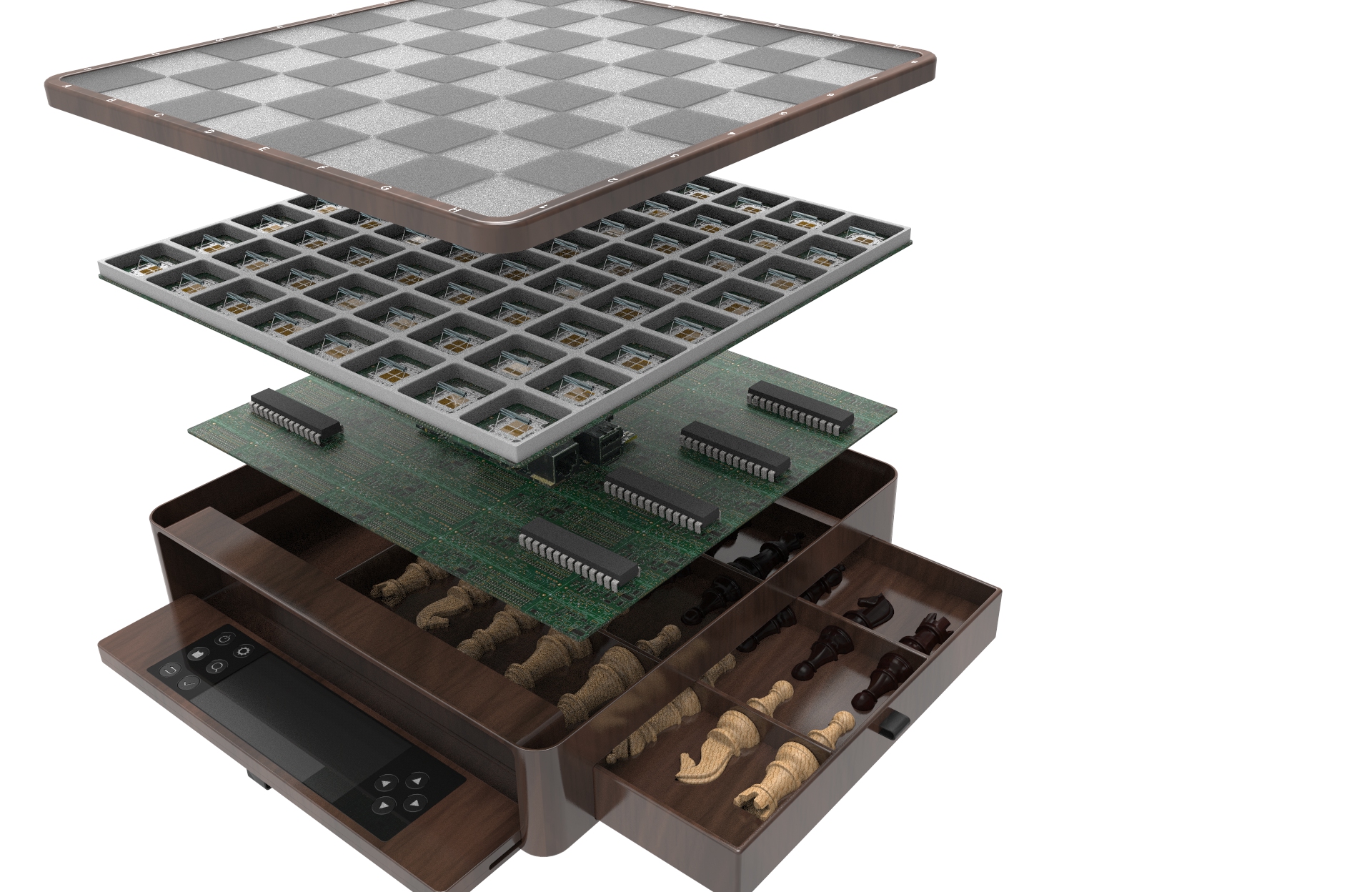
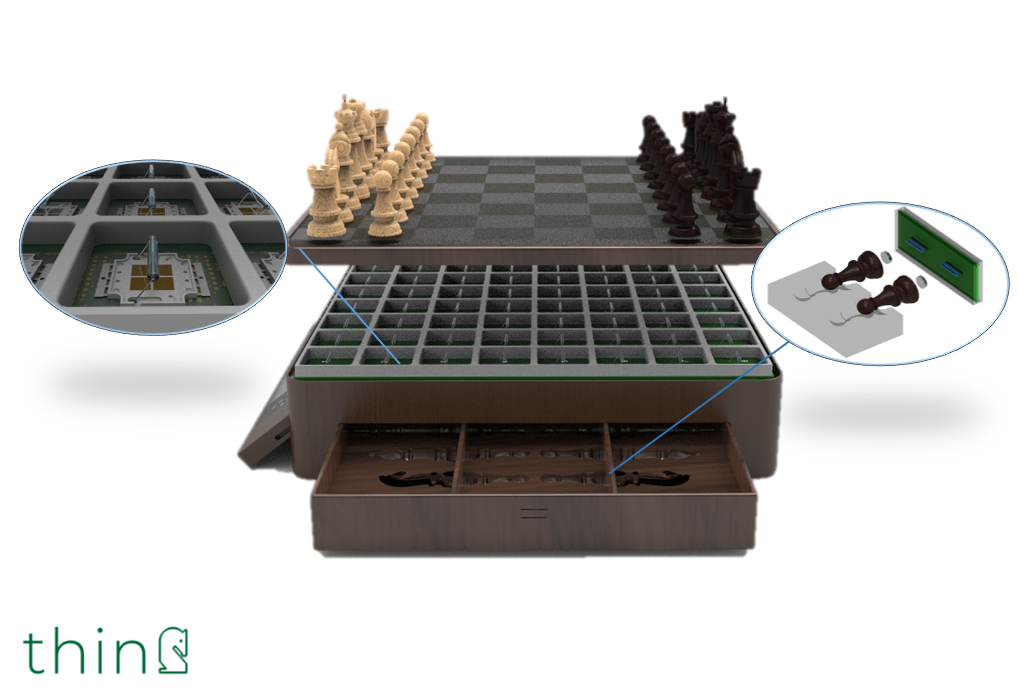
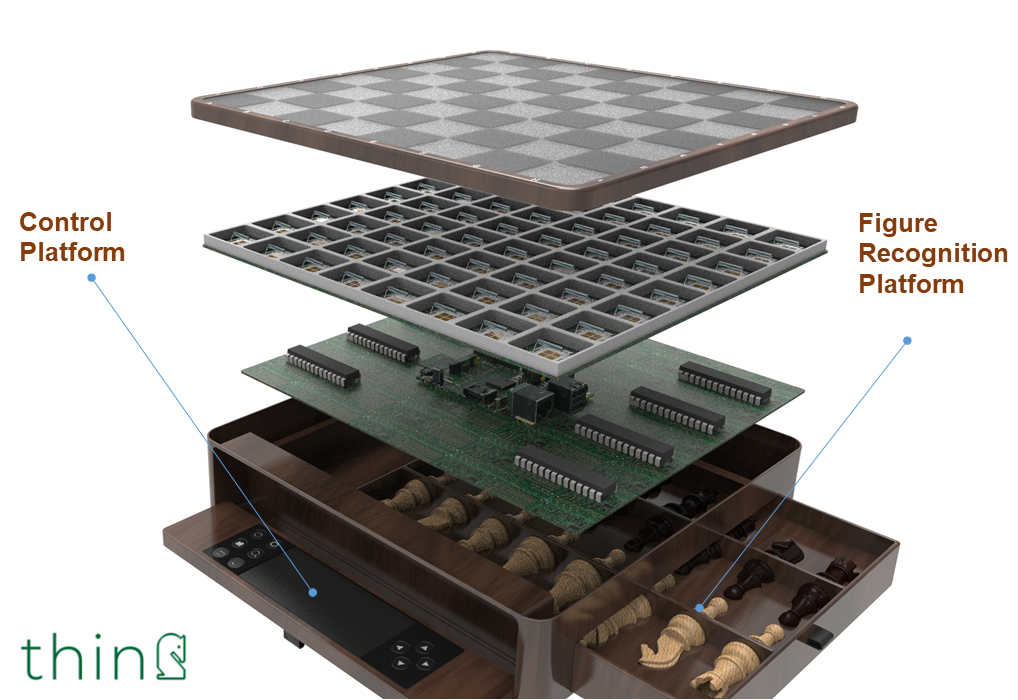
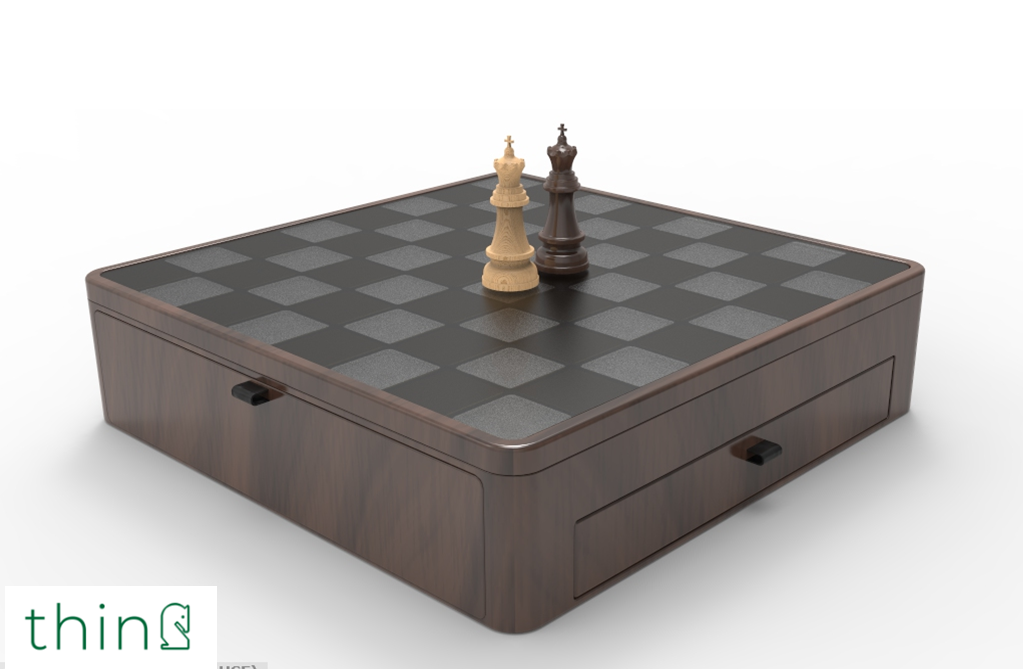
Moving to the hardware, we developed two interesting concepts:
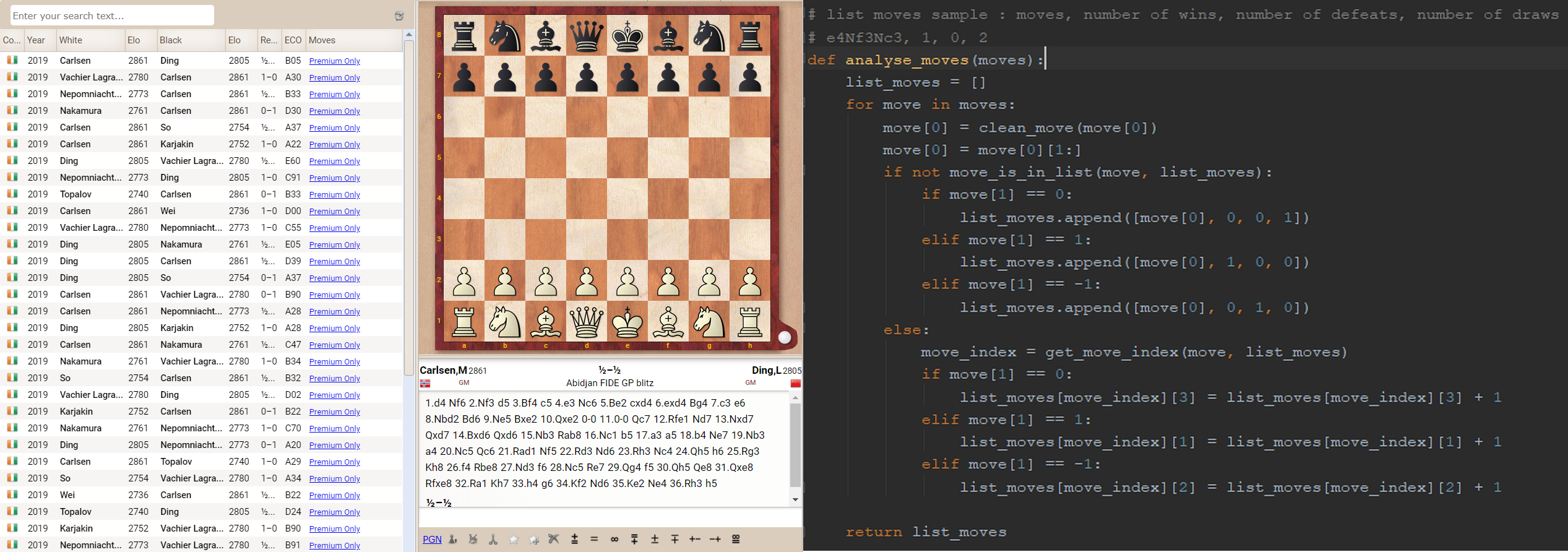
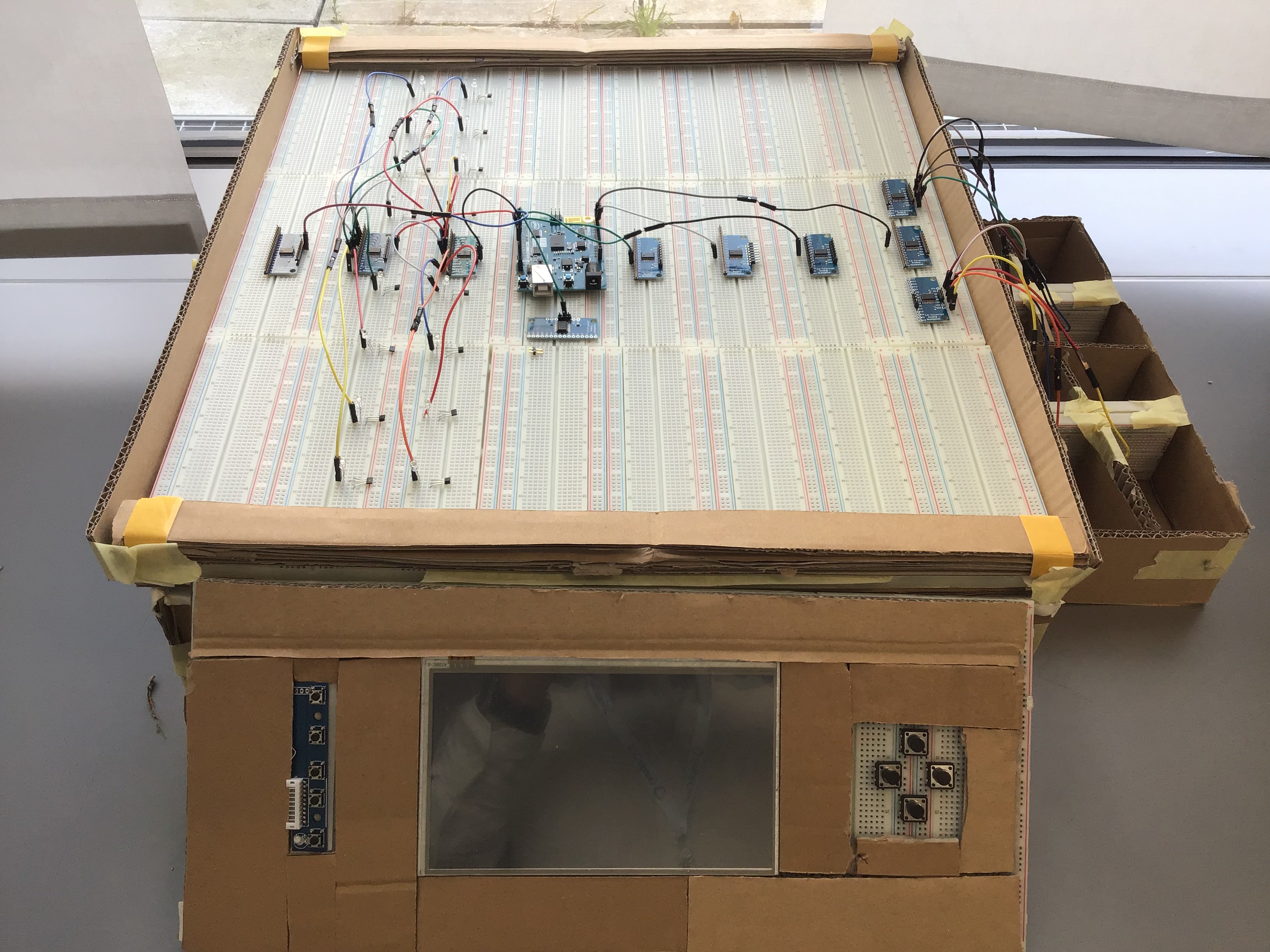
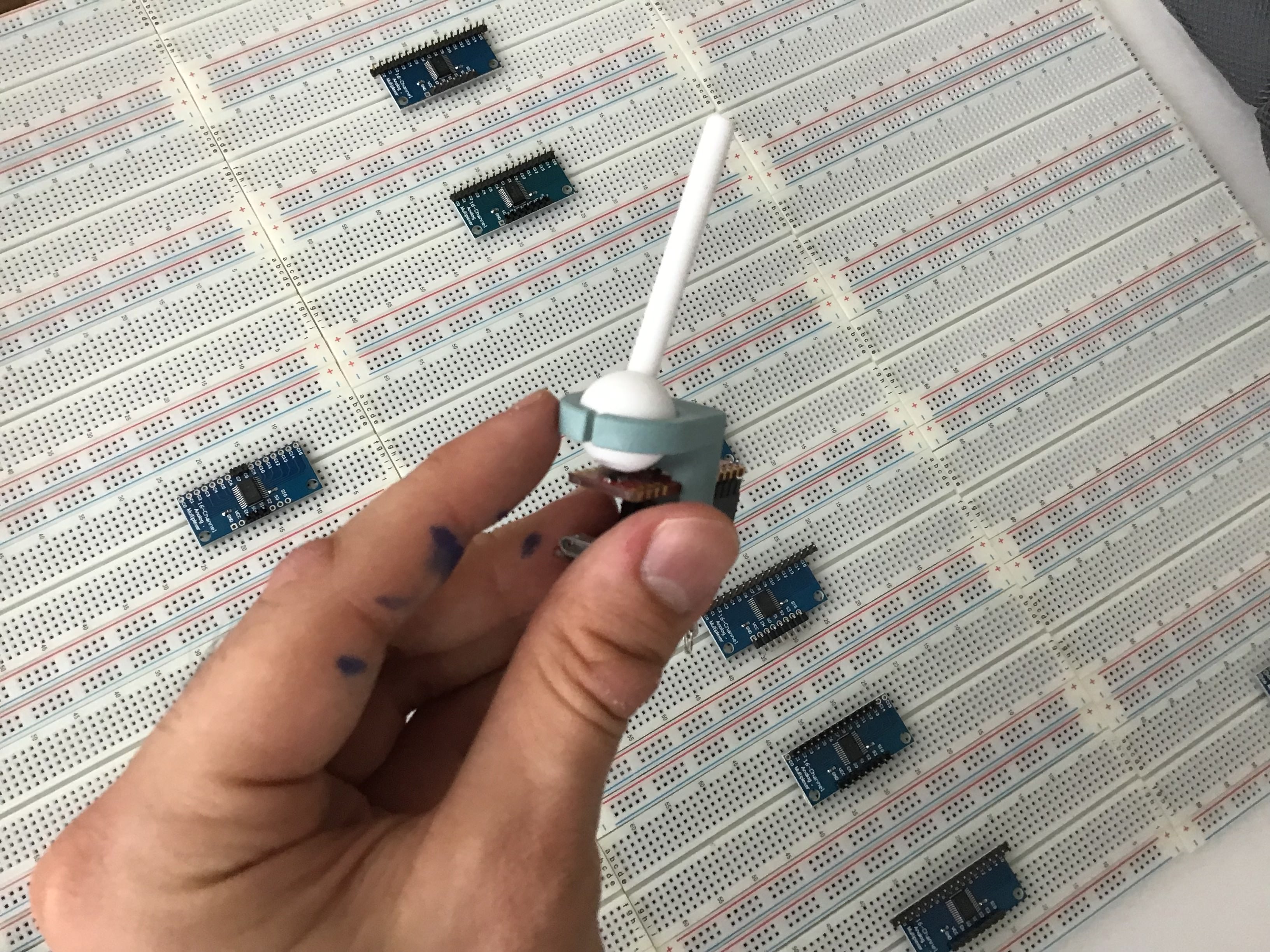
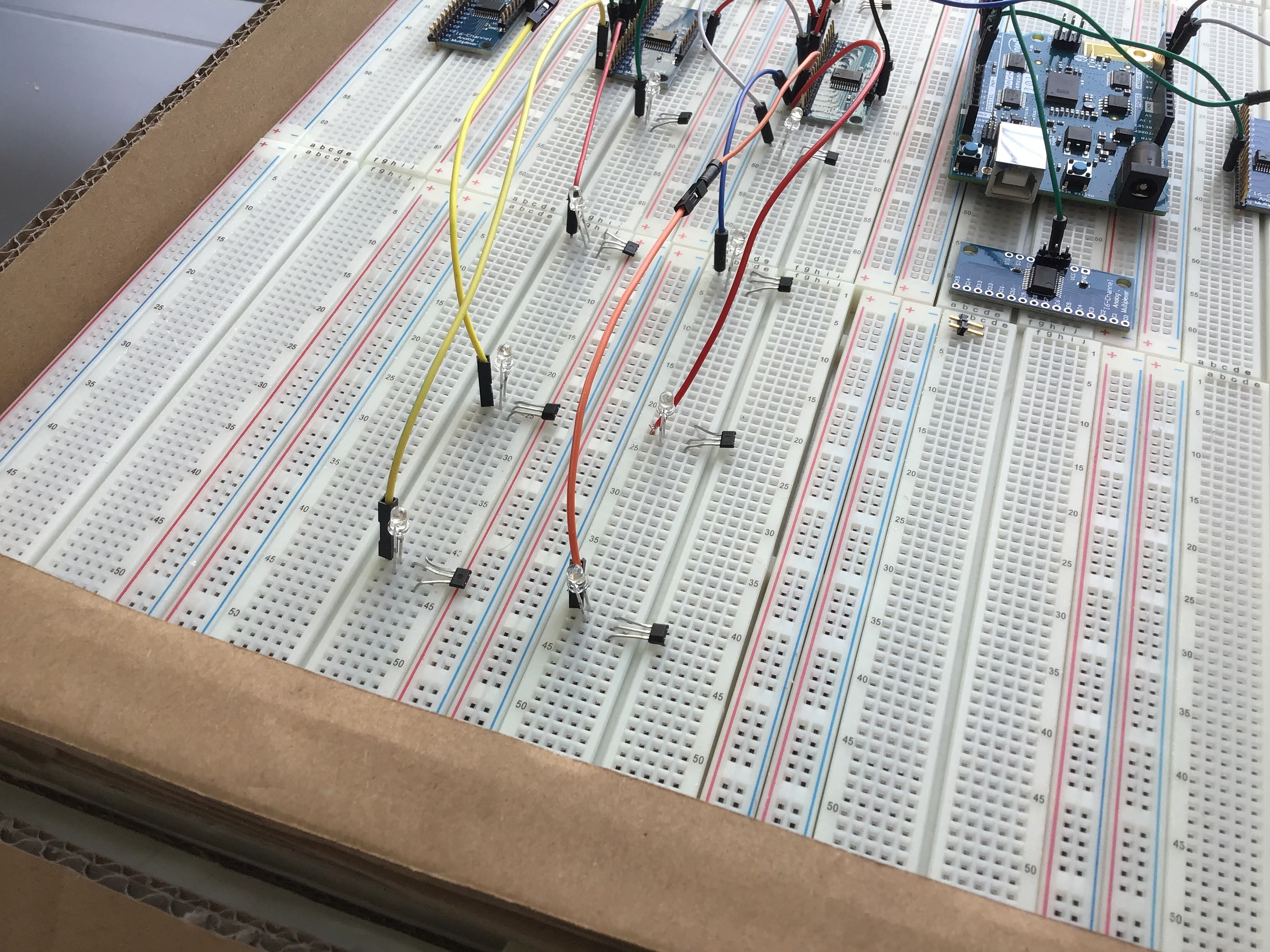
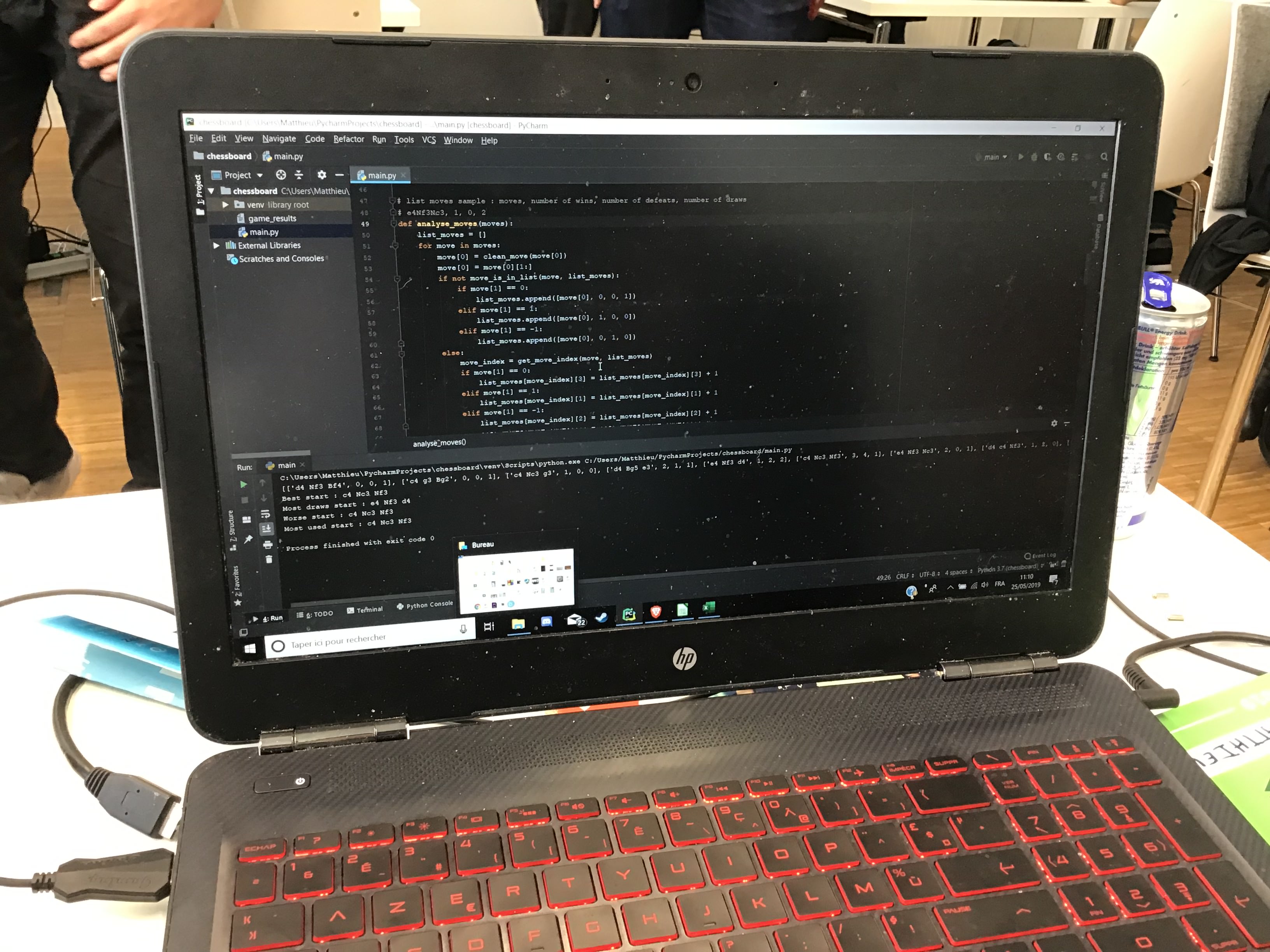
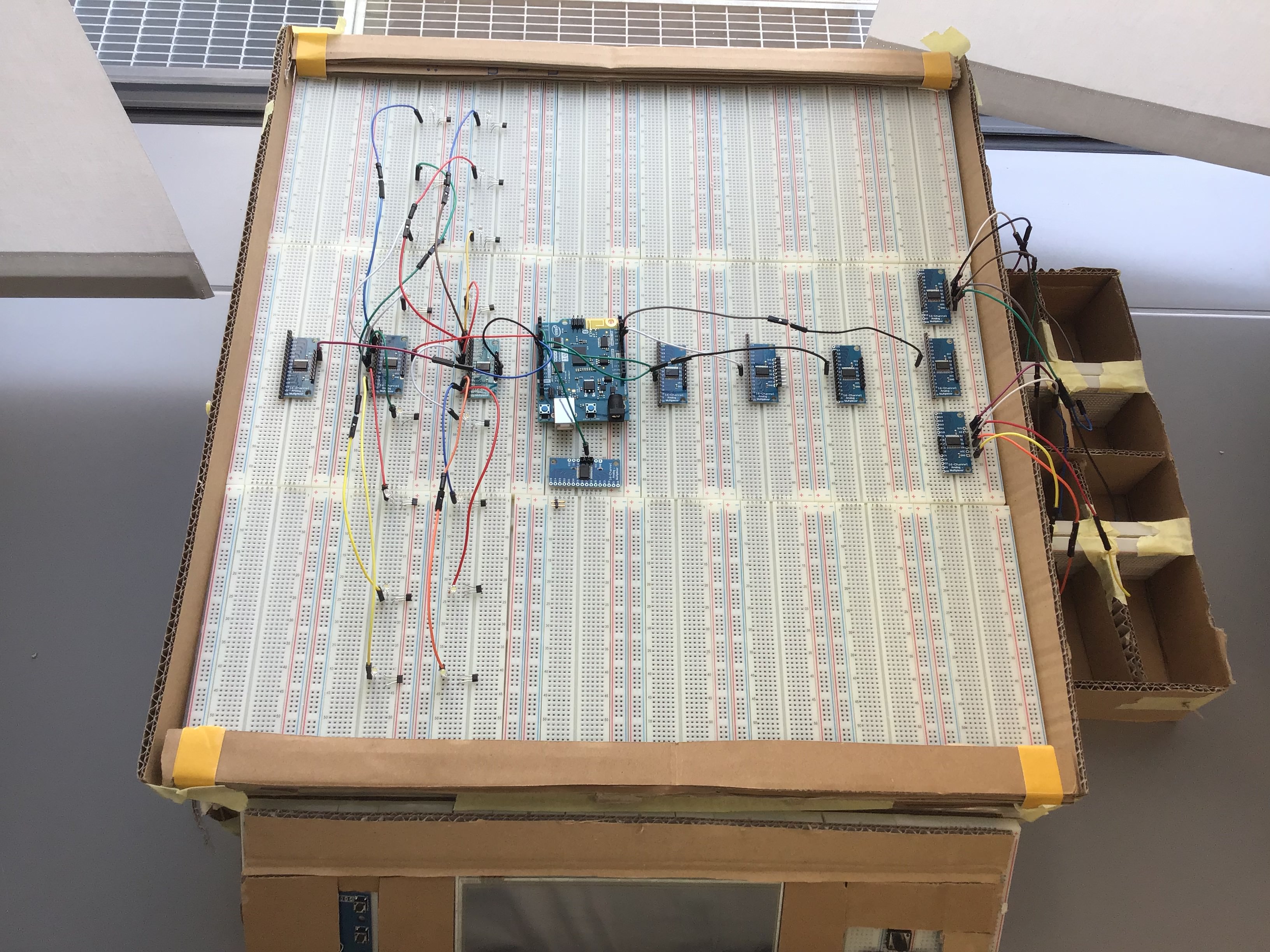
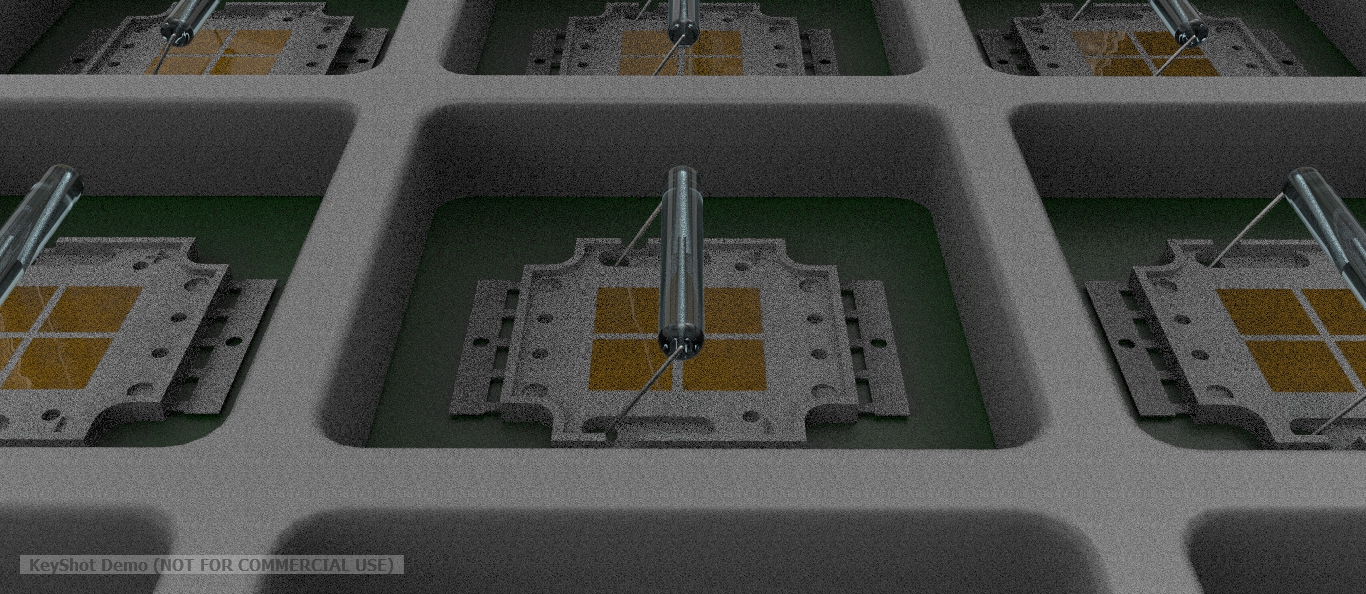
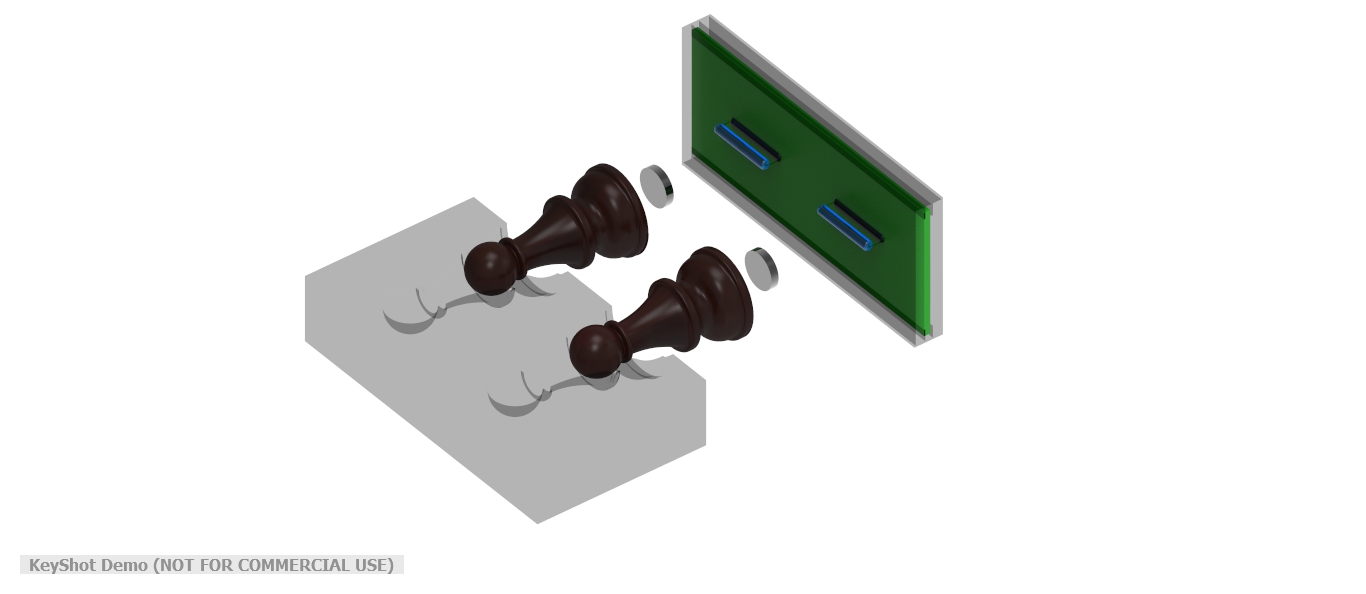
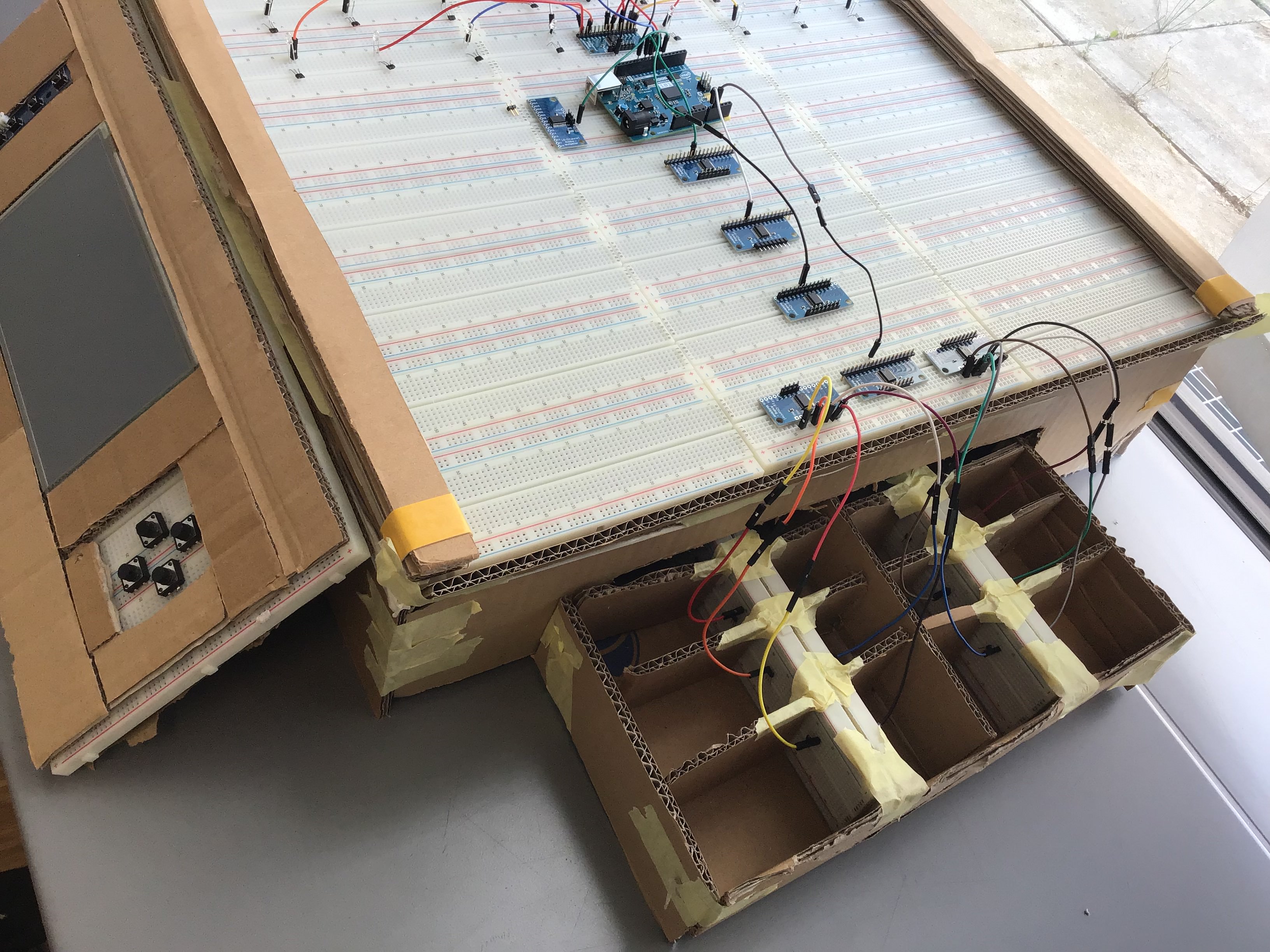
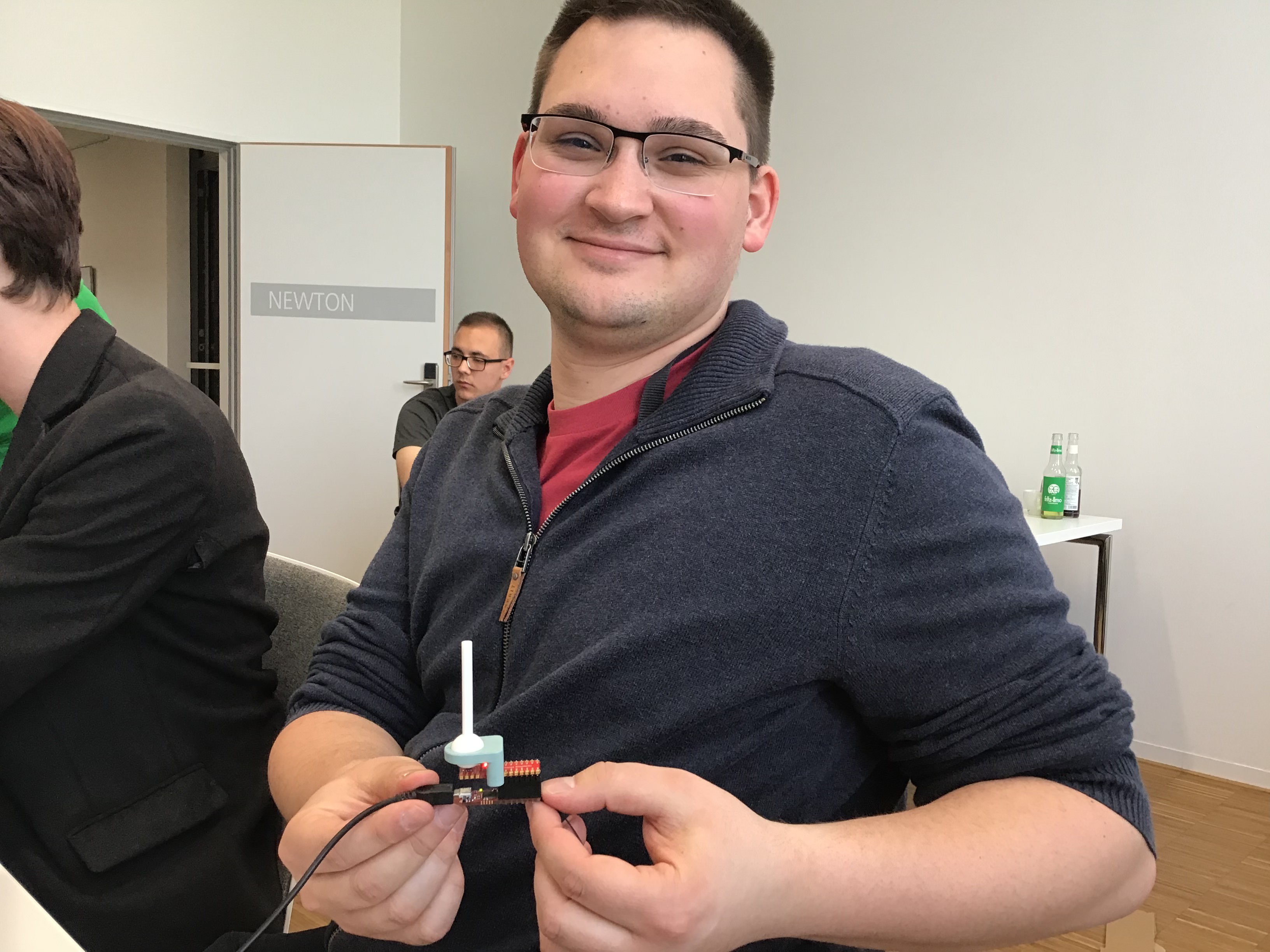
Platform I: where one can get in touch with all mentioned functions through E-ink technology screen and buttons. And Platform II: not just to store figures, but primarily, to solve the problem of “Figure Recognition” (explain shortly). After some brainstorming on suitable sensors, we found that by using magnets, Raspberry Pi, and very promising sensor named 3D Magnetic sensor provided by Infineon, we can make a computer differentiate between each chess piece and “seeing” its location. During the Hackathon we implemented a prototype using 3D Magnetic sensor. Furthermore, with Dominik we prepared the real-size mock-up of the board which you’re free to check out, meanwhile Mathieu was working on the Big Data Analysis which lies behind the process of a board. He developed the code which will help players to understand their progress and learn about best/worst moves they could make (photo).
Challenges we ran into
Basically testing a new sensor was a challenge, to integrate it into our idea and to prepare the working demo.
Accomplishments that we're proud of
We implemented everything we were planning to do throughout the hackathon!
What we learned
We learned that more interesting the project more complexity it takes to solve milestone-problems. It takes a lot of effort and time both for brainstorming and prototyping, but the experience is immensely motivating and teaching.
What's next for THINK
Chess is the most widely played intelligent game in the world and we believe in the future this project may have a wide impact on learning and shaping critical and strategic skills of people at any age.
Built With
- hall-effect
- hardware
- infineon
- prototype
- python
- raspberry-pi
- software

Log in or sign up for Devpost to join the conversation.