Inspiration
Yesterday, we attended an introductory workshop on computer vision during the Pearl Hackathon. The session taught us how to detect faces, which immediately sparked a lightbulb moment for us. As we delved deeper into the potential of detecting facial emotions, we realized the immense value this could bring to mental health support. It got us thinking what if technology could not only detect emotions but also provide therapeutic support? This idea of creating a chatbot that blends emotion detection with therapy felt like a natural progression. The workshop ultimately inspired the creation of TheraTech, where AI and empathy work together to support emotional well-being.
What it does
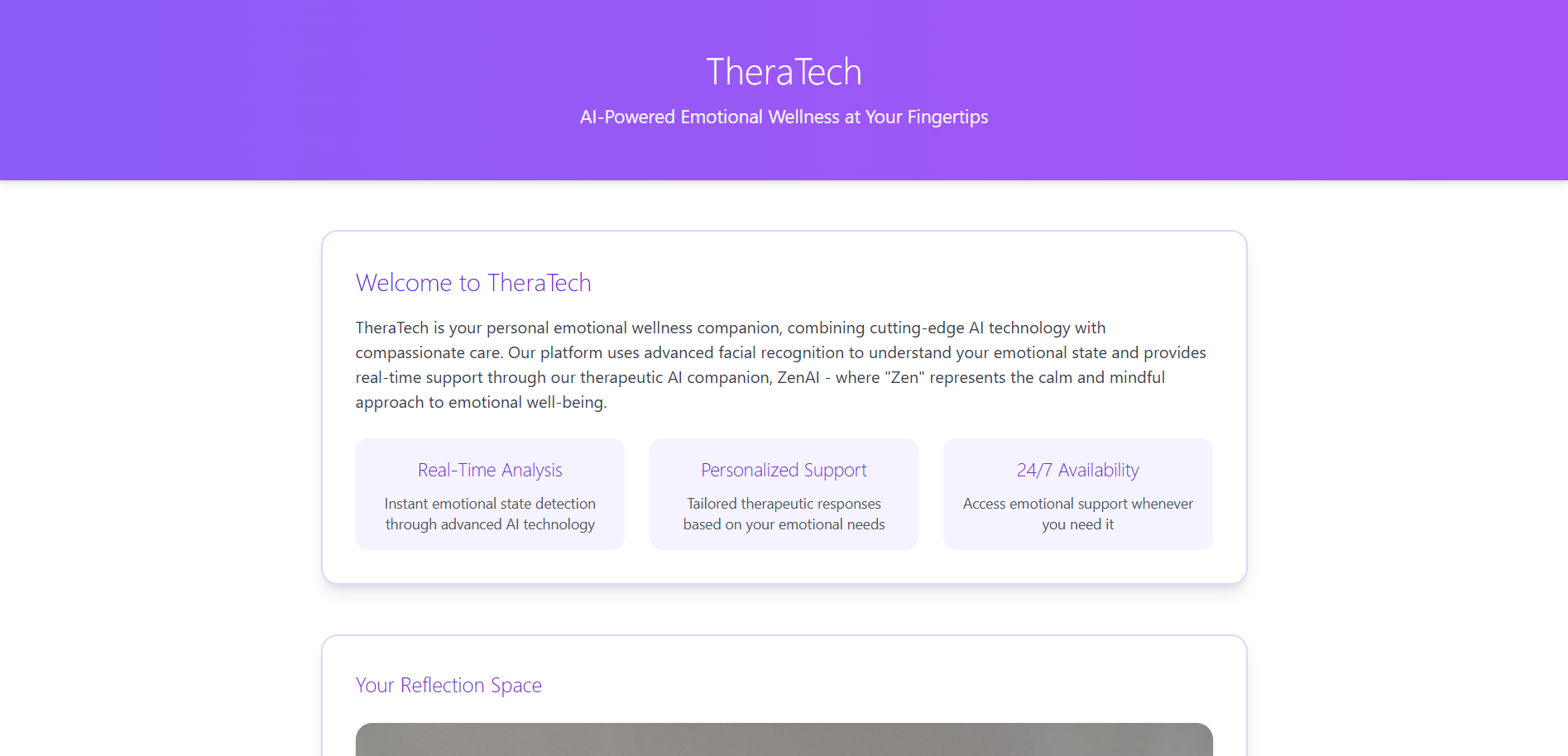
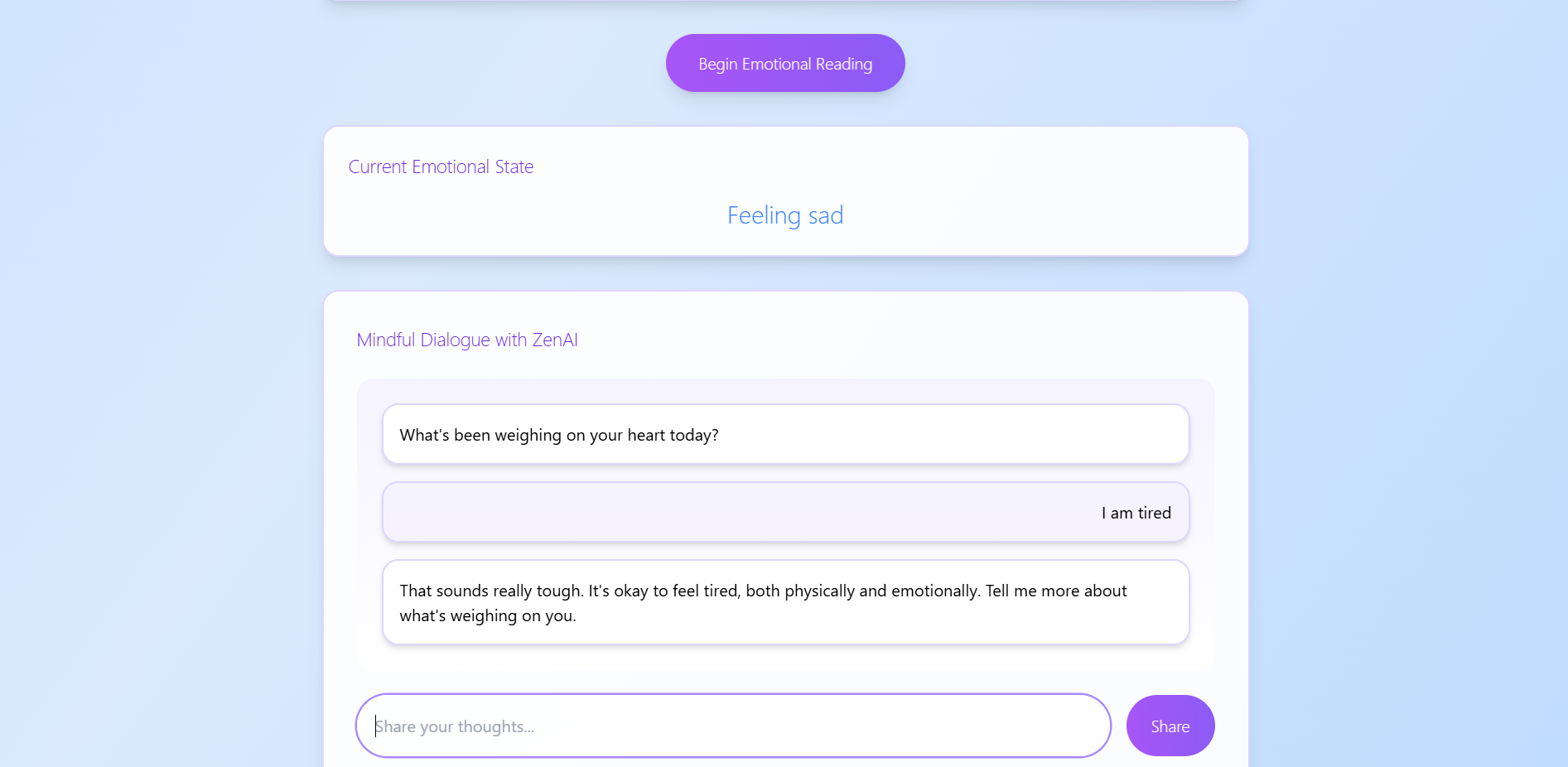
TheraTech is an innovative platform that uses emotion recognition technology to offer personalized therapeutic support. By analyzing facial expressions through computer vision, TheraTech detects the user’s emotional state in real-time. Once the emotion is identified, the system provides tailored suggestions, advice, or calming techniques, helping users manage stress, anxiety, or negative feelings. The interactive chatbot ZenAI engages with users by offering emotional support, personalized guidance, and mindfulness exercises. TheraTech aims to bridge the gap between technology and mental well-being, providing a soothing and empathetic experience for users whenever they need it.
How we built it
We developed TheraTech with a strong focus on emotional support through facial emotion detection and AI-driven therapeutic conversations. Here's a breakdown of how we built the platform:
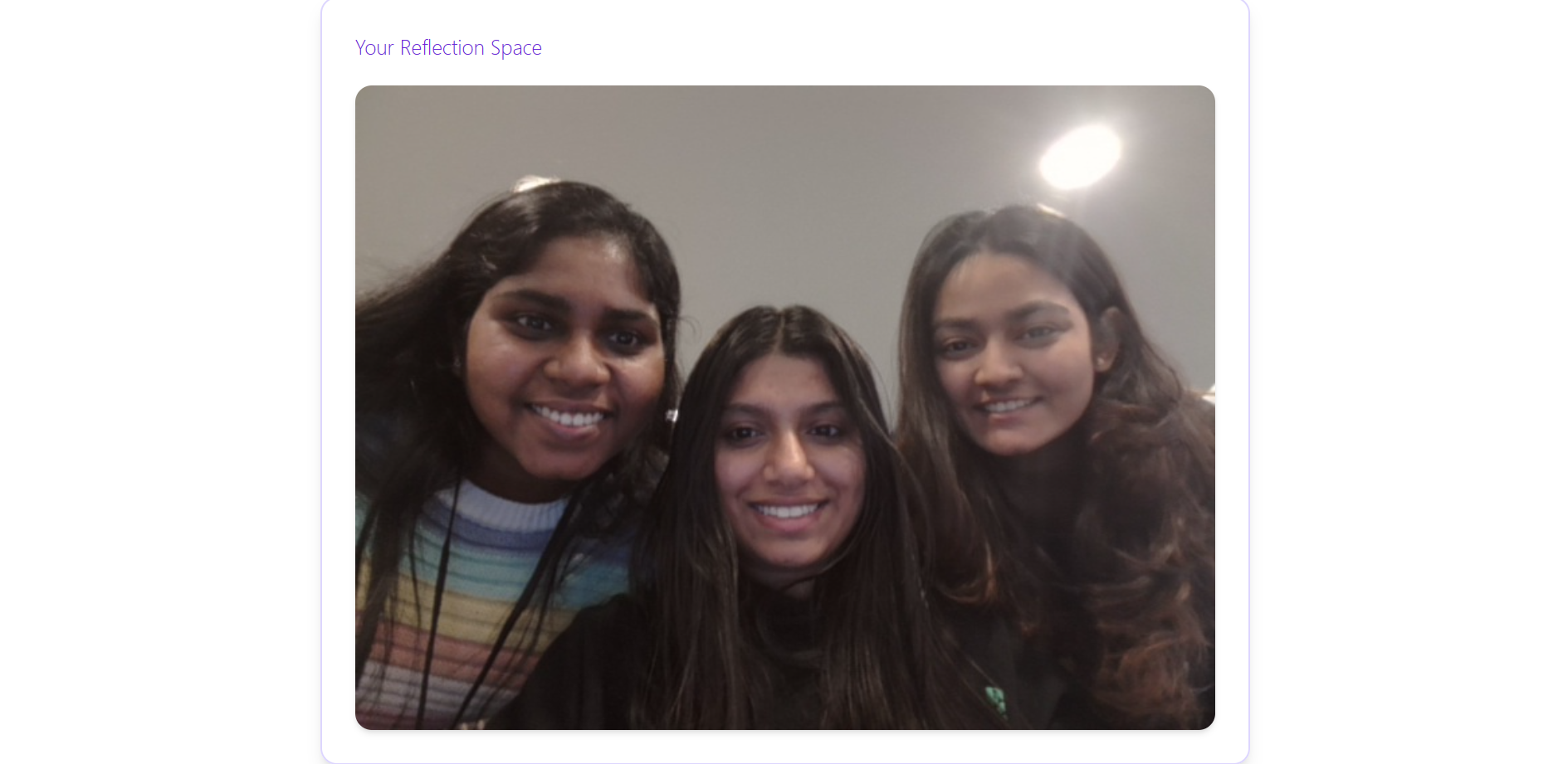
Facial Emotion Detection: We utilized computer vision techniques with OpenCV to analyze and detect users' facial expressions in real-time. The system identifies various emotions like happiness, sadness, anger, and anxiety based on the user's facial features captured through a live video feed.
Backend Development: The backend of TheraTech is built with Python and Flask, which processes the facial emotion data and handles the communication between the user’s inputs and the ZenAI chatbot. This framework allows for smooth integration of various APIs, ensuring that emotion detection and user interaction happen seamlessly.
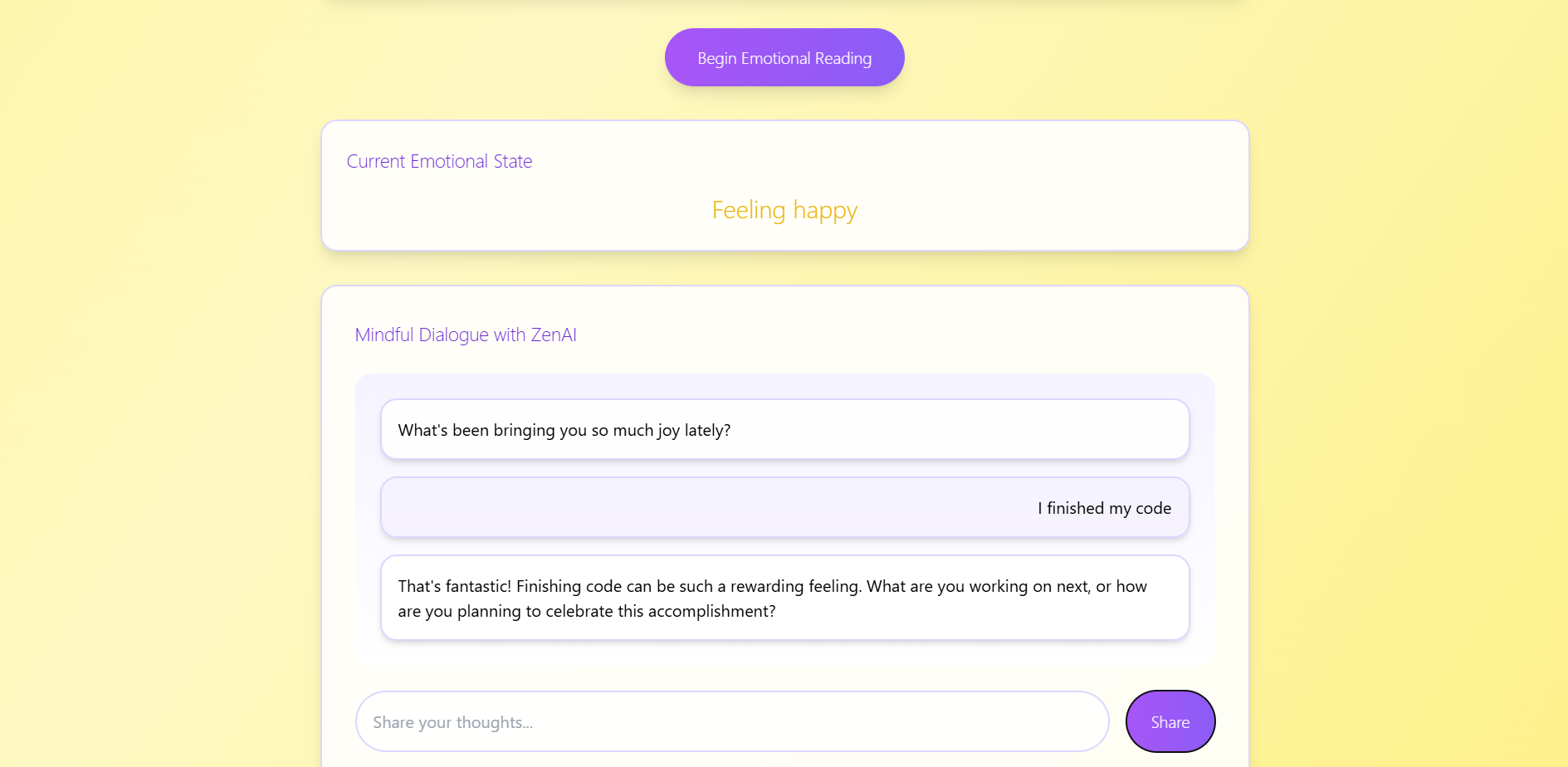
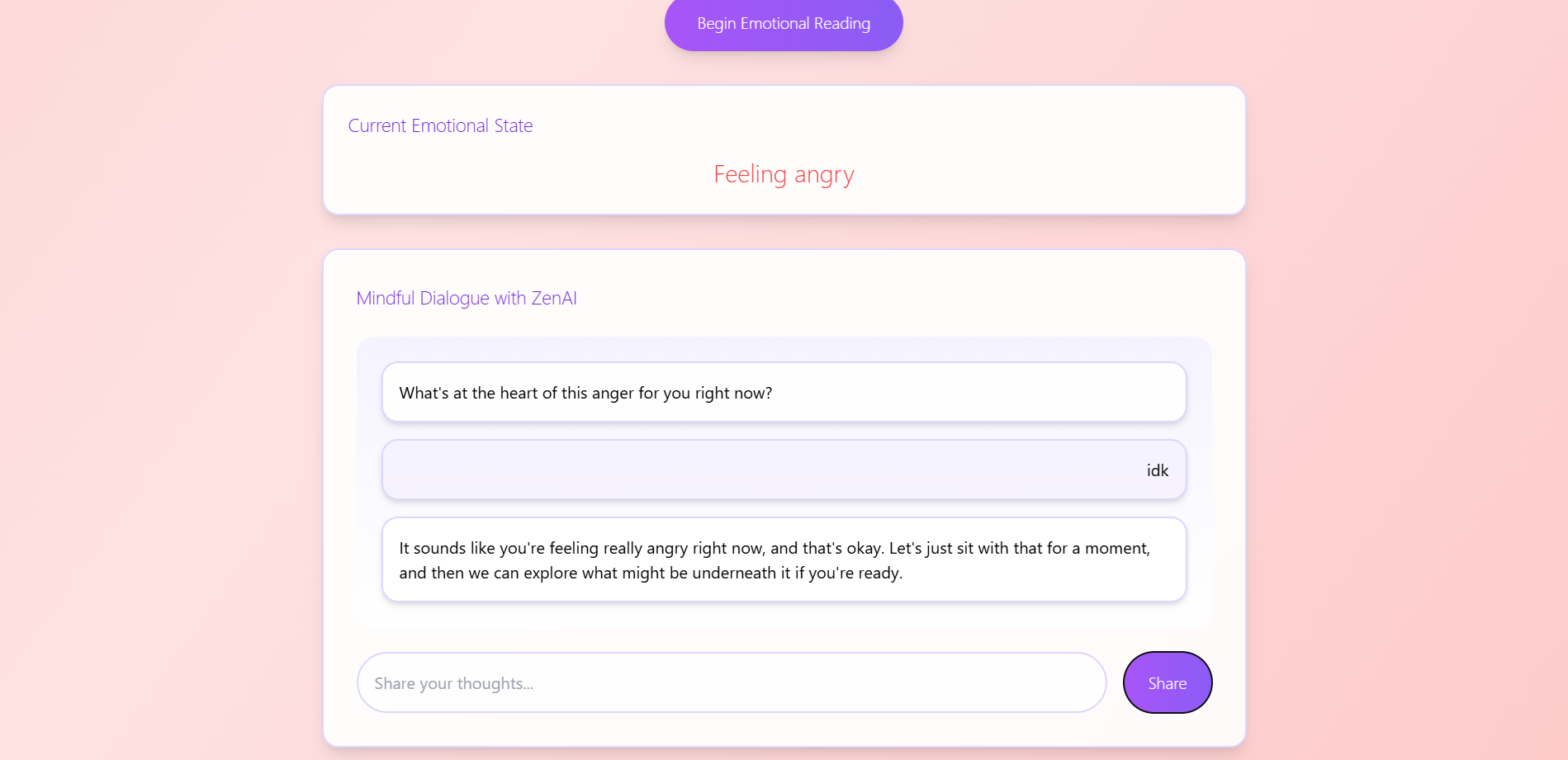
ZenAI Chatbot: The heart of TheraTech's therapeutic functionality is ZenAI, an AI-powered chatbot. We integrated Gemini for ZenAI, which is designed to engage users in therapeutic conversations. Gemini analyzes the user’s emotions and provides appropriate, comforting responses based on the detected emotional state, offering support, relaxation techniques, or positive affirmations.
Frontend Development: The frontend is built using HTML, CSS, and JavaScript, with a calming design to ensure a soothing and user-friendly experience. The layout includes a live video feed for emotion detection and a chat interface for the therapeutic conversation with ZenAI. We incorporated soft colors and intuitive navigation to create a relaxing environment for the user.
Emotion-Based Chatbot Responses: When a user’s emotion is detected, ZenAI adapts its responses accordingly. For example, if the user is anxious, it may suggest breathing exercises or mindfulness activities. If the user is angry, it might provide techniques to help manage their emotions, promoting a sense of calm.
Real-Time Interaction: As users interact with the system, ZenAI continuously monitors their emotional state based on facial expressions, allowing it to provide real-time responses that are empathetic and aligned with the user's current mood.
TheraTech combines powerful emotion detection and intelligent AI therapy to create a supportive, personalized mental health tool. With ZenAI at the core, users receive real-time emotional support tailored to their needs, making TheraTech an invaluable resource for mental wellness.
Challenges we ran into
Our main challenges centered on two areas:
- Integrating accurate real-time emotion detection while accounting for variables like lighting and diverse facial features
- Developing ZenAI with Gemini API to provide genuinely empathetic and relevant responses
Accomplishments that we're proud of
Key achievements include:
- Successfully merging emotion detection with AI therapy
- Creating empathetic AI responses through ZenAI
- Developing a soothing, user-friendly interface
- Implementing real-time emotional analysis and feedback
- Building a platform with significant potential for mental health support
What we learned
Critical insights gained:
- Emotion recognition requires careful balance between accuracy and responsiveness
- AI empathy is as crucial as technical functionality
- Mental health applications demand thoughtful user experience design
- API integration requires robust error handling
- AI can be effectively leveraged for social good
What's next for TheraTech
Future development plans include:
- Enhancing emotion recognition with voice and sentiment analysis
- Developing more personalized therapy sessions
- Adding features like mindfulness exercises and mood tracking
- Integrating with wearable devices
- Building a peer support community
- Partnering with mental health professionals
- Expanding globally with cultural adaptations

Log in or sign up for Devpost to join the conversation.