-
-
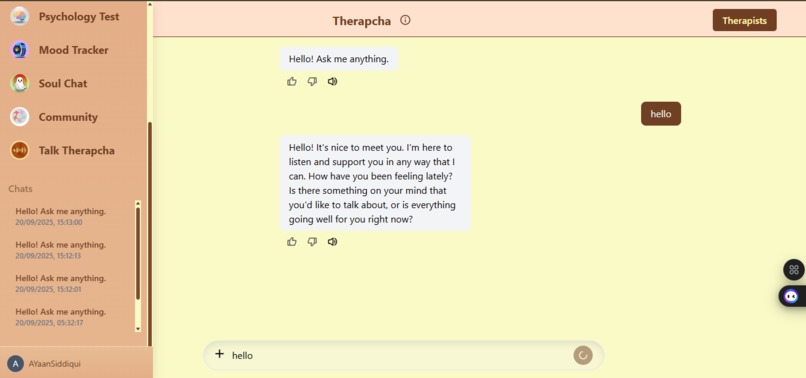
Therapcha Ai
-
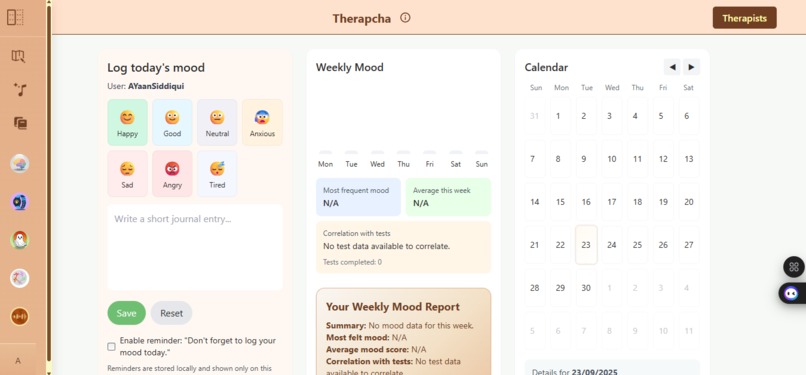
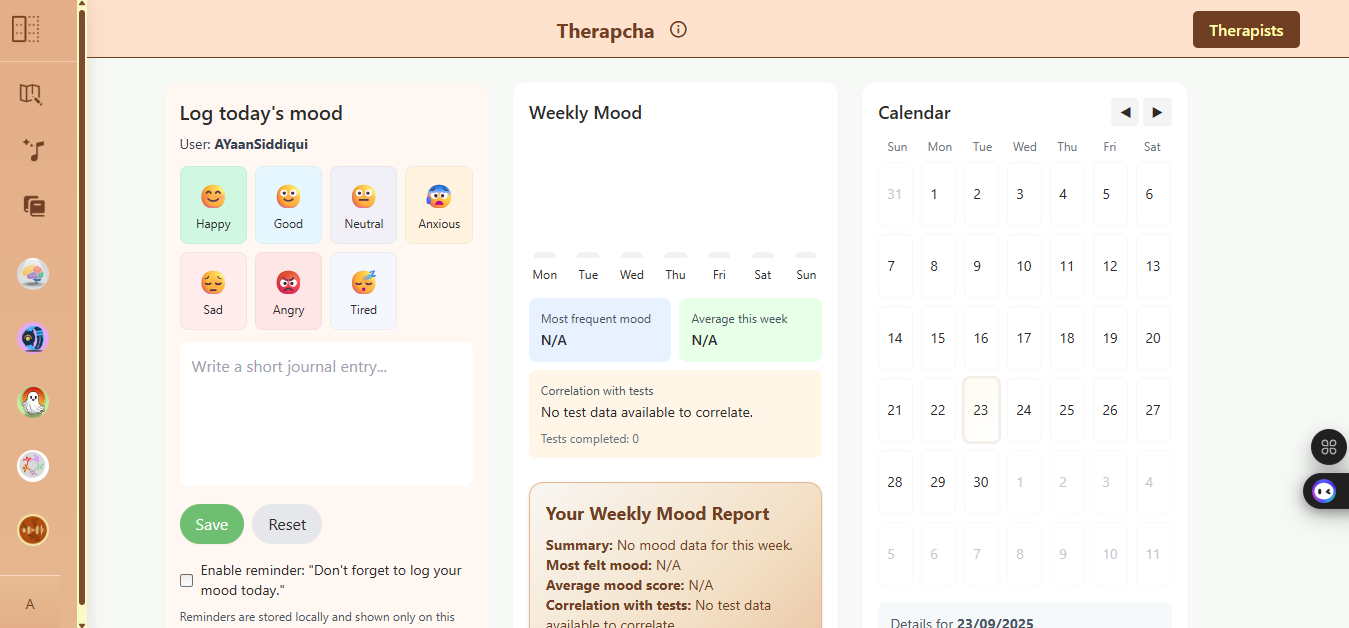
Mood Tracker
-
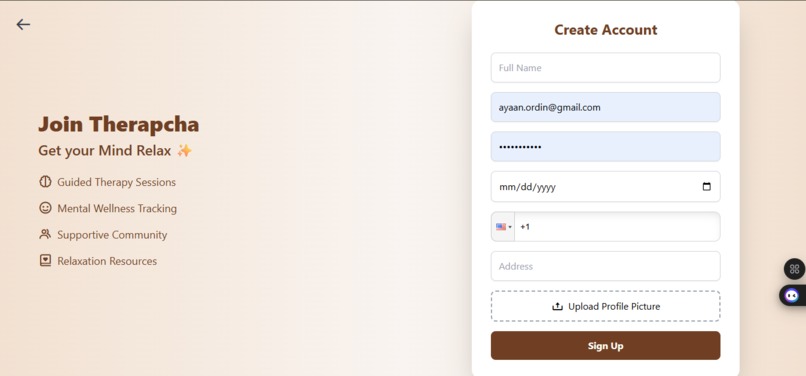
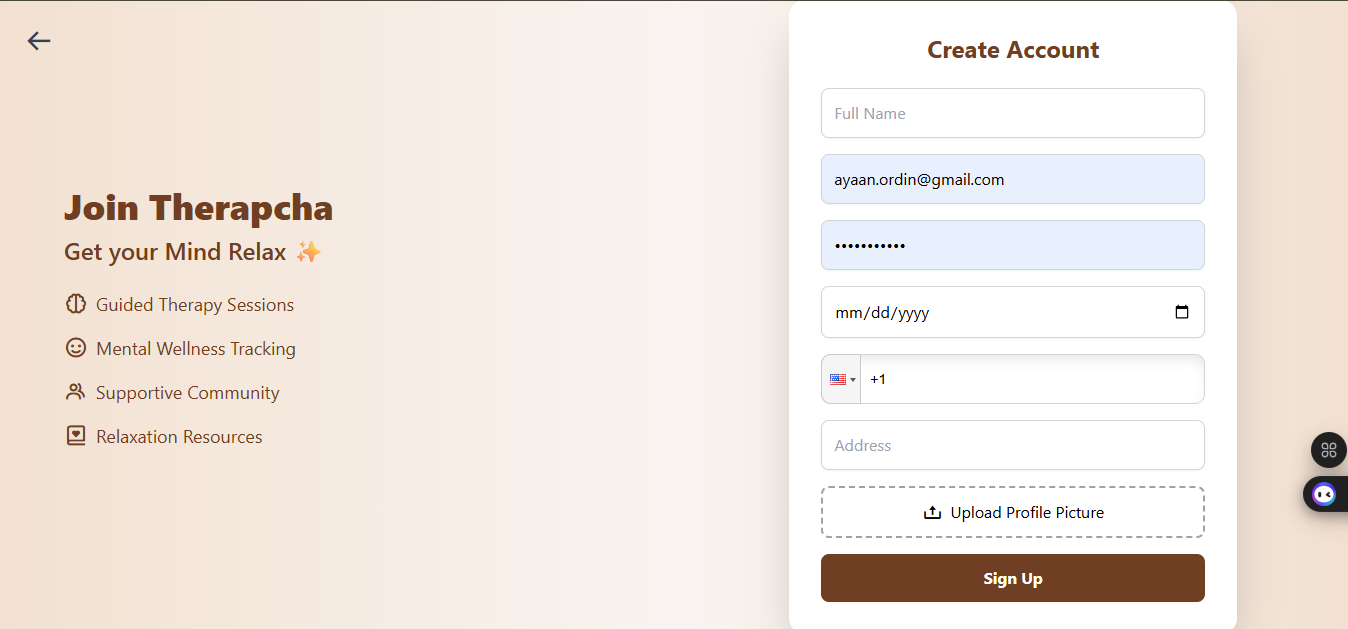
Signup
-

Home Page
-
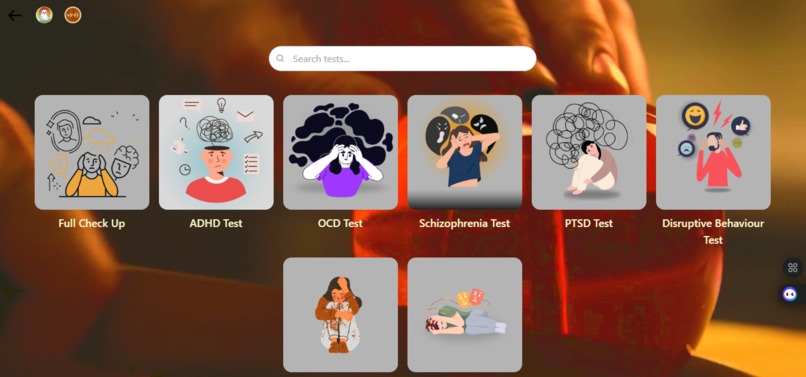
Therapcha Psycological Health tests
-
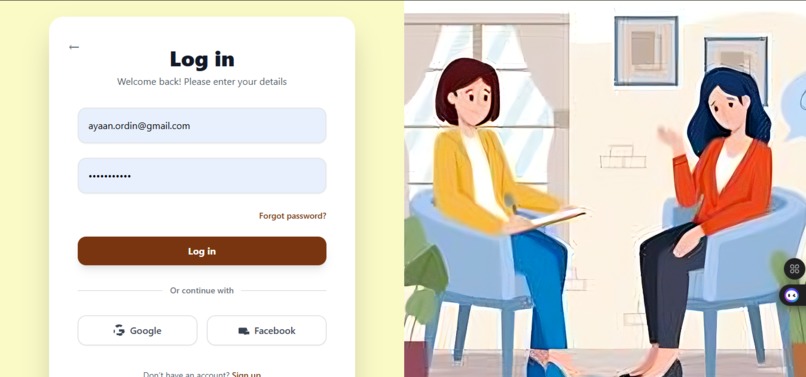
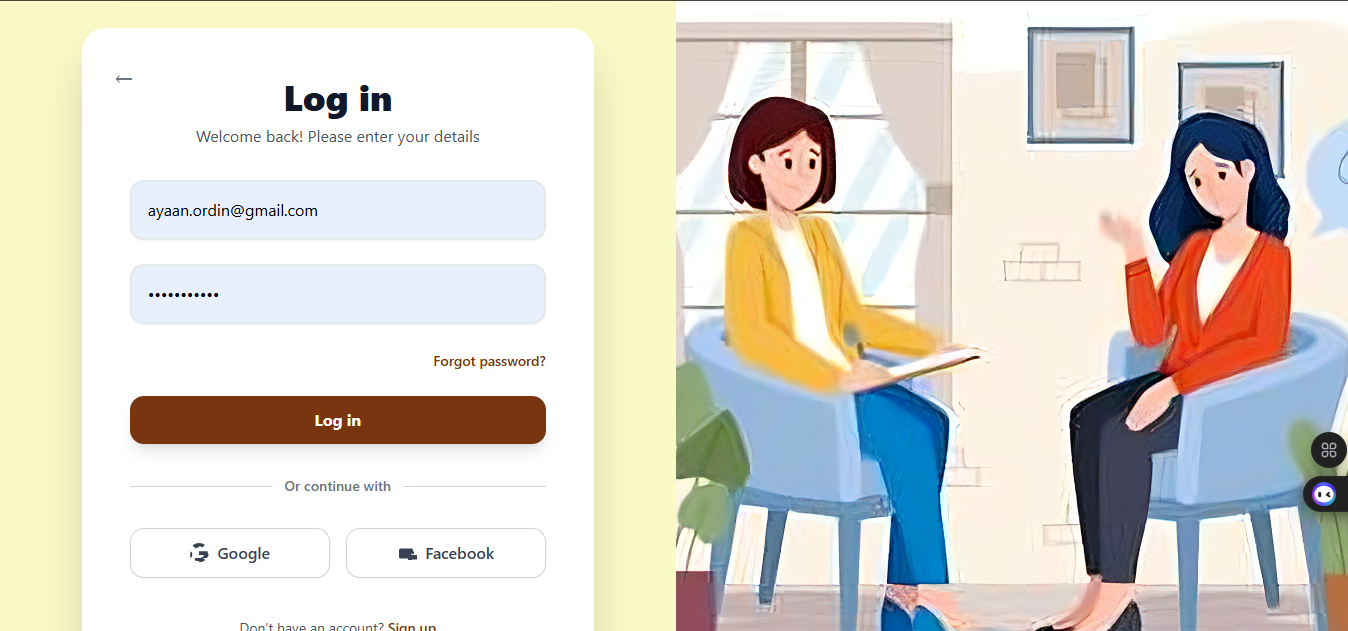
Login


Inspiration
I hold a diploma in psychology and have worked closely with people facing anxiety, depression, focus problems, and loneliness. Over and over I saw one gap: people need a companion that listens, understands, and helps them practice mental skills — 24/7, without judgment. That inspired Therapcha: an AI companion designed to feel soulful, empathetic, and helpful — not robotic.
What Therapcha Is
Therapcha is an AI-powered conversational companion with a “soul” — meaning it’s designed to respond with empathy, maintain long-term context, and guide users through micro-therapies, cognitive exercises, and mood-support practices. It’s not a replacement for a human therapist; it’s a daily support tool that strengthens mental resilience through personalized conversations and practice.
Key features:
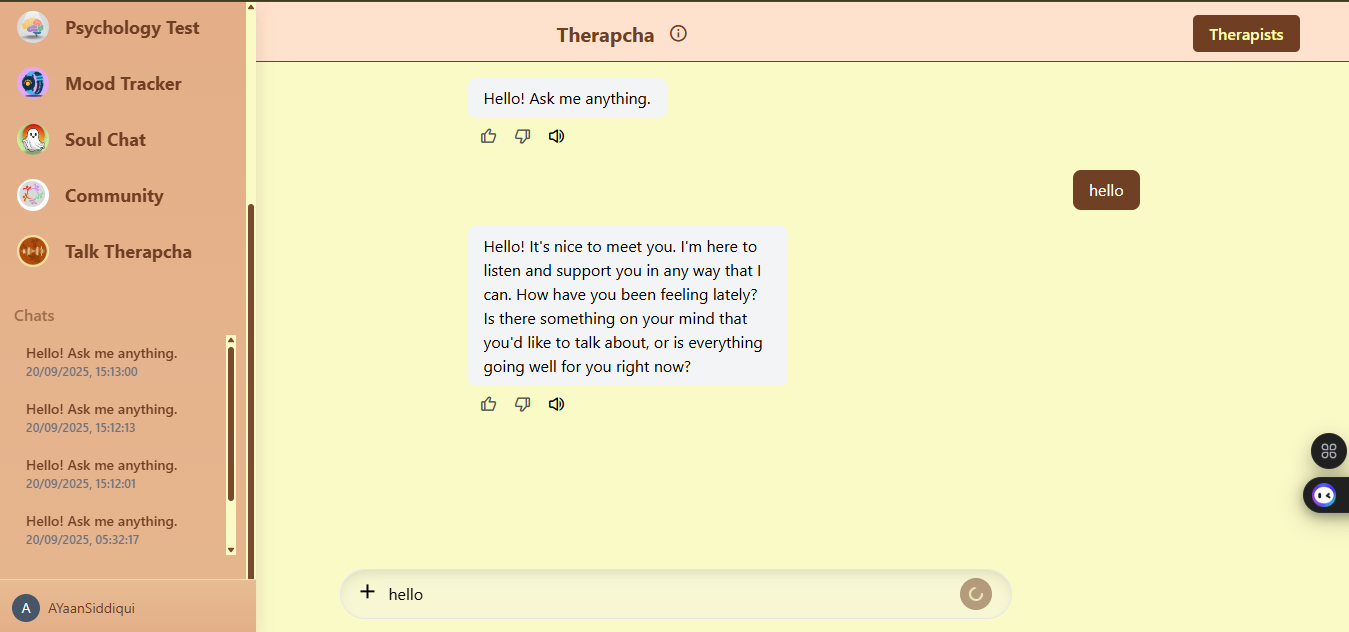
Soulful chat: context-aware, empathetic responses that remember previous sessions (with user consent).
Personalized exercises: short, evidence-informed tasks (breathing, attention drills, reframing prompts).
Mood tracking & suggestions: lightweight mood check-ins and tailored recommendations.
Safety & escalation: detects crisis language and provides resources / escalation advice.
Privacy-first: local-first options, explicit consent flows, and clear data controls.
How We Built It
Psychology-first design: exercise design and conversation flows created using psychological principles from my diploma (CBT elements, grounding, attention training).
Model & architecture: a transformer-based conversational model (local or hosted depending on deployment) fine-tuned on empathetic dialogue datasets and therapy-informed prompts.
Memory & persona: short-term session memory plus an optional, encrypted long-term memory for user preferences and progress. Memory is controlled by user permissions.
Frontend & backend: React frontend for chat UI, Flask/Node backend serving model endpoints, with secure auth and user settings.
Safety layer: classifier modules for harmful or crisis content to trigger safe responses and escalation.
Evaluation: human-in-the-loop testing with volunteers and iterative UX improvement.
What We Learned
Empathy is partly text, partly timing. Short phrasing, active listening, and well-timed reflective prompts increase user trust.
Personalization must be cautious. Memory improves relevance but needs transparent controls to avoid discomfort.
Simplicity wins. Micro-exercises (1–3 minutes) have higher adoption than long sessions.
Ethics and safety are not optional. The product must include easy ways to get real human help if needed.
Challenges Faced
Balancing personality vs. safety: making replies feel soulful without giving clinical advice beyond the app’s scope.
Data scarcity for “soulful” dialogue: high-quality empathetic datasets are limited, so we relied on careful prompt engineering and human feedback loops.
Latency & cost: running conversational models with context is resource heavy; we built options for small local models vs. cloud inference.
UX for vulnerability: designing UI/UX so users feel safe sharing without feeling exposed.
A small evaluation metric (example)
We track an Empathy Score during user testing, simplified as:
𝐸
𝛼 𝑅 + 𝛽 𝐶 + 𝛾 𝑆 E=αR+βC+γS
Where:
𝑅 R = user-rated responsiveness (0–1),
𝐶 C = contextual relevance (0–1) measured by annotators,
𝑆 S = safety compliance score (0–1),
𝛼 , 𝛽 , 𝛾 α,β,γ are weights chosen by product priorities (e.g.,
𝛼
𝛽
0.4 ,
𝛾
0.2 α=β=0.4,γ=0.2).
Future Plans
Adaptive personalization: model adapts exercises based on progress and mood trends.
Multimodal features: voice & simple avatar for less-typed interaction.
Human-in-the-loop escalation: easy handoff to human professionals if needed.
Mobile app & offline mode for privacy-sensitive users.

Log in or sign up for Devpost to join the conversation.