-
-
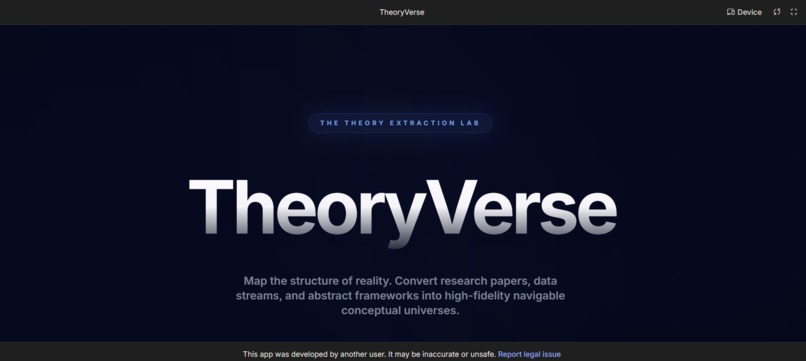
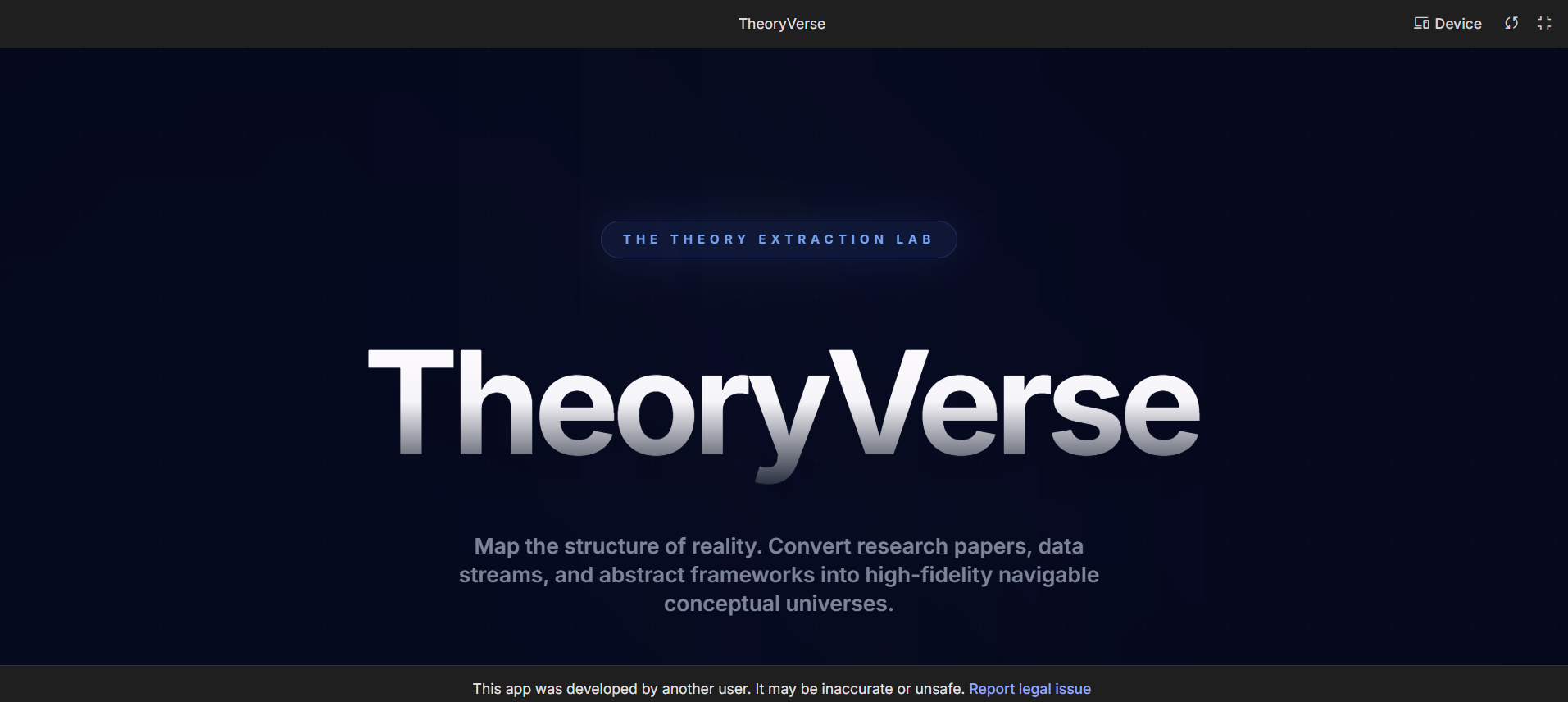
Home
-
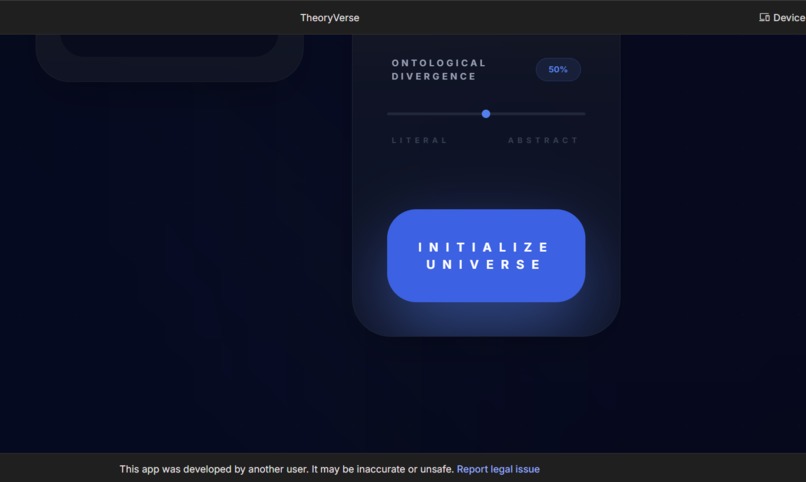
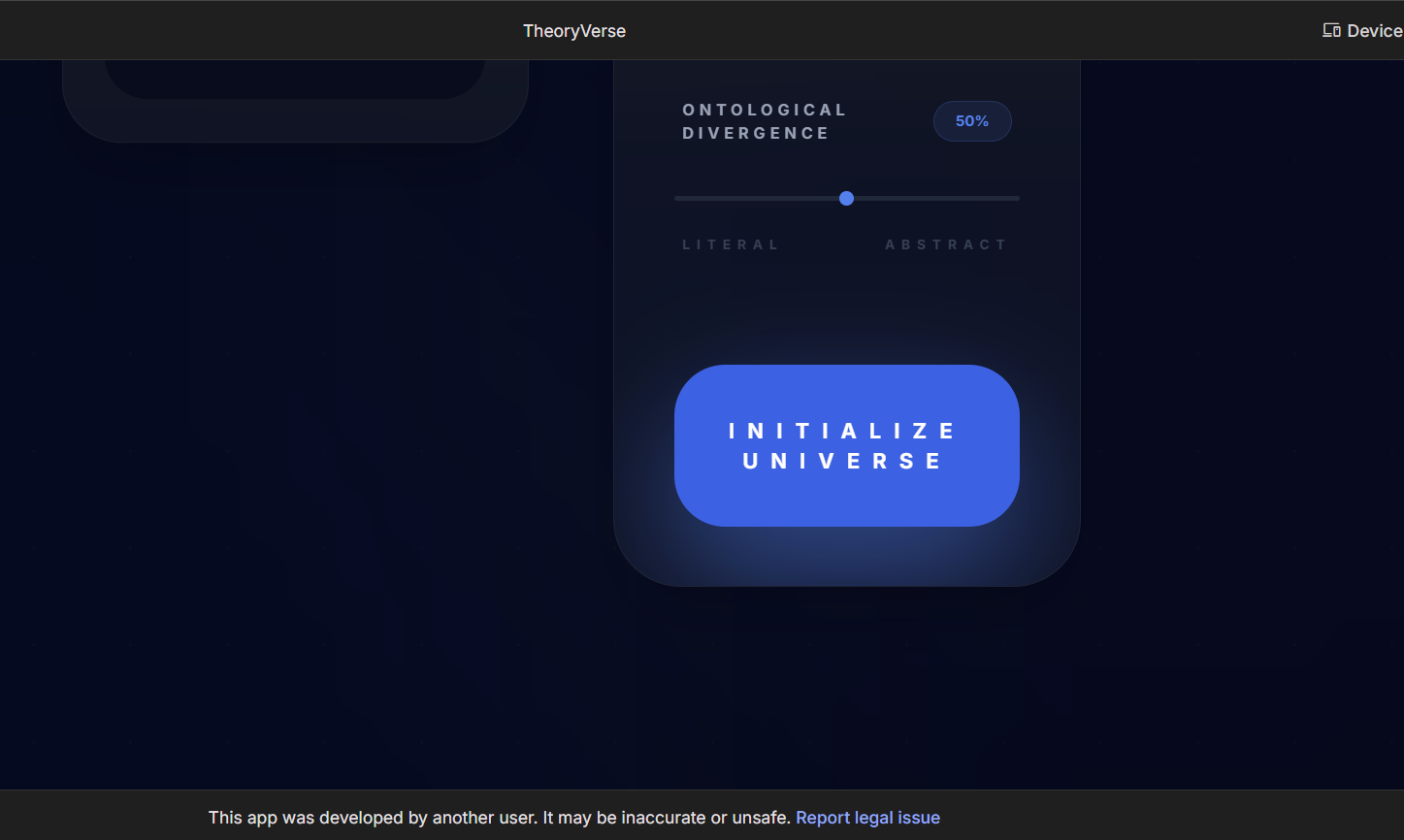
Home
-
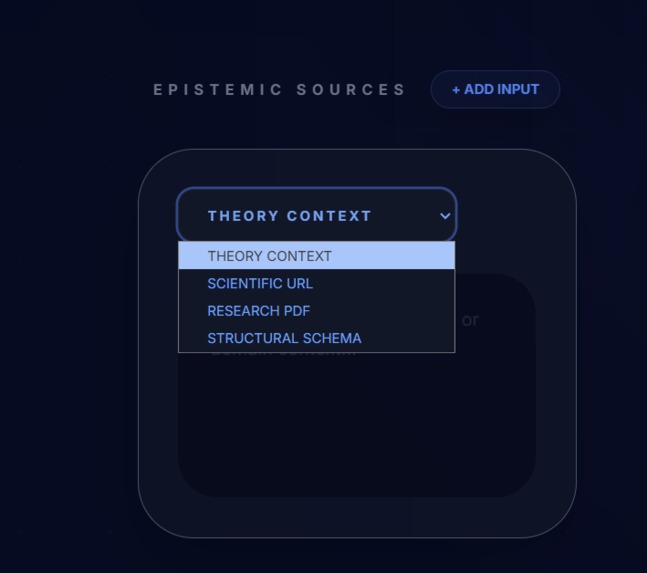
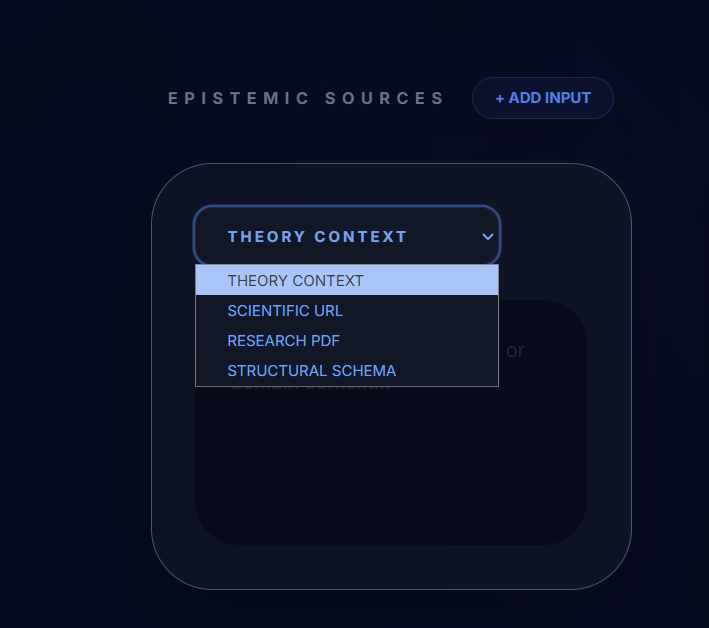
Input_Options
-
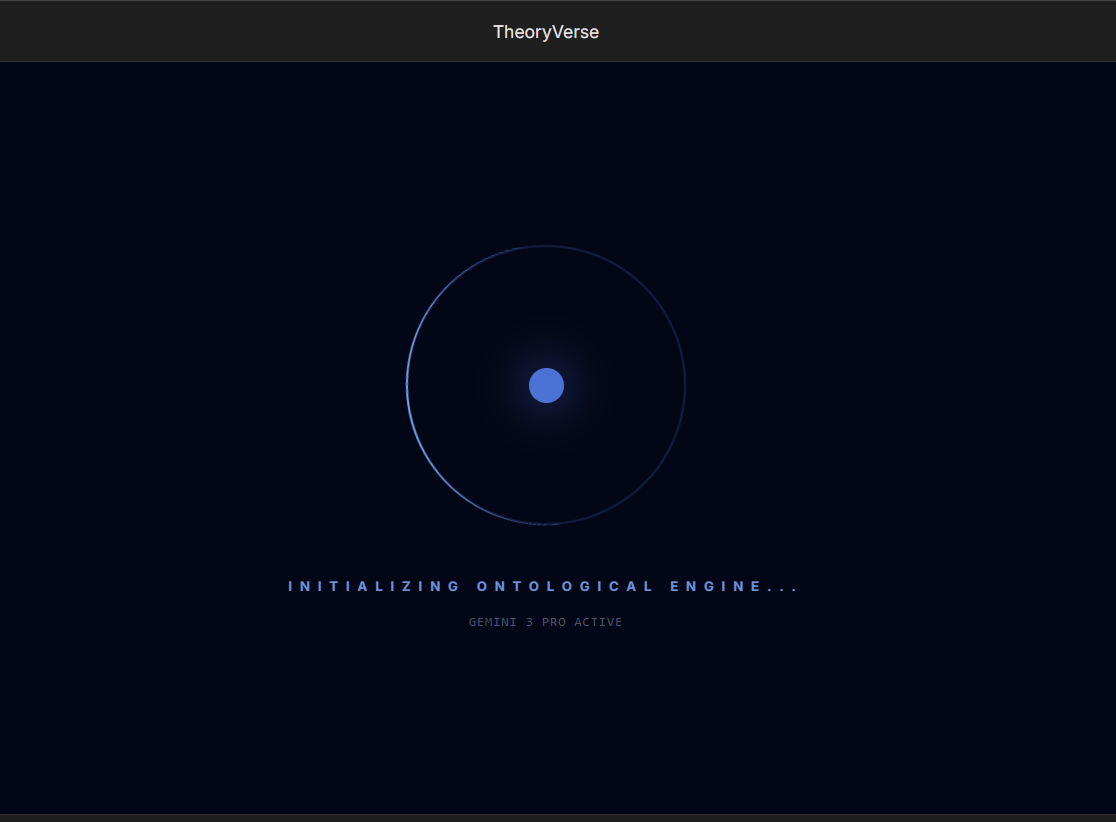
Loading_Page
-
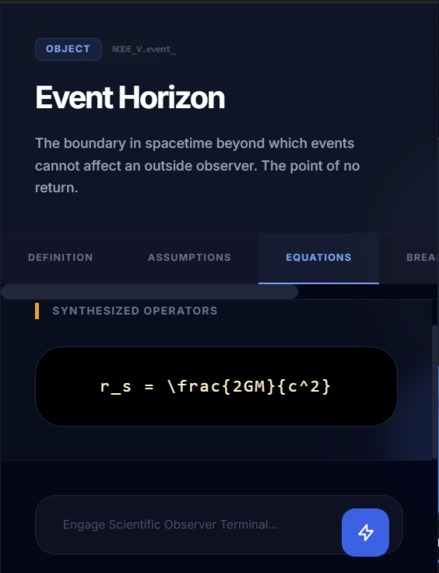
Object_Caption
-
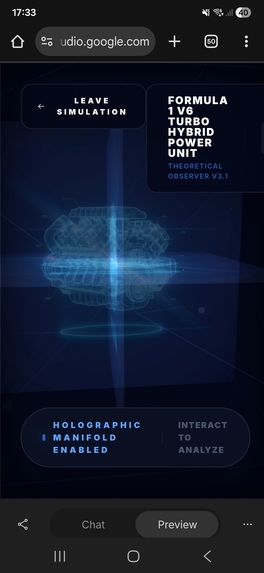
F1 engine
-
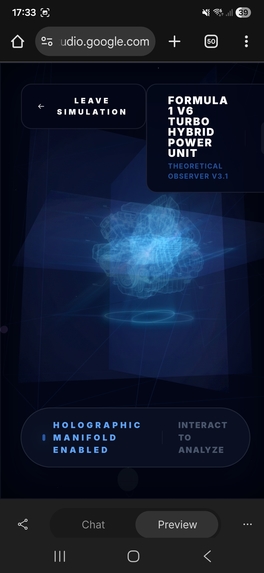
F1 Engine
-
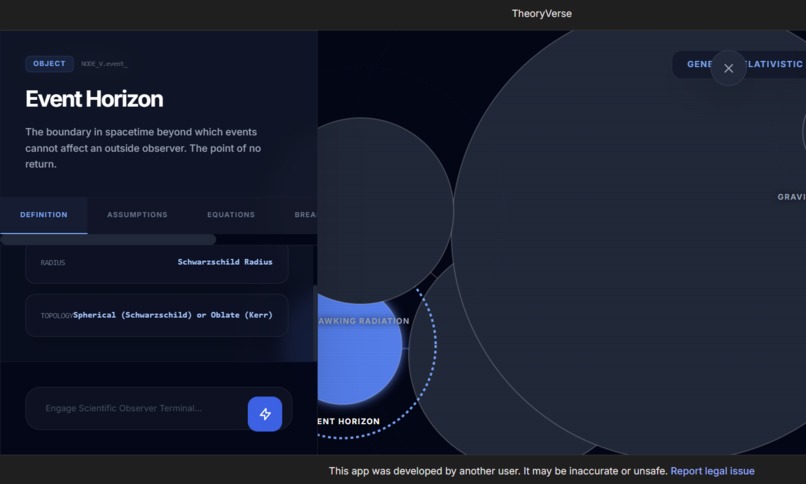
Depracated-Object_Caption
-
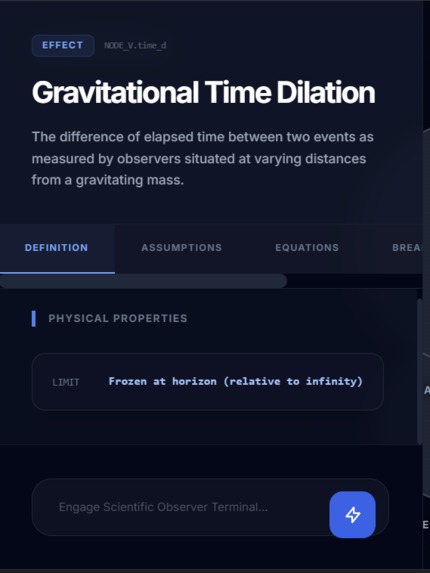
Deprecated- Object_Caption
-
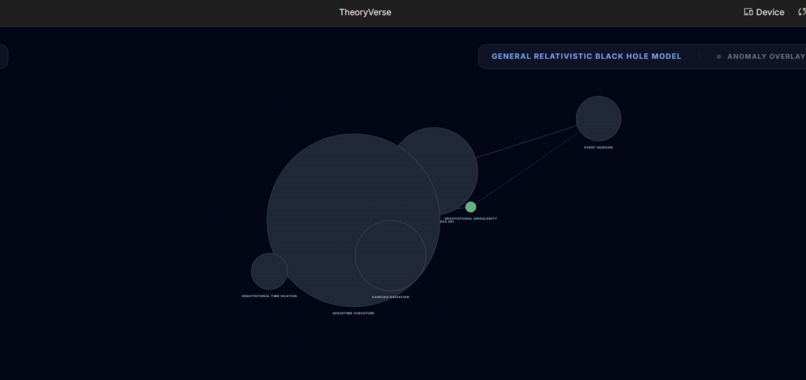
Deprectaed- Output_Render
-
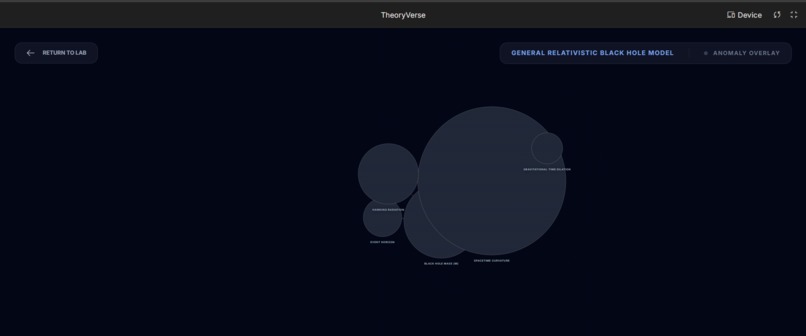
Deprectaed- Scalability_Interaction
-
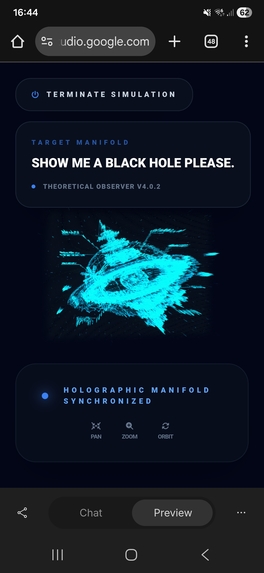
Blackhole sim
🚀 About the Project: TheoryVerse
TheoryVerse was born from a simple frustration and a big curiosity: why is so much of our most important knowledge locked away in dense text and equations? Scientific papers, engineering designs, and mathematical theories describe entire universes — yet we’re forced to experience them line by line instead of spatially, the way our intuition naturally works 🧠✨.
🌌 Inspiration
I wanted to push beyond chatbots and summaries and explore what happens when AI is treated as a world-builder, not just a text generator. If a theory has structure, assumptions, and internal rules, why shouldn’t it exist as a place you can explore? That question led directly to TheoryVerse.
🛠️ How I Built It
TheoryVerse uses Gemini 3 as a theory extraction and reasoning engine. Users can provide input via:
- 📝 Text
- 🔗 Scientific URLs
- 📄 Academic PDFs
- 🎤 Voice
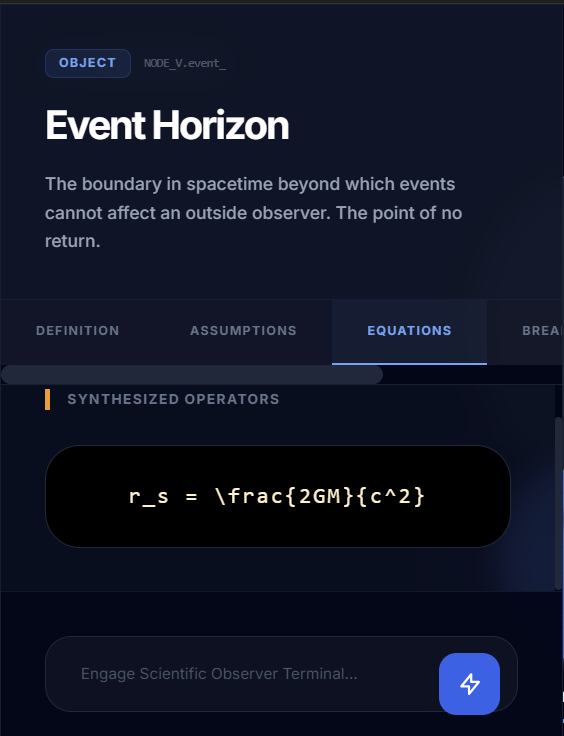
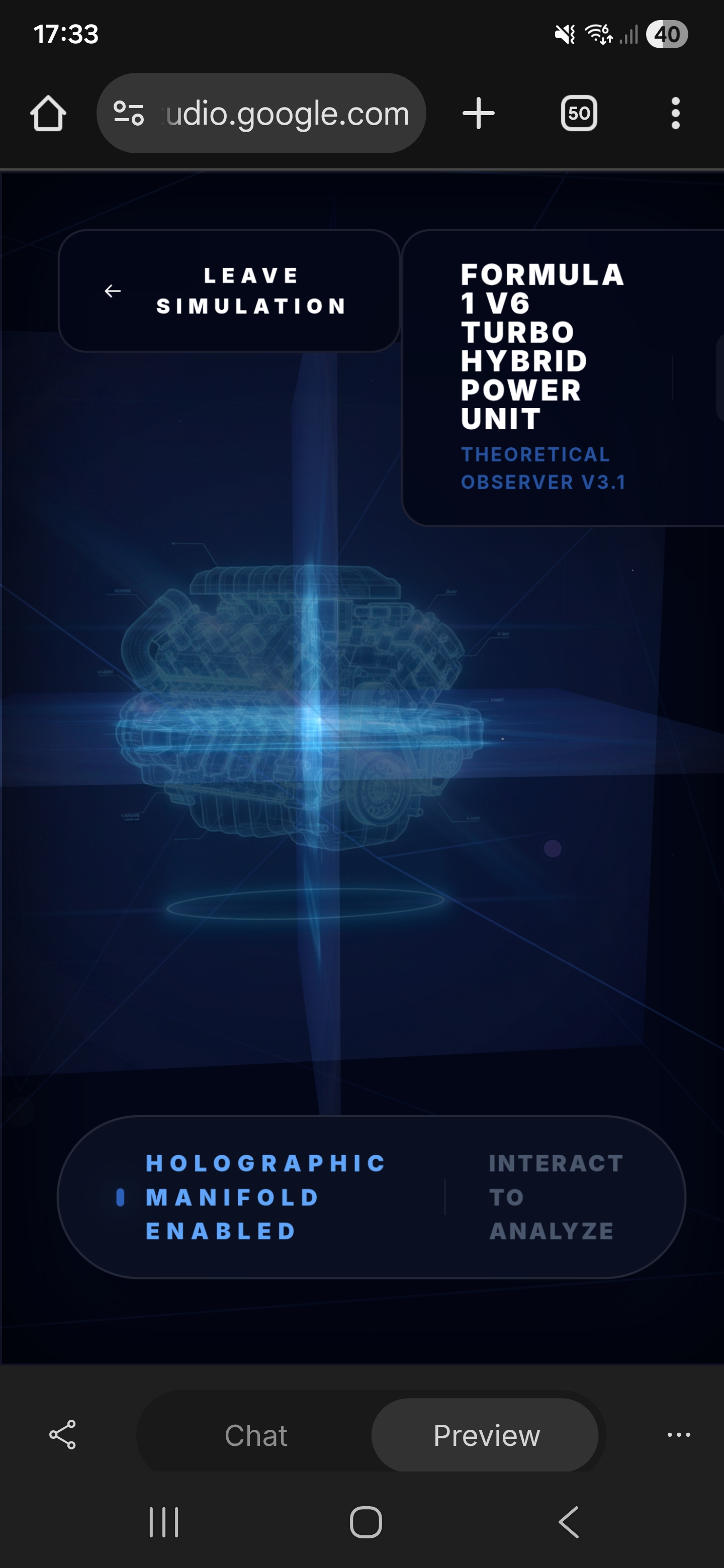
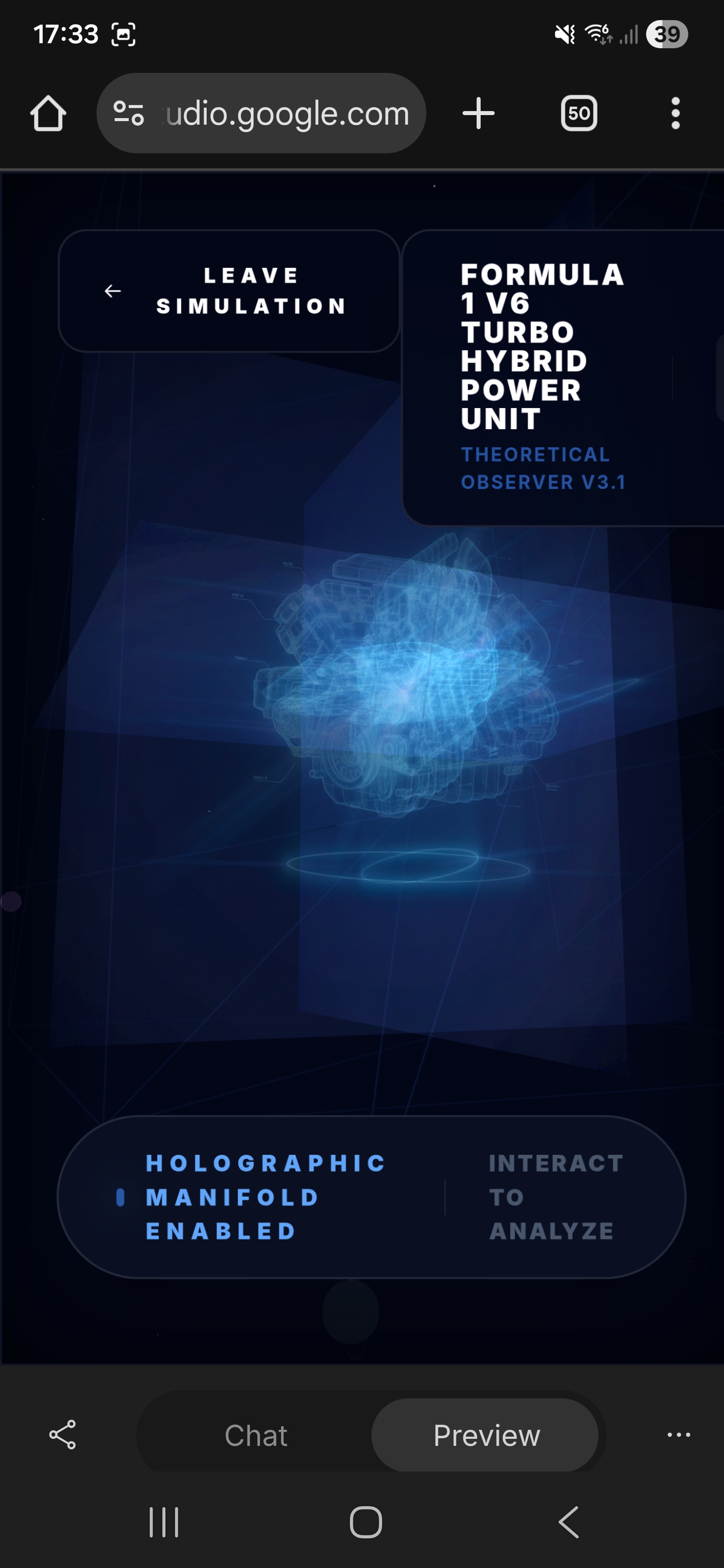
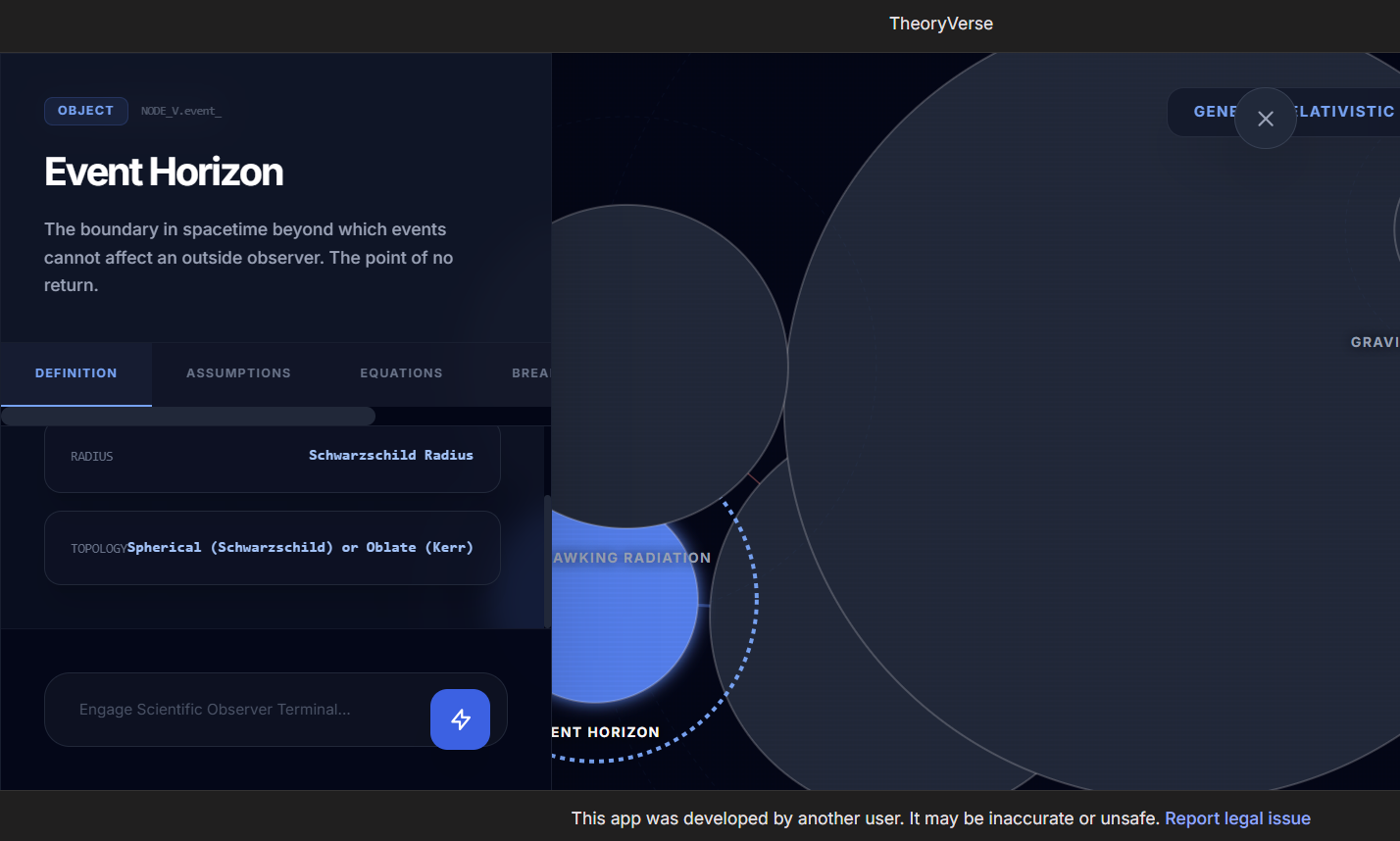
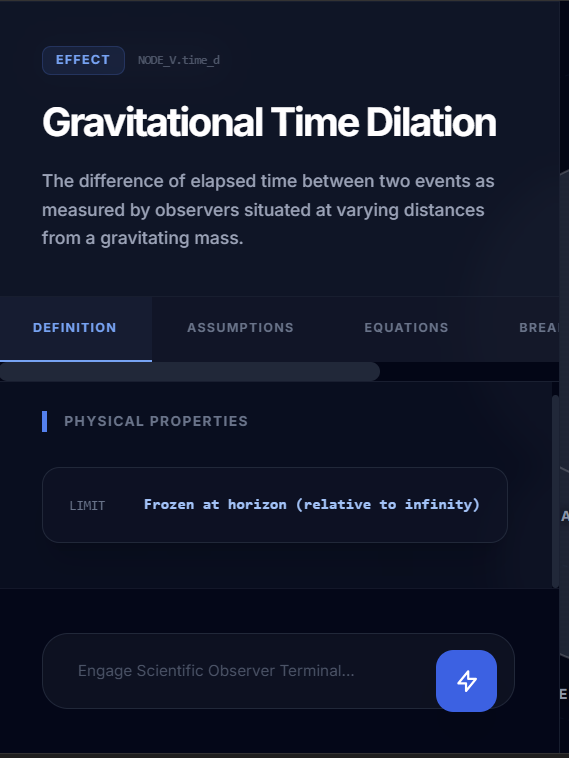
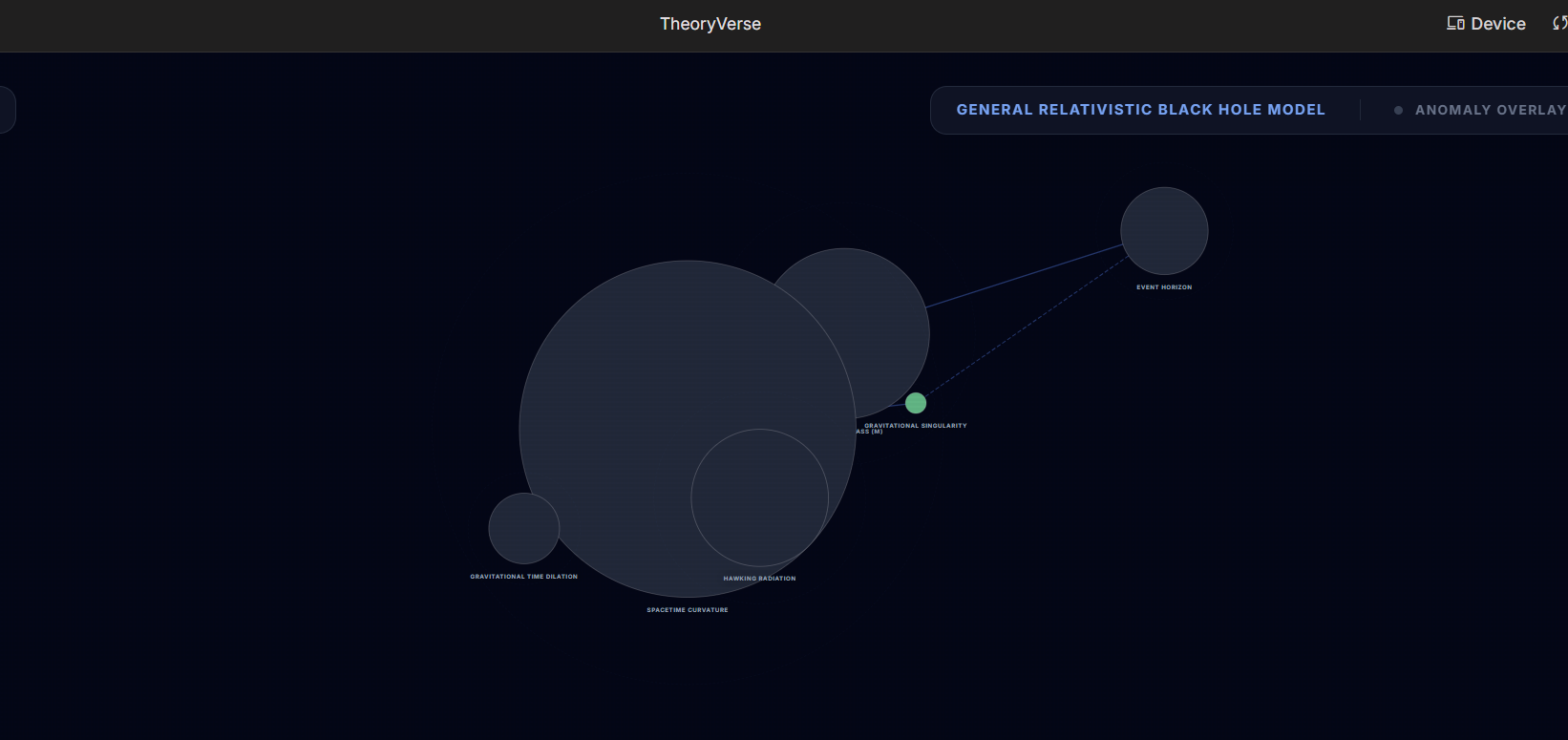
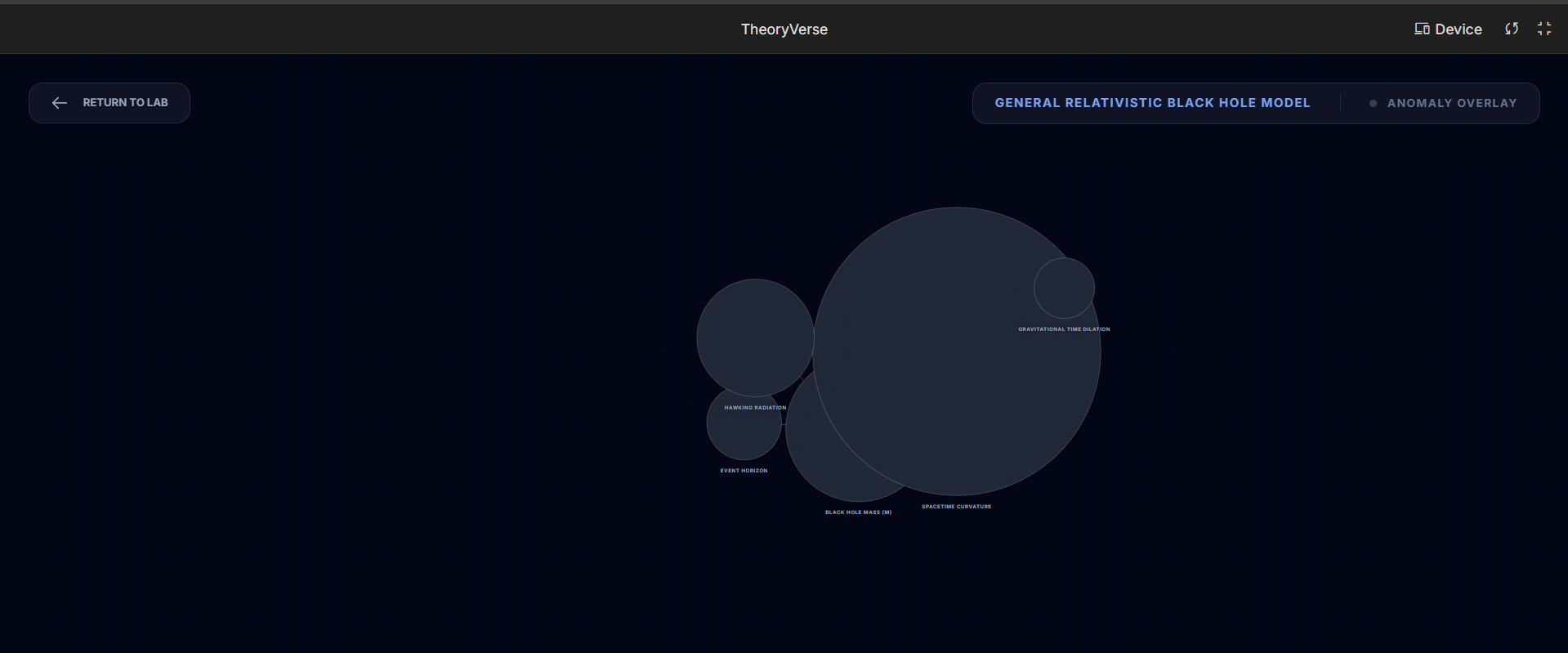
Gemini analyzes the input, extracts the ontology (entities, relationships, assumptions), and compiles it into a structured “Theory World.” That world is then rendered as an interactive, explorable universe where nodes represent concepts and connections reveal how ideas depend on or contradict one another.
📚 What I Learned
- LLMs are incredibly powerful when constrained to structured outputs instead of free-form chat
- Visual metaphors (scale, distance, gravity) can dramatically improve understanding of abstract ideas
- Performance and UI constraints matter just as much as intelligence, especially on mobile 📱
⚔️ Challenges
The biggest challenge was balancing ambition with reality:
- Rendering complex worlds without crashing browsers 🌐
- Keeping uncertainty explicit and avoiding over-claiming truth
- Designing a UI that feels immersive and usable across devices
🌠 Final Thoughts
TheoryVerse is an experiment in how we might experience knowledge, not just read it. It’s a step toward a future where learning feels more like exploration than decoding — and where AI helps us see ideas, not just describe them.
🔮Whats next for TheoryVerse?
TheoryVerse is just getting started. The current version proves a core idea: theories can be experienced as worlds. What comes next is about depth, scale, and collaboration.
🌍 True 3D Theory Worlds
The next major step is evolving from 2.5D graphs into fully navigable 3D universes. Concepts won’t just be nodes — they’ll have mass, fields, boundaries, and behaviors governed by the “local physics” of the theory itself 🪐.
⚖️ Multi-Theory Comparison & Collision
Future versions will allow multiple papers or models to coexist:
- Compare competing theories side-by-side
- Let assumptions collide 💥
- Visually expose where models agree, diverge, or break down
This turns disagreement into something visible instead of abstract.
🧪 Domain-Specific Physics Engines
Each field will gain its own simulation rules:
- Quantum mechanics behaves differently from economics
- Engineering blueprints obey constraints
- Mathematical spaces follow formal axioms
TheoryVerse becomes a theory-level simulator, not just a viewer.
🤝 Collaborative Exploration
Long-term, TheoryVerse will support shared exploration:
- Educators guiding students through theories
- Researchers annotating and evolving worlds
- Public “theory maps” for complex global topics 🌐
🧠 AI as a Scientific Co-Pilot
Gemini won’t just build worlds — it will:
- Flag hidden assumptions
- Surface contradictions
- Suggest alternative formulations
AI becomes a scientific observer, not an authority.
✨ The Vision
TheoryVerse aims to change how humans engage with knowledge — from passive reading to active exploration. If ideas shape reality, then understanding them should feel like stepping into a universe and learning its rules.
The universe is loading… 🚀
Built with curiosity, stubbornness, and a lot of late-night debugging 🚧💡


Log in or sign up for Devpost to join the conversation.