Inspiration
While brainstorming we decided we want to build a device that can improve everyday life of people who struggle with everyday tasks. We had a lot of robotic equipment with us, therefore, we decided to go through different kinds of sensors and chips. One of the things we really liked was a USB rubber duckie. Thus, we started thinking about what can be done to combine these two ideas. Somehow we came to a conclusion that all of our teammates have grandparents who need a lot of help with their technologies and one common problem is password management. Some passwords can be stored in cloud-type password managers but we wanted to make a solution that is easier to understand the logics of even if your skills in terms of technology are weak.
What it does
This prototype has 5 buttons and corresponding 5 pre generated passwords so you can distribute them throughout different accounts. However later on the device could be advanced with a randomization system on its own. While this solution is not perfect (it still doesn't use unique passcodes for every account), it is better to have a few pre generated passwords which contain from 8 to 30 different types of characters than one password that contains your cat's name and the year you were born. We understand that this is sensitive information we are storing, therefore, we have designed an authentication process for the device. Right now on the prototype it is a button combination but later on it can be replaced with biometric readers. To ensure that the device cannot be so easily stolen, we managed to develop a system that locks after it 30 seconds after authentication and you have to turn on the device again and authenticate yourself. To sum up, the device stores 5 different passwords which can be easily used for different accounts by pushing buttons. However, the system has its protection.
How we built it
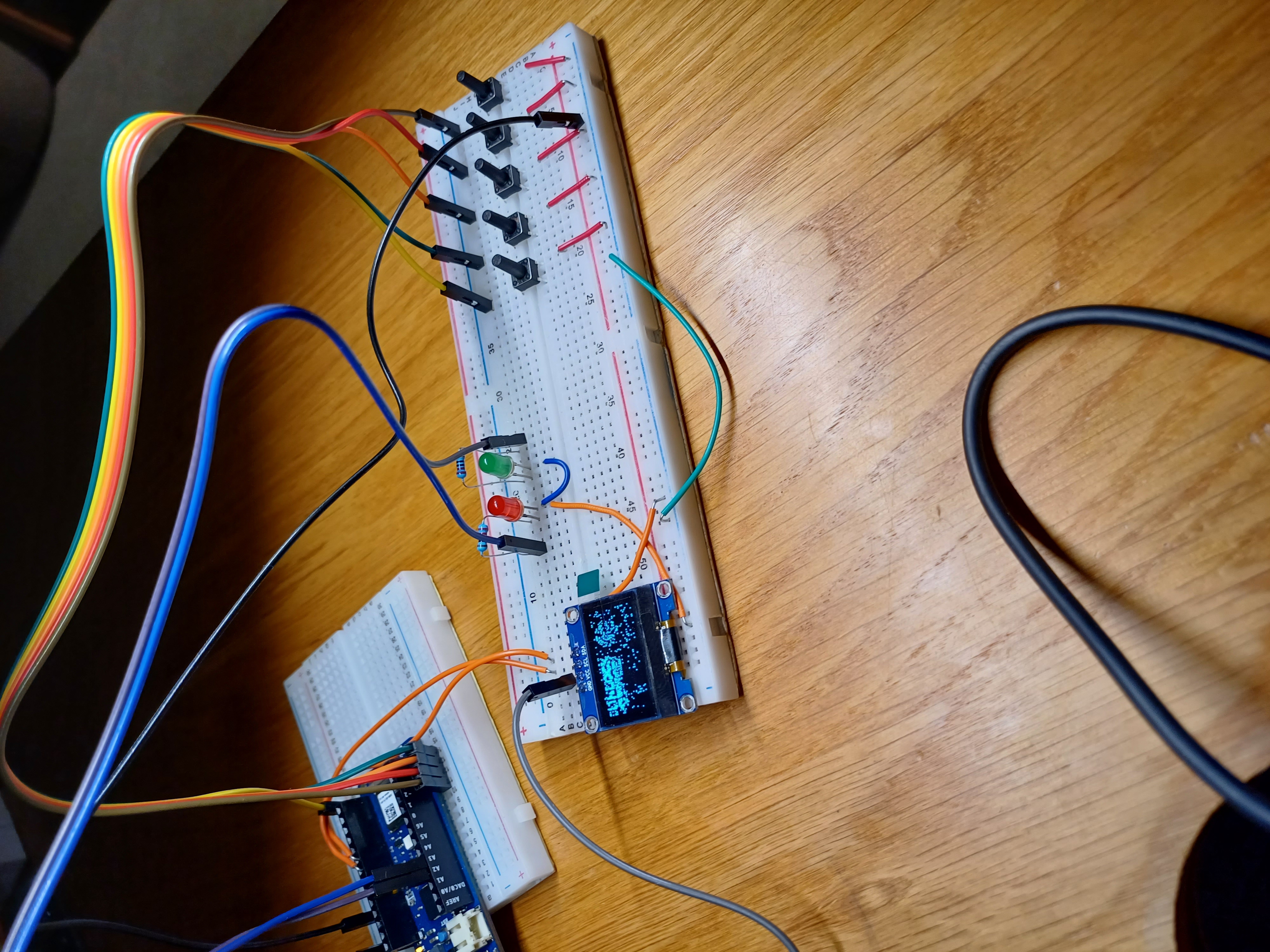
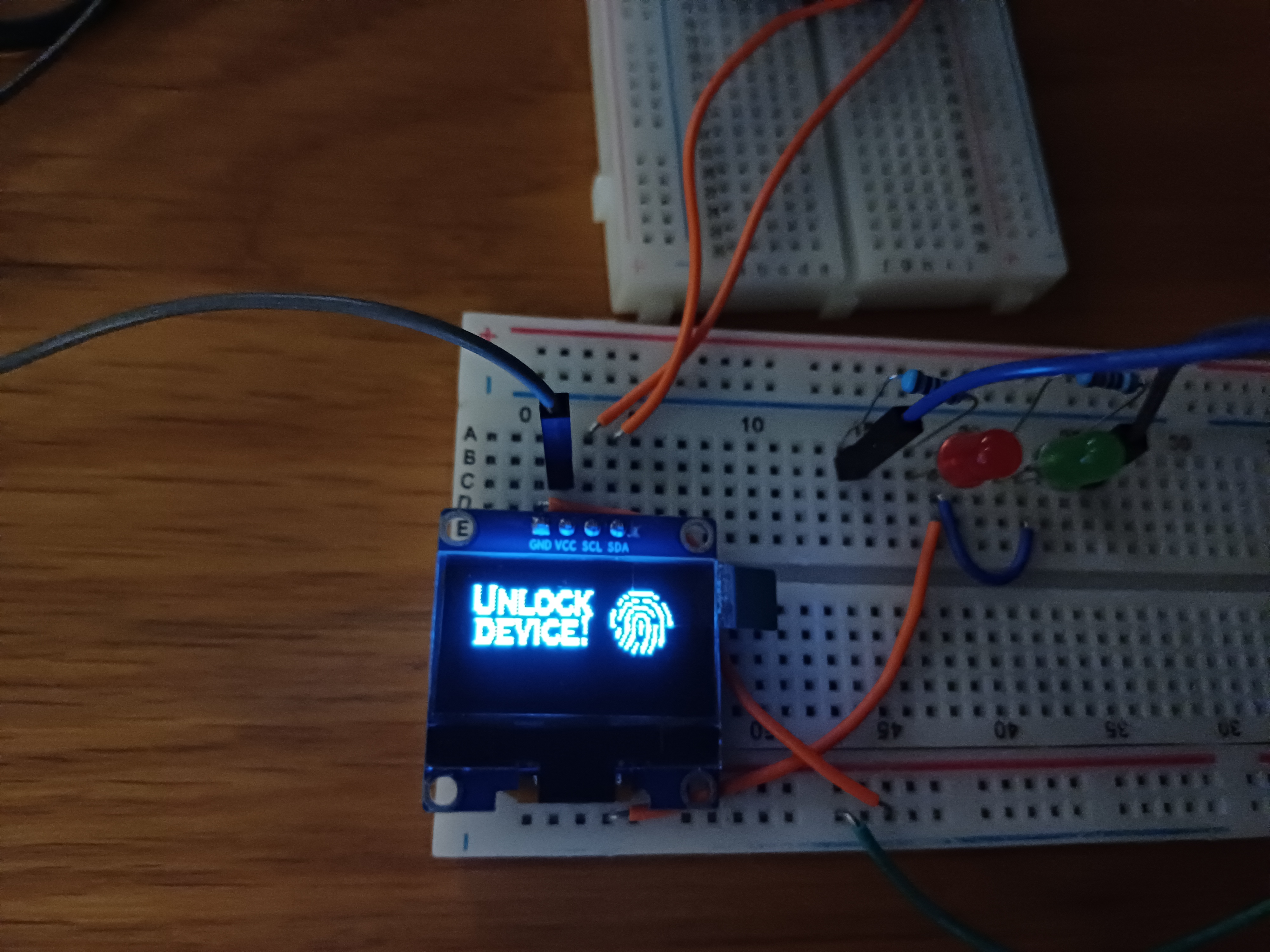
The prototype is built with an Arduino that has a Human Interface Device meaning that when plugged in the computer, it thinks that the device is the keyboard. For more accessible design “Theodor” has a screen which shows the instructions, diodes that indicate if the authentication is accepted or not and 5 buttons so the user can control the passwords. The prototype was supposed to be able to be unlocked with rfid technology as a replacement for fingerprint but we ran into some problems there.
Challenges we ran into
We had trouble defining how our idea is better than already existing solutions for password management. At first, we thought that our prototype would be put into a box so we made a 3D model and asked organizers if they would have an opportunity to print it for us. They did but the printing failed so we laser printing with wood and plywood.
For the technical part we ran into a bunch of problems. For example, at first we figured that it is not possible for us to get a fingerprint scanner for this project so we decided to replace it with a NFC card. After that, the Arduino which we used wasn’t compatible with the RFID. This problem was solved by replacing the authentication system to simulate a right or wrong fingerprint with PIN code, stating that it is possible to enable a security system to the device. The final version of the prototype isn’t as aesthetically pleasing as we thought because our teammate wasn’t able to solder everything together due to health issues.
A very special thanks to the mentor Dace Flaumane and her team for helping us solve the problem when almost all hope was lost.
Accomplishments that we're proud of
We are very proud of the fact that even though this is first hackathon for all of us and we arrived without an idea, we made it thought and now have an actual physical project which works and has a real use.
What we learned
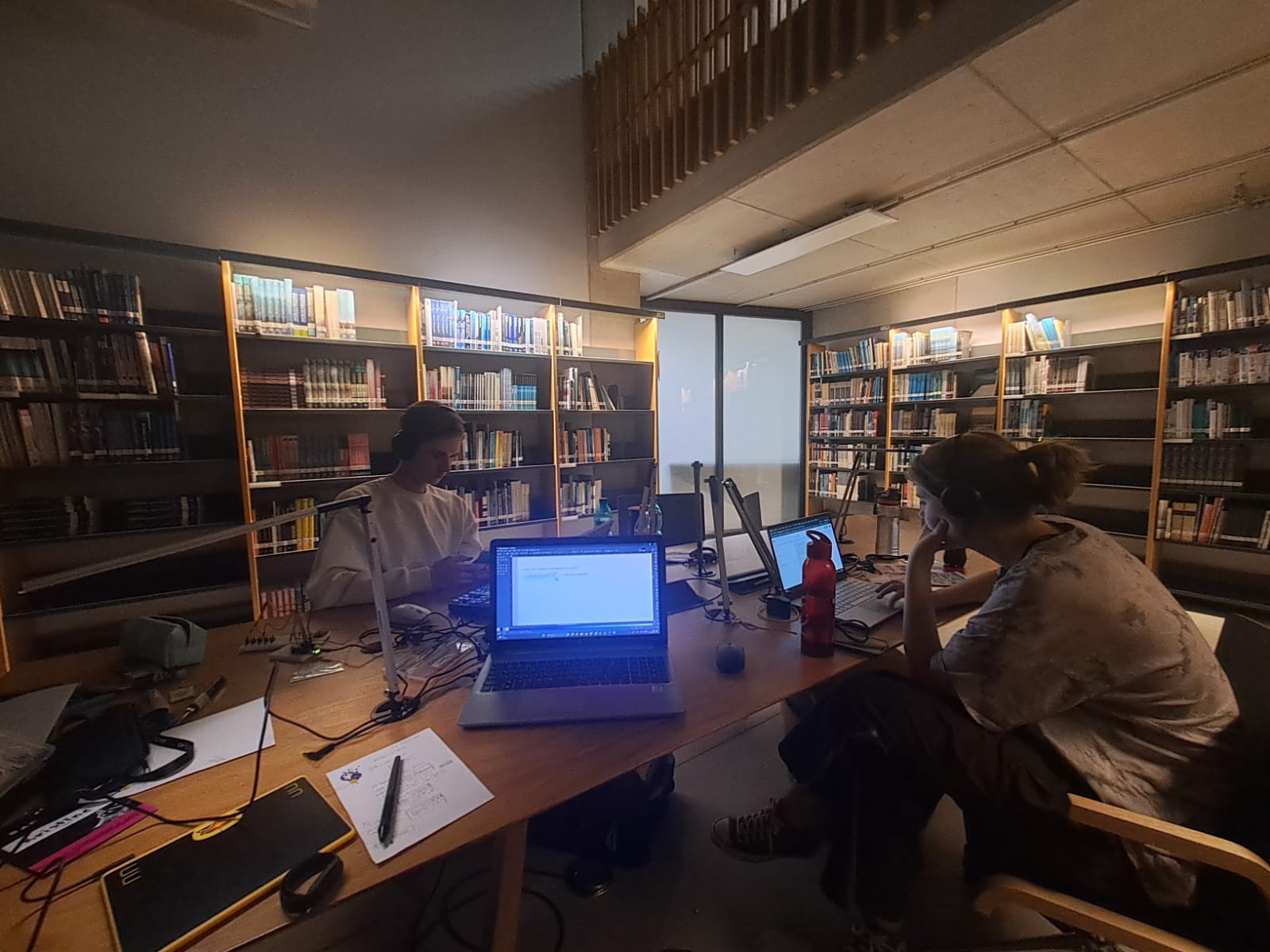
We learned to develop a project while using every available resources. It is really different from school work because in school there are always some kind of restrictions for things you are allowed to use to create your idea. There is no doubt that the rest of the team learned a lot from robotics expert in our group - Gustavs. And to add to this, we learned a lot from mentors about the secret of being prepared to pitch to your idea well is to question every part of it and trying to find flaws to the project.
What's next for Theodor: the password keeper
Next for little "Theo" is to become the "Theodor". As stated before, this project has a lot of room to grow. There are countless possibilities what can be done to improve the design and usage of this device. However, we created this project with an idea in mind to help people, thus, in the future this product can be turned into a business that sells these kinds of devices.


Log in or sign up for Devpost to join the conversation.