-
-
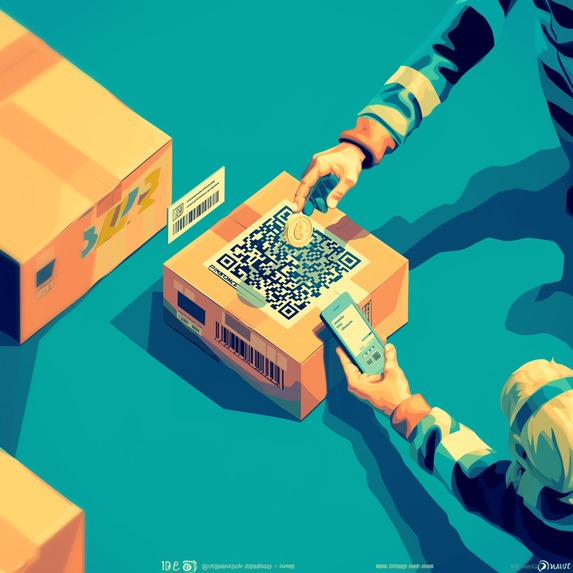
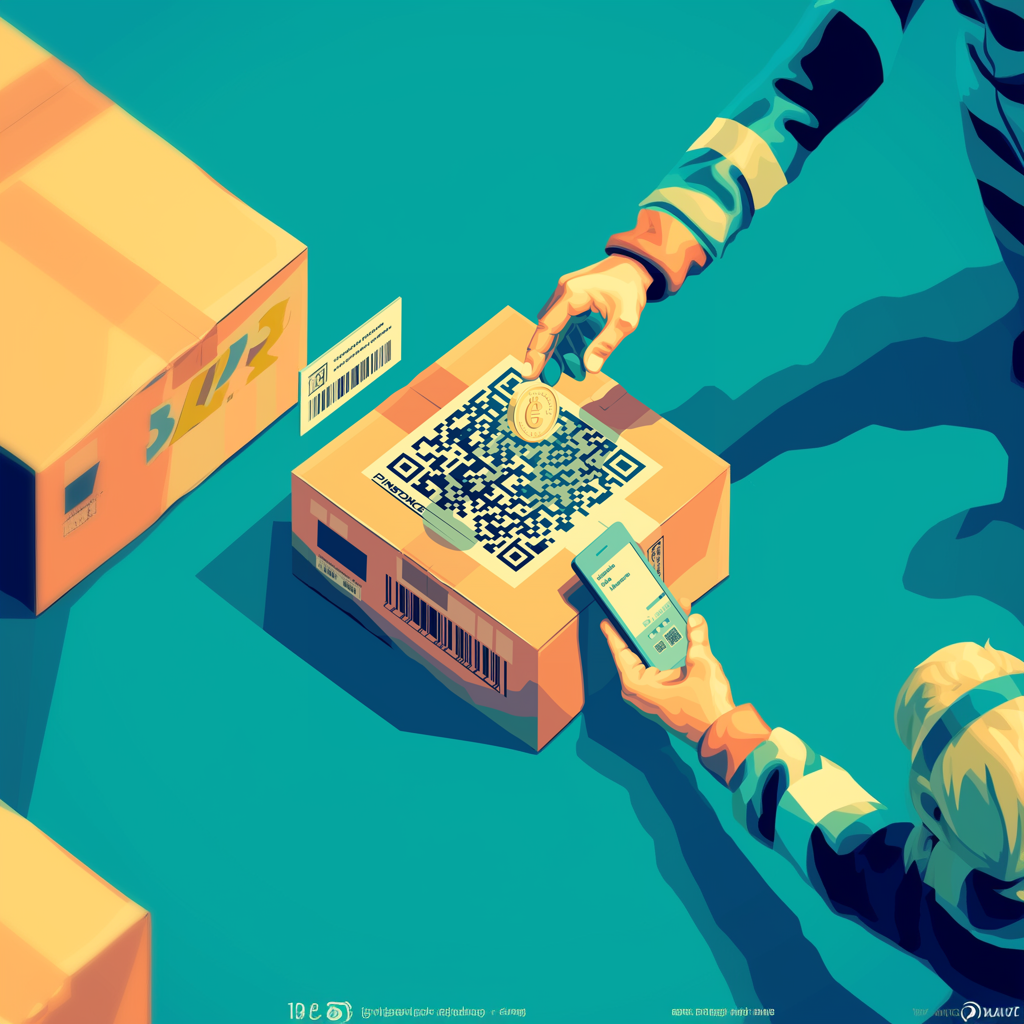
Each Package has its deposit
-
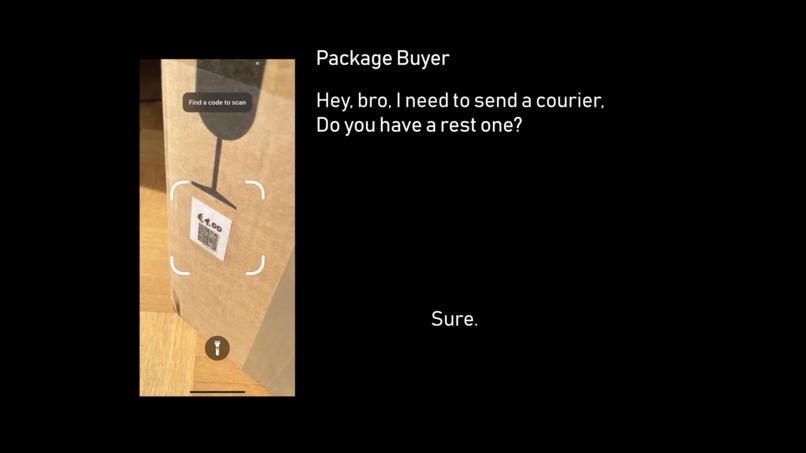
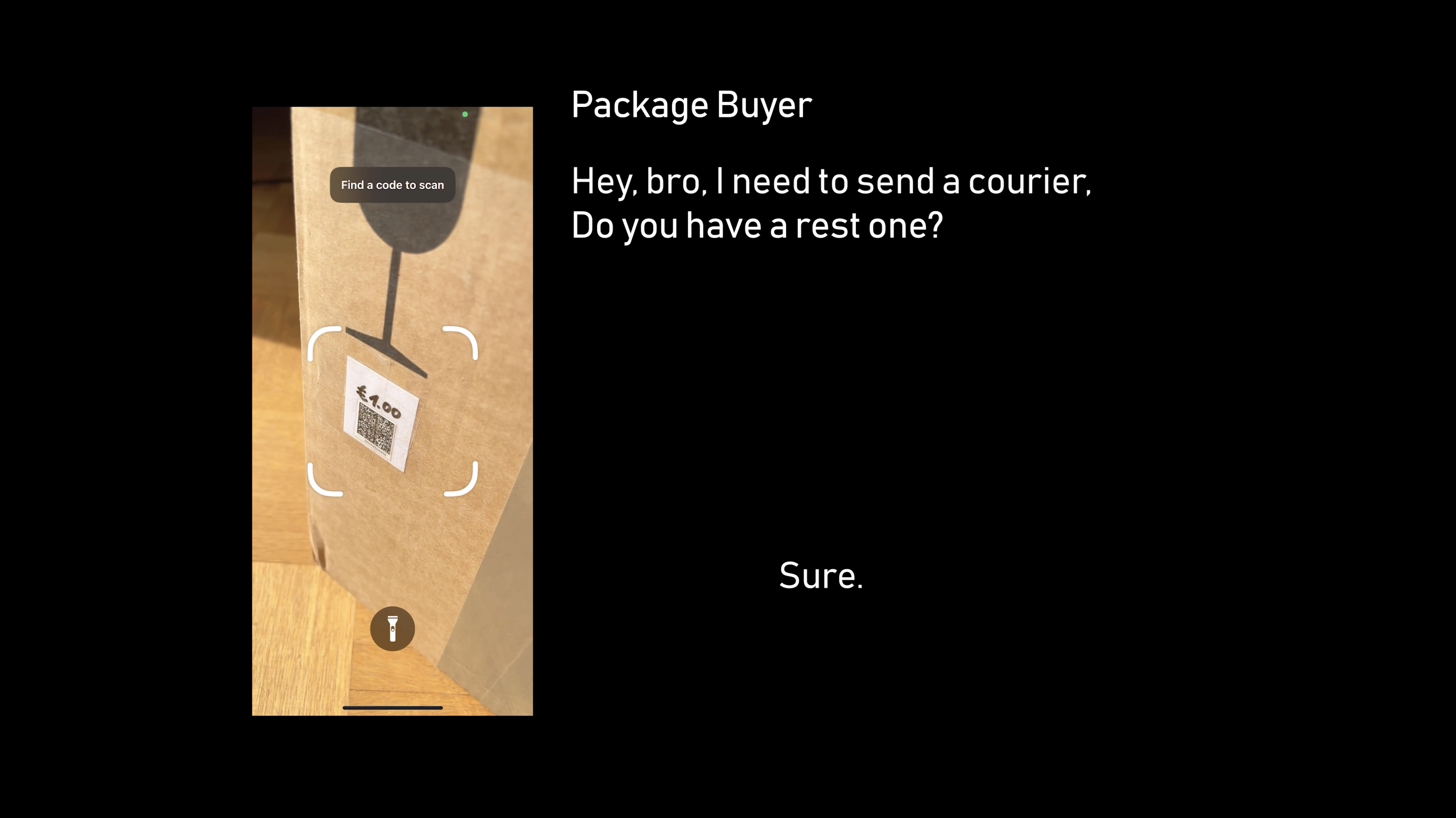
Scan a QR code of a Package Deposit NFT
-
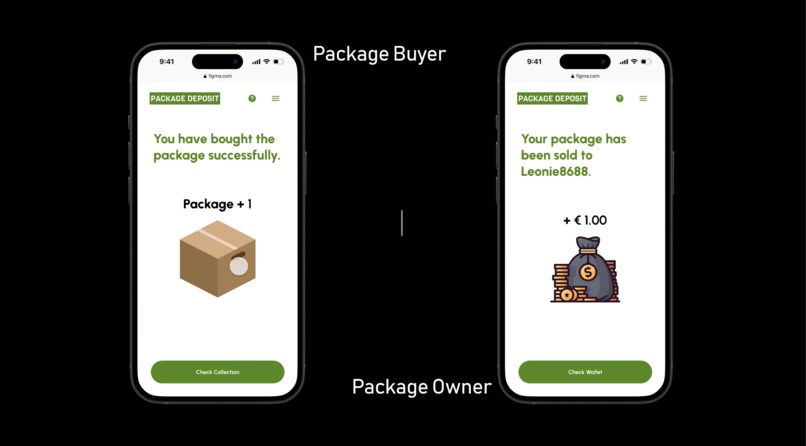
Each Package costs 1 Euro
-
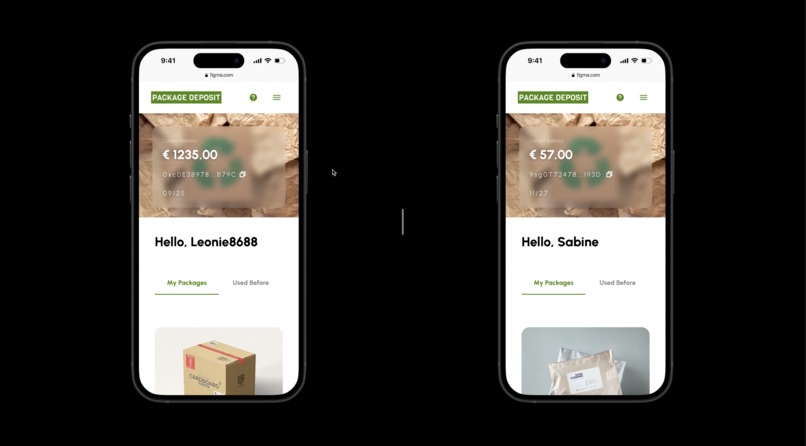
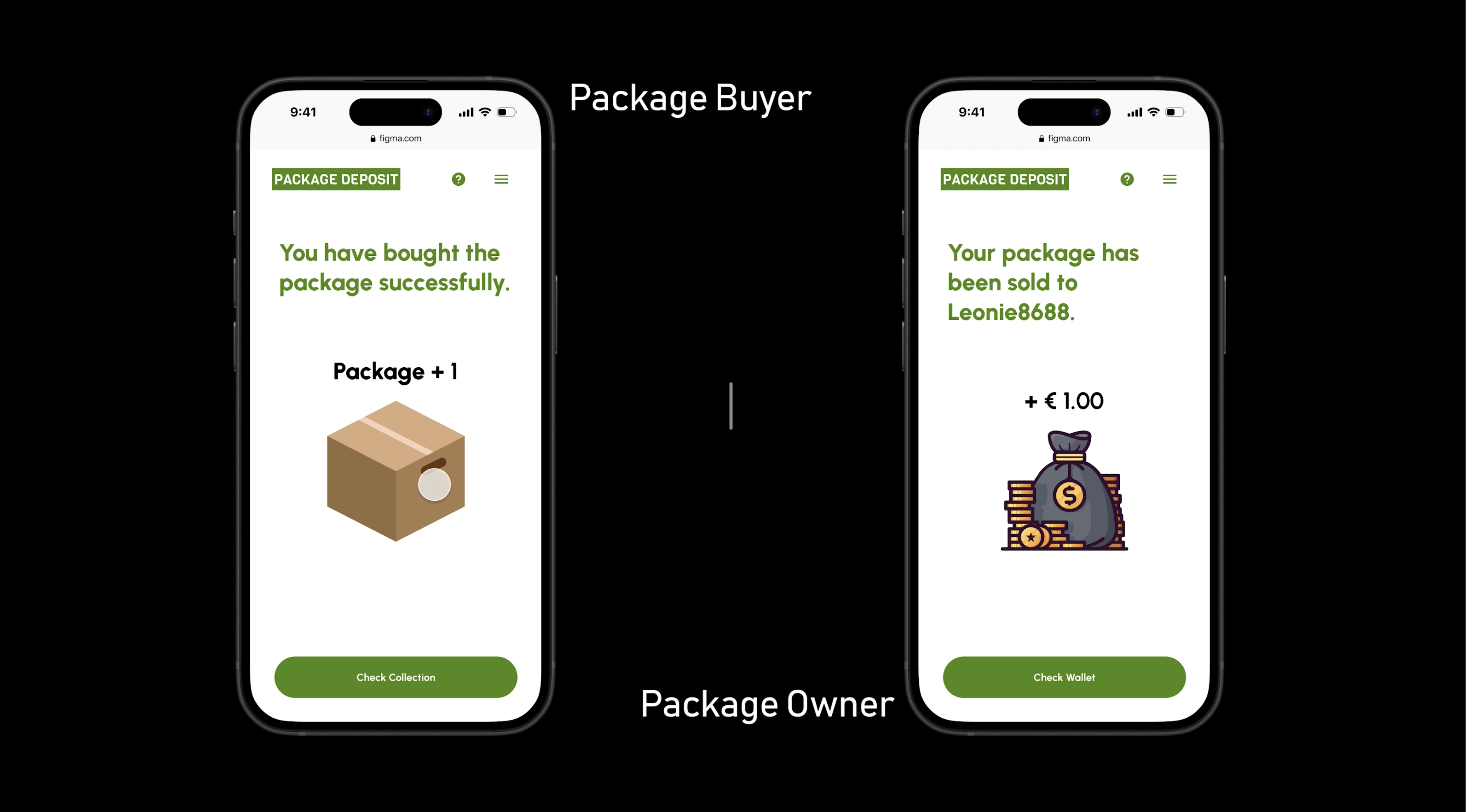
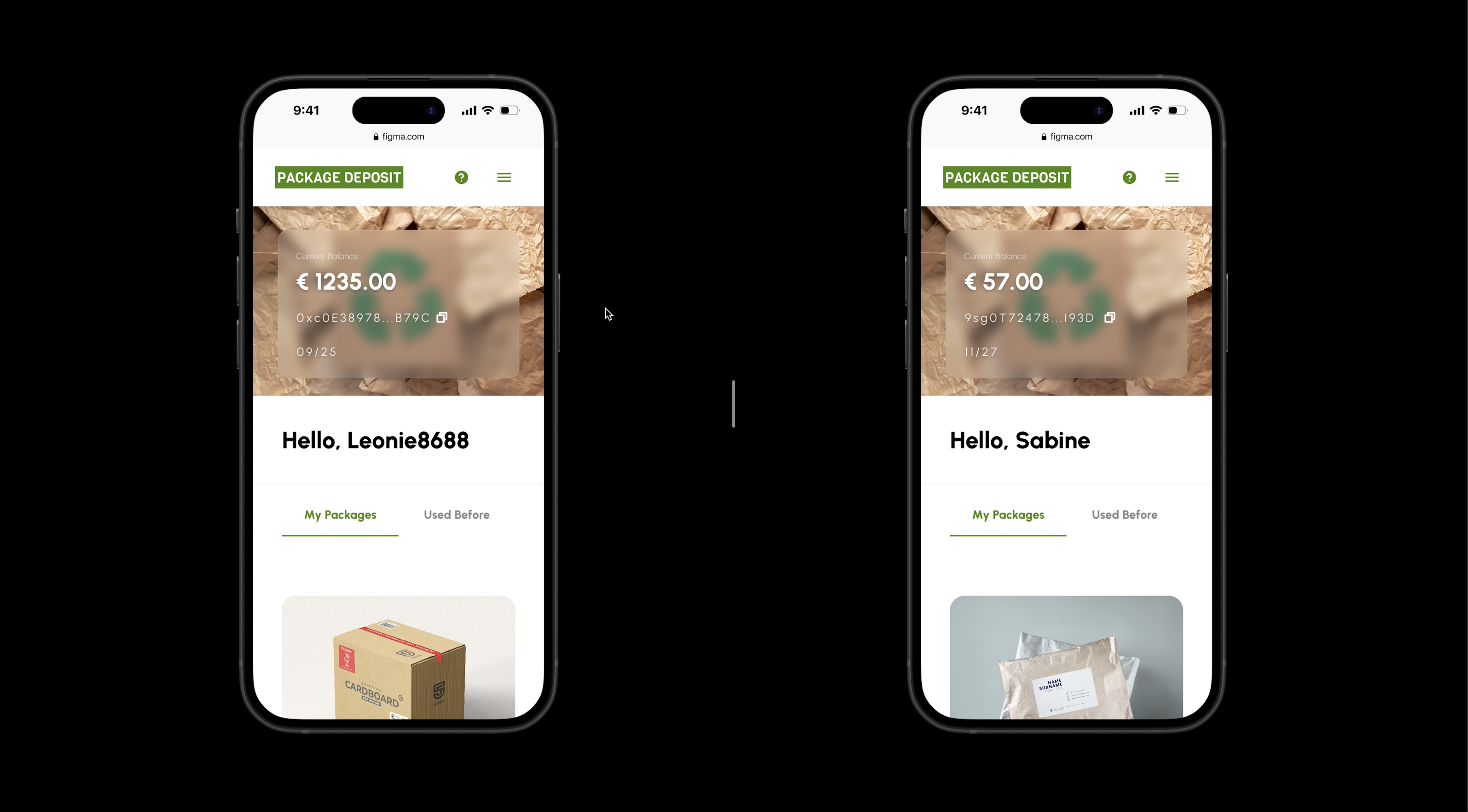
Purchase Package, and sell it again
Inspiration
Inspired by the Bottle Deposit-refund system in Germany, we have developed a Deposit-refund System for courier packaging with the help of Hedera Guardian. The bottle deposit system is widespread in Germany for collecting used drink containers and recycling them. To enable consumers to return them after use and then recycle them, Deutsche Pfandsystem GmbH (DPG) charges a so-called bottle deposit of 25 cents on many suitable drink containers. Consumers pay the deposit in addition to the purchase price when buying the drinks and receive it back in full if they return them correctly in a supermarket. We think that a system that gives low-value waste that needs to be recycled in large quantities a deposit higher than its own value could be a good way to generate more interest in recycling waste. However, the recycling of beverage bottles relies on labels printed with special ink and scanning machines at fixed collection points, so in order to make this model easy and fast to apply to express packaging, we believe that the combination of Hedera Guardian and QR codes will free the model from its reliance on special ink and special machines, and thus make the "deposit system" more attractive to people. The "Deposit Recycling System" will be more widely used.
What it does
We explored the possibility of a deposit recycling system for express packaging.
Within a limited area (e.g. in the context of German laws and regulations), couriers have formed a non-profit organization, Package Deposit, which develops a smart contract technology based on Hedera that can generate a unique QR code for each box, and this QR code can only be generated by the consortium blockchain nodes (e.g., permitted express packaging producers) through a encryption technology.
Express packaging manufacturers: Join the Package Deposit Alliance and pay the registration and license fees to the Package Deposit company, thus legally exempting them from the EPR fees that would otherwise be required. After joining the Package Deposit alliance, express packaging producers get the QR code generation technology and can print the QR code on the packaging or be allowed to purchase the QR code sticker.
Commodity sellers, express carriers, importers and exporters, freight forwarders, recipients and other intermediate handlers need to scan the QR code to request the transfer of the ownership of the package to the holder of the package, and pay a deposit to the holder in the form of e-wallet payment. The QR code information can be integrated into the delivery note. The QR code can be scanned by the person who collects it or anyone who collects it, automatically alerting the owner of the transfer of ownership. The recycler can then automatically transfer the deposit to the owner through an e-wallet, or pay it in cash to the owner, but the owner needs to select the "abandoned" courier box first, and then the recycler can scan the code to claim the courier carton. The owner can also directly "abandon" the express carton, at which time the deposit of the express carton NFT can be scanned by anyone to receive it. If the QR code is damaged, the courier carton cannot be adopted, and the NFT value is reset to zero and can only be sold or recycled by weighing.
The value of the deposit for an NFT carton is much higher than its weighing price. Carton QR codes need to be scannable even when they are dirty, damaged or obscured.
When recycling, it is recycled by weighing different materials.
How we built it
Solidity Contract Description: The provided Solidity contract, named RecyclingTracker, is designed to enhance the recycling process by leveraging blockchain technology for tracking and verifying the lifecycle of packaging materials. This smart contract enables a deposit-refund system where users can receive refunds based on the quality and recyclability of their returned packages. Key features include:
Deposit Tracking: Records the deposit amount for each packaging item, ensuring transparency in the deposit-refund process. Recycling Verification: Verifies the recycling status of each package and assesses its quality, determining the refund amount accordingly. Refund Management: Manages the refund process for users, incentivizing the return and recycling of packaging materials.
Project Development Overview: The project integrates various technologies and services to create a comprehensive system for recycling management:
QR Code Integration: Each packaging item is tagged with a unique QR code, linking it to a corresponding token on the blockchain for easy tracking and verification. Hedera Managed Services: Utilizes Hedera Hashgraph's fast, secure, and environmentally friendly blockchain services for recording transactions and managing the lifecycle of packaging materials. Data Science and Analytics: Implements machine learning algorithms for sorting and quality assessment, enhancing the efficiency and accuracy of the recycling process. Chatbot Interface: A user-friendly chatbot provides real-time assistance and guidance to users for checking deposit statuses, locating recycling centers, and understanding the recycling process. Dynamic Schemas: Customizable schemas define the structure of data related to packaging materials, facilitating adaptability to various types of recyclables. Excel Export Functionality: For administrative and analytical purposes, data can be exported to Excel, enabling detailed reporting and insights into recycling activities.
Overview and smart contract description of our project.
Pull Request (PR) Details: The contribution to the guardian repository, encapsulated in a PR, includes the integration of the RecyclingTracker smart contract and the implementation of associated technologies such as QR code tracking, data analytics, and user interaction enhancements.
The PR aims to: Enhance the Recycling Process: By introducing a blockchain-based tracking system, the PR contributes to making the recycling process more transparent, efficient, and user-friendly. Incorporate Data Science: Includes the application of machine learning models for improved sorting and quality assessment of recyclable materials. Improve User Engagement: Through the chatbot interface and informative feedback mechanisms, the PR seeks to increase user participation in recycling efforts. Facilitate Data Management: The addition of dynamic schemas and Excel export capabilities enhances the management and analysis of recycling data. This PR represents a comprehensive effort to leverage advanced technologies for environmental sustainability and user engagement in recycling initiatives.
These are the pull request details of our project which is VERY IMPORTANT TO BE MENTIONED.
Challenges we ran into
When we face cross-border or cross-region courier usage, we find that there are differences in compliance with laws and regulations and product standards in different countries. Due to the generic nature of this issue for blockchain projects and our time constraints, we chose to describe the prototype only in the context of "Germany".
Accomplishments that we're proud of
Each of us did our part and actively contributed to the final submission! Well done team.
What we learned
We learned how to build business logic on holistic solutions by analyzing the value proposition differences between stakeholders.
What's next for theGreenChain - Package Deposit-refund System
We would like to expand the context to explore the greater impact this model can have using Hedera Guardian in a larger system such as the European Union.
Built With
- docker
- hedera-guardian
- javascript
- managed-guardian-service
- qr-code-api
- solidity
- typescript


Log in or sign up for Devpost to join the conversation.