Here is the complete, formatted Devpost submission draft for The Zero-Trust Collaborative Engine (ZTCE) in EduSyc-IDE, tailored for The Blueprint Hackathon.
Inspiration Technical lab environments in educational institutions face recurring operational friction. According to research and instructor surveys, over 70% of active lab time is lost to setup overhead, broken package dependencies, and manual desk-to-desk troubleshooting. Furthermore, cloud-based IDEs often fail in high-density classrooms due to local internet bandwidth bottlenecks or server downtime.
We built The Zero-Trust Collaborative Engine (ZTCE) within EduSyc-IDE to address these constraints. Our goal was to create a local-first, offline-resilient collaborative engine that eliminates external cloud dependencies, synchronizes student workspaces instantly, and provides instructors with real-time visibility into classroom progress.
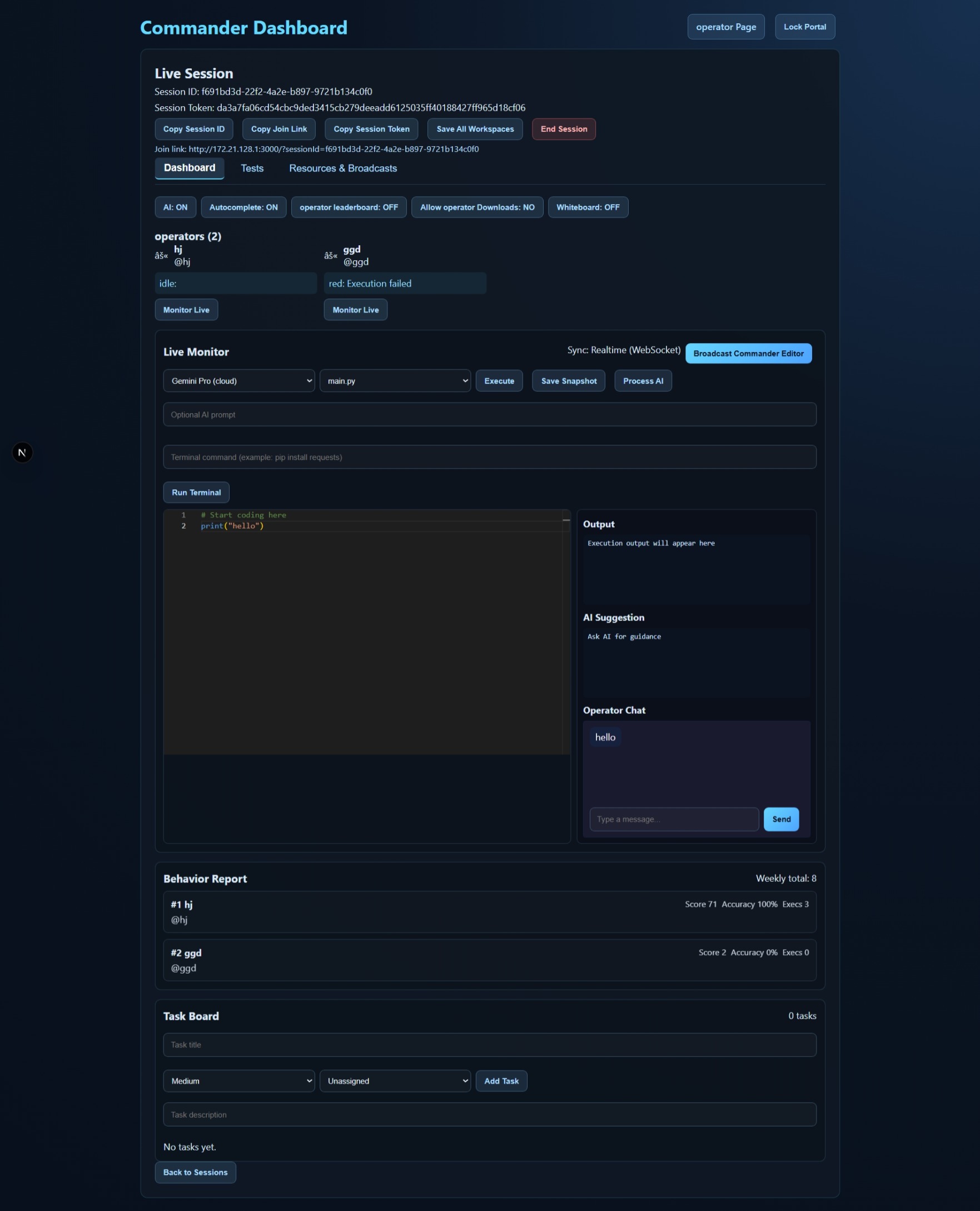
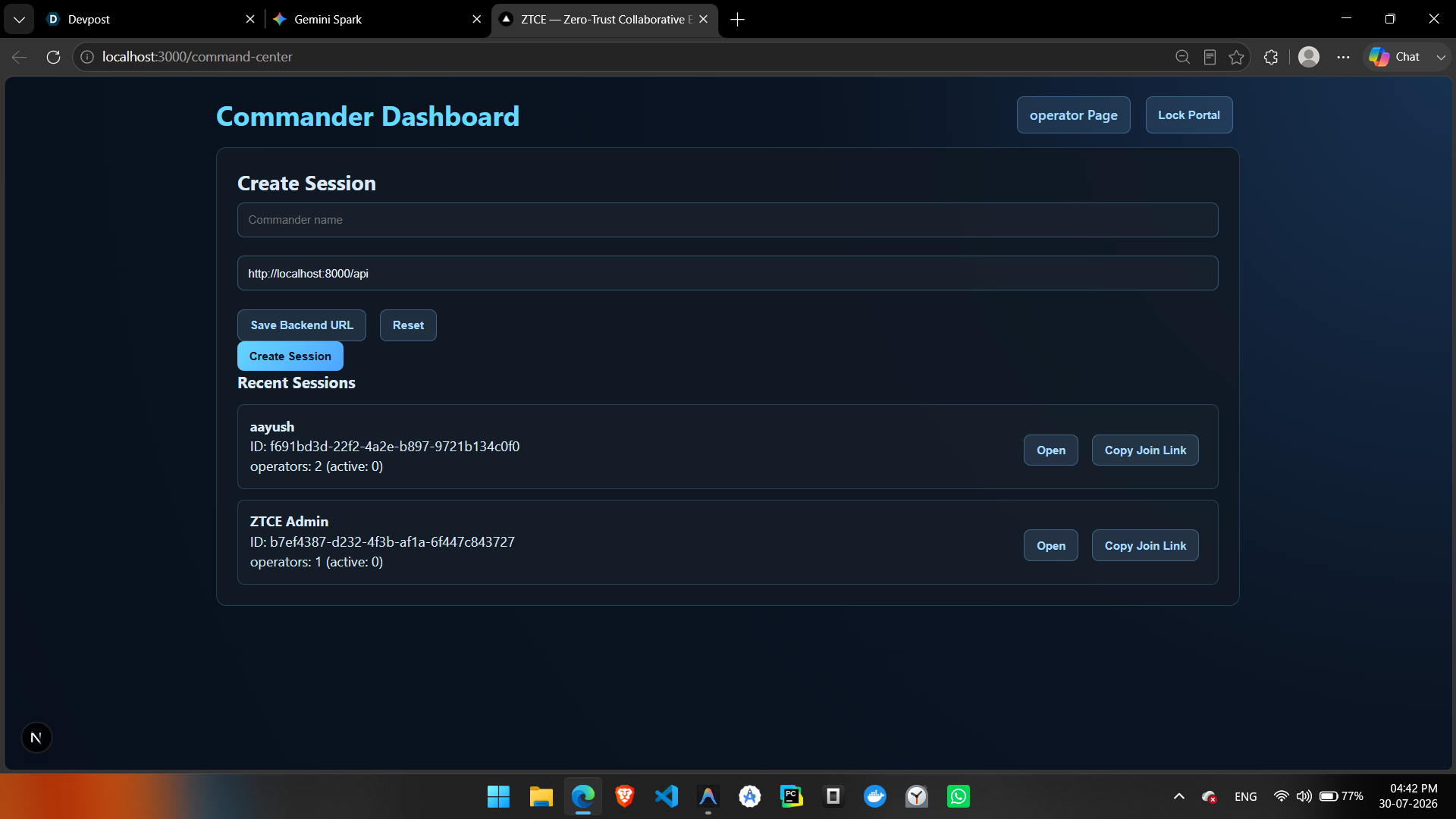
What it does ZTCE turns traditional computer labs into synchronized, real-time learning environments operating over local Wi-Fi or LAN:
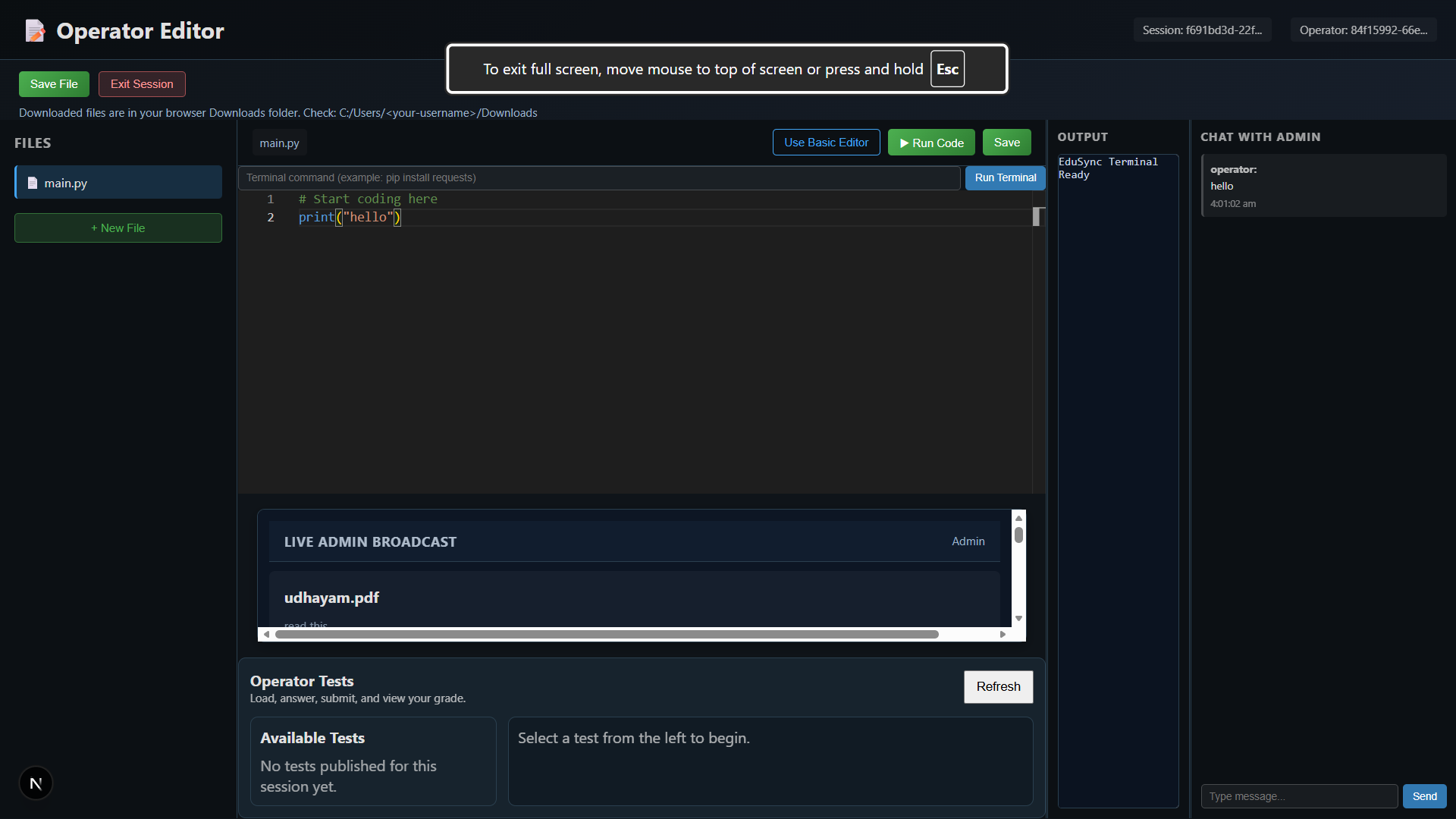
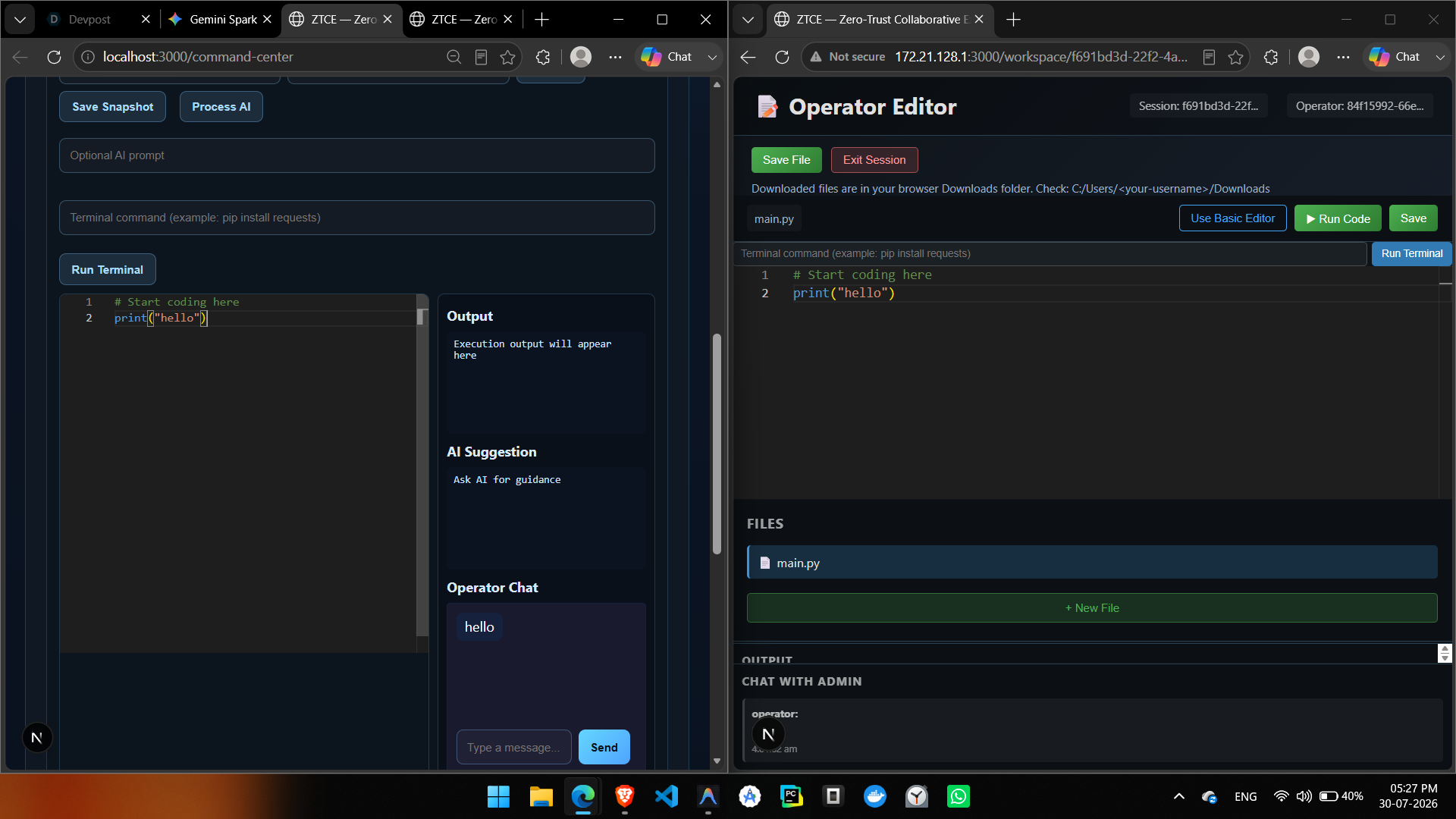
Local-First Workspace Synchronization: Instructors can instantly broadcast project files, starter codebases, and package configurations to all student workstations simultaneously without relying on an internet connection.
Traffic-Light Classroom Telemetry: The instructor console provides a real-time grid view of all student workspaces using visual status indicators:
Green: Active coding with passing logic.
Yellow: Inactive, confused, or idle student (detected via typing speed and error thresholds).
Red: Active runtime exception or syntax error.
Remote Live Inspection & Pair-Debugging: Instructors can view any student's workspace remotely and pair-program or insert inline corrections directly from the central console.
Local Automated Evaluation: Automated test suites run locally upon code submission, generating immediate student scorecards and attendance tracking metrics.
Containerized Resource Sharing: Underpowered student devices can offload heavy compilation or execution tasks to isolated Docker containers hosted on local peer or instructor nodes.
How we built it Backend & Real-Time Protocol: Built using Python and Django REST Framework, utilizing Django Channels and WebSockets for real-time event streaming and state synchronization across local client nodes.
Security & Isolation Architecture: Designed a local Zero-Trust access control framework featuring sandboxed student execution, role-based permissions, and localized token authentication.
Containerization Engine: Integrated Docker container sandboxing to handle isolated execution and resource sharing across low-spec hardware.
Frontend Interface: Developed a dark-mode IDE interface featuring real-time telemetry rendering, collaborative editing, and multi-node dashboard monitoring.
Challenges we ran into Local Network Concurrency: Ensuring state synchronization and low-latency WebSocket communication across 30+ concurrent client workstations on standard local network routers required optimizing event payloads.
Zero-Trust Permission Isolation: Designing a local security protocol that keeps student environments strictly isolated while allowing seamless read/write access for instructor debugging.
Resource Offloading Allocation: Managing containerized execution handoffs so that low-spec student machines could delegate execution to host nodes without causing UI responsiveness lag.
Accomplishments that we're proud of Built a functional, local-first collaborative development environment operating completely independent of external internet connectivity.
Implemented the traffic-light telemetry system, giving instructors instant visibility across an entire classroom.
Developed containerized task offloading to address hardware disparity in educational computer labs.
What we learned Strategies for optimizing WebSocket event broadcasting using Django Channels under high local client density.
Key design patterns for local Zero-Trust access control and sandboxed container execution.
The operational constraints faced by Tier-2 and Tier-3 higher education labs, shaping our design choices around network independence and low hardware overhead.
What's next for The Zero-Trust Collaborative Engine (ZTCE) Headless Architecture Upgrade: Transitioning backend services into Django REST Framework APIs paired with React/Next.js frontends.
Enhanced Peer Caching: Implementing distributed local caching to further speed up bulk file broadcasts during large classroom sessions.
Institutional Pilots: Conducting initial trials across regional diploma and engineering colleges to gather direct feedback from instructors and students.


Log in or sign up for Devpost to join the conversation.