Inspiration
I was tired of missing out on a lot of topics i want to stay updated on or was very late to know about. Every day I'd jump between Reddit, Twitter, news sites, etc trying to stay updated on stuff like AI breakthroughs, my favorite sports teams, tournaments updates, startup funding rounds, and market movements and much more.
Here's the thing - normal news sites throw everything at you. Politics, celebrity gossip, clickbait, ads. You're hunting for that one article about your industry buried on page three. TheWatcher flips this. It was exhausting. I was like why can't I just tell something what I care about and have it watch everything for me? That's how TheWatcher was born.
What it does
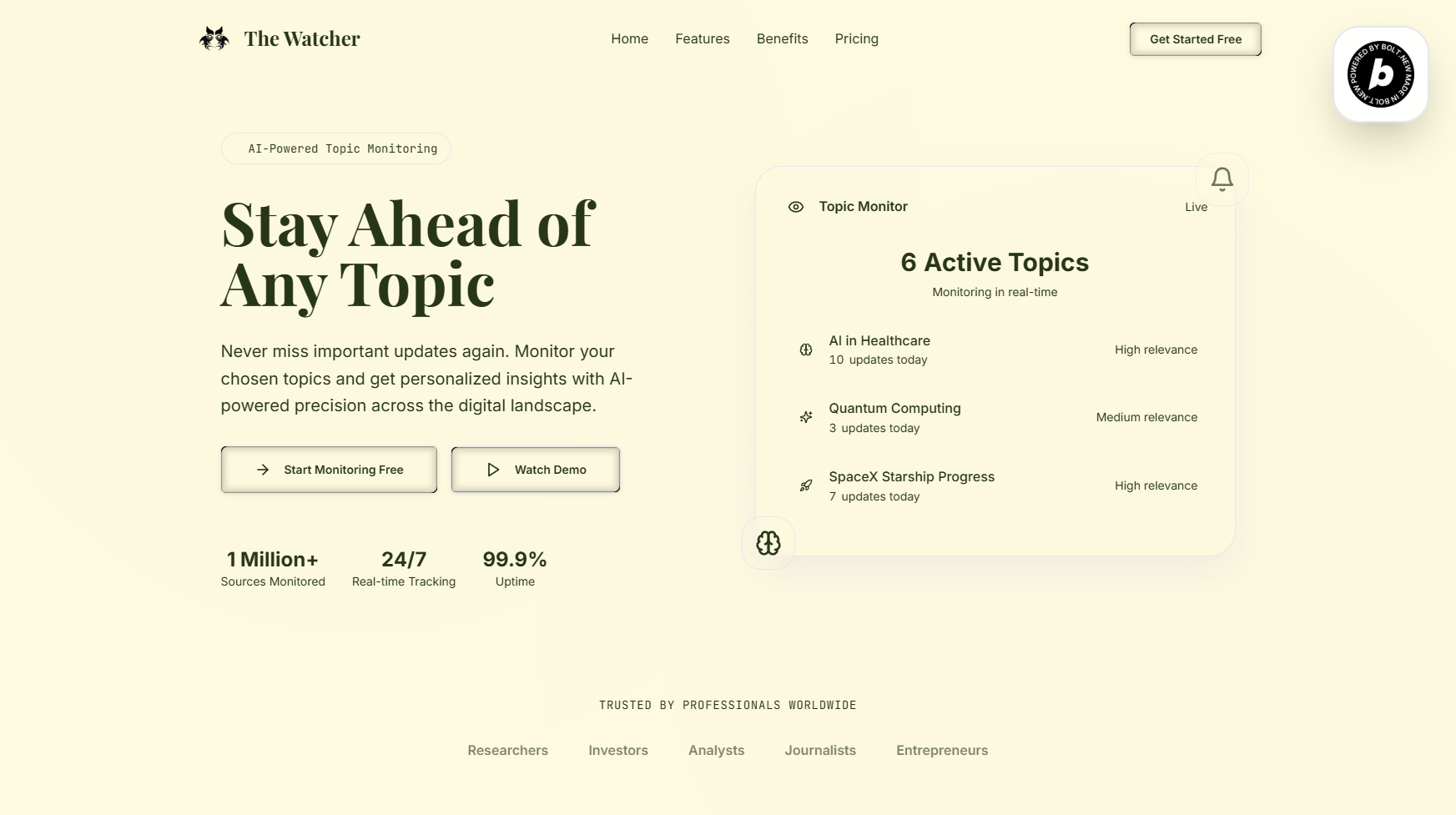
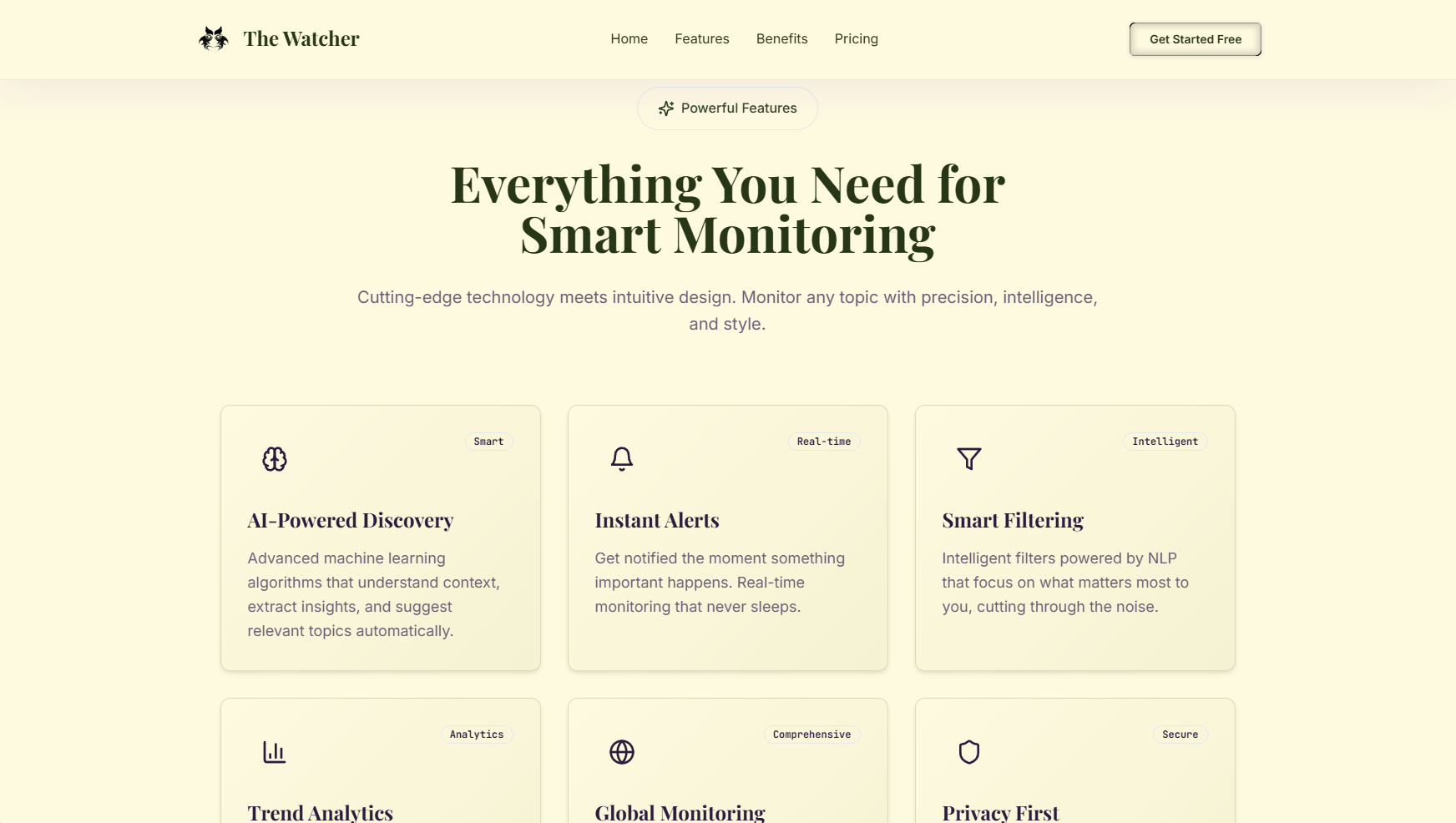
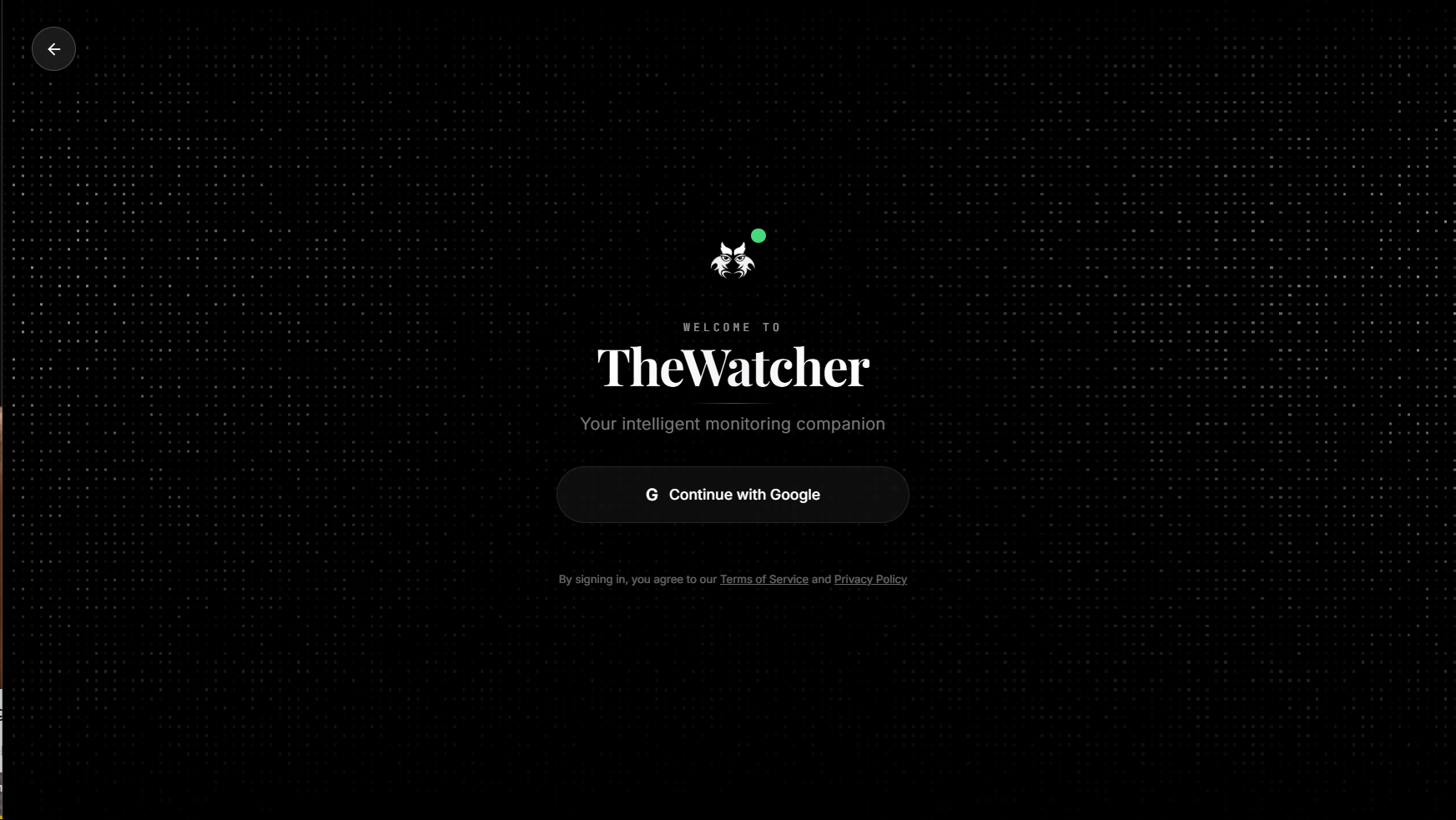
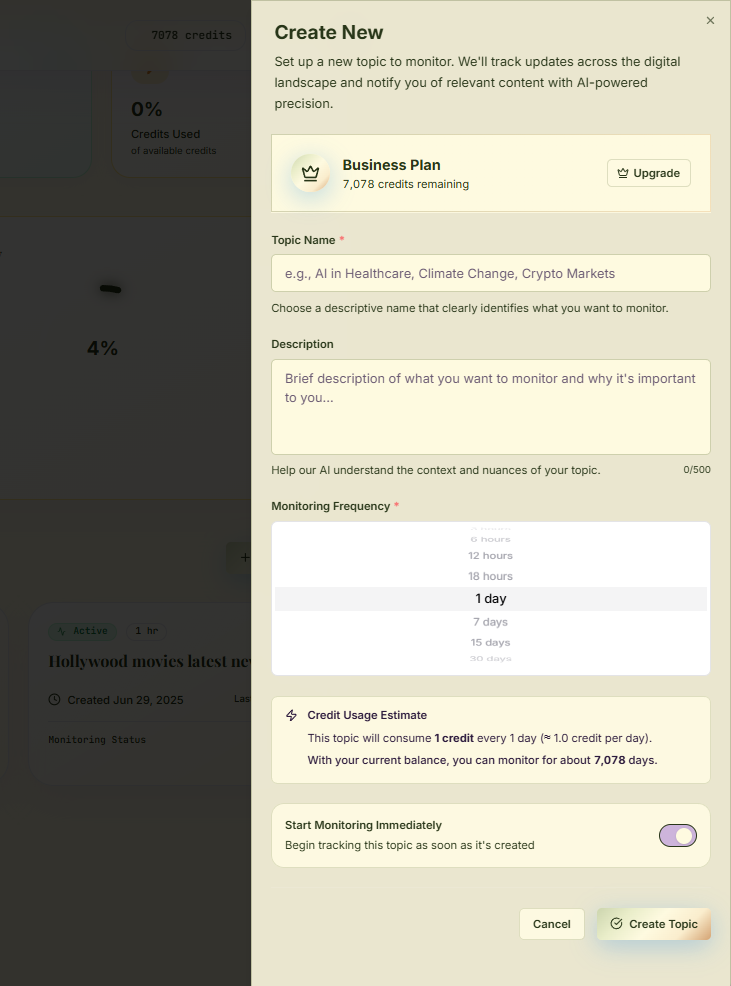
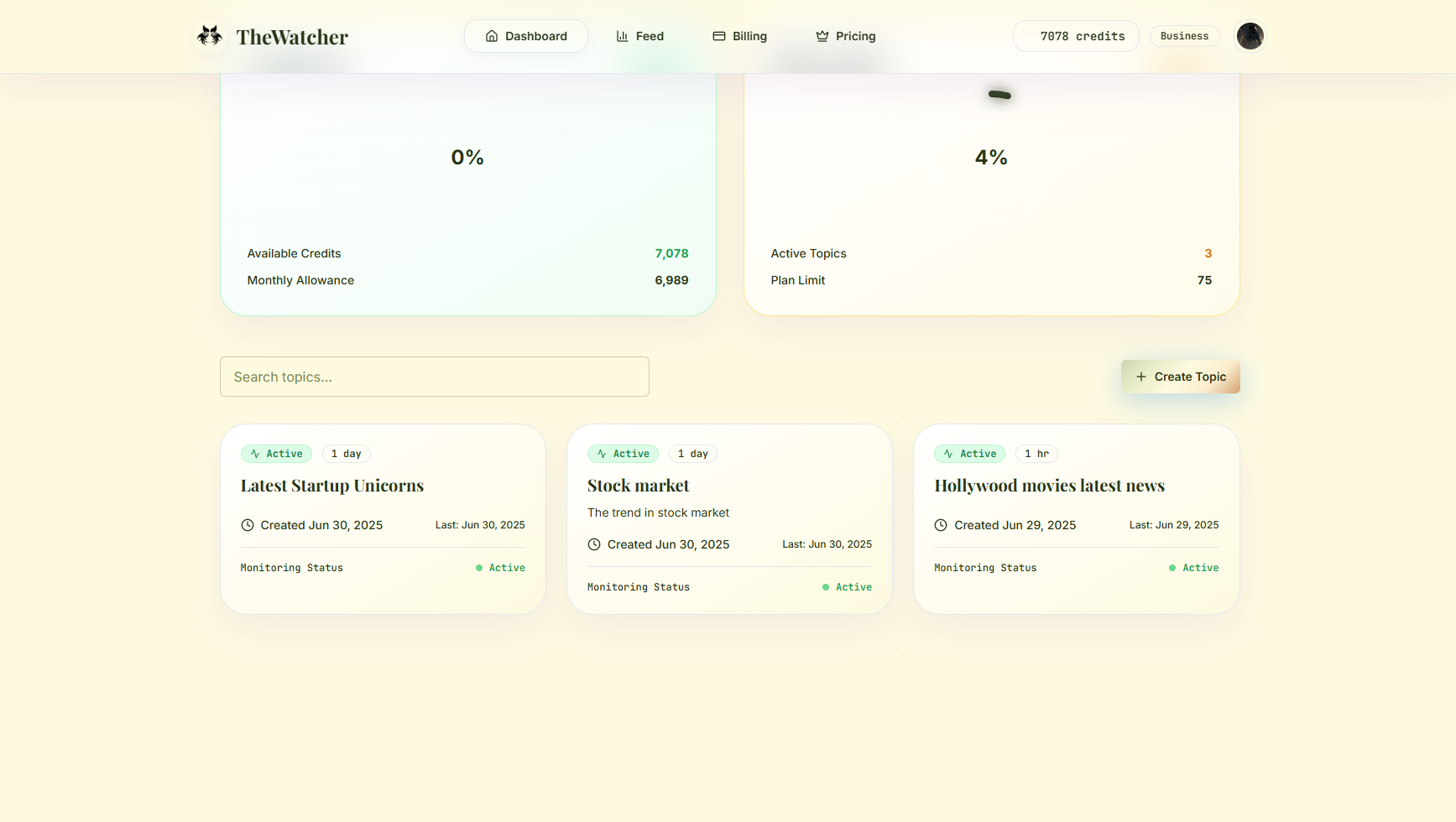
TheWatcher is like having a personal assistant who never sleeps. For user POV, we have kept it really easy to understand and use, like You tell it create topics like - "Tesla stock," "Manchester United transfers," "AI research papers," whatever, set at what interval you want it to be checked and that's ti from user's side. Our AI Watcher Engine does the heavy complex lifting and monitors the entire internet for you. It sends you smart summaries when something important happens on that topic. No more FOMO, no more endless scrolling.
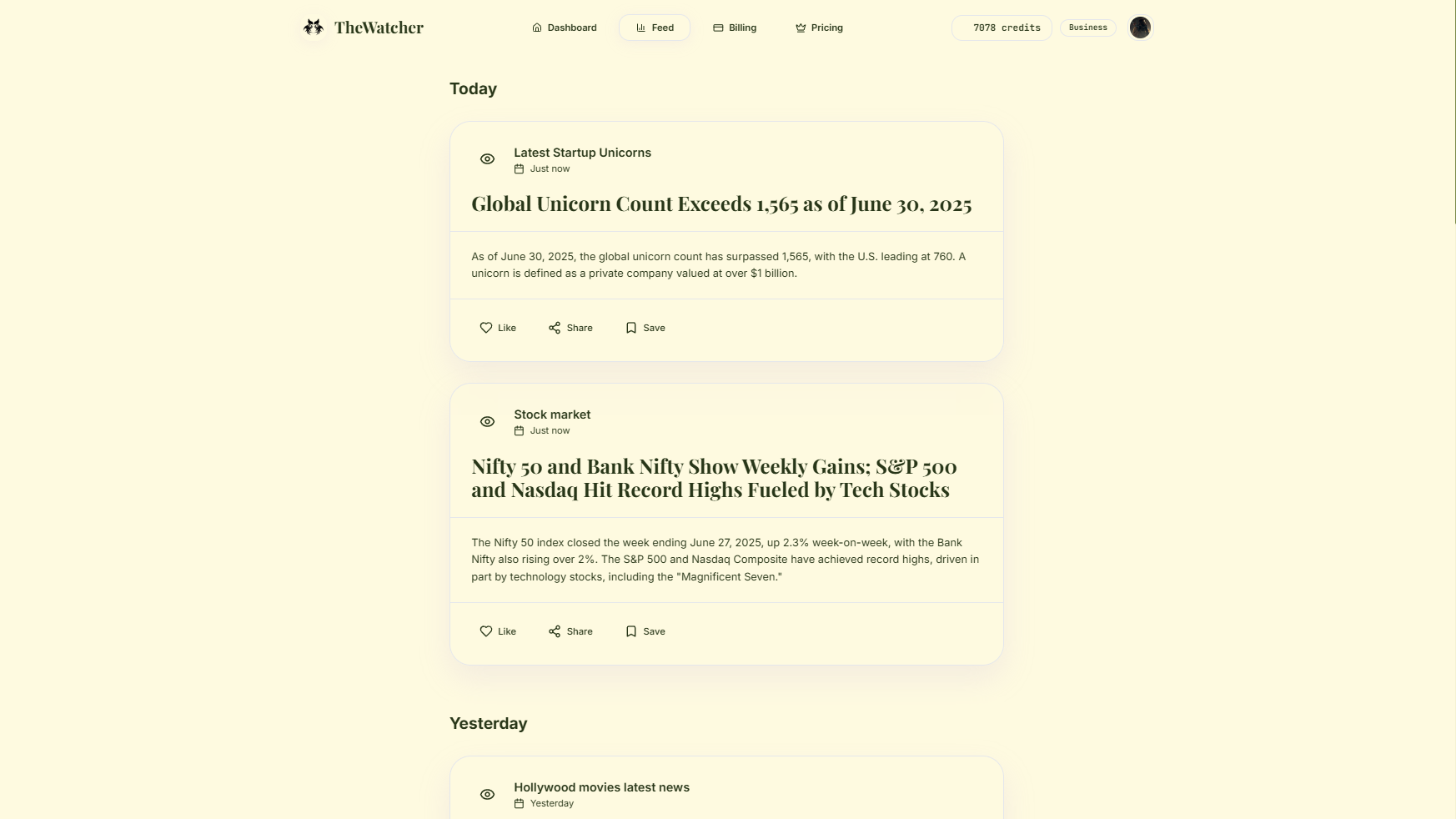
You get ONLY what you asked for. If you're tracking "GPT-5 release" and "Ethereum price," that's all you'll see updates about that only. Clean, focused, relevant. You're the one of first of the people to know when something happens in those topics you created.
How we built it
Building anything, i followed this:
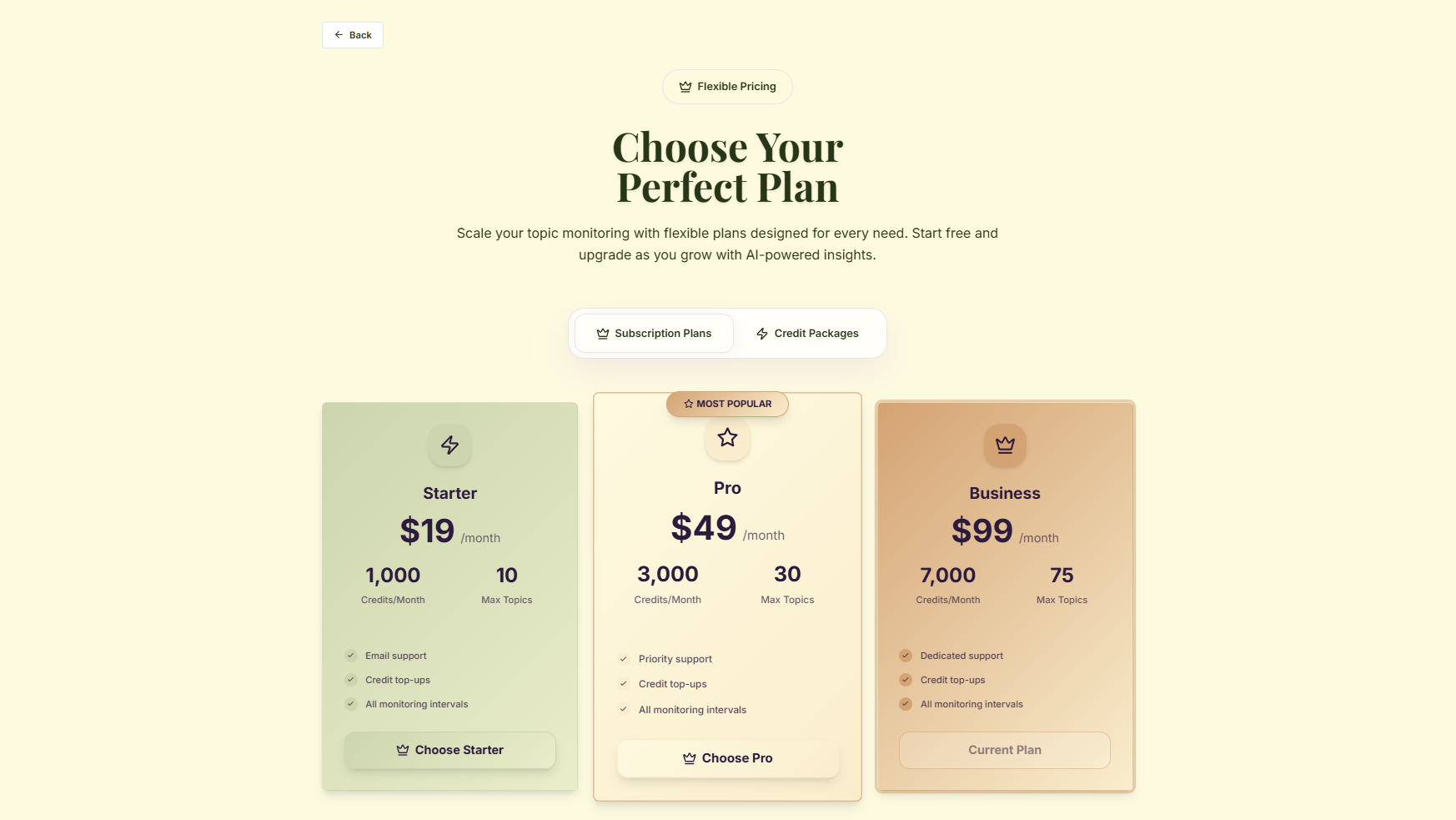
- Present my idea what part to built to Bolt.new and ask to understand it wrt to codebase and what needs to built, best ways to build and then come up with step by step plan to implement it and then build it step by step. This was i was able to built some complete features like subs/credits based complex pricing system, Complete Scalable Scheduler architecture flow and Entire UI.
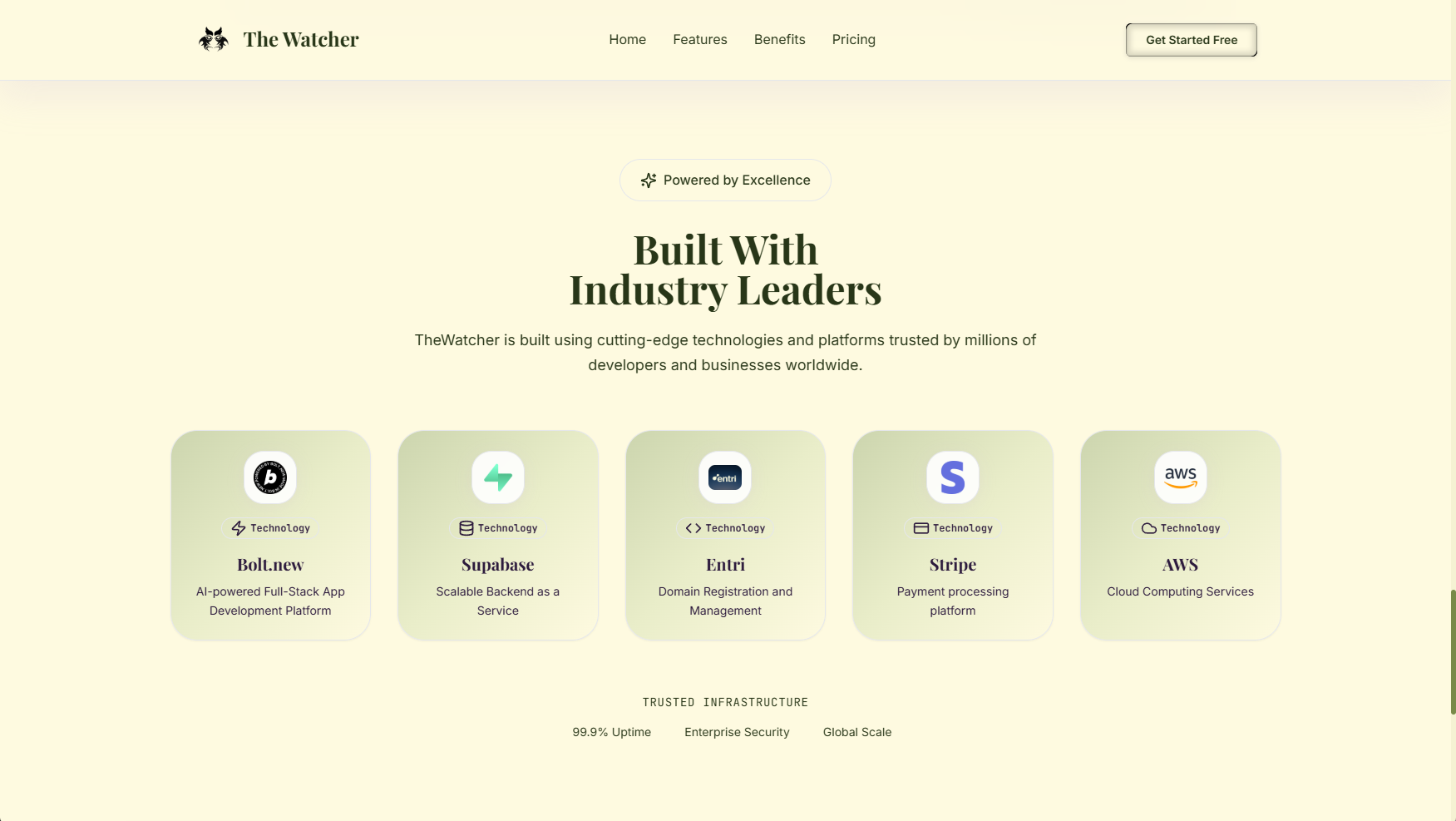
We went with Next.js and TypeScript for the frontend because, well, type safety saves lives. Supabase handles our database and auth - their PostgreSQL setup with real-time features was perfect. For payments, Stripe was our choice. This looks like a lot but Bolt built all these in a very few prompts request. I didn't know it could handle such large requirements prompts.
The secret sauce? Scalable AWS serverless architecture. Each topic gets its own EventBridge schedule that triggers Lambda functions to fetch updates. No servers running 24/7 burning money - just pure pay-per-execution efficiency. When you create a topic, we spin up a schedule that runs exactly when needed (hourly, daily, whatever you pick). The Lambda grabs the data, processes it, burns some credits, and goes back to sleep. Scales from 1 to 1000s of topics without breaking a sweat.
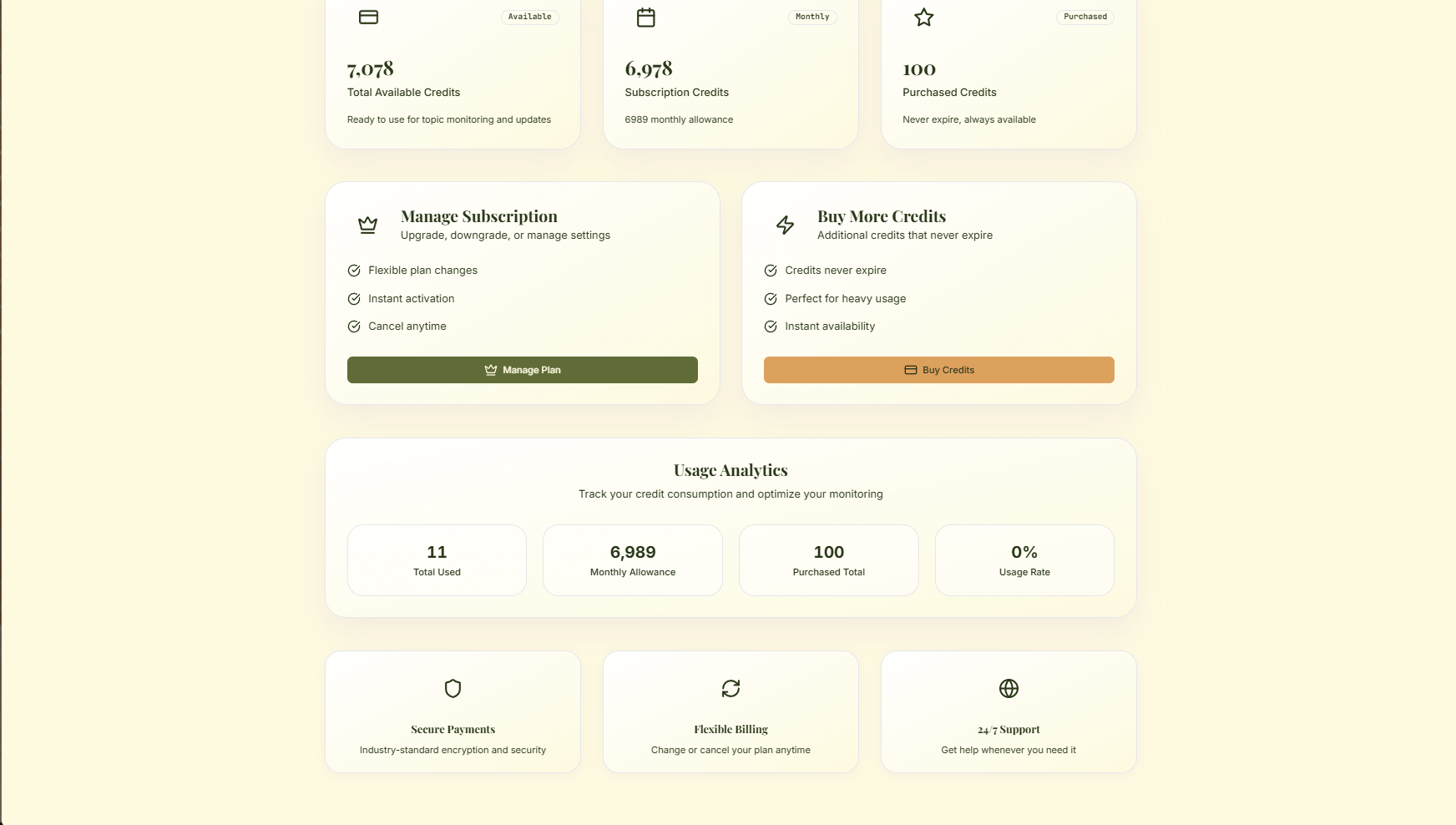
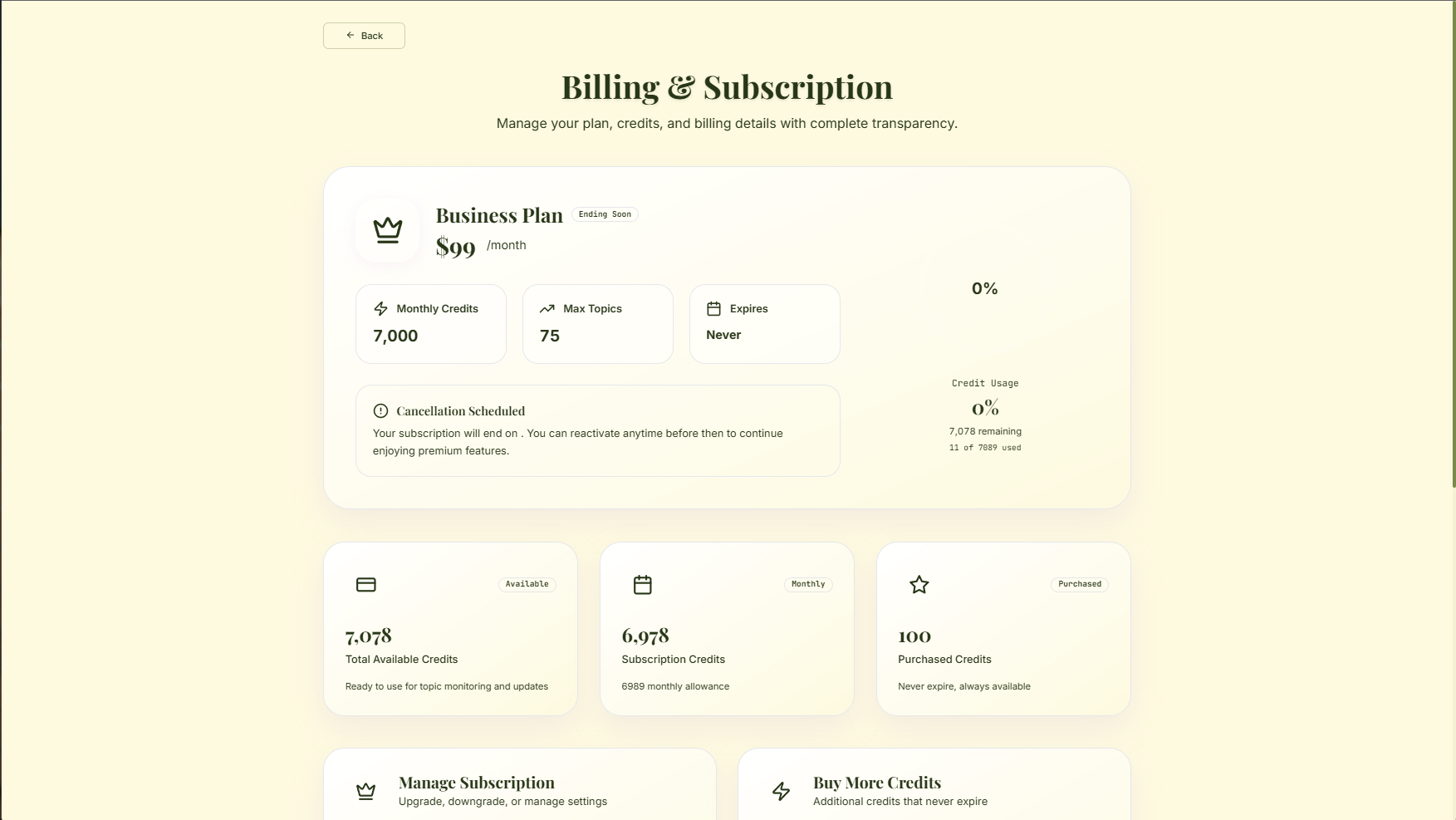
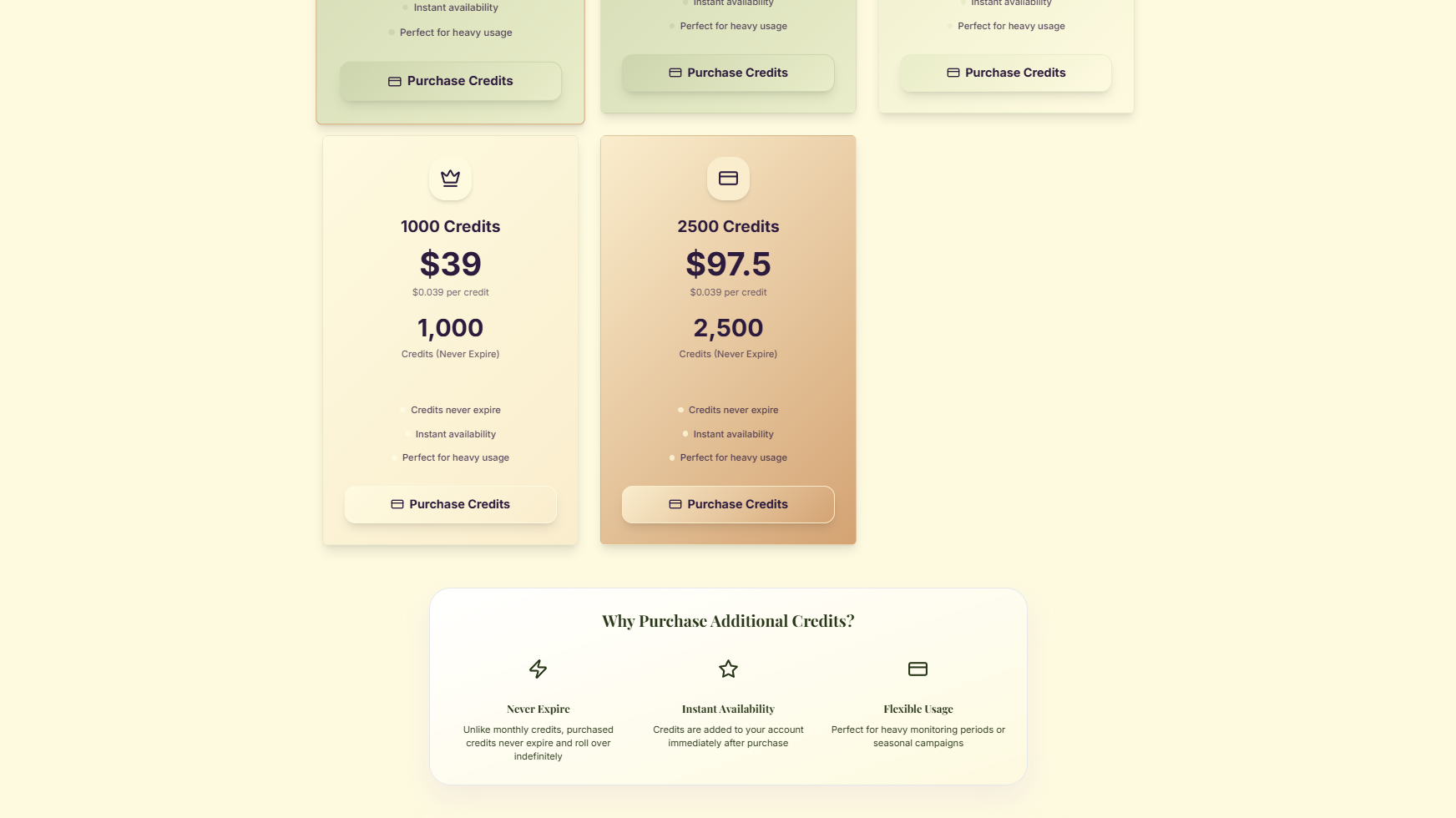
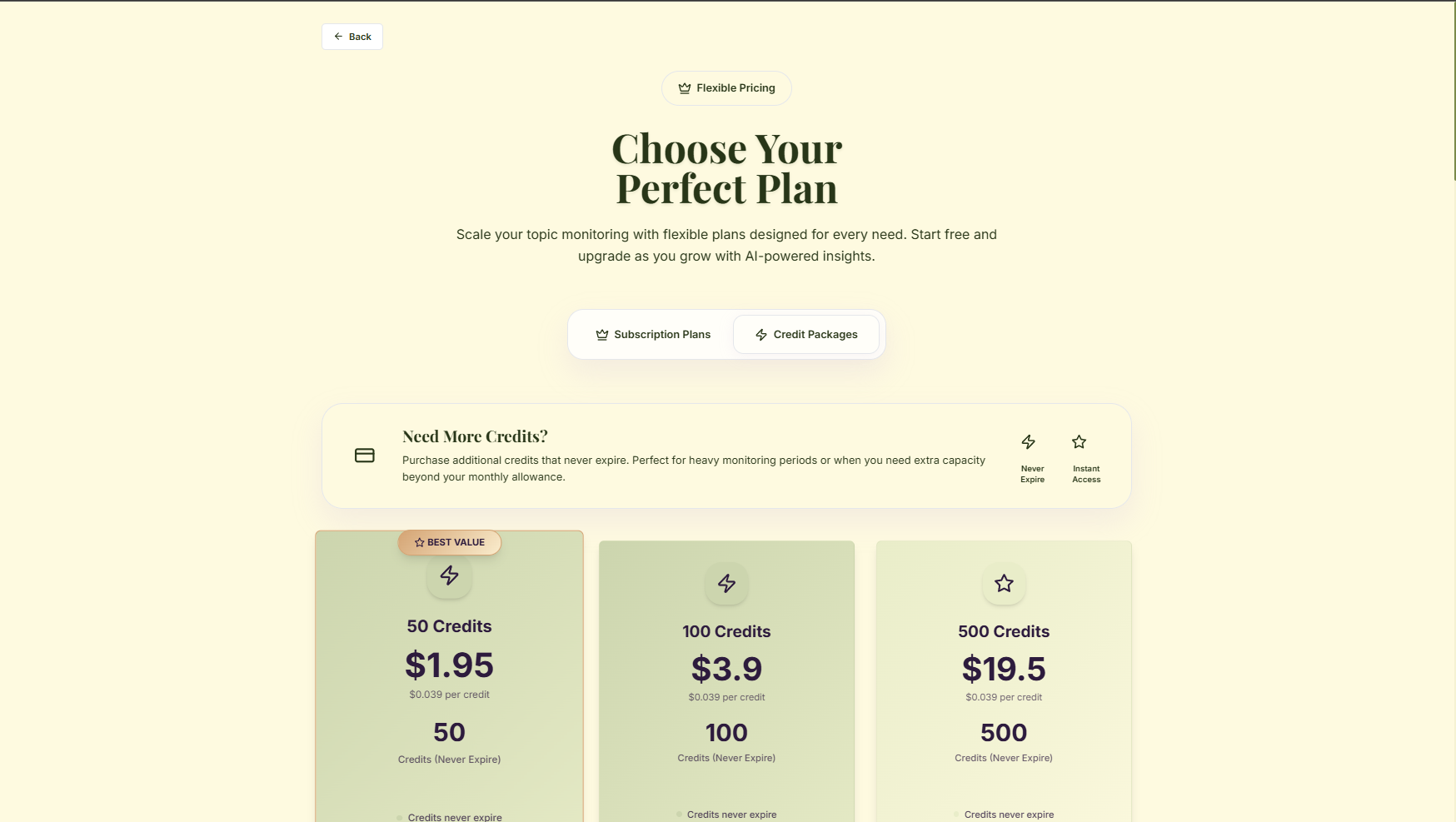
The tricky part was building the credit system - users get monthly credits with their subscription and can buy more that never expire. We use AI to generate summaries and extract the signal from the noise.
Bolt.new helped ideate, plan and come up with the best Pricing Model, which i was surprised like it was so lengthy and complex, yet it was able to spin up everything for pricing, in like 2 to 3 shots.
Challenges we ran into
The credit system nearly broke us. How do you handle subscription credits that reset monthly AND purchased credits that last forever? Which gets used first? What happens during refunds? We rewrote the logic three times before getting it right.
Also, Stripe webhooks. Making sure every payment event is processed correctly, even when things fail, required way more error handling than expected.
The AWS scheduling was another complexity. Managing thousands of EventBridge schedules, each with different intervals, while handling failures gracefully? We built a whole dead letter queue system just to catch and retry failed topic updates. IAM permissions alone took a week to get right - Lambda needs to talk to Supabase, which in turn executes our Watcher Engine, EventBridge needs to invoke Lambda, our API needs to manage schedules. Permission hell.
Accomplishments that we're proud of
- Built a pricing model and credit system that actually makes sense (subscription credits first, then purchased ones)
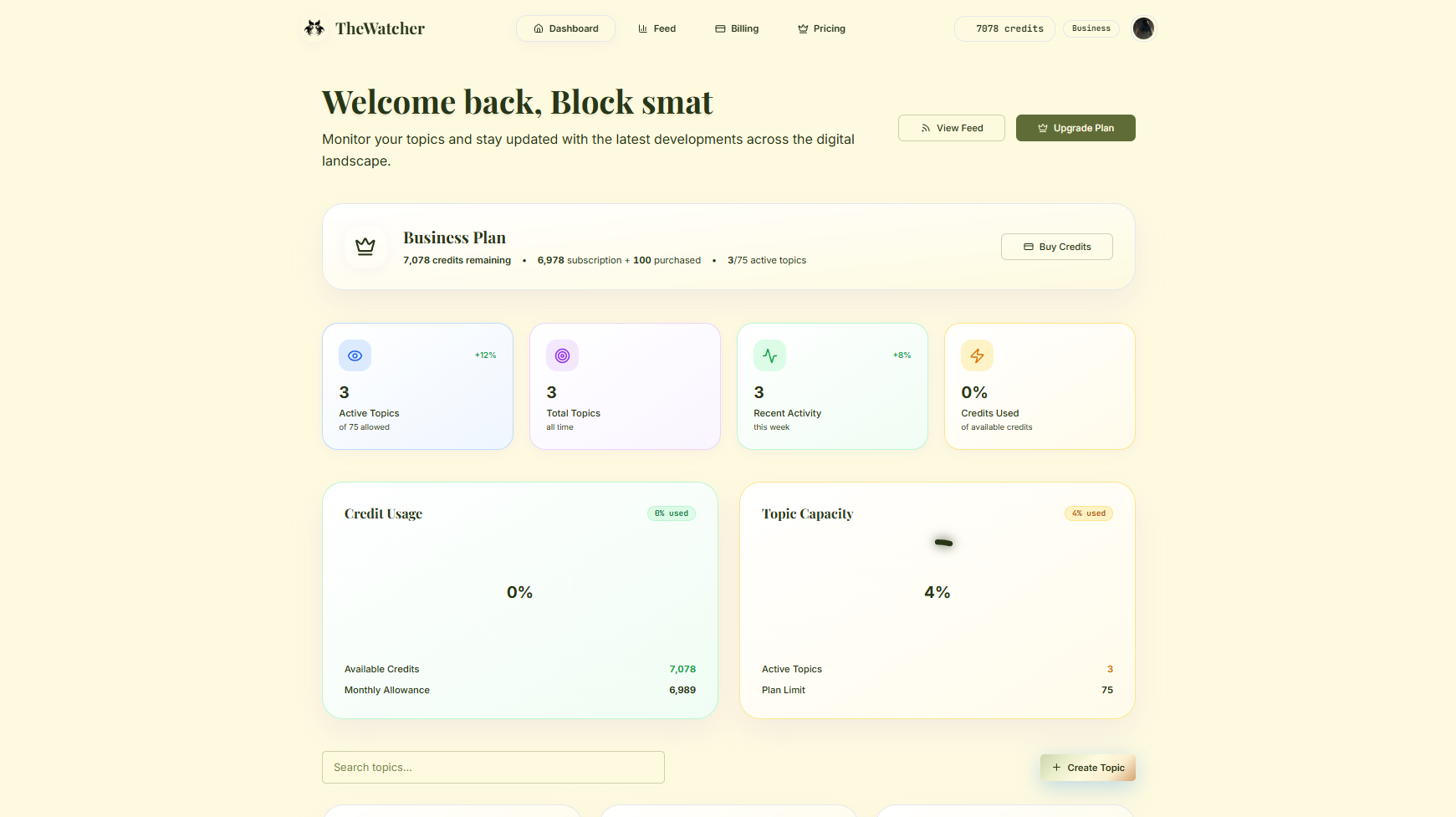
- The UI is clean and fast - no corporate dashboard vibes. (Thanks to Bolt)
- Our topic monitoring works across millions of sources online like news, social media, blogs, and academic papers etc...
- Zero data breaches (knock on wood) thanks to supabase row-level security from day one
- The whole thing costs pennies to run per topic update thanks to serverless, so we can keep pricing affordable for our users
- Can handle 1000s of concurrent topic updates without breaking a sweat
What we learned
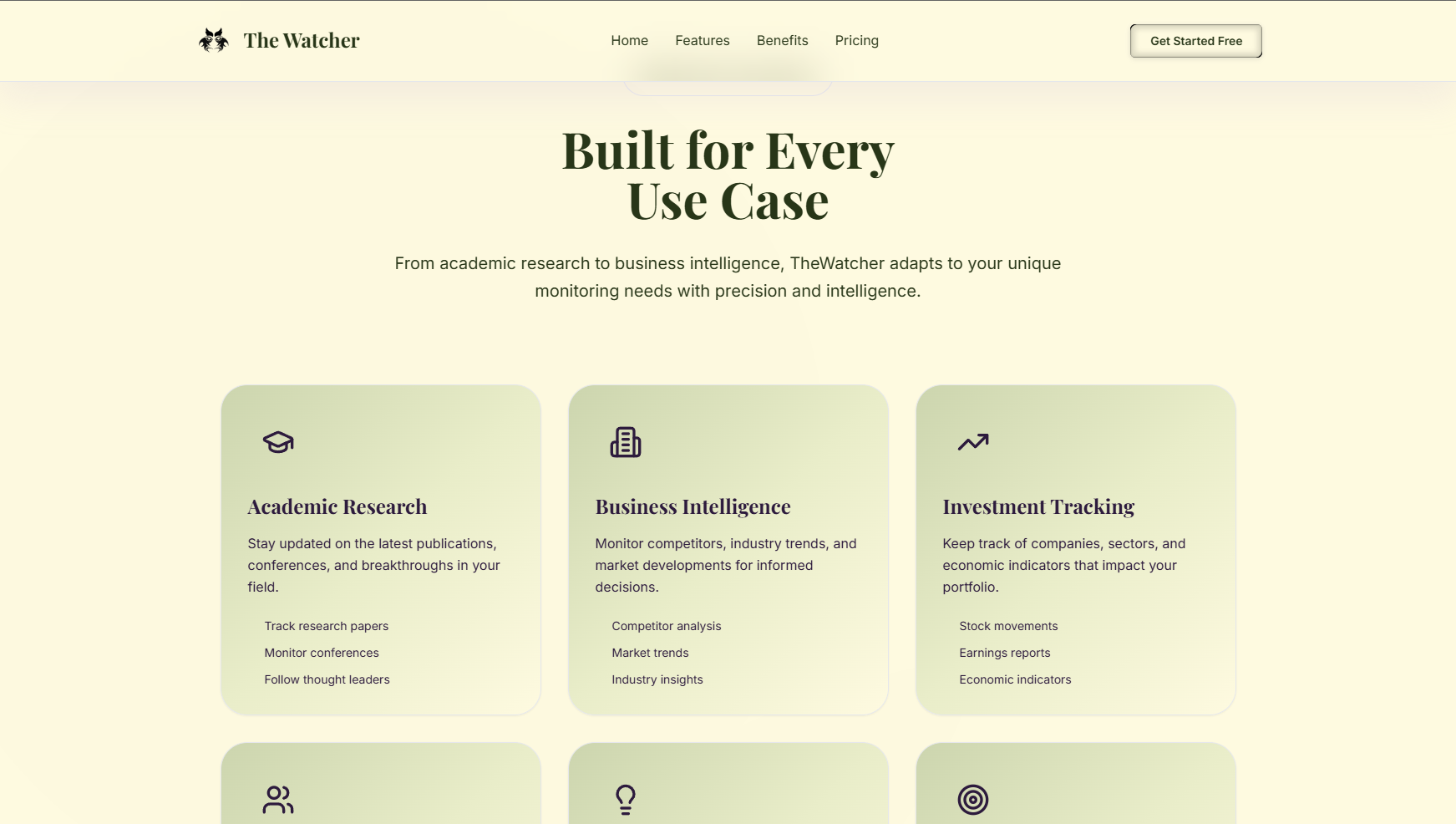
People will pay to save time. Also, everyone's tracking something - day traders, journalists, researchers, content creators. The need is universal.
Technical lesson: Start with security. Adding it later is a nightmare. And test your webhooks like your life depends on it. I used to do security checks for entire flows with Bolt.new, and it did come up with so many good corner cases to fix.
Serverless is the way. Why pay for idle servers? EventBridge + Lambda means we only pay when topics actually update. Our AWS bill made us smile instead of cry.
What's next for The Watcher
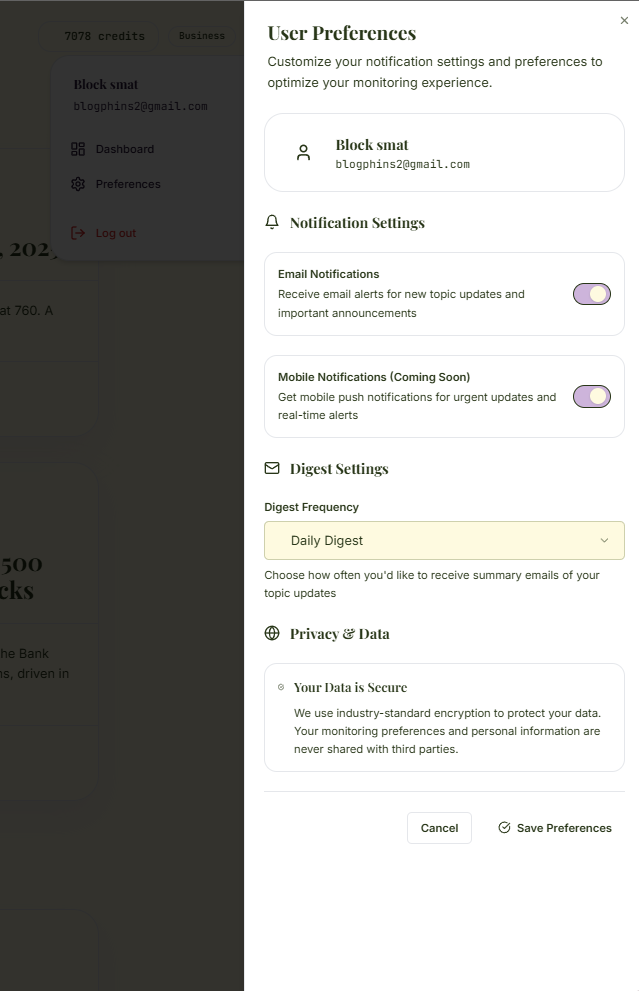
Mobile apps are coming, Being Built on Bolt.new - people want push notifications. We're adding team features for businesses who need shared topic monitoring. Also exploring AI that not only summarizes but predicts what's coming next in your topics.
Planning to add batch processing - group similar topics together in one Lambda execution to cut costs even more. Maybe Redis caching for hot topics that everyone's tracking.
The dream? Make TheWatcher the default way people stay informed. No more information overload, just what matters to you, delivered perfectly.
Bolt.new Hackathon Challenge Requirements met
1. Startup Challenge: Use Supabase to prep your Bolt.new project to scale to millions.
- We have out entire backend, database and auth built on Supabase Cloud platform. It has helped speed up the process of developing scalable backend for our app.
2. Deploy Challenge: Use Netlify to deploy your full-stack Bolt.new application.
- We used Netlify to deploy our Next.js/TS Web Application.
3. Custom Domain Challenge: Use Entri to get an IONOS Domain Name and publish your Bolt.new app on the domain.
Built With
- amazon-web-services
- bolt.new
- entri
- eventbridge
- gemini
- netlify
- next.js
- openai
- postgresql
- react
- react-native
- stripe
- supabase
- tailwind
- typescript


Log in or sign up for Devpost to join the conversation.