
Inspiration
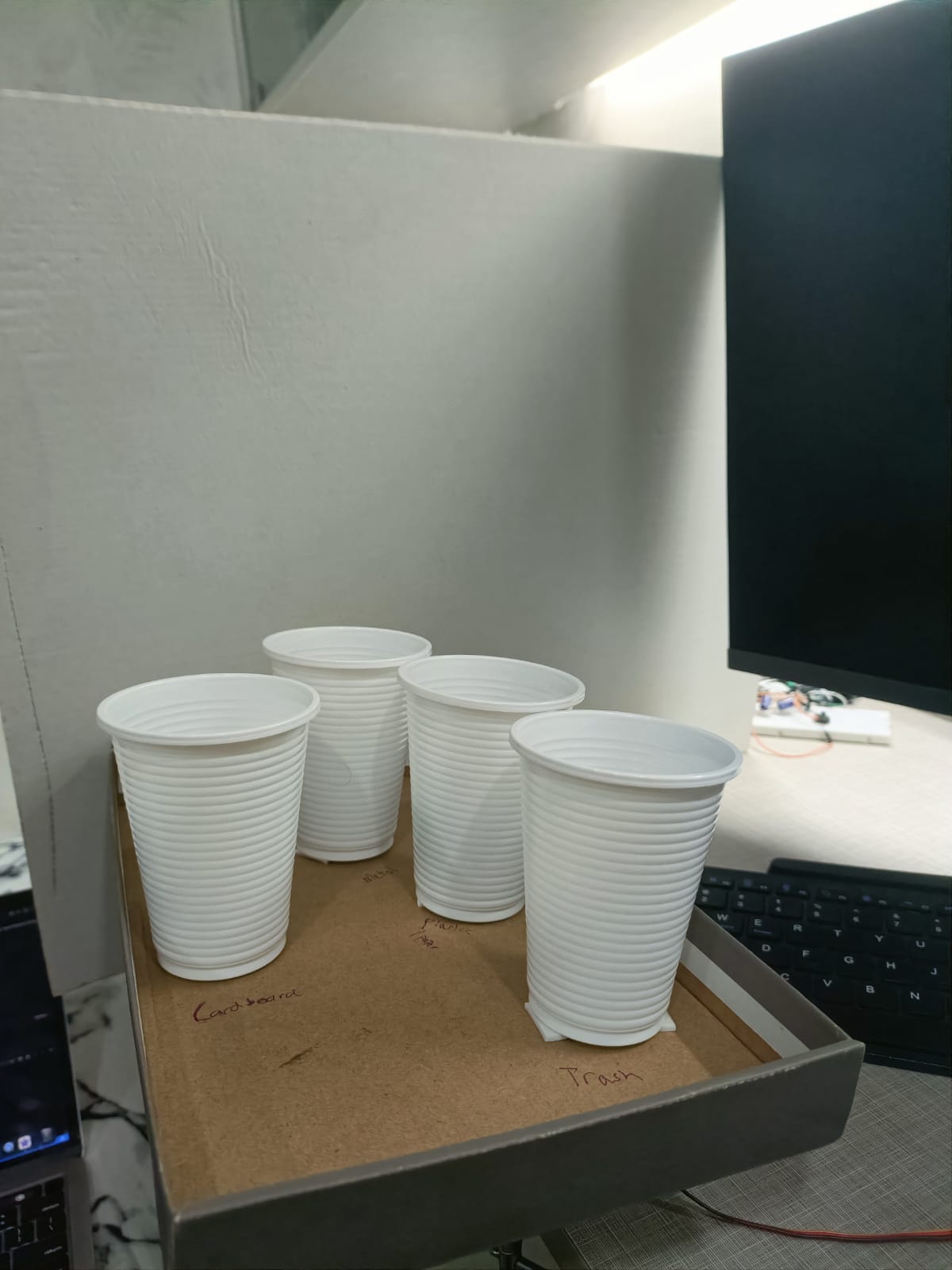
The Waste Segregator is an innovative solution that aims to automate the process of waste segregation. The inspiration behind this project came from the growing concern over the improper disposal of waste and the detrimental impact it has on the environment. The Waste Segregator is designed to make waste segregation more efficient and accurate, thereby reducing the amount of waste that ends up in landfills.
What it does
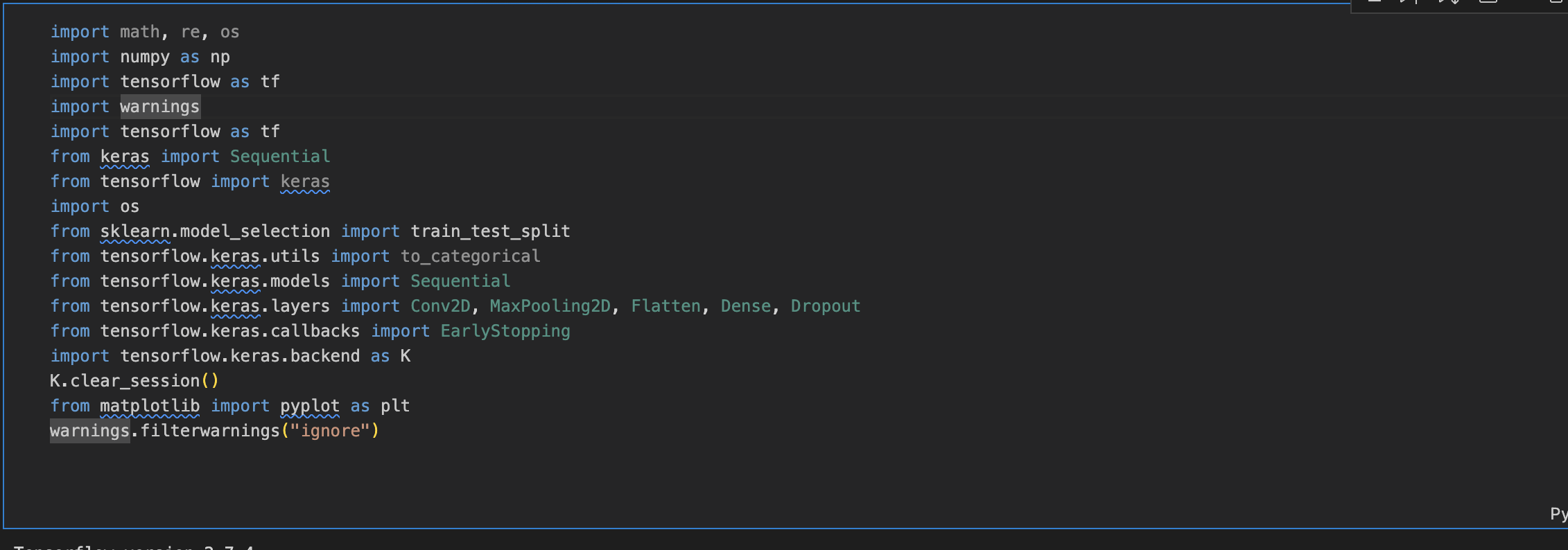
The Waste Segregator is a computer vision model that uses machine learning to classify different types of waste. It uses a camera to capture images of the waste, which are then analyzed using an algorithm that identifies the type of waste based on its visual characteristics. The model is built using TensorFlow and Keras, and it uses a convolutional neural network (CNN) architecture. The CNN has multiple layers that are designed to extract features from the input image and classify the waste accurately. The model is trained using a dataset of images of different types of waste.
How I built it
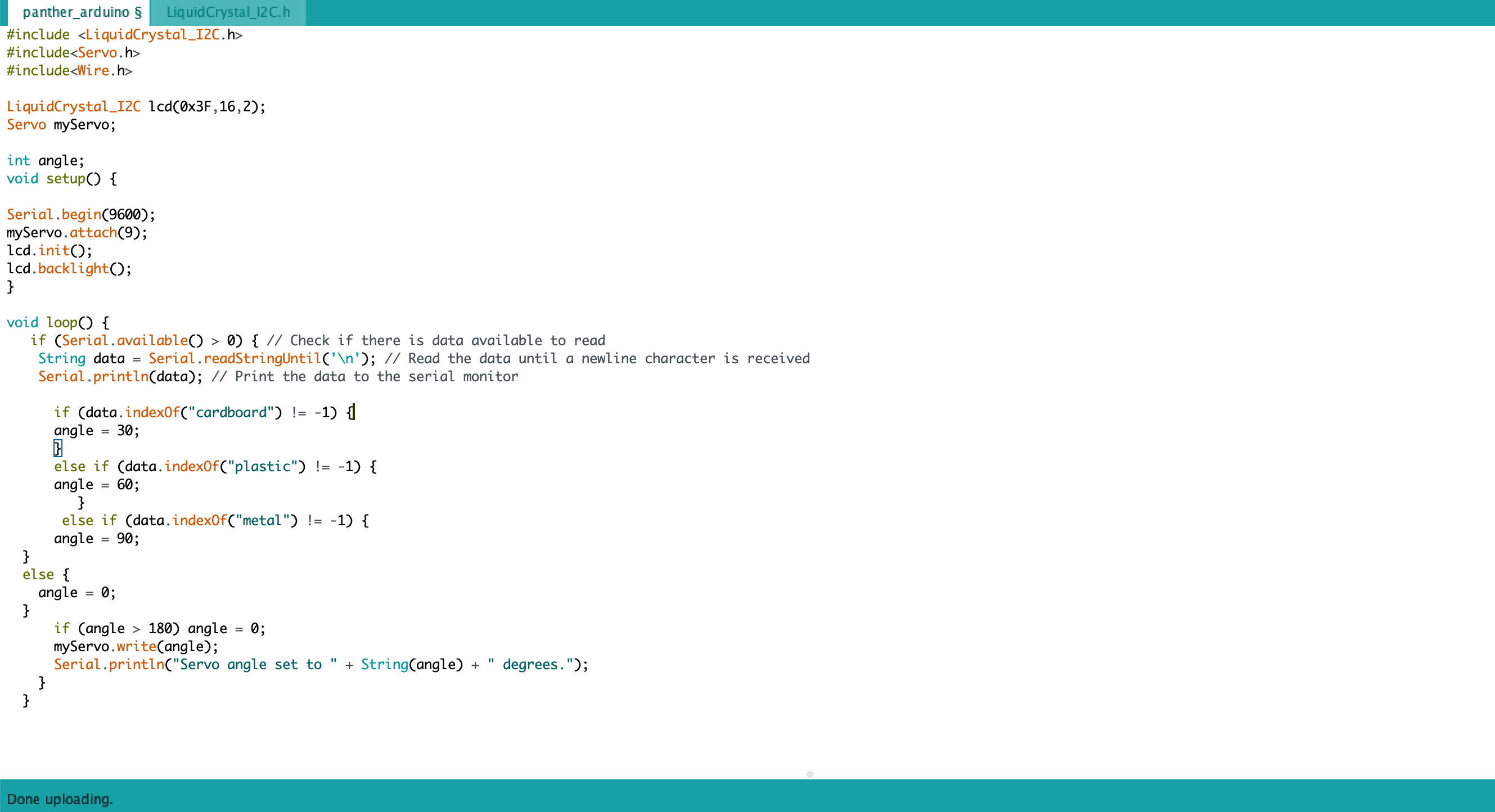
Building The Waste Segregator was not without its challenges. One of the major challenges we faced was collecting a large and diverse dataset of waste images for training the model. We had to manually collect and label images of waste from different sources, which was a time-consuming and tedious process. Another challenge was optimizing the model to run efficiently on low-powered devices such as the Raspberry Pi.
Challenges I ran into
Despite the challenges, we are proud of the accomplishments we achieved with The Waste Segregator. We were able to build a working model that accurately classifies different types of waste with a high degree of accuracy. The model is also optimized to run on low-powered devices such as the Raspberry Pi, making it cost-effective and accessible.
Accomplishments that I am proud of
Throughout the process of building The Waste Segregator, we learned a great deal about machine learning, computer vision, and the importance of waste segregation. We learned how to collect and preprocess data, build and train a machine learning model, and optimize it for deployment on low-powered devices. We also gained a deeper understanding of the impact of waste on the environment and the importance of taking steps to reduce it.
What's next?
Looking ahead, our goal is to continue to improve The Waste Segregator and make it even more accurate and efficient. We plan to integrate it with other technologies such as robotics to automate the process of waste collection and disposal. We also aim to collaborate with local governments and waste management companies to implement The Waste Segregator on a larger scale and make waste segregation a more widespread practice. Ultimately, our aim is to reduce the amount of waste that ends up in landfills and create a more sustainable future for all.


Log in or sign up for Devpost to join the conversation.