-
-
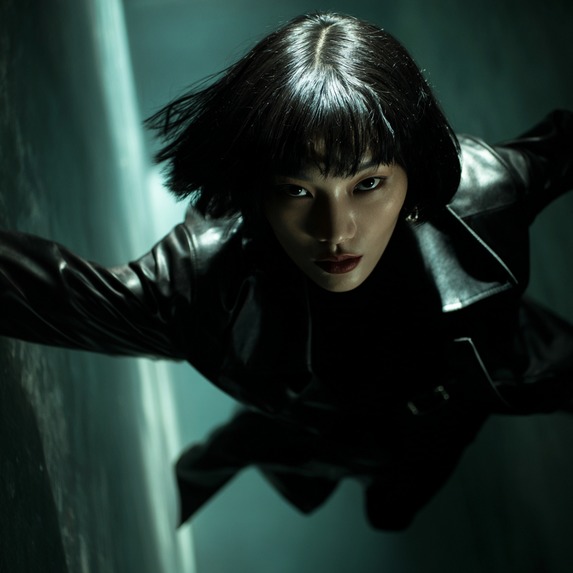
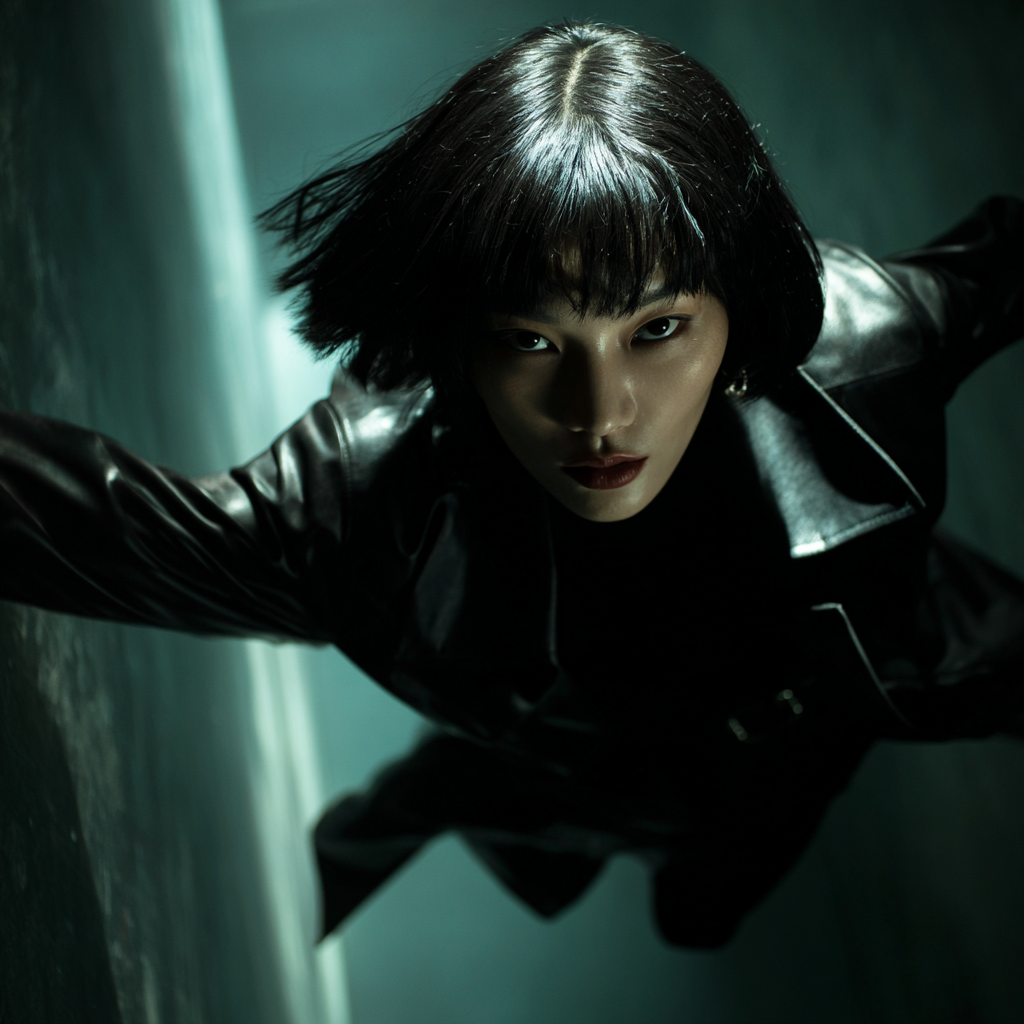
Midjourney still - falling into the void.
-
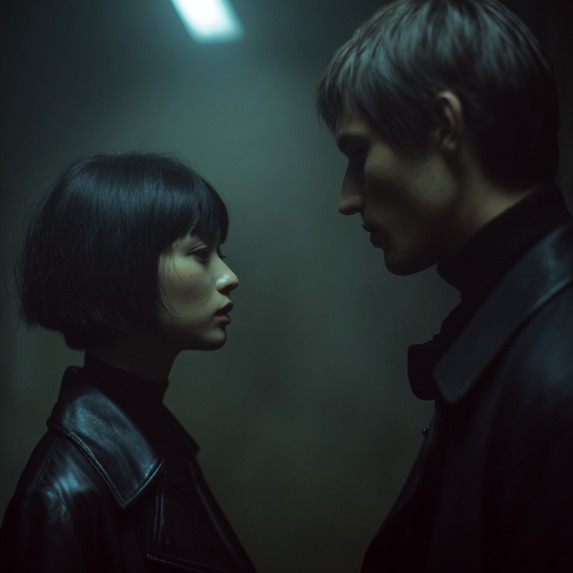
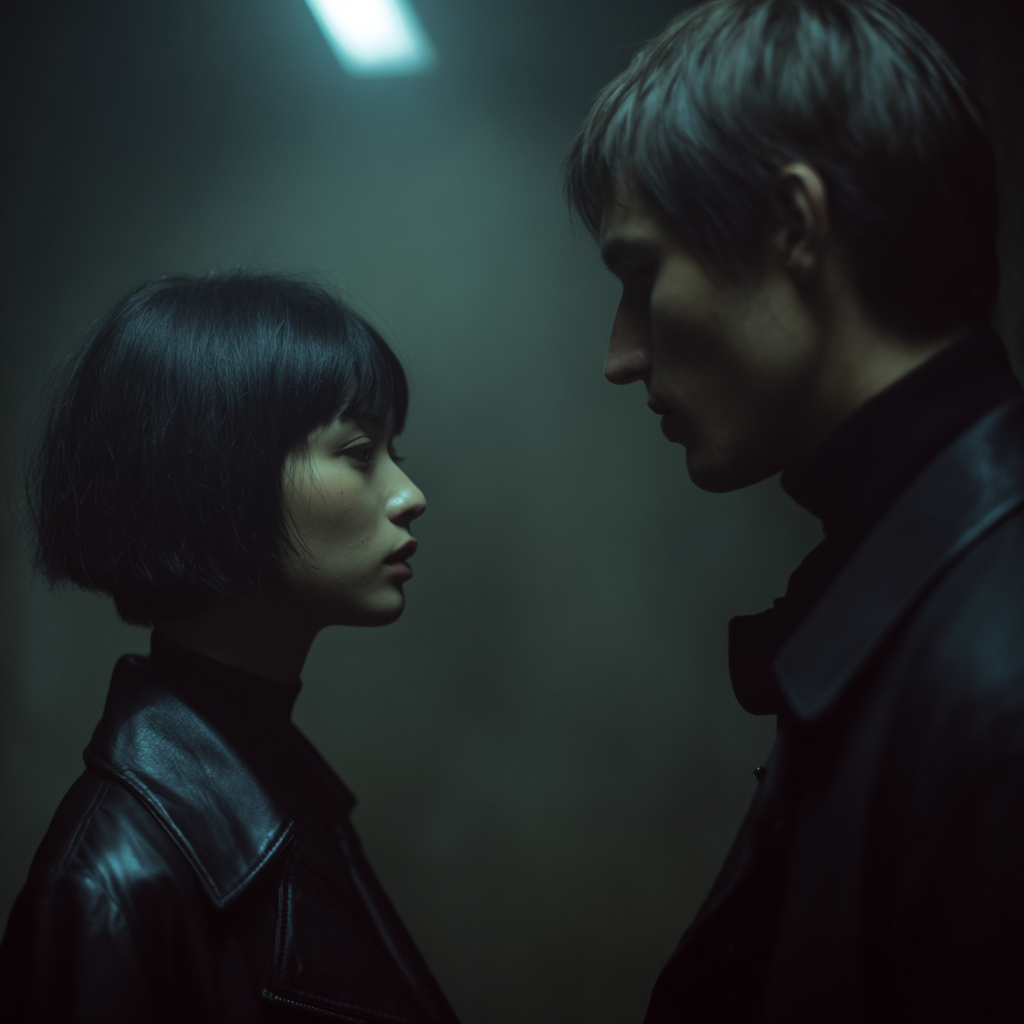
The two former lovers meeting again.
-
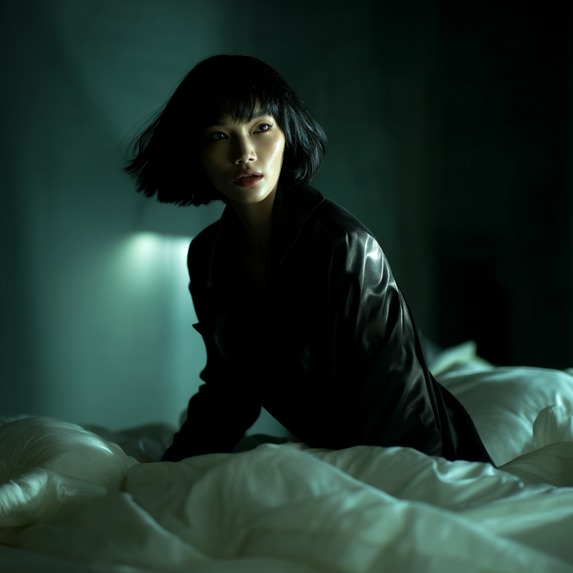
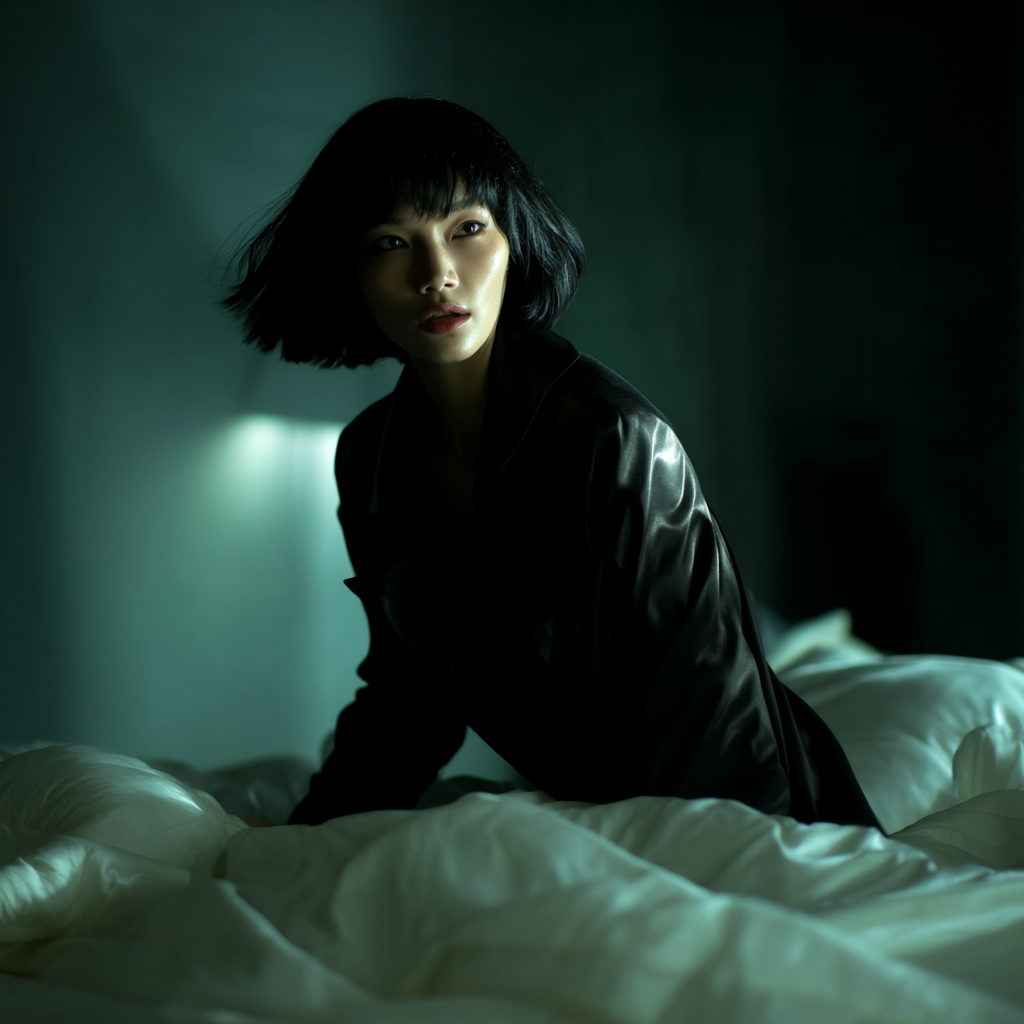
Main character wakes up on her own.
Inspiration
I’ve been using Midjourney for a while, both for personal creative projects and to generate visual assets for my startup. Earlier this year, I stepped back abruptly from a relationship due to inconsistencies I couldn’t reconcile. While traveling shortly after, I wrote a short poem as a way of processing the situation and creating closure. When the Chroma Awards announcement appeared in my inbox, I decided to develop the poem into a short-form visual piece and share it.
This project served as personal closure and a standalone creative exercise. I do not plan to extend it further, but submitting it to the Chroma Awards offers a way to share it and connect with other creators working in AI-driven filmmaking.
What it does
The Void is a vertical short film pairing poetic text with AI-generated imagery. It is not narrative-driven; it functions as a compact reflection piece.
How I built it
- Poem & direction: My own
- Visuals: Generated in Midjourney (image → video workflows)
- Editing & Assembly: CapCut
- Voiceover: CapCut AI narration
requirements
I chose to keep the narration asynchronous from the visuals to maintain interpretive space between image and text.
Challenges I ran into
- Lack of access to Sora in the EU limited generative video sequencing options.
- Synchronizing narration with visuals manually would have required keyframe-level editing, so asynchronous audio was intentionally selected.
Accomplishments I'm proud of
- Translating a personal moment into a complete, self-contained visual work.
- Establishing a fast, replicable workflow using Midjourney + CapCut.
- Creating a piece that is emotionally contained and visually coherent.
What I learned
- Vertical storytelling benefits from slower pacing and more negative space.
- Asynchronous narration can create a more interpretive and reflective experience.
- Short-form projects become stronger when they are distilled rather than elaborated.
Built With
- capcut
- midjourney
