-
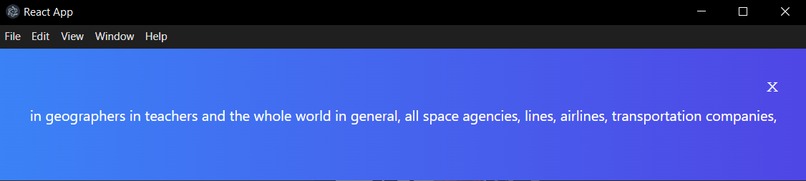
Usage preview
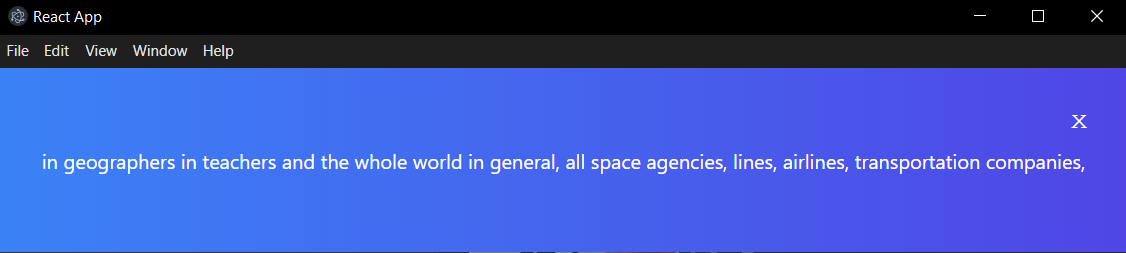
Inspiration
The complexity of navigating opportunities across borders due to pre-existing language barriers sparked our inspiration. Whether it’s missing out on a global business deal or struggling with personal connections when travelling, language differences often become a hurdle. We sought to create a solution to combat this challenge, and that’s how we landed on 'The Voice', a tool designed to bridge these gaps and make international communication seamless.
What it does
"The Voice" enables real-time translation by converting spoken language into text, translating it on the fly, and delivering instant voice output in the desired language. Whether you're in a business meeting or travelling abroad, the app allows users to break language barriers effortlessly, making global communication accessible for everyone.
How we built it
Backend: We used Python, leveraging OpenAI’s Whisper library for initial speech-to-text functionality. Recognizing its limitations in translation quality, we integrated the DeepL API to provide more accurate and natural translations.
Frontend: For the UI, we used React with Tailwind CSS to create a clean, intuitive user interface that simplifies interaction.
Electron: To run the app natively on the desktop and integrate voice input, we built it with Electron, making the app platform-independent.
Challenges we ran into
Compiling audio inputs: Capturing and processing audio from the laptop’s microphone required working with tools like Voiceflow for user interaction and managing inter-process communication.
Hijacking computer audio: We faced complications in rerouting system audio for the app to capture and process it in real-time, especially integrating this within Electron’s framework.
Accomplishments that we're proud of
We are proud to have overcome several technical challenges, including successfully hijacking the computer's audio for real-time processing, which enabled seamless voice translation. Additionally, we designed a pleasant, intuitive UI that not only enhances the user experience but also showcases our proficiency in React and Tailwind CSS. This allowed us to create a visually appealing and functional interface, making cross-language communication both easy and enjoyable. Combining these backend and frontend accomplishments is a major highlight of our project.
What we learned
Beyond improving our teamwork, communication, and collaboration, we gained technical insights in:
- Working with Voiceflow to enhance voice interaction.
- Using Electron to develop cross-platform desktop applications.
- Refining our React skills to design a smooth, intuitive UI/UX.
What's next for The Voices
Looking ahead, we aim to expand The Voice by integrating support for all major languages, making it a truly global solution. Additionally, we plan to implement advanced text-to-speech capabilities, allowing users not only to receive translated text but also to hear the translation in real-time, further enhancing accessibility. We’re also exploring strategic partnerships with telecommunications enterprises to embed our app into their services, enabling smoother communication experiences for international calls and meetings. These future developments will make The Voice a powerful tool for breaking language barriers worldwide.


Log in or sign up for Devpost to join the conversation.