-
-
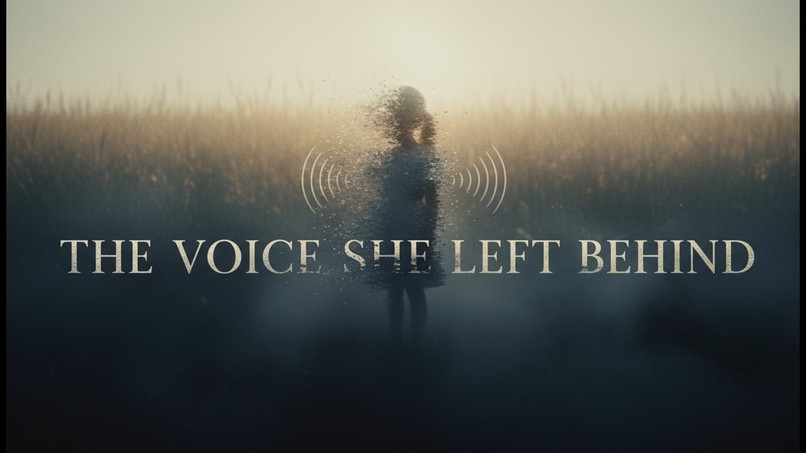
Poster
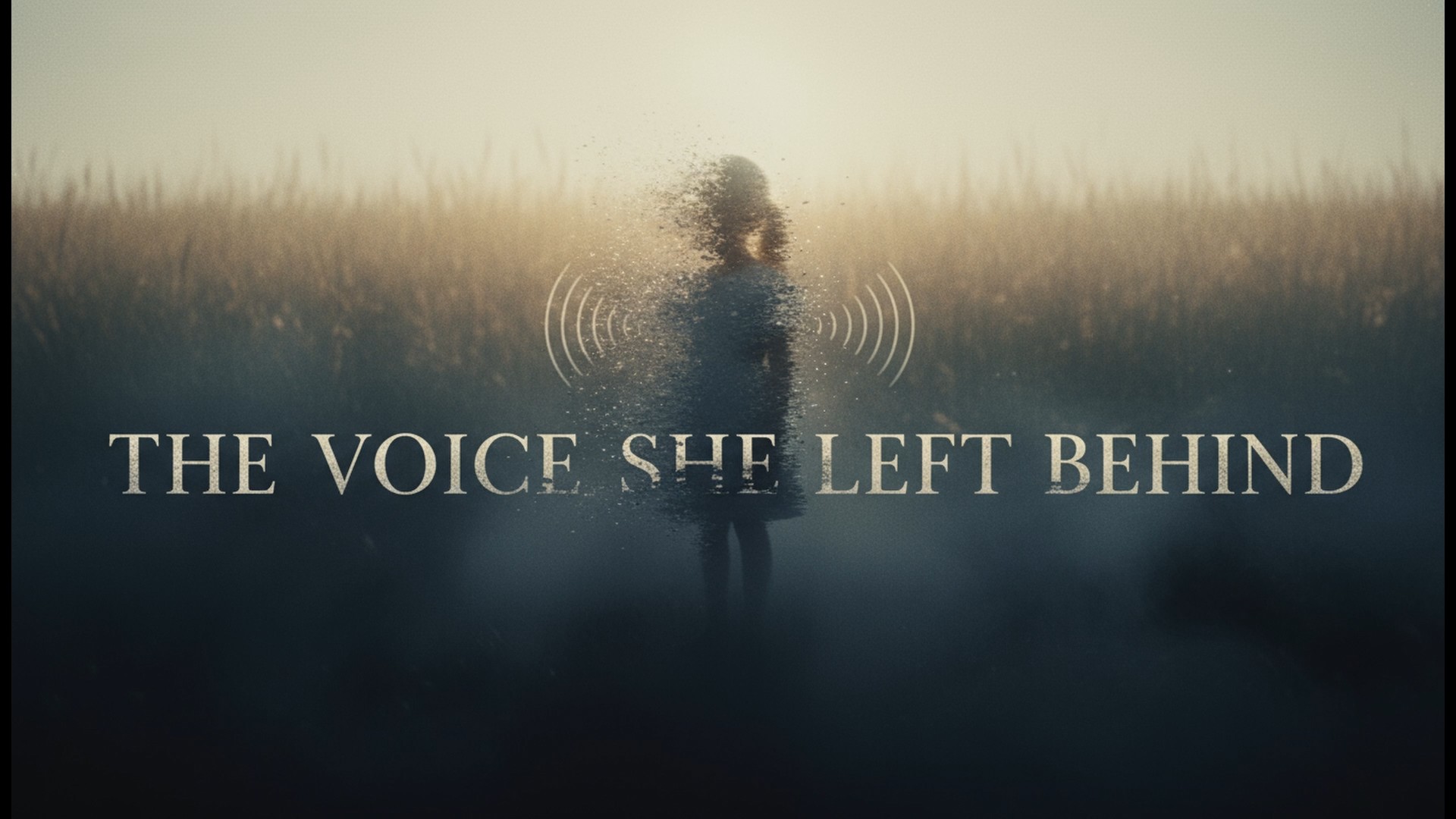
Inspiration
We set out to create a trailer for a classic haunted-house horror film, drawing inspiration from works like The Conjuring. Our goal was to explore how AI-driven tools can collaboratively generate the script, storyboard, characters, visuals, and sound for a cohesive and atmospheric teaser.
What it does
The trailer follows a woman who drives back to the house where she once lived. As she walks through the dim interior, the television suddenly switches on, showing a young girl—strikingly similar to her younger self—running across a sunlit lawn. She turns to make sense of it, only to find the girl sitting on a chair right behind her.
How we built it
We used ChatGPT for concept development, scriptwriting, and storyboard creation. With Krea.AI’s image generation models (Seedream and Nano Banana), we produced consistent multi-angle character portraits and generated keyframes for each shot. These keyframes were then refined and expanded through Google Veo 3 to produce the moving sequences.
To increase spatial realism and camera controllability, we imported the generated scene images into WorldLabs Marble and converted them into explorable 3D environments. This allowed us to freely navigate the virtual space and capture screenshots with precise framing, angles, and shot sizes.
For audio, we relied on ElevenLabs to create atmospheric soundscapes, horror-style musical cues, and dialogue synchronized with the character’s lip movements.
Challenges we ran into
Maintaining consistent character identity across models proved difficult, and some tools impose restrictions when generating images of minors. Achieving precise, controllable physical actions—such as opening a door, entering from the right side of the frame, or following a specific driving trajectory—was also a significant challenge.
Accomplishments that we’re proud of
We successfully composited the character’s appearance inside the television screen and within mirror reflections, achieving convincing continuity between the real person and her supernatural doubles.
What we learned
Breaking each scene into modular, controllable visual elements greatly improves reliability. Building shots from the bottom up—starting with character references, spatial blocking, and lighting—yields far better results than relying solely on text prompts and trial-and-error.
What’s next for The Voice She Left Behind
We plan to expand the trailer into a short film of several minutes, further developing the story, the haunting mechanics, and the hybrid AI-driven production workflow.
Built With
- capcut
- chatgpt
- davinci
- elevenlabs
- googleveo3
- krea.ai
- marble
- nanobanana
- premiere
- seedream
- sync.so
- veo3
- worldlabs

Log in or sign up for Devpost to join the conversation.