-
-
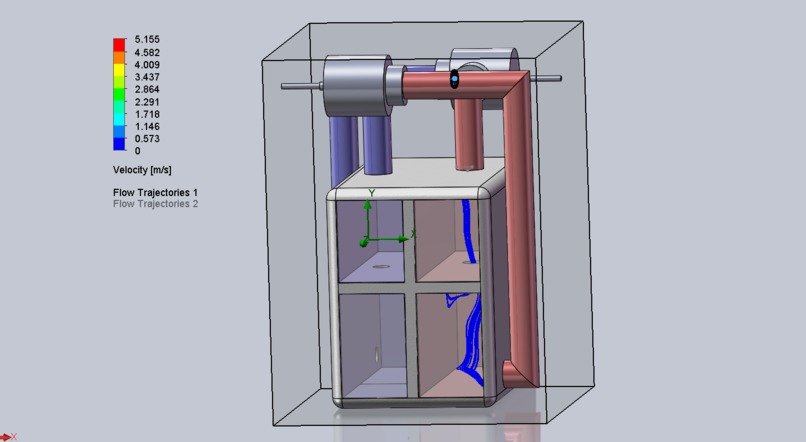
Simplified 3D Model of the Heart
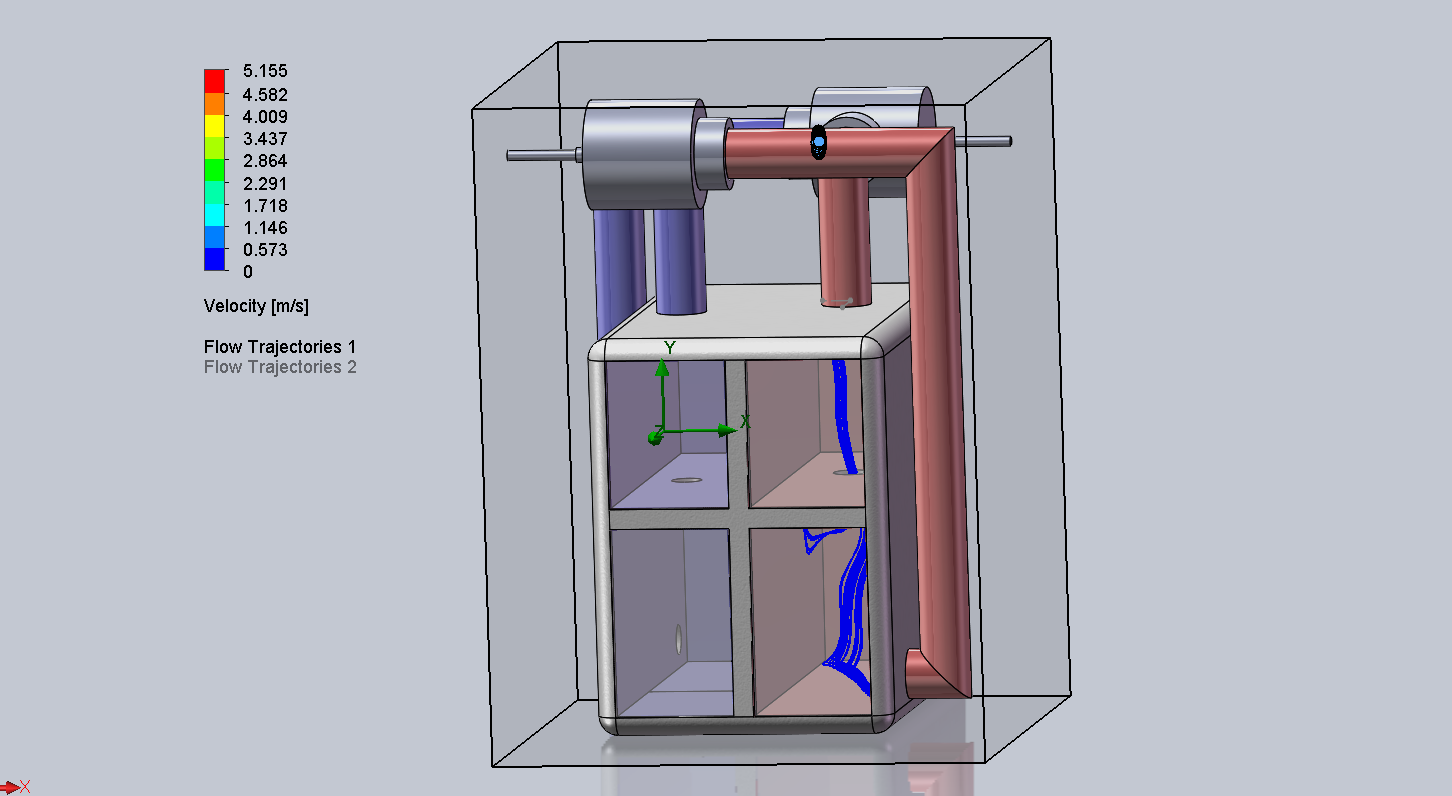
Inspiration
The inspiration behind our Ventricular Box: A Heart Failure Flow Model came from the desire to simplify the complexity of congestive heart failure (CHF) for patients and medical students. Understanding how the heart functions is a crucial piece of information for everyone to know. This model would make the learning process easy and intuitive, especially for a patient without a medical background. By turning a heart into a simple four-quadrant box, we can easily distinguish each chamber without the complexity of the heart structure. CHF is a common disease that affects millions of individuals. With this project, we aim to create an educational tool that illustrates how the heart's chambers work and how CHF impacts their efficiency. We want this project to be an affordable, easy-to-replicate model.
What it does
Our 3D educational model is a box divided into four sections, each representing one of the heart's chambers: the right atrium, right ventricle, left atrium, and left ventricle. Tubes connect the chambers, simulating blood vessels that allow you to follow and see how the blood flows through the heart. The model helps users visualize how blood moves from the heart's right side to the lungs and then from the lungs to the left side and by using our dual motor system, we can emphasize how CHF disrupts this flow. Color-coded tubes also show oxygenated and deoxygenated blood paths, making it easier to trace.
How we built it
We used Solidworks and its flow simulator to simulate the heart pumping. We created the four chambers of the heart in a simple 3D cube. We then created four sections by using the shell method to simulate the chambers of the heart. We also color-coded the deoxygenated blood vessels using blue and red for the oxygenated half. We also added two motors to simulate the lungs and the rest of the body.
Challenges we ran into
We are currently taking Solidworks so we haven't covered all the material yet which led us to many issues. We have never used a flow simulator before, and some parts of the model were difficult to create. For the flow simulator, we researched and designed the motors and the simulation. We had multiple issues with the physics of the blood flowing through our heart model and struggled to make it work. Additionally, some of the models required us to use tool combinations such as sweeping through different planes and trimming, which although basic, are new to us.
Accomplishments that we're proud of
We are extremely proud to have spent many hours working hard on this project. By the end, we managed to get the flow simulator to work. Our model portrays the heart's blood flow: one for circulating blood to the body and the other to the lungs, before returning it back to the heart. The model we created was simplistic, but we are proud to have completed it through Solidworks and concluded our very first 3D modeling project in college.
What we learned
We learned many new skills. We learned how to create glass in Solidworks (used to show the inside of the heart), how to run a flow simulator on our own, and different modeling techniques we could use in the future. We got a glimpse of how much time and effort would need to be put into real-life problem solutions, and we learned more about Congestive Heart Failure. Overall, this entire project was a learning process that we are proud to have been a part of.
What's next for The Ventricular Box: A Heart Failure Flow Model
The next steps taken would include further developing the model and how it looks. We could create a more realistic look for the model by changing the look of the texture, adding more veins, and changing dimensions to try to match a more realistic size. We could also optimize the flow simulator and use real blood to mimic the heart. We would also need to add the Mitral and Tricuspid valves and use Solidworks to match how they act in nature. With more time, we can further develop this model into a more cohesive learning aid for medical students and patients.
Built With
- solidworks


Log in or sign up for Devpost to join the conversation.