-
-
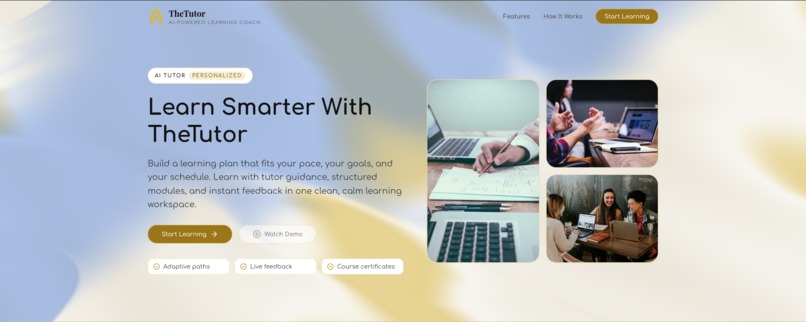
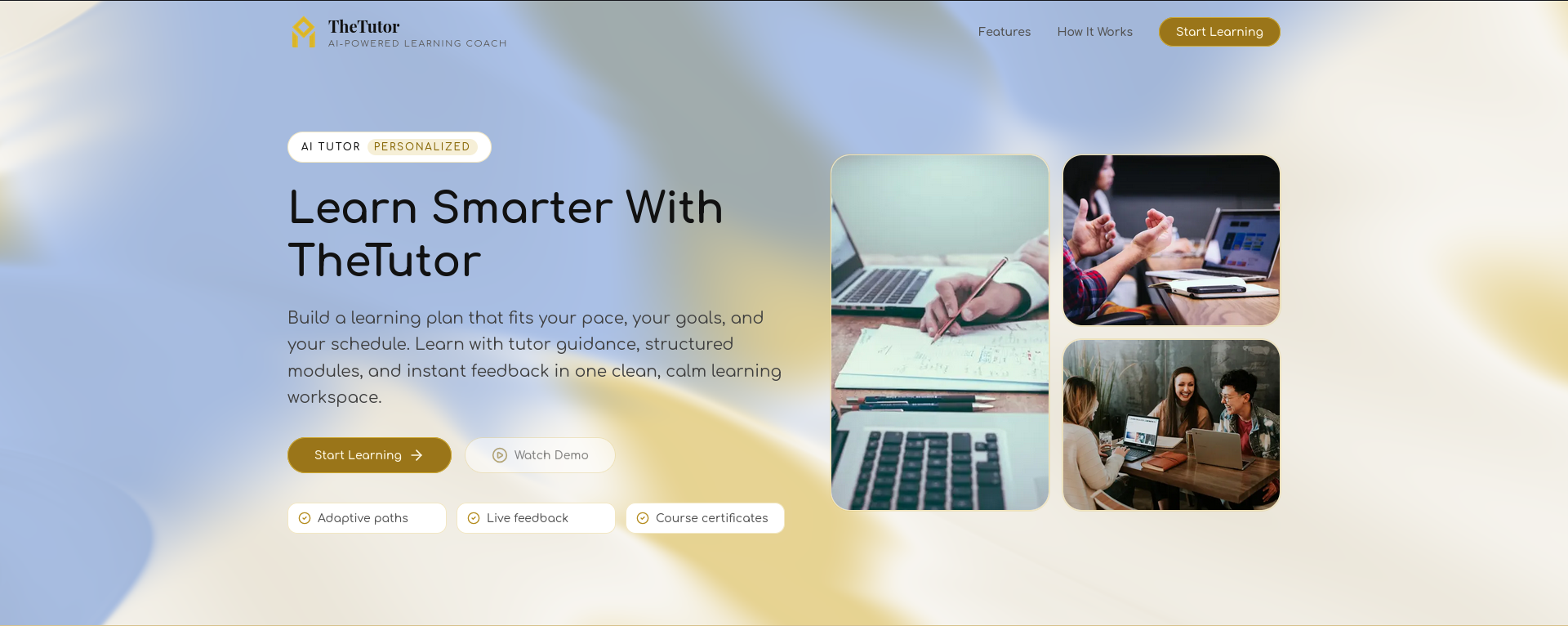
The Welcome Page
-
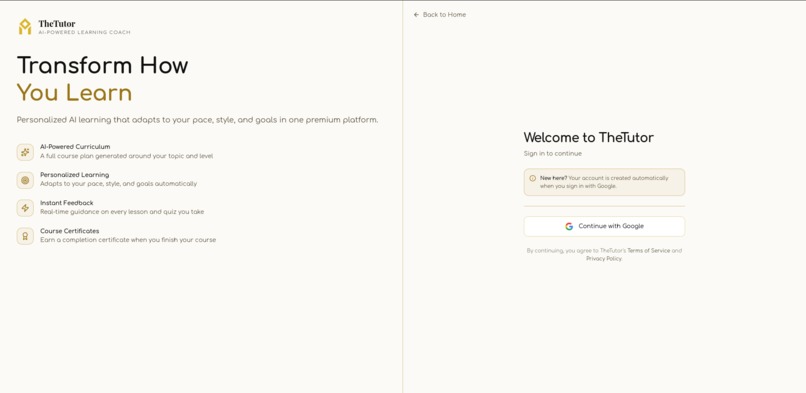
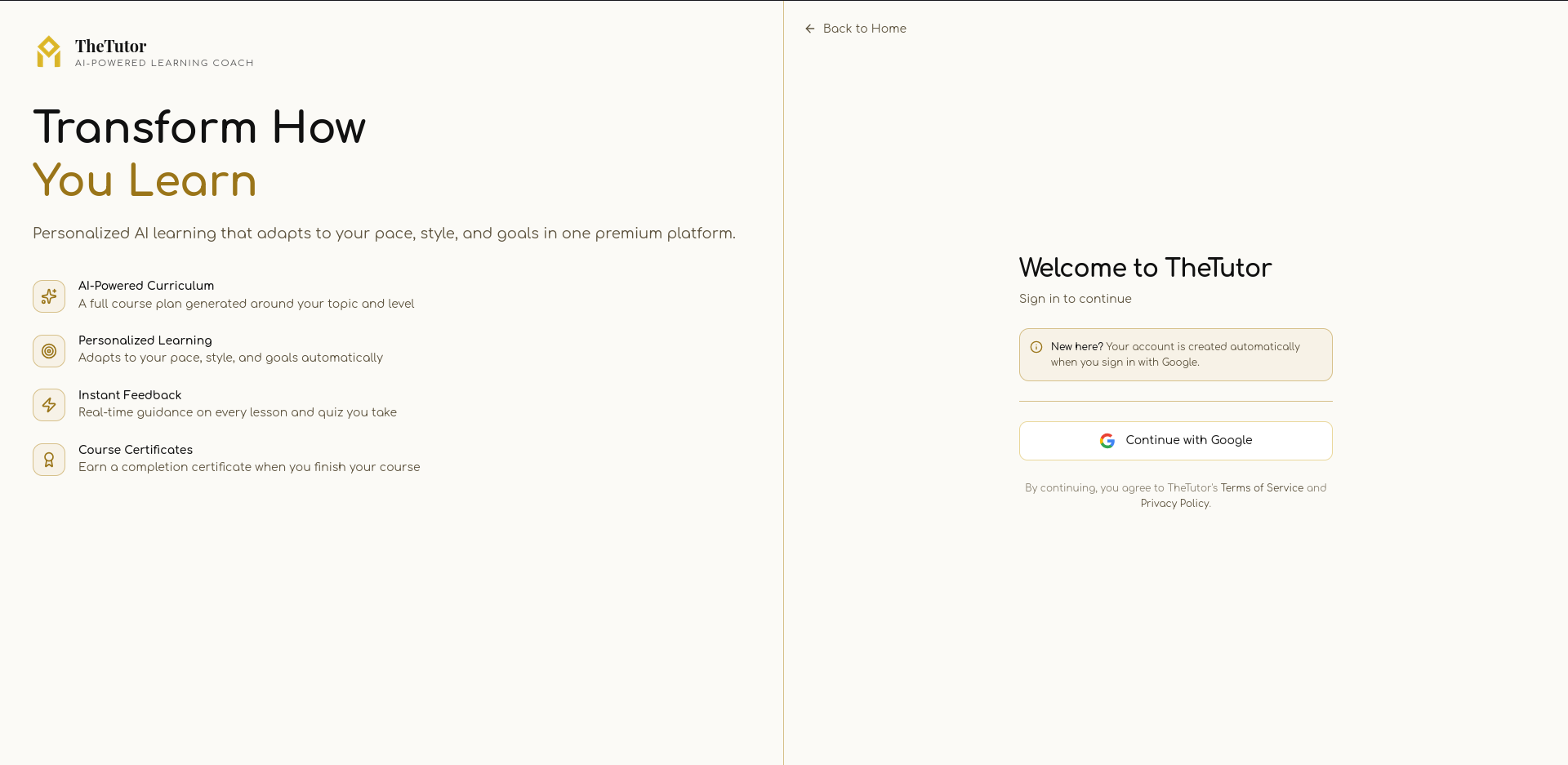
The Login page
-
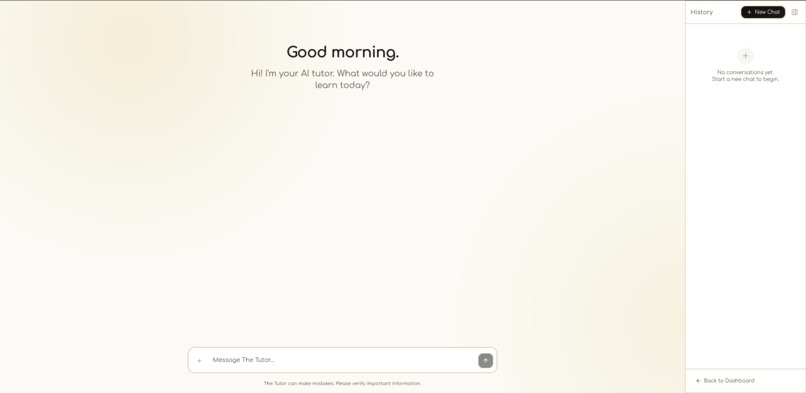
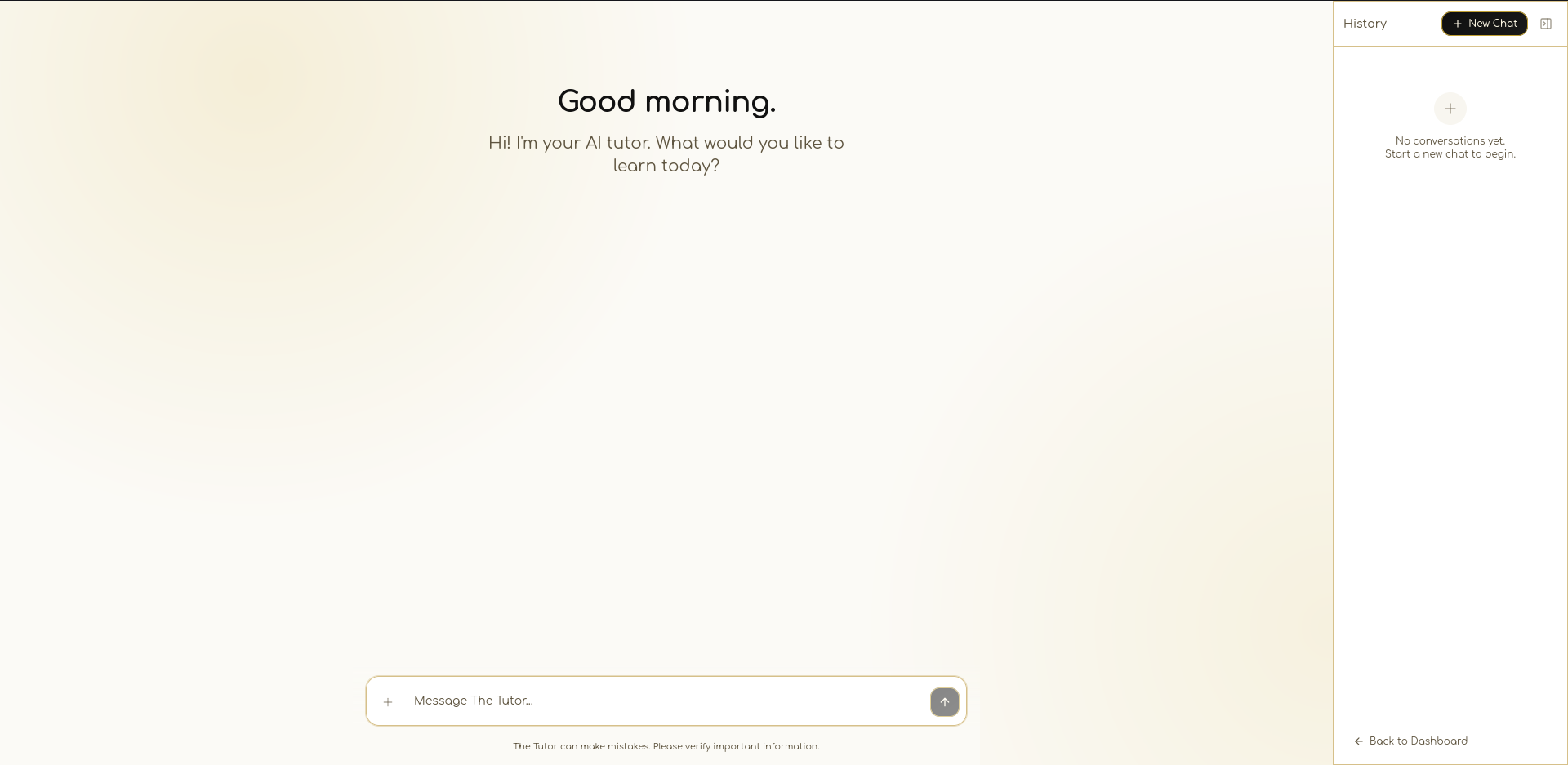
A Blank Chatpage
-
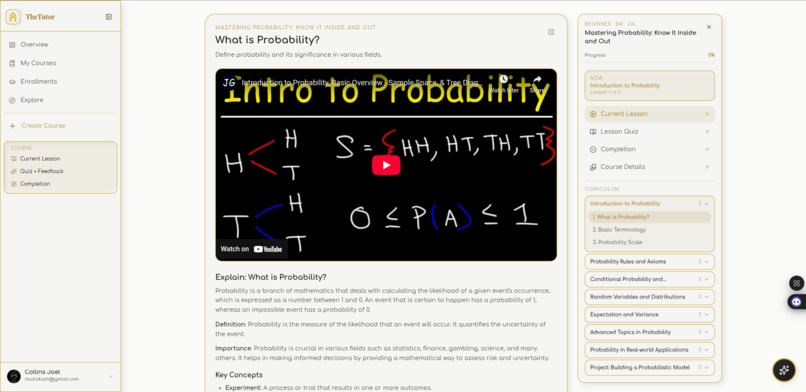
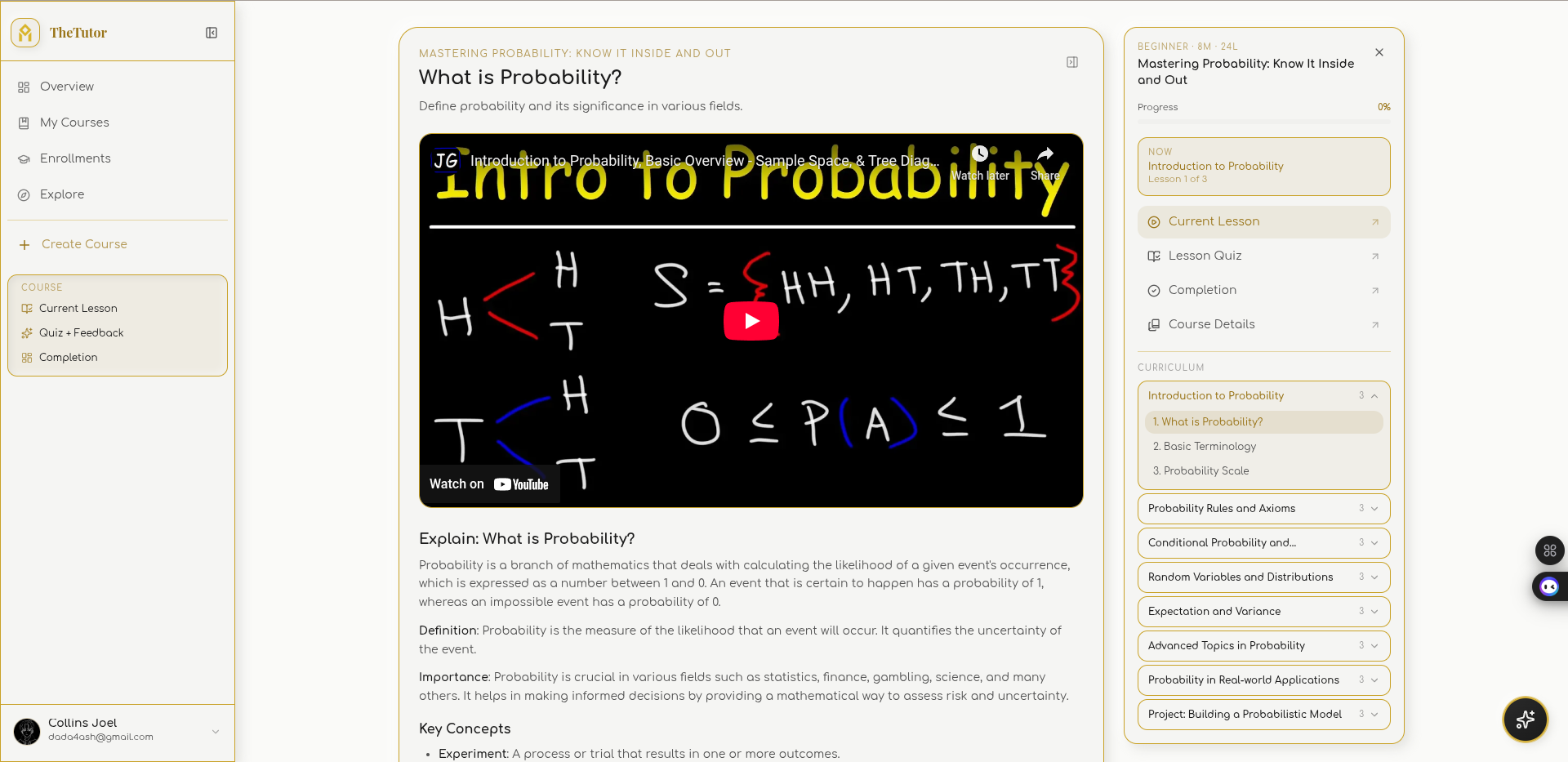
A fully generated chat with Youtube Video integration, Read Along Assistant, A quiz system, including citation and refrences section.
-
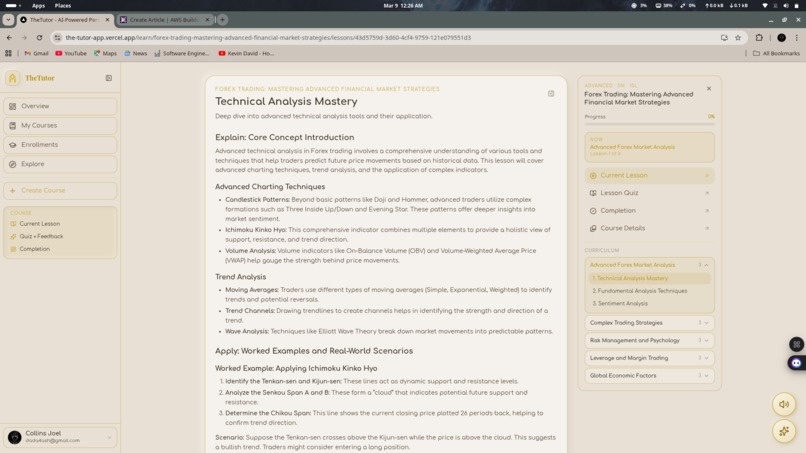
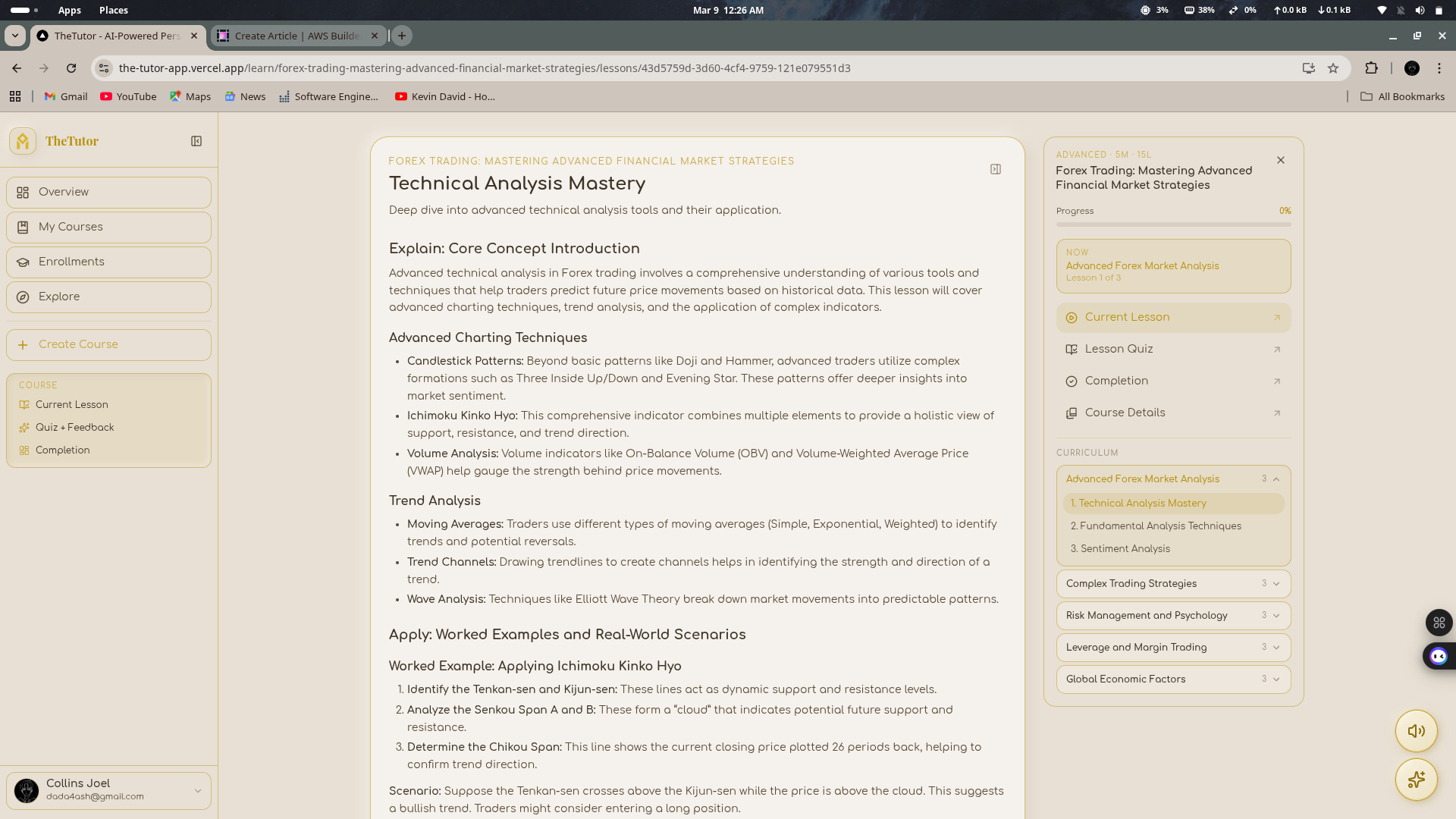
Another fully generated course
-
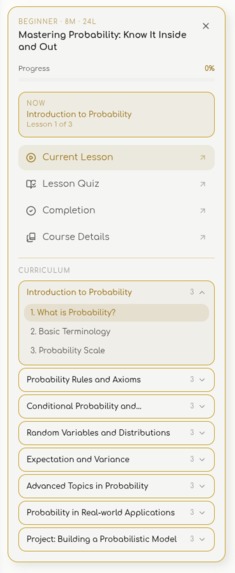
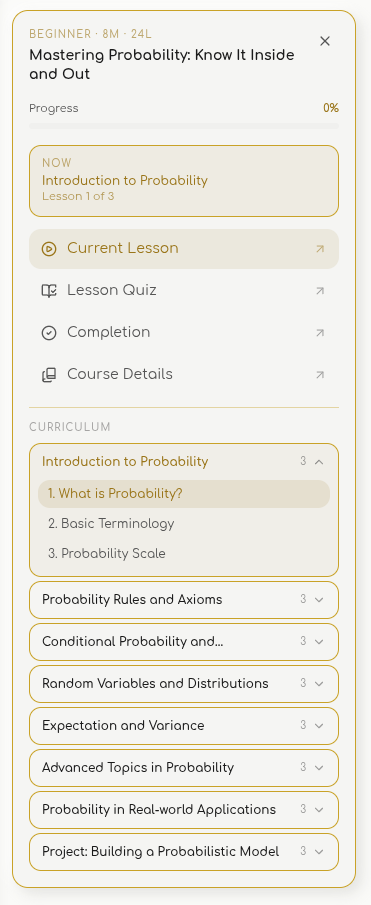
an example of the syllabus generated
Why We Built TheTutor
The Problem with AI-Assisted Learning
There is a growing assumption that AI has solved education. It hasn't. What it has done is made information more accessible, but accessibility without structure is not learning. It is browsing.
Today, if a student opens an AI chatbot and asks it to teach them something, they receive a block of text. They ask a follow-up and receive another. There is no curriculum. No progression. No assessment. No way to measure whether understanding has actually taken place. The student is left navigating an open-ended conversation with no clear direction, no milestones, and no feedback loop.
For learners who already have strong domain knowledge, this can still be useful. But for the vast majority of people, those who are encountering a subject for the first time and do not yet know what questions to ask, it becomes a trap. They circle through surface-level explanations without ever building depth. The AI is intelligent, but the experience around it is not designed for learning. It is designed for answering.
We built TheTutor to close that gap. Not by replacing AI, but by placing it inside a pedagogical structure that actually works: real courses with modules, lessons, quizzes, exercises, and citations drawn from published textbooks. Intelligence paired with intention.
The Case Against One-Size-Fits-All Education
Traditional education operates on a model of uniformity. Thirty students in the same room, reading the same material, moving at the same pace, assessed by the same exam. This model was never designed around how people actually learn. It was designed around operational efficiency.
The result is predictable. Faster learners disengage. Slower learners fall behind. Students with different learning styles, whether visual, conversational, or project-based, are left to adapt on their own or struggle quietly.
AI has made it possible, for the first time at scale, to build learning experiences that adapt to the individual. TheTutor does exactly this. A learner describes what they want to study, their current level, their goals, and the time they have available. The platform generates a course tailored specifically to them, grounded in real source material, structured for genuine comprehension. Every learner receives a different path because every learner has different needs. This is not personalization as a feature. It is education functioning as it should.
Fragmented Knowledge Is Not a Curriculum
The internet contains more educational content than any library in history. The problem is not scarcity. It is fragmentation.
A student researching a new topic will watch a YouTube video that covers the concept but skips the prerequisites. They will find a blog post that fills the gap but is outdated. They will locate a textbook PDF but have no guidance on which chapters are relevant. They will read forum threads with conflicting advice. After hours of effort, they have consumed a great deal of content but built very little understanding.
TheTutor was designed to solve this. The platform does not simply generate content. It discovers real textbooks through a custom MCP pipeline, extracts structured source material, and synthesizes it into a coherent learning experience with traceable citations. Every lesson is grounded in published work. Every piece of content has provenance. The learner receives a single, unified path through the material instead of assembling one from scattered fragments.
We built TheTutor because learning deserved more than a chat window. It deserved structure, personalization, and real sources. That is what we set out to deliver.
Built With
- amazon
- amazon-web-services
- css
- fastapi
- fastmcp
- git
- github
- nova
- react
- shell
- typescript



Log in or sign up for Devpost to join the conversation.