Inspiration
While reading the Bengali novel Aranyak by Bibhutibhushan Bandyopadhyay, I was deeply moved by how the story portrays the slow destruction of forests and wildlife under the pressure of industrial expansion. Though Aranyak deals with the life of a city man sent to manage land in the forest, and it explores how urbanization slowly changes the landscape and the people living there.
What inspired me was not the plot, but the way the book describes the forest — the raw wilderness, the sense of untouched beauty, and the emotional connection between humans and nature. Those atmospheric descriptions made me imagine a completely different world of my own.
Those themes stayed with me: -the beauty of untouched land, -the spiritual connection between humans and nature, and the devastation that follows when outsiders exploit it.
This emotional foundation sparked the idea for The Tribes of the Toshean Island. I wanted to reimagine these themes in a cinematic way—using AI tools to explore how two fictional tribes fight not only each other, but a larger threat that endangers their homeland and way of life.
What it does
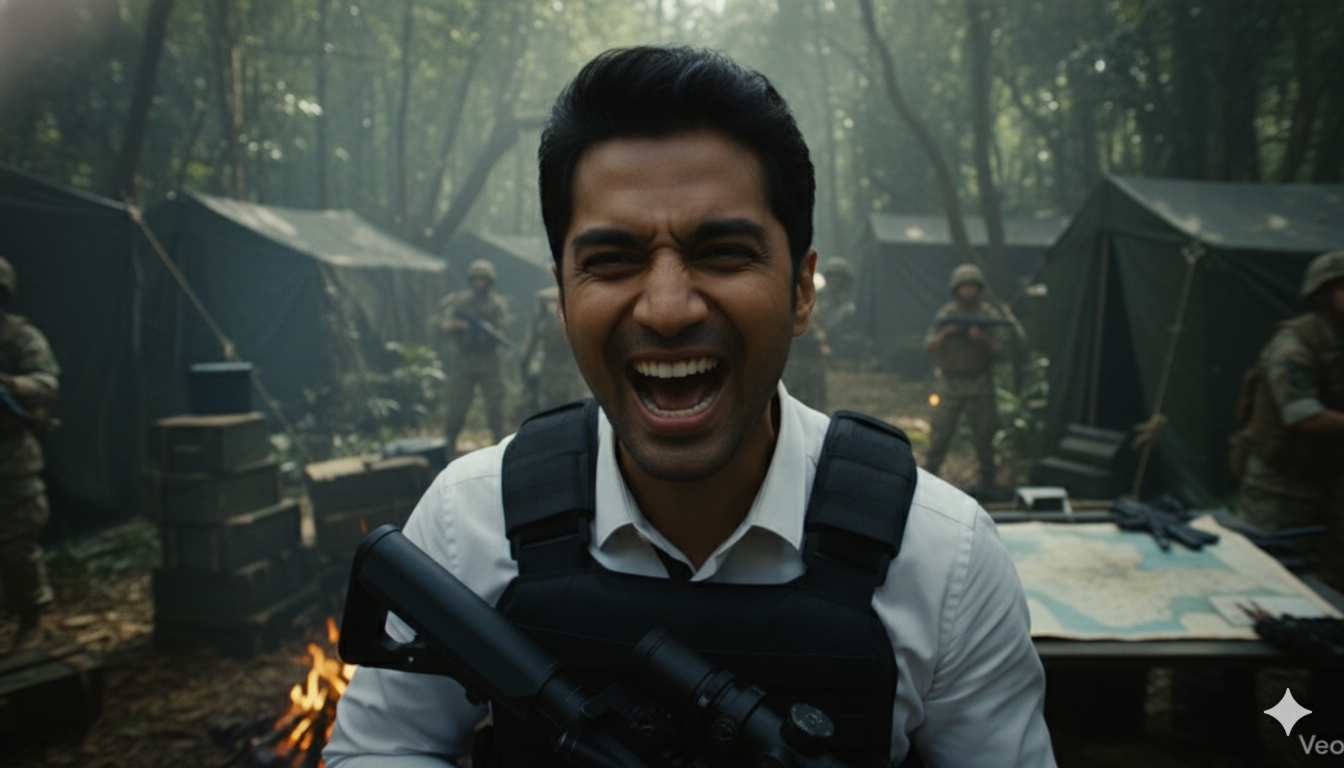
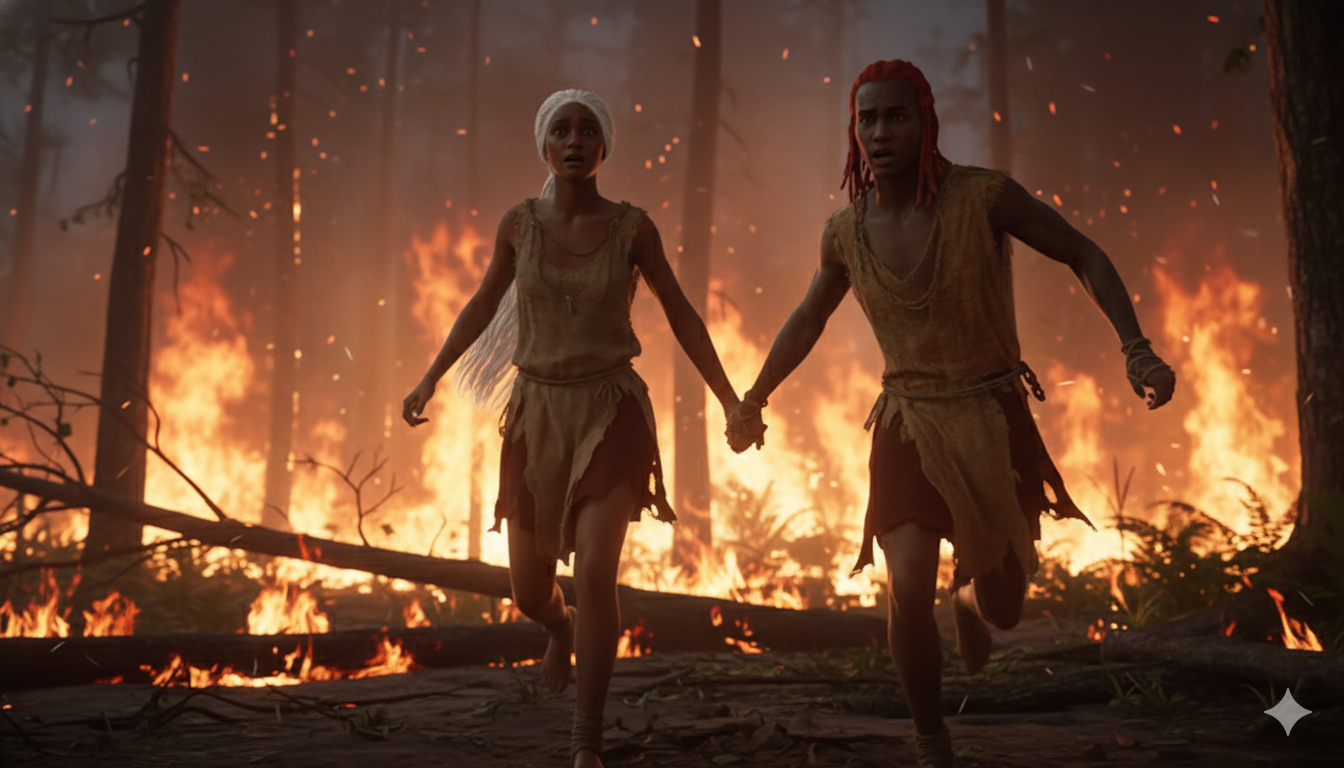
The Tribes of the Toshean Island” is a cinematic short trailer that explores the clash between two fictional tribal communities and the violent arrival of modern outsiders on their sacred land. Through a mix of emotional storytelling, environmental tension, and dramatic visuals, it shows how these tribes live, love, fight, and struggle to protect their home.
The project recreates the island’s world through a series of scenes — from intimate character moments to large-scale action shots. It highlights the beauty of untouched nature, the strength of tribal bonds, and the heartbreak that follows when industrial forces try to claim the land. The trailer blends human conflict, culture, and environmental themes into a tight, visually striking narrative.
How I built it
I started by imagining the entire plot visually—how the island looks, how the tribes behave, what emotions drive them, and how modern intrusion threatens their world. To shape the first frames, I created rough visual references using Neobanana.
Once I had the mood in place, I moved on to building the key scenes. I used a mix of Gemini and Adobe Firefly to design the environments and moments I couldn’t capture anywhere else. For voices and tone, I brought in ElevenLabs, which gave the narration the emotional weight the story needed.
To turn these ideas into moving visuals, I combined several cutting-edge video models: Veo, Kling, and Sora. Each tool brought something different—cinematography, motion, realism, or atmosphere—and layering them together helped me bring the story of the tribes and their world to life.
Challenges I ran into
One of the biggest hurdles was working with very limited credits across different tools. I had to plan every generation carefully, often reworking scenes instead of regenerating them. Another major challenge was dealing with the sensitive themes of conflict and tragedy—many AI models refused certain prompts, so I had to rethink and reshape moments while still keeping the emotional weight intact.
The hardest part, however, was figuring out how to communicate an entire world, its culture, conflict, and emotion within a tight three-minute window. Balancing pacing, visuals, and story clarity pushed me to refine the narrative again and again.
Accomplishments that I'm proud of
One thing I’m genuinely proud of is how much I learned while studying the structure of real cinematic trailers. I revisited several films I love—this time not for entertainment, but to understand how they manage to communicate an entire story in just a few minutes. Watching them closely gave me a clearer idea of pacing, framing, emotional highs, and how to keep the viewer engaged without revealing too much.
It also pushed me to think visually—how a single shot can carry weight, how transitions can build tension, and how sound and narration shape the trailer’s mood. Learning to craft detailed cinematic prompts and translate my ideas into scenes felt like a big creative leap for me.
What I learned
Working on this project taught me more than I expected. I realised how important pacing and visual storytelling are when you only have a few minutes to communicate the heart of a world, its people, and its conflicts. I learned how to think visually—how a shot, a cut, or even a small detail can change the emotional direction of a scene.
I also discovered how to balance narrative clarity with mystery, especially for a trailer. While experimenting with different tools, I began to understand their strengths, limitations, and how to adapt my ideas when something wasn’t possible. Most importantly, this project reminded me that stories about land, people, and survival are powerful only when told with emotion, respect, and honesty.
What's next for The Tribes of the Toshean Island
If this project gets a good response, I’m planning to expand it into a multi-part short film — or maybe release it as a series of episodes. There are many scenes and emotions I couldn’t fit into a three-minute trailer, so I’d love to explore the characters, the island, and the conflict in much more detail. This could easily grow into a bigger visual storytelling project if people connect with it.
Built With
- adobe
- elevenlabs
- gemini
- kling
- veo

Log in or sign up for Devpost to join the conversation.