-
-
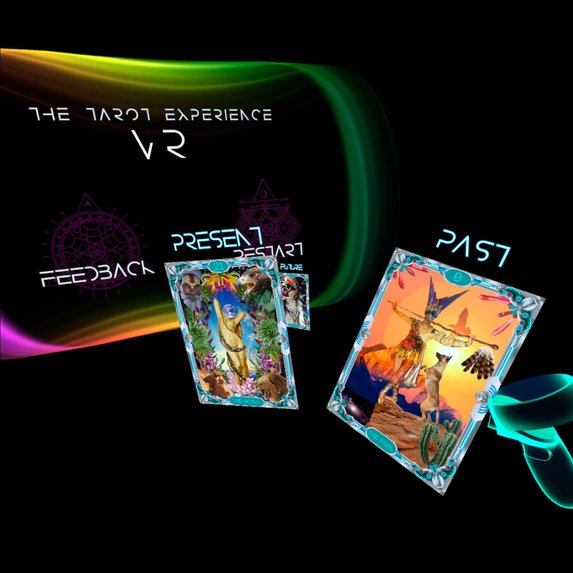
MR Passthrough - Final
-
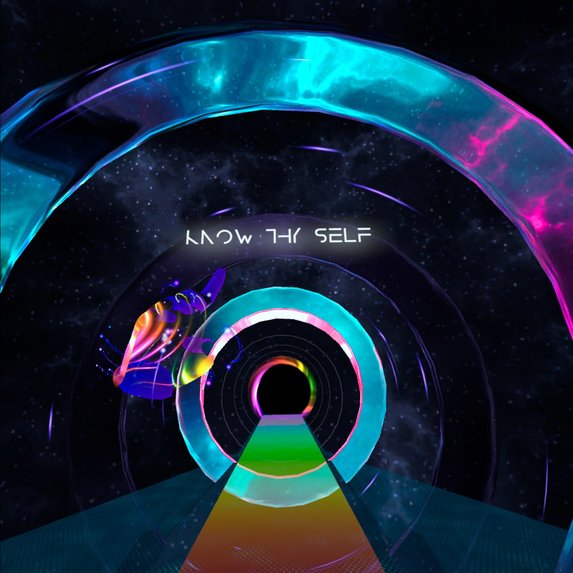
Intro Portal
-
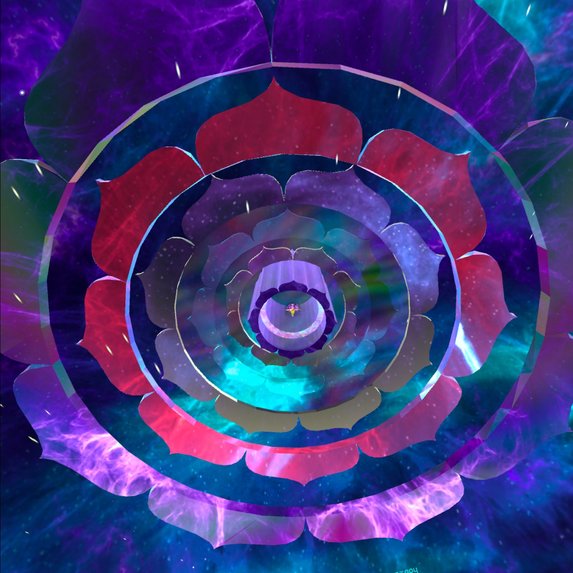
Platform Elevation
-

Final Flying Interaction
-
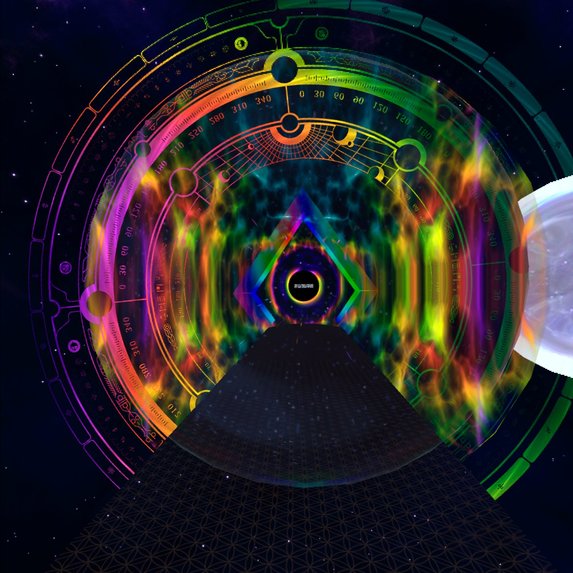
Portal
-
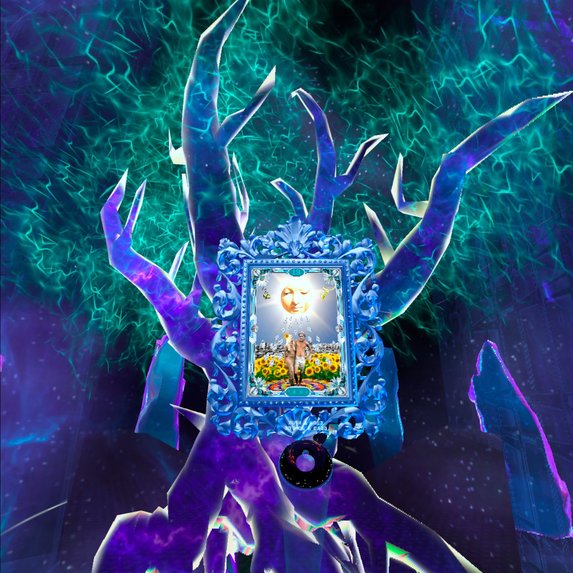
Present Portal Sun Card
-
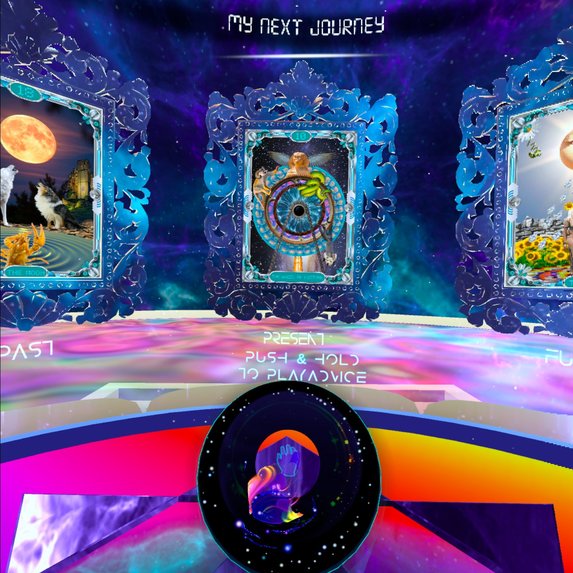
All Card Answer
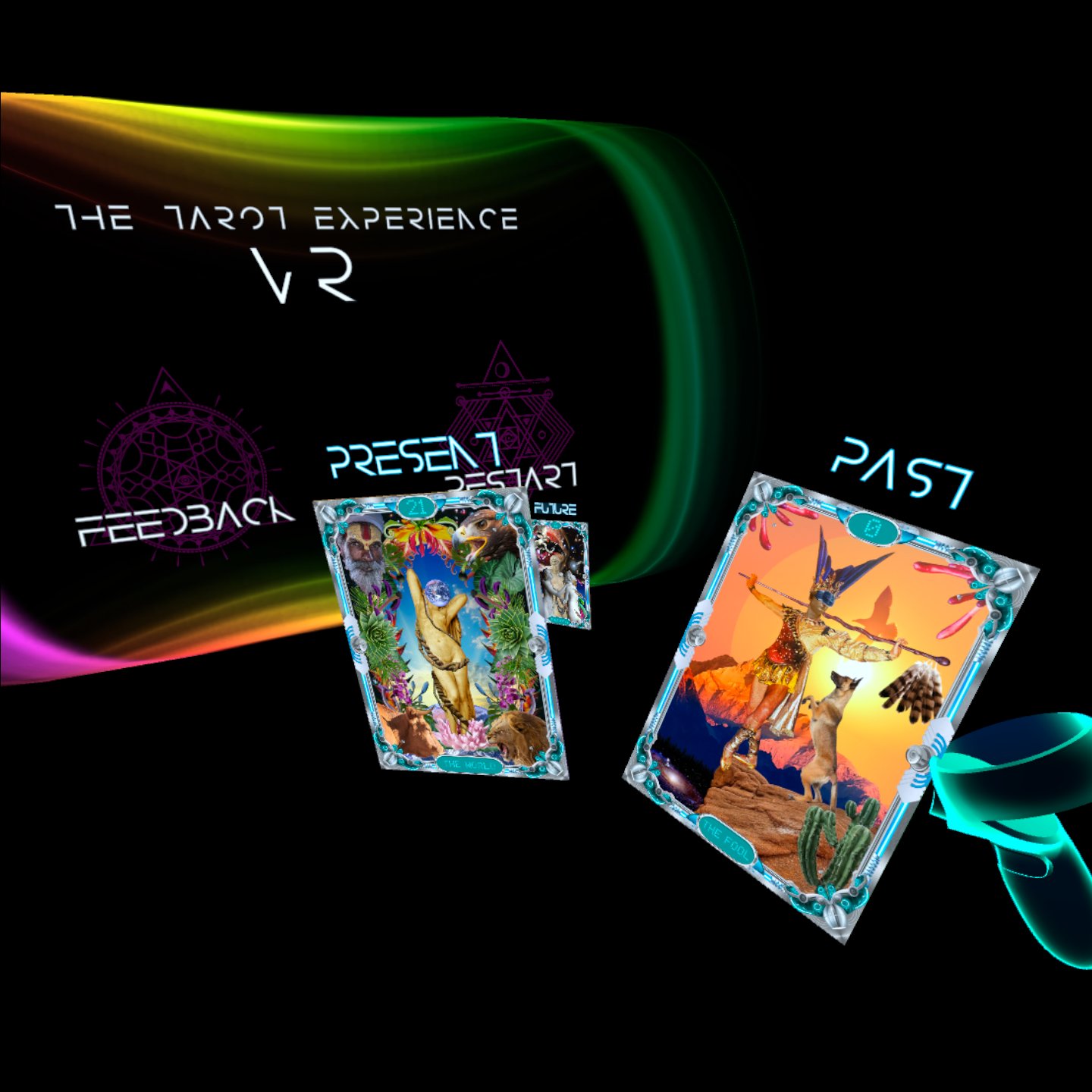
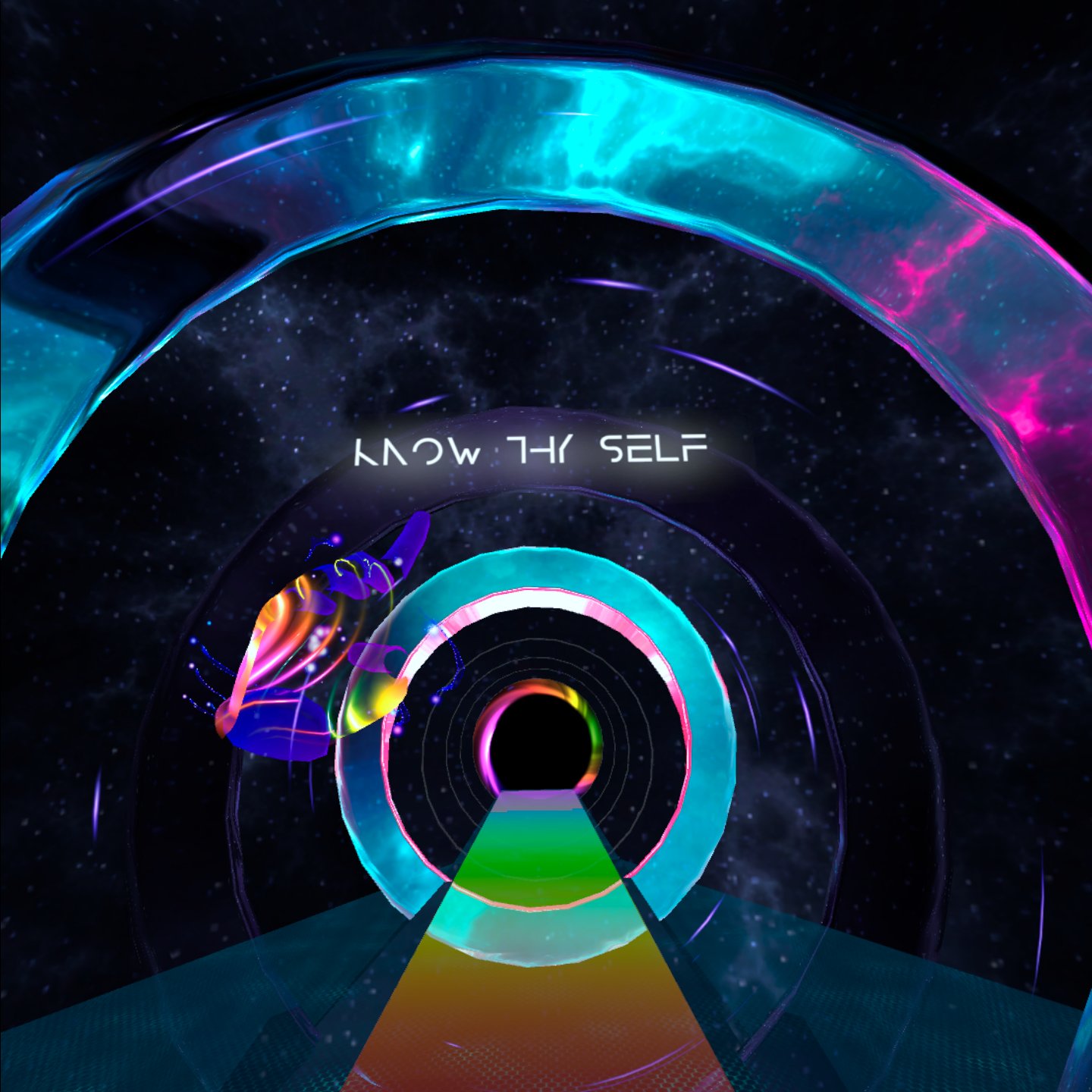
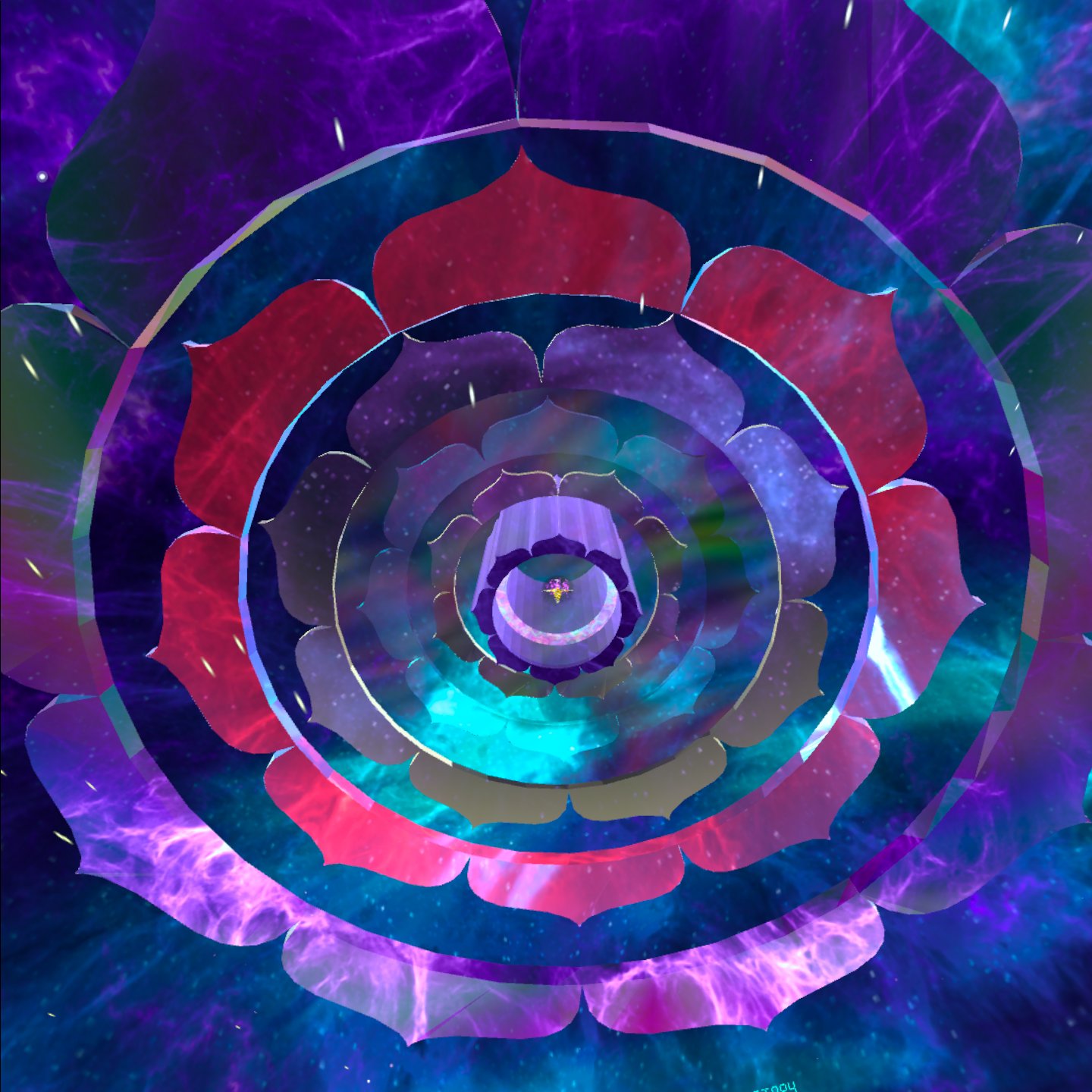

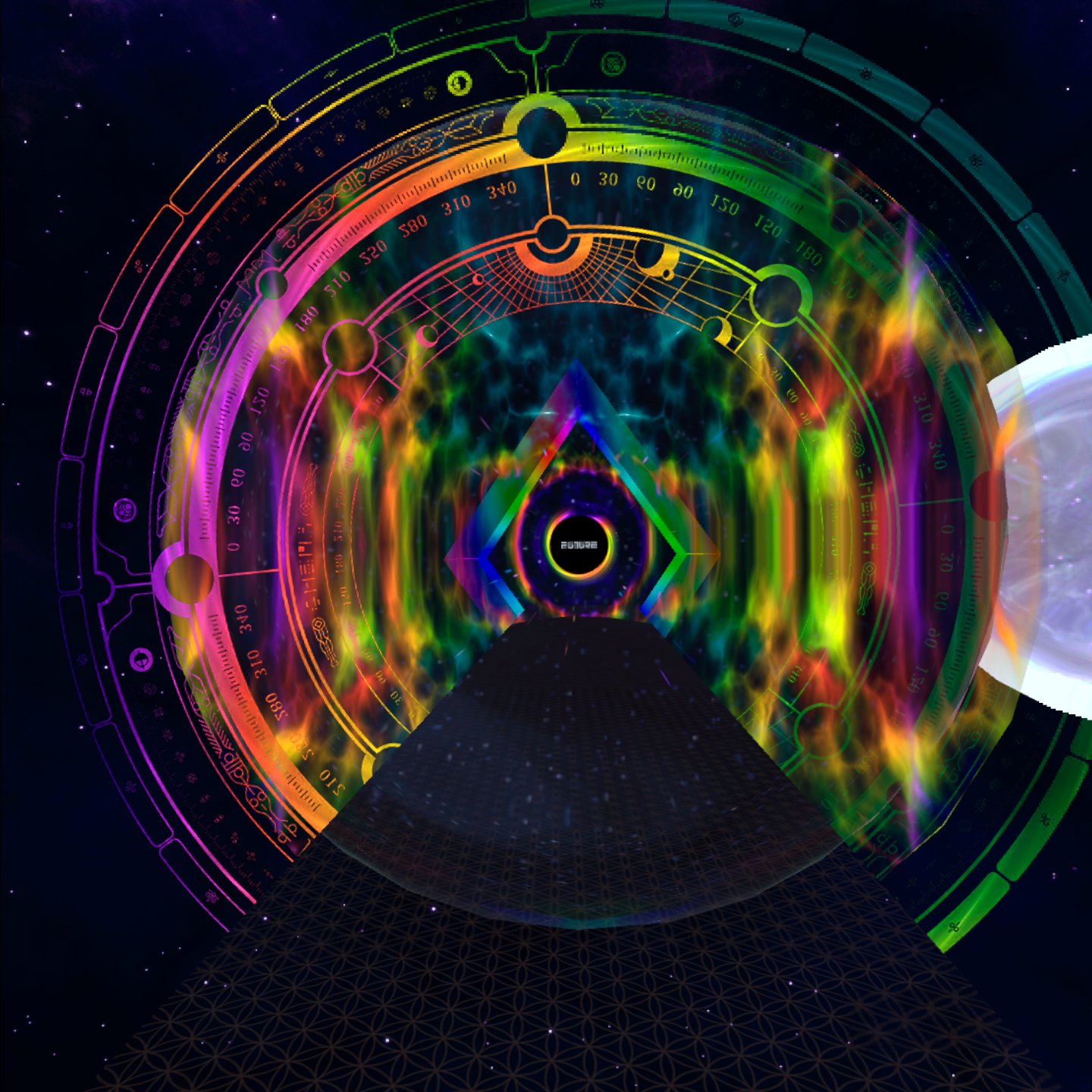
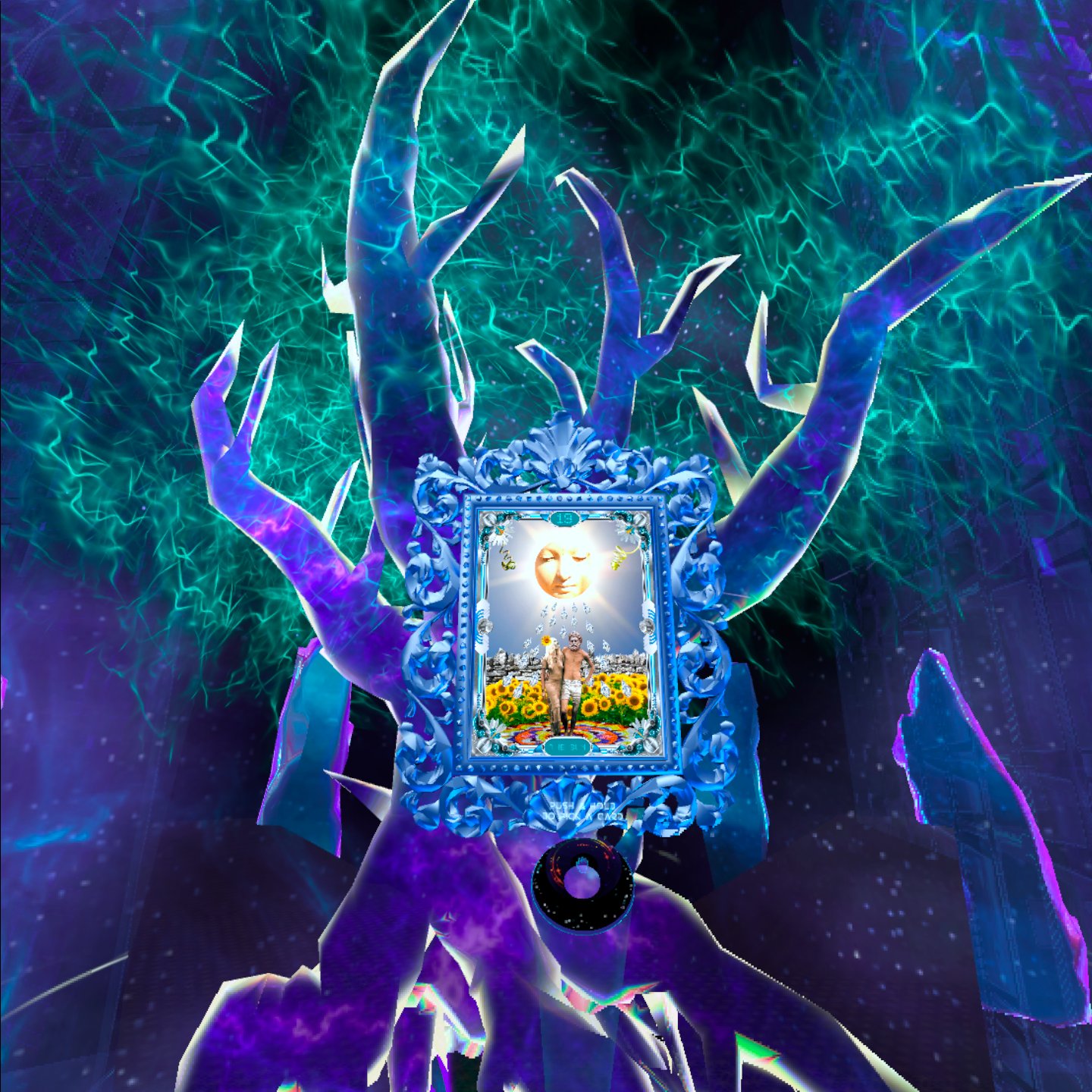
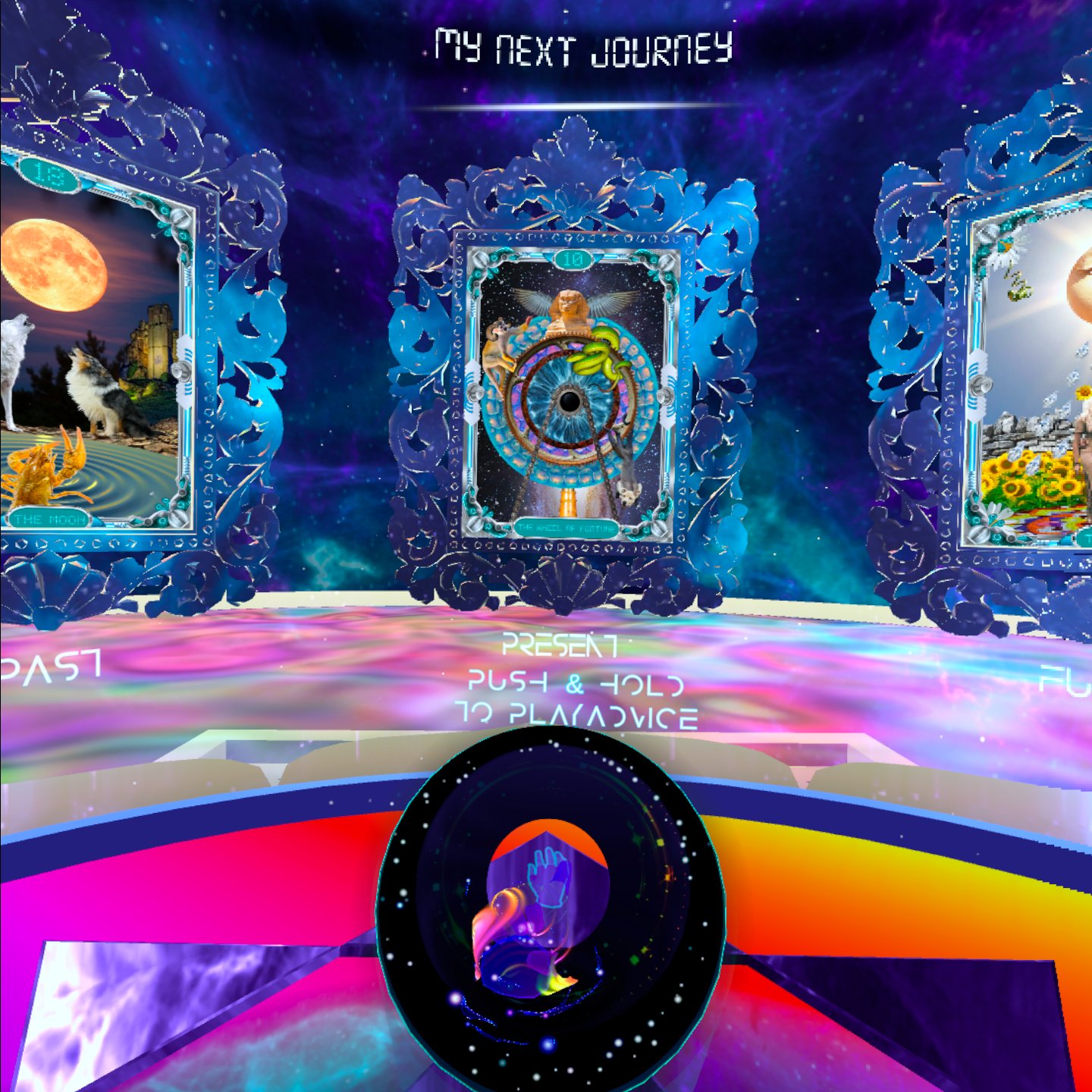
The Tarot Experience VR began with a simple question: can a symbolic and introspective practice like tarot exist meaningfully in virtual reality? Tarot relies on imagery, atmosphere and presence. VR offered the possibility of creating a space where someone could pause, step inward and explore meaning in a way that feels personal, intentional and uninterrupted. Early testers responded strongly to the quiet pacing of the original release and shared that the experience offered something rarely found in VR: a contemplative space free from urgency or performance. That response shaped the direction and confirmed that stillness and depth could be enough.
The experience guides the user through a three card tarot reading representing Past, Present and Future. It begins in enhanced mixed reality, where the user enters one personal question. That question becomes the intention for the session and the interpretive lens for the reading. Once confirmed, the user transitions into an immersive symbolic environment where each card is revealed slowly and thoughtfully. The new AI Edition offers a personalised interpretation of each card based on the symbolism of the card, its position in the spread and the user’s question. When the reading reaches its conclusion, the experience returns gently to the user’s physical surroundings, allowing the meaning of the session to settle.
The experience was built in Unity for Meta Quest devices. The new AI component was integrated into the existing structure with care, ensuring it supported the reflective tone rather than overwhelming it. Much of the development process involved balancing pacing, presence and emotional tone so the AI responses felt natural, supportive and aligned with the original experience.
One of the challenges was ensuring that the AI spoke in a way that encouraged reflection rather than certainty or prediction. Another challenge involved timing. Even minor adjustments to reveal speed, voice delivery or transitions affected the emotional feel of the journey, so adjustments were made slowly and intentionally.
Seeing the AI interpretation fit seamlessly into the existing work is something to be proud of. The addition feels like an evolution rather than an attachment. It deepens the experience without changing its core purpose or atmosphere.
Throughout this process, it became clear that designing reflective VR experiences requires sensitivity and restraint. We learned that AI can support introspection if it remains gentle, spacious and open ended. The smallest design choices influenced whether the user felt guided or spoken at.
Looking ahead, the intention is to deepen the experience in ways that encourage ongoing engagement and meaningful return. Future development will focus on ways for users to revisit their journey over time, build a sense of continuity and feel supported in an ongoing reflective practice.


Log in or sign up for Devpost to join the conversation.