-
-
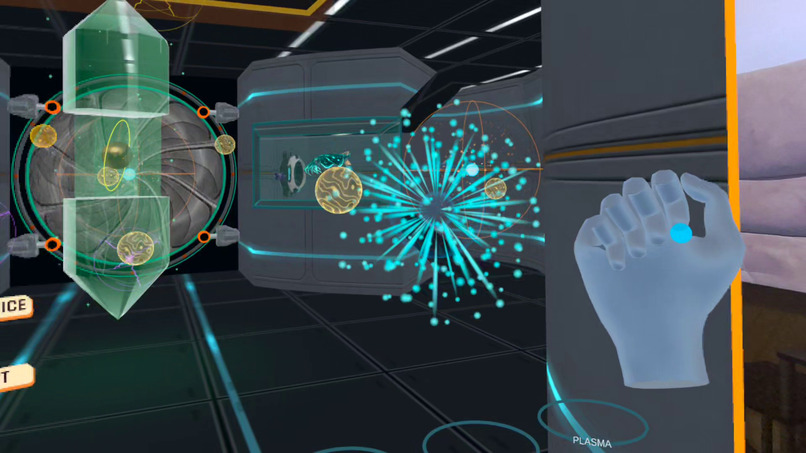
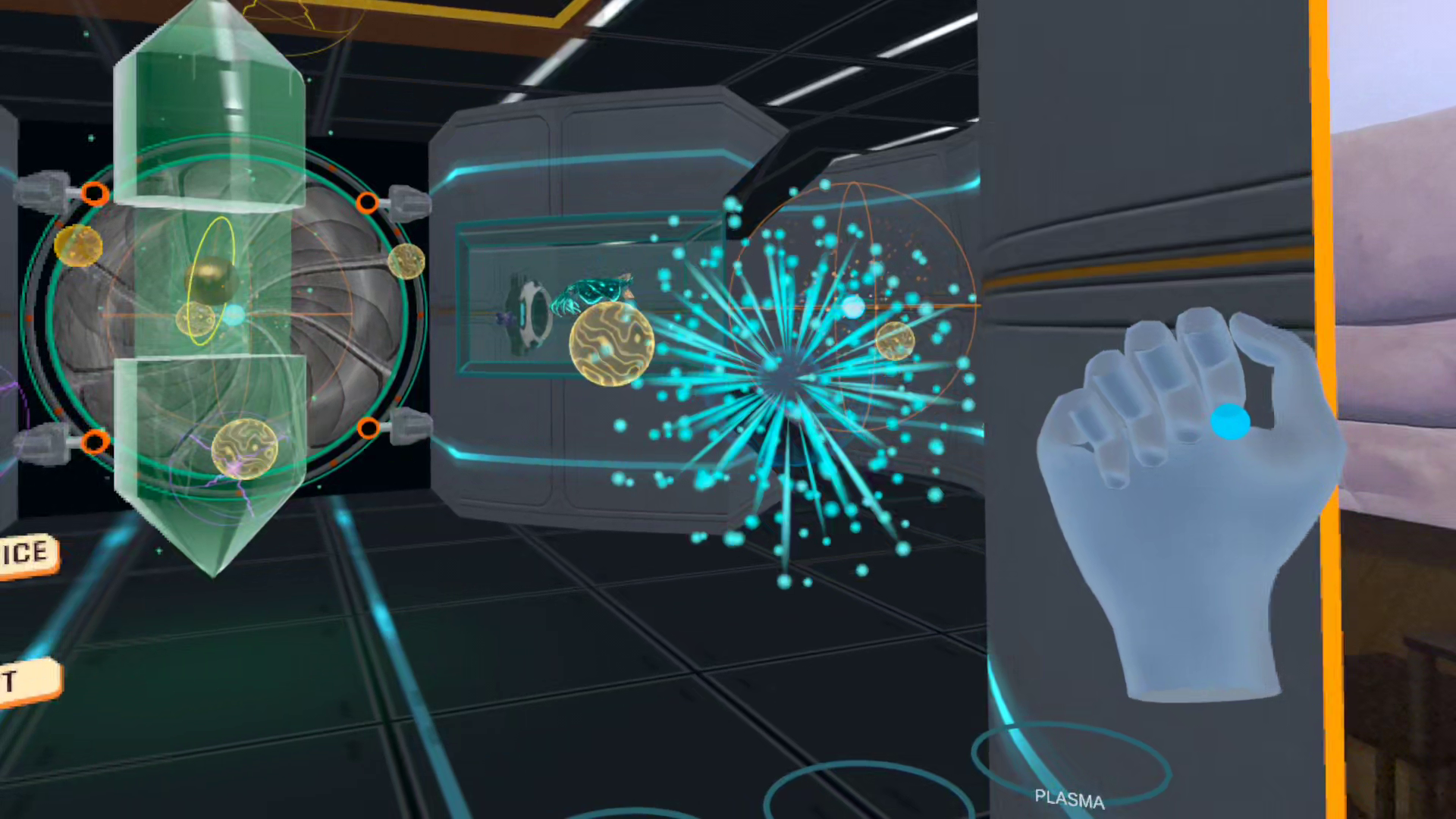
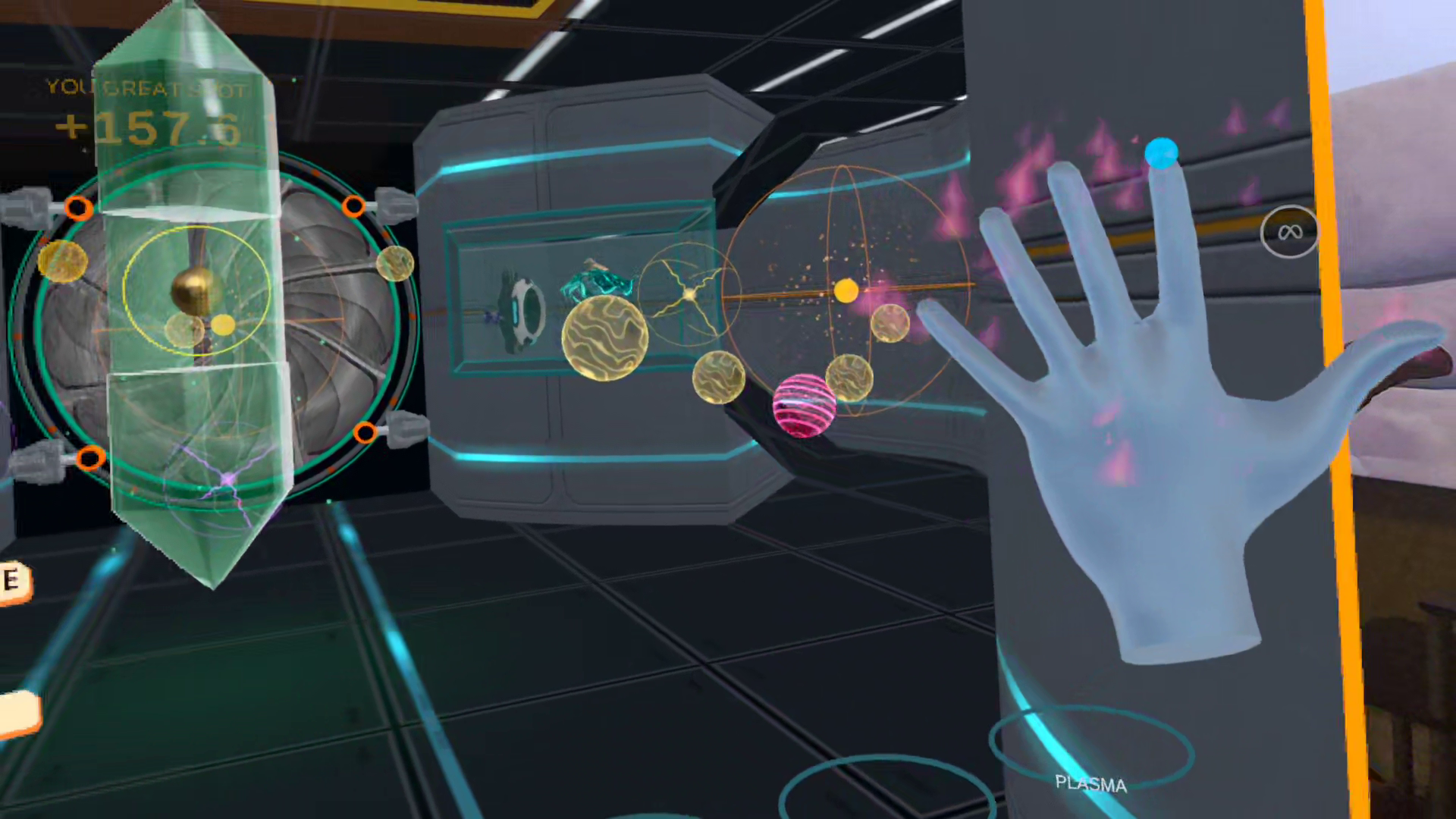
A closed-fist gesture detonates a Shockwave among the Hull's targets.
-
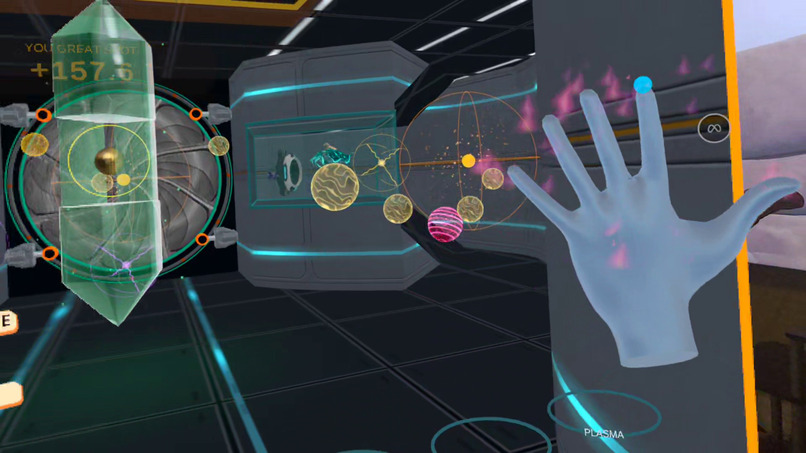
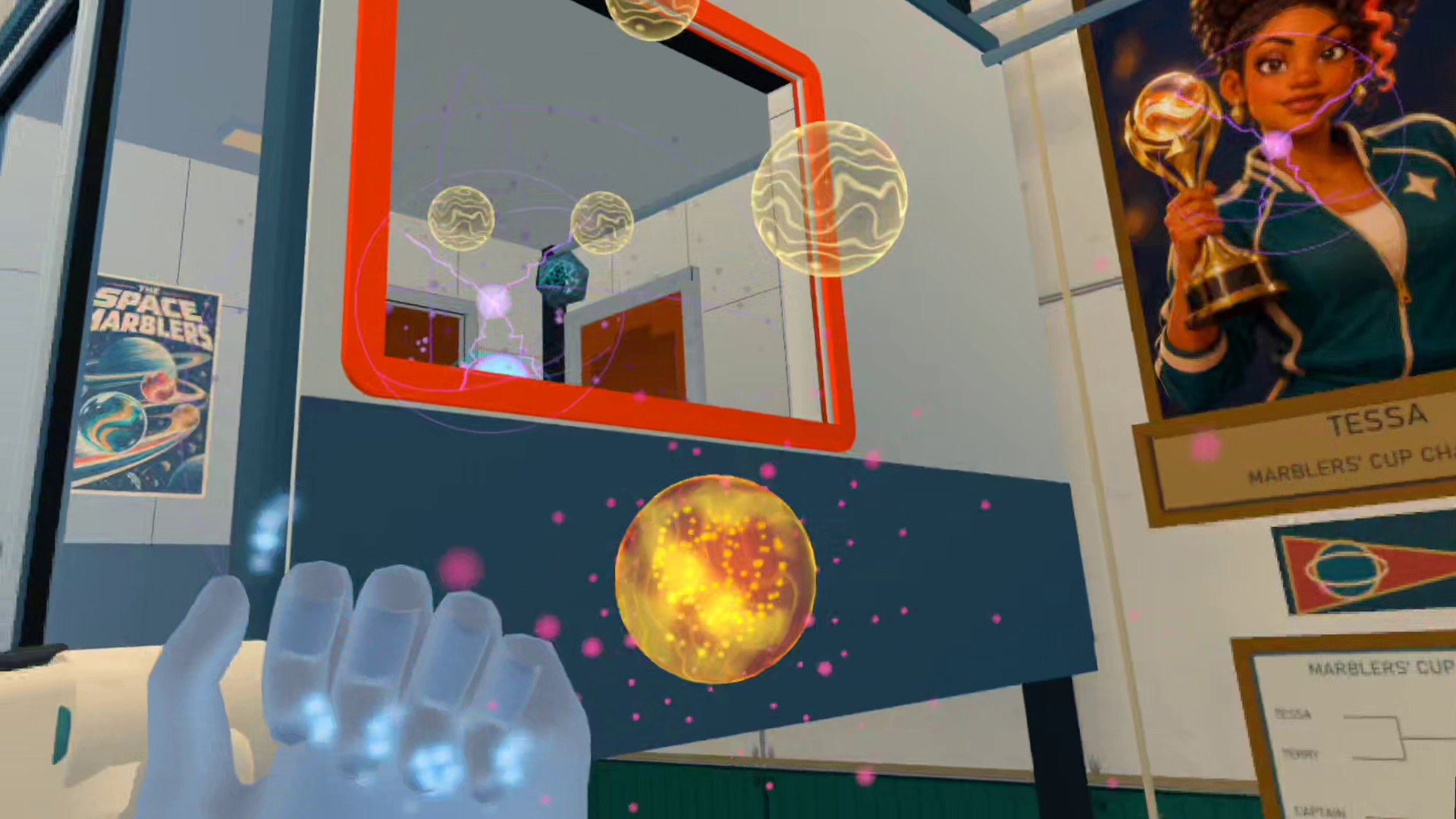
Open your hand to arm a Shockwave, then close it to detonate.
-
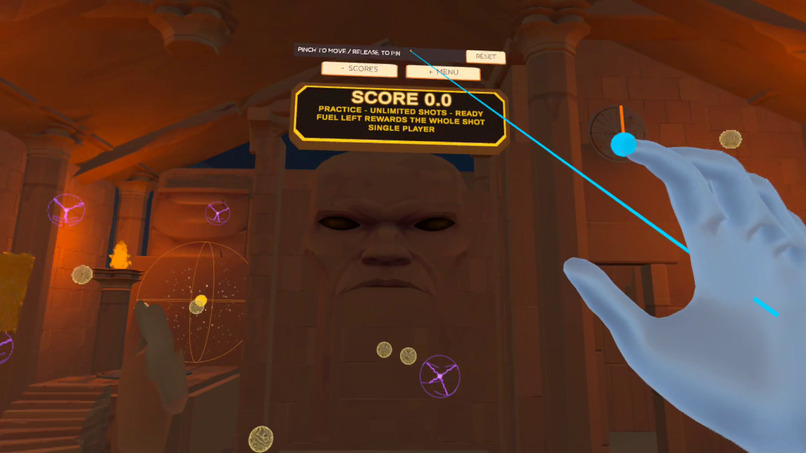
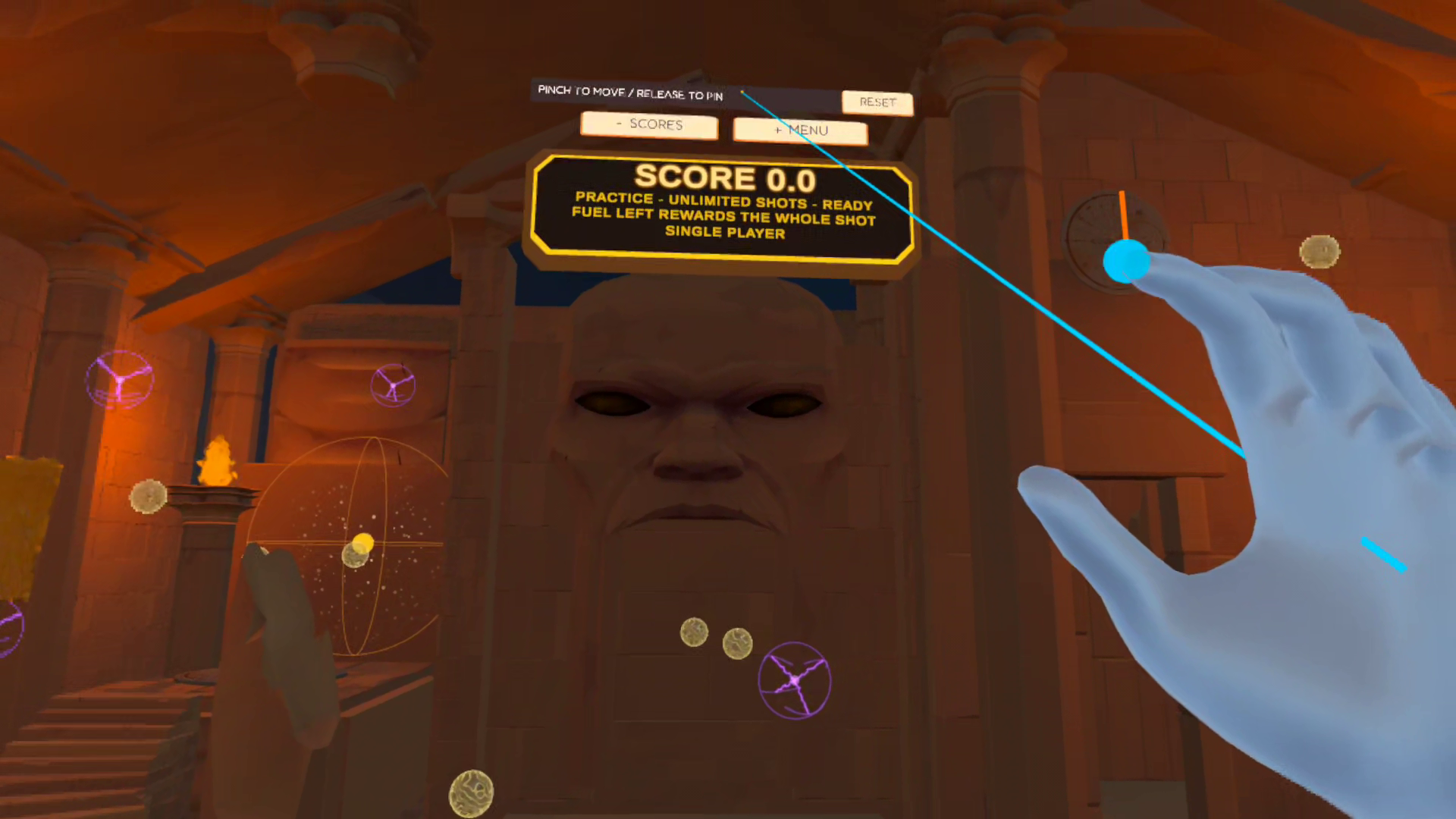
Hands-first interaction in the torchlit Awakening Chamber.
-
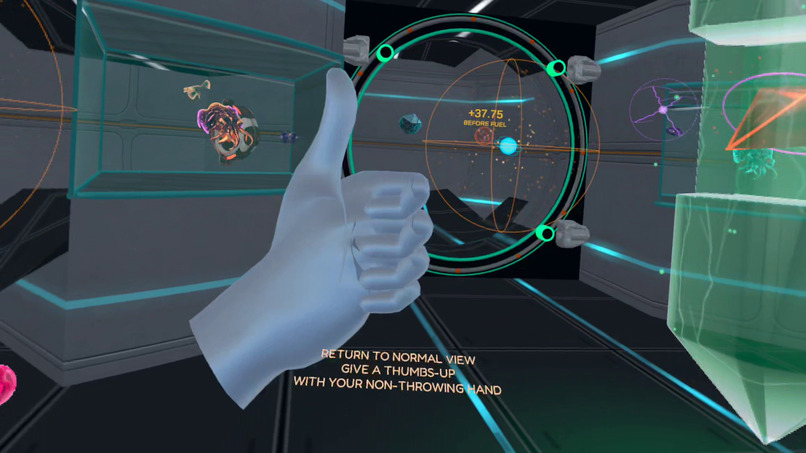
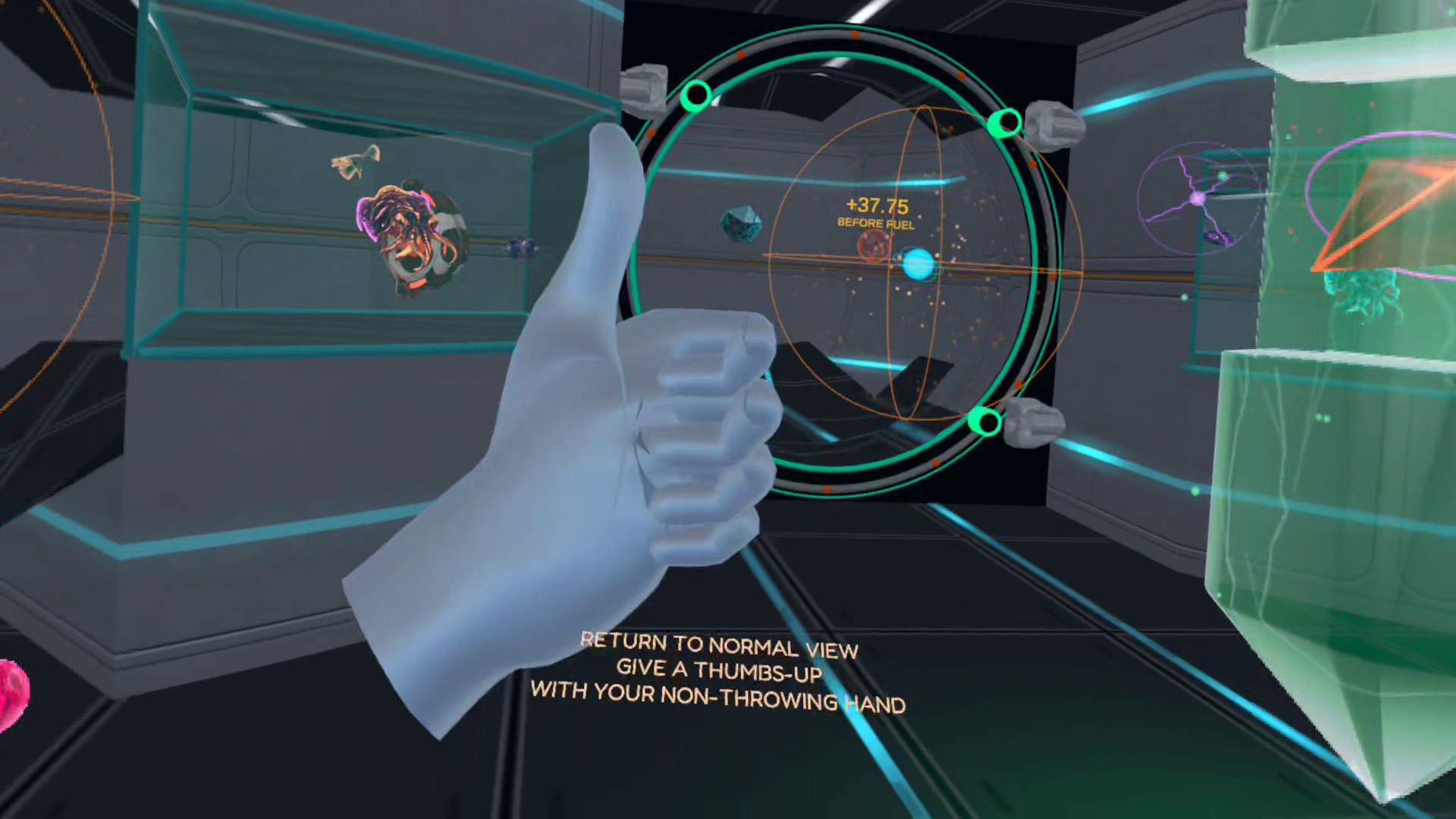
A thumbs-up returns from the close-up action view without a controller.
-
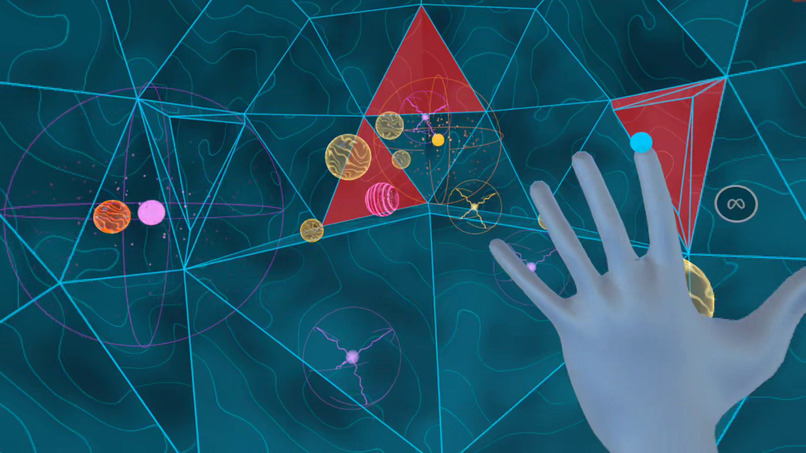
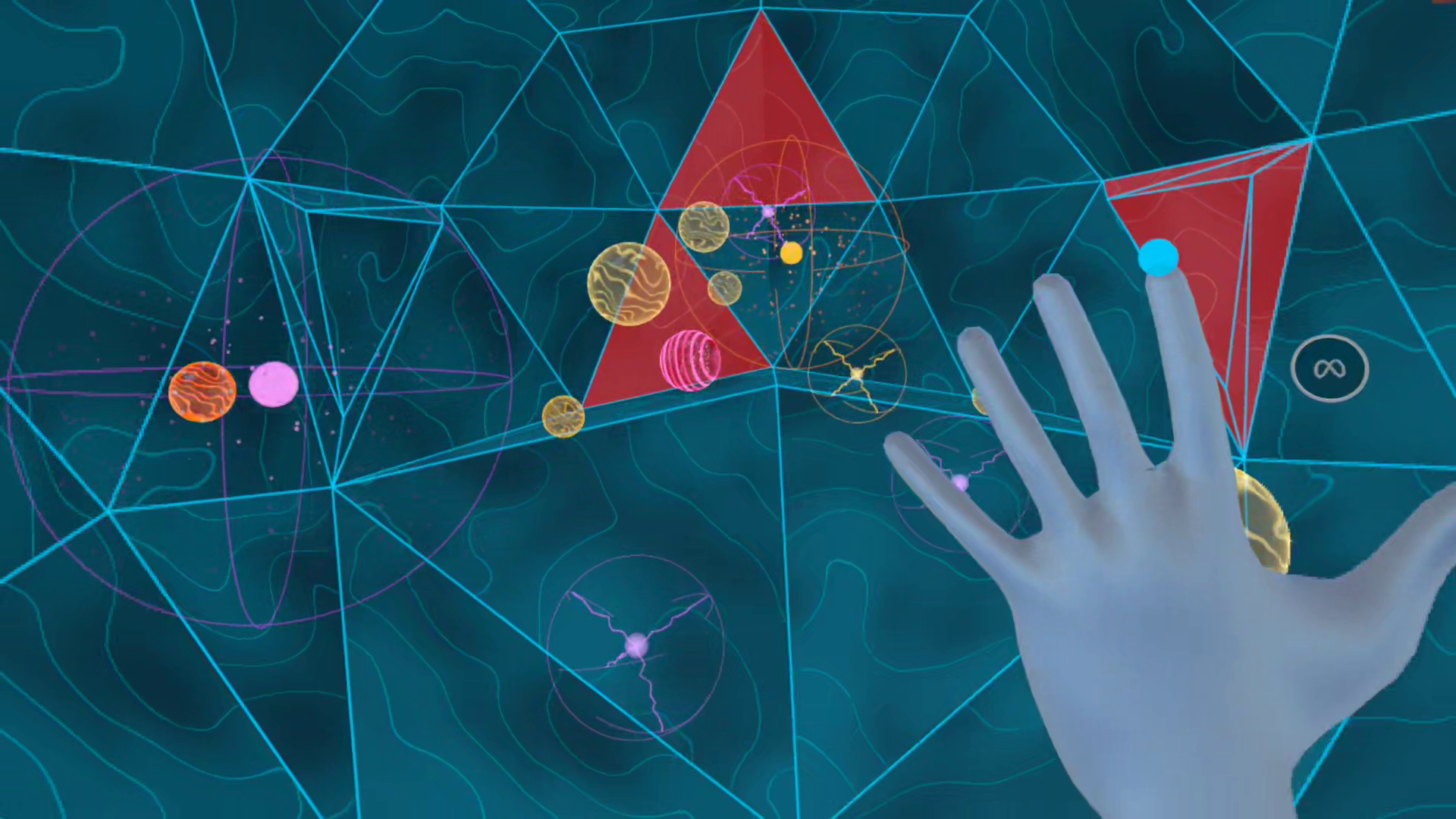
Prepare a Shockwave among Dodeca's angular obstacles and floating targets.
-
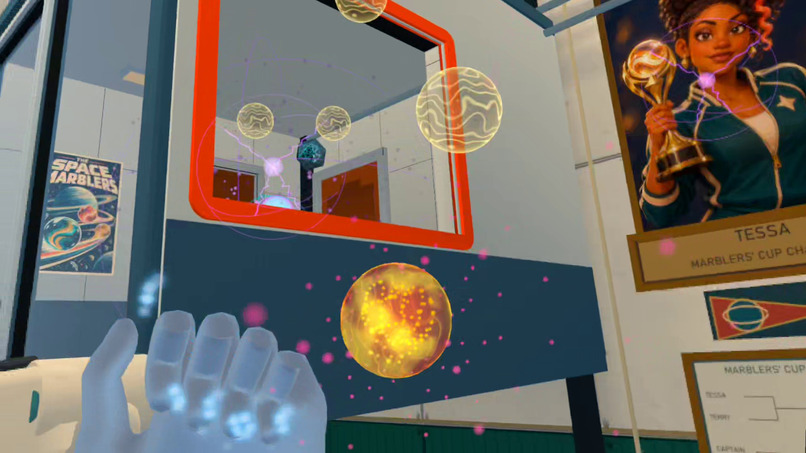
Gesture-driven marble action in the Factory arena.
Inspiration
I'm Dave Aksamit, a 54-year-old professional golfer and a lifelong gamer. Physical wear and tear means I can't play much golf anymore, but my interest in skill, competition, and play is still very much alive.
Around 2018, I began to see how well golf and spatial computing could fit together. I taught myself Unity and other development tools to prototype a mixed reality golf simulator using a real golf club. I later partnered with a programmer, and together we developed that idea into a Quest 3 simulator where players could see their surroundings while swinging a real club.
While we explored investment for that separate project, I started developing solo projects. I had discovered how much I loved creating for XR, MR, and VR.
The Space Marblers draws on nearly 50 years of playing video games, including favorites such as Peggle, Monday Night Combat, Kirby's Dream Course, Tomb Raider, Mike Tyson's Punch-Out!!, and VR Furballs. I wanted to bring that love of games into something of my own: playful physics, satisfying shots, tactical choices, and the urge to try again.
I'm developing The Space Marblers on my own under the creative name Axmit Studios. It is a new project, first conceived and built on or after September 24, 2026, separate from the earlier golf simulator.
What it does
The Space Marblers is a hands-only physics strategy/puzzle game for Meta Quest. Players grab, throw, and spin marbles into an arena, aiming for scoring regions and setting up rebounds, collisions, and chain reactions. The arrangement left by one shot changes the opportunities available on the next turn.
Different marbles create different decisions. Standard marbles can be thrown naturally and accelerated with optional thrust. Slingshot marbles use a two-hand pull-and-release interaction. Shockwave marbles can disrupt the field, while Shield marbles create barriers that affect later shots. Special targets and fusion interactions add further ways to build a score.
A guided, hands-on tutorial introduces throwing, shot strength, thrust, view controls, and special marbles through practice and demonstrations. The current playable project includes solo practice, AI opponents, and online multiplayer with voice chat. Team modes combine human and AI players. Multiple arenas offer different shot routes, with visual effects, spatial audio, character presentation, and scoring feedback helping players follow the action.
How I built it
I develop the game in Unity 6 with C#, OpenXR, Unity XR Hands, and Meta XR SDKs. Photon Fusion handles authoritative multiplayer, and Photon Voice supports player communication. Blender supports asset creation and editing. AI-assisted development and content tools are part of my workflow, alongside hands-on iteration and testing.
Development builds run on Quest hardware. Focused automated checks exercise gameplay rules, gesture handling, scoring, turn progression, and network behavior. I use those checks alongside headset playtesting to refine the experience.
Challenges
The main challenges are making hand interactions feel predictable, keeping complex physics and scoring understandable, and keeping shared gameplay consistent across players. Visual clarity and performance on a standalone headset require careful tradeoffs. Small changes to throwing, aiming, menus, or arena placement can make a large difference to comfort and usability.
Accomplishments and lessons
The project has grown from a marble-throwing idea into a playable game with several shot types, AI play, multiplayer, and distinct arenas. A central lesson has been that clear feedback matters as much as adding mechanics: players need to understand what happened, why it scored, and what they can do next.
What's next
I am targeting Spring 2027 for a public early-access launch. The game is still in active development. Priorities include refining the tutorial and first-match experience, seated comfort, gesture tuning, performance, balance, and further multiplayer testing on separate headsets.
Campaign progression and additional content remain future work. The goal is a welcoming first match with enough physical skill and tactical depth to reward repeated play.


