-
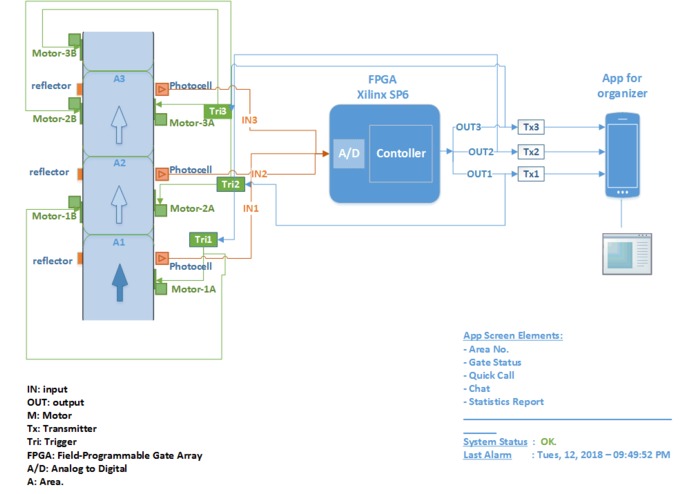
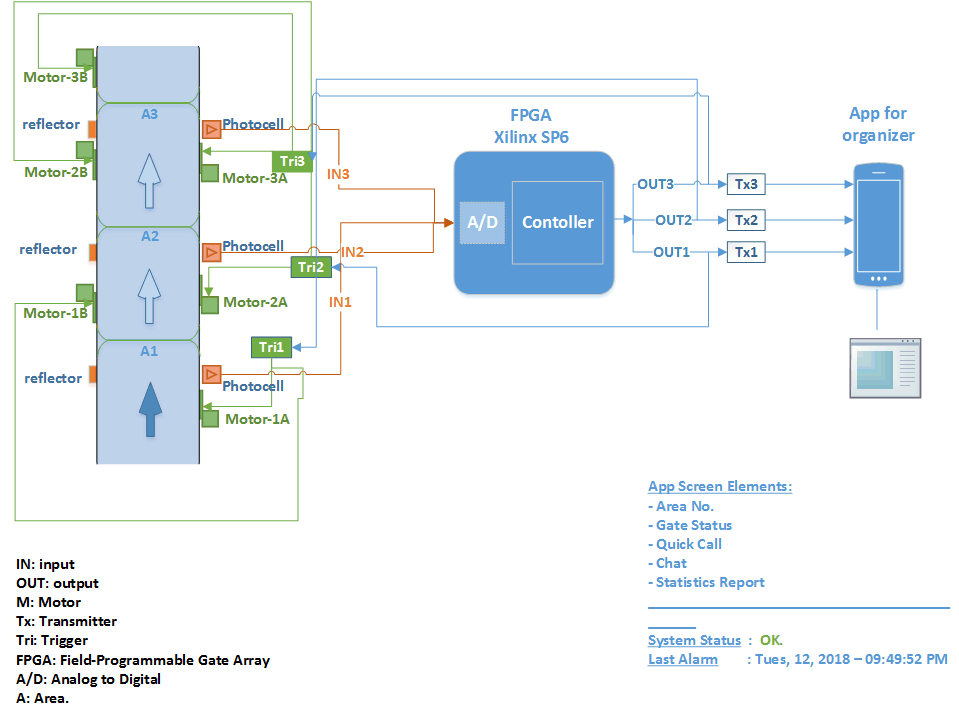
The Sequence Diagram for the SRCPP
-
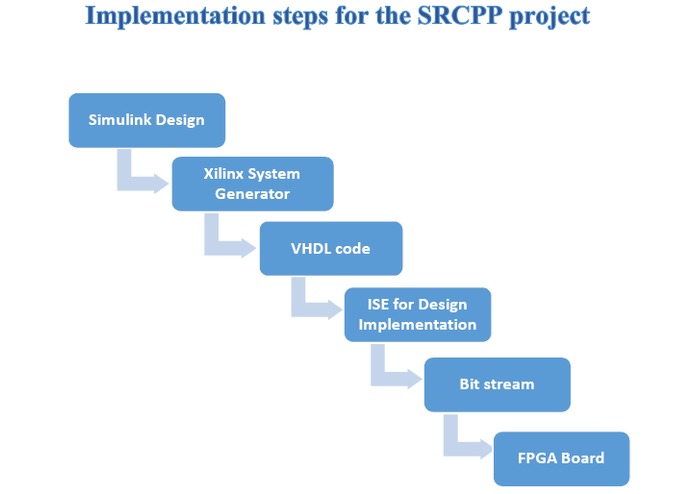
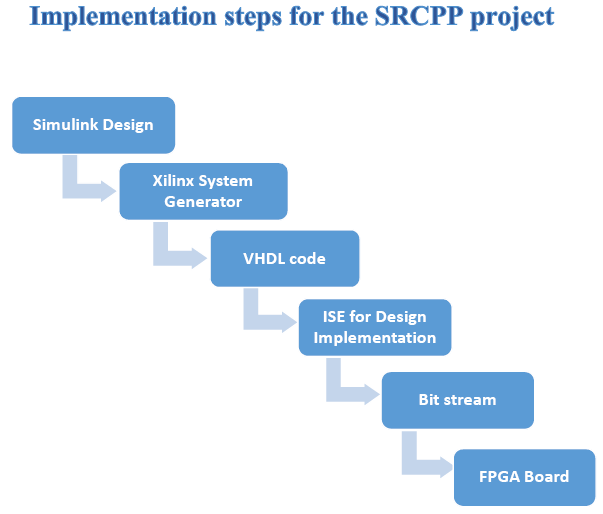
Design Flow
Inspiration
Due to road crowd, the 2006 Hajj stampede resulted in the deaths of at least 363 pilgrims based on the ministry of Interior announcement. In 2015, crush and stampede caused deaths estimated at 2300 pilgrims based on the official government newspaper (AL Riyadh). From this point, the road crowed is one of the series problems that needs solution. So, we come up with an idea that would solve this problem and we named it " The Smart Road for Crowed Predication & Prevention (SRCPP) ".
The 2015 Hajj crush and stampede
What it does
The portable smart road is a mobile road that can be installed in certain roads that had crowd accidents in the past or roads with high probability of crowd. The product is designed to predict the intended crowed based on sensors fixed in certain points along the road path. Once the sensor is activated, the Filed programmer Gate Array (FPGA) sends signal to trigger motors to block the road from reverse movement and open emergency paths to evacuate pilgrims. At the same time the FPGA sends signal to a smart application (web page and/or phone application installed on organizers phones to take further actions). The mobile application provides alarm, crowed area number, quick call, chat and gate status.
The project consists of several stages: The first stage is to build a sequence diagram using Microsoft Visio. The sequence diagram consists of three main parts: The smart road, the controller and organizers mobile application. The smart road contains different hardware devices such as sensors, motors and emergency doors. The project uses Spartan-6 FPGA board as a controller. The steps of the hardware implementation of this project are stated below: 1- Simulink model: simulate and test the model until we get the desired result. 2- Xilinx system generator: convert the Simulink model into real time simulation and test it until we get the similar results. 3- Integrated synthesis Environment (ISE): this tool is used to implement the model by generating bit stream. The bit stream is downloaded into FPGA board. 4- Spartan-6 FPGA board: we test the hardware model and compare it with the real time simulation.

The mobile application has been created to monitor and control the road sensors. We design and simulate the smart road using web page to show the function of the sequences. After that, design the organizer mobile application and test it in simulation mode using android studio.
How we built it
The project consists of several stages: The first stage is to build a sequence diagram using Microsoft Visio. Then, design and simulate the smart road using web page to show the function of the sequences. After that, design the organizer mobile application and test it using simulation tool.
Challenges we ran into
The prototype of this project needs tools, equipment, materials, and therefor more time to achieve it as desired.
Accomplishments that we're proud of
The sequence diagram for the project has been completed using MS Visio. The logo of this project has been created. The web interface for the smart road has been designed and tested. Also, the organizer application has been designed and tested.
What we learned
We have learned tones of skills such as working in teams, task distributions, time management, sharing information, project scope measure, rapped adaption to implementation and scope change.
What's next for The Smart Road for Crowd Prediction & Prevention (SRCPP)
We are working to design and simulate the smart road using web page. In addition, we need to develop an apps for organizers. In the future we plan to build a tangible prototype. We also hope to receive the needed support from the right tools and budgets to implement this project in real life and therefore help with the advancement of the safety of pilgrimages.
Built With
- bootstrap
- fpga
- javascript
- laravel
- php
- solidwork
- vhdl


Log in or sign up for Devpost to join the conversation.