-
-
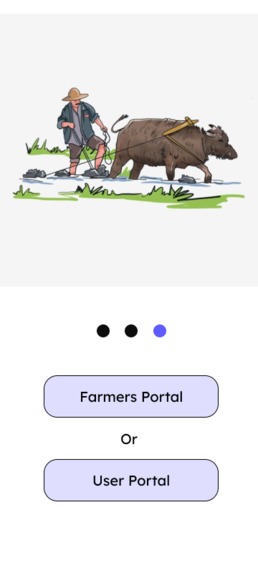
3
-
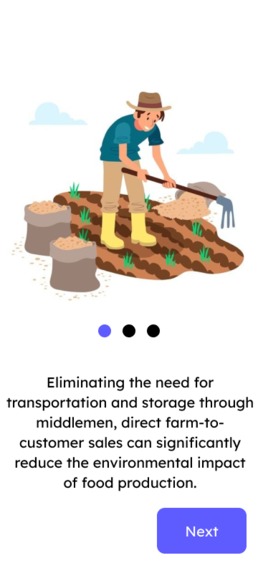
welcome page 1
-
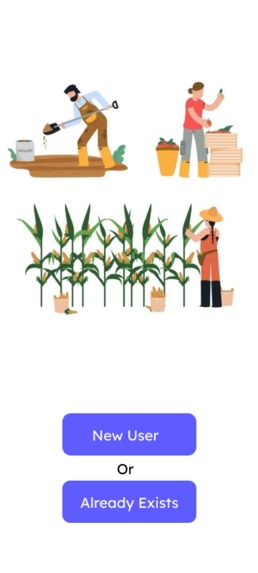
4
-
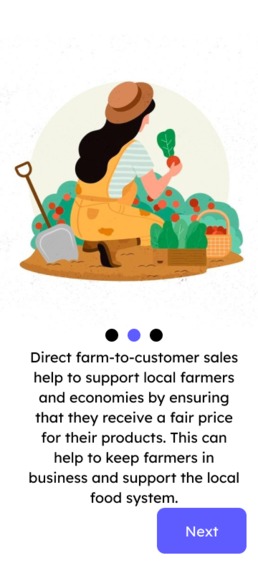
2


Inspiration
The Smart Agriculture Platform was inspired by the need to address the challenges facing the agricultural sector. These challenges include:
A growing population with a rising demand for food Climate change and its impact on crop yields A shortage of skilled labor in agriculture The Smart Agriculture Platform aims to help farmers meet these challenges by providing them with access to data and tools that can help them make better decisions about their crops.
What it does
The Smart Agriculture Platform provides farmers with access to a variety of data and tools, including:
Weather data Soil data Crop data Pest and disease data Market data Farmers can use this data to make better decisions about irrigation, fertilization, pest control, and harvesting. The platform also provides farmers with access to a variety of tools, such as:
Crop modeling tools Decision support tools Farm management tools These tools can help farmers to optimize their production and improve their yields.
How we built it
Inspiration The Smart Agriculture Platform was inspired by the need to address the challenges facing the agricultural sector. These challenges include:
A growing population with a rising demand for food Climate change and its impact on crop yields A shortage of skilled labor in agriculture The Smart Agriculture Platform aims to help farmers meet these challenges by providing them with access to data and tools that can help them make better decisions about their crops.
What it does The Smart Agriculture Platform provides farmers with access to a variety of data and tools, including:
Weather data Soil data Crop data Pest and disease data Market data Farmers can use this data to make better decisions about irrigation, fertilization, pest control, and harvesting. The platform also provides farmers with access to a variety of tools, such as:
Crop modeling tools Decision support tools Farm management tools These tools can help farmers to optimize their production and improve their yields.
How we built it The Smart Agriculture Platform was built using a variety of technologies, including:
Cloud computing Big data analytics Machine learning Internet of Things (IoT) The platform collects data from a variety of sources, including sensors, satellites, and government agencies. This data is then stored in a cloud-based data warehouse. The data is then analyzed using big data analytics and machine learning techniques to generate insights that can be used by farmers to make better decisions.
Challenges we ran into
One of the biggest challenges we faced in building the Smart Agriculture Platform was the need to integrate data from a variety of sources. Data from different sources often has different formats and standards. This can make it difficult to combine data from different sources into a single dataset.
Another challenge we faced was the need to develop machine learning models that can be used to generate insights from agricultural data. Agricultural data is often complex and noisy. This can make it difficult to develop machine-learning models that can accurately predict crop yields or identify pests and diseases.
Accomplishments that we're proud of
We are proud of the fact that the Smart Agriculture Platform is being used by farmers in a variety of countries. We are also proud of the fact that the platform has been shown to help farmers improve their yields and reduce their costs.
What we learned
We have learned that it is important to work closely with farmers to understand their needs and challenges. We have also learned that it is important to develop data and tools that are easy for farmers to use.
What's Next for The Smart Agriculture Platform
We are working on adding new data and tools to the Smart Agriculture Platform. We are also working on making the platform more user-friendly. We believe that the Smart Agriculture Platform has the potential to make a significant contribution to the global food security challenge.

Log in or sign up for Devpost to join the conversation.