-
-
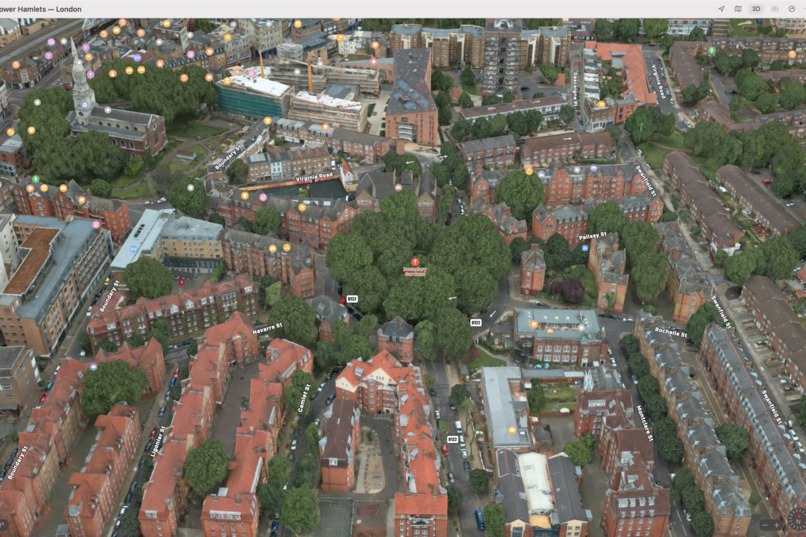
Location
-
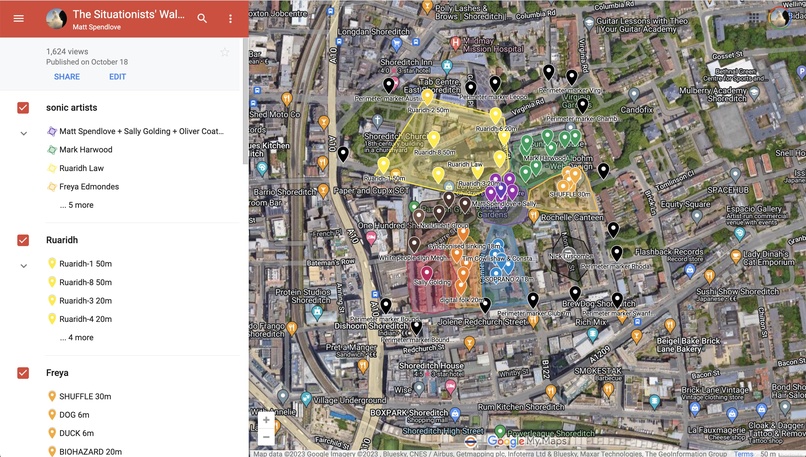
Artist zones
-
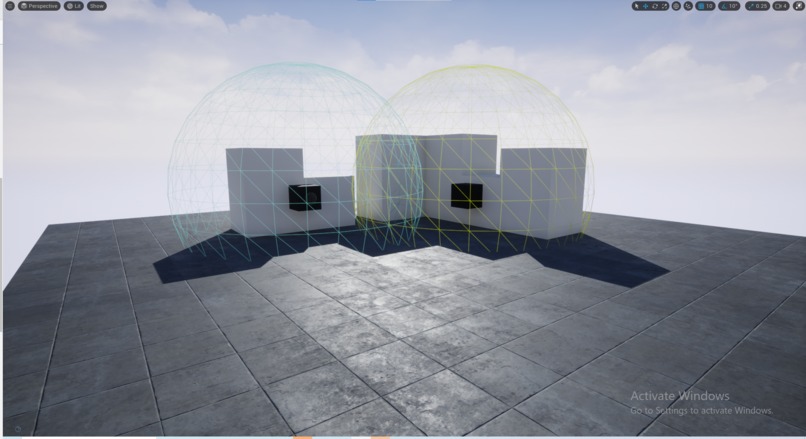
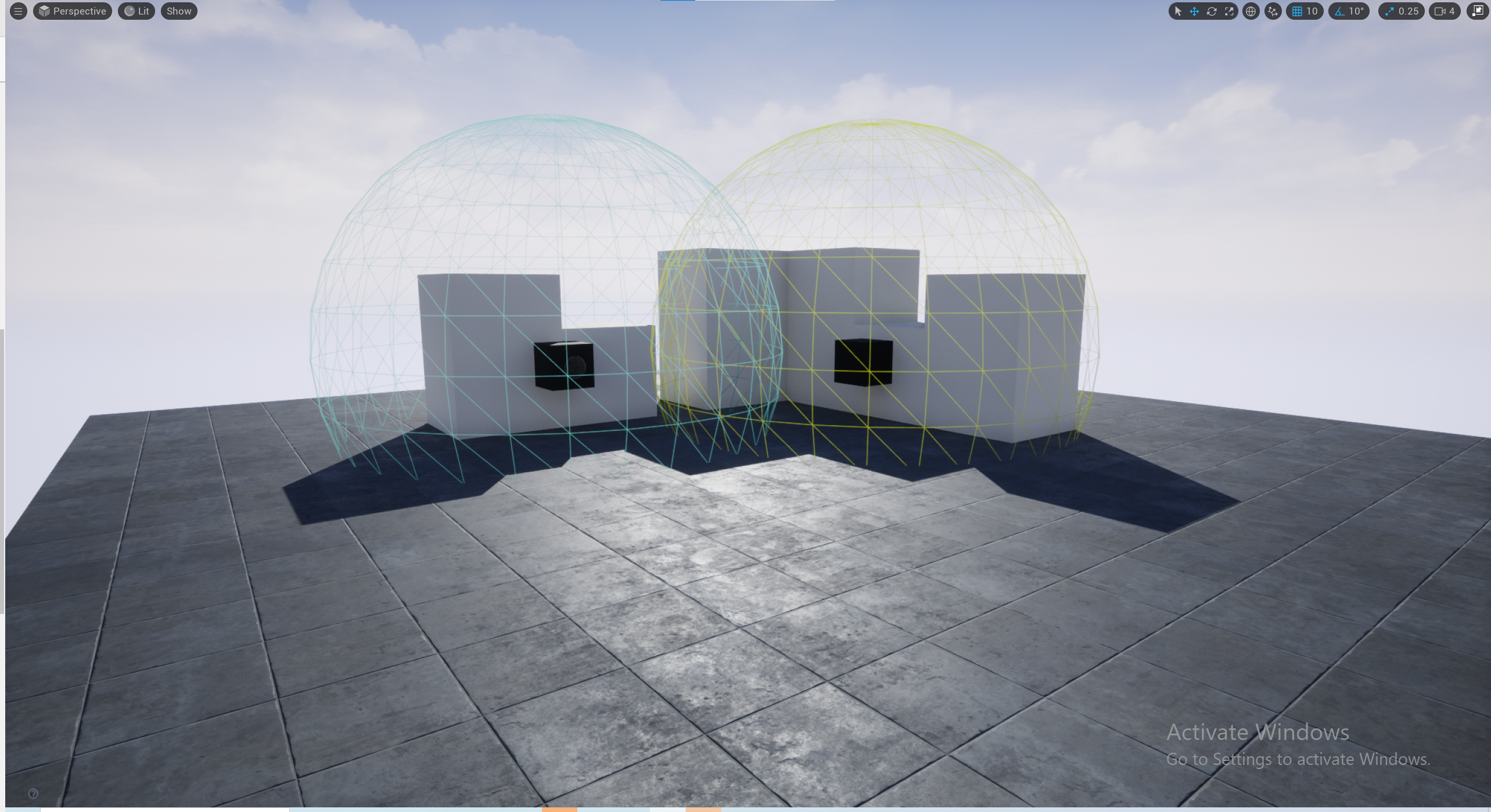
Concept art - speakers
-
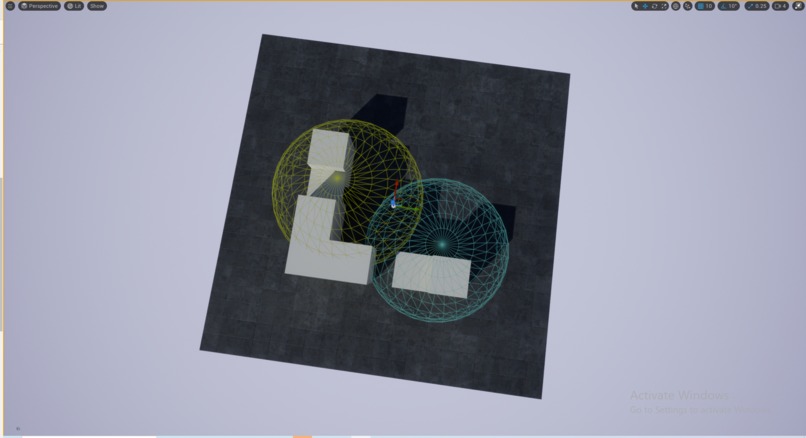
Concept art - speaker
-
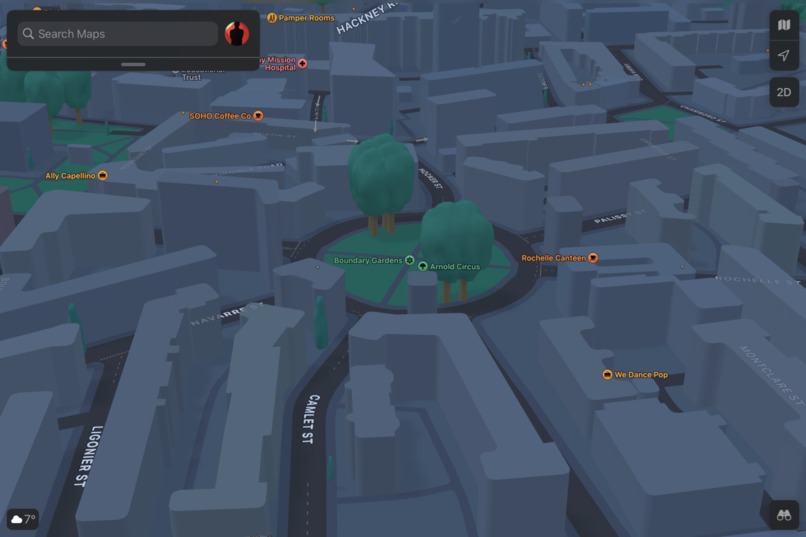
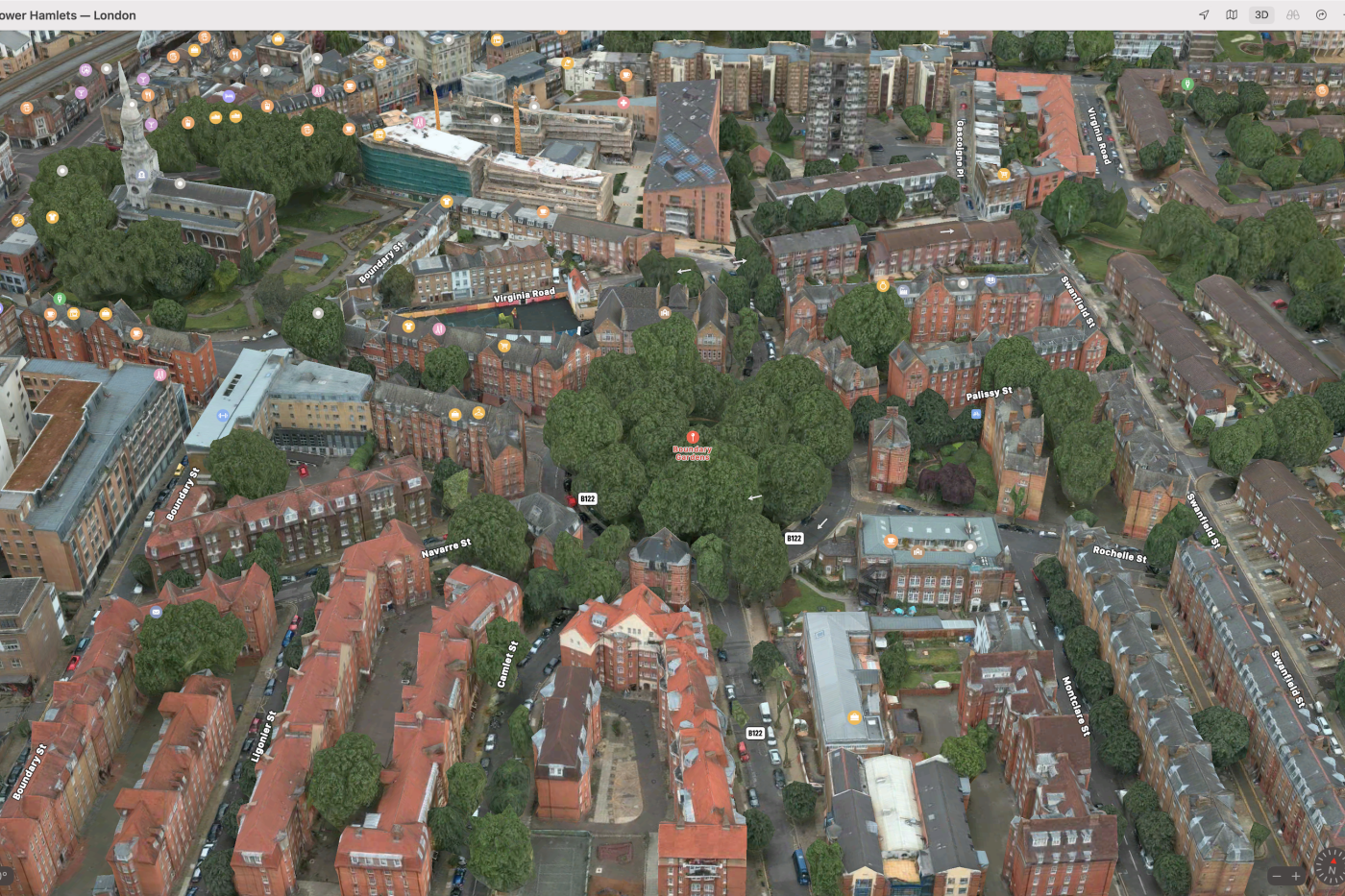
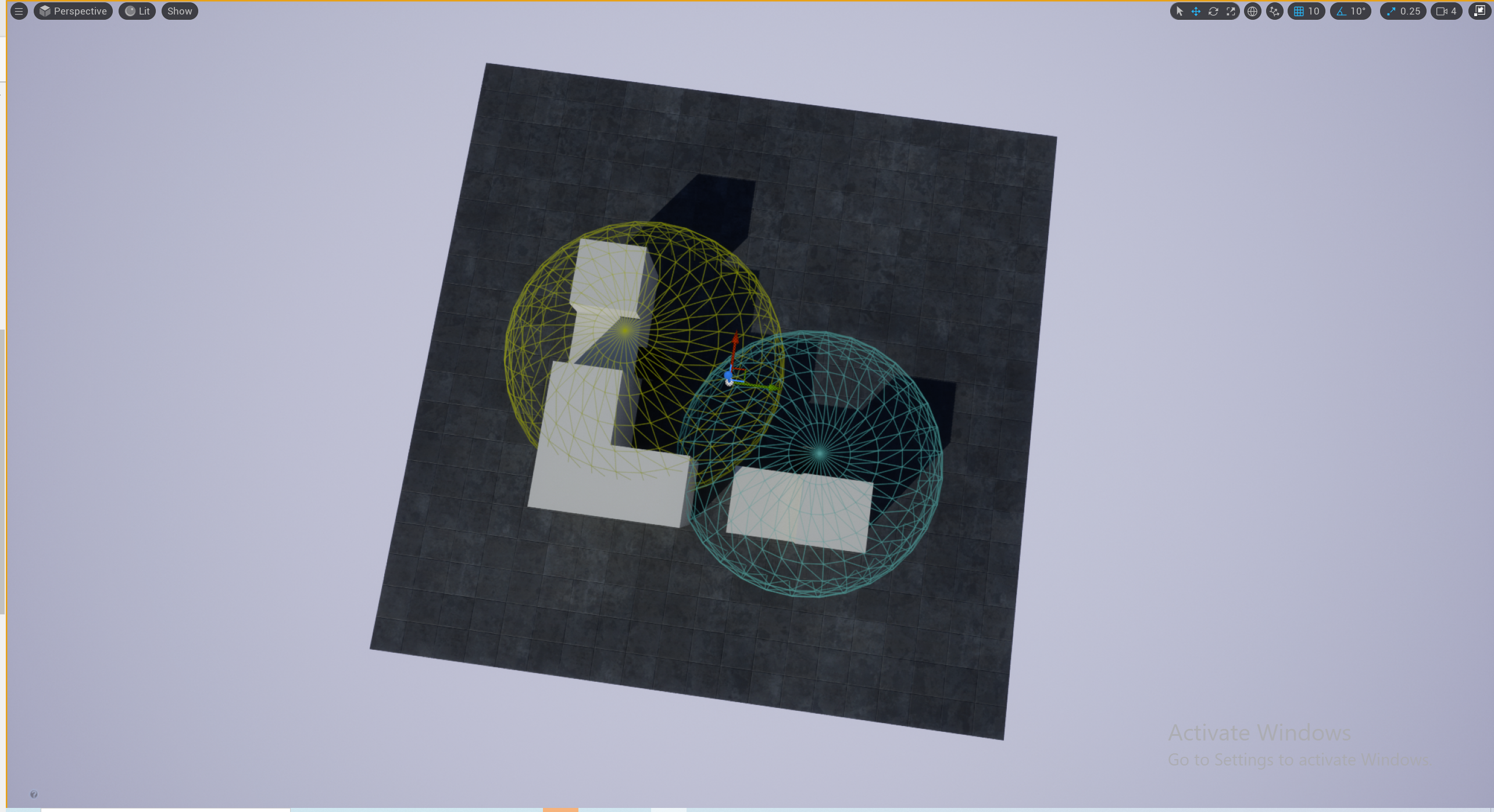
3D Map of location
-
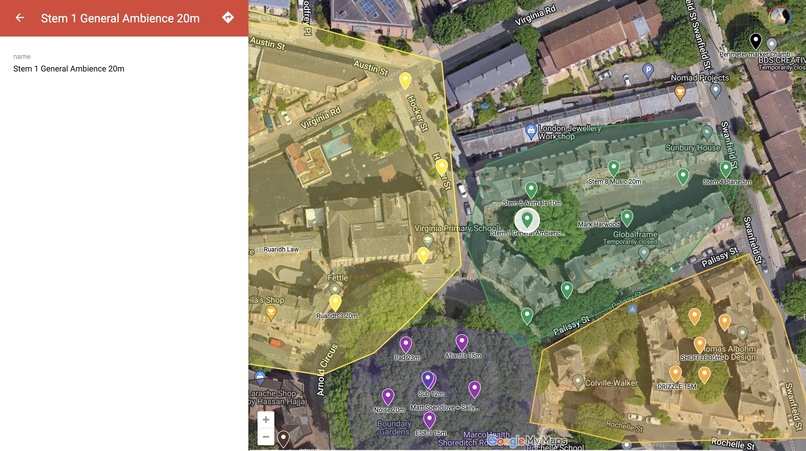
Artist zone zoomed



Inspiration
"We want a wild and ephemeral music.
We propose a fundamental regeneration: concert strikes, sound gatherings with collective investigation."
Anon May 1968 Graffiti
Conceptually, we were interested in creating a playful, non-directed experience that offered surprising, uncanny sonic augmentation to the world around you. Using the city as a playground - a canvas upon which we could project directional audio stimulus that’s unconstrained by the physicality and hardware of a gallery setting, augmenting familiar surroundings with another layer of perceptual information. A 3D graphical score with a participant conductor.
One particular reference we kept returning to was the Situationist idea of the dérive - “a mode of experimental behaviour linked to the conditions of urban society: a technique of rapid passage through varied ambiances.” - an undirected, spontaneous exploration of the urban environment.
The project is a direct response to much commercial metaverse discourse which is concerned that AR technologies might lead to further enclosure and commercialisation of public spaces. In this context, the idea that we might use the project as an exploration of both the playful, open-ended possibilities of the technology for artistic expression, and a means of celebrating the importance of open public spaces and expanding them into AR-space, made the idea of a situationist-like intervention even more pertinent.
What it does
The Situationists’ Walkman is a digital dérive, playing out within a small area of East London around Arnold Circus. An updated version of the Situationists’ vision using audio led exploration of the urban environment that prompts us to reconsider our relationship to this constructed or delineated space.
Featuring the work of eight sound artists, musicians and collectives, it invites us to consider the radical possibilities of audio only augmented reality technologies for creative expression and public space, as well as to meditate on the uncanny, aleatoric, and often beautiful contrasts of the urban soundscape.
A Google Map of the experience layout can be reviewed here, where we show the eight different artist zones with map pins for each invisible sound source or virtual speaker.
Meet us there, connect your headphones, and explore!
How we built it
The initial version was funded R&D work before the release of Googles’ Geospatial API. That prototype used Apple's ARKit and ARGeoAnchors and the (then) newly minted PHASE 3D audio engine. To our knowledge, we were the first public implantation of that sound engine.
The release of the Google Geospatial API was hugely exciting for us and allows us to reach significantly more hardware devices and geographic locations - after all, the concept of the project can be transported to many locations to support physical IRL events.
The technology has caught up with the core requirements of our experience - directional audio emanating from predetermined real world locations - meaning we just had to validate the user experience and the authoring tools.
We created two prototypes, the first in Aero and the second in Unity to validate the API’s before considering a full project port.
Challenges we ran into
The promise of Adobe Aero for Geospatial certainly piqued our interest with friendly authoring tools and no-code behaviours and interactions. Initial prototypes where we recreated a small section of the original experience validated most of our requirements. Unfortunately, we were blocked by having no simple way to set attenuation radiuses on the sound sources or trigger events to switch off the sounds. Despite joining the Adobe Aero pre-release Discord, no developer support was forthcoming.
We also faced some familiar challenges getting a functioning development environment for our available iPhone 13 running iOS 17 which requires Xcode 15 and above. The latter is incompatible with Unity so we had to roll back to earlier versions of Unity, Xcode and find a device running iOS 16.
Accomplishments that we're proud of
We were proud to validate our hypothesis that audio only AR could create convincing and compelling immersive experiences. Unlike computer graphics running on most consumer hardware, the fidelity of recorded audio is good enough that our ears are already convinced by reality of what we perceive. The missing factor is sound emanating from a fixed point in space, and being rendered spatially. In short, sounding as natural as possible and closely approximating what we hear IRL.
This goes beyond the many headlocked, “spatial” audio experiences / sound walks and it was important for us to investigate delivery of audio that is headtracked (doesn’t reposition as you move), has the sense of externalisation (the sound in relation to you) and presence (really being there).
Our prototypes successfully validated an audio led form of augmented reality where the technology sits in the background, allowing participants to freely explore creating a playful, non-directed experience that offers surprising sonic augmentation to the world around you.
During testing, we noticed a really uncanny perceptual side effect whereby after exposure to augmented audio, particularly any material that was clearly not coming from the local environment (that was not always obvious), your ear really tuned back into the natural sounds in a way that focussed you sharply back into the location - almost like a heightened state of sensory perception or awareness!
What we learned
The tooling in this nascent field of technology is finally becoming more robust and widely available. Our initial concepts have been validated by this progression and the actual experience of creating an audio only AR environment that was effective and compelling for all of our beta testers.
The authoring journey for Adobe Aero is well suited to our needs with the development experience being significantly simpler than the Unity option. In comparison, there is far greater development and testing overhead when configuring and deploying Unity built native apps to the Google and Apple stores.
The participant onboarding journey for Aero is very appealing with global permalinks / QR codes being much easier for users and performed well in prototyping.
What's next for The Situationists' Walkman
The first stage is to get more information about whether Adobe Aero will get updates to remove our blockers. This would be the preferred route. If not, we’ll rebuild the full experience in Unity and do further testing with Android and iOS users.
The second stage is a full public launch, initially via a private view before opening up access to the wider public.
Following on, we’ll partner with our networks around the globe and run further installations alongside real world cultural events such as digital culture festivals or gallery shows. Each new installation will commission new groups of artists to provide material for the experience and can be targeted to specific themes. We will consider a public call for artist submitted audio for some events.
Built With
- aero
- geospatial
- unity

Log in or sign up for Devpost to join the conversation.