
Inspiration
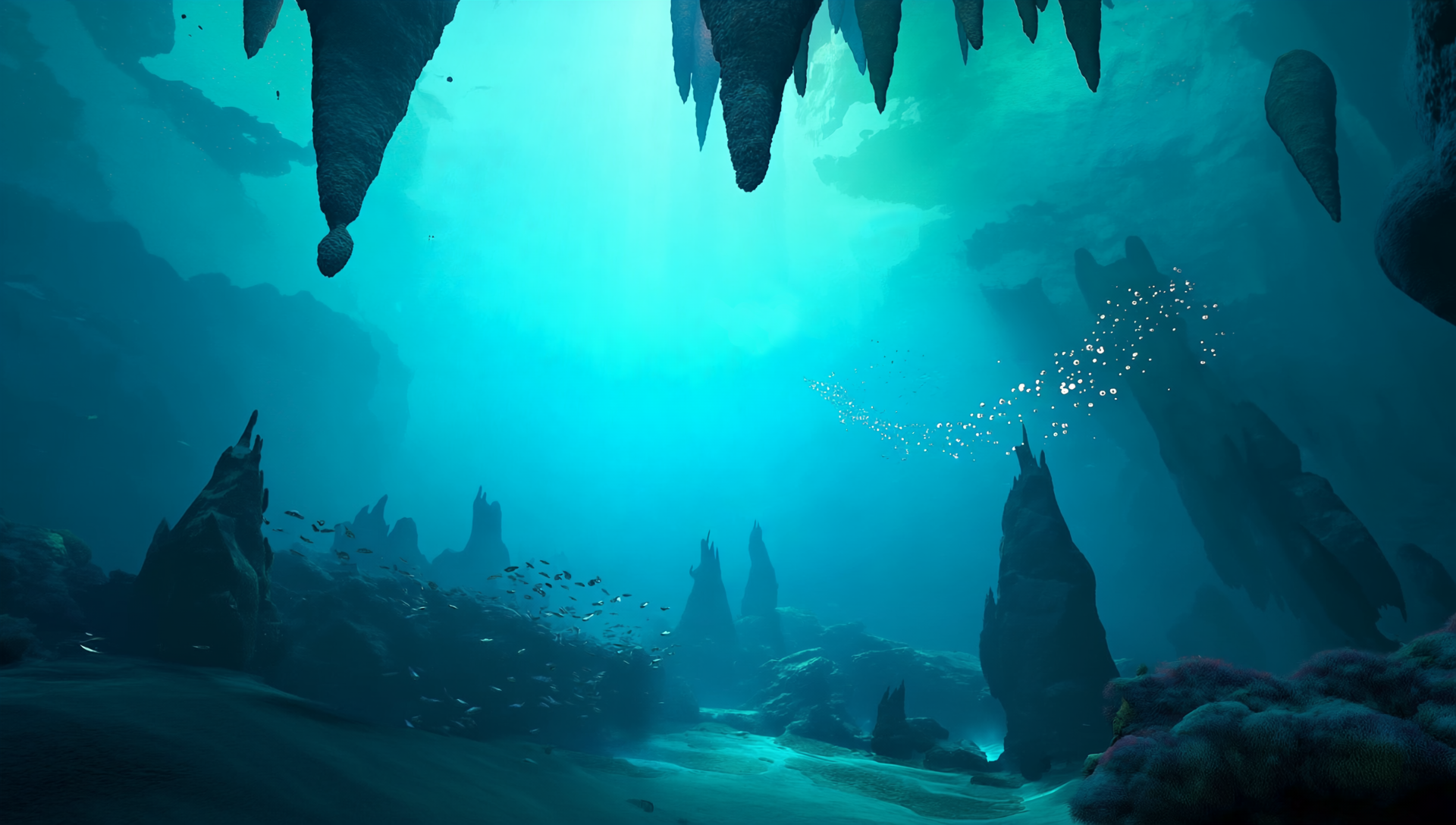
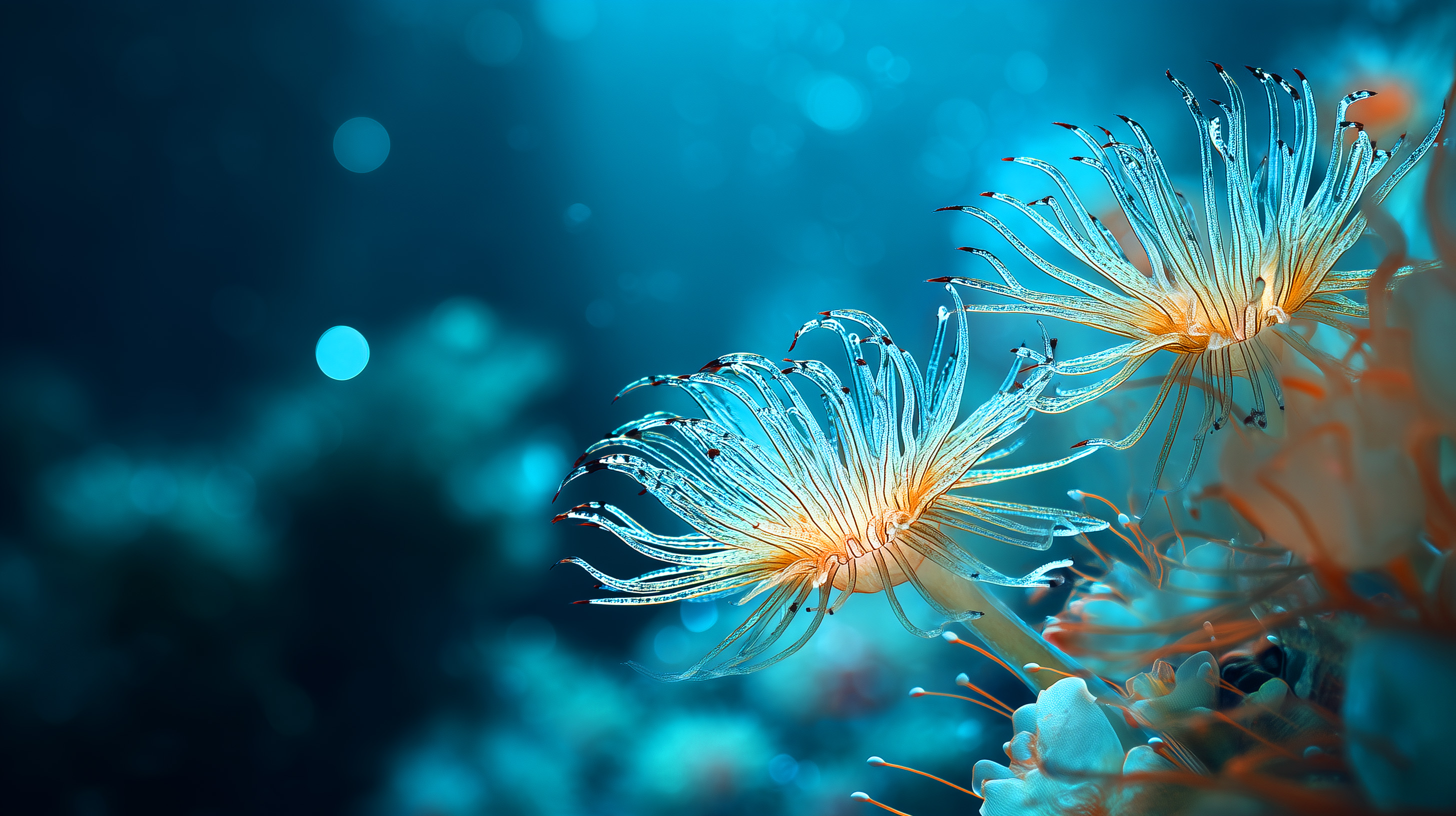
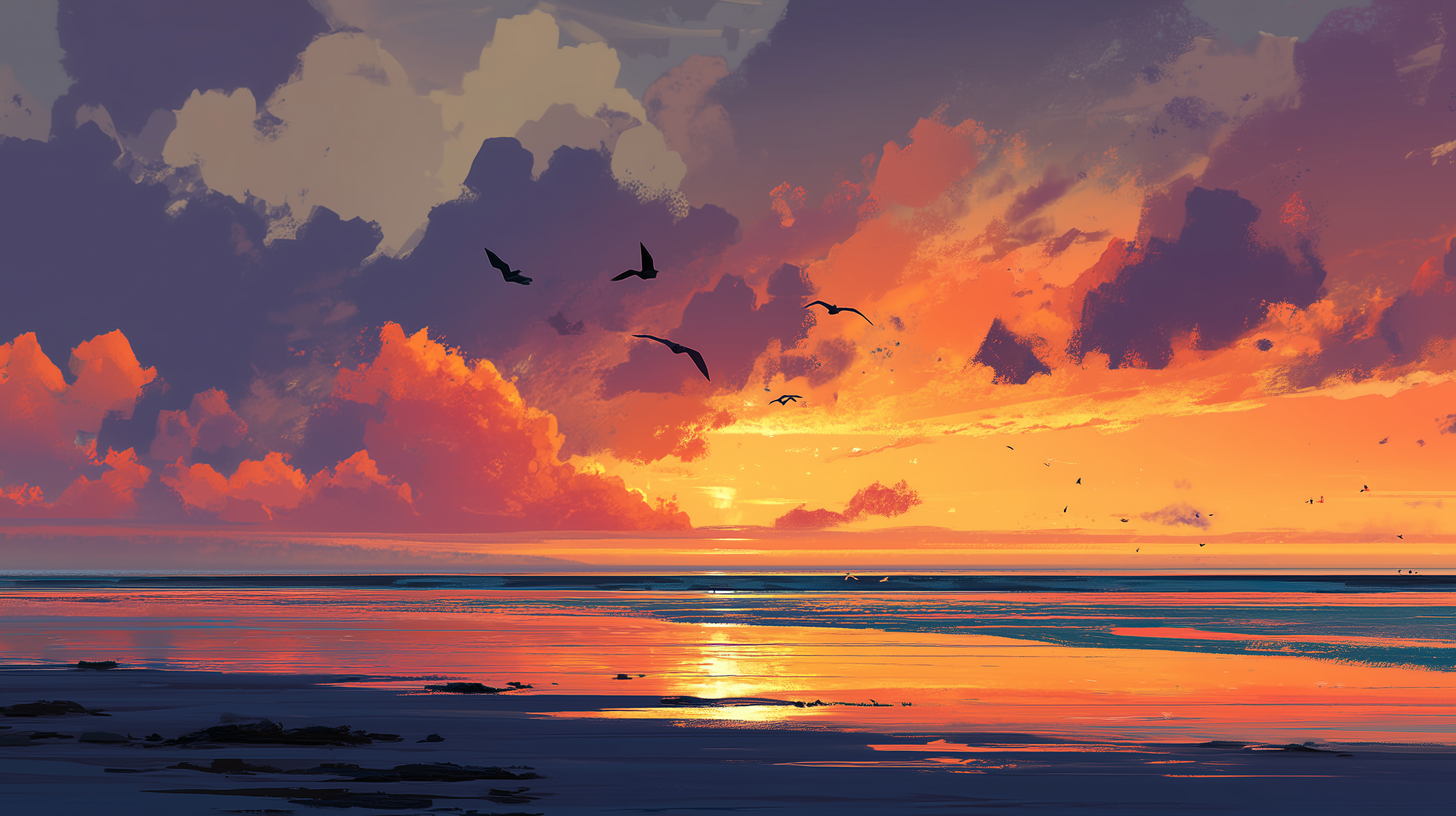
THE SEA THAT DREAMED is a poetic journey through memory, identity, and the quiet hope that lingers beneath the waves. A surreal meditation on what remains when everything else slips away, the film reflects on how, even in moments of confusion or solitude, small things can guide us home.
I created this little film while thinking about people living through war and suffering. It became my way of sending out a small message of hope: to not give up, and to keep dreaming. I know it will never reach those who are truly suffering, but it was the intention that guided me. It is also a gentle reminder to seek out the fragile beauty that still exists in the world.
With THE SEA THAT DREAMED, I wanted to tell a story that feels like a fable: gentle, surreal, and emotionally resonant, at once childlike and profound.
What it does
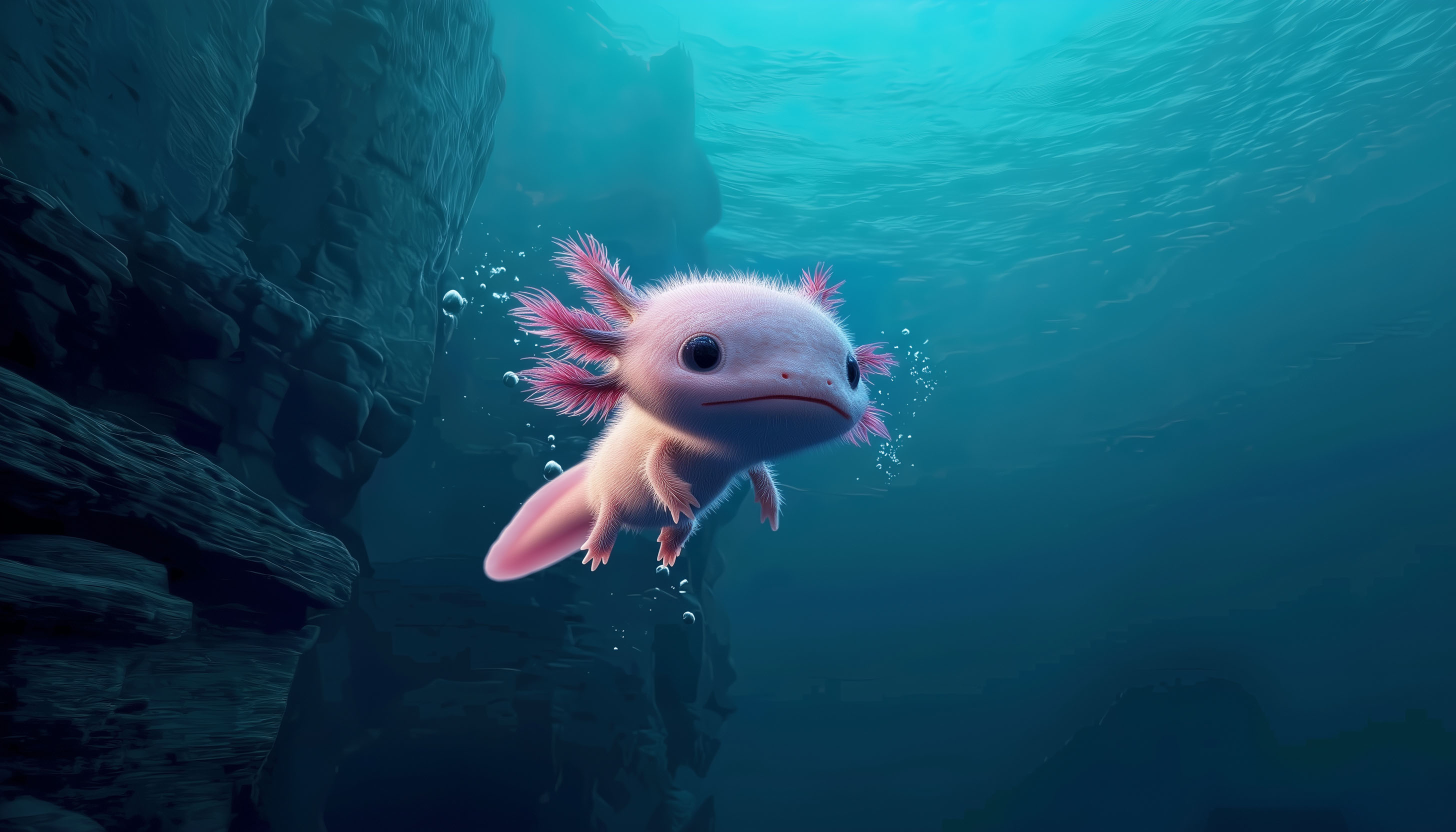
The film approaches global challenges through a metaphorical lens. Centered on an axolotl, an endangered species, the story explores displacement, identity, and emotional resilience in the face of isolation, echoing the experiences of individuals and communities shaped by war, climate change, migration, and loss.
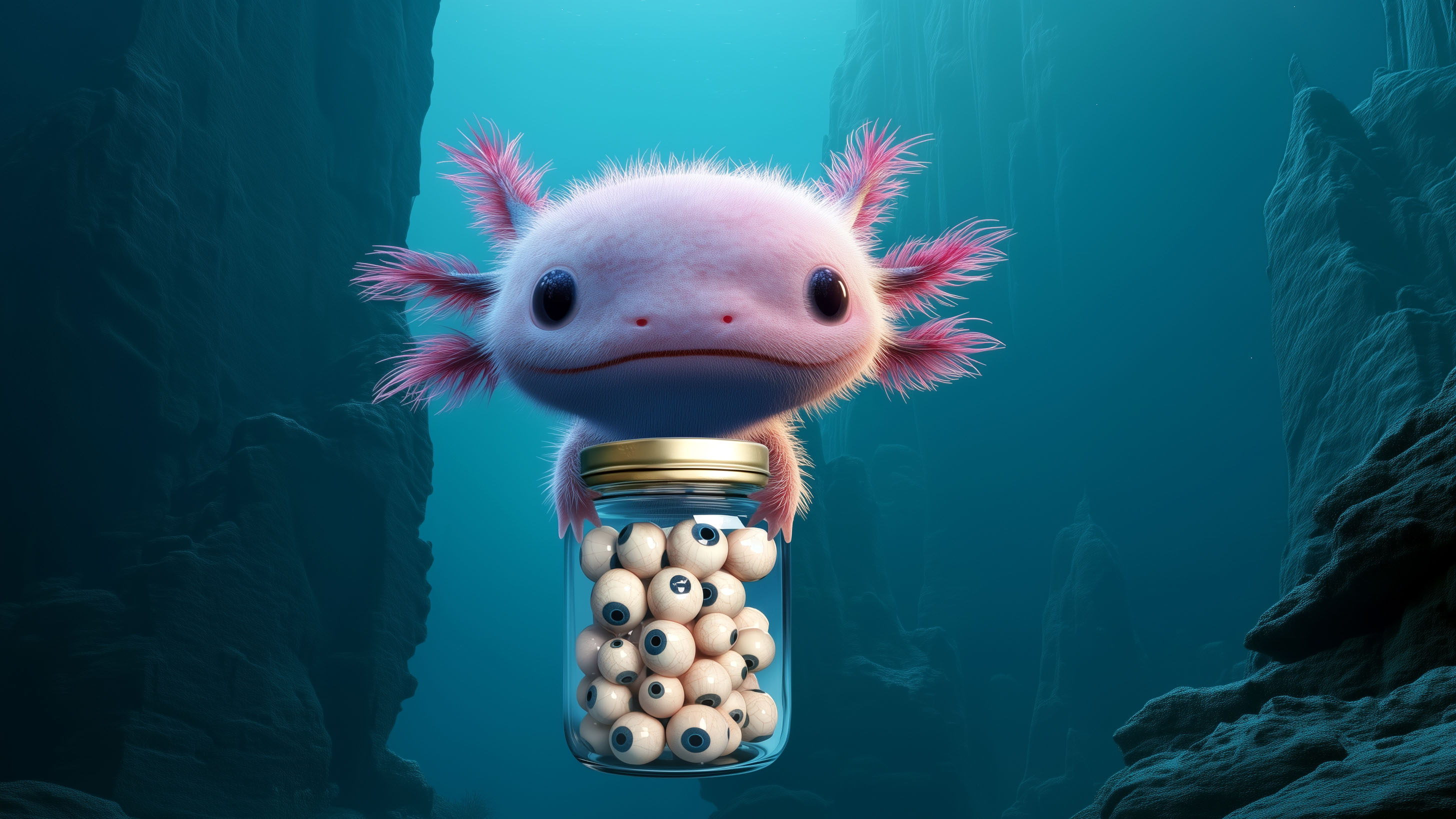
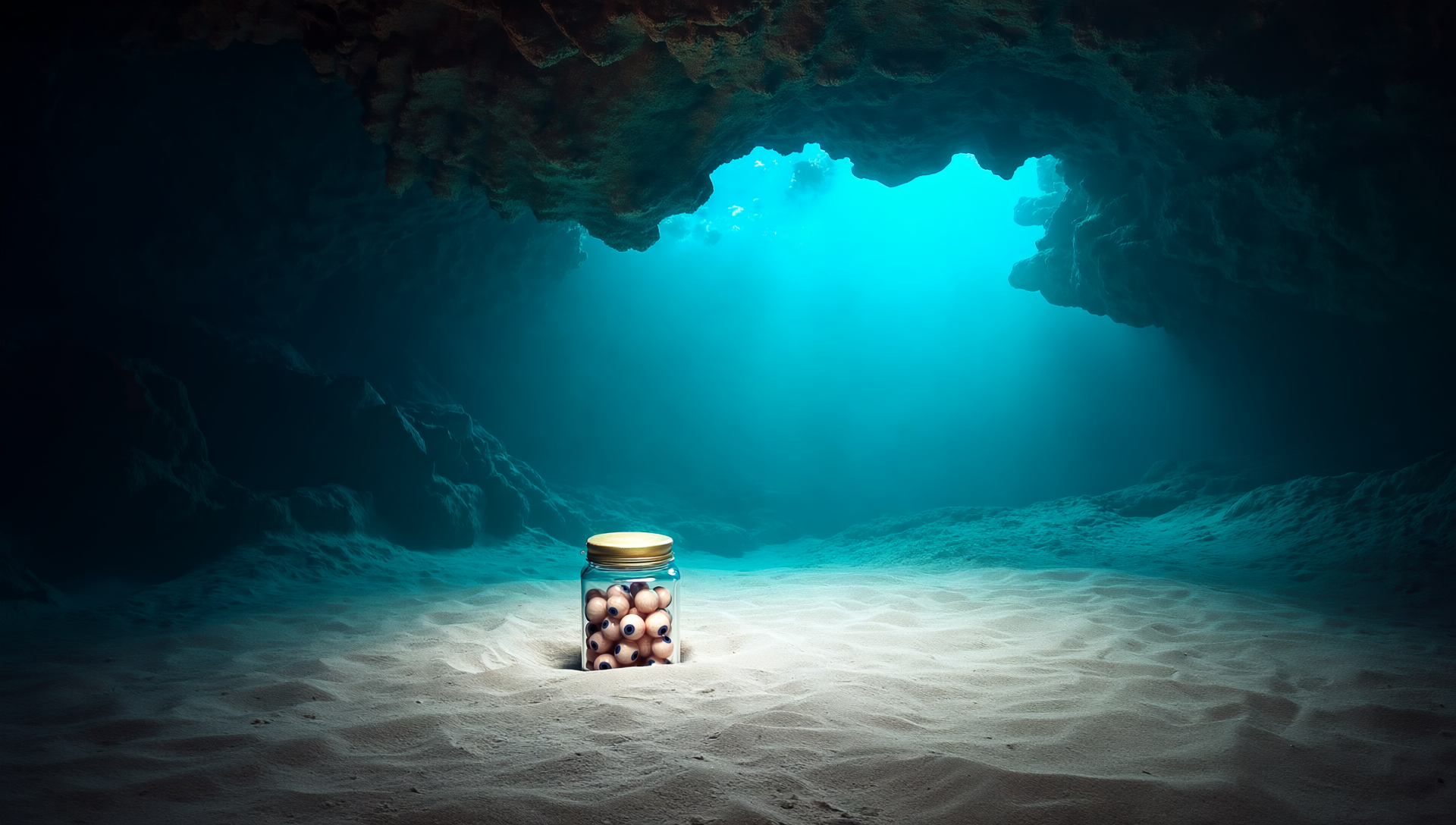
The narrative follows Wynn, a lost creature who discovers a jar of silent eyes buried in the ocean floor. Each eye holds a memory: visions of skies, colors, and moments of joy he has never known. Through these glimpses, Wynn begins to imagine a future, piecing together an identity born from borrowed memories and imagined possibilities.
How I built it
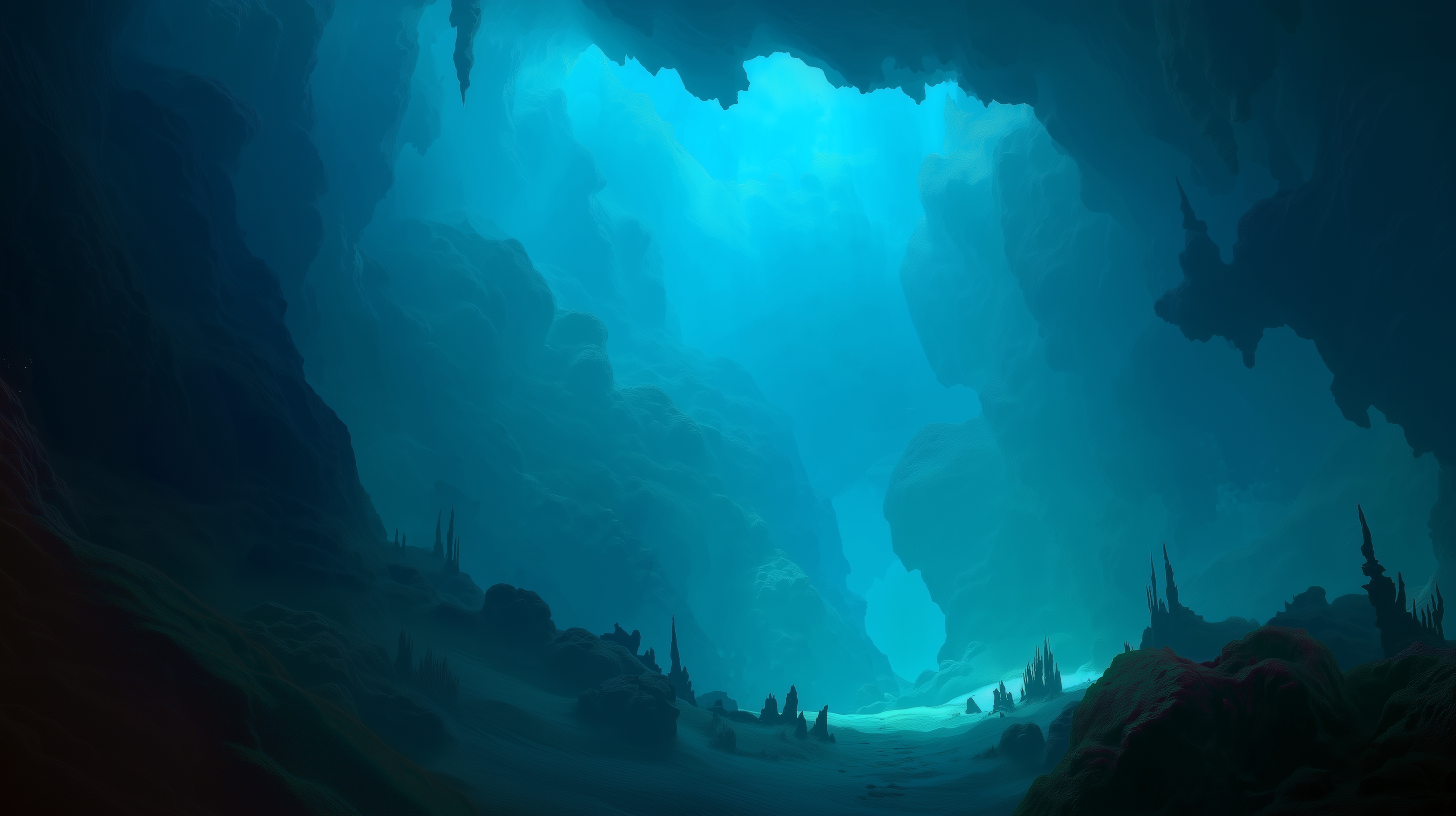
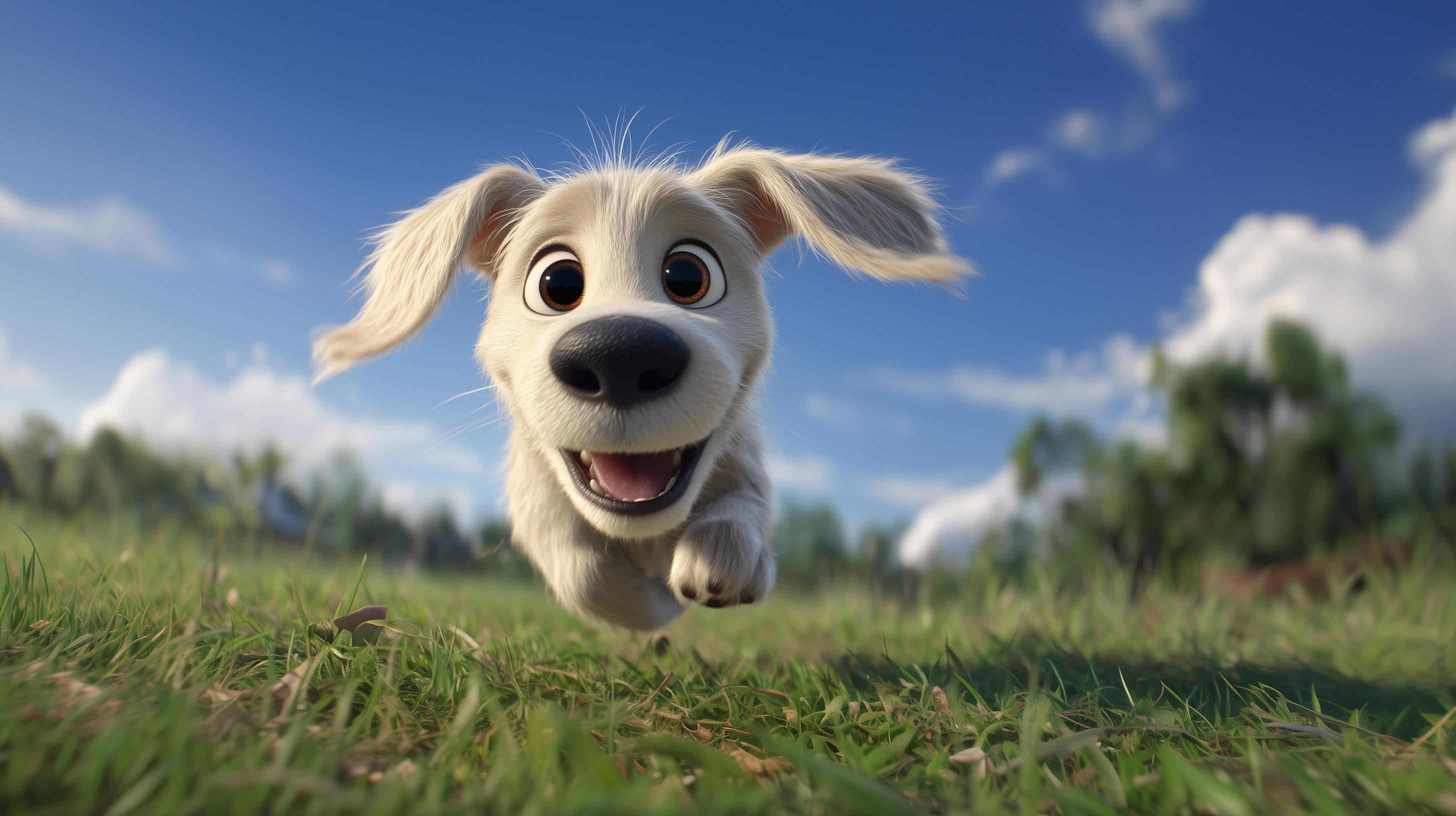
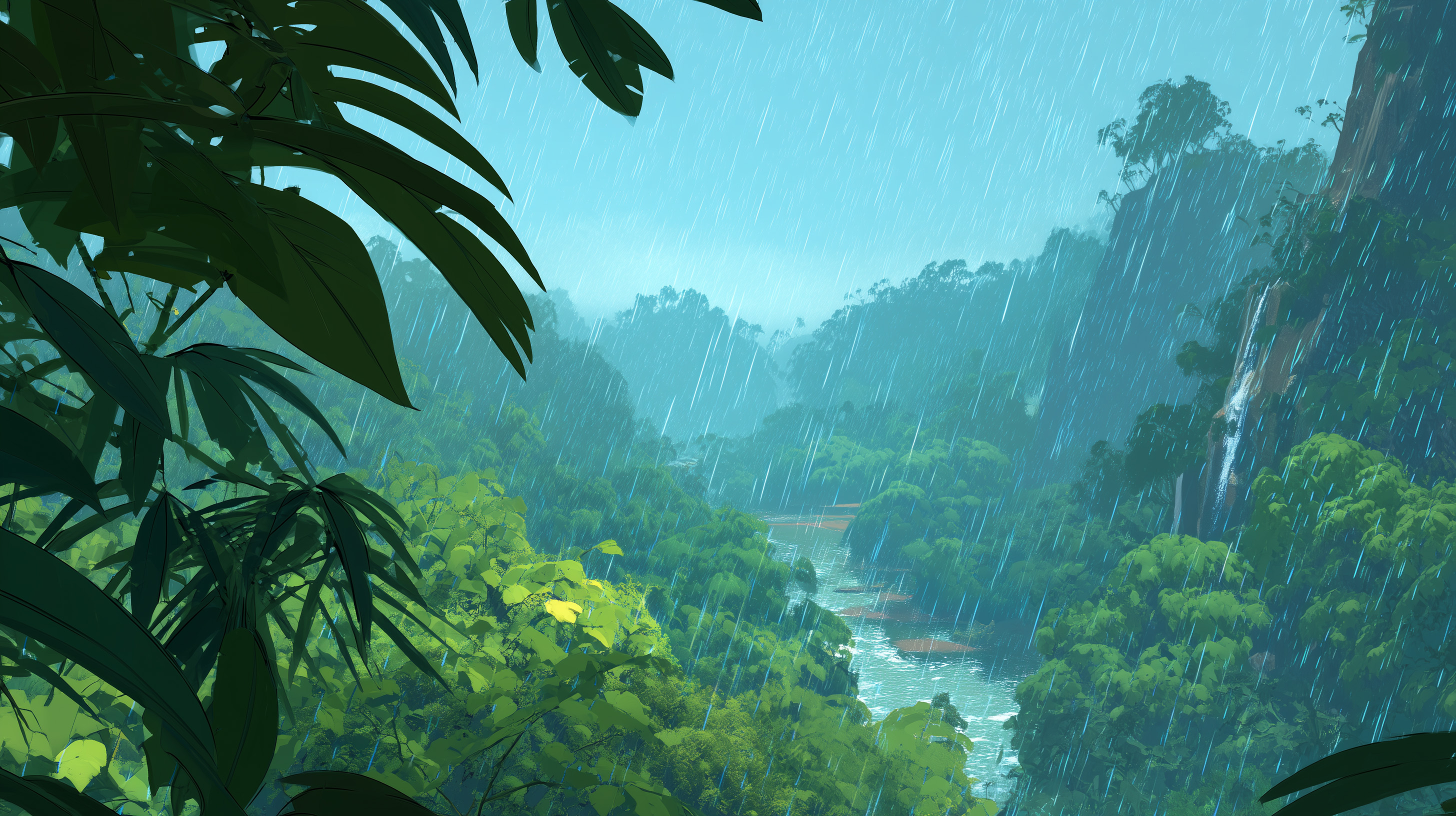
Using tools like Midjourney, Runway’s References feature, Gemini 2.5 Flash, Runway Gen-3 and Gen-4, Kling 2.5 in Freepik, I crafted an underwater dreamscape. ChatGPT helped shape the script and narration, giving the film a tone that feels both dreamlike and lyrical. The soundscape and voice performance were created with ElevenLabs, the music composed with Suno AI, and the final polish came together in post-production with Topaz and Adobe Premiere.
Challenges I ran into
One of the main challenges in making THE SEA THAT DREAMED was maintaining character consistency. Generative AI often altered Wynn, the axolotl. His feathery gills shifted in number, his limbs and fingers changed, and even the shape of his tail varied. Keeping these details aligned required constant iteration, re-prompting, and editing. Balancing this technical hurdle with the film’s poetic tone was demanding, but it ultimately shaped the storytelling, embracing imperfection as part of the dreamlike fabric of the world.
What I learned
AI didn’t just assist the production; it opened a new emotional and visual language, one that allowed me to tell a hopeful story with limited resources, in a style that feels deeply personal. It became a way to build a world from fragments: a sea of dreams painted in color, memory, and light.
What's next for THE SEA THAT DREAMED?
Next for THE SEA THAT DREAMED is its continued journey on the festival circuit, building on the recognition it has already received with several awards. I hope it will continue to connect with new audiences around the world. I’m also considering developing Wynn, the axolotl, into a recurring character, perhaps even an IP, so he can keep dreaming and evolving in future films.

Log in or sign up for Devpost to join the conversation.