-
-
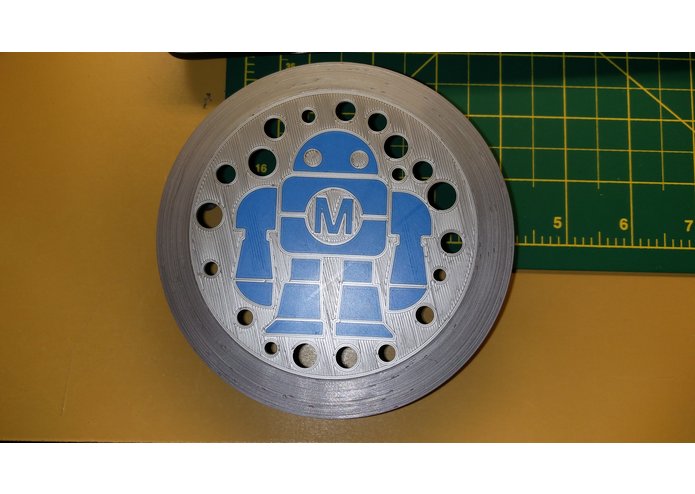
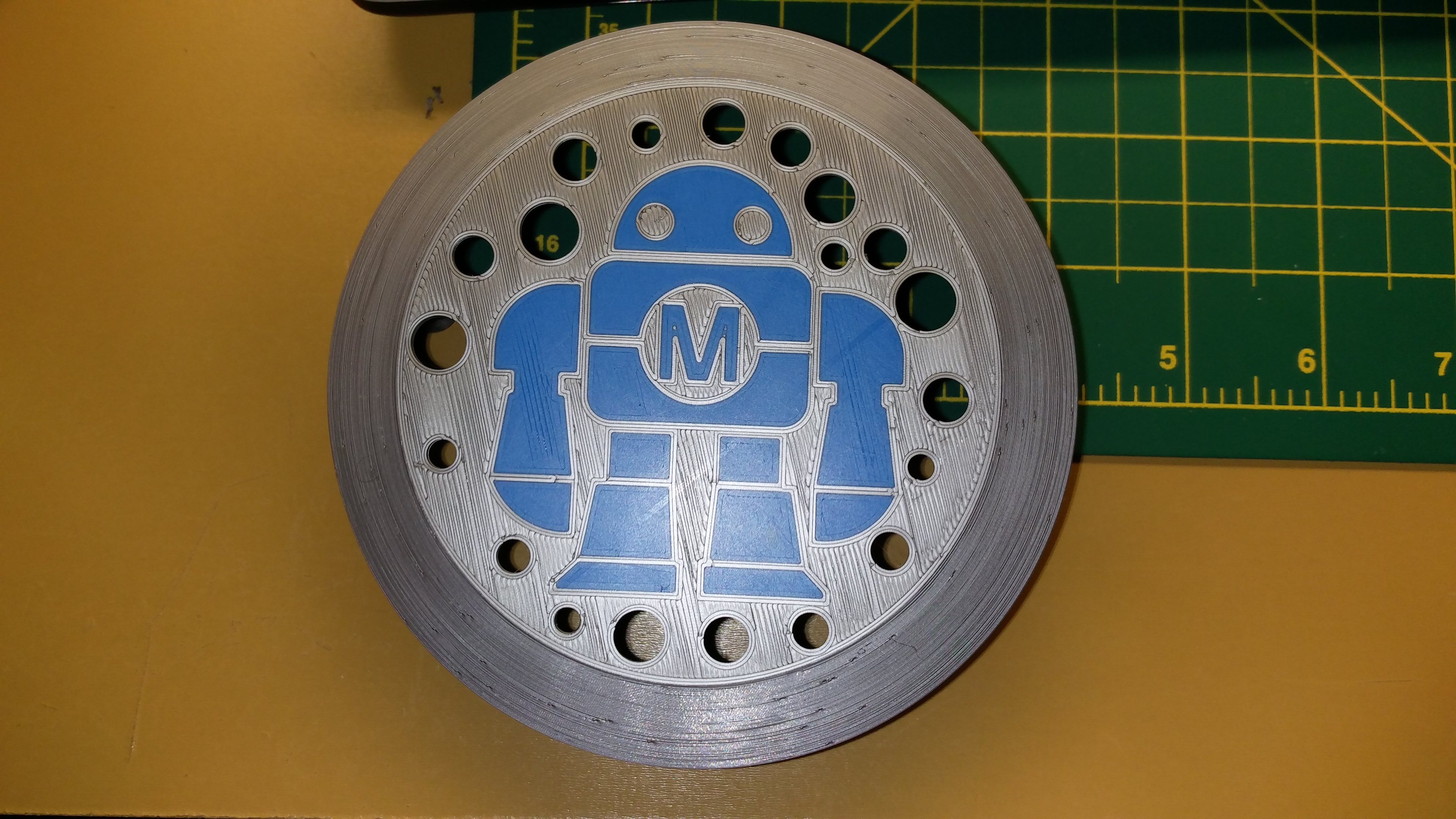
MakerspacePR logo on top of system enclosure.
-
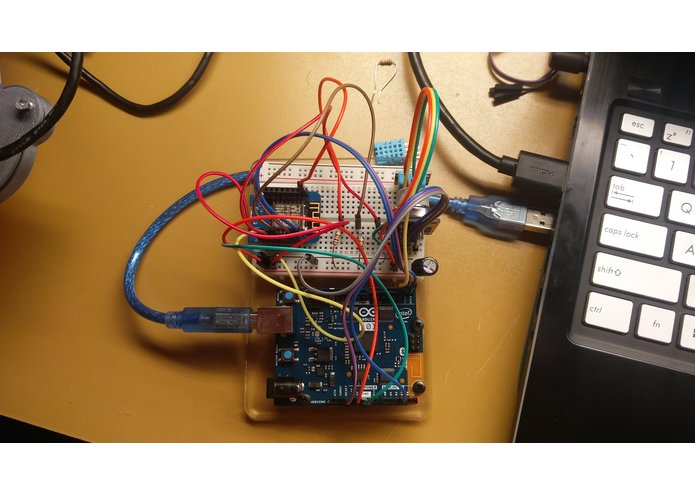
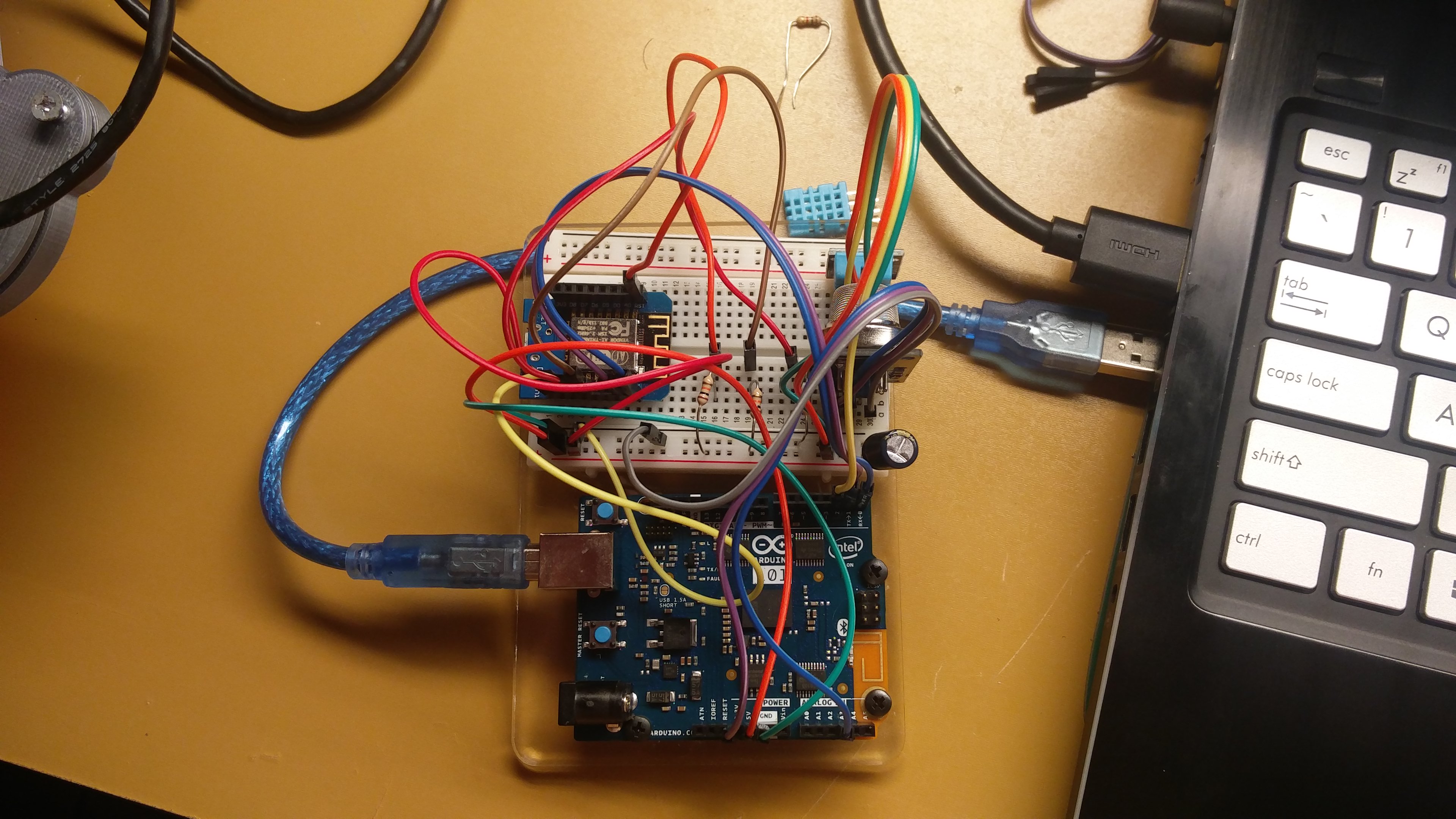
System under test.....
-
-
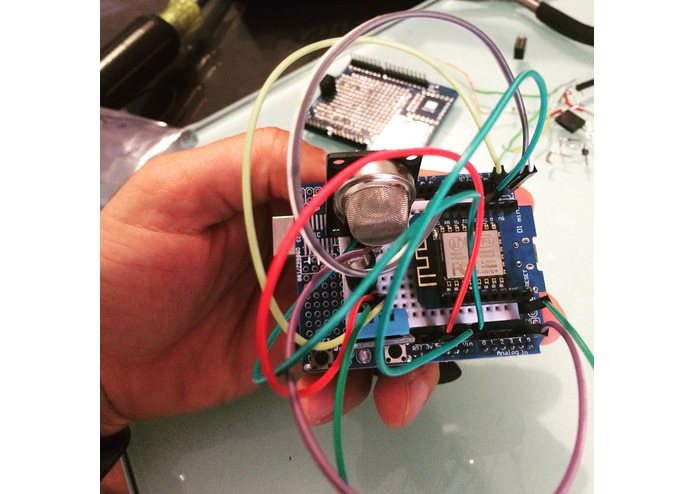
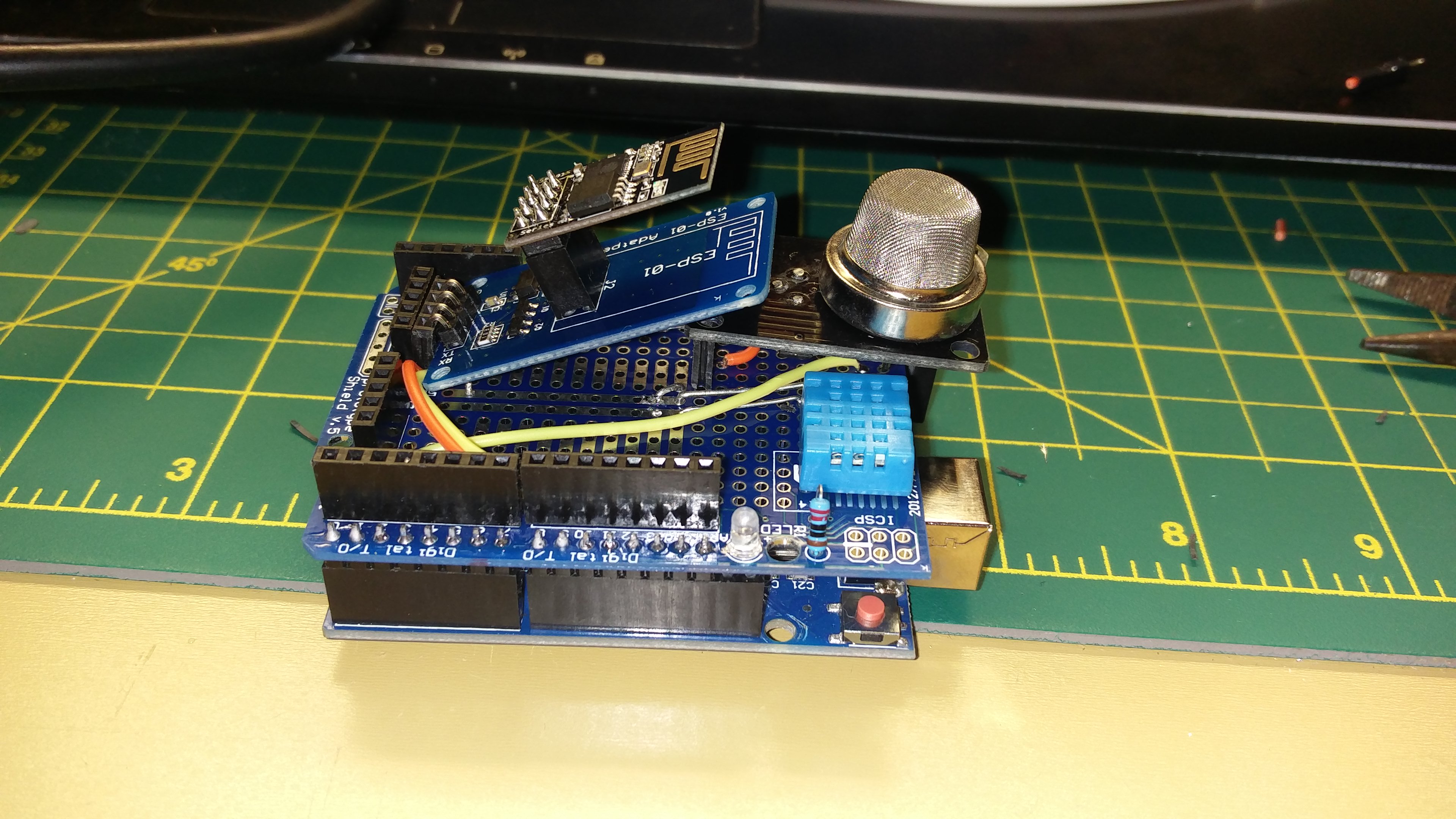
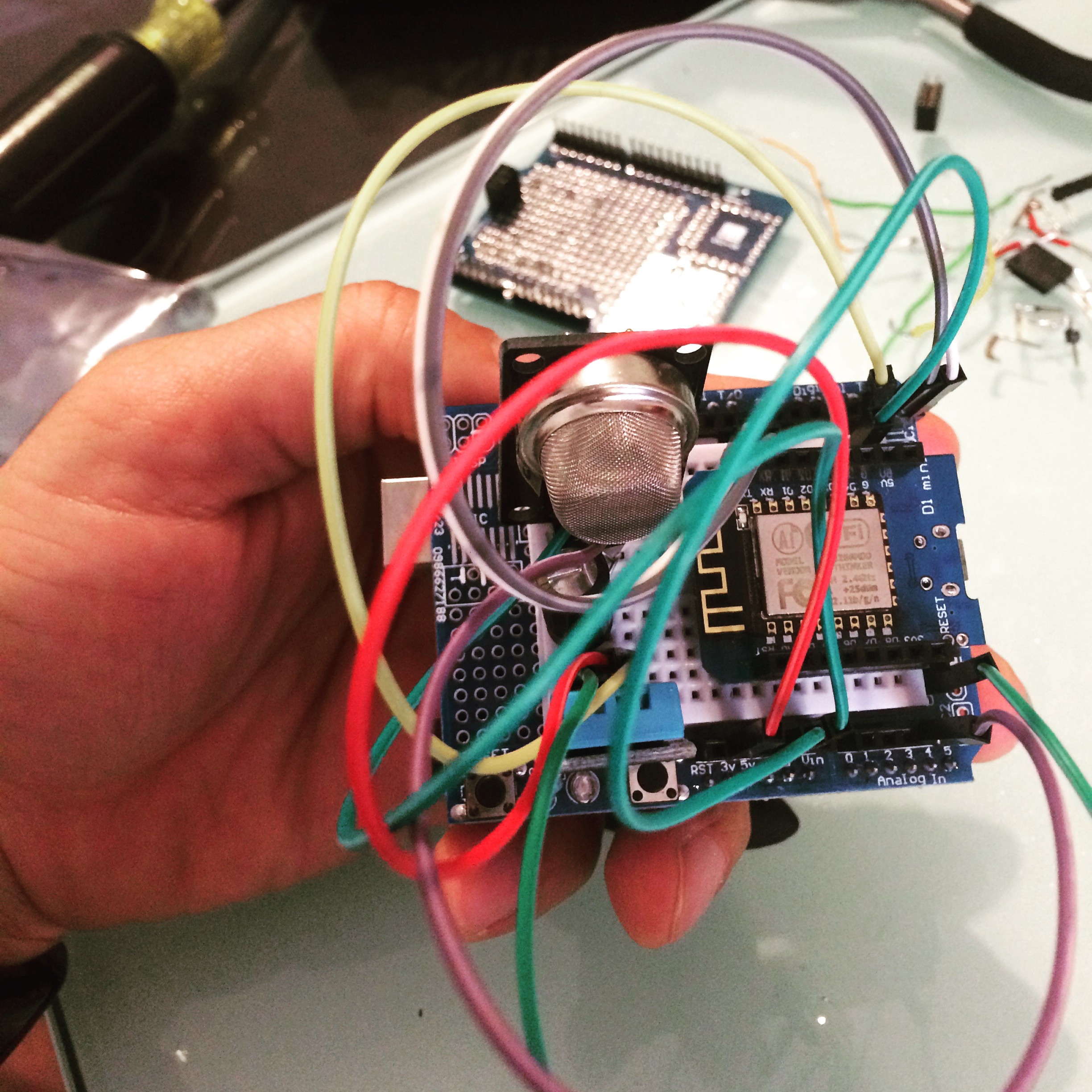
Prototype...
Inspiration - To fulfill the needs of a standalone Survival Kit
What it does......
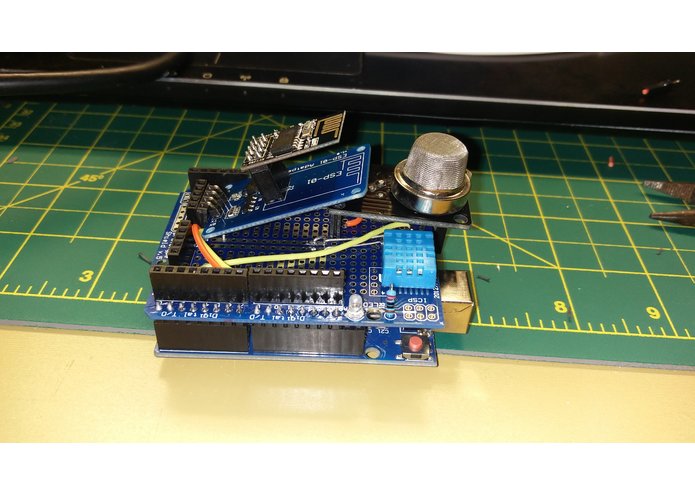
Using the Arduino 101, an ESP8266 -01, a temperature and humidity sensor and a gas sensor, a system has been built to send real time data from the sensors to a web page in the Cloud..Then IoT device will provide information every 5 minutes about the air quality in a site, the temperature and humidity and seismic data if there is an earthquake.
How we built it.....
After determining the purpose of the system, sensors were chosen and a wi-fi shield for web data deployment. Sensors reading were tested. A sketch was developed separately to make concurrent reading of all the sensors (those from Arduino 101 (ACC/Gyro) and the externals (humidity, temperature and gas)) and to have access to the web through a wi-fi link. Work was heavily done improving the operation of the sketch uploaded to the Arduino 101. The web-system part is under the domain nubeIOT.com. A web-api submits values of different devices through an API and each is authenticated with an unique token per device. The data is then deployed in the web through a web page. At the end, a 3D printed enclosure was built for the whole system to make it portable and to protect its internal parts.
We Created a web-api to be able to submit values of diferent devices. The web-system is under the domain nubeIOT.com
Challenges we ran into.....
Several challenges were overcome: lack of proper documentation about Arduino 101 tools, ineffective serial communication between the Arduino 101 and the wifi shield (ESP8266). There are also a lot of libraries that are not necessary effective or well written. Some have a lot of details inside that make them incompatible for some Arduino application or for some devices uses.
Accomplishments that we're proud of.....
We are proud of being able to deployed multiple sensors data using the Arduino 101 through a web based tool for remote sensing. This data includes Arduino 101's built-in accelerometer and gyroscope. This system makes it portable, economic, easy to program through the change of sensors and controllable remotely. This was achieved with low cost devices which are imperative in the maker community.
What we learned......
How a small and economic device such as Arduino 101 is good as a tool for web-based data deployment. There are a lot of tools, libraries and previous applications that helps for this type of IoT applications. We also learned about the good, the bad and the ugly about serial communication between devices and systems and how to overcome them.
What's next for The Salvation Module.....
- Validate seismic data.
- Gas sensor data validation.
- Web page dashboard creation.
- Potential integration to Puerto Rico seismic network.
Built With
- arduino-101
- esp8266-wifi-module
- gas-sensor
- humidity/temperature-sensor


Log in or sign up for Devpost to join the conversation.