-
-
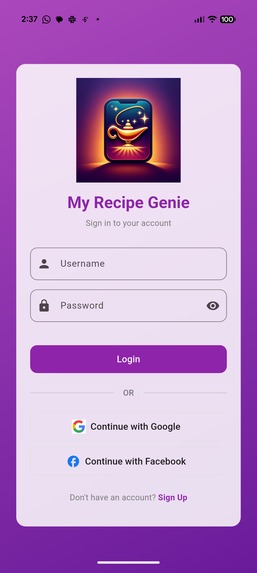
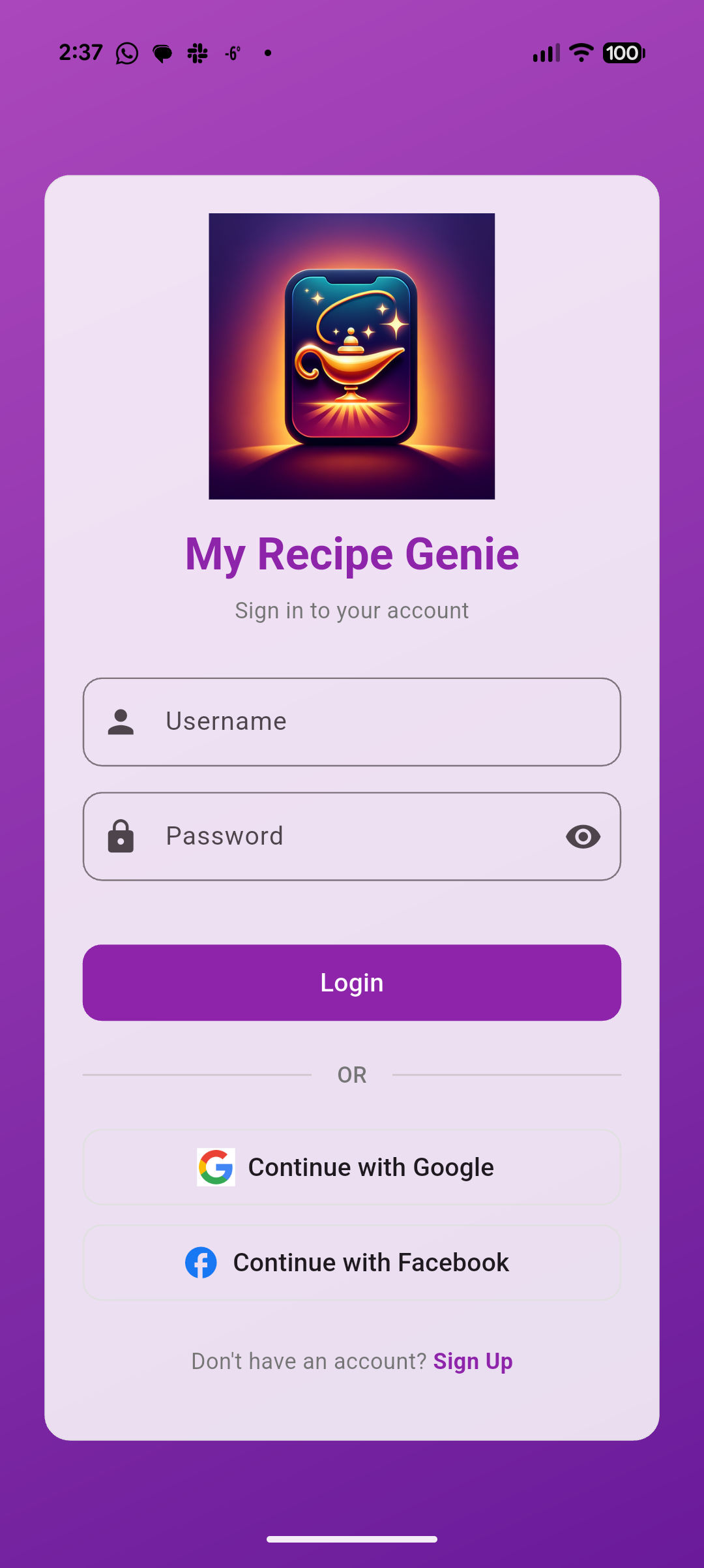
Login page
-
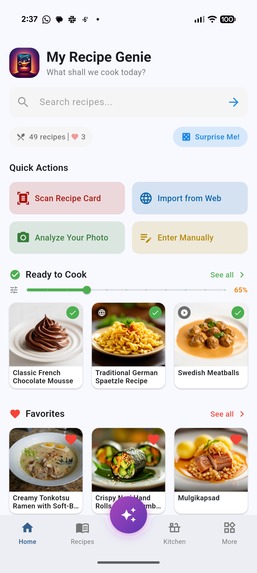
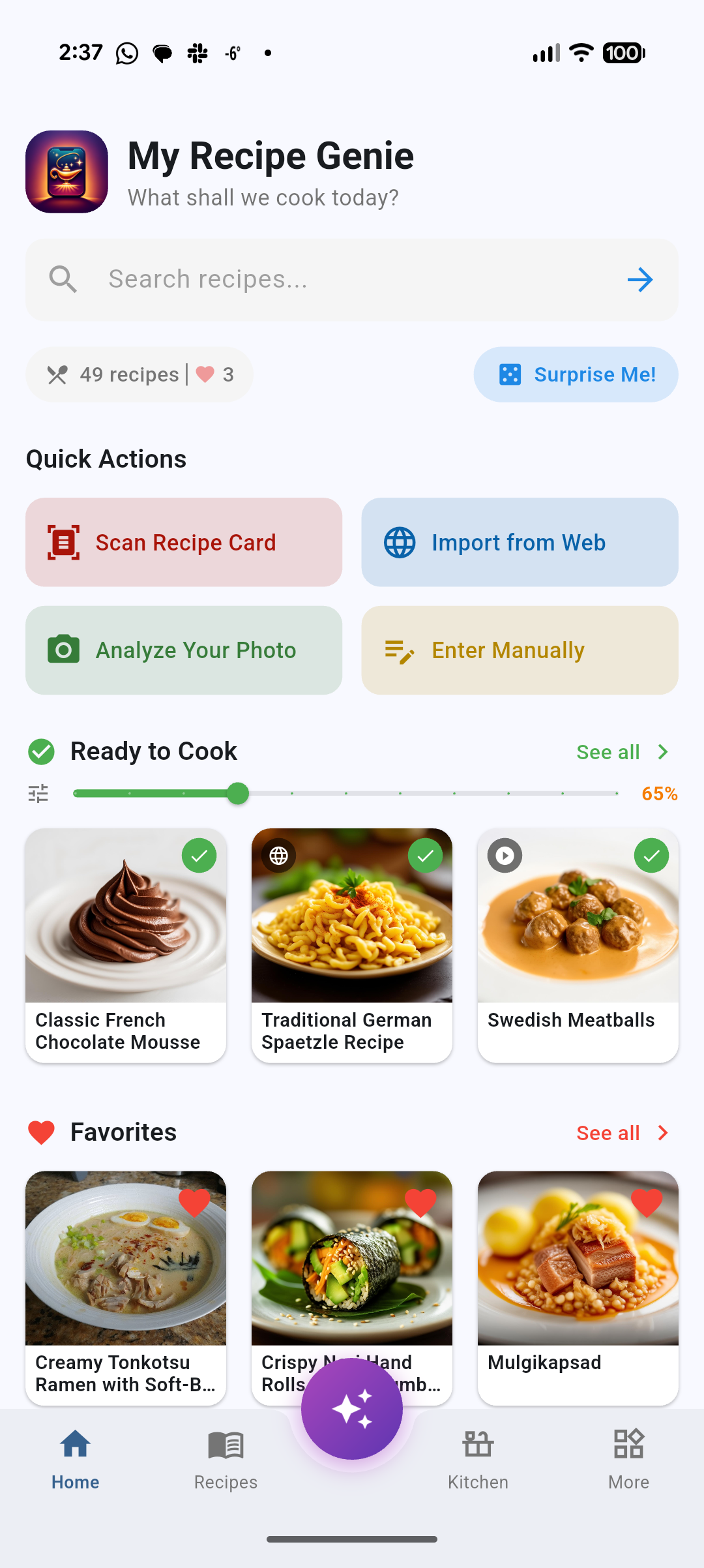
existing user home page
-
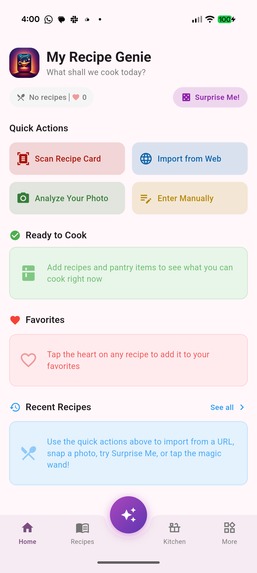
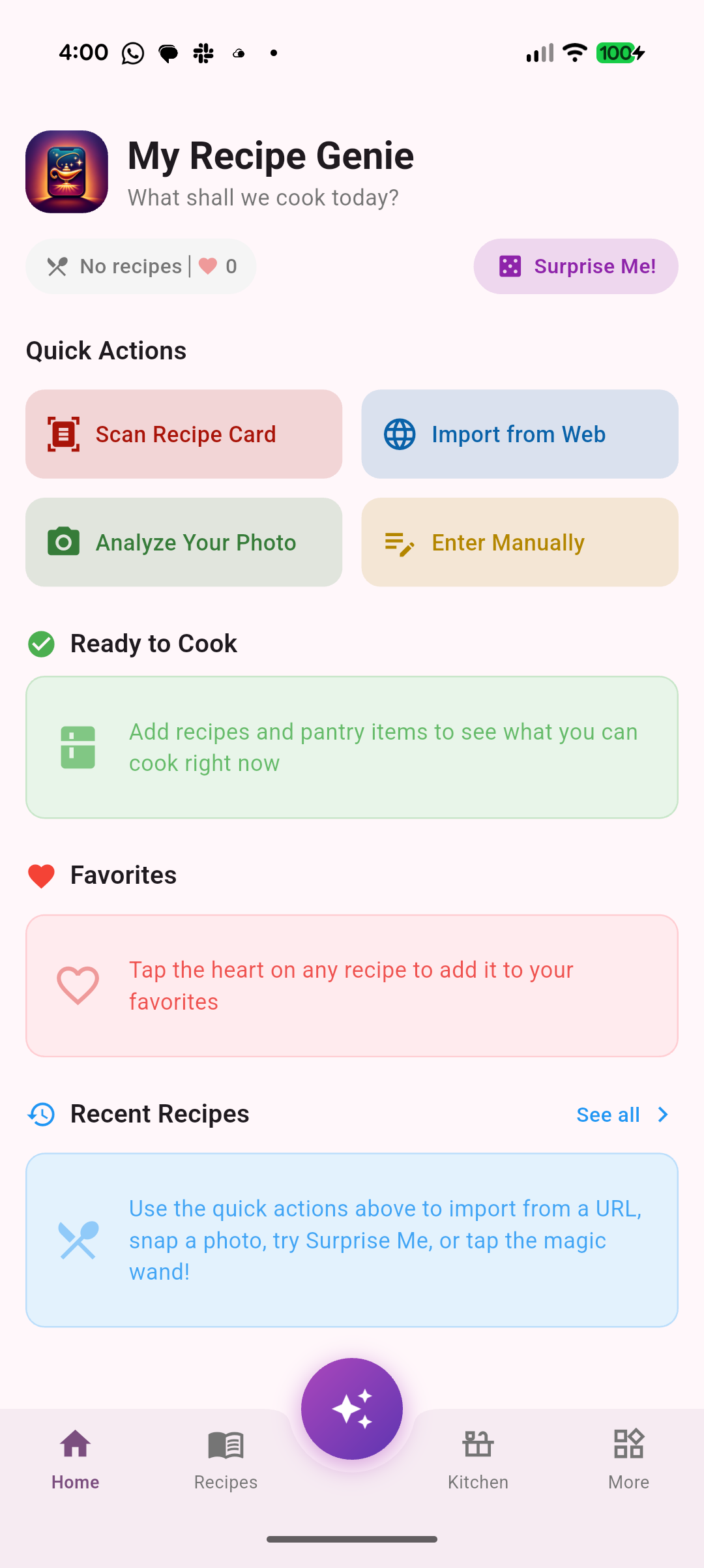
new user login
-
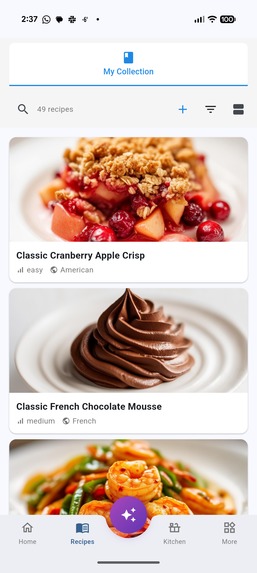
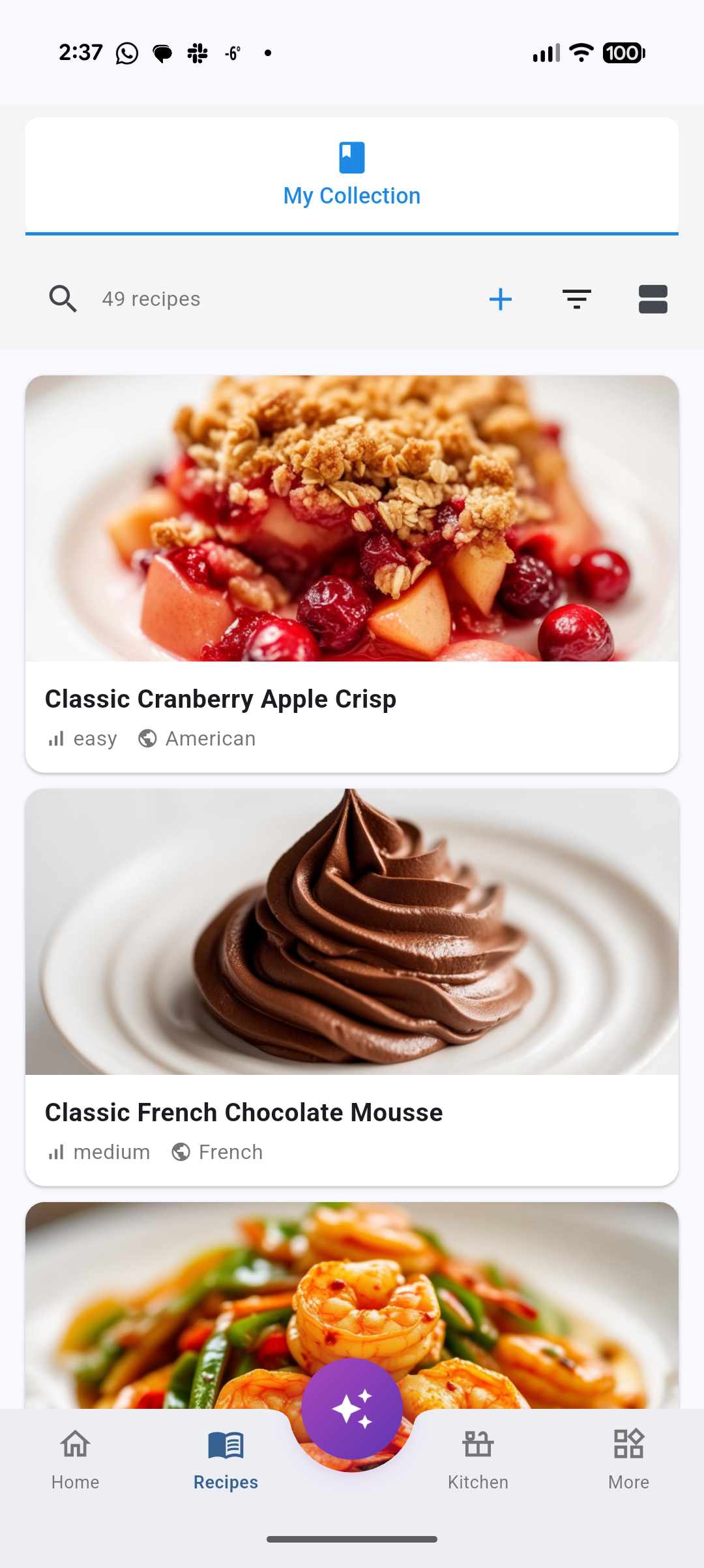
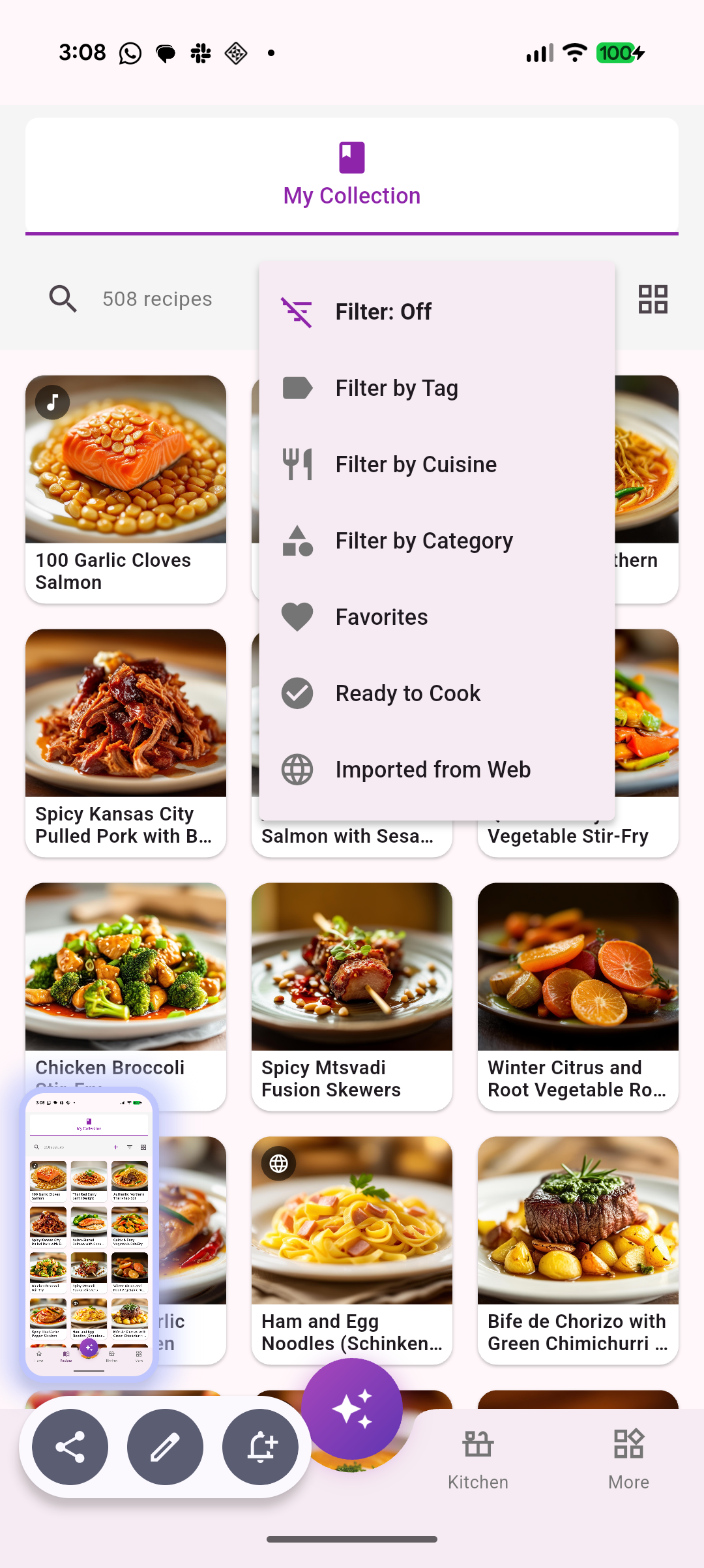
recipe card view
-
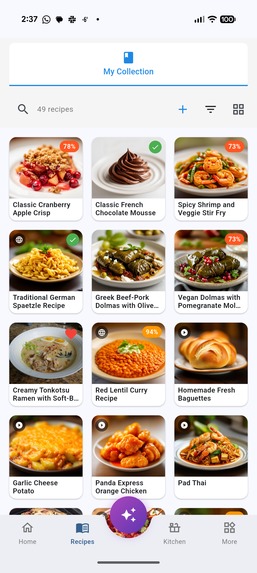
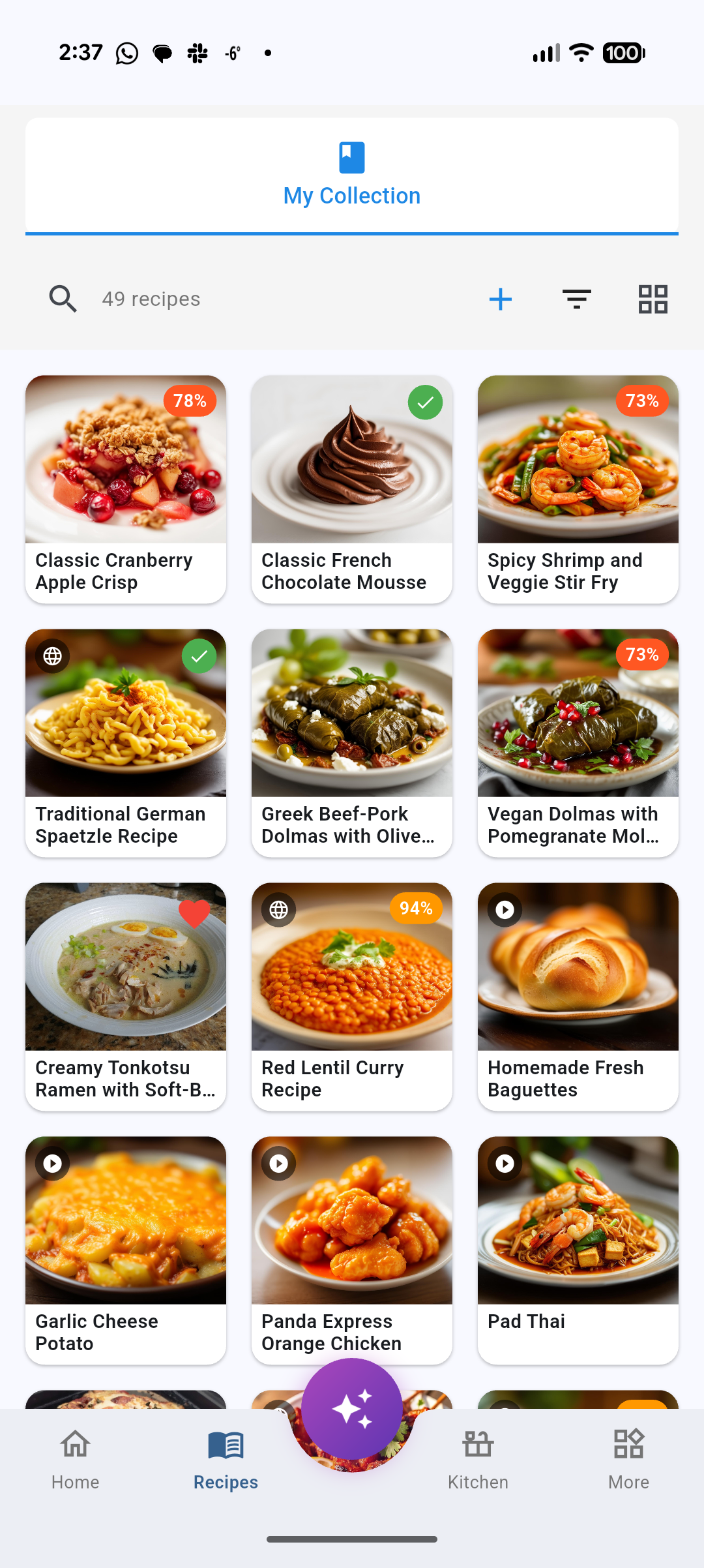
recipe grid view
-
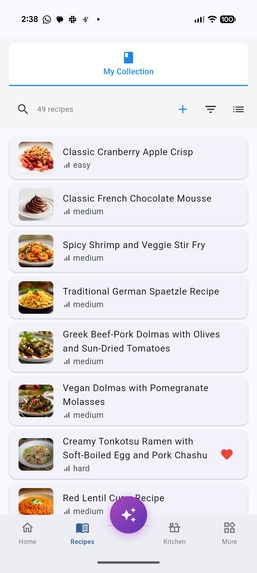
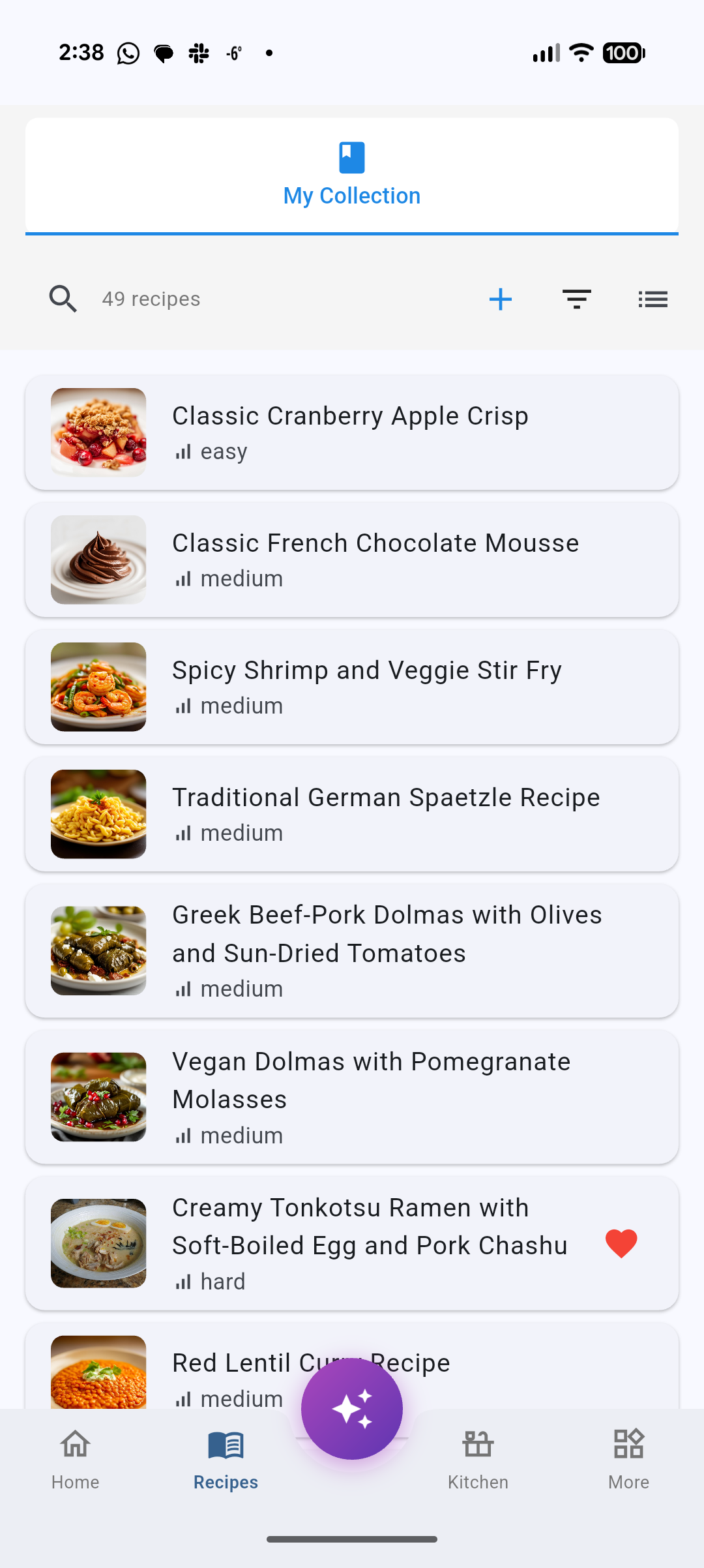
recipe list view
-
-
-
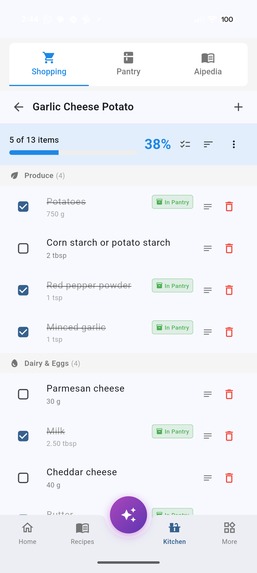
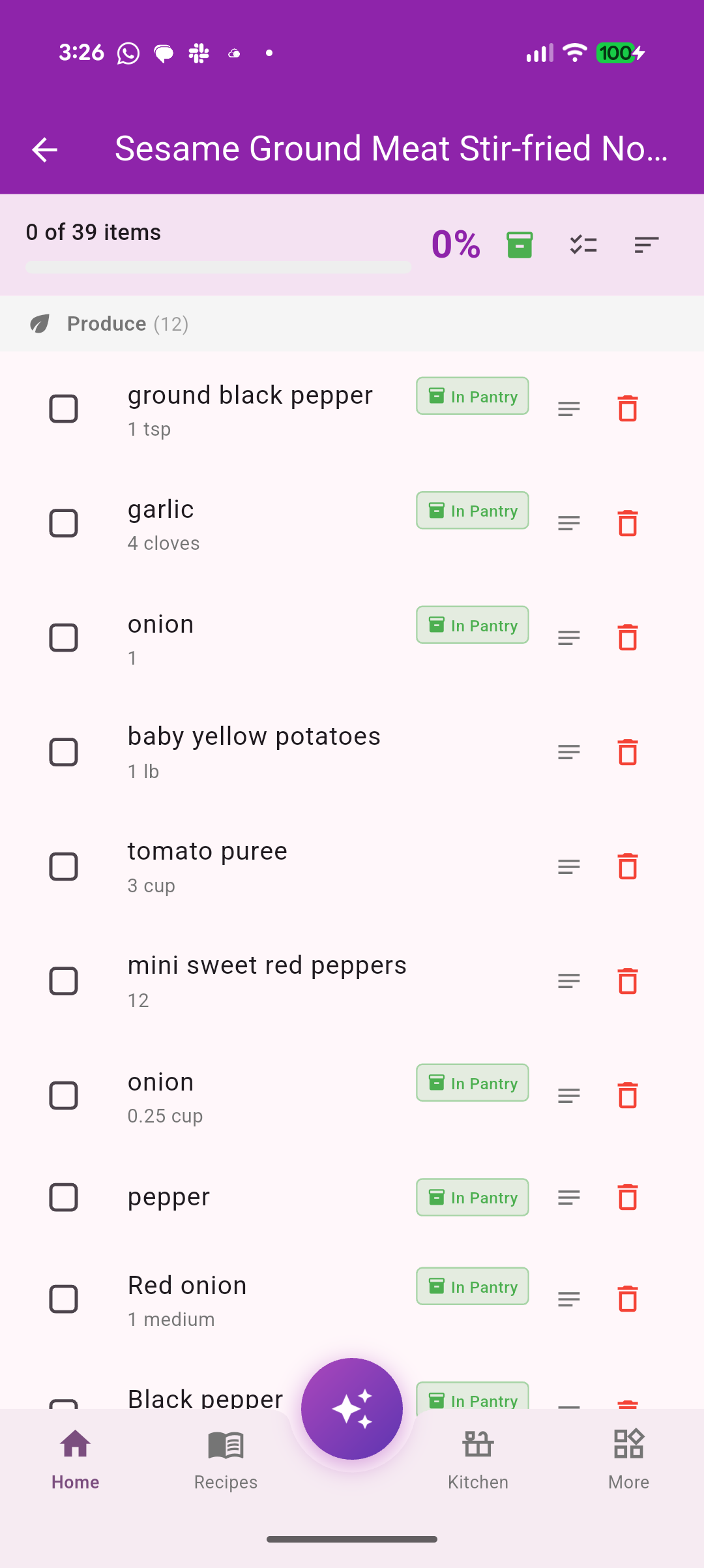
shopping list generated from a recipe
-
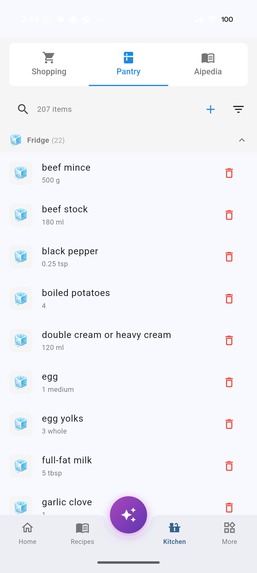
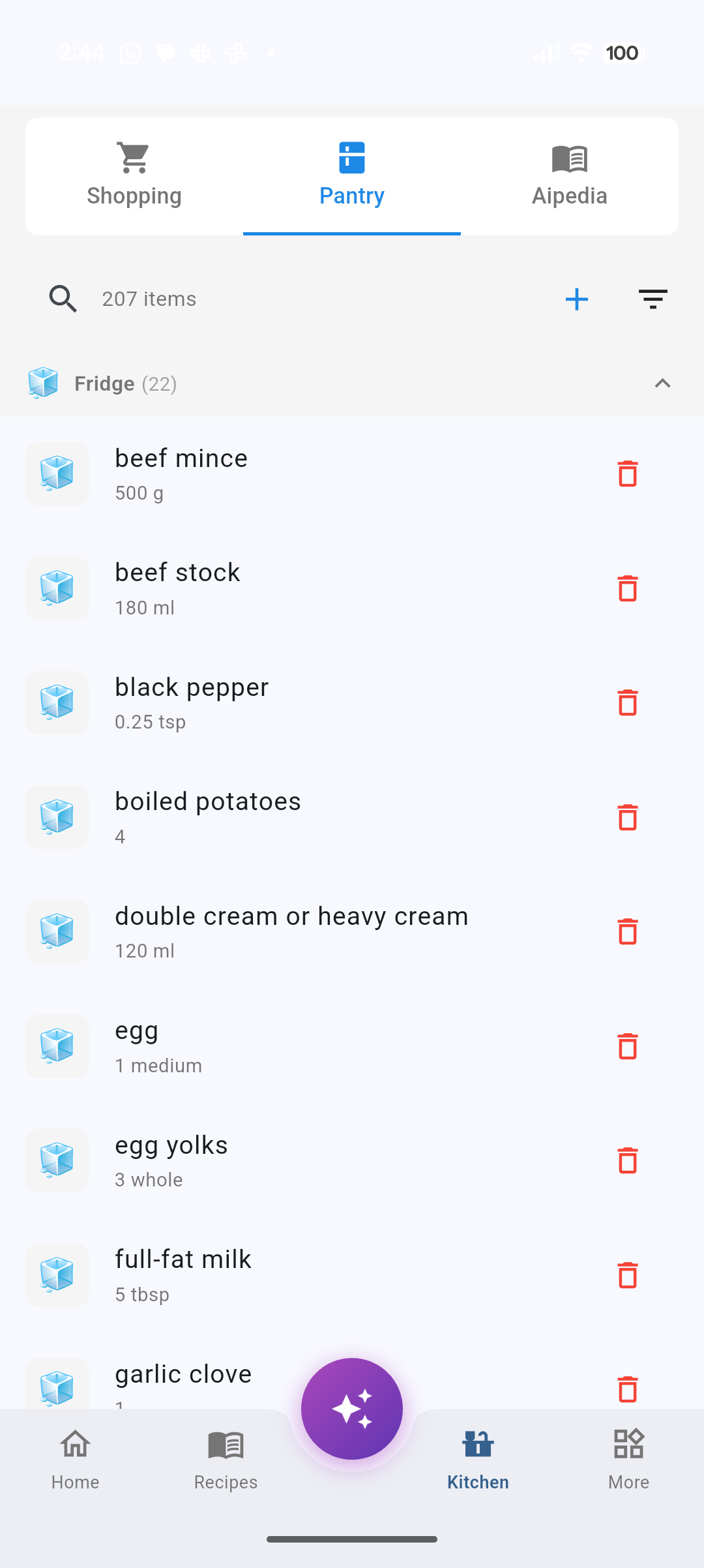
panty items
-
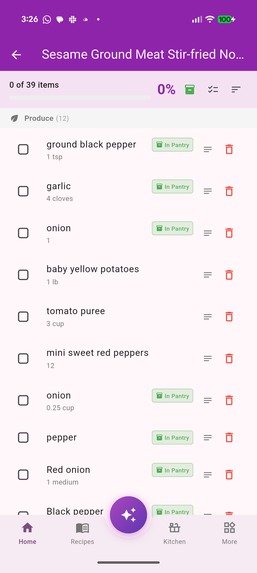
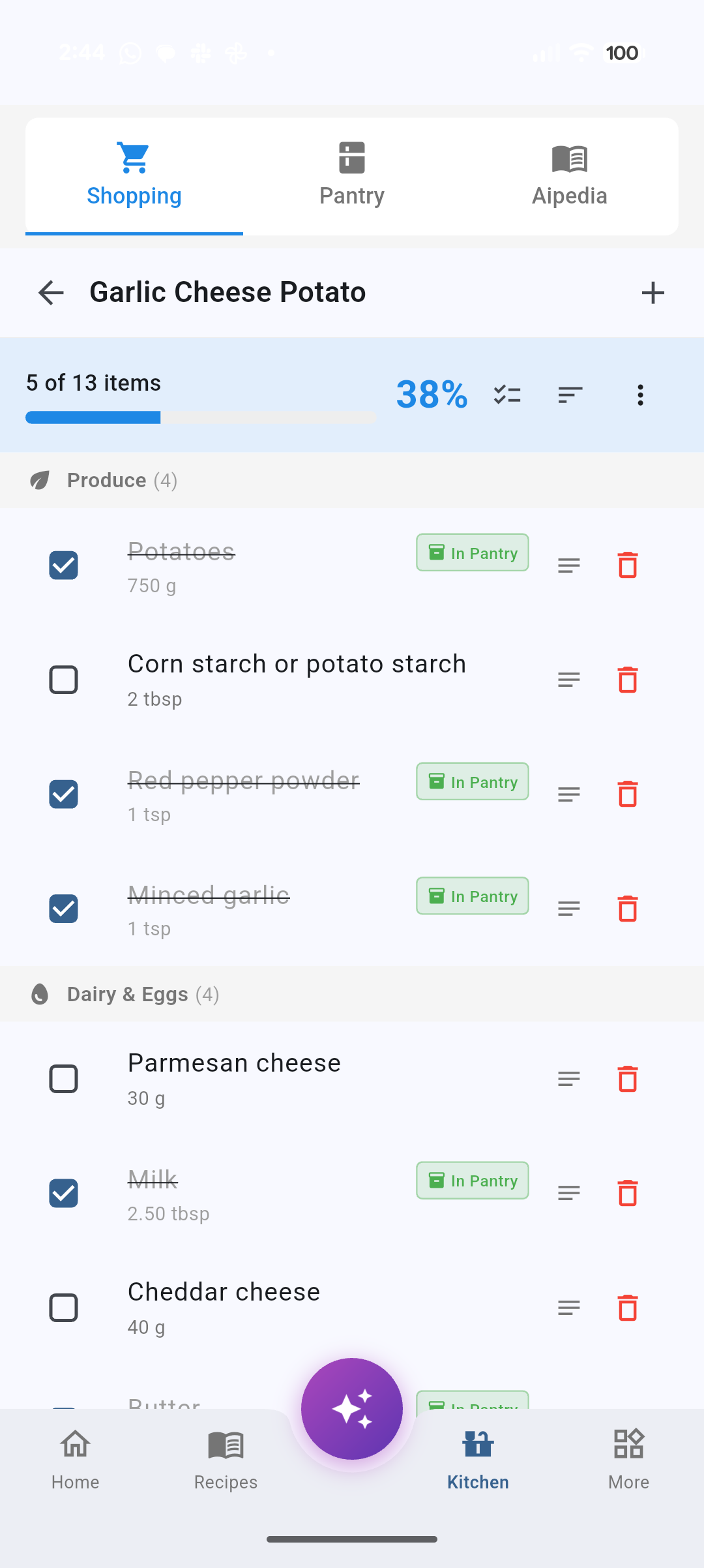
shopping list
-
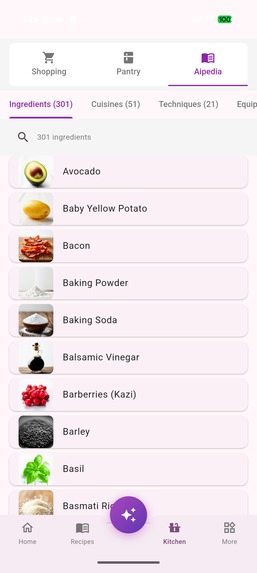
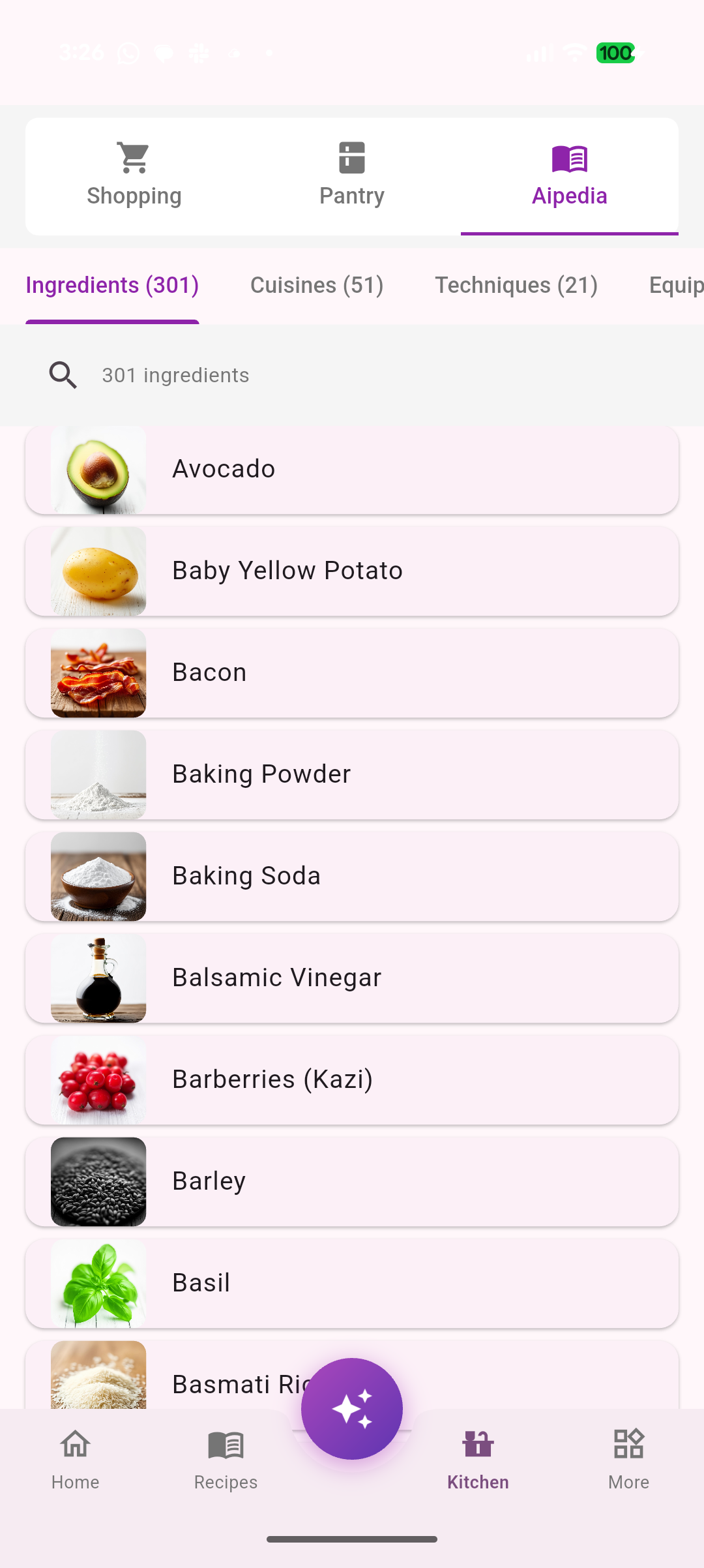
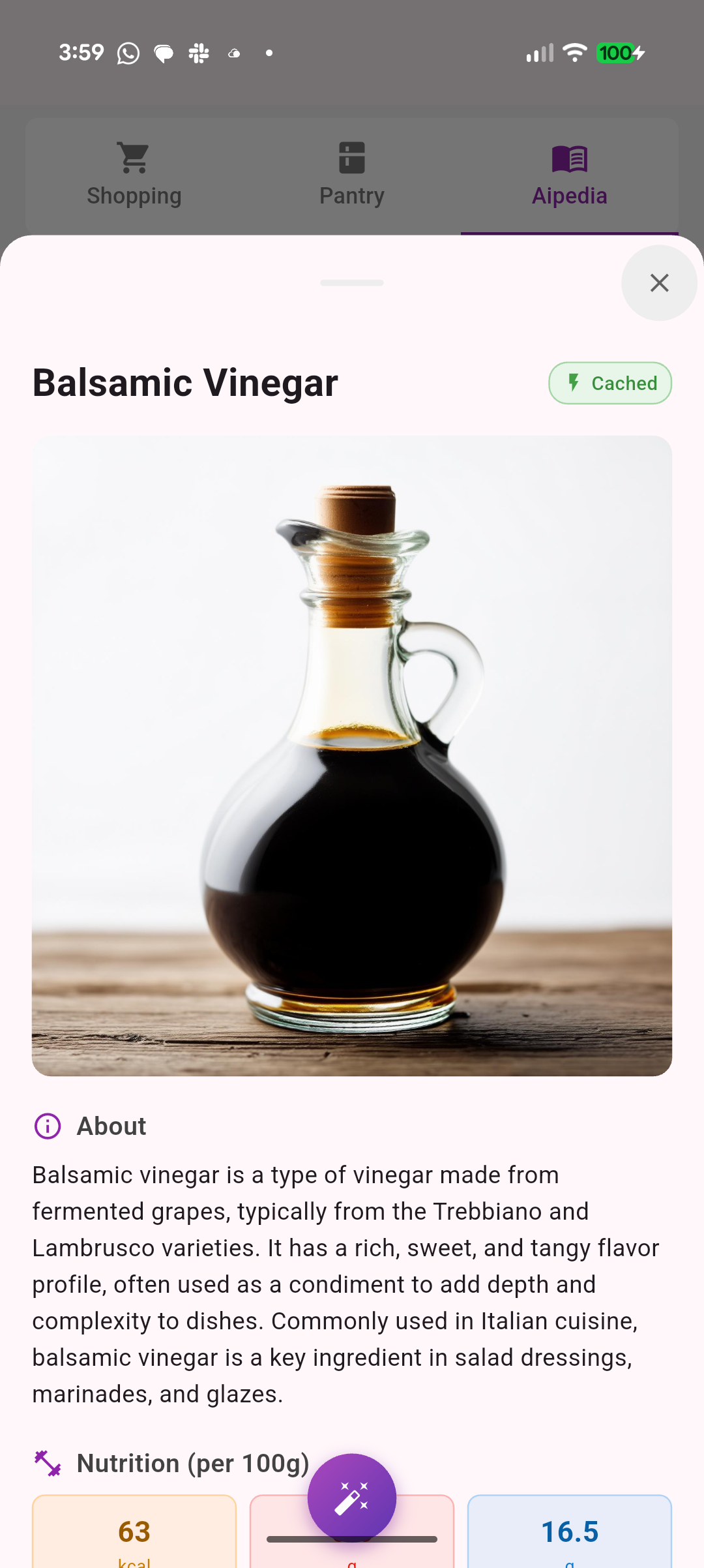
ingredients aipedia
-
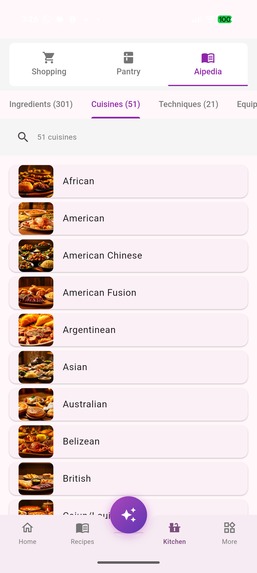
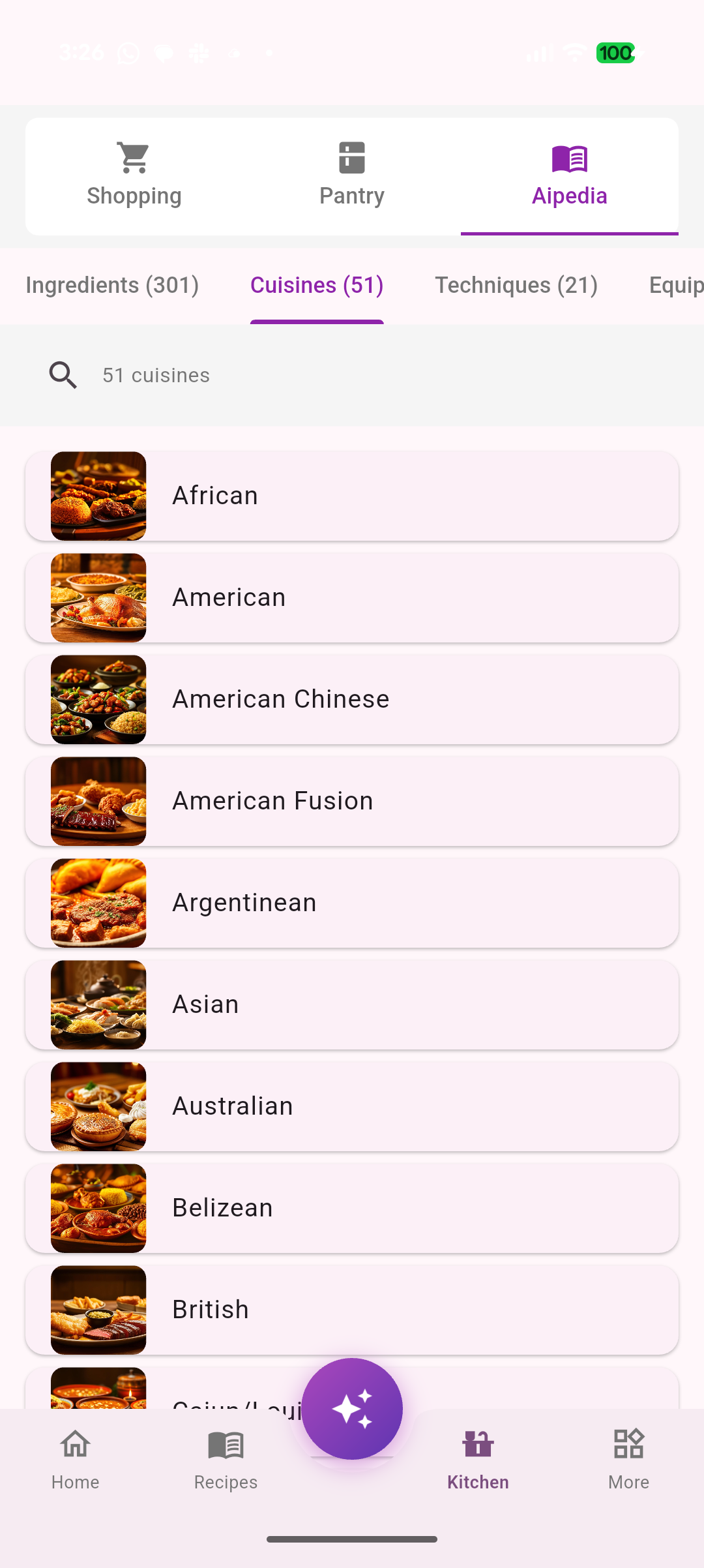
cuisines aipedia
-
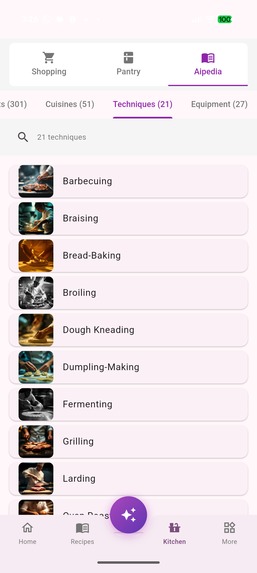
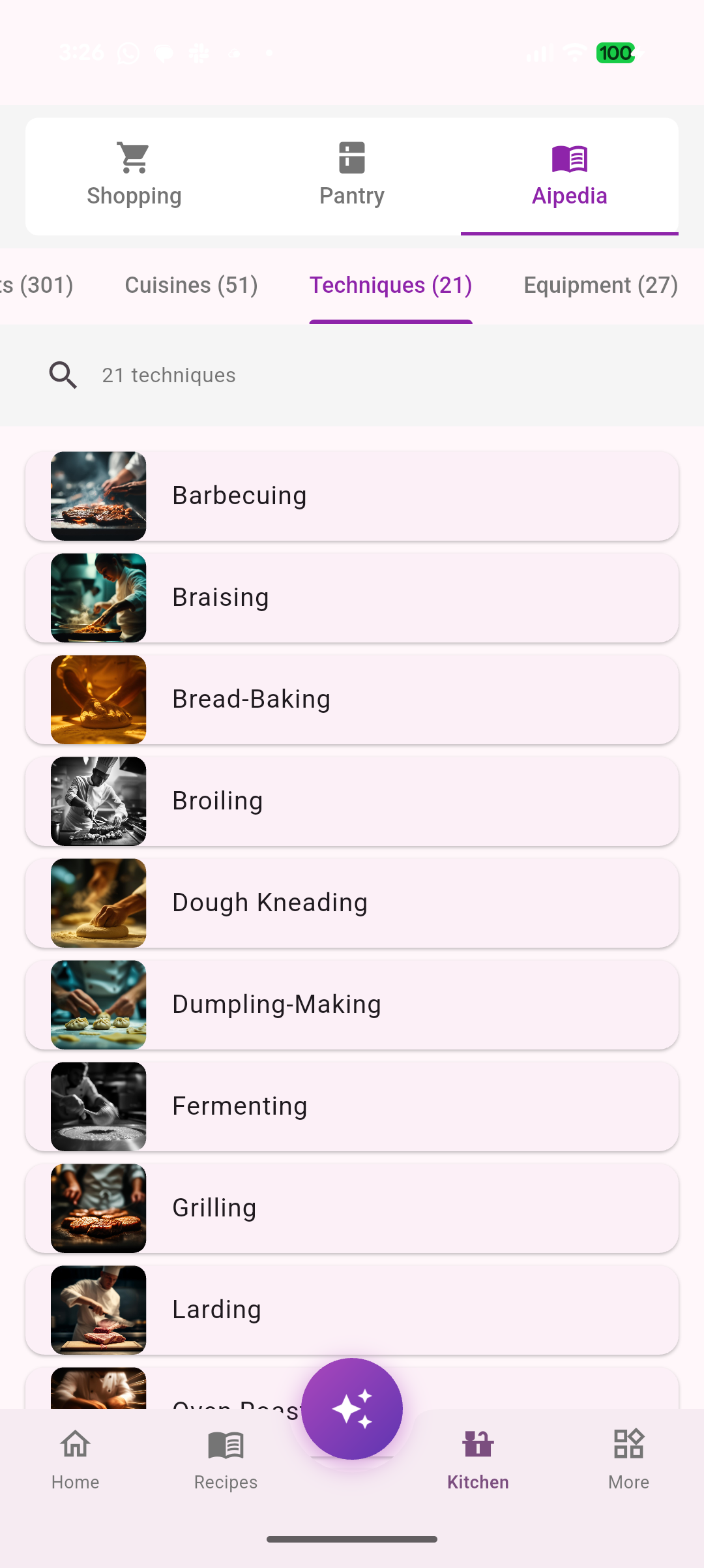
techniques aipedia
-
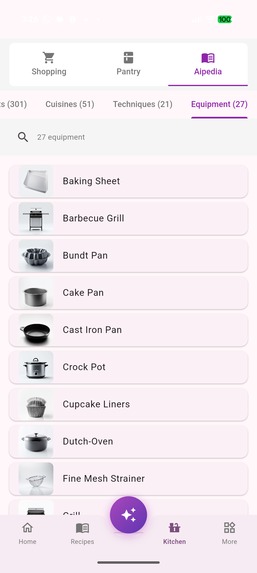
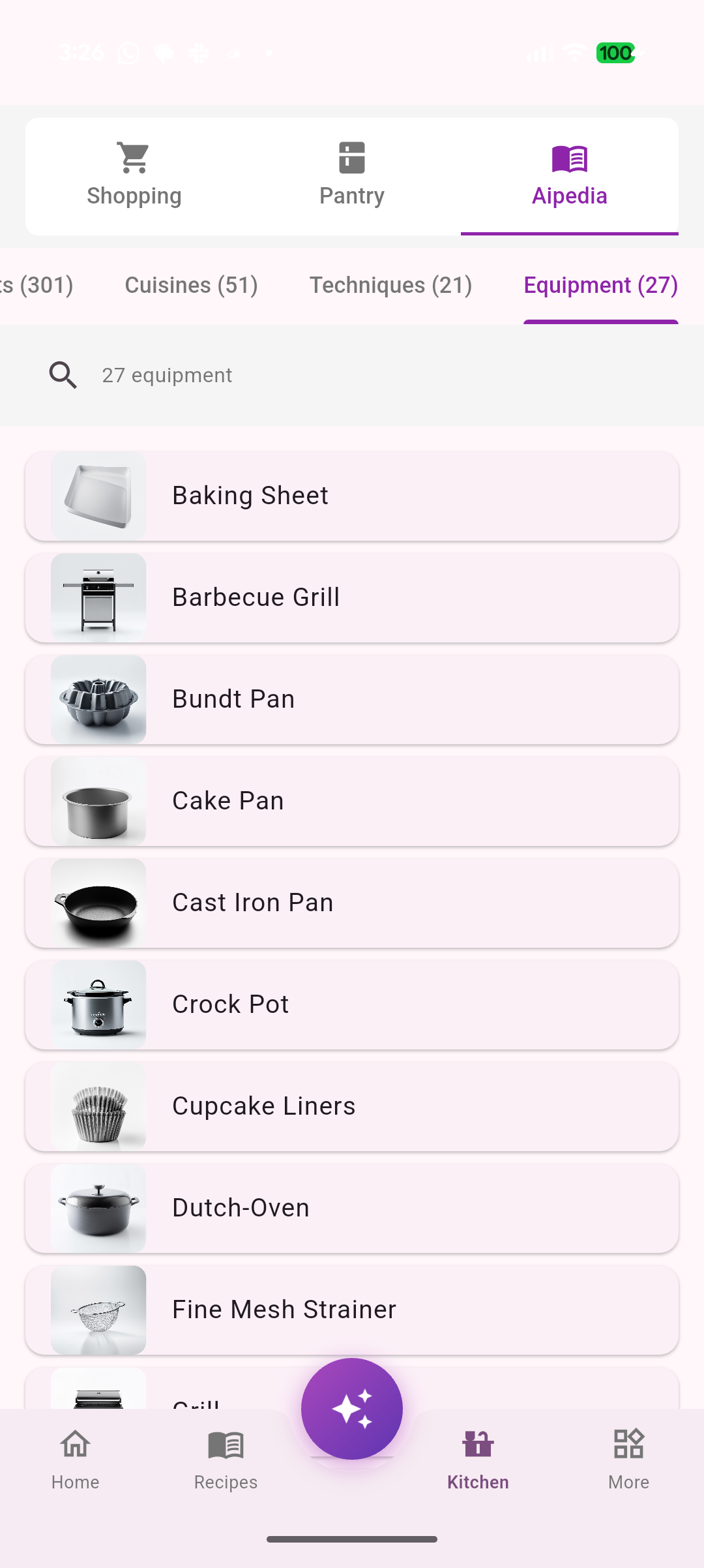
equipment aipedia
-
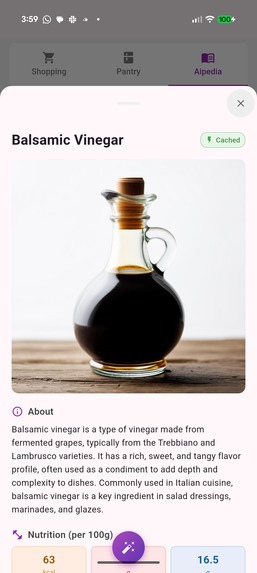
ingredient info
-
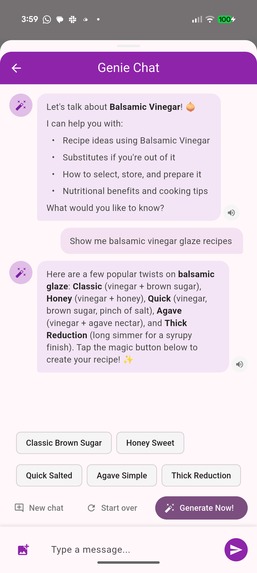
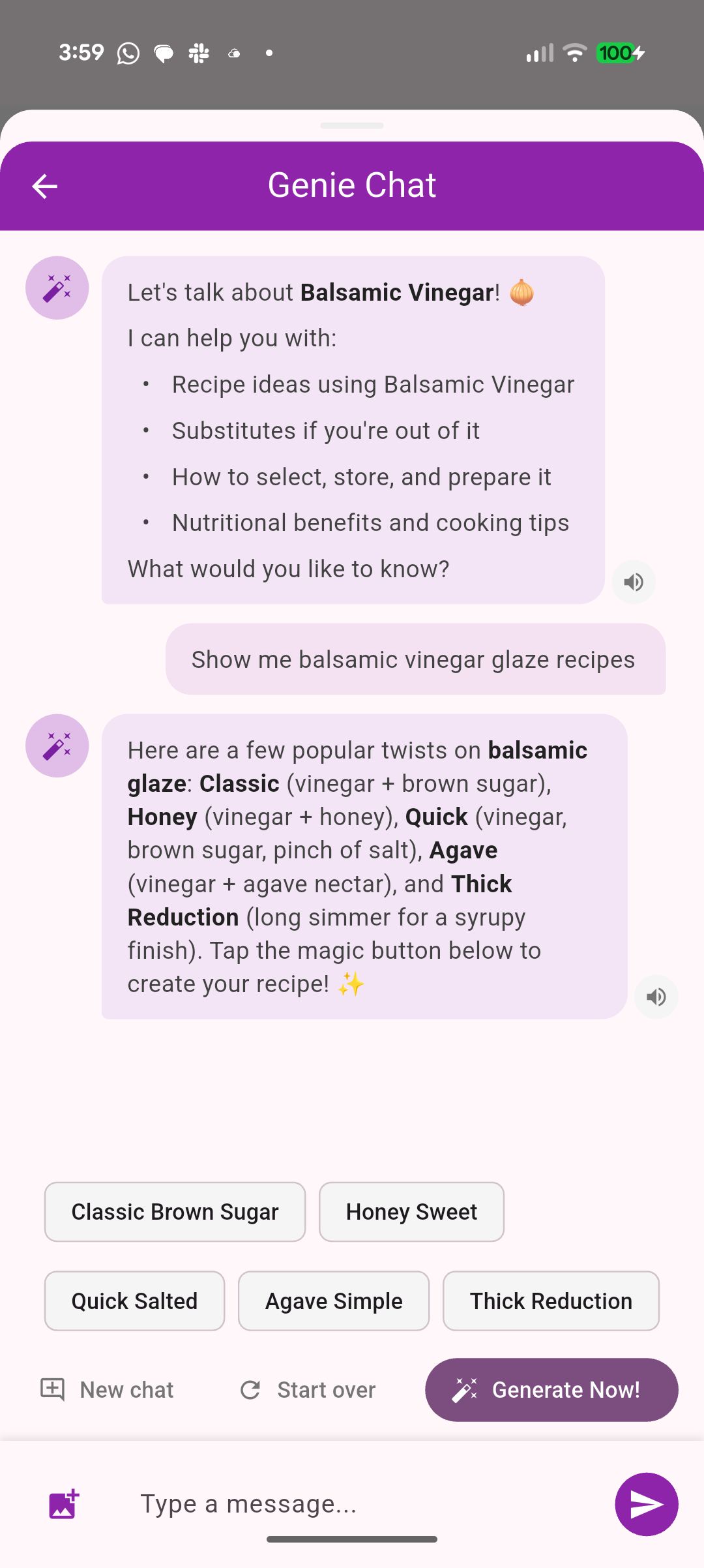
chat from ingredient
-
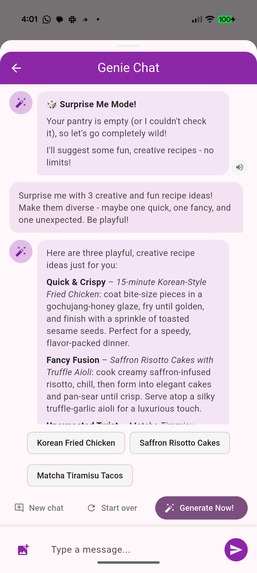
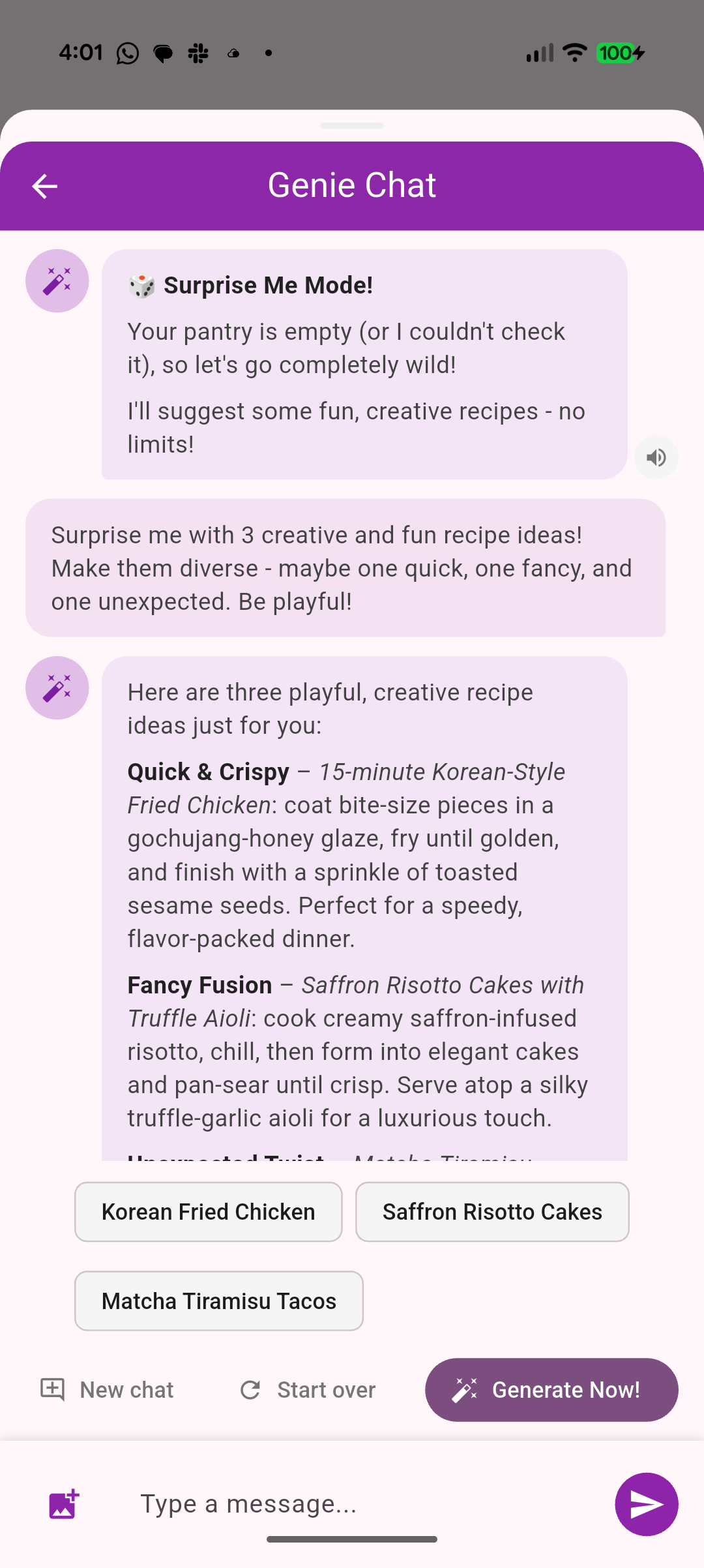
surprise me chat
-
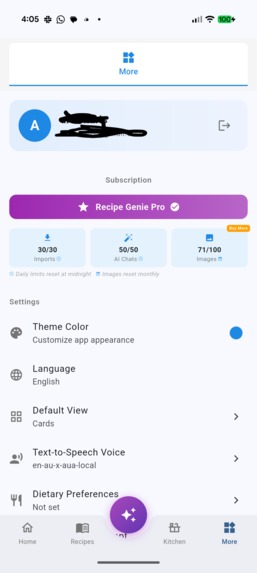
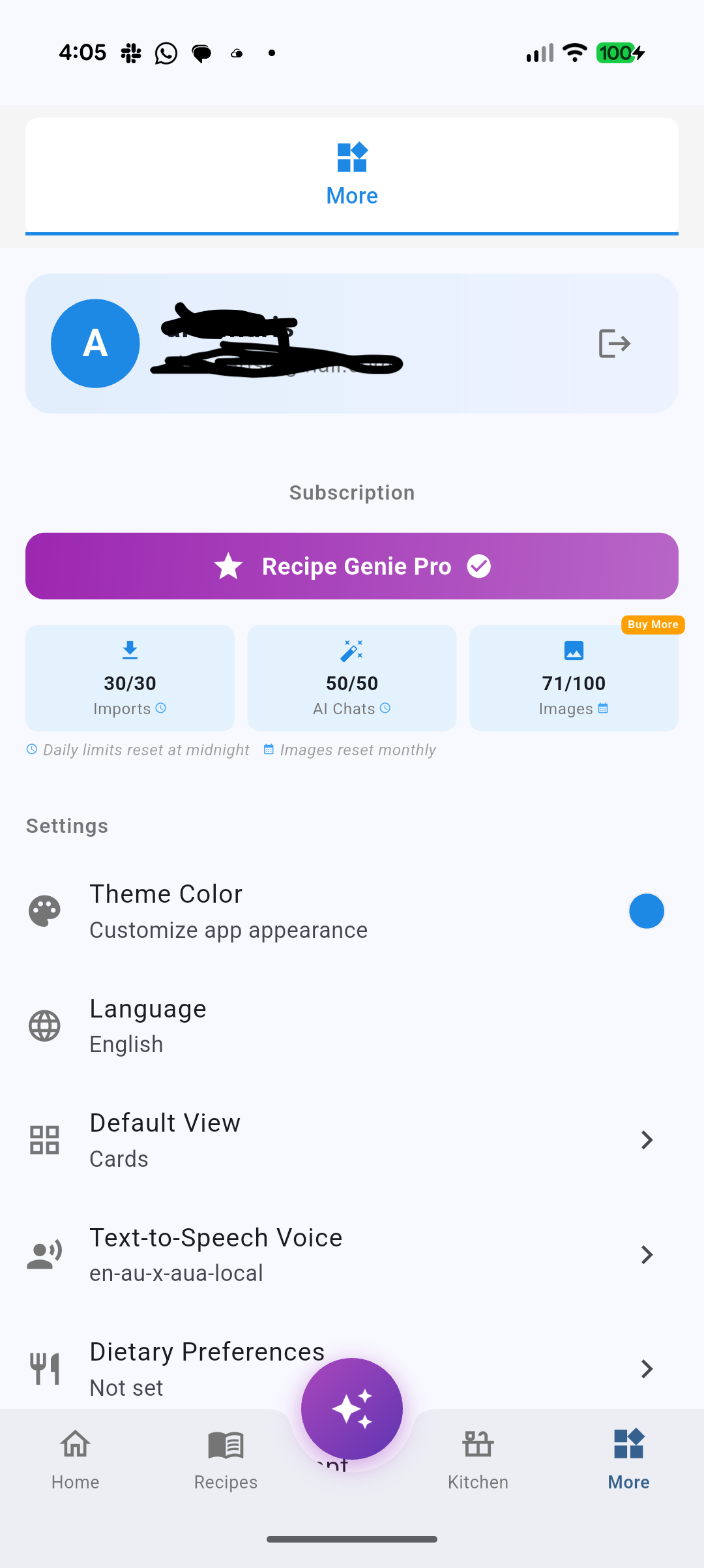
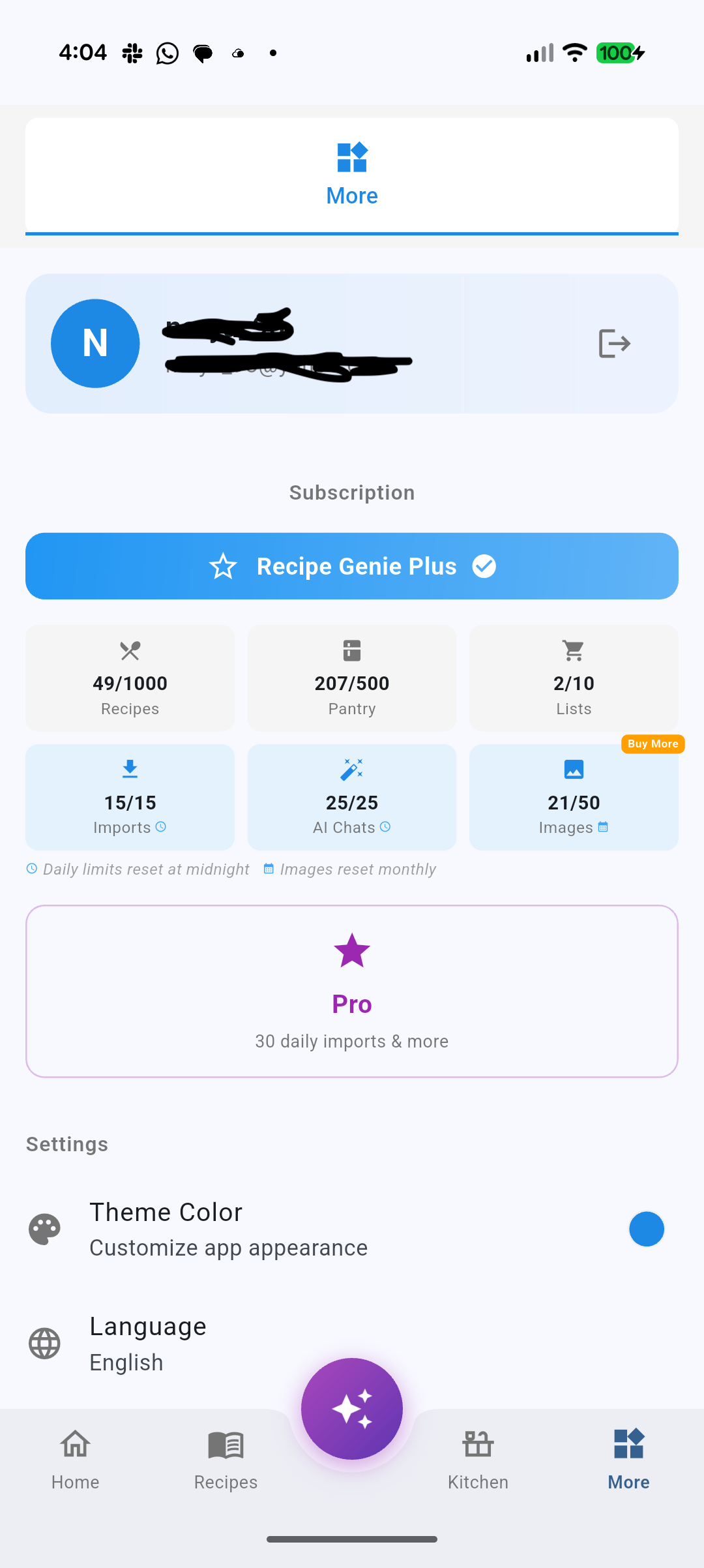
prod tier
-
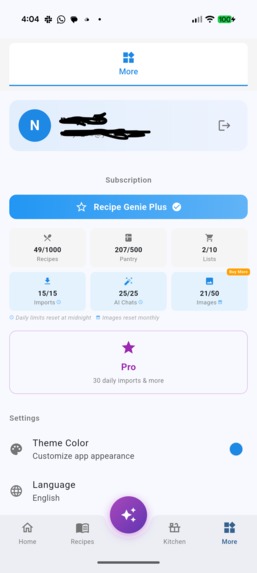
plus tier
-
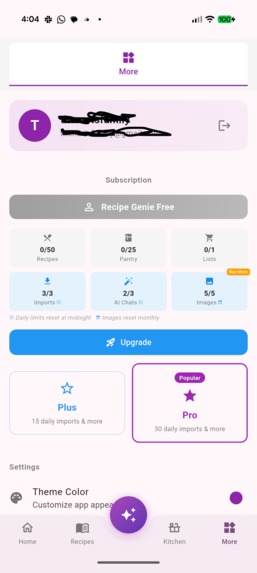
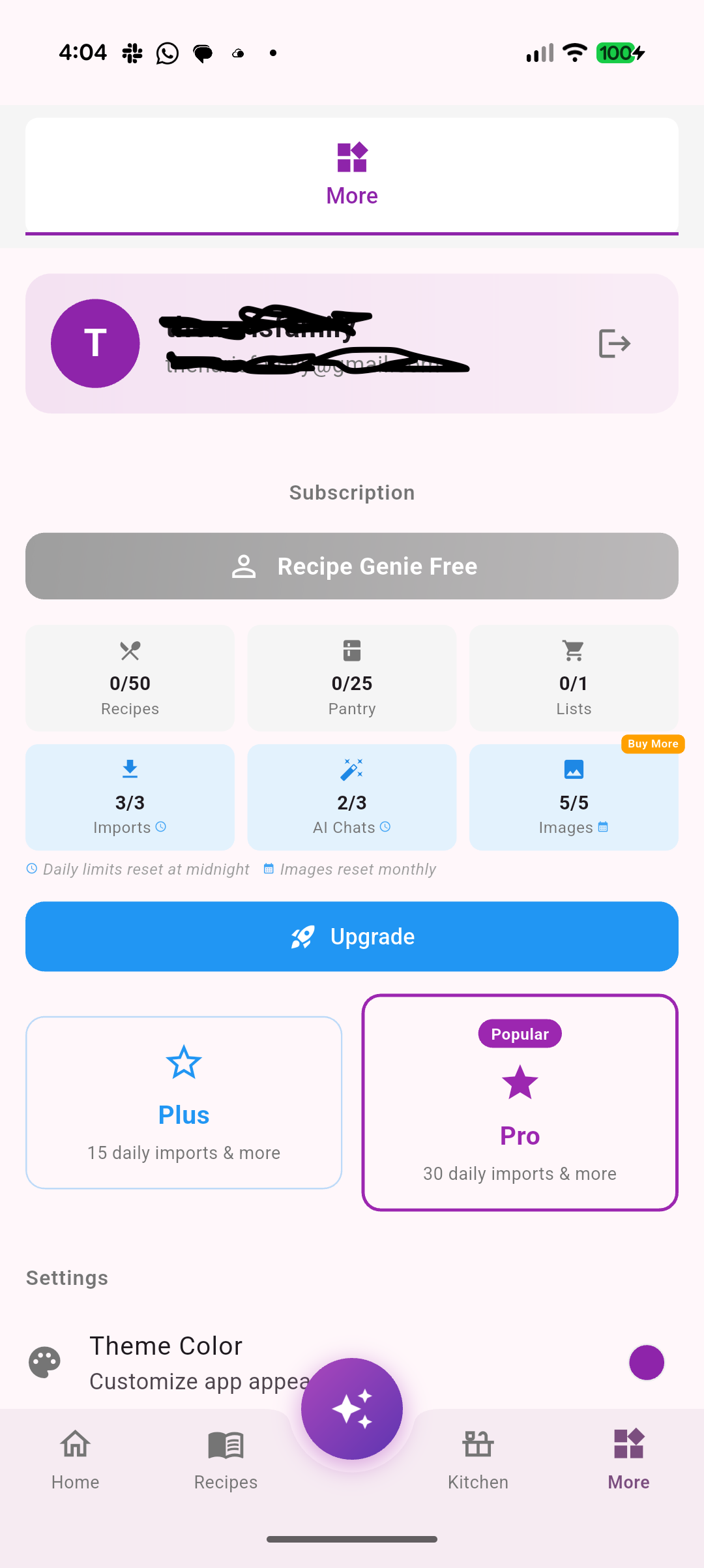
free tier
Inspiration
Eitan's brief resonated with me immediately: "help me create an app that turns saved recipes and food videos into real meals by organizing ideas and generating smart grocery lists." I'd been living that exact frustration — not just with online recipes, but with my own. I had no good way to save the dishes I'd been making for years. Despite dozens of recipe apps out there, none of them truly fit — something that could grab a recipe from a TikTok, a food blog, a handwritten card, or just from my head, and turn it into an organized, cookable meal with a shopping list ready to go. With over 20 years of IT experience, an absolute fascination with AI, and a recent urge to get into mobile apps, Eitan's brief and Recipe Genie was the calling!
What it does
What doesn't it do? Even at this stage, it's a full-scale recipe collector and encyclopedia — it does it all.
With at least 6 ways to add recipes, My Recipe Genie lets users share a link directly from any app (browser, Instagram, TikTok, YouTube), share a cooking video, snap a photo of a dish, scan a cookbook, a magazine, a handwritten recipe card — anything, chat with an AI chef, or generate from a text description.
Once recipes are in, users get smart shopping lists auto-generated from ingredients, a pantry tracker with camera-based bulk scanning, semantic search ("something spicy with chicken"), and a hands-free cooking mode with step-by-step voice guidance. Every ingredient is tappable — tap one and dive into Aipedia, an AI-generated encyclopedia with nutritional info, substitutions, and tips. From any Aipedia page, hit the magic button to start an AI chat and generate a recipe based on that ingredient.
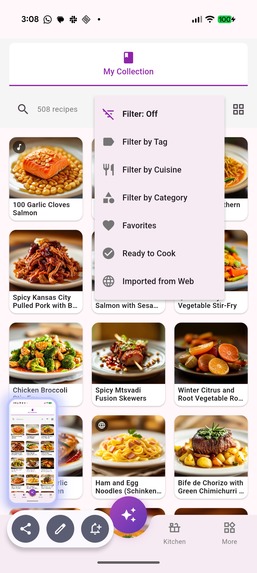
The pantry and shopping list work together: check off shopping list items to add them to your pantry, and recipes whose ingredients you already have are automatically marked as ready to cook — surfaced in a dedicated section on the home page and flagged in the recipe tab.
Free users can explore with daily limits. Subscribers unlock higher quotas, more storage, and premium features — all powered by RevenueCat with three tiers (Free / Plus / Pro), consumable credit packs for AI image generation, and server-side subscription verification
How we built it
The app is built with Flutter (Android + iOS) talking to a FastAPI backend on Google Kubernetes Engine. Remarkably, over 90% of the code is AI-generated — built collaboratively with Claude Code as a true development partner.
Recipe analysis, chat, and generation use Claude Haiku 4.5 (Anthropic). AI recipe images are generated with Luma Photon. Semantic search runs on a self-hosted MiniLM-L6-v2 embedding model with pgvector — zero external API calls for search.
Long-running AI tasks (scraping, video extraction, image generation) are dispatched via Celery to KEDA-autoscaled workers. A dedicated Playwright browser worker scales from zero to handle bot-protected sites. Everything is non-blocking — the app polls for results.
RevenueCat handles subscriptions and consumables end-to-end. Subscription status is verified server-side via webhooks — the backend is the single source of truth, not the client. Tier limits live in the database and can be tuned without rebuilding the app. Pricing is pulled dynamically from RevenueCat offerings with nothing hardcoded.
Challenges we ran into
Web and video scraping was a constant battle. Every food site has different markup, and many are behind bot protection (Cloudflare, Akamai). We built a two-tier system: fast curl-based scraping first, falling back to a headless Playwright browser that scales from zero only when needed. Video extraction was even harder — getting consistent structured recipes from silent TikToks, 30-minute YouTube tutorials, and Instagram Reels with no captions required extensive prompt engineering and fallback chains.
Keeping costs under control while running AI-powered features for every user was a real challenge. KEDA autoscaling, scale-to-zero workers, self-hosted embeddings instead of API-based ones, and aggressive caching were all essential to making the economics work.
Working with AI as a development partner was its own kind of challenge. AI is incredible at generating code fast, but keeping it in check is a full-time job — making sure the code stays DRY, secure, and architecturally sound, catching when it forgets context and starts duplicating logic or reinventing patterns that already exist. Over 90% AI-generated doesn't mean 90% unsupervised. It means constant review, course correction, and knowing when to push back. The productivity gains are real, but so is the discipline required to keep the codebase and infrastructure clean.
The biggest challenge was the stores. Getting approved on Google Play and the App Store, setting up subscriptions, configuring products, base plans, offers, entitlements, and offerings across both platforms — and then wiring it all together with RevenueCat webhooks for server-side verification. Getting the pricing model right, handling edge cases like consumable credit packs with webhook deduplication, and making sure a user's subscription status stays consistent between the client and server — that alone took more effort than most features combined.
What we learned
First, we learned a whole lot more about food — ingredients, techniques, cuisines — just from building and testing the app. The Aipedia feature alone was an education. It's hard to build a food encyclopedia without becoming a better cook along the way.
But the biggest takeaway was the end-to-end journey of building a mobile app and taking it all the way to the store. Writing code is one thing. Getting through app review, configuring Google Play and App Store subscriptions, setting up RevenueCat entitlements and offerings, wiring up server-side webhook verification, handling consumable purchases, testing sandbox payments — that's a whole different skill set. The gap between "working app" and "published app with payments" is enormous, and crossing it was the most valuable part of this project.
What's next for The Recipe Genie
Maybe under a different name, but Recipe Genie will live. The idea waterfall isn't stopping any time soon — there's a roadmap for a bunch of features including community recipes, a rewards system, cooking challenges, and games to keep users engaged and coming back. This isn't a hackathon project that gets abandoned after the deadline. It's an app I built because I needed it, I fully believe in it, and I'll keep building it.
Built With
- anthropic
- celery
- claude
- dart
- fastapi
- flutter
- gcs
- gke
- luma
- minilm-l6-v2
- openai
- pgvector
- postgresql
- python
- redis

Log in or sign up for Devpost to join the conversation.