Inspiration
I’ve always been fascinated by the Pyramids — not just as monuments, but as symbols of human ambition and engineering genius. Every time I read about them, I’m reminded of how much we still don’t know.
When I started exploring AI filmmaking, I thought it would be interesting to see how modern technology could help retell something so ancient. That idea slowly turned into The Pyramid Code: a short documentary that blends history, curiosity, and AI-powered creativity.
What it does
The Pyramid Code is a compact documentary that explores the mysteries and engineering behind the Pyramids. It features:
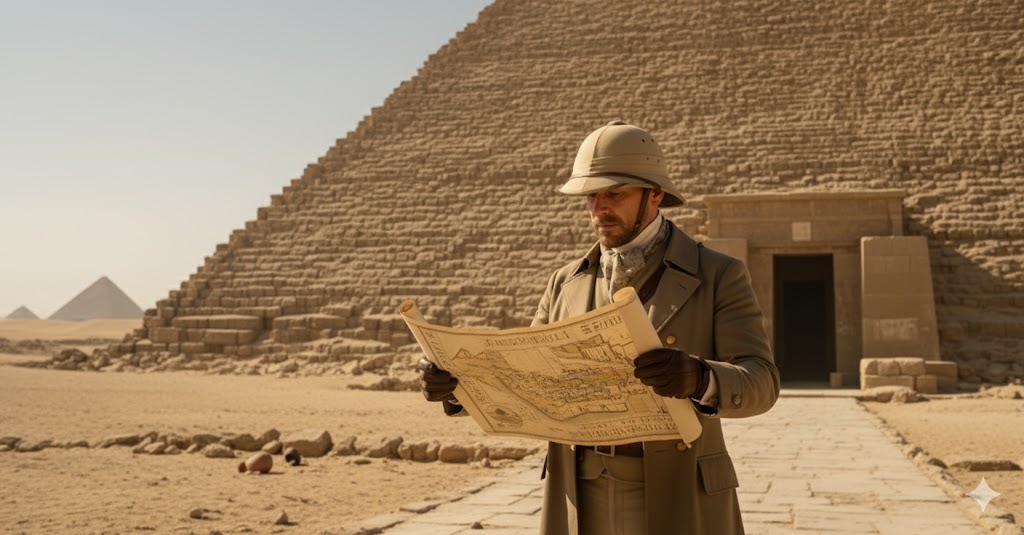
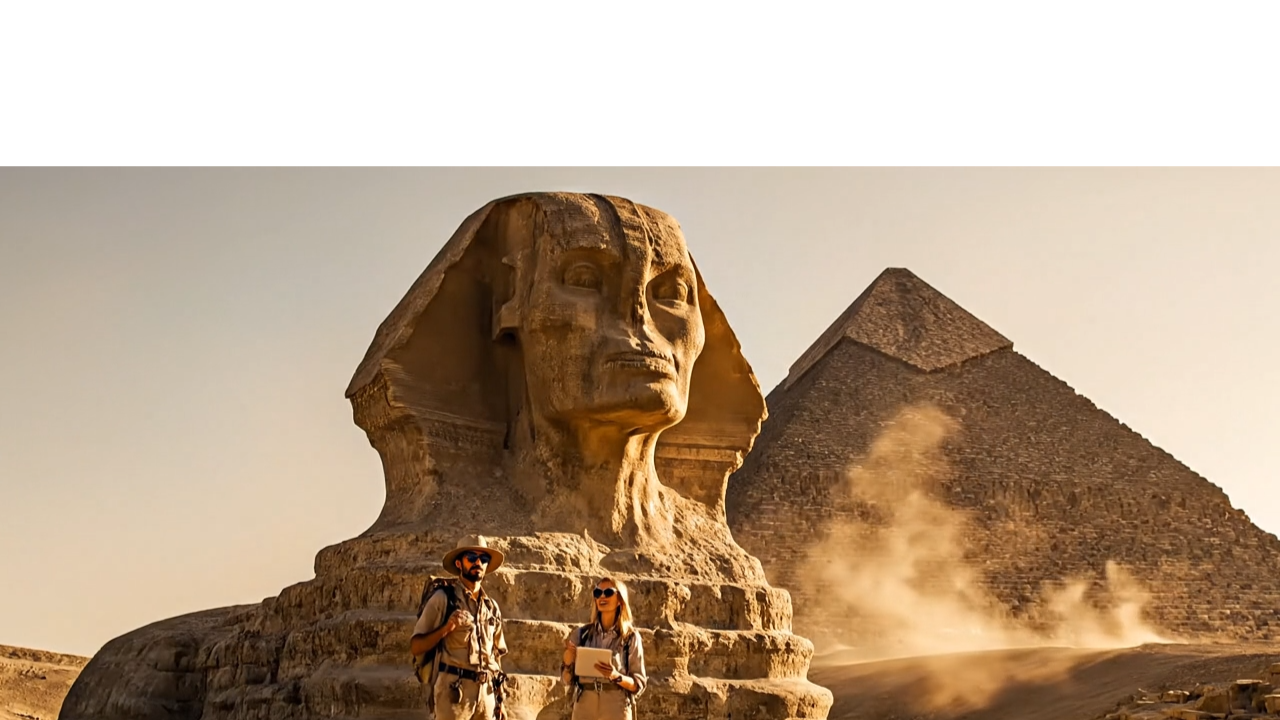
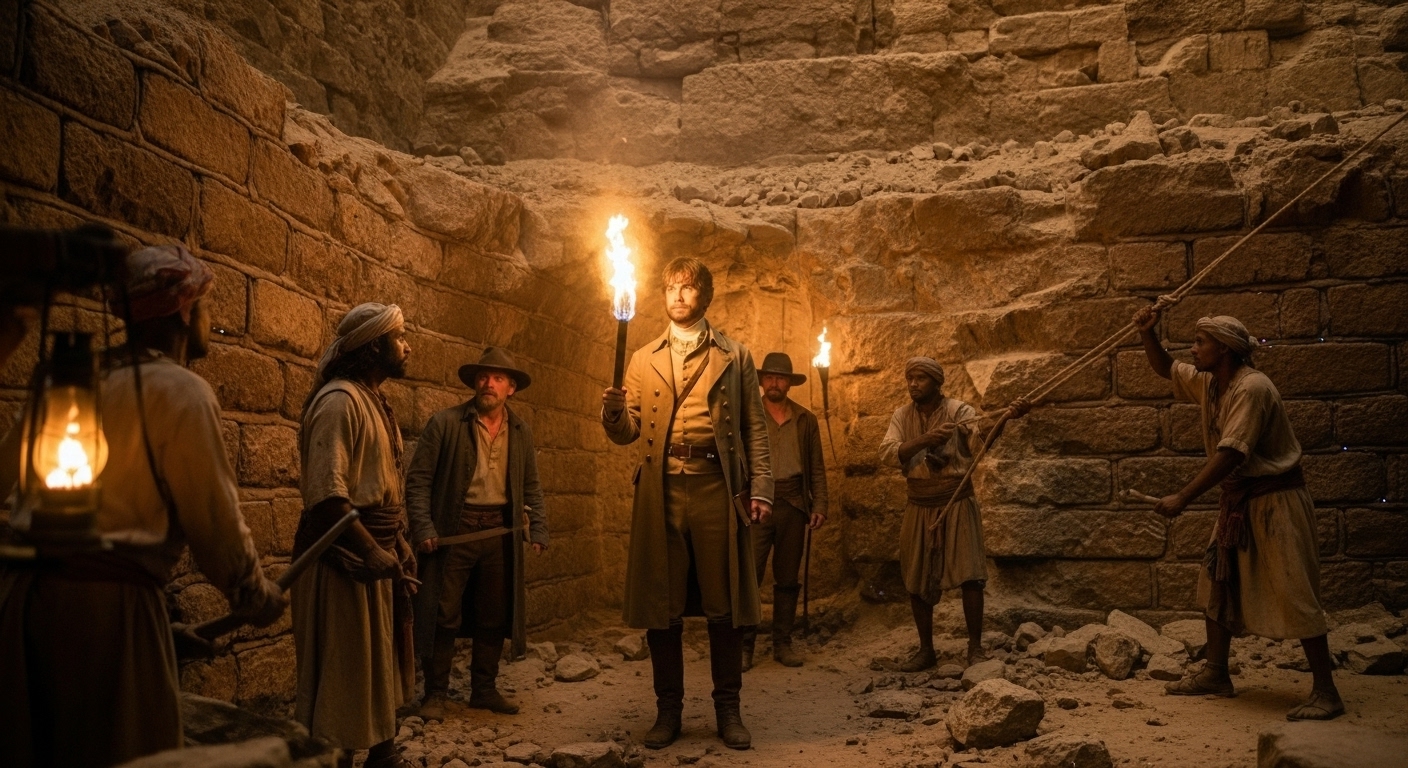
Simple, easy-to-follow explanations -AI-generated scenes showing possible construction methods -A smooth, documentary-style narration -A blend of history, speculation, and visuals
The goal was to make something informative, visually interesting, and enjoyable — even for viewers who aren’t familiar with ancient Egypt.
How I built it
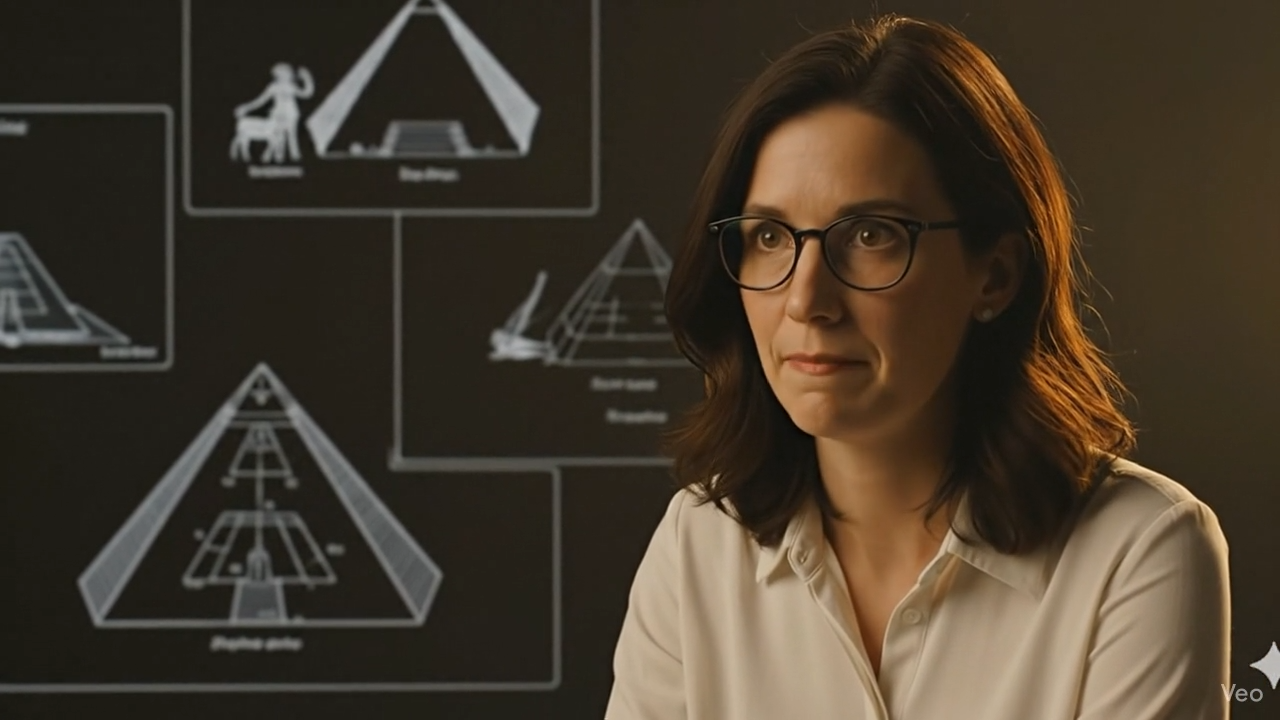
My workflow for this documentary ended up being a mix of different AI tools: -I used Perplexity (Gemini) to gather structured research and verify lesser-known facts. -Whisk AI generated all the initial scenes for the documentary. -During editing, I realized many clips didn’t sync well with the voiceover, so I had to recreate several starting frames to make the timing feel natural. -To make the documentary feel more lifelike, I created AI historian characters who appear on screen and give context. -For visuals and extra cinematic shots, I used Veo and LTX Studio. -ElevenLabs handled the narration, character voices, and sound effects.
It was a layered, back-and-forth process — generate, edit, fix timing, regenerate — until everything felt smooth.
Challenges we ran into
A few challenges stood out during the process: -Many Whisk AI clips looked great individually but didn’t match the exact pacing of the voiceover. -I had to rebuild several frames and openings to avoid jump cuts. -Keeping the historian characters visually consistent took multiple tries. -Matching the tone of the documentary with the right sound design was harder than expected. -Some shots from Veo and LTX Studio had lighting inconsistencies, so I had to carefully choose and blend them.
- *Because the topic is historical, I had to be extra careful. AI models often added details that weren’t accurate or generated visuals that didn’t fit the actual history. Getting believable pyramid interiors, stones, and ancient settings took a lot of trial and error. * -Sometimes the AI would drift into fantasy-like interpretations, so I had to regenerate scenes multiple times until they felt grounded and realistic.
These issues slowed me down, but they also helped me refine my workflow a lot.
Accomplishments that I'm proud of
I’m proud that I managed to: -Create a full documentary from scratch using only AI tools -Present lesser-known pyramid facts in a clean and engaging format -Blend research, visuals, and narration into a cohesive film -Develop realistic AI historian characters to guide the story -Produce a final video that feels smooth and natural despite the challenges
What I learned
This project taught me that AI filmmaking still requires a lot of human decision-making.
I learned how much difference timing makes, how to work around inconsistent frames, and how to use multiple tools together instead of depending on just one. I also gained a better understanding of pacing, scene order, and storytelling — especially in documentary form.
What's next for The Pyramid Code
Going forward, I’d love to expand this into a small series exploring other ancient mysteries, like the Sphinx or lost Egyptian technologies. I also want to experiment with smoother character animations and improved scene continuity using newer video models.
Built With
- elevenlabs
- ltxstudio
- nanobanana
- veo

Log in or sign up for Devpost to join the conversation.