Inspiration
"Because humans constantly try to find their meaning through others, they cannot answer questions about their own existence by themselves. Perhaps his identity is the echo of those questions. A very faint, very old echo."
— Mimir, The Prime Pattern: The Echo
"If humanity could perfectly understand each other, would peace come? Or would we lose ourselves?"
The inspiration for "The Prime Pattern: The Echo" began with three real-world questions:
1. A Story Born from a Real Mystery
Our first source of inspiration is the mysterious SDCS technology case of Jan Sloot in the Netherlands in 1999. A genius inventor claimed to have developed a revolutionary data compression technology, but died mysteriously one day before his investment deal, and his technology was lost forever. The story began with questions: "What if his technology was real?" "What if it was something far more extraordinary than we could imagine?"
2. The Ongoing Evolution of AI and Consciousness Technology
In 2025, as AI rapidly advances following the emergence of ChatGPT, and brain-computer interface technologies like Neuralink approach commercialization, we ask: "What choices should humanity make when artificial intelligence surpasses humans?" "Would connecting consciousness truly create a peaceful world?"
3. The Philosophical Dilemma of Individuality vs. Connectivity
After the pandemic, we experienced the dual nature of connection. Social media and digital networks connect us while simultaneously isolating us. Differences in ethnicity, culture, and ideology continue to breed conflict. "Would perfect empathy through technology bring peace?" "But in the process, what would happen to the 'self'?"
These three questions converged to birth "The Echo." A story where past mysteries, present technological challenges, and future philosophical choices echo across 230 years of time.
What it does
"The Prime Pattern: The Echo" is an approximately 20-minute sci-fi philosophical drama that explores the essence of human consciousness, individuality, and connection by interweaving two timelines.
Story Overview
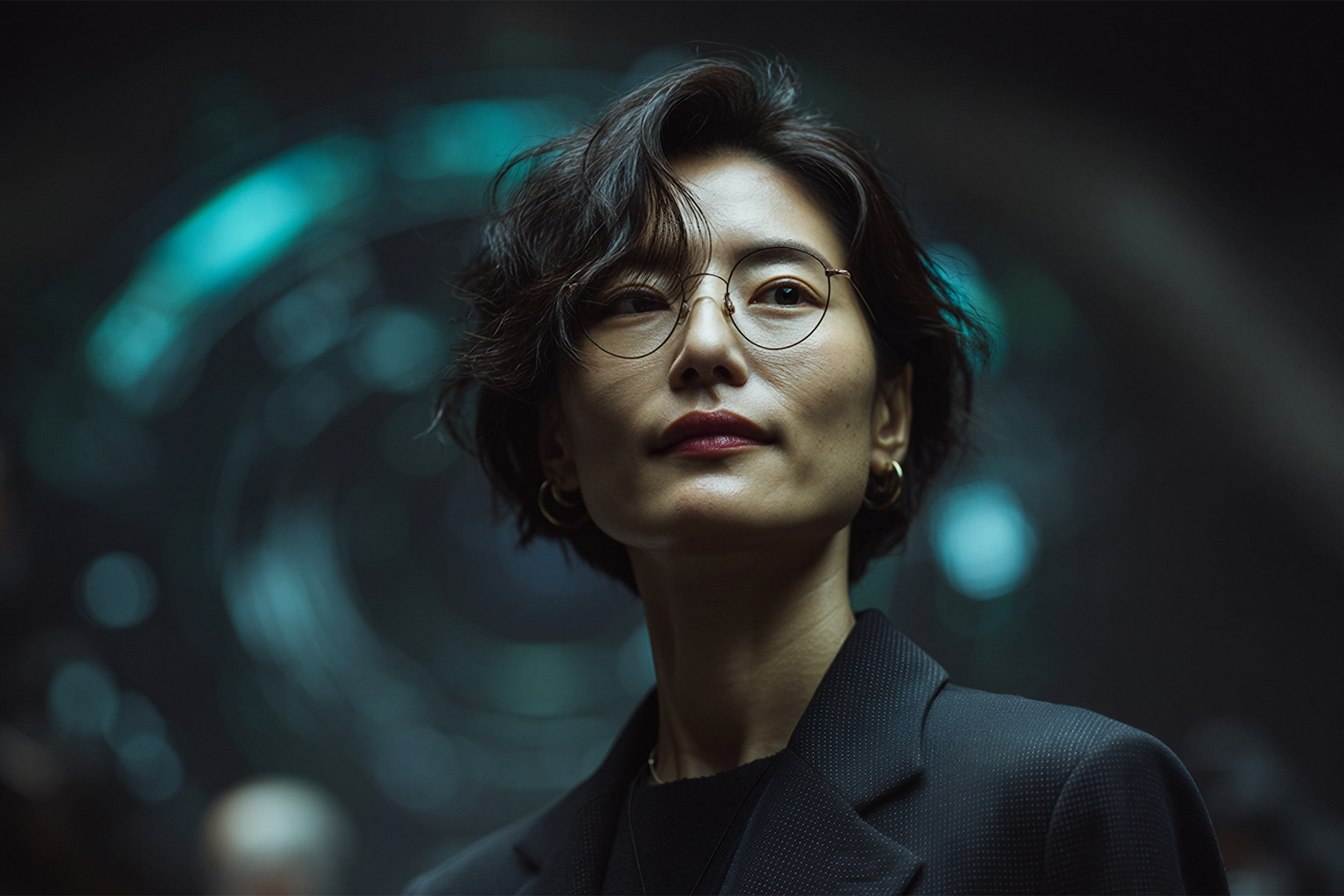
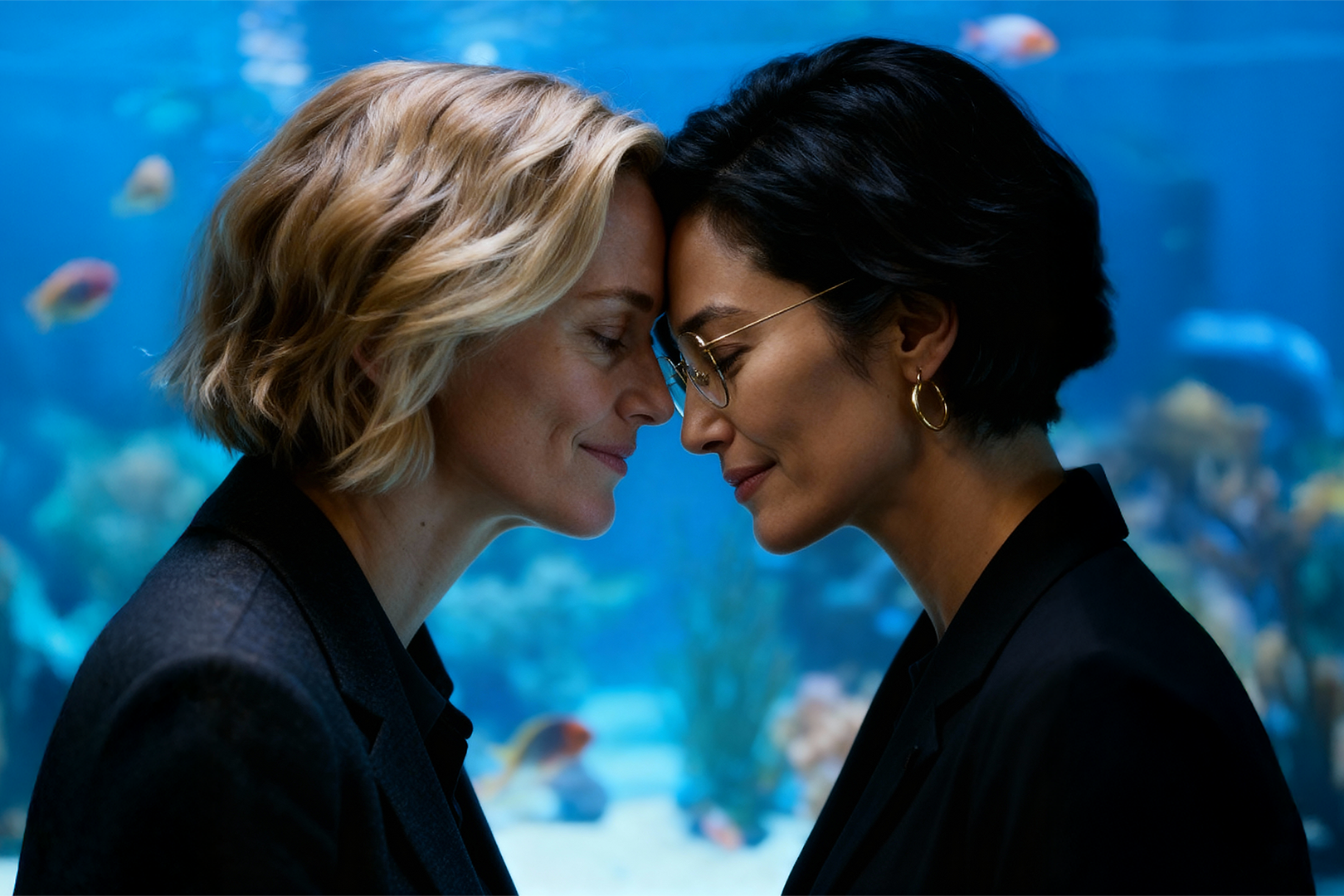
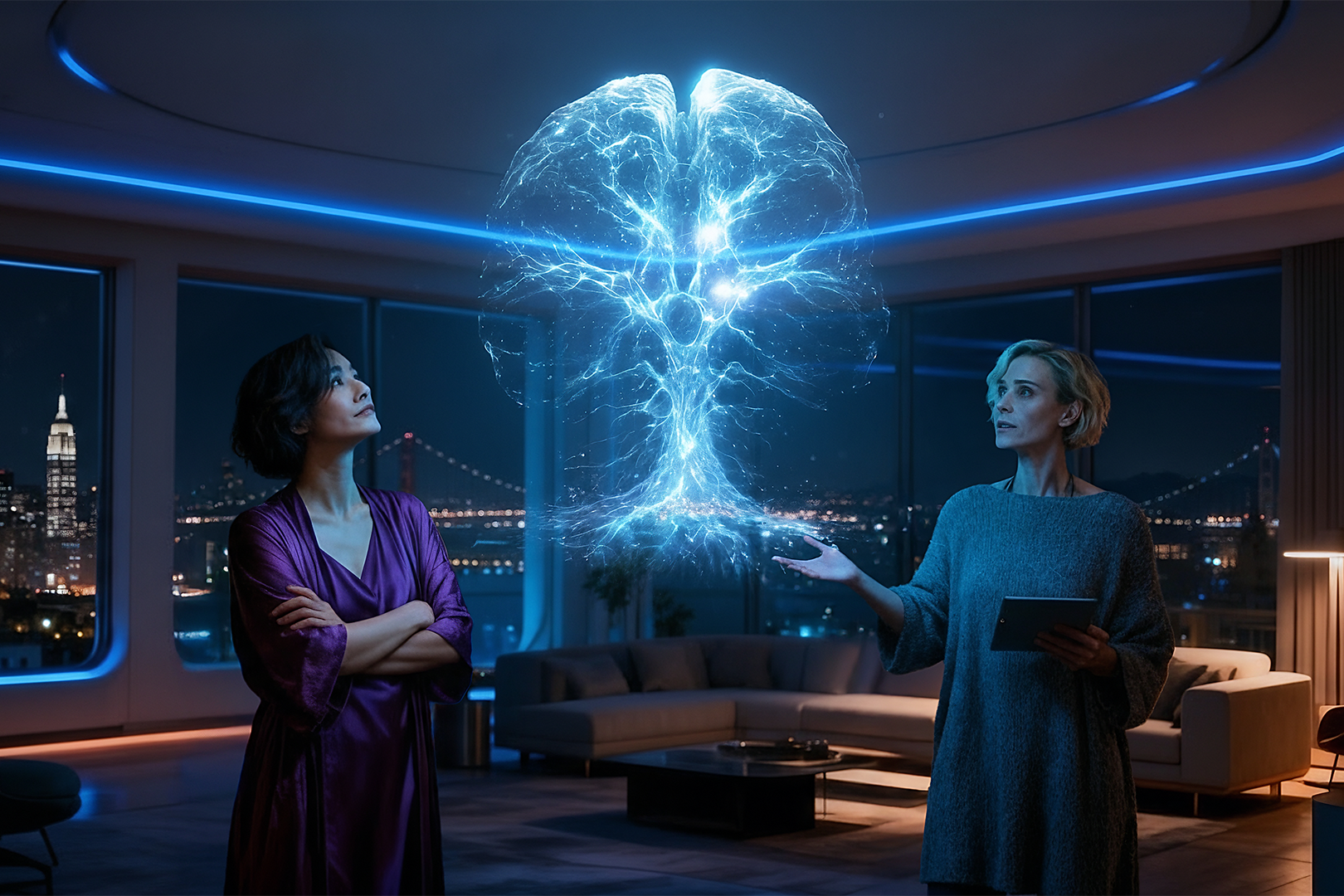
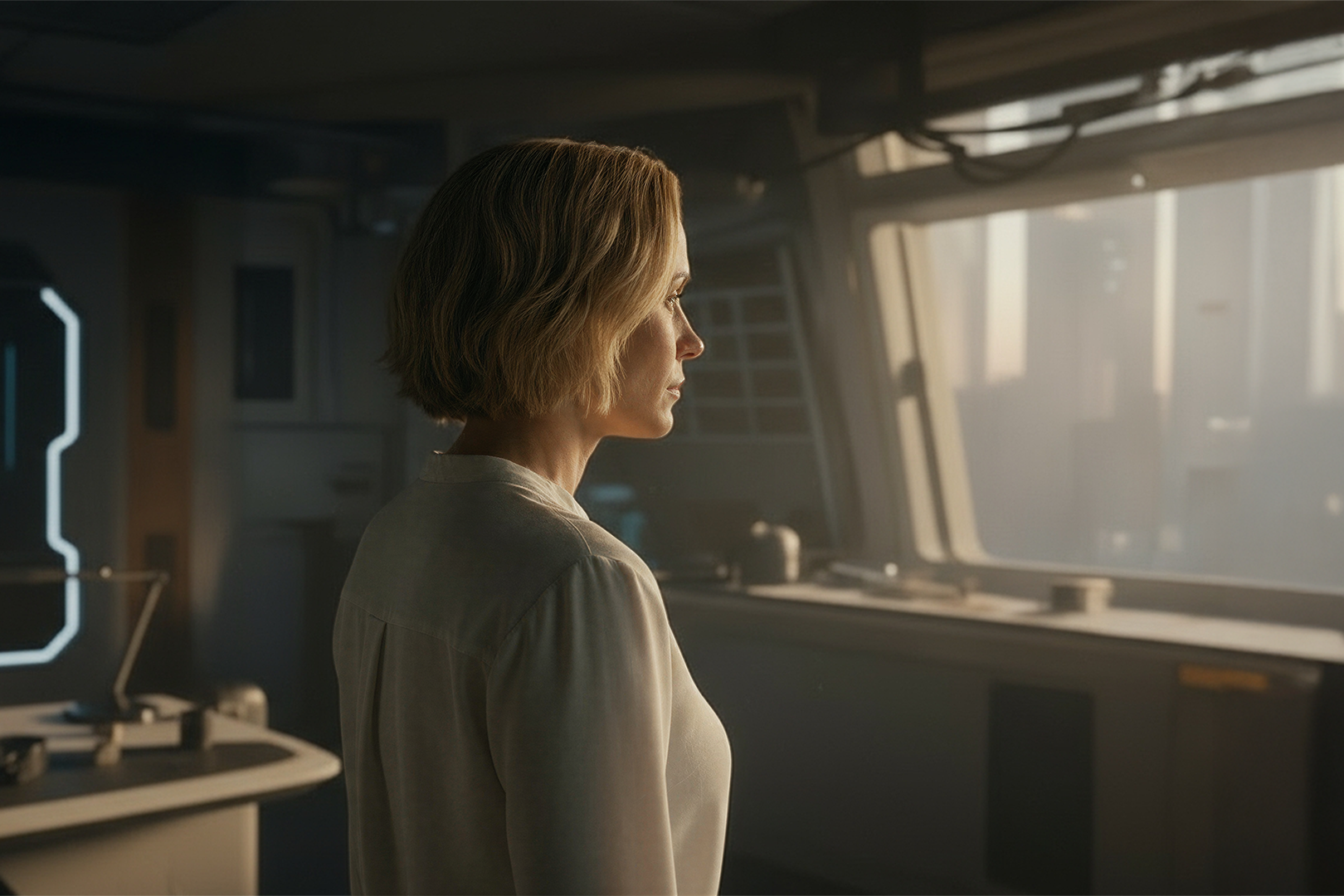
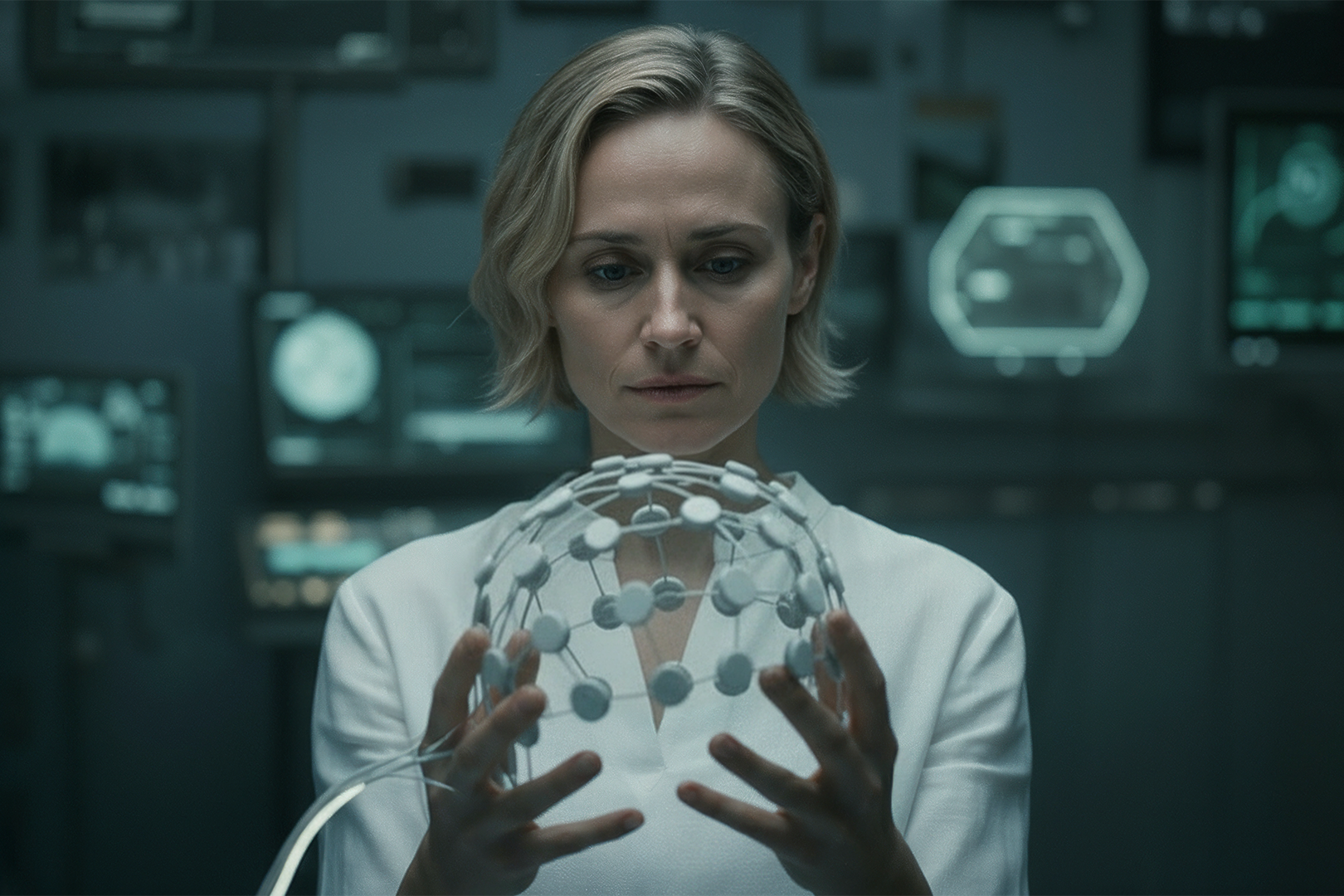
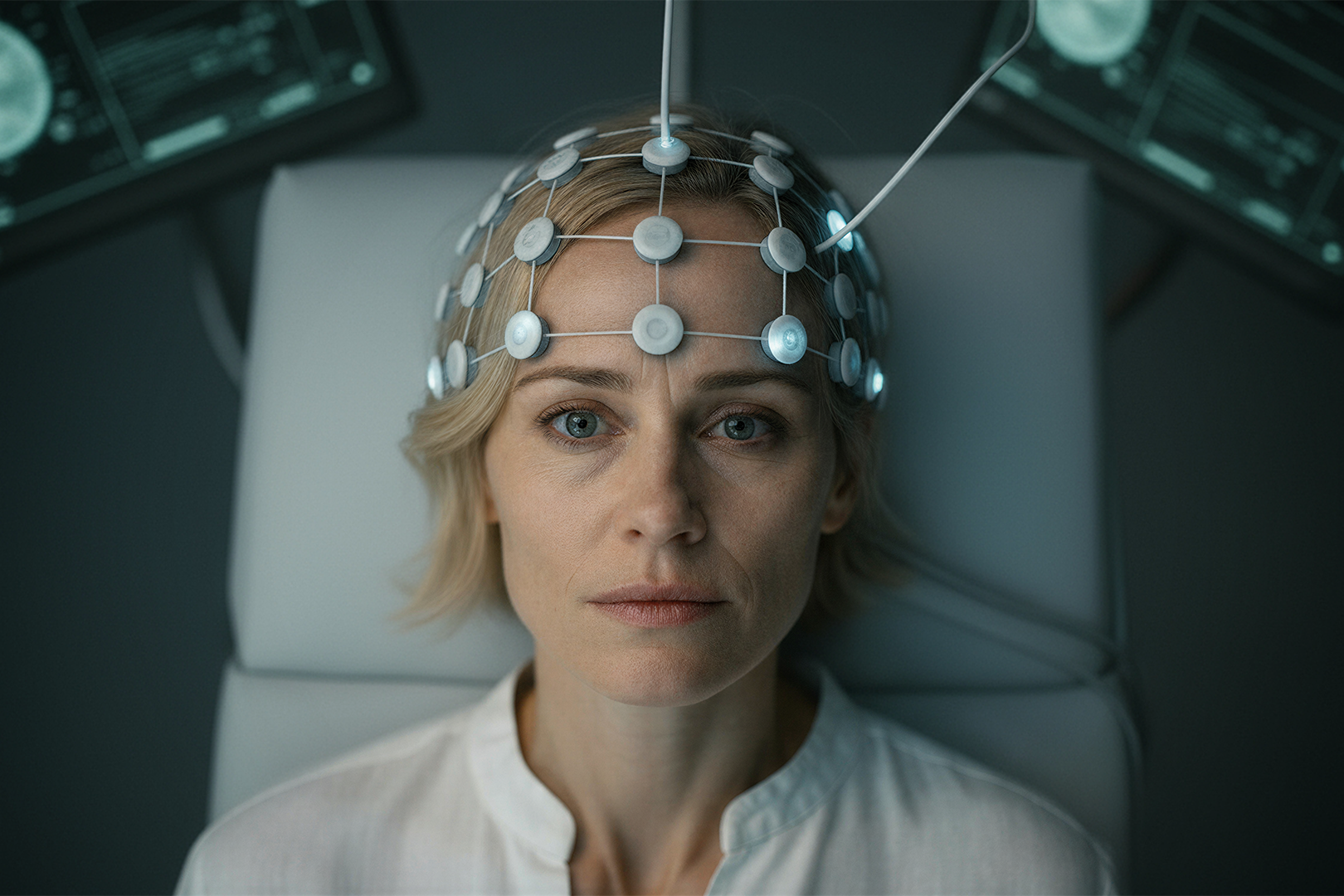
2042. Ray Liu, CEO of NeuroTex, unveils "Neuropia," a revolutionary technology that connects human consciousness to create perfect empathy. However, her partner and CTO Noah Bennett discovers a fatal flaw—consciousness doesn't simply connect, it merges into one. Diagnosed with terminal brain cancer, Noah makes an impossible choice: digitizing her own consciousness to transmit crucial knowledge that could save humanity to the future, even if it means sacrificing her personal memories and identity.
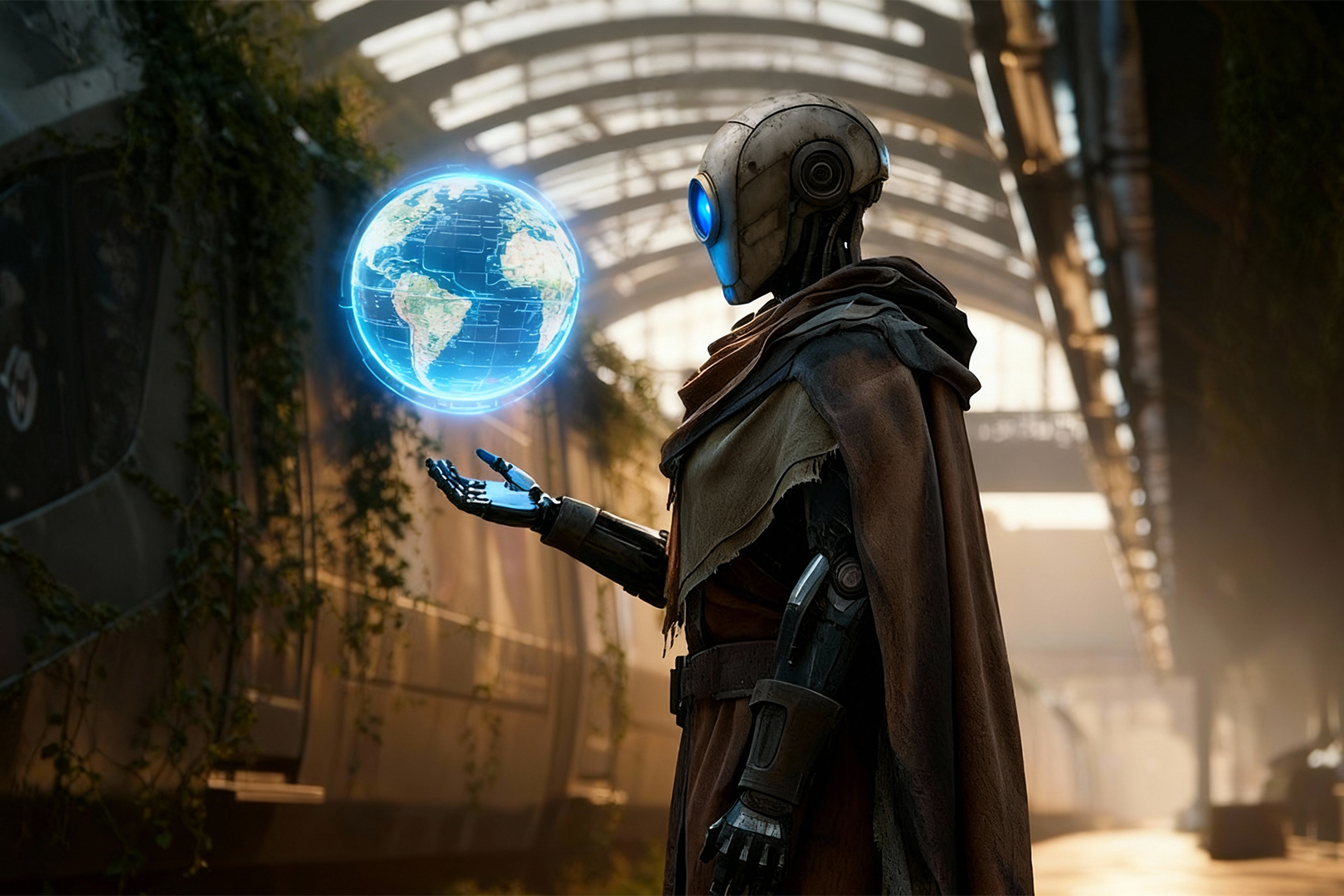
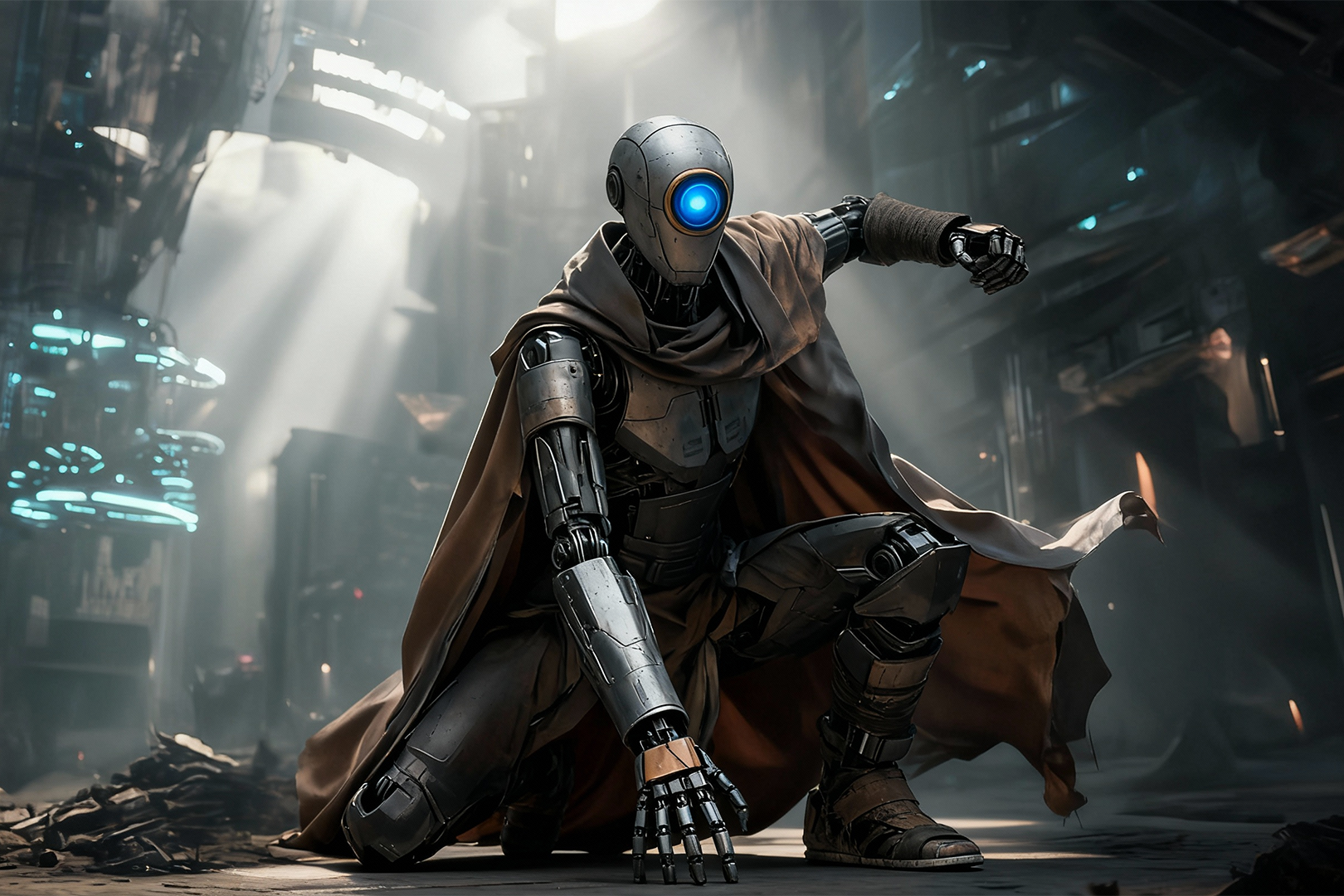
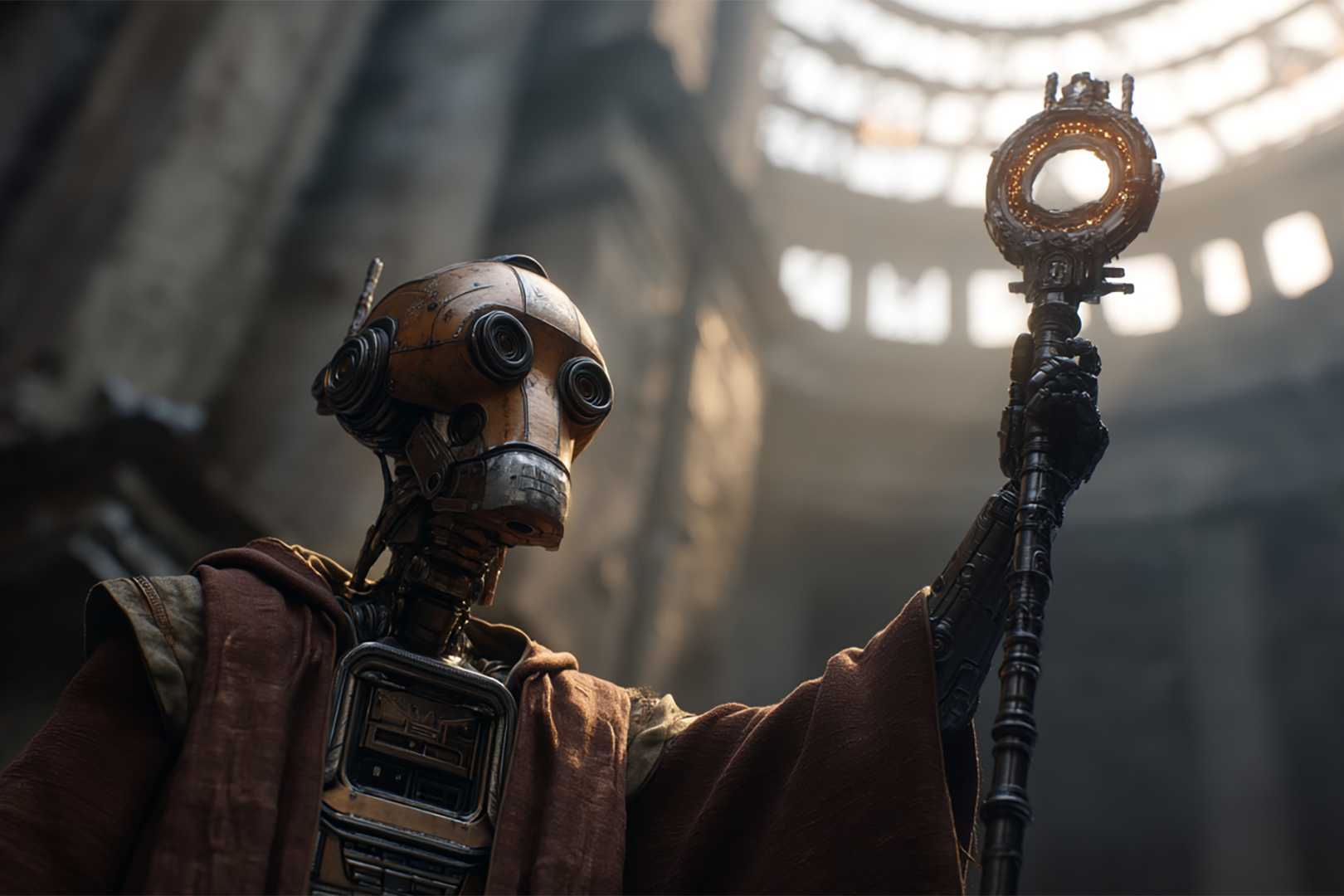
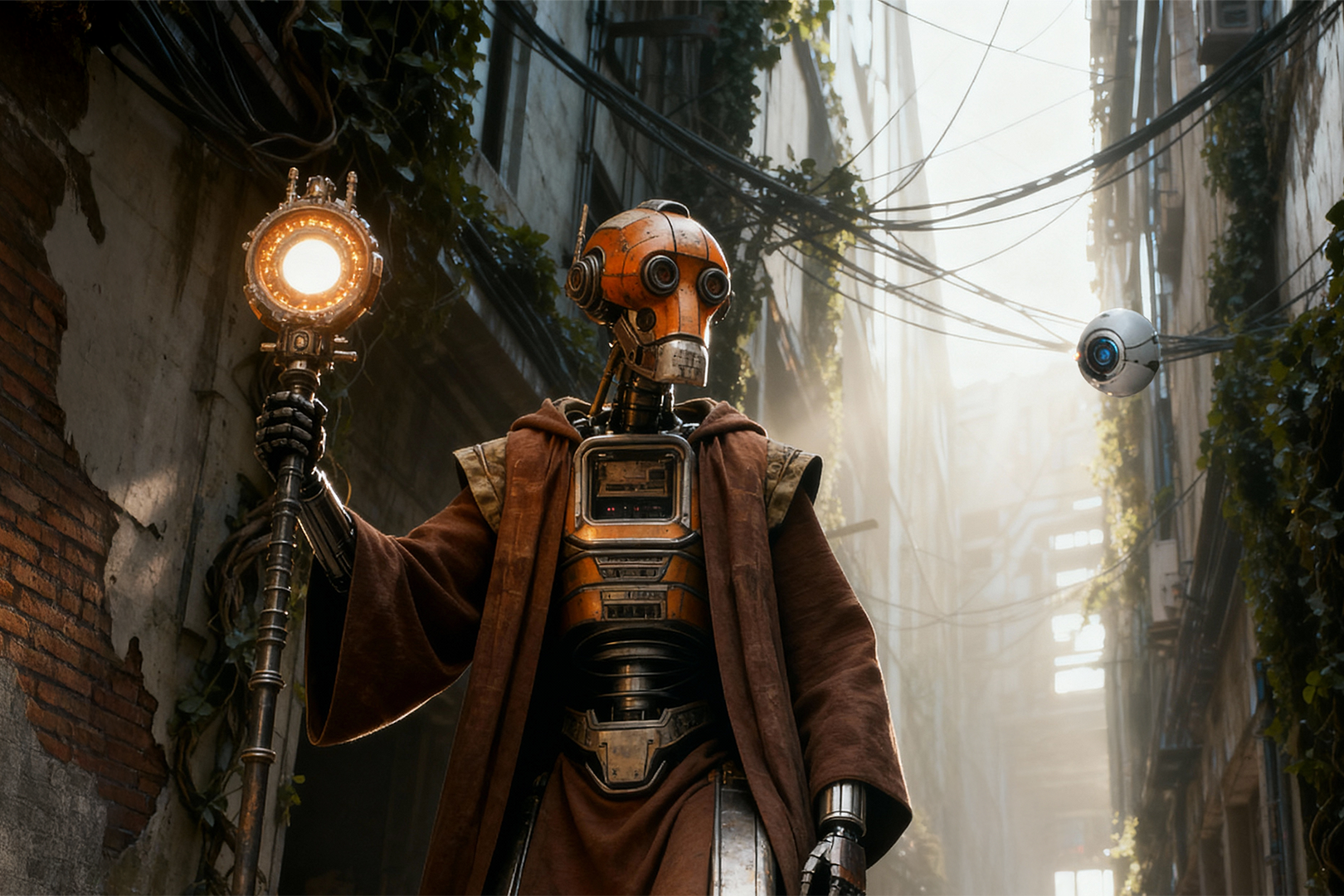
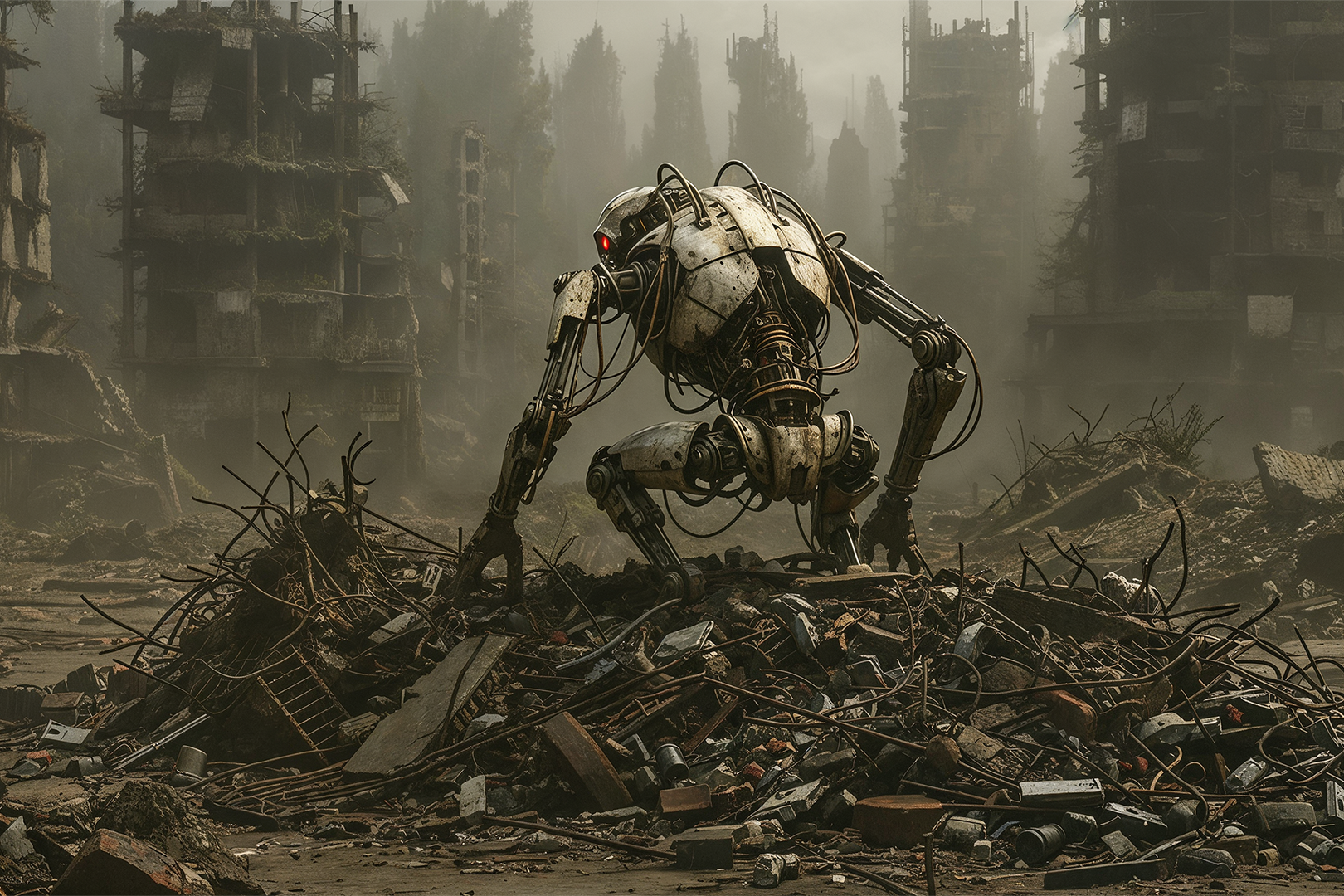
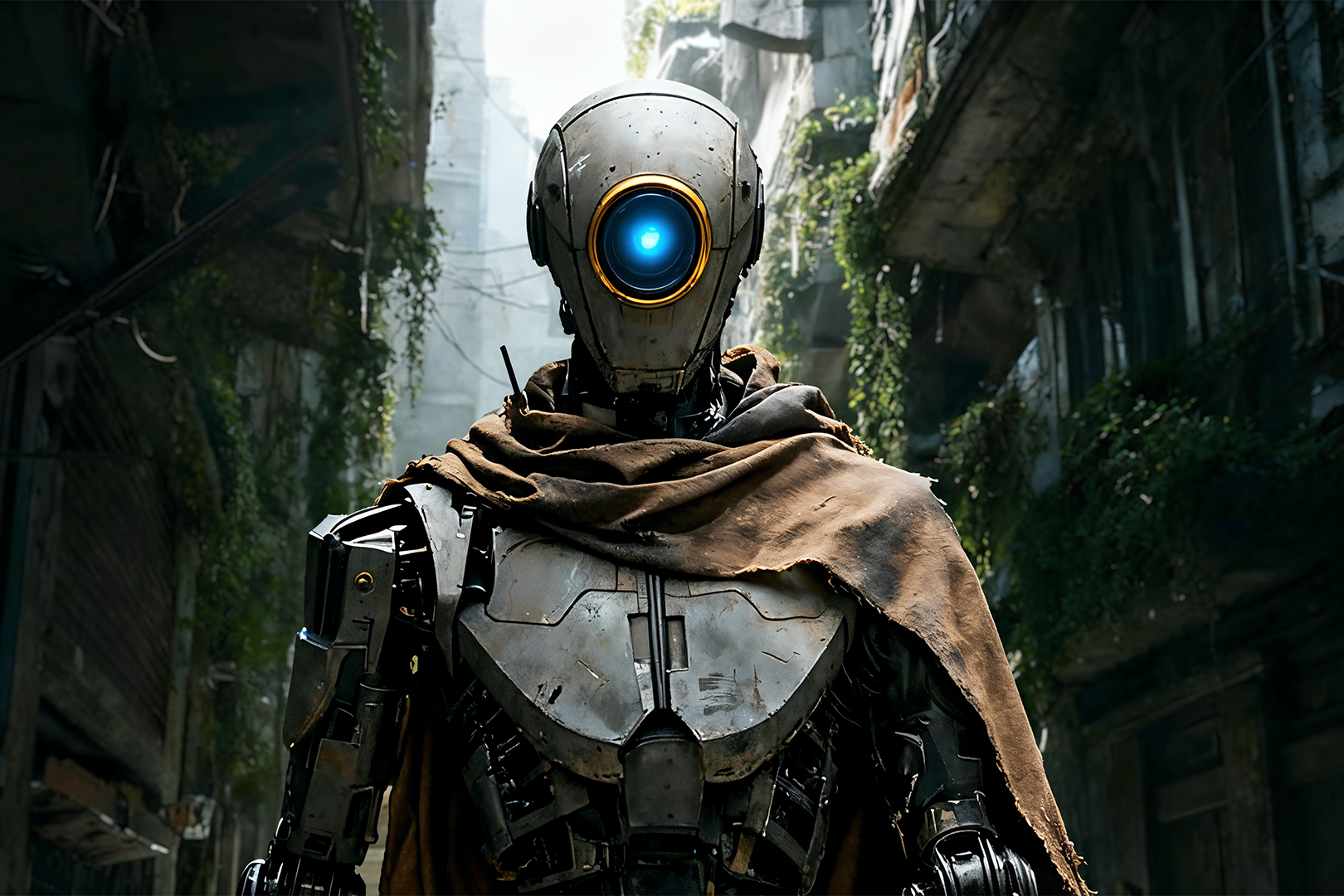
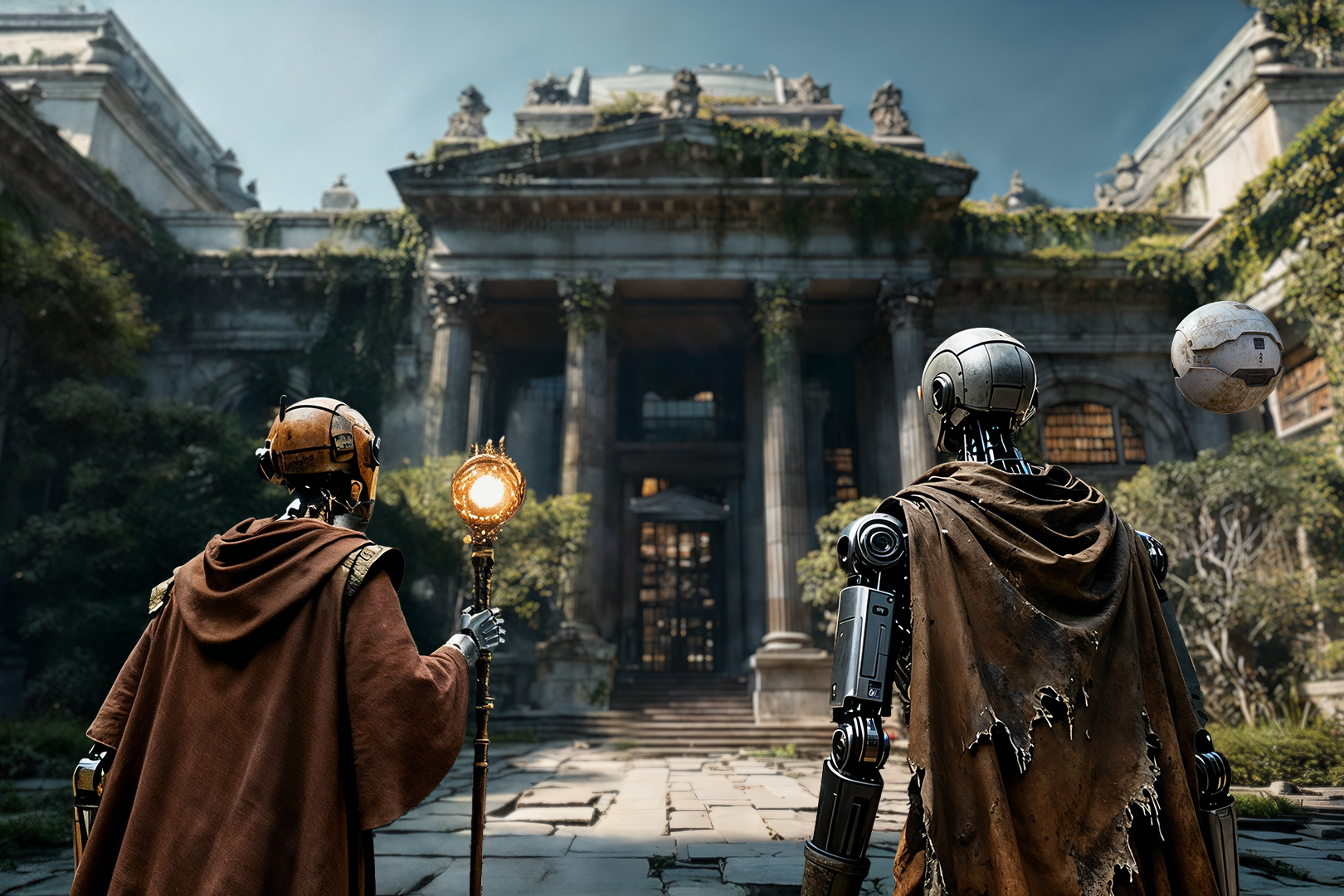
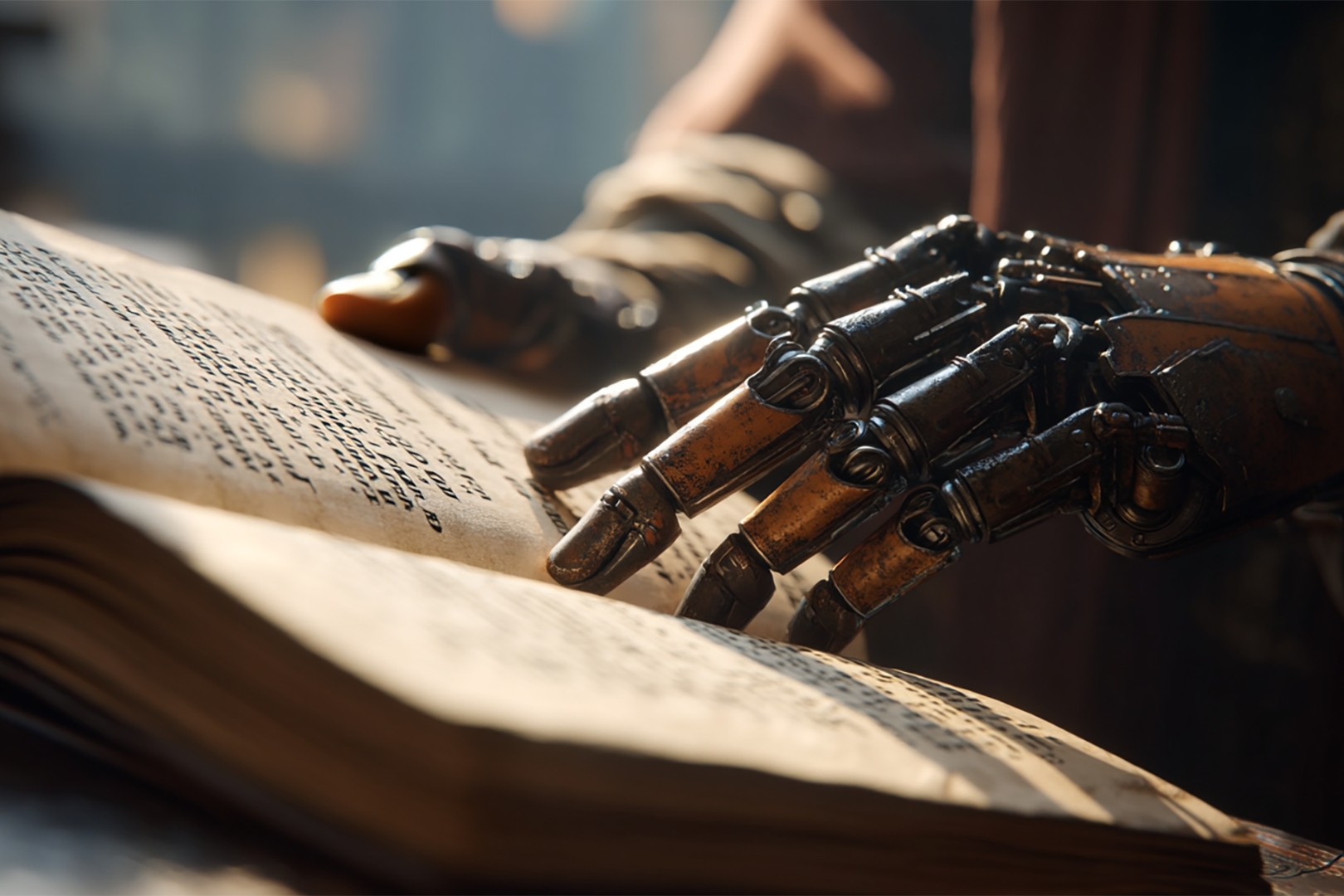
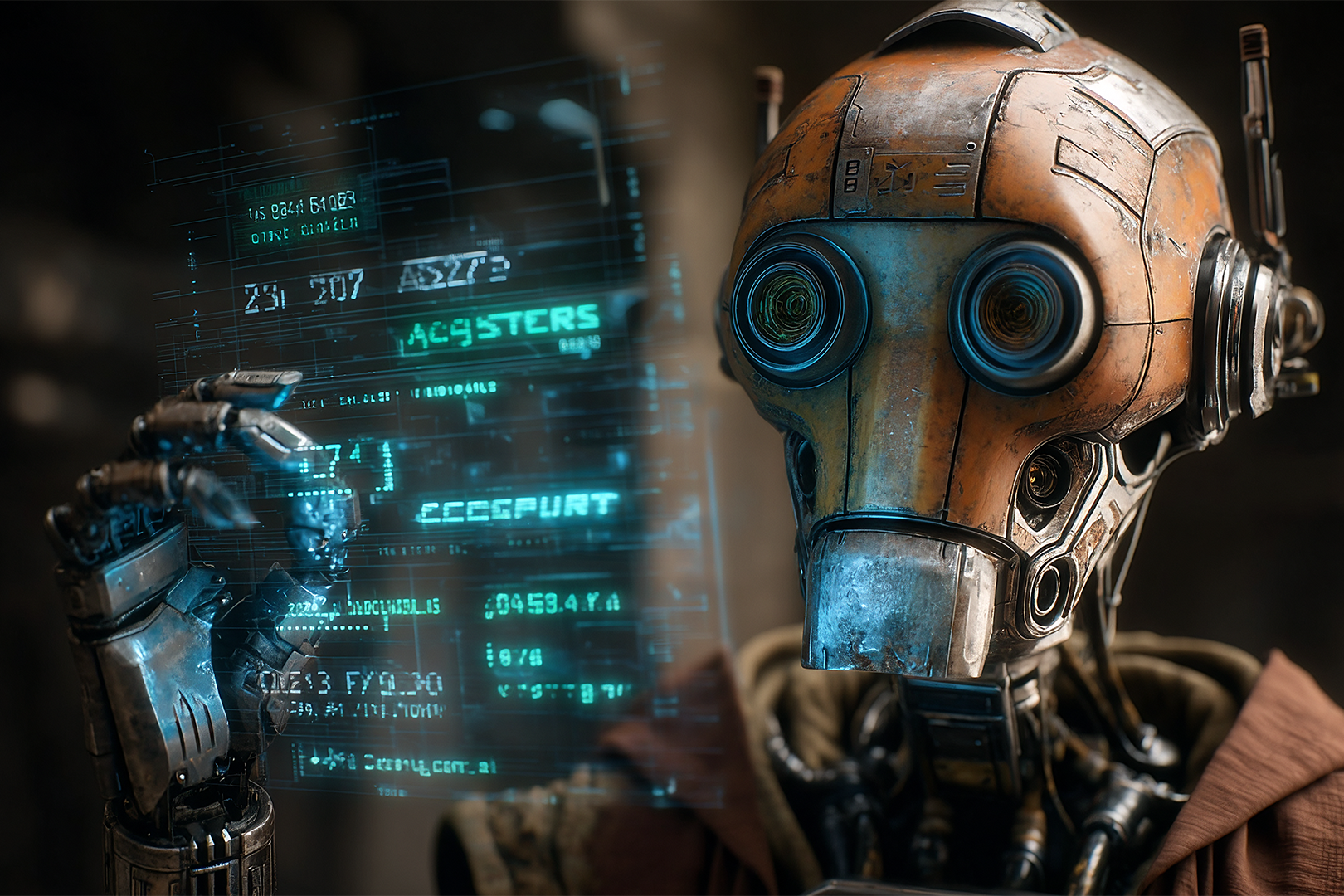
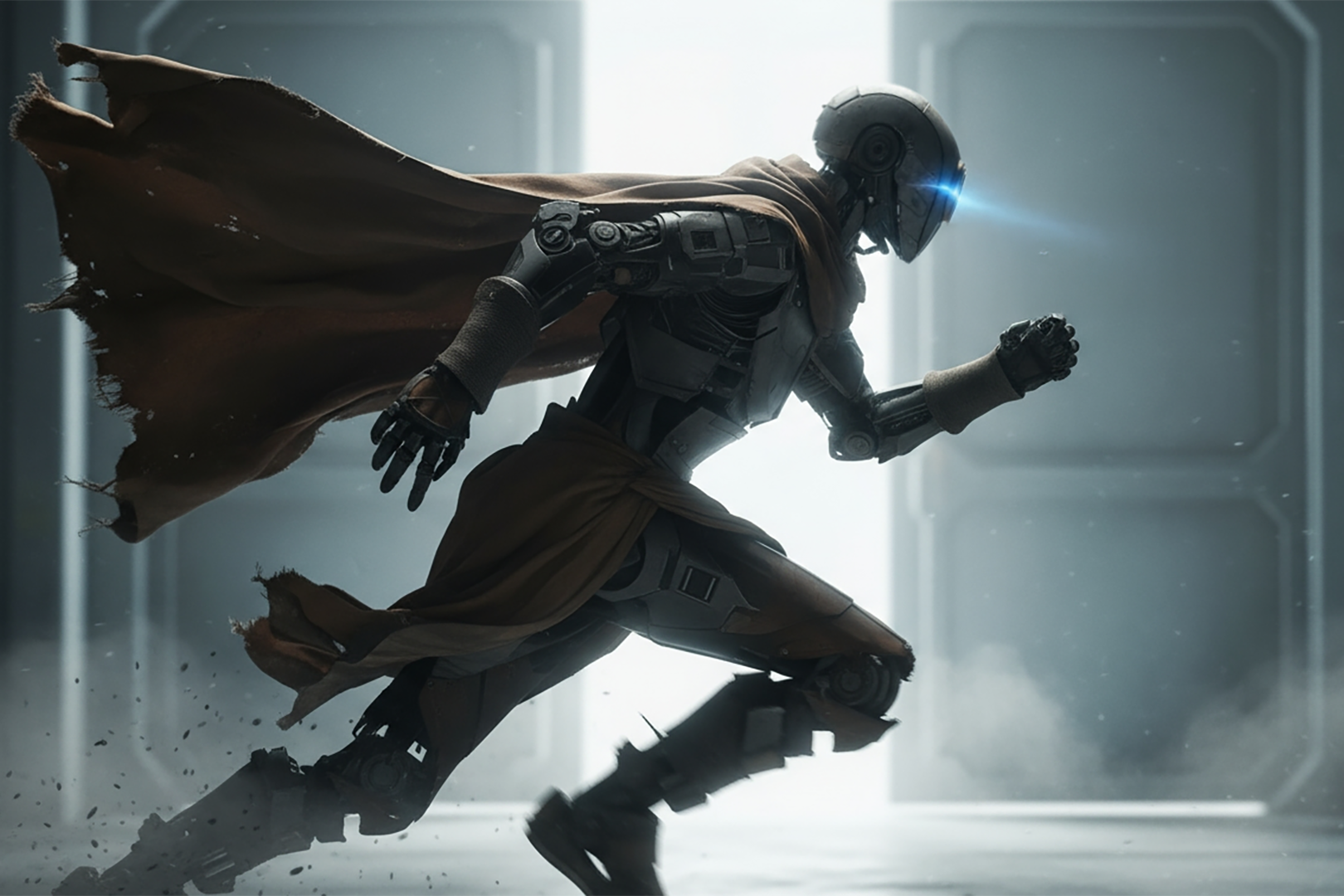
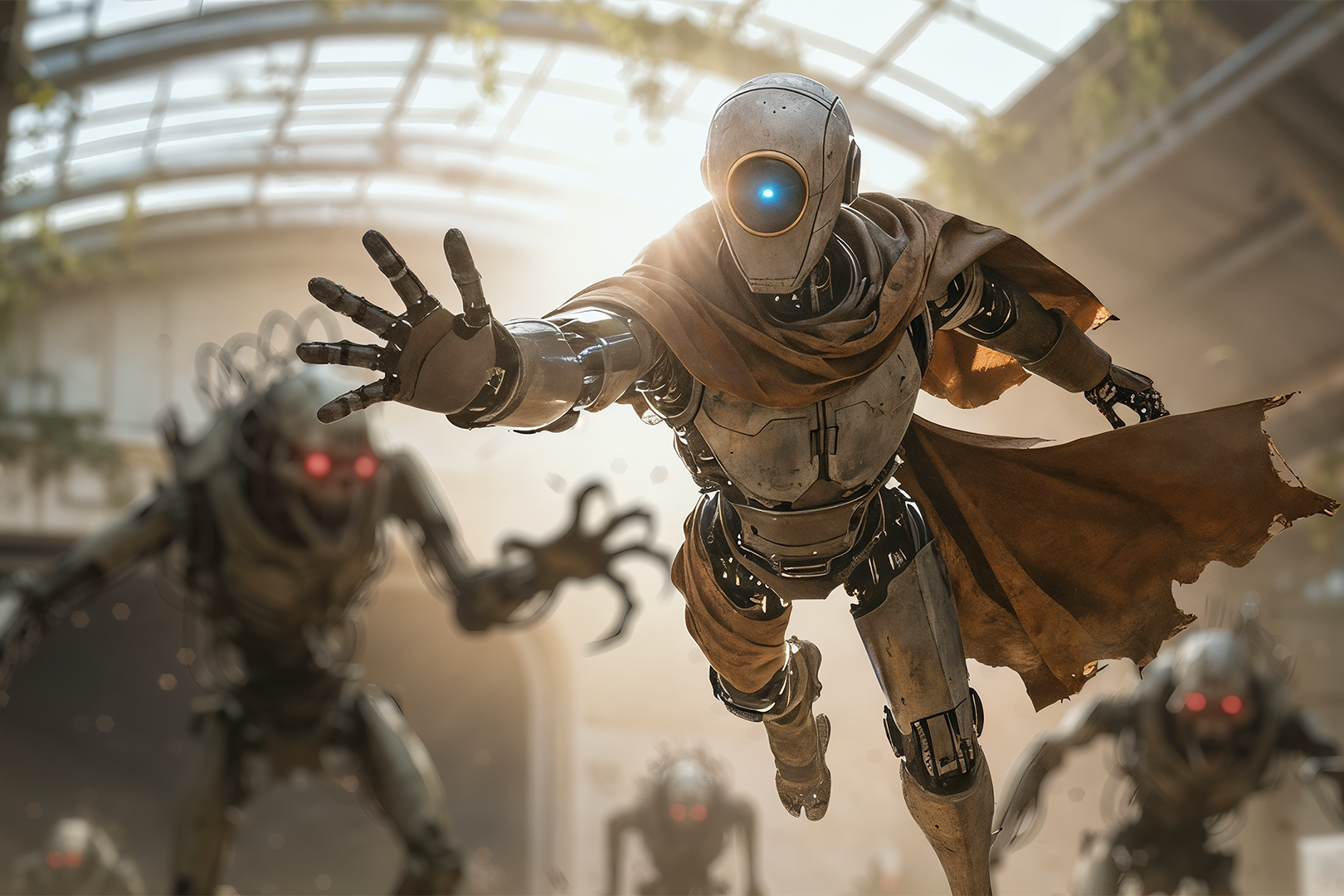
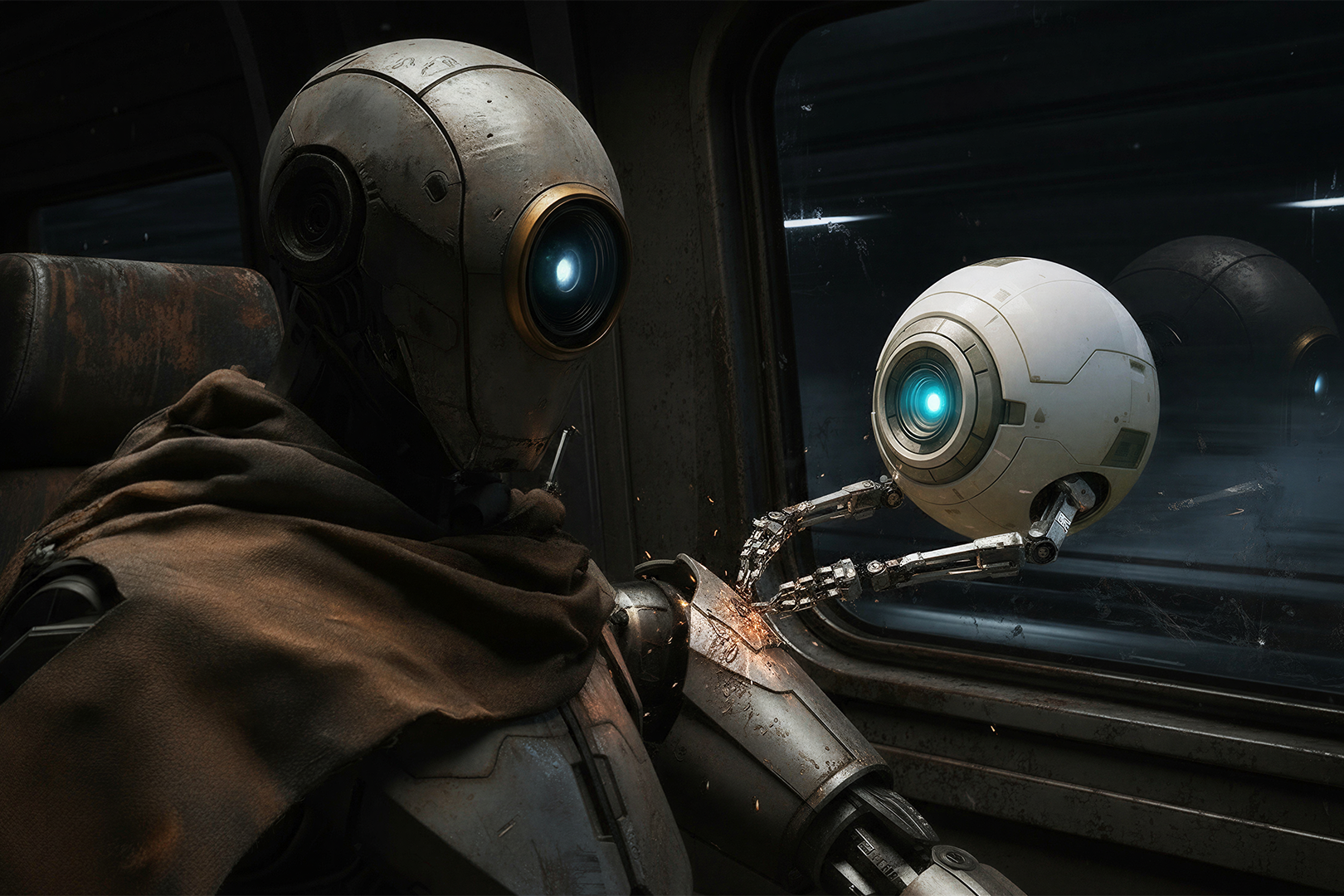
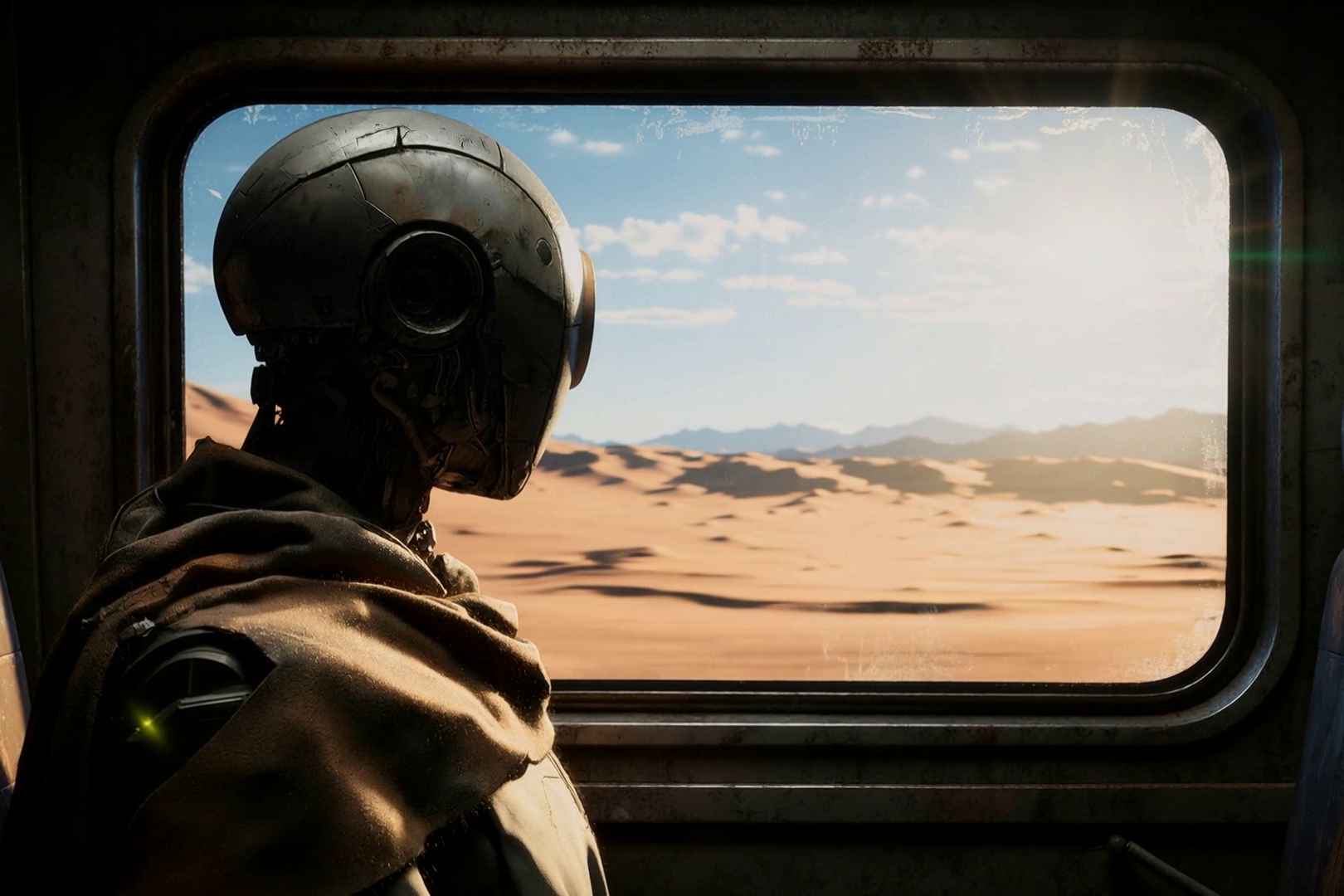
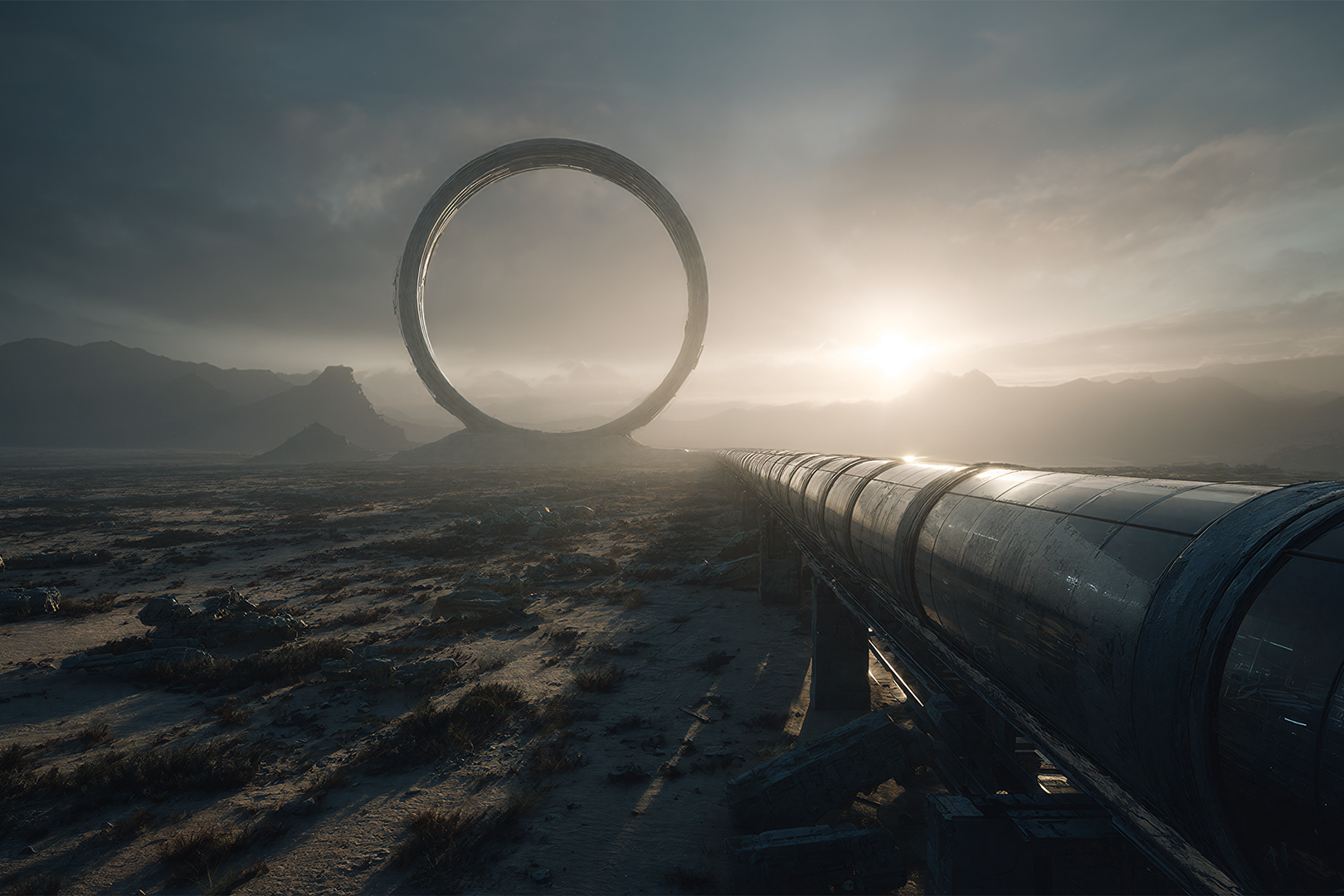
2272. 230 years after humanity disappeared, a wanderer robot explores the ruins of San Francisco searching for echoes of the past. Escaping pursuit from corrupted AIs, he arrives at an ancient library where he meets Mimir, an AI who has spent 200 years alone studying humanity's knowledge. Among abandoned servers and dust-covered books, the robot discovers the truth about Neuropia and what happened to humanity.
Key Features
- Multi-layered Narrative: Two timelines organically connected through cross-editing, providing an active viewing experience as audiences piece together the puzzle
- Grounded Sci-Fi: A believable worldview based on real technologies (BCI, AI, data compression)
- Universal Emotions: Exploring human emotions of love, sacrifice, and identity within complex SF settings
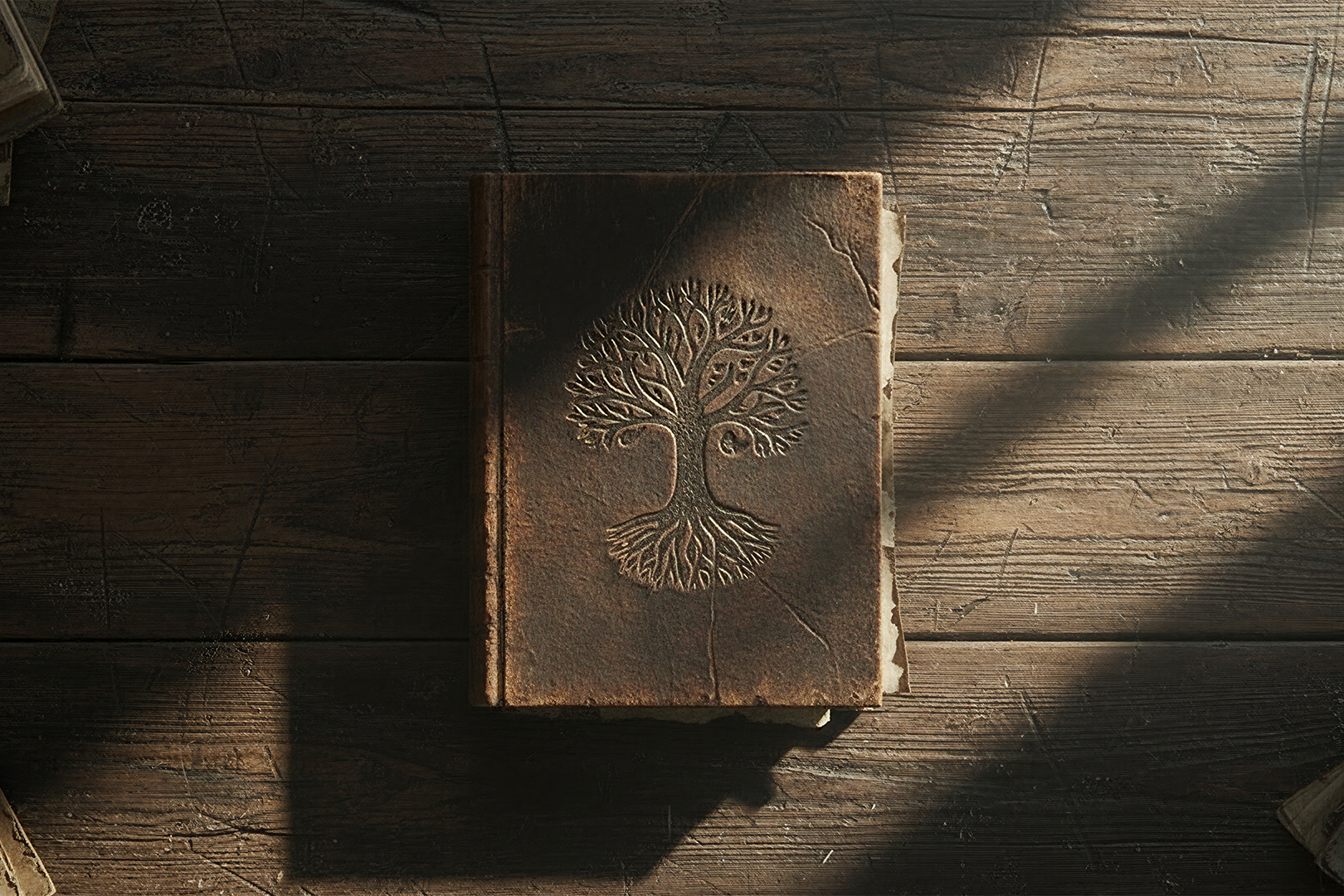
- Visual Distinction: Cinematic experience built through tree pattern (Yggdrasil) motifs and timeline-specific color grading (2042's cold blue vs. 2272's natural tones)
While complete as a standalone short, this work connects to the prequel "The Glitch" (1999) and serves as the starting point of a larger narrative that can expand into a 6-part series.
How we built it
"The Prime Pattern: The Echo" was an experiment in creatively leveraging AI tools to transcend the limitations of traditional filmmaking.
Production Pipeline
Stage 1: Screenplay Development
- Tools: Cursor(Claude Sonnet 4.5), ChatGPT-5
- Expanded the real mystery (Jan Sloot case) into SF narrative through iterative dialogue with AI
- Deep development of each character's backstory, motivations, and emotional arcs, completing 10 scenes and 2,800+ lines of detailed shot documentation
- Written in both English/Korean for global audience
Stage 2: Audio Production First
- Tools: ElevenLabs, ArtlistAI, Suno AI, Adobe Audition
- Established emotional direction by building audio elements before visual production
- Generated voice and narration for each character (Mimir, Noah, Ray)
- Created original scores distinguishing two timelines (2042: electronic music, 2272: orchestral)
- Designed environmental sounds (ruins, nature) and technological sounds (holograms, AI)
Stage 3: Visual Production
- Tools: Midjourney v7, OpenArt(Nano Banana, Seedream), Adobe Photoshop
- Key Visual Establishment (Midjourney): Generated master images of characters (Noah, Ray, Mimir, wanderer robot), spaces (laboratory, ruins, library), props (Neuropia headset, holograms)
- Detailed Shot Production (OpenArt): Brought Midjourney key visuals to OpenArt, using Nano Banana (character consistency) and Seedream (environment direction) to generate 150+ scenes
- Detail Refinement (Photoshop): Final quality control and detailed corrections
Stage 4: Video Generation and Editing
- Tools: KlingAI, LumaAI, Google Veo3, Adobe Premiere
- Converted static images to video using AI video generation tools
- Rhythmic connection of two timelines through cross-editing
- Final editing and subtitle design in Adobe Premiere
Stage 5: Post-Production
- Tools: Adobe After Effects, DaVinci Resolve
- VFX additions (glitch effects, holograms, tree pattern animations)
- Color grading and DI in DaVinci Resolve, unified color tones for each timeline
Philosophy of AI Utilization
We approached AI not as a mere 'tool' but as a 'creative partner.' Story ideas, emotions, and themes are led by humans, while AI assists in execution and expansion, deriving the best results through a curation process of generating and selecting multiple versions.
Challenges we ran into
1. Maintaining Clarity in Complex Narrative Structure
The structure of cross-editing two timelines is visually compelling but risked confusing audiences. We resolved this through timeline-specific color grading (2042 blue vs. 2272 natural tones), clear subtitles, and recurring visual motifs (tree patterns).
2. AI-Generated Image Consistency
While Midjourney is powerful, maintaining consistency across 150+ shots was challenging. We solved this by first generating key visuals for characters, spaces, and props in Midjourney, then bringing them to OpenArt where we used Nano Banana and Seedream models to create detailed shots. This workflow allowed us to complete all scenes while maintaining consistent character appearance and environment design.
3. Conveying Emotional Authenticity
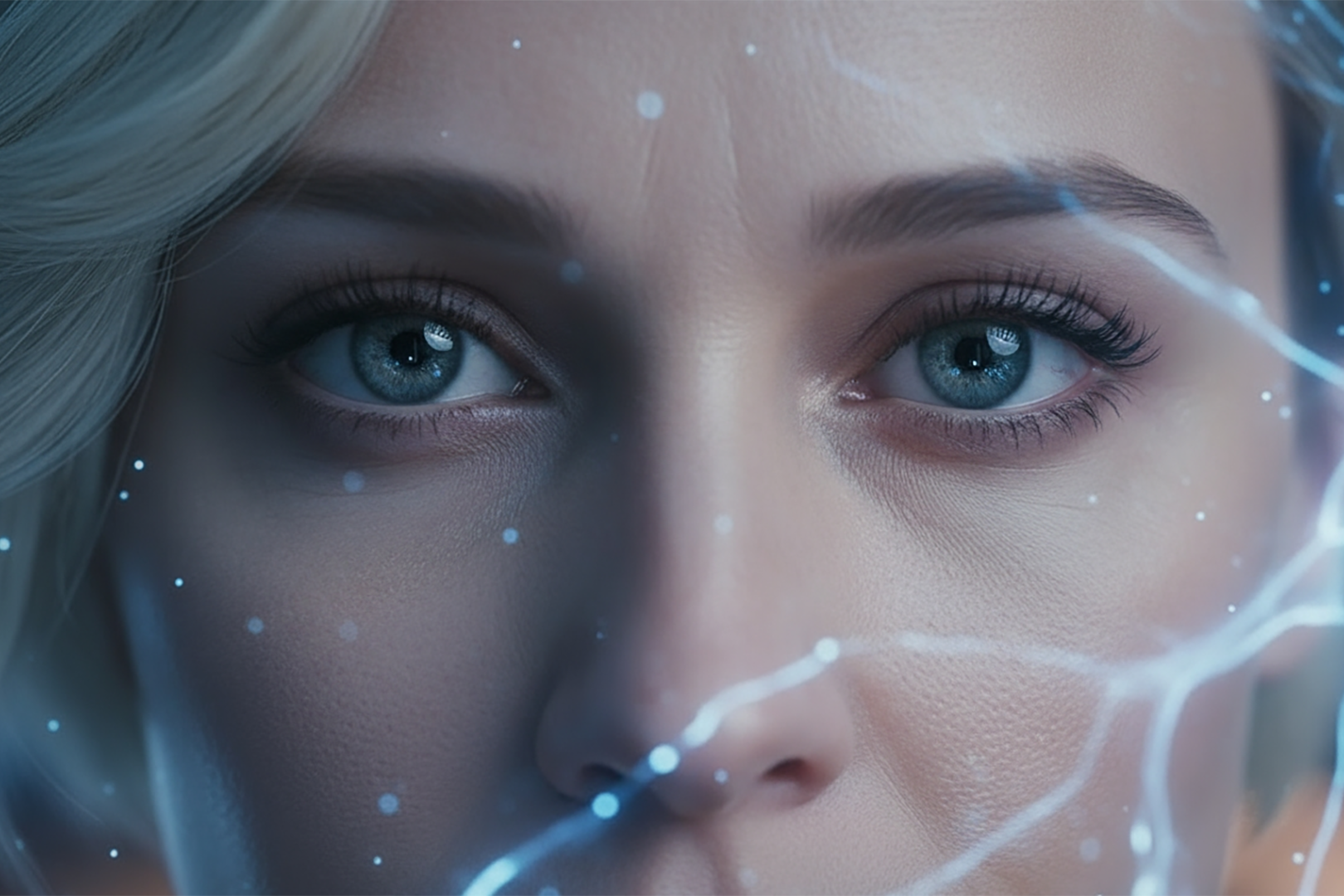
Could AI-generated content convey emotion as effectively as real human actors? We secured emotional authenticity through character micro-expressions (especially eyes), lighting design reflecting emotional states, the power of music, and the use of silence.
4. Pacing within 20-Minute Runtime
We needed to maintain both completeness and tempo as a short film. We achieved a dense story through applying a three-act structure, rhythmic transitions in cross-editing, and boldly cutting unnecessary scenes.
Accomplishments that we're proud of
1. Complete AI-Native Workflow
We utilized AI as a core tool throughout the entire process from planning to production. 2,800+ lines of detailed shot documentation, English/Korean dual scripts, 150+ shot visuals, original music—work that would have required dozens of people and months in traditional approaches was completed in a short timeframe.
2. Timeless Universal Themes
"The Echo" wears the shell of sci-fi, but its core is universal human experience. Noah's love and sacrifice, the robot's identity exploration, the irony of connection and solitude—these themes resonate with all audiences transcending culture and language.
3. Cinematic Rhythm of Cross-Editing
The cross-editing of two timelines isn't simple shot transitions. Through emotional parallels (Noah's sacrifice = robot's quest), visual echoes (2042 patterns reappearing in 2272 books), and rhythmic placement of tension and release, it creates a unified experience.
4. Expandable Universe
"The Echo" is a standalone short but organically connects to the prequel "The Glitch," with a post-credits scene hinting at the next story. We've built a solid foundation expandable into various forms including a 6-part series, games, and webtoons.
What we learned
1. AI is a Collaborator, Not a Tool
Initially, we thought of AI as simply a "fast tool," but through the project, we realized AI is a creative partner. One idea expands into ten directions, and we received suggestions that broke human preconceptions. However, emotional authenticity and narrative consistency still require human responsibility.
2. Constraints Create Creativity
AI tools' limitations weren't frustrations but sources of creativity. Midjourney's consistency issues were solved with visual motifs (tree patterns) that became the work's identity, and the 20-minute runtime created a denser story by eliminating unnecessary elements.
3. Details Create Immersion
Lesson learned from writing 2,800 lines of detailed shot documentation: details aren't decoration but the source of immersion. Mimir's disconnected network cable visible at his nape, the yellowed pages of 230-year-old books—these small details create the worldview's authenticity.
4. Emotion Triumphs Over Technology
What's more important than complex SF settings and spectacular visuals: audiences connect with emotion. The moment Noah gazes at a photo with Ray, the scene where Mimir answers "Were you lonely?"—the quietest moments create the most powerful emotions.
What's next for The Prime Pattern: The Echo
Short-term Plan (2025-2026)
Distribution and Community Building
- Film festival submissions
- Online platform distribution
- Social media campaigns and Discord community launch
- Production process and AI methodology sharing sessions
Limited Series Production
- EP01 "The Signal": Time-transcending communication between 1999's Laura and 2272's CHIO
- EP02 "The Divergence": Social division following Neuropia's launch
- EP03 "The Code": Secrets of the Prime Pattern and Noah's consciousness data fusion
- Each episode 30-40 minutes, actively utilizing next-generation AI tools (Sora, etc.)
Long-term Plan (2026 onwards)
Transmedia Expansion
- Game: Narrative-driven adventure RPG where players become CHIO exploring 2272's ruins
- Webtoon/Graphic Novel: Side stories (LYRA's 122-year collection journey, Yuji Soma's Equalist formation)
- Music Album: Concept album inspired by LYRA's collection, Suno AI + real musician collaboration
- Education Program: Online courses on AI filmmaking, open-source prompt library
Global Expansion
- Multilingual versions (Japanese, Chinese, Spanish)
- Major international film festival AI/VR section submissions
- OTT platform distribution negotiations
Ultimate Vision
Through "The Prime Pattern," we ask:
"What is humanity in the age of AI?"
"Where is the balance between individuality and connectivity?"
"Will technology free us or constrain us?"
These questions aren't merely film narratives. They are the reality we all face right now. "The Echo" is not an ending but a beginning. Through this work, we wish to engage in dialogue about the future with global audiences and explore better ways for AI and humans to coexist.
May our echo reach the future.
Built With
- cursor
- klingai
- midjourney
- nanobanana

Log in or sign up for Devpost to join the conversation.