-
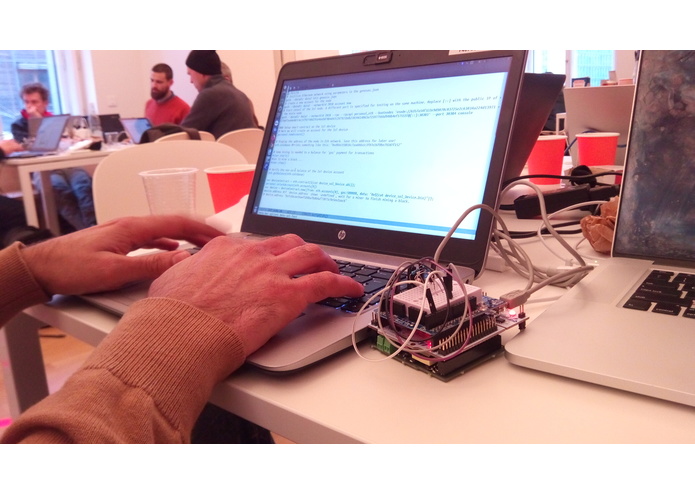
Demo device communicating to Ethereum
-
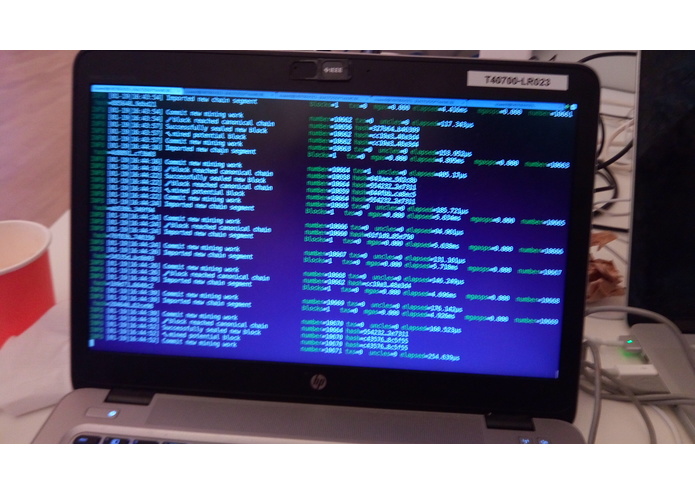
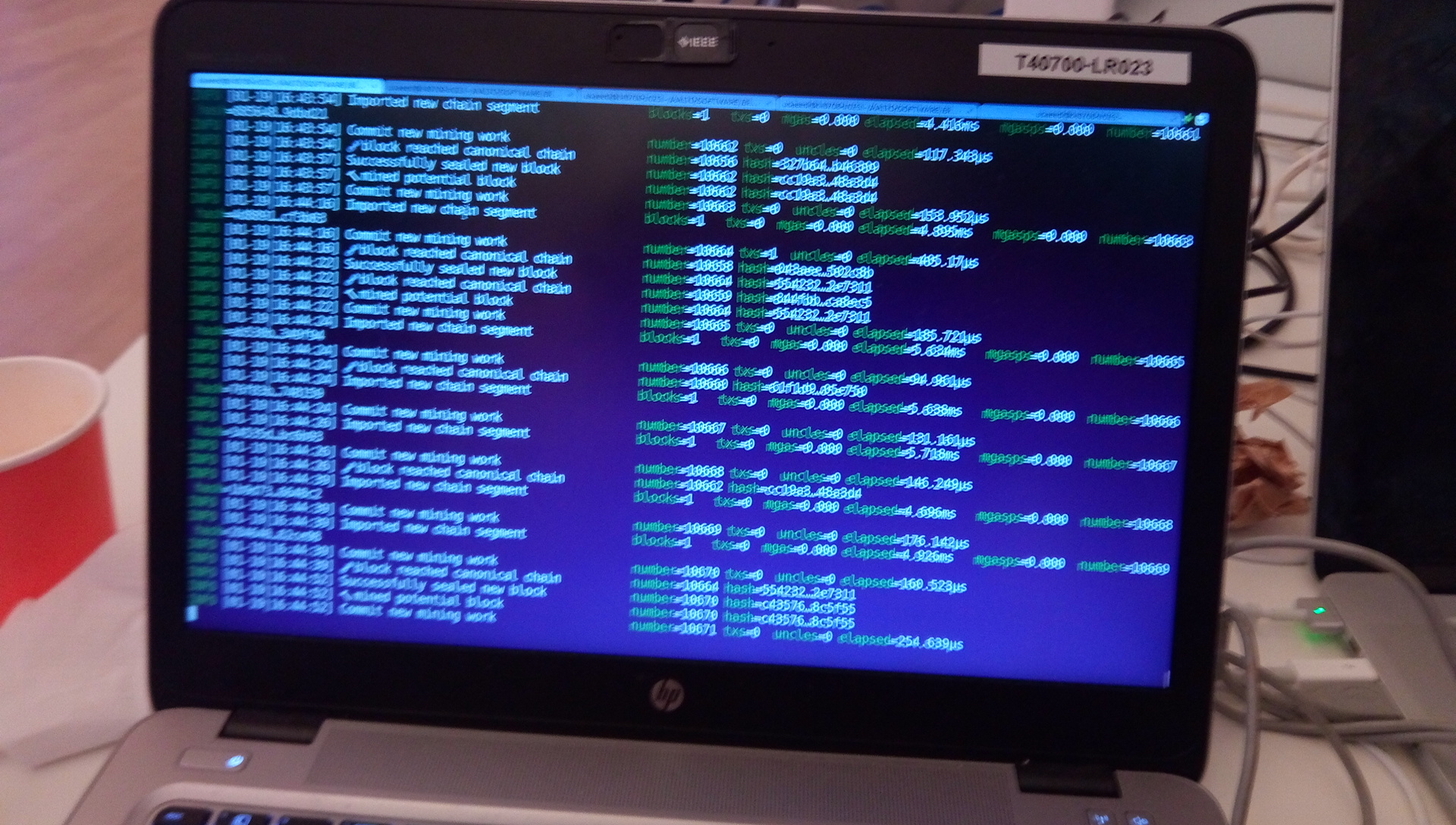
Miner with shaking camera :P
-
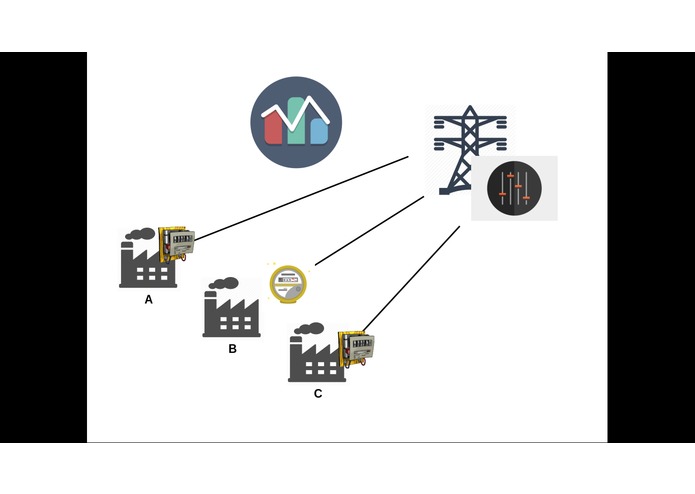
Problem statement
-
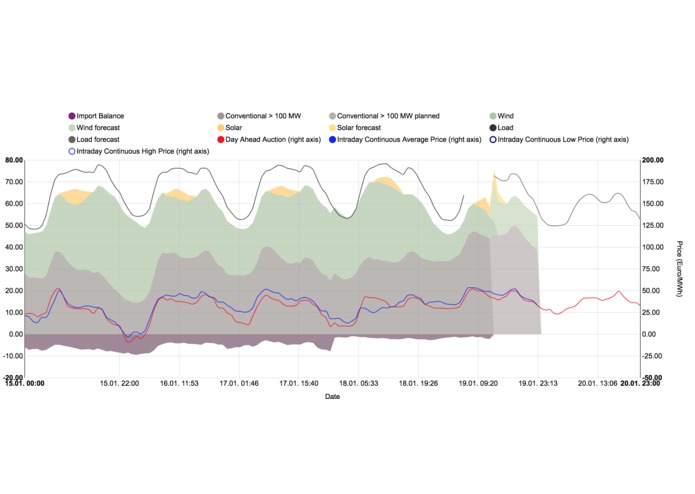
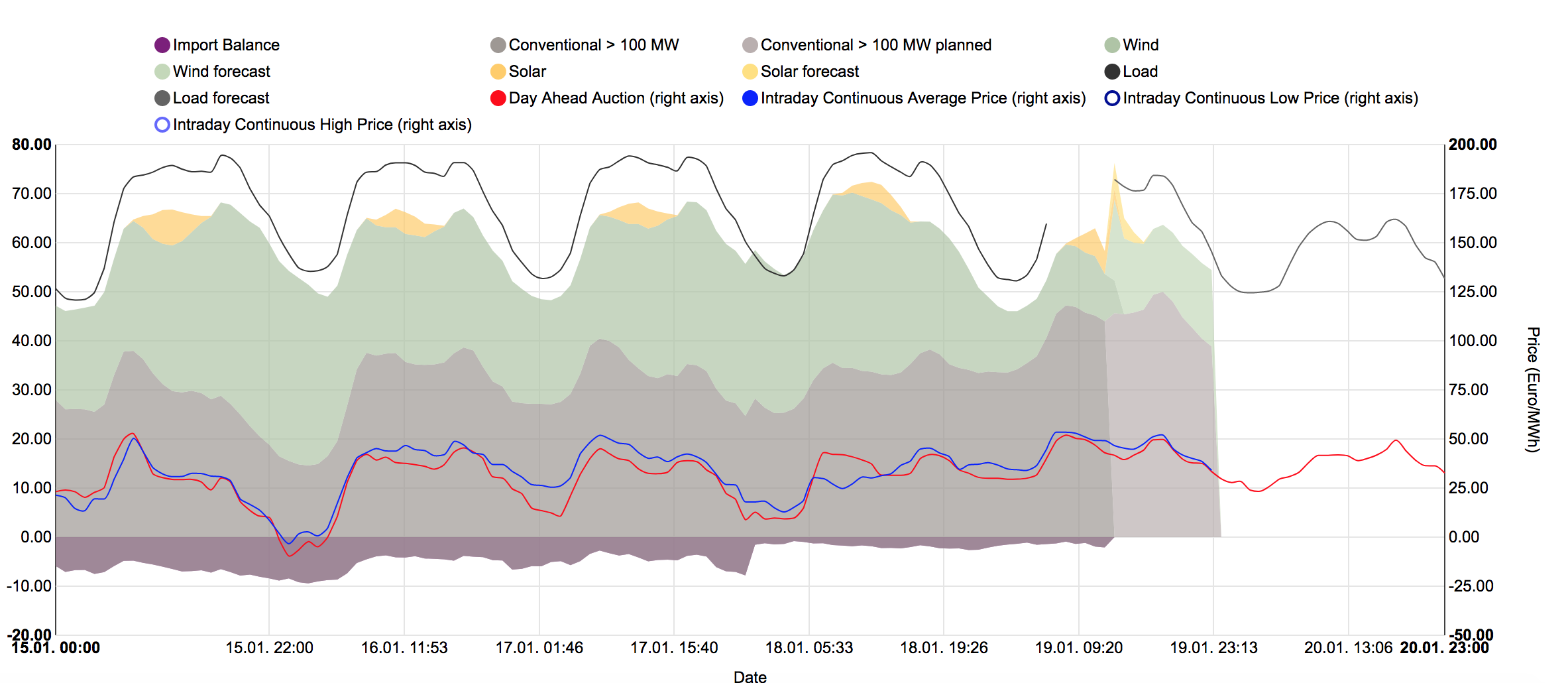
A cool chart on energy consumption in Germany

Inspiration
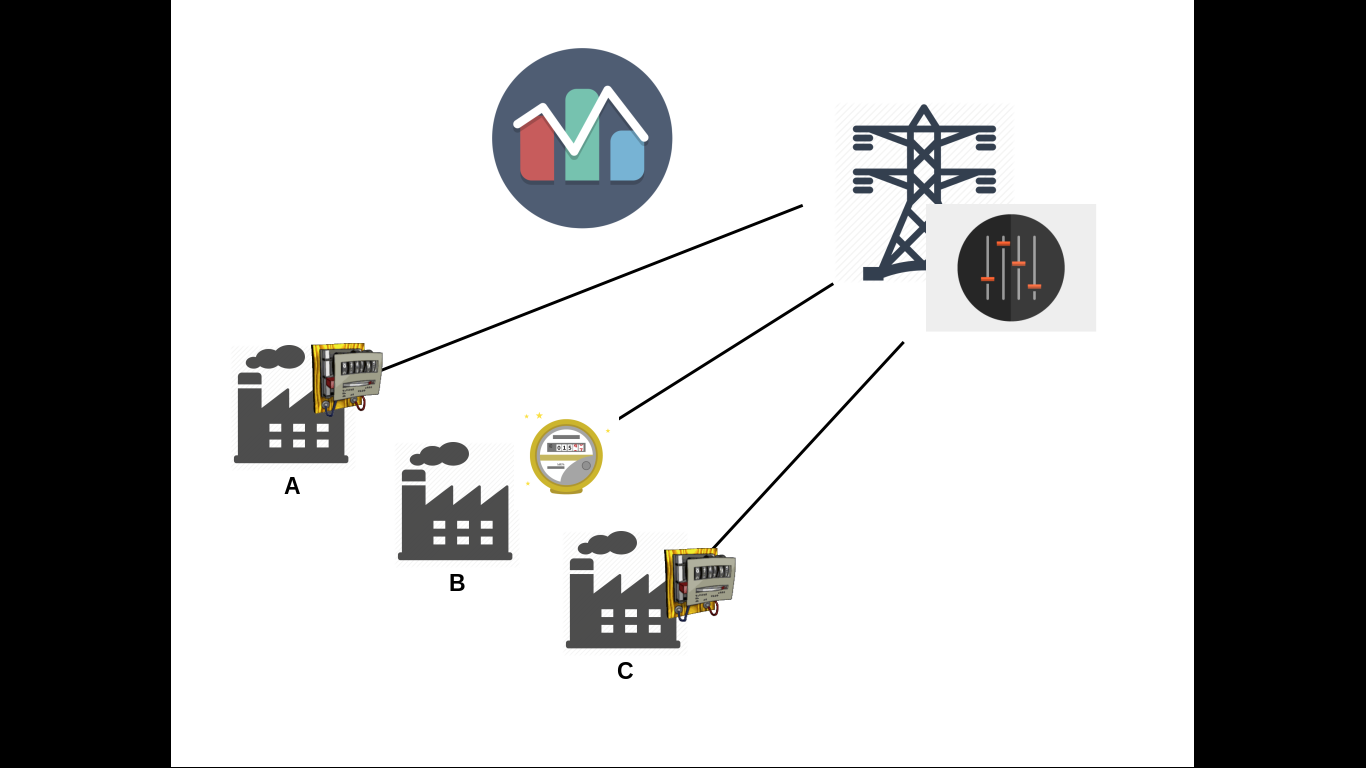
Power provider companies use spot prices in order to keep their electricity generation balanced. They design power consumption plans for industrial power consumers, which involves a minimum and a maximum consumption restrictions which impose penalty on violation. The consumers have to keep an eye on the price changes and regulate their energy consumption (and goods production) accordingly, which sometimes leads to consumers having too low consumption rate. Since each consumer monitors its own energy consumption and the price rates individually, they all might reduce or increase their production at the same time. However, if all the consumers could handle their energy consumption in a collaborative manner, the energy consumption would be optimal. For example, when one consumer requires a low amount of energy, another one can cross his maximum limit without imposing pressure on the power provider and vice versa.
What it does
We design a game in which there are a number of industries as energy consumers and power provider companies. The game is a sort of distributed bidding system deployed on the top of a blockchain, which reads the most recent energy rates and based on other participants' bids, and controls the volume of the industrial production line. The utility function of the game is designed to optimize both the energy production and consumption (which in turn translates to goods production). Basically in the Nash equilibrium point of this game all the players win. There are no human beings involved; all IoT devices talk to each other and communicate through a blockchain.
How we built it
We deployed Ethereum on a server (a laptop for the POC). We use a STM32 Nucleo development board with NodeRed which reads the meters and communicates with a Raspberry pi (another laptop for the POC) over CoAP. The Raspberry pi is an Ethereum client which publishes the values into the blockchain and read them in order to predict the energy demand for the next day. We make use of a linear regression algorithm for the prediction.
Challenges we ran into
- Designing game over the multiple variables playing a role in the game.
- Conceptualization of particular energy market scenario for blockchain use case.
- Concept needs further idea sprints for a working system.
- Installation of various modules and integration between different modules.
Accomplishments that we're proud of
- We got the experience of designing and developing an IoT system.
- We made a team and progressed through the project together.
What we learned
- How to deploy Ethereum, Nodered
- How to communicate from an IoT device to a gateway and finally to a blockchain.
- How to use game theory to solve spot price optimization problem.
What's next for The Power Game
- Optimizing the algorithm
- Evaluate the approach using a simulation platform
- Making an MVP and present it to industrial energy consumers to improve the work
Built With
- ethereum
- javascript
- nodered
- python
- stm32nucleo

Log in or sign up for Devpost to join the conversation.