Inspiration
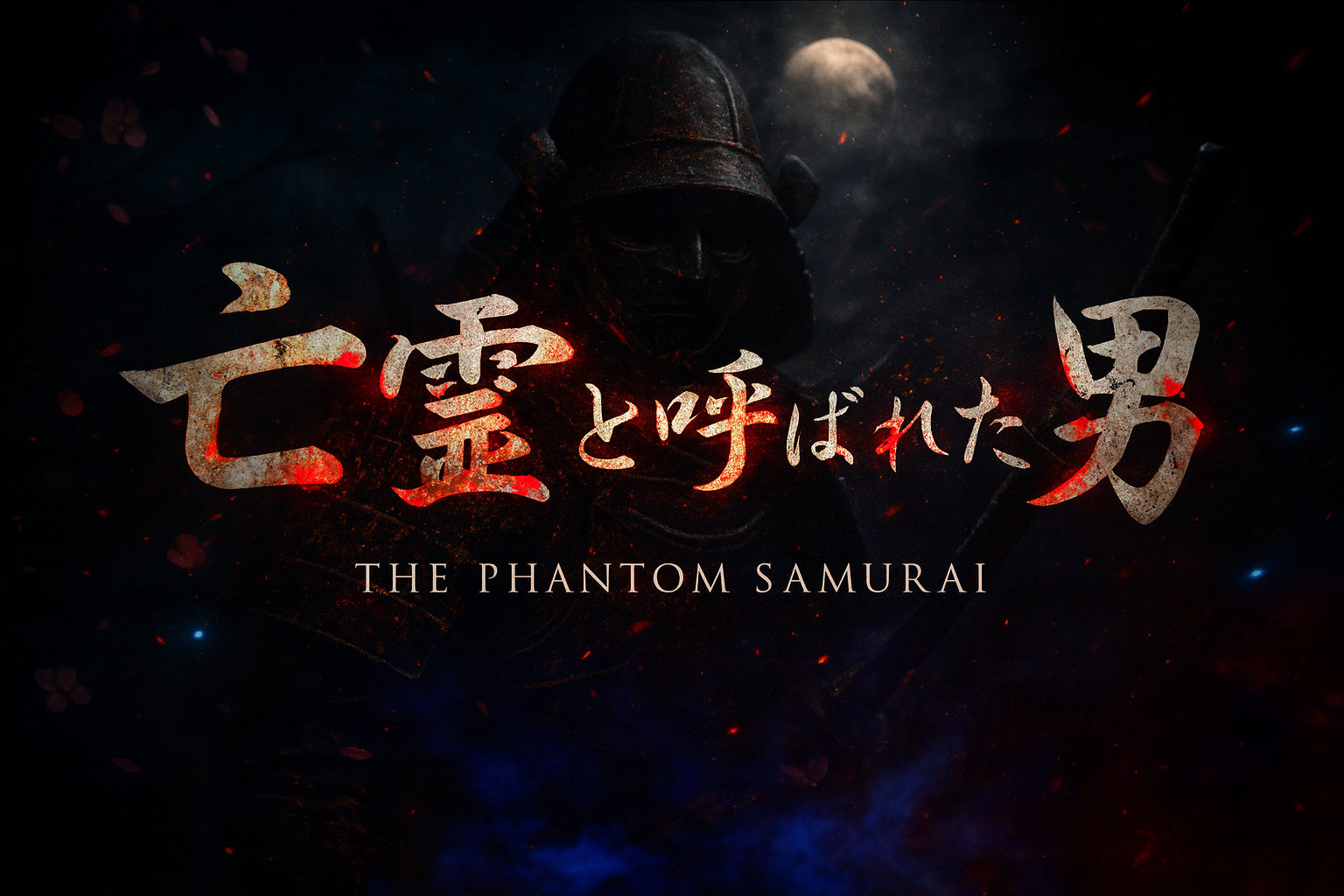
This project began with a simple creative impulse: I wanted to depict, as a piece of cinematic expression, the moment a fallen soldier is brought back to life.
From that starting point, the idea evolved. I imagined a world where the resurrected warrior returns not through miracle, but by absorbing the wrath and lingering grudges of the dead— a man revived by a curse, driven by vengeance, and forced to fight as a phantom.
Rather than treating AI as just a tool, I approached it as a creative partner, challenging myself to see how far modern AI video technology could push the intensity, drama, and atmosphere of a dark-fantasy action narrative.
What it does
THE PHANTOM SAMURAI is an AI-animated short film created through a full end-to-end pipeline:
AI-assisted story writing and worldbuilding
Character and costume design
Storyboards and scene planning
Animation generated with Vidu
Supplementary assets created in ComfyUI
Character voices generated with ElevenLabs and MiniMaxAudio
Final compositing and editing in Premiere Pro and After Effects
The project functions as a prototype for a new AI-assisted animation workflow—combining multiple models, tools, and manual finishing.
Short Story Description:
In a time of endless war, a man loses everything—his village, his loved one, and finally his own life. But death does not grant him peace.
He is resurrected by the accumulated grief and wrath lingering in the land—a power born from countless tragic deaths. This is not a miracle, but a curse: he returns as a weapon of vengeance, driven by the voices of the dead that echo within him.
As their sorrow fuels his strength, his humanity slowly fades, transforming him into a phantom-like being.
To confront the tyrant who destroyed his life, the resurrected warrior steps once more into the shadows— caught between accepting the curse and fighting against what it is turning him into.
A dark-fantasy action tale of fate, vengeance, and the price of being brought back to life.
How we built it
- Story Development
Drafted the narrative using ChatGPT and Gemini
Refined emotional arcs, character motivations, and the dark-fantasy tone
Structured scenes around tension, action, and visual symbolism
- Character Design
Designed all major characters (the protagonist, his lover, enemies, villagers) using AI
Tuned costumes, weapons, silhouettes, and expressions to fit the war-torn dark-fantasy setting
Created custom Character LoRA models to maintain consistency
Built a Style LoRA to unify the visual tone across all scenes
Ensured that characters remained recognizable even across different angles and lighting
- Storyboards
Designed scene composition, camera motion, and action flow
Used AI-generated concept art as the foundation for each storyboard
Prioritized dramatic lighting, emotional framing, and kinetic action
- Animation Generation
Used Vidu as the primary animation engine
Generated still assets (backgrounds, weapons, effects) with ComfyUI
Adopted a modular generation workflow:
Characters, backgrounds, and effects produced separately
Combined later in After Effects for higher control
Created intense effects (slashes, sparks, smoke) as standalone images and composited them manually
- Voice Generation
Used ElevenLabs and Hailuo for character voices
Emotional lines—shouts, cries, desperation—required multiple generations and careful tuning
Mixed voices against dramatic sound design to enhance emotional weight
- Editing & Compositing
Performed all finishing work in Premiere Pro and After Effects
Added anime-style effects: speed lines, impact frames, slashes, debris, and lighting bursts
Color-graded scenes for consistency and mood
Combined AI-generated clips using a hybrid compositing workflow
Challenges we ran into
- Generating Emotional Voices
AI voices struggle with raw emotional intensity. Producing believable screams, shouts, or desperate lines required:
Multiple model comparisons
Layering different takes
Manual adjustments and mixing
It was a major obstacle—but also a valuable experiment.
- Maintaining Spatial Consistency
One of the hardest challenges was producing:
The same location
From different angles
At different distances
Including rear views of characters
AI models often break when generating back views or perfect front–back consistency.
To solve this:
Used Vidu Q2 Reference to stabilize poses, outfits, and angles
Supplemented with Nanobanana and Seedream to generate variations
Built scenes by generating elements individually (character, background, effects) and compositing them manually
This multi-model hybrid approach helped overcome one of AI video’s biggest weaknesses.
- Preventing Animation Breakage in Action Scenes
Fast motion, slashes, and extreme angles often cause model artifacts. To avoid this:
Generated effects as separate images
Used After Effects to animate and blend them
Controlled timing, motion blur, and lighting manually
This allowed action scenes to feel sharper and more intentional.
Accomplishments that we're proud of
Successfully built the dark-fantasy world exactly as imagined
Integrated many anime-style expressions: cel-shading, speed lines, impact frames
Leveraged AI in a multi-layered hybrid workflow for better control
Overcame model limitations by using Vidu + custom LoRA + compositing
Proved that AI animation can be cinematic, emotional, and narratively cohesive
What we learned
This project required deep study of traditional anime principles, including:
• Cel-animation shading (3–4 tone systems) • Camera theory (pan, dolly, tilt, Dutch angles, action staging) • Color scripting and scene-based mood palettes • Understanding each AI model’s strengths and weaknesses • Translating artistic direction into precise prompts
The biggest insight:
AI does not replace direction. It amplifies it — but only when the intention is clear.
I realized that AI thrives not as a shortcut, but as an extension of the creative process we already know from filmmaking and animation. When the vision is precise, AI becomes a powerful force that magnifies that vision. When the direction is vague, AI reflects that vagueness back.
This experience made me feel that AI truly lives on the continuum of traditional film and animation creation, not outside of it.
What's next for THE PHANTOM SAMURAI
The current version is structured like a teaser trailer. The next steps:
Expand each scene into full-length cuts
Improve emotional continuity and character depth
Refine action choreography and transitions
Build a complete animated short
Develop the project as a full IP with episodic or long-form potential
My goal is to grow this into a standalone animated universe— a dark-fantasy saga born from AI-driven storytelling.


Log in or sign up for Devpost to join the conversation.