Inspiration
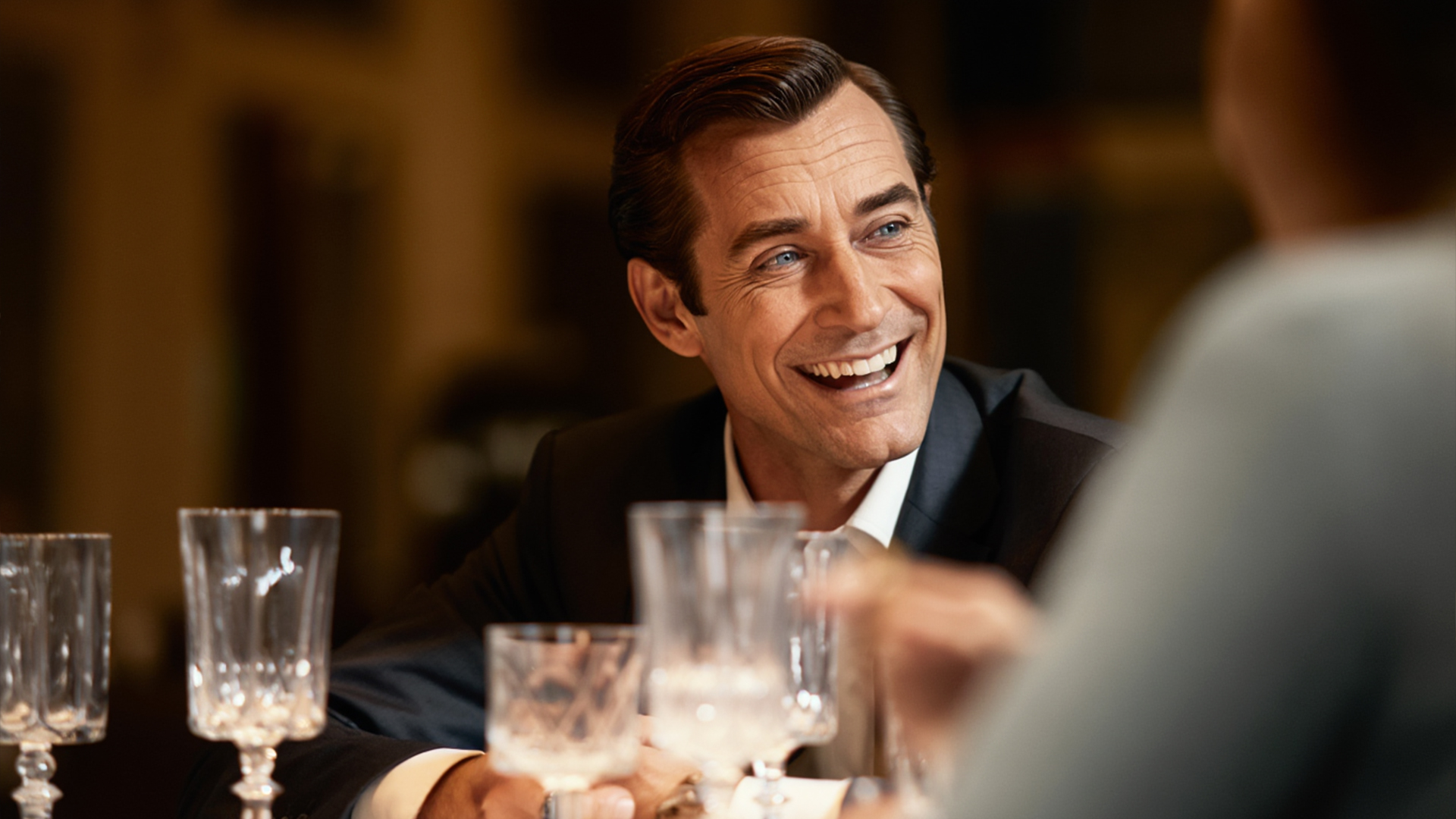
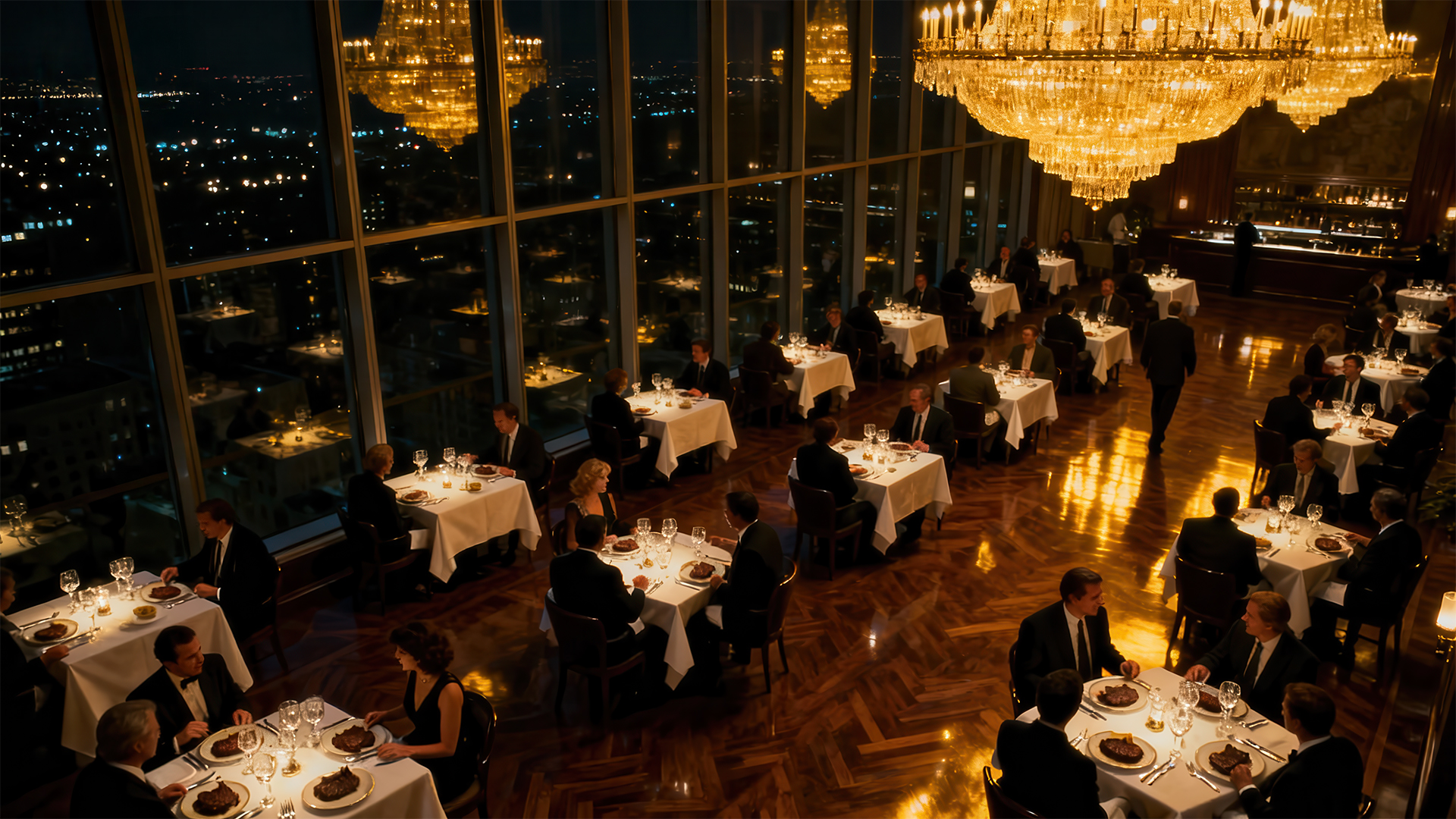
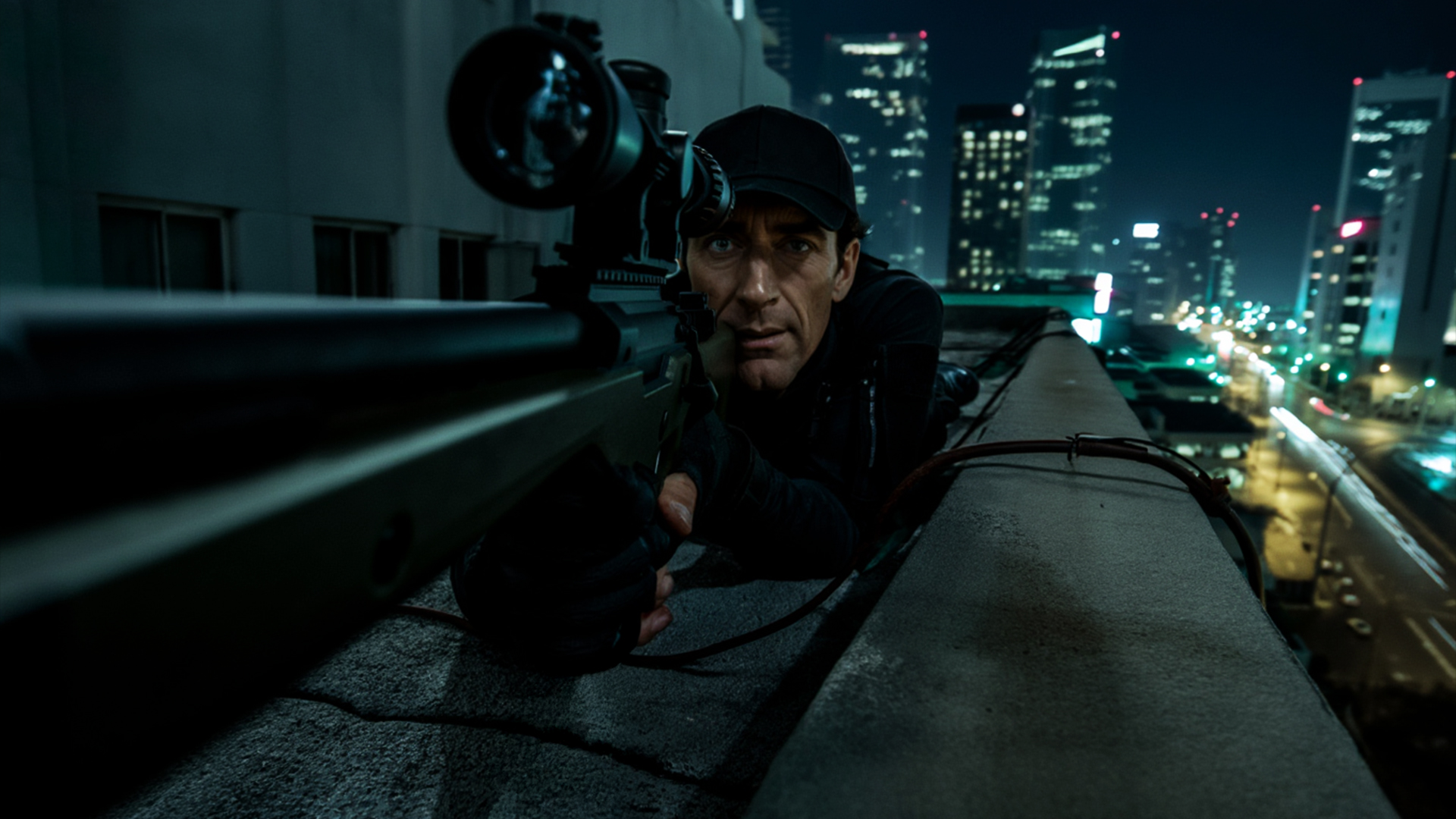
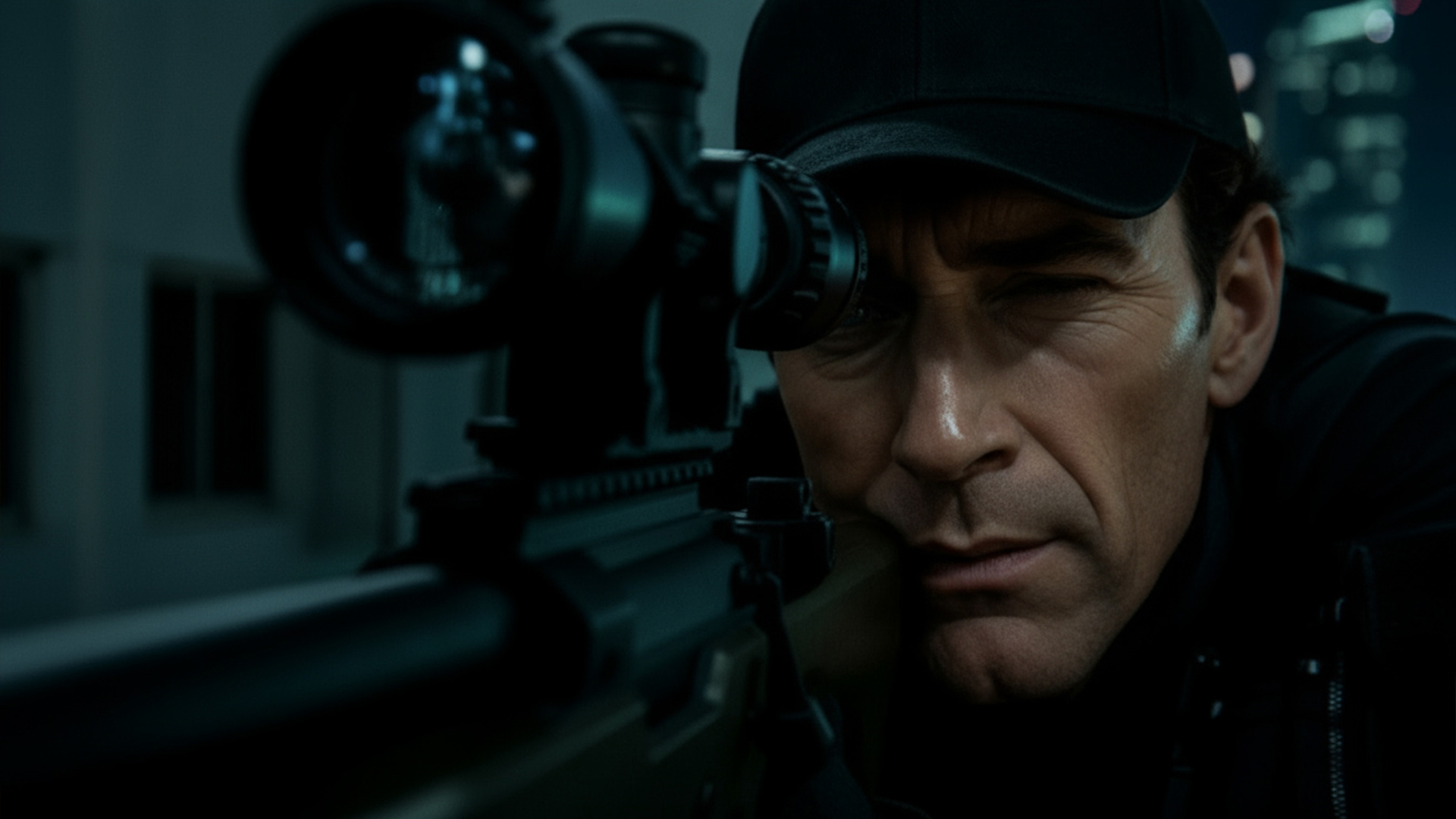
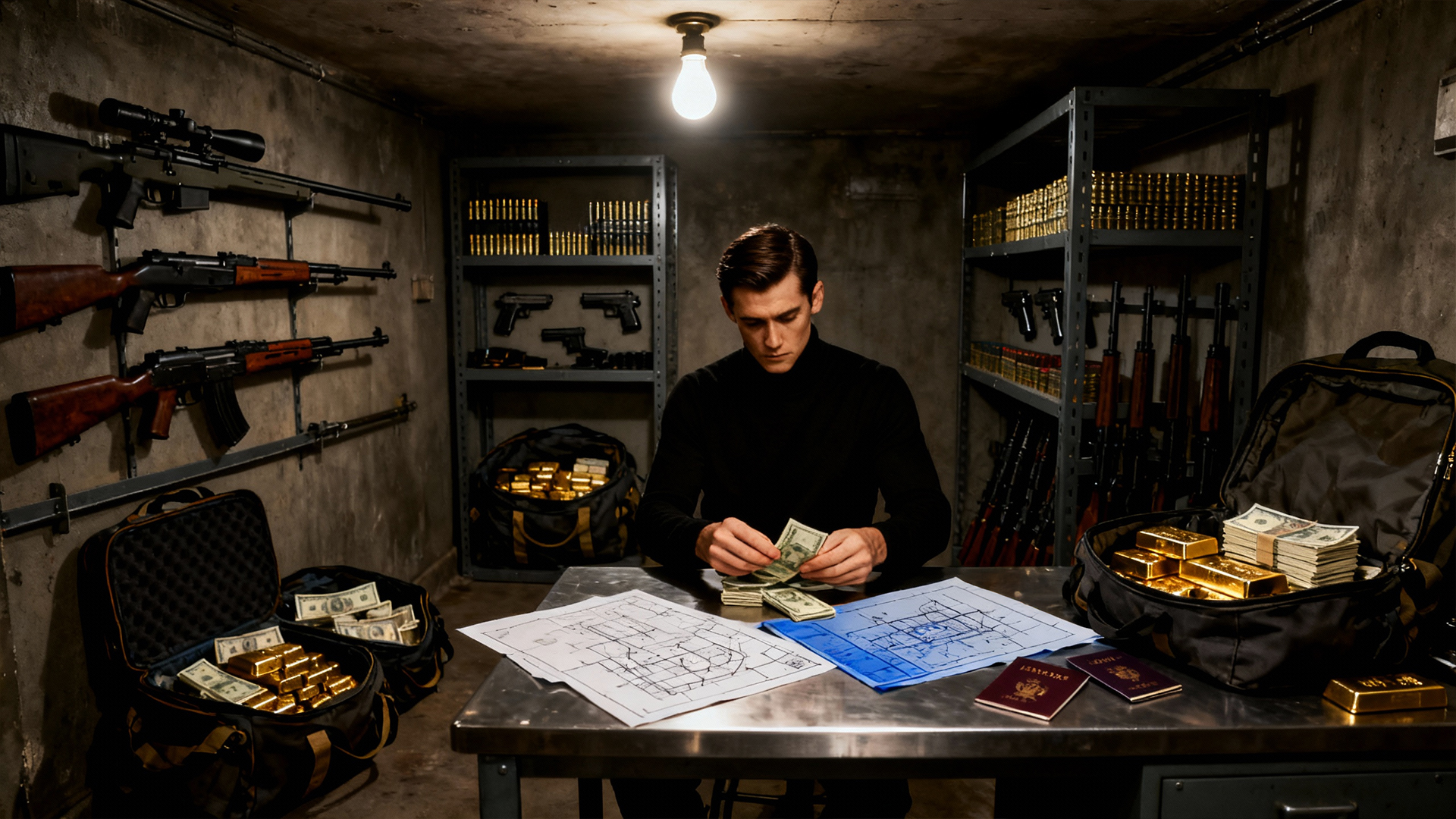
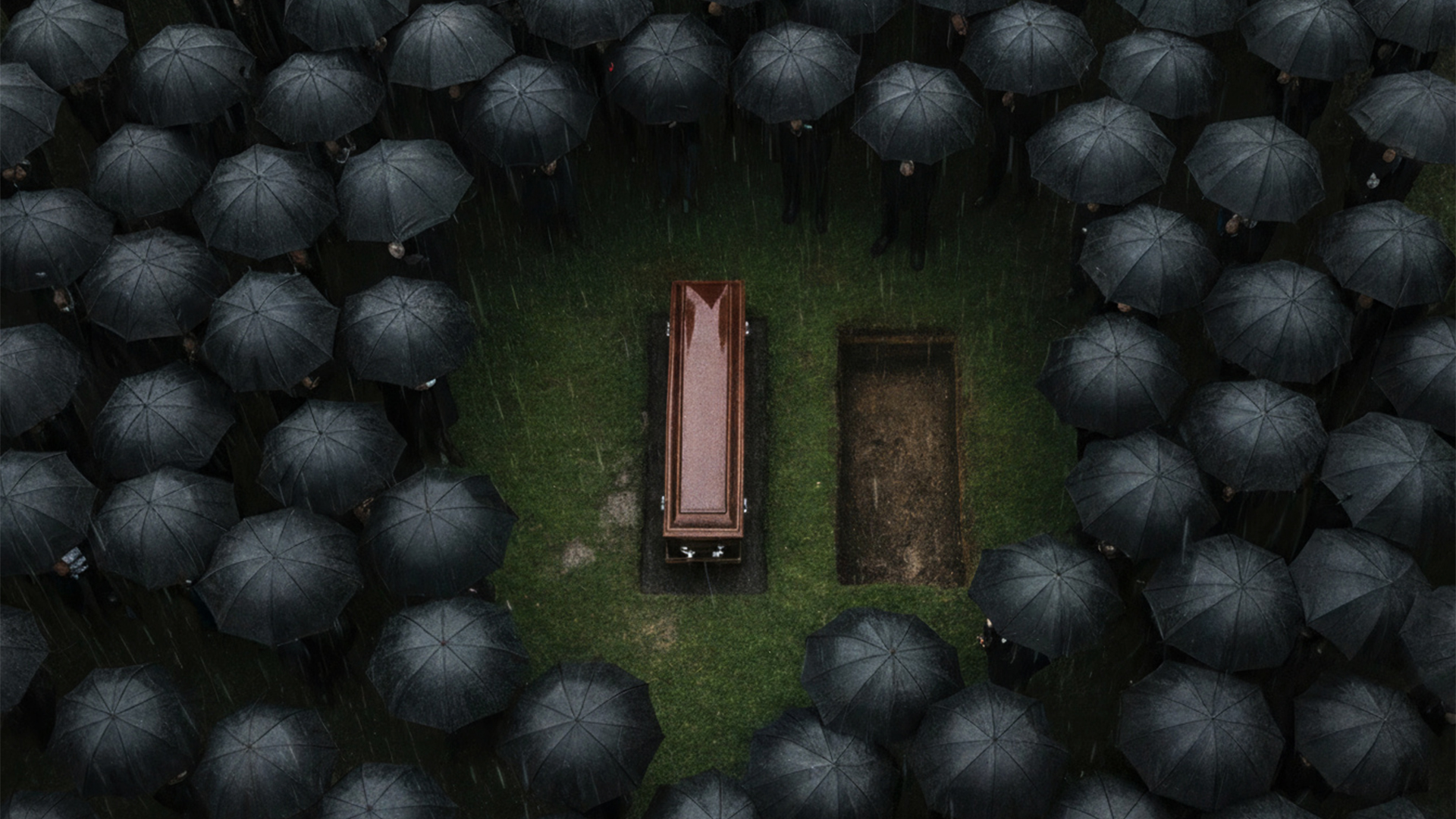
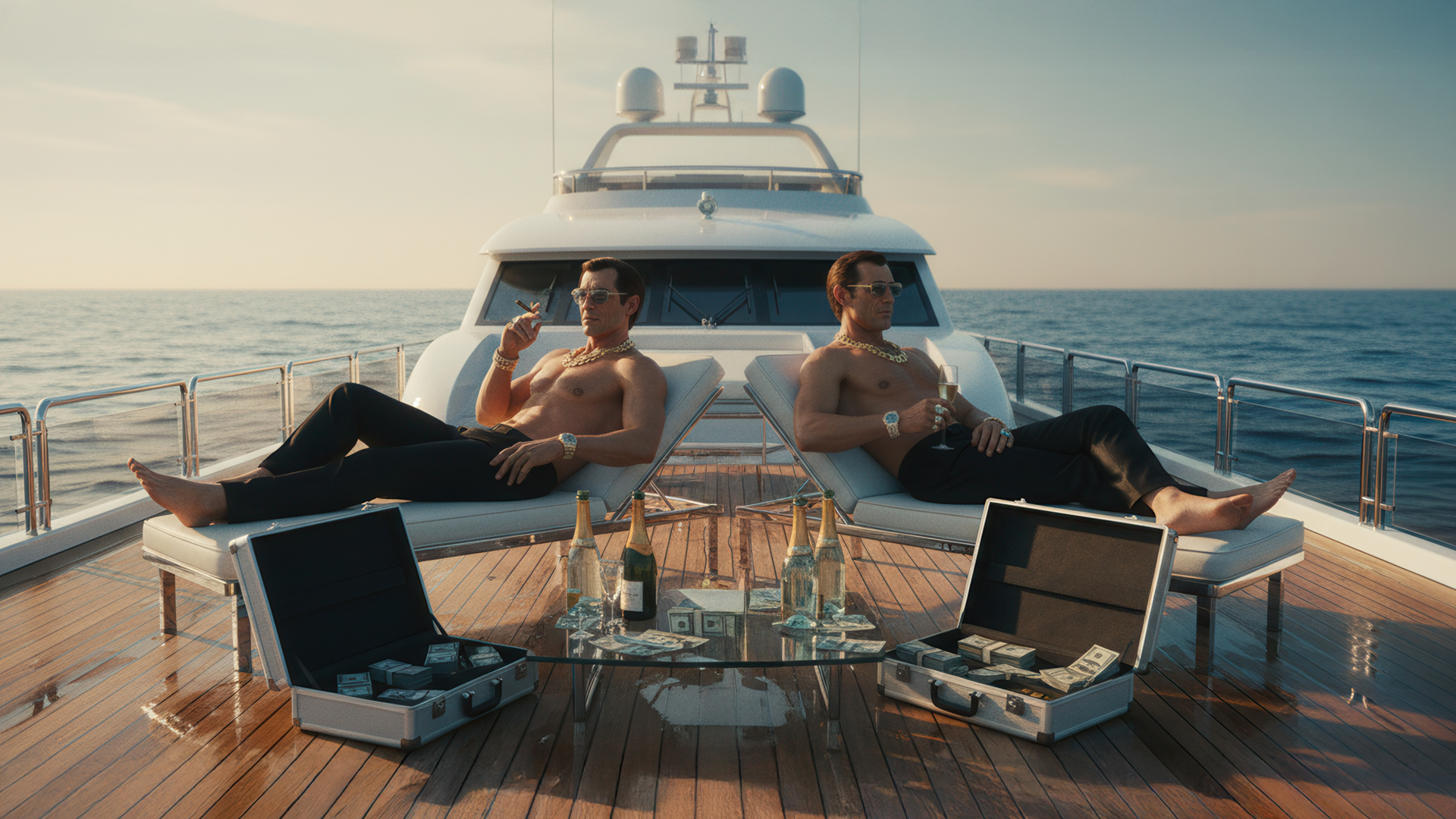
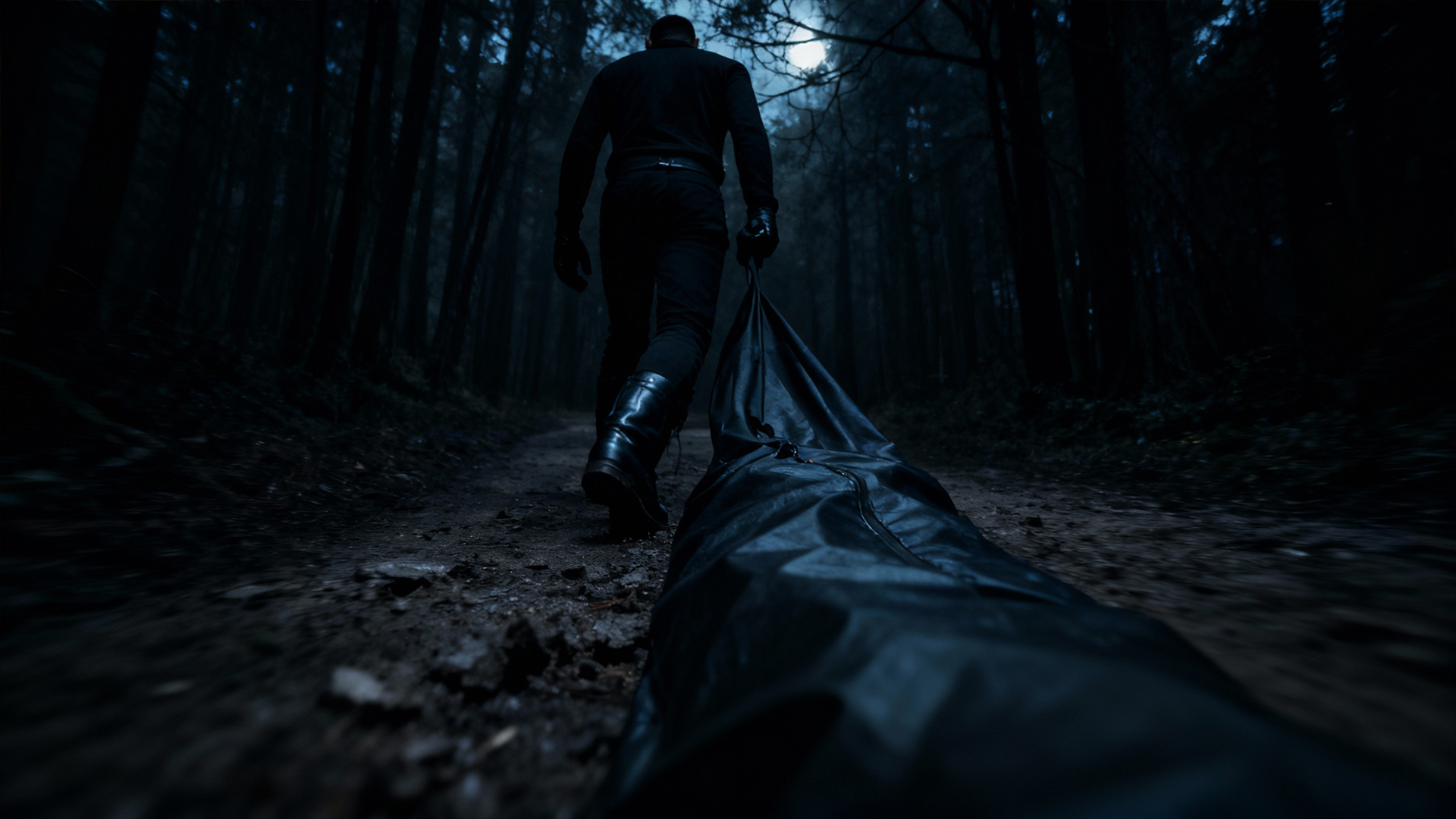
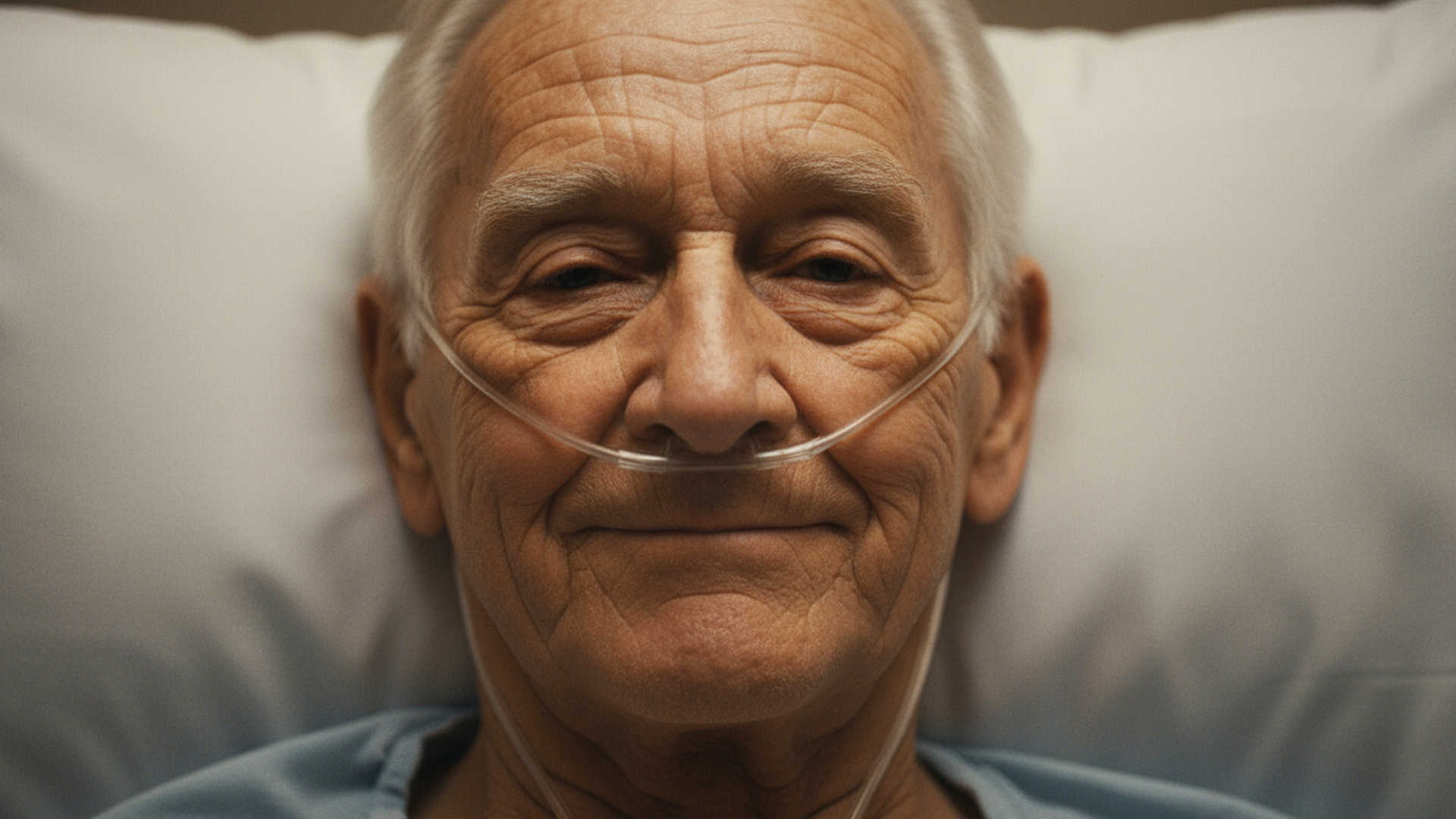
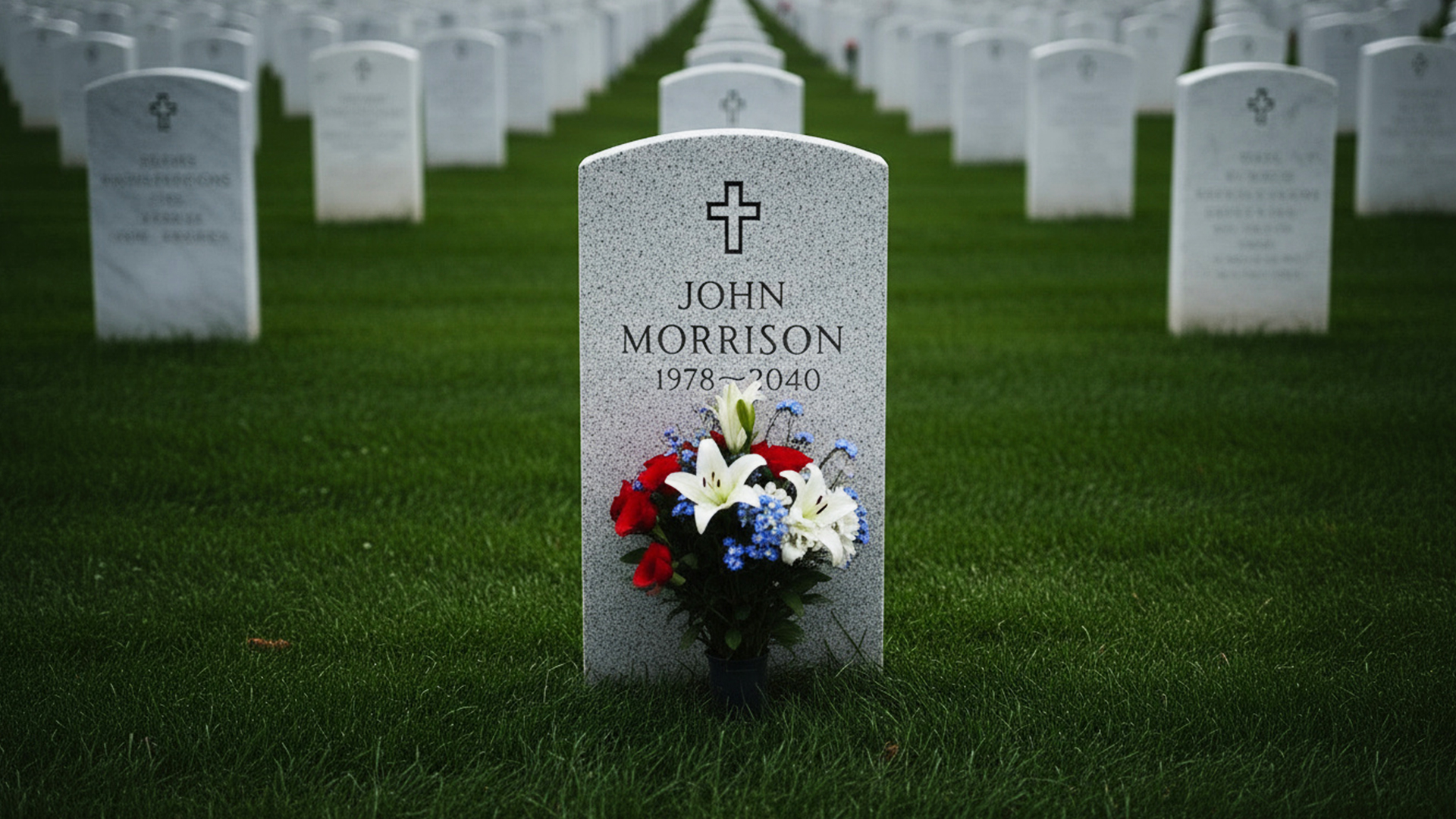
The Perfect Crime was inspired by the paradox of duality — how morality and ambition coexist within a single person. I wanted to create a psychological crime story that feels like a $10 million Hollywood production but was actually crafted alone with AI tools and less than $100. Stylistically, it draws from the tone and precision of David Fincher (Se7en, Gone Girl) and the realism of Michael Mann (Heat), blending noir atmosphere with modern AI cinematography.
What it does
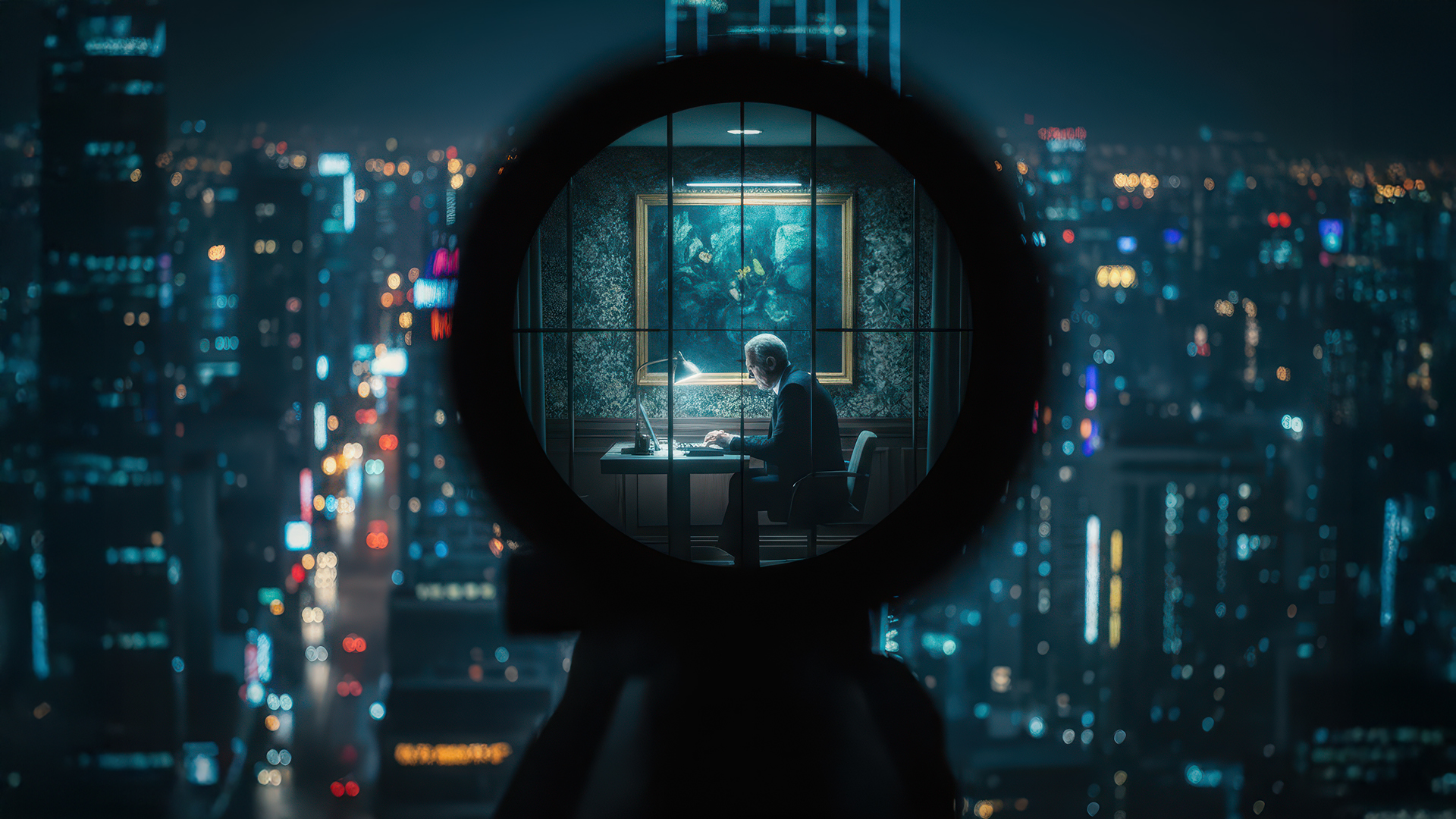
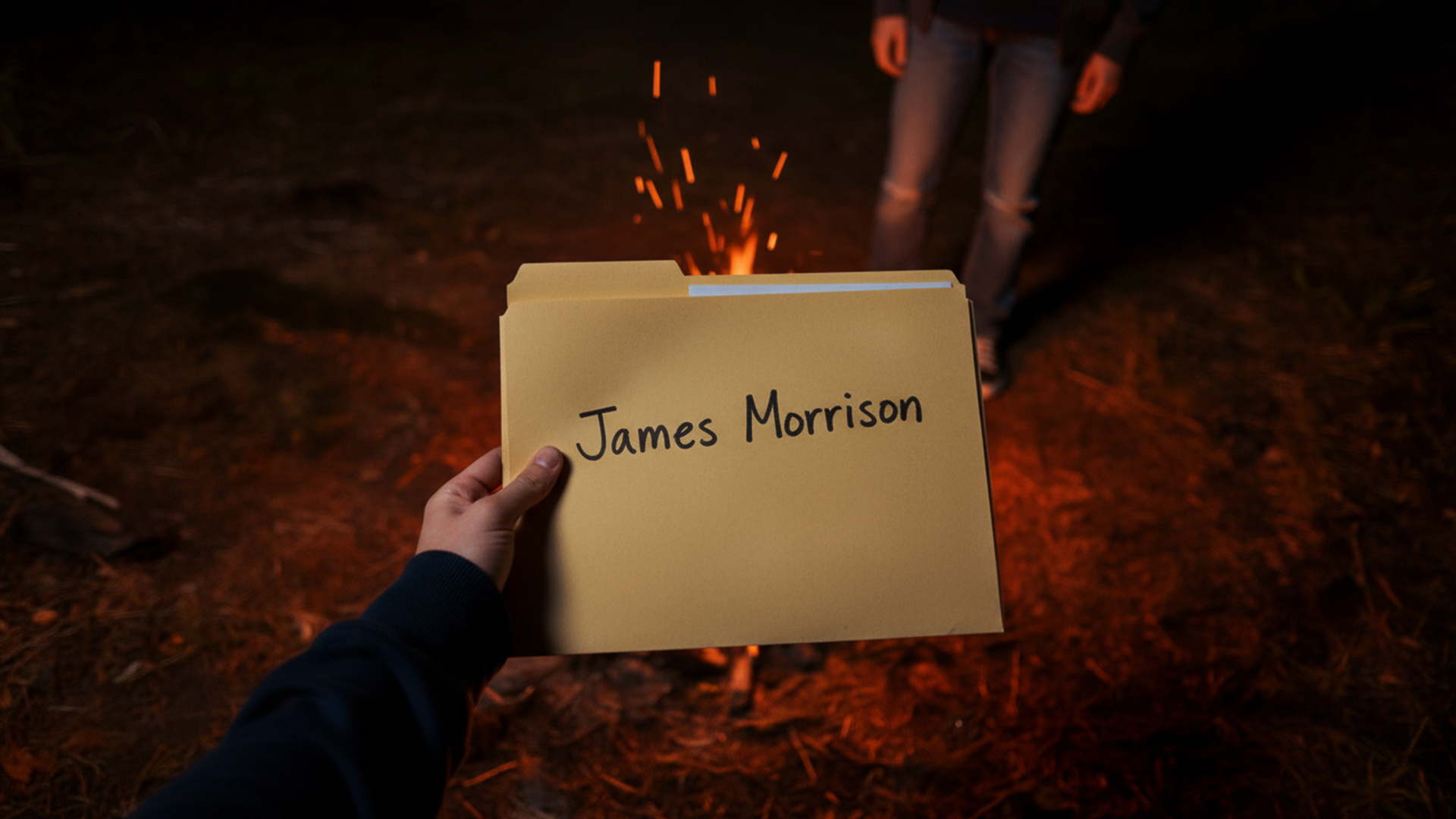
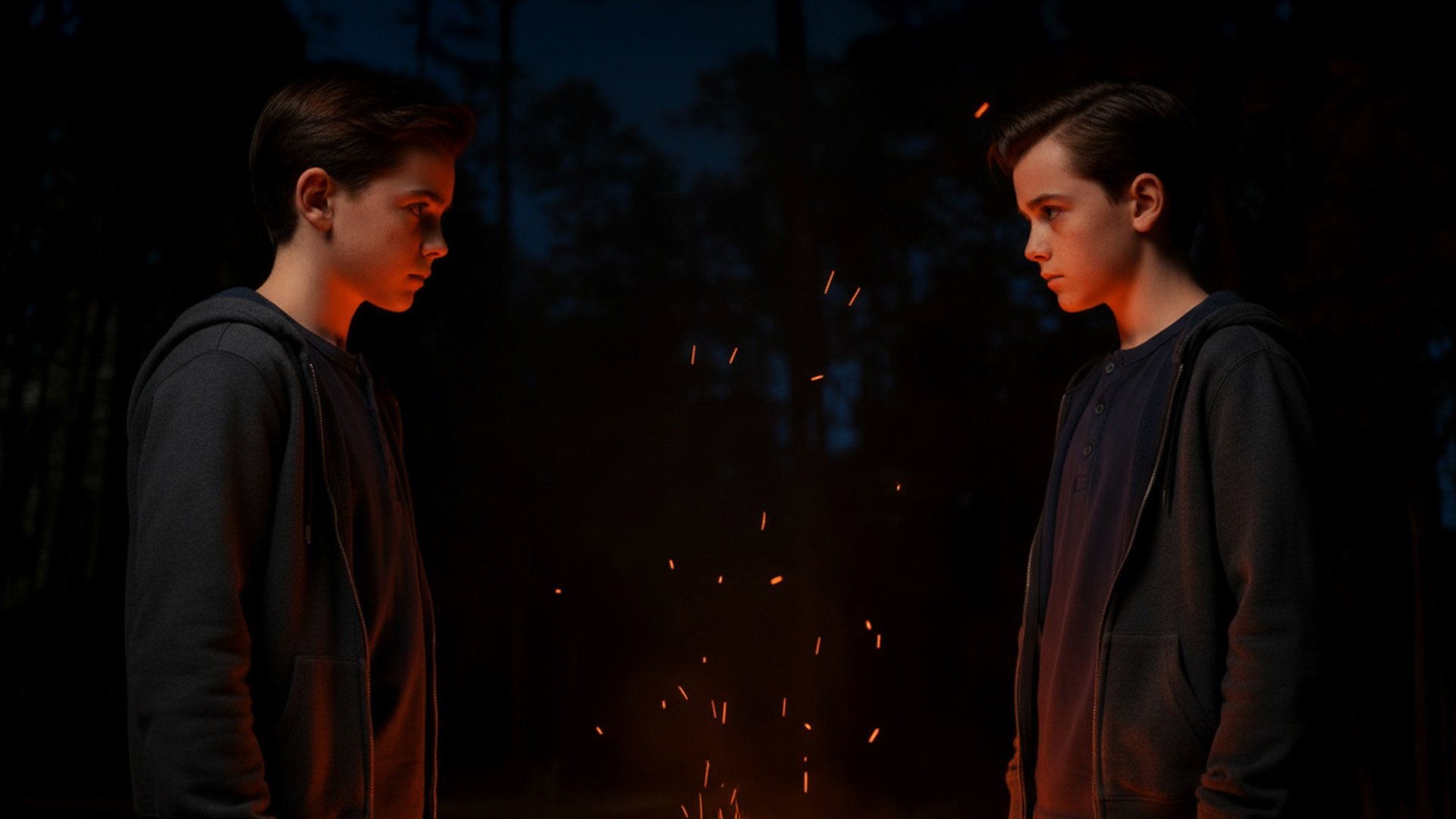
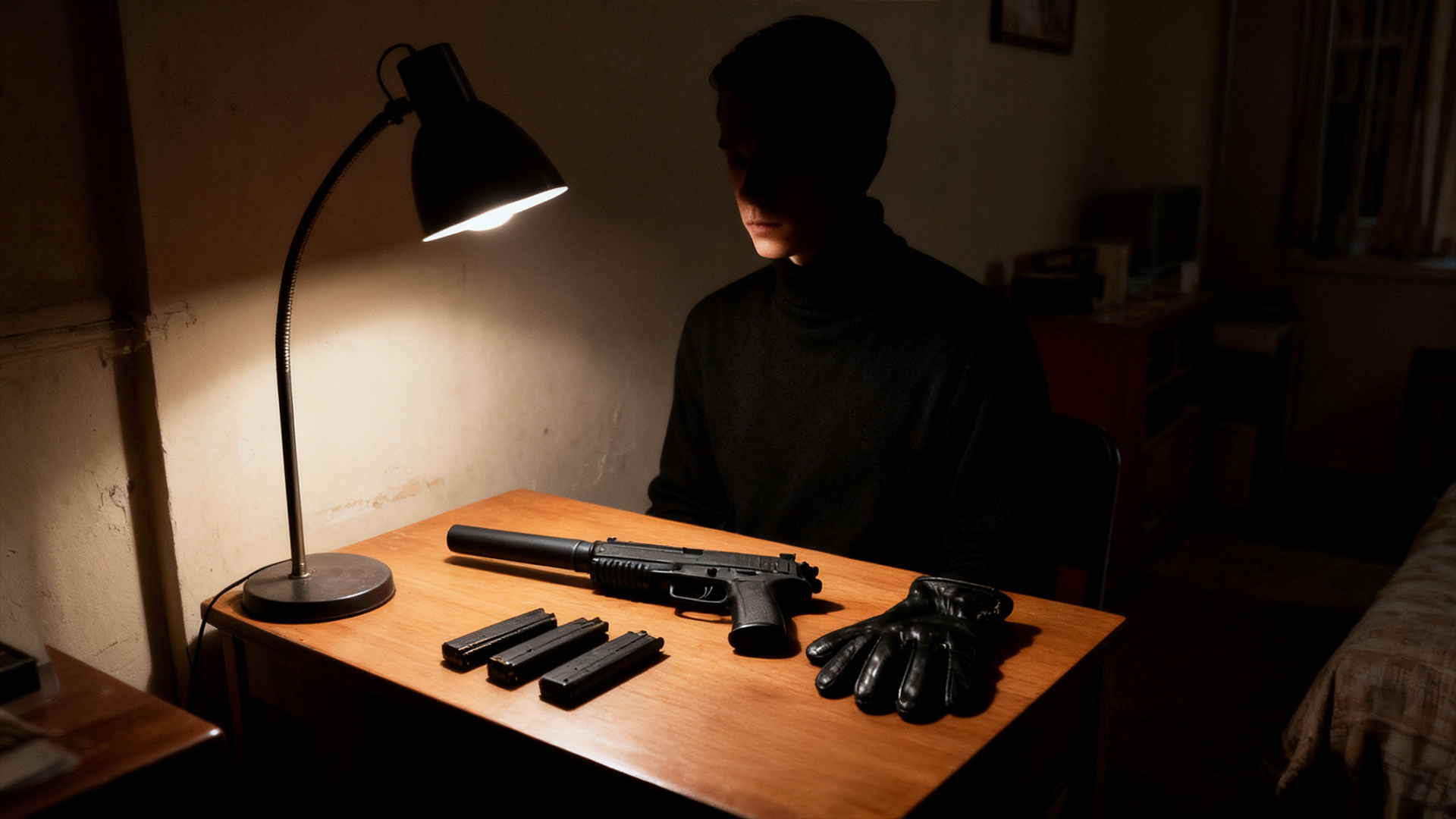
The film follows two identical twins who master the art of creating the perfect alibi — one visible, one invisible. Together, they execute 43 flawless murders before one decides the partnership itself must end. It’s a story about perfection, guilt, and the illusion of control — told entirely through AI-generated visuals, motion, and sound. The project demonstrates that AI can now enable solo creators to achieve cinematic storytelling once limited to large studios.
How we built it
The entire production was AI-driven: Scriptwriting & Voiceover: Written with GPT-5; voice performed via ElevenLabs with a detached, noir tone + Google AI Studio for a Dialogues. Visuals: Shot composition and key frames generated in Midjourney, Nano Banana and Seedream. Animation: Static frames animated in Luma AI, Kling AI, Google VEO 3, Hailuo AI, Seedance and Higgsfield for camera motion and subtle character movement. Editing & Grading: Final assembly in Adobe Premiere Pro + After Effects.
Challenges we ran into
Character Consistency: Keeping both twins identical across different lighting and angles was extremely difficult. Motion Distortion: AI video models often warped faces; we overcame this by limiting animation to subtle movements. Cinematic Realism: Balancing perfect visuals with emotional believability — learning when to let imperfections stay. Each obstacle forced creative problem-solving that became part of the film’s visual identity.
Accomplishments that we're proud of
Created a cinematically coherent short film using only AI tools and a $100 budget. Maintained emotional continuity across an entirely synthetic production. Achieved film-festival-level storytelling without actors, sets, or a crew. Developed a repeatable workflow for high-end AI filmmaking — from concept to finished piece.
What we learned
AI is not a shortcut — it’s a collaborator. The real artistry lies in precision prompting, editing, and emotional direction. Lighting defines realism more than character details. Stillness is powerful — minimal motion often feels the most human. Narrative coherence is more important than perfect visuals. AI filmmaking is still unpredictable, but with structure and storytelling discipline, it can feel indistinguishable from traditional cinema.
What's next for The Perfect Crime
The next step will be the creation of a full-length film.
Built With
- chatgpt
- claude
- elevenlabs
- googleveo3
- hailuo
- higgsfield
- klingai
- lumaai
- midjourney
- nanobanana
- seedance
- seedream

Log in or sign up for Devpost to join the conversation.