Inspiration
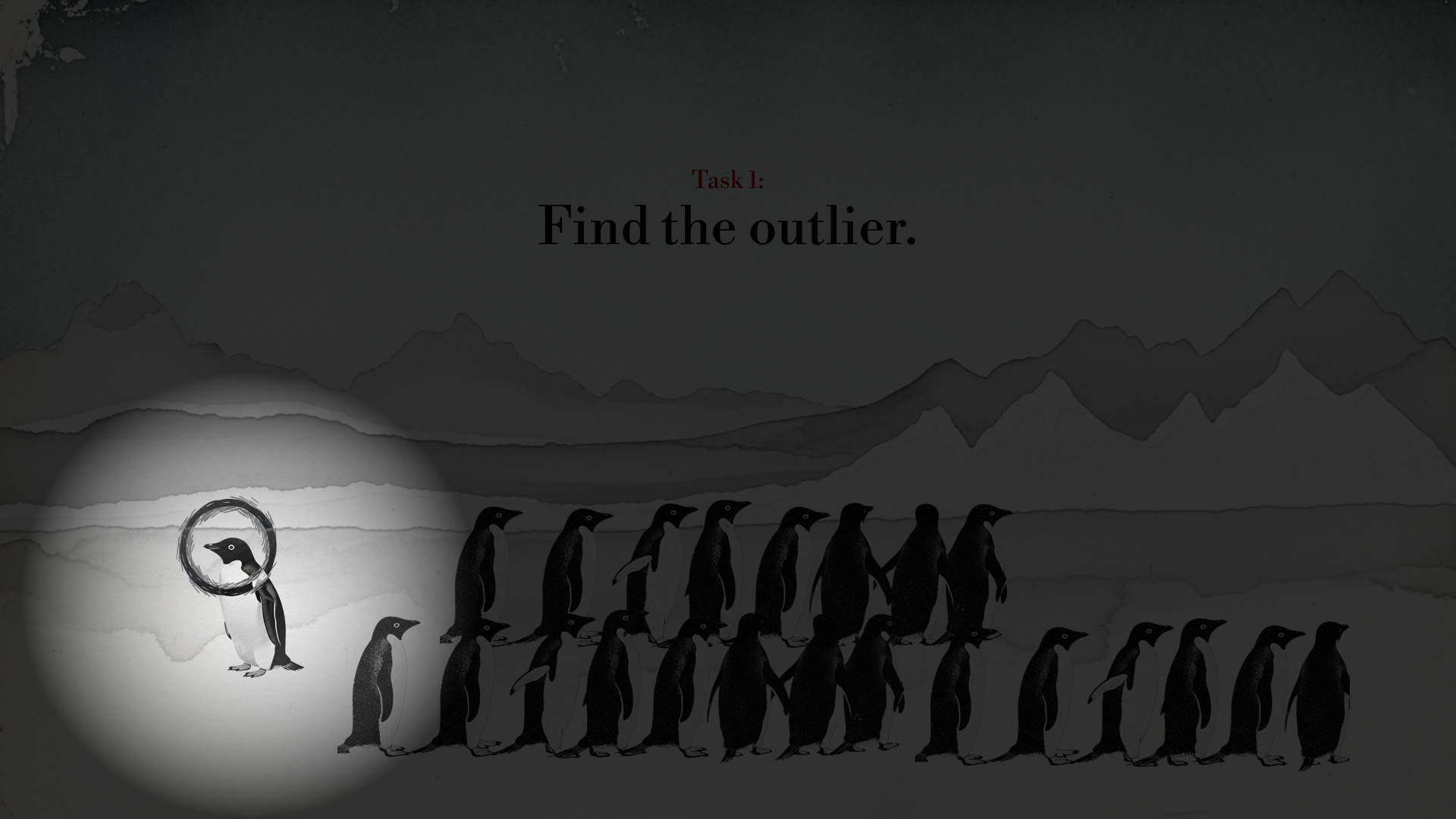
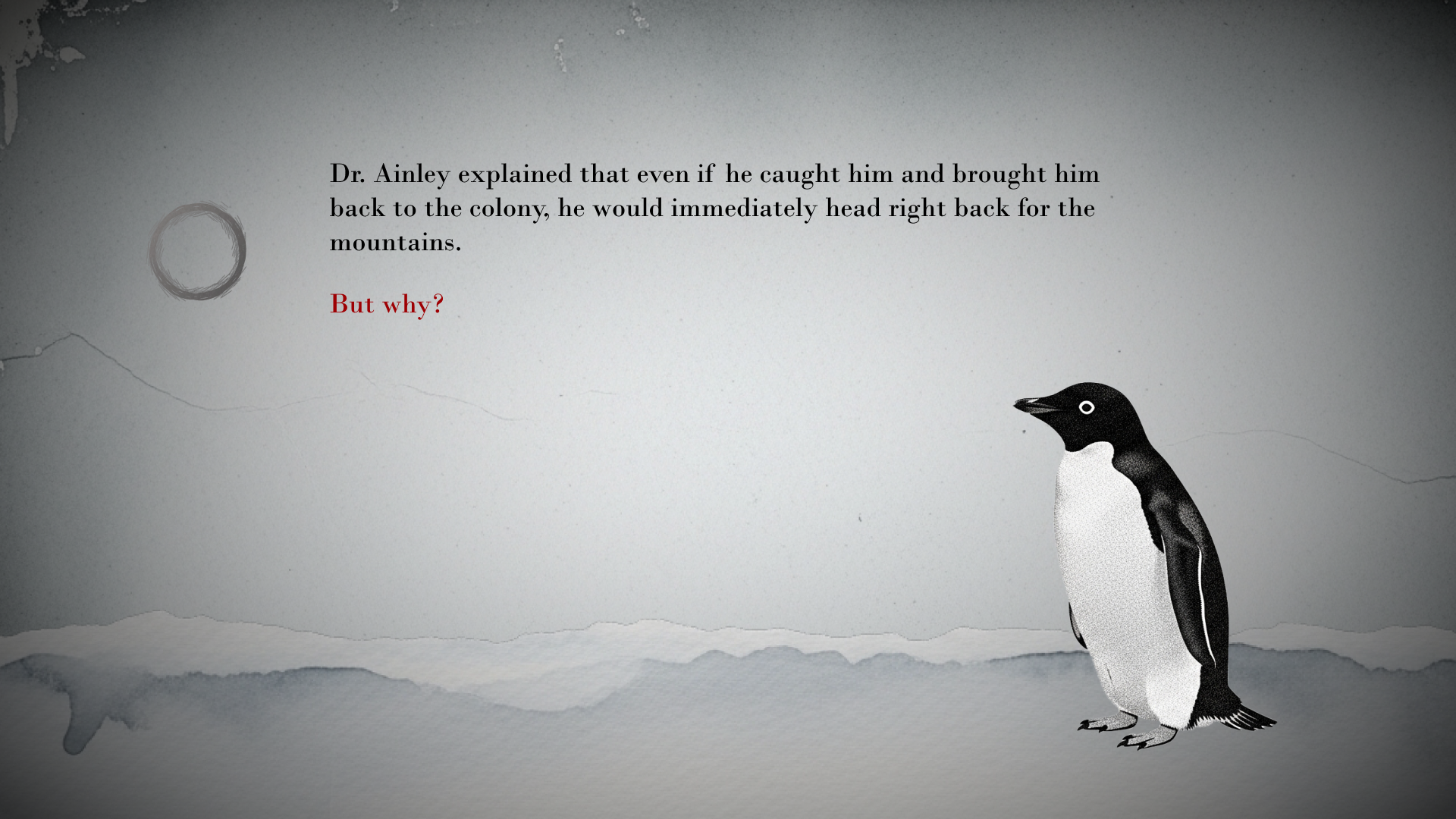
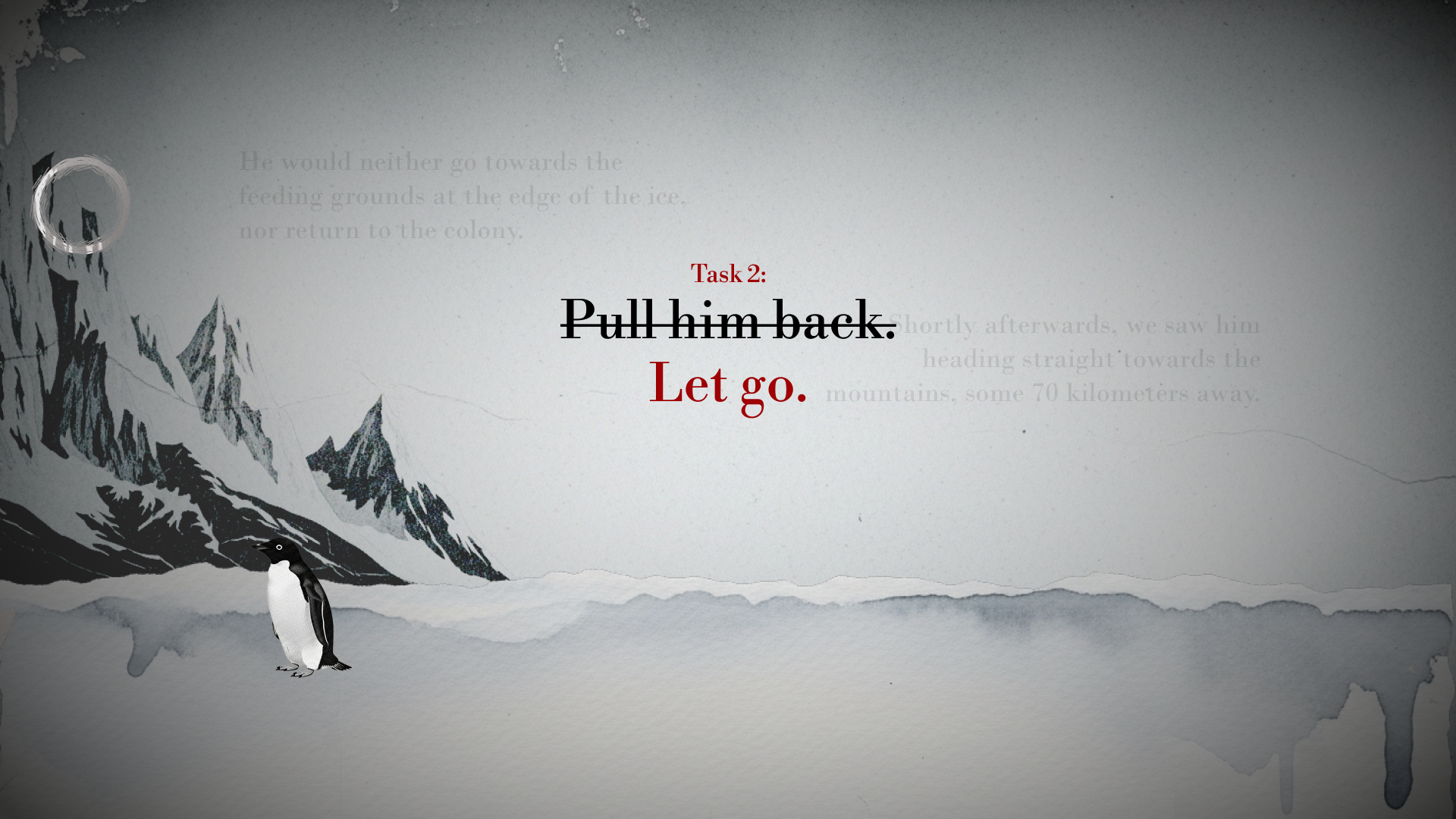
Inspired by a haunting sequence in Werner Herzog’s Encounters at the End of the World, where a lone penguin abandons the colony for the mountains. While scientists saw disorientation, we saw agency. We wanted to reimagine this tragedy not as madness, but as a deliberate choice to find a new path.
What it does
The Path to Nowhere is an immersive "scrollytelling" experience that follows the penguin’s journey.
- Interactive Narrative: Users control the flow of time via scrolling.
- The Futility Mechanic: A button allows users to "Intervene" and return the penguin to safety, only to watch him immediately turn back to the mountains.
- Atmosphere: The experience shifts from the chaotic colony to the silent ice, ending in a surreal vertical ascent.
How we built it
We blended vintage aesthetics with modern web tech:
- Art Direction: We used Surrealist Paper Collage assets (generated via AI) rather than video, layering watercolor paper, lithographs, and ink-wash textures.
- Parallax Engine: We utilized CSS3 3D Transforms to create a 2.5D "paper theater" depth effect.
- Custom Logic: We wrote specific JavaScript handlers to manage the "Rescue" interaction, overriding scroll behavior to enforce the narrative outcome.
Challenges we ran into
- Asset Optimization: High-res paper textures are heavy; balancing that gritty look with smooth browser performance was difficult.
- Elastic Scroll: Implementing the "resistance" in Scene 2—where the screen physically snaps back against the user's drag—required complex event listeners.
- Axis Switching: Seamlessly transitioning from a horizontal walk to a vertical climb without disorienting the user.
Accomplishments that we're proud of
- The "Ghost" Effect: Using semi-transparent blurring to make the colony feel like a fading memory while the protagonist remains solid.
- Diegetic UI: Designing interface elements (like the "Intervene" block) to look like frozen artifacts buried in the ice rather than standard web buttons.
- The Tone: Successfully transforming a documentary tragedy into a story about bravery and transcendence.
What we learned
- Scroll is Time: Forcing the user to scroll through vast areas of empty white space created a feeling of exhaustion that words alone could not convey.
- Narrative Frustration: Giving the user a button that doesn't work proved to be a more powerful storytelling tool than one that solves the problem.
What's next for The Path to Nowhere
- Mobile Gyroscope: Allowing users to tilt their phones to look up at the mountain peak.
- Spatial Audio: Implementing wind sounds that shift from ear to ear as the penguin turns.
- The "Echo": A feature allowing travelers to leave anonymous messages in the snow at the summit.
Built With
- css3
- figma
- html
- javascript

Log in or sign up for Devpost to join the conversation.