-
-
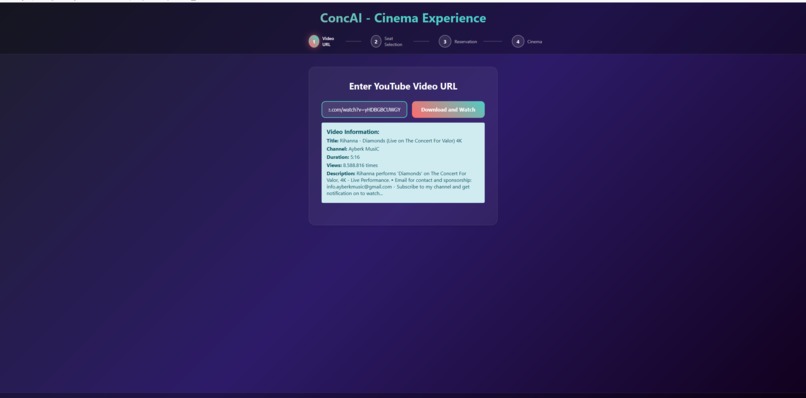
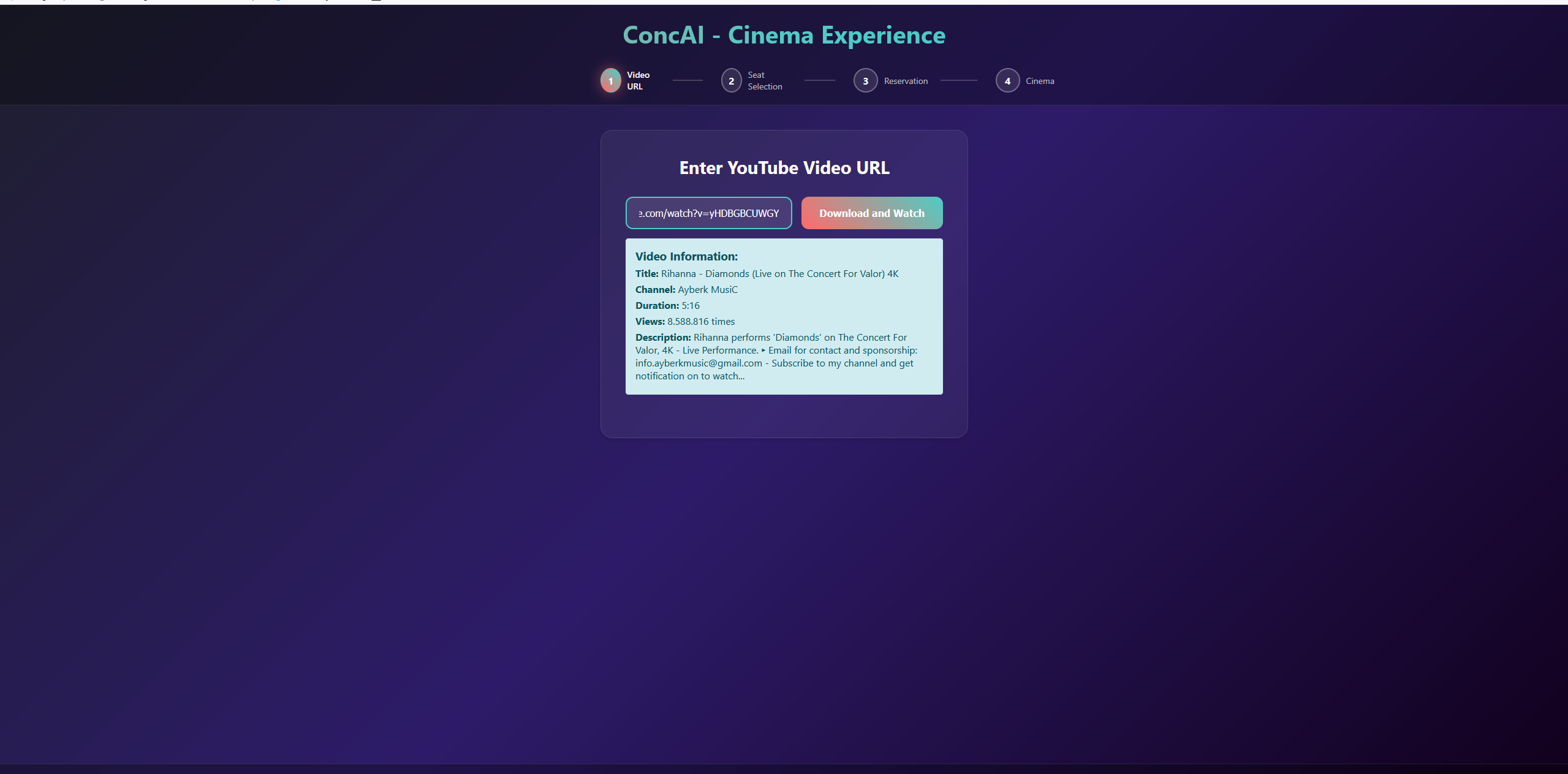
URL input step 1
-
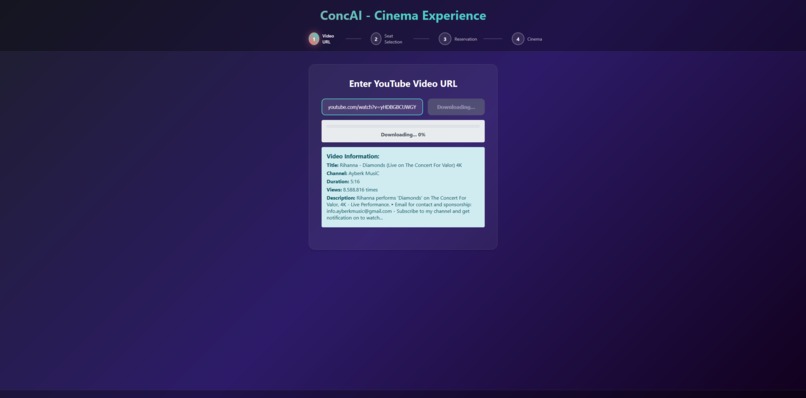
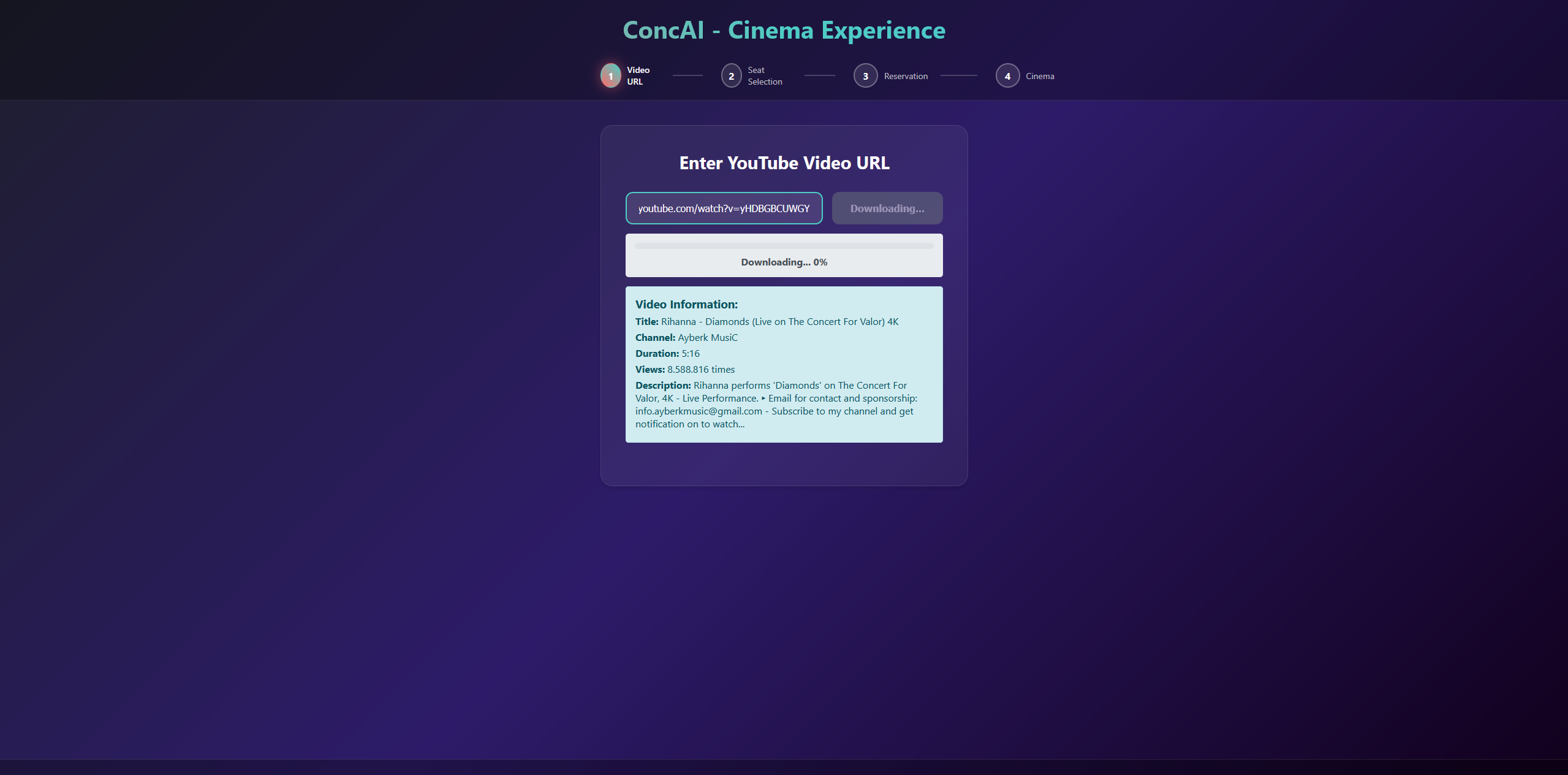
Download Loading Bar
-
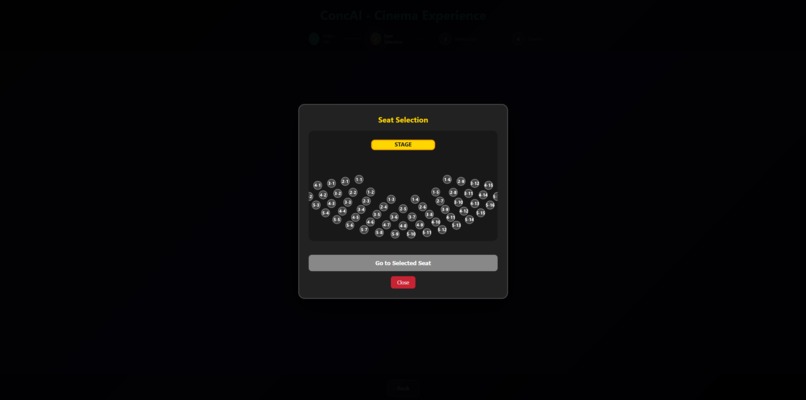
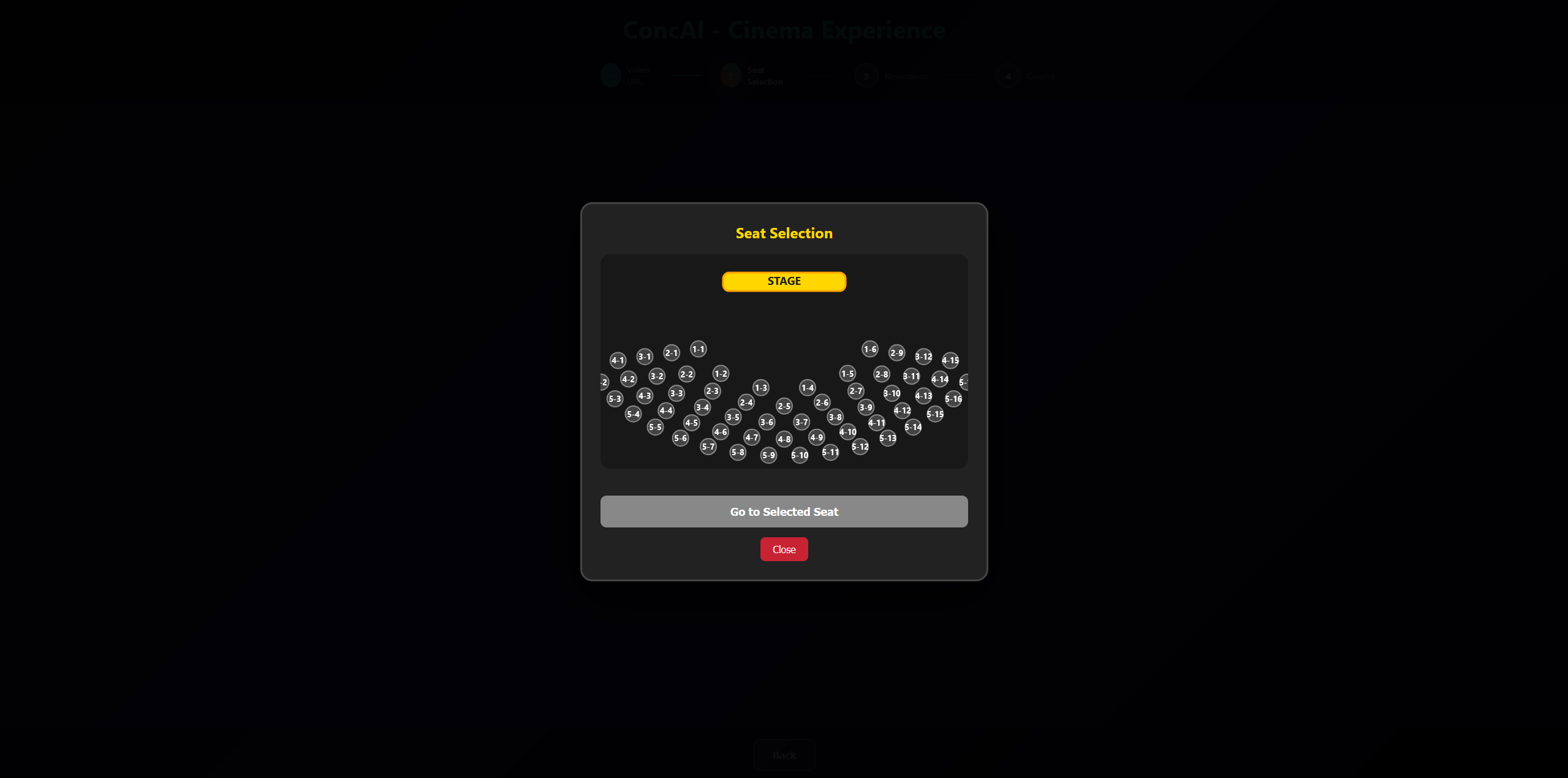
Seat Selection
-
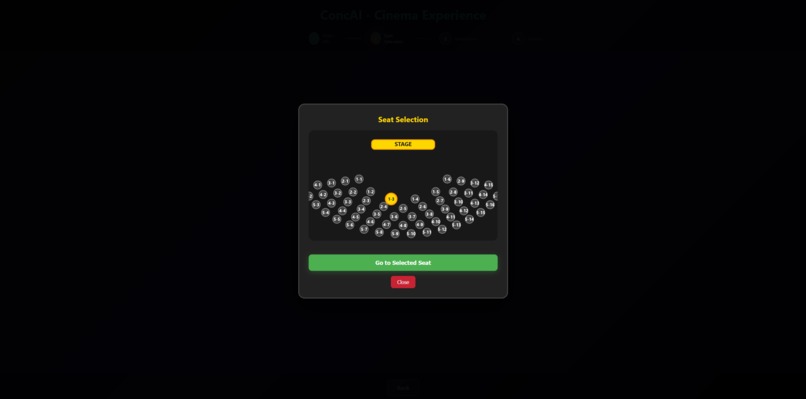
Seat
-
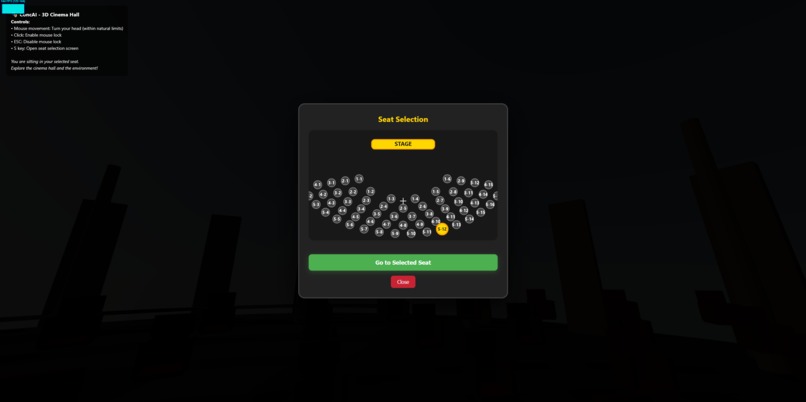
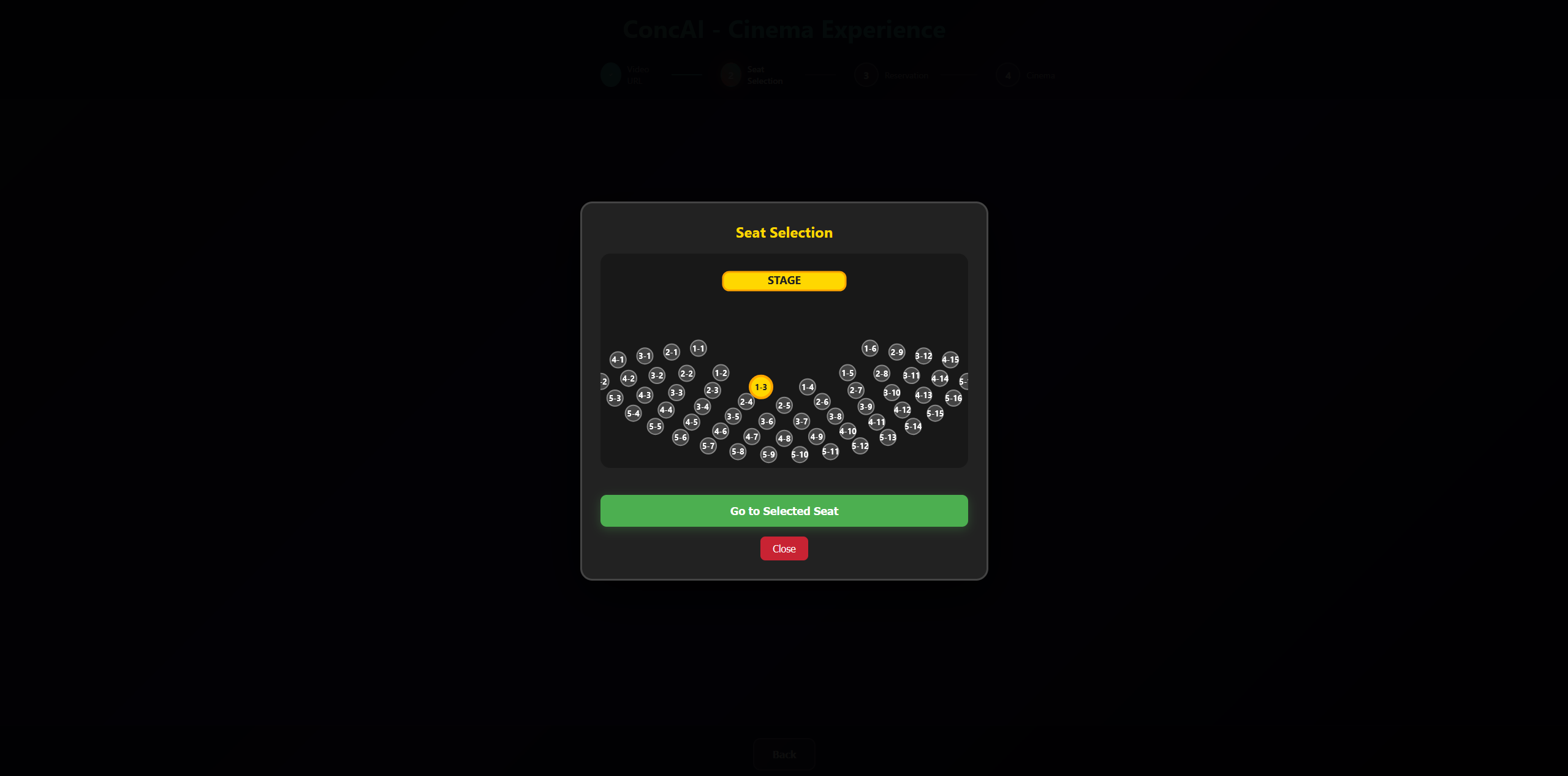
Confırmed Seat
-
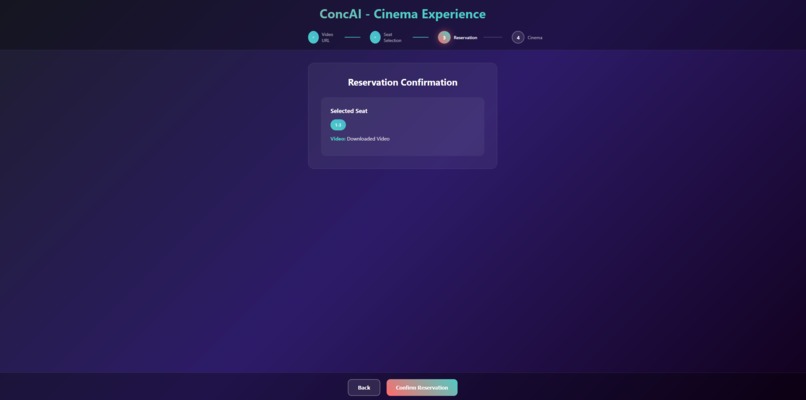
Reservatıon Overwıev
-
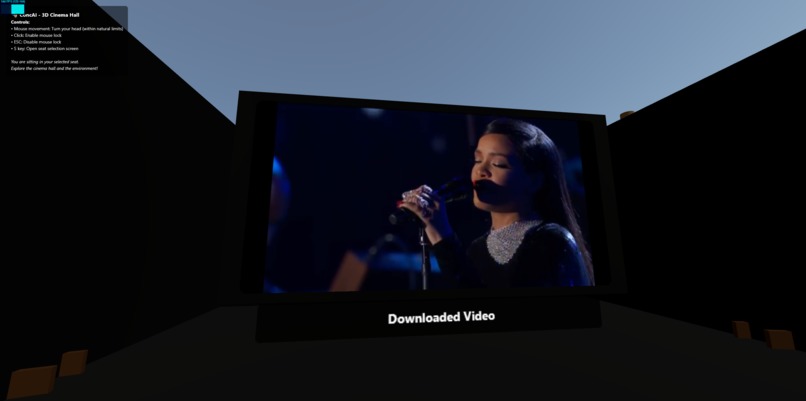
Sceen 1
-
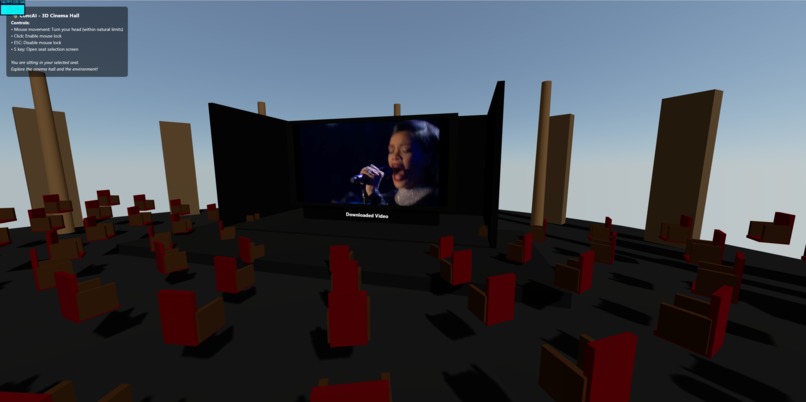
Sceen 1
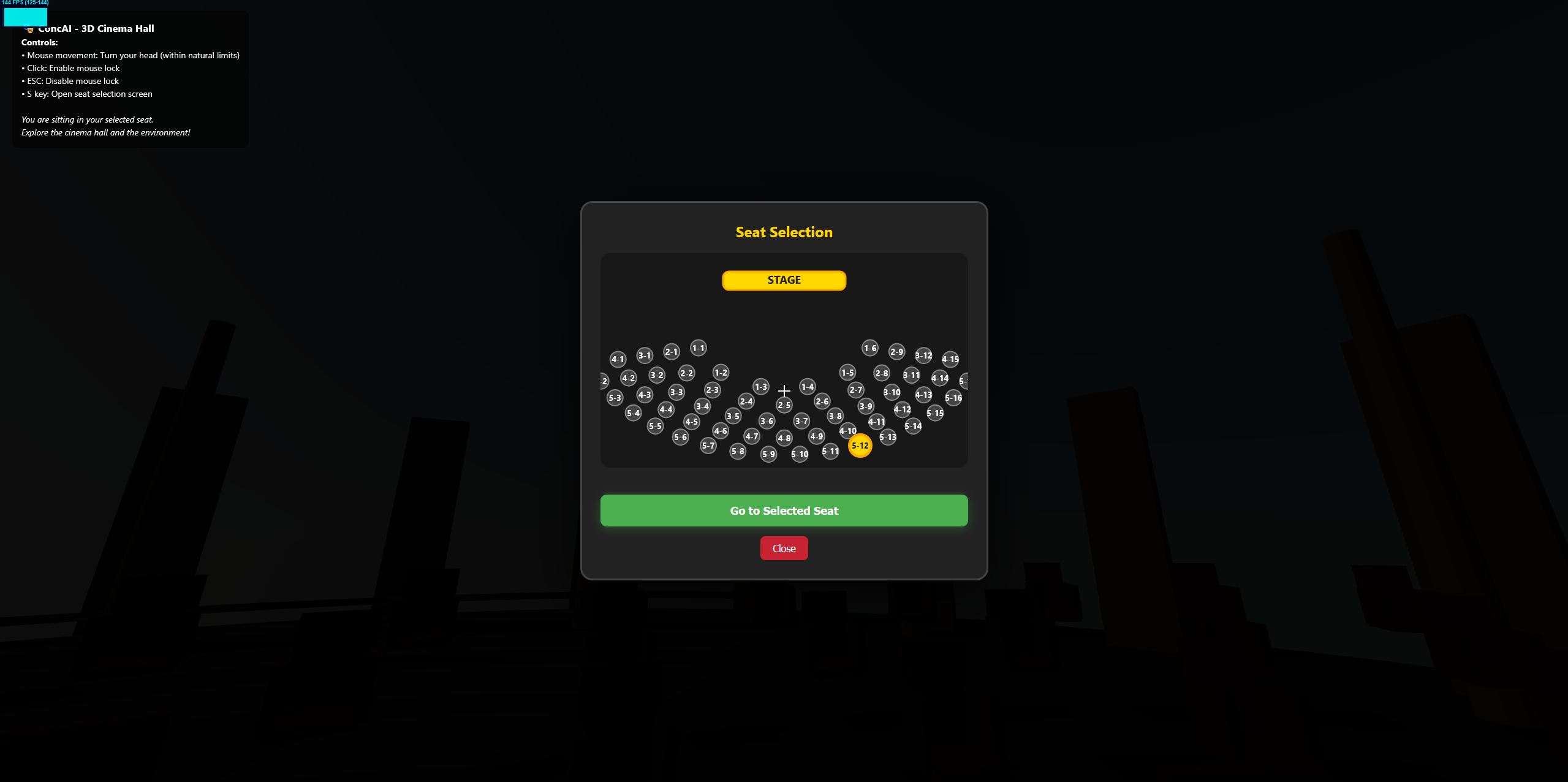
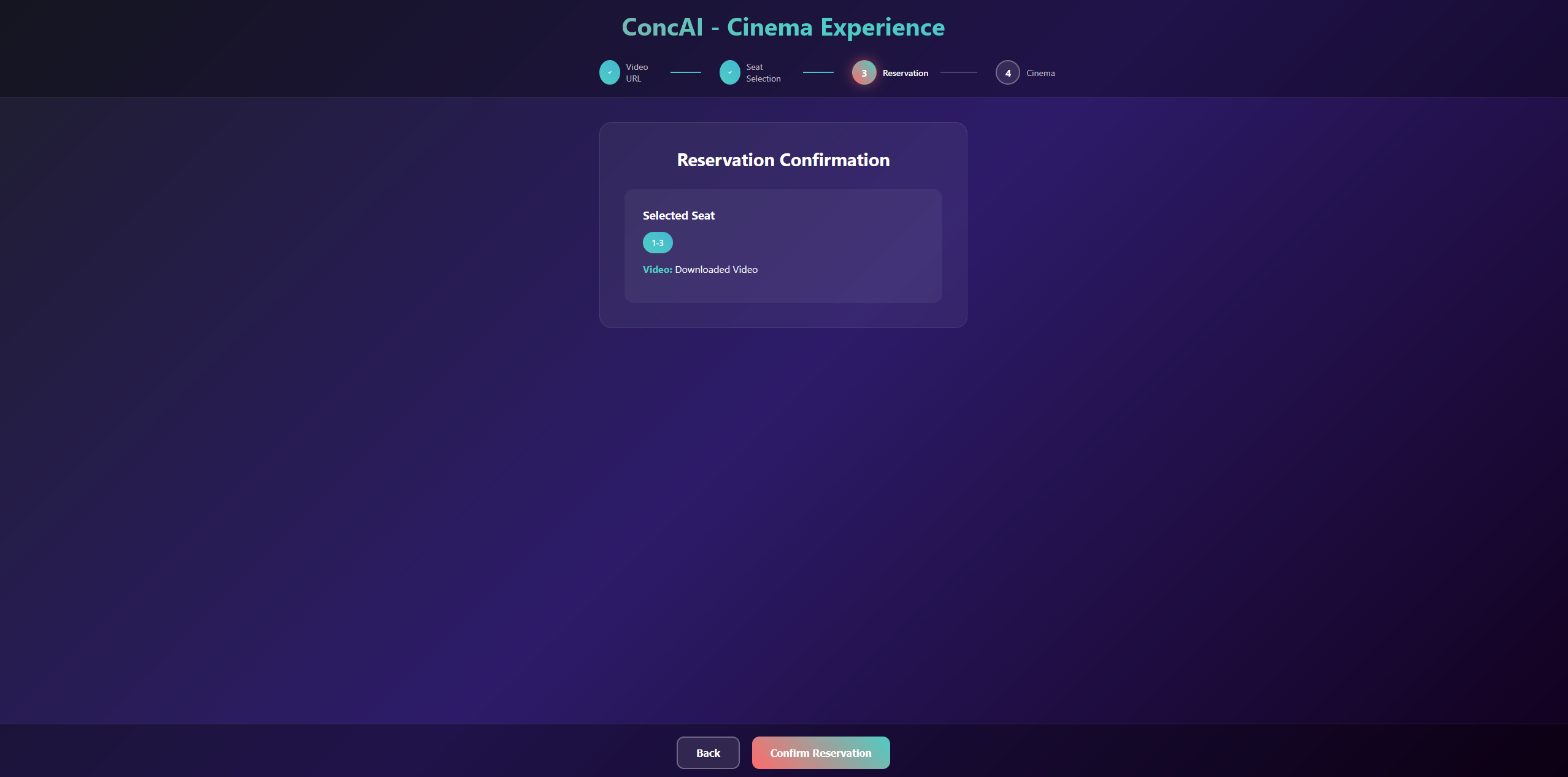
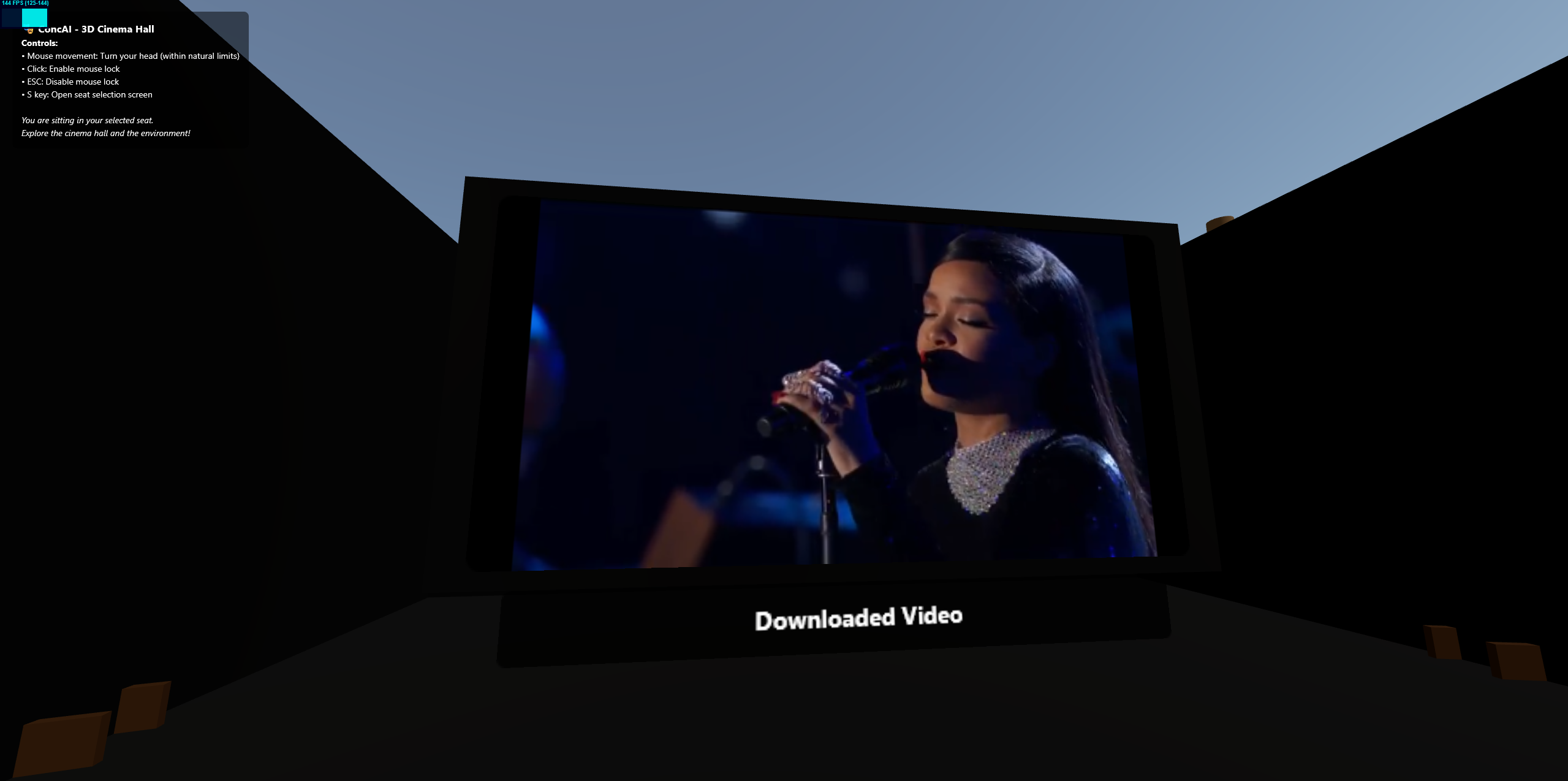
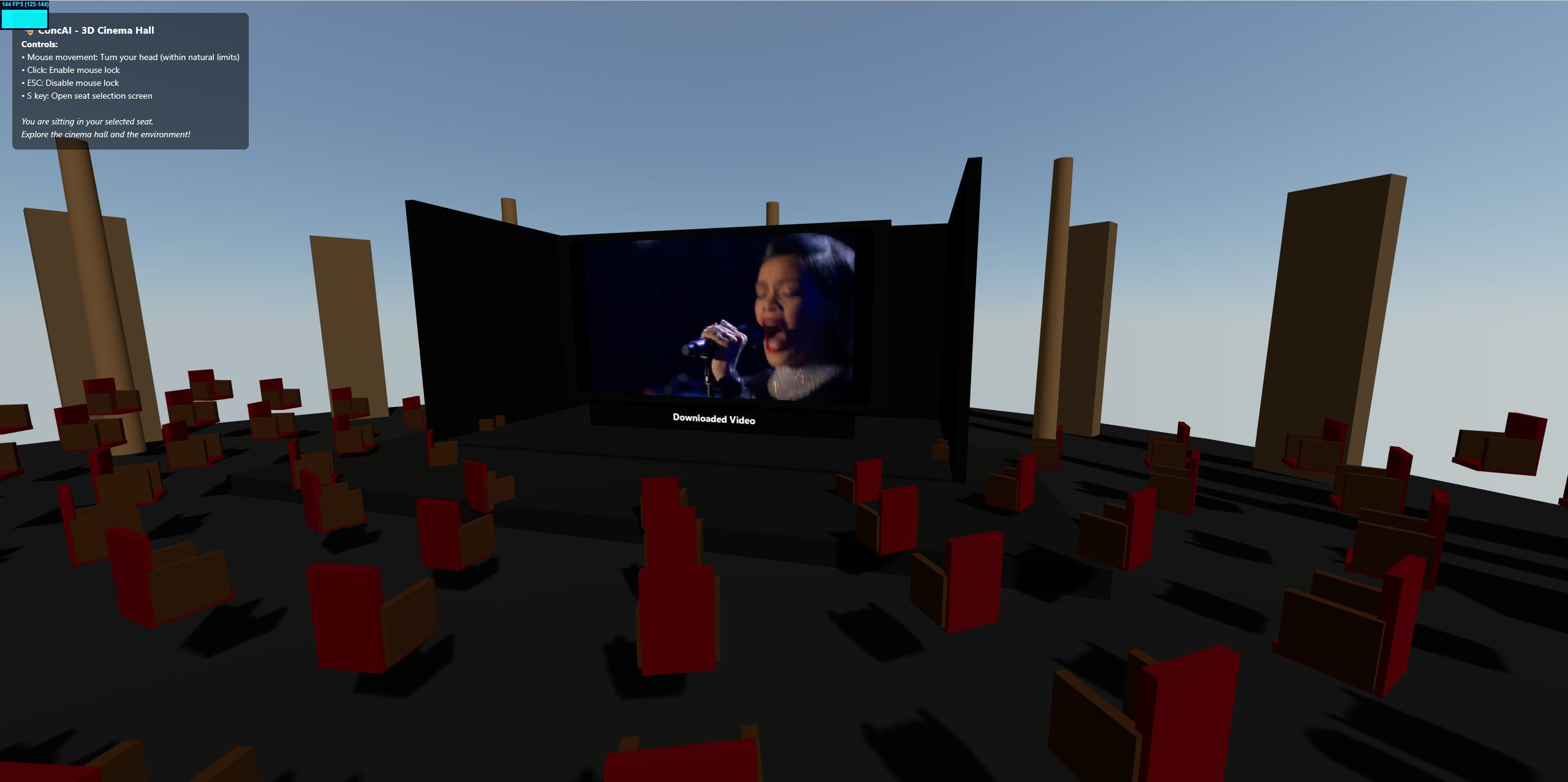
The inspiration for this project came from the desire to create a more immersive and interactive cinema experience using modern web technologies and artificial intelligence. I wanted to simulate the feeling of being in a real cinema, where seat selection, spatial audio, and dynamic visuals all contribute to the atmosphere. The idea was also influenced by the growing trend of virtual events and the need for accessible, engaging digital entertainment platforms.
What I Learned Throughout the development process, I learned a lot about:
3D rendering in the browser using React Three Fiber and advanced CSS for realistic environments. Spatial audio processing with the Web Audio API, including stereo panning and dynamic volume control based on user interaction and position. Integrating video sources from both local files and online platforms like YouTube, and handling their limitations (e.g., browser security restrictions on iframe audio). User experience design for interactive seat selection and feedback, making the interface both visually appealing and intuitive. How I Built the Project The project is structured as a full-stack application:
Frontend: Built with React and TypeScript, featuring components for seat selection, a 3D cinema scene, and video playback. The 3D environment is rendered using React Three Fiber, and spatial audio is managed via the Web Audio API. Backend: Handles video streaming and seat data, allowing users to select and reserve seats in real time. Audio Features: For local videos, the audio is routed through a StereoPannerNode so that moving the mouse left or right changes the balance between the ears, simulating head movement in a real cinema. Seat Selection: Users can visually select seats, which updates their position and the corresponding audio/visual experience. Challenges Faced Some of the main challenges included:
Browser Security Restrictions: Accessing and manipulating audio from embedded iframes (like YouTube) is not possible due to CORS and browser sandboxing. This required fallback solutions and clear user feedback. Synchronizing 3D Position and Audio: Ensuring that the user's seat position and head orientation correctly influenced both the visuals and the audio required careful state management and math (e.g., calculating angles and distances). Performance Optimization: Rendering a 3D scene with many interactive elements and real-time audio processing can be demanding, so I had to optimize component updates and resource usage.


Log in or sign up for Devpost to join the conversation.