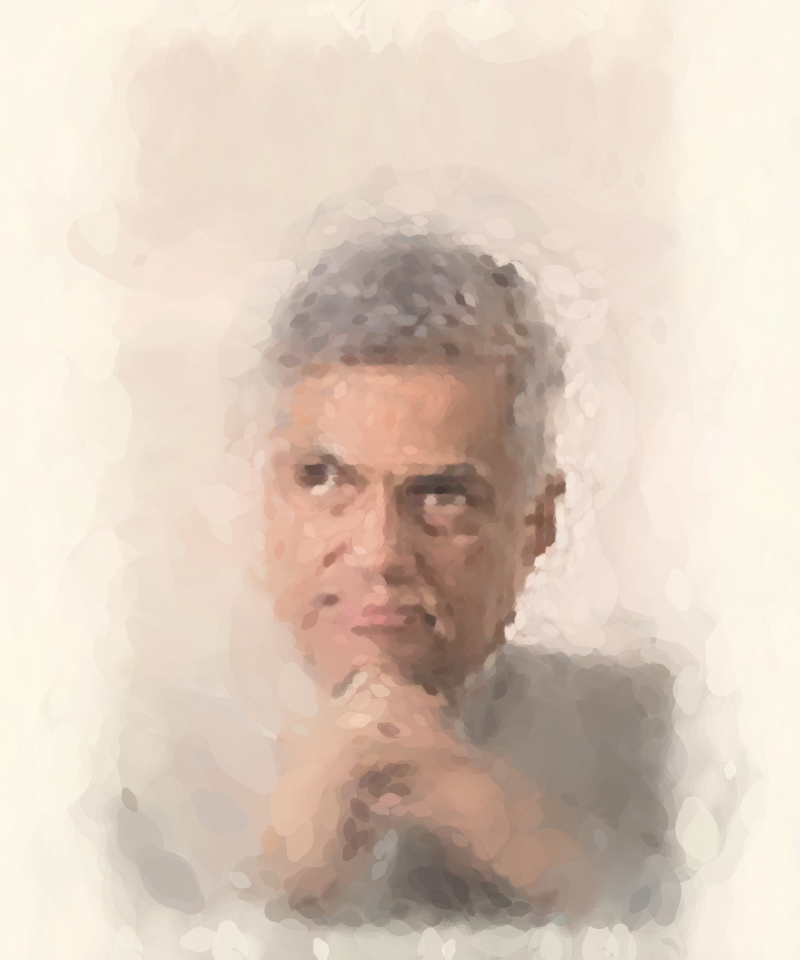
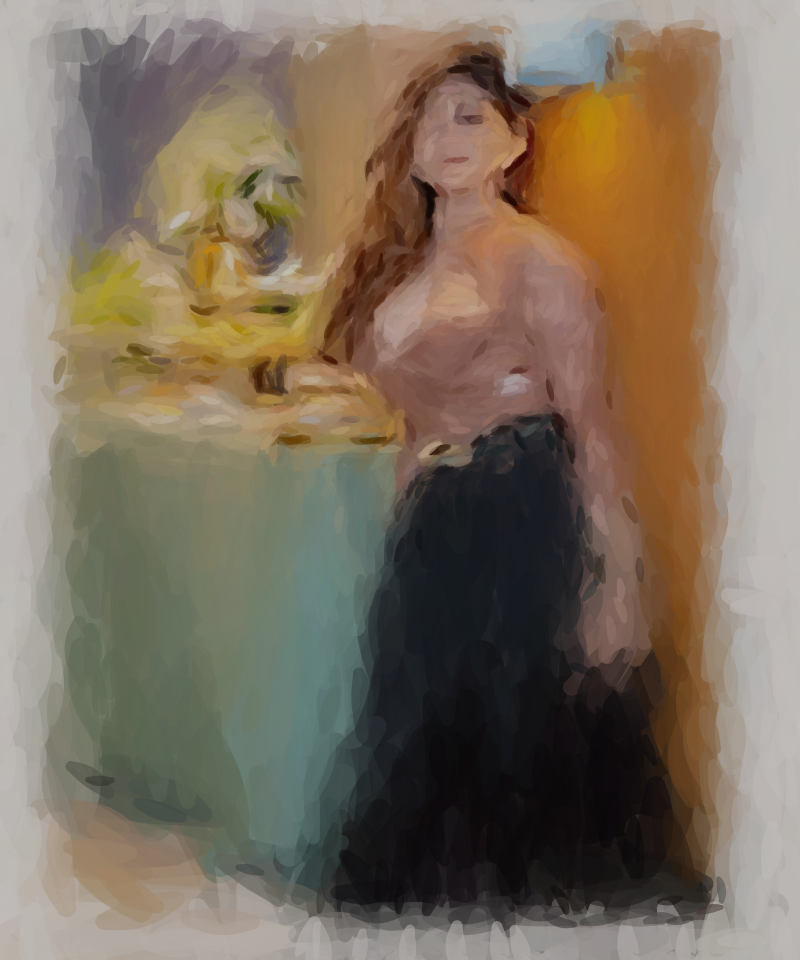
Inspiration
Most image-to-art tools show you a finished result almost instantly. I wanted to slow that moment down and make the act of drawing visible. A picture is more interesting when you can see the decisions behind it: where a line starts, how a shadow builds, and why one mark follows another. That idea became The Painter’s Hand, a private digital studio that lets you watch a reference photo become a drawing one stroke at a time.
What it does
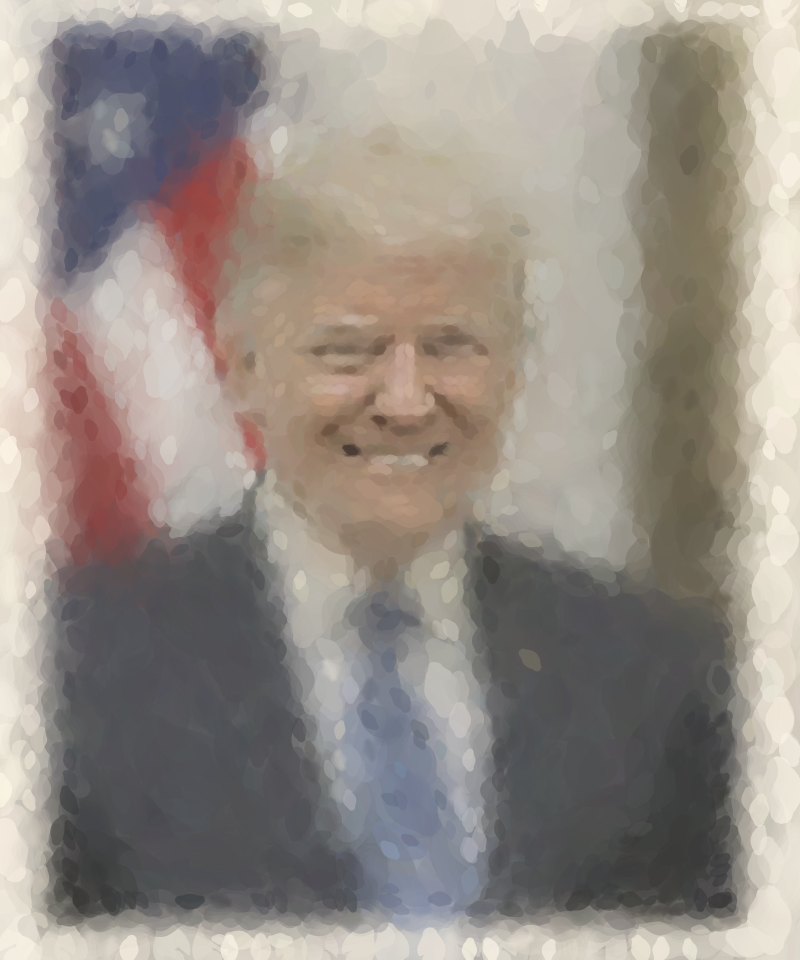
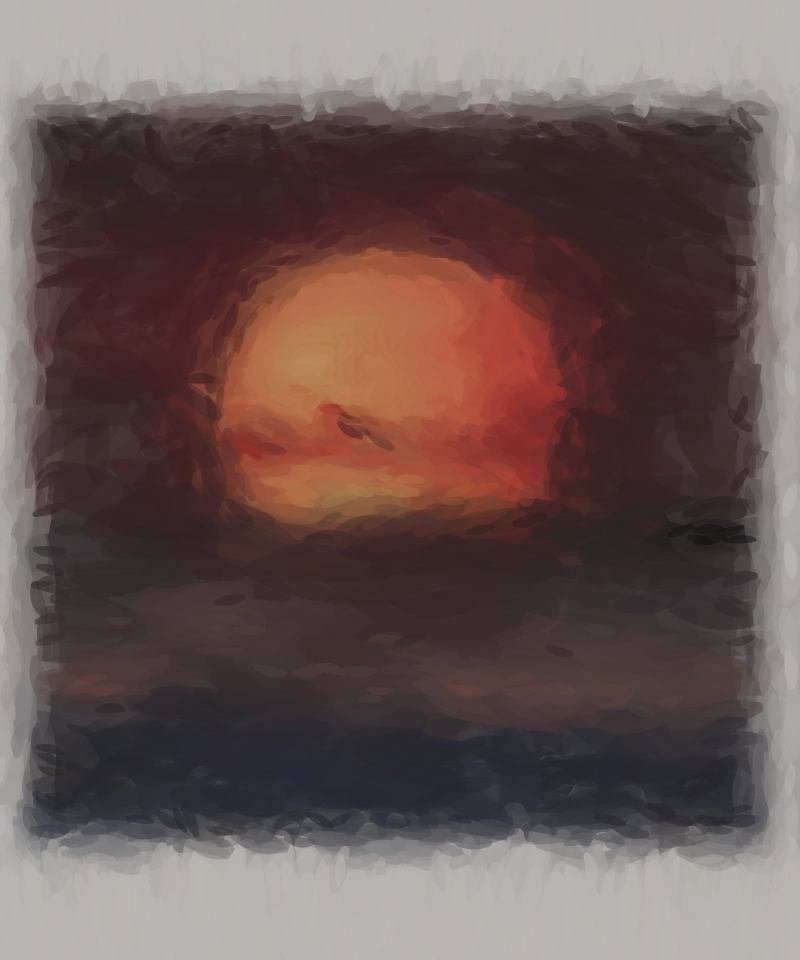
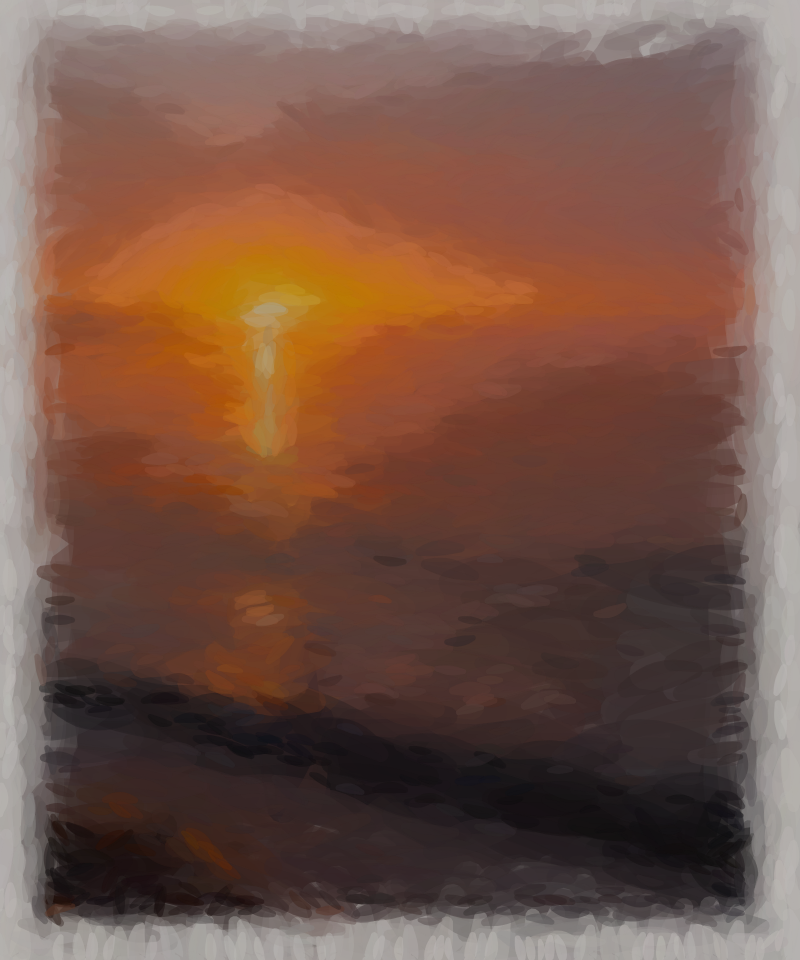
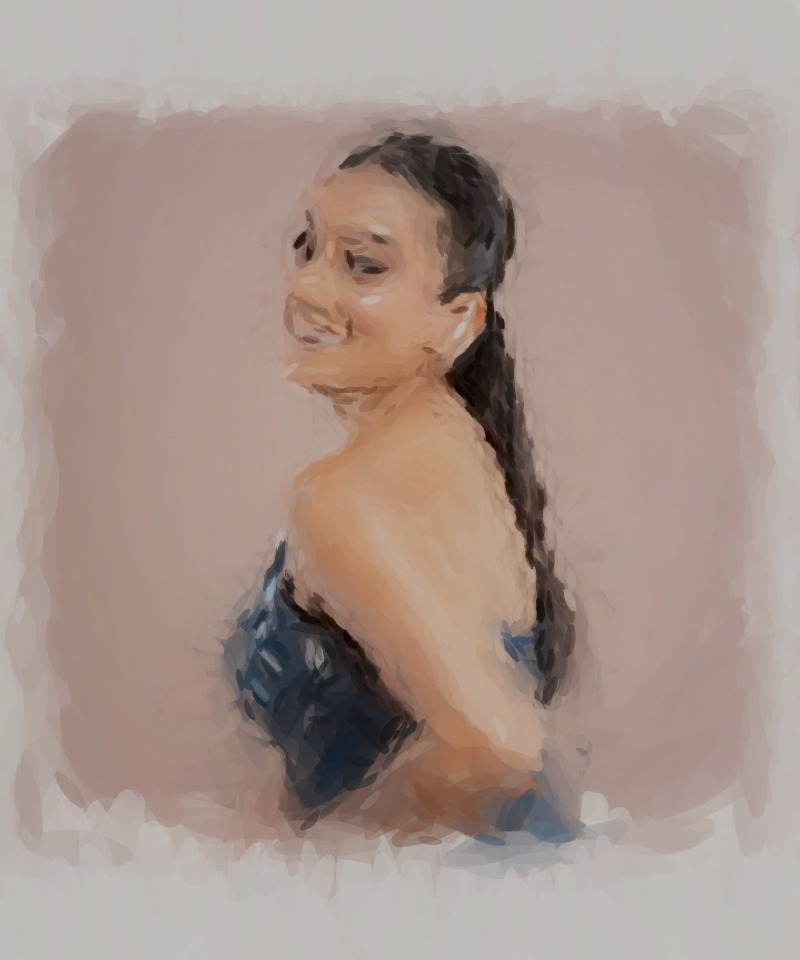
You can upload a reference photo or use the built-in example, then choose a pencil or colour treatment and an artist-inspired direction based on Leonardo, Dürer, or Rembrandt. The studio studies the image’s colours, edges, light, and local directions, then builds an ordered sequence of real vector marks. The canvas is rendered from those marks, so playback shows the same drawing process that created the final image.
You can change materials, pigments, detail, shading, and colour fidelity; pause, replay, seek through the process, and export the result as a PNG, editable SVG, or JSON file containing the drawing instructions. Everything runs in the browser. There is no account, API key, model download, or image upload to a server.
How I built it
I built this on top of an existing offline vector-drawing core, then added the learned mark selector, material controls, exhibition-style frontend, research view, gallery, and live export experience. The application combines a Canvas renderer, procedural image analysis, artist-inspired material rules, and a small locally trained reinforcement-learning action selector. The policy chooses between proposed marks using the current canvas as part of its state. Each accepted stroke records its position, colour, width, pressure, opacity, and material, which makes the result replayable and inspectable.
What I learned
The biggest lesson was that a larger model does not automatically make a better picture. Direct optimisation currently gives the strongest tested colour reconstruction, while the established drawing engine remains the recommended pencil route. The learned controllers are useful experiments, but they are not a universal painter or proof of historical artistic understanding.
The hardest part was balancing visual quality with control. A system can match broad colours and still lose a face, flatten a fold, or place a weak mark. I spent a lot of time making the process deterministic, keeping playback responsive, preserving the exact stroke sequence, and testing exports across different references.
For the demo, judges can bring an image, change the materials, watch the marks develop, and download the result. I hope they notice that the finished picture is only half the project; the other half is the visible chain of decisions that made it.
Built With
- html
- javascript
- playwright
- python
- reinforcement


Log in or sign up for Devpost to join the conversation.