-
-
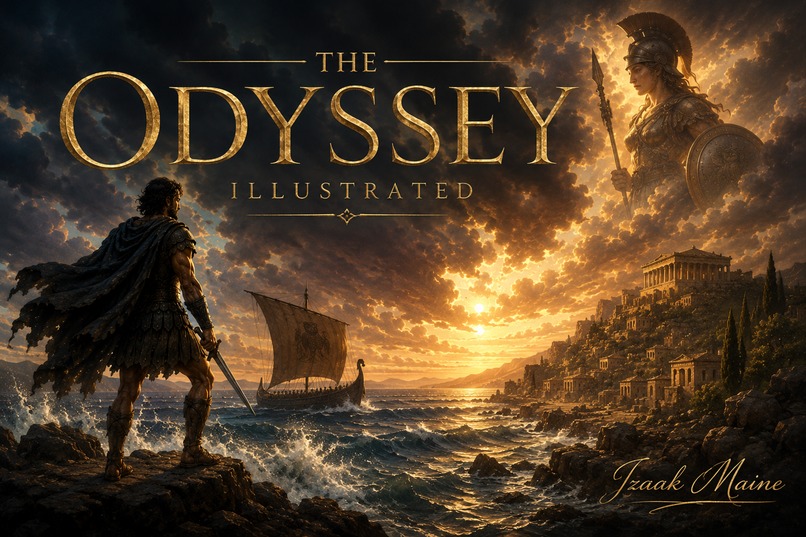
cover
-
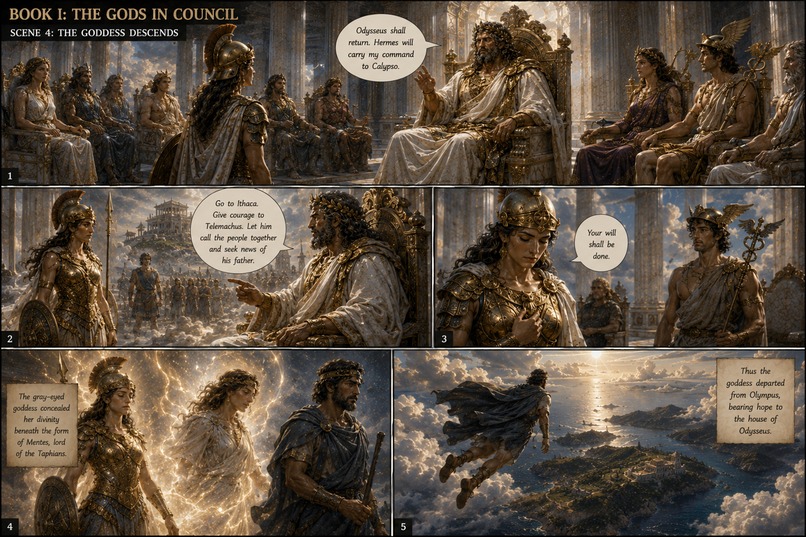
page 4
-
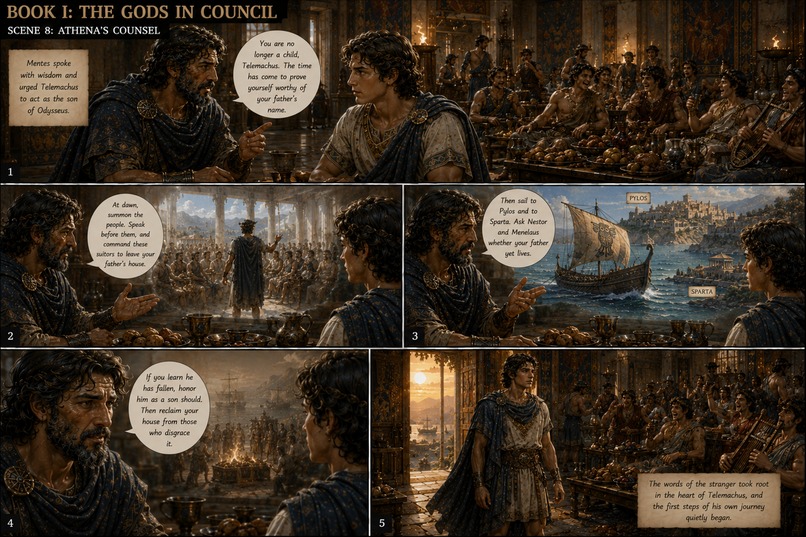
page 8
-
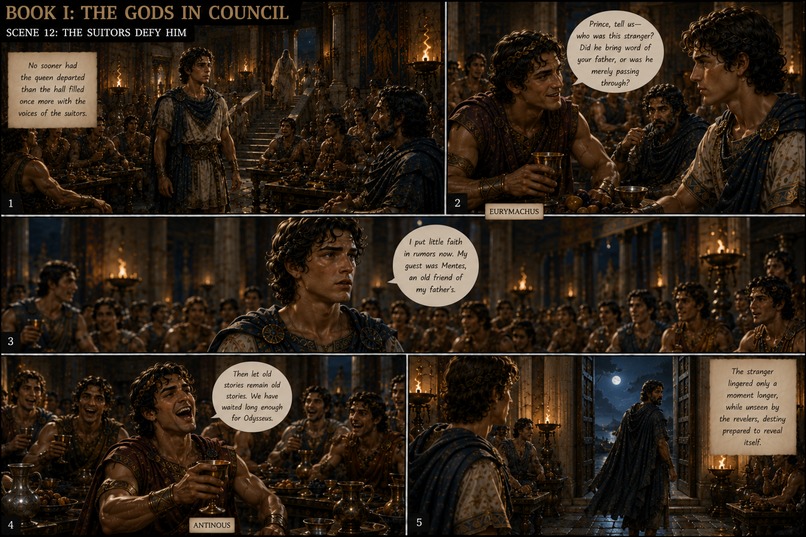
page 12
-
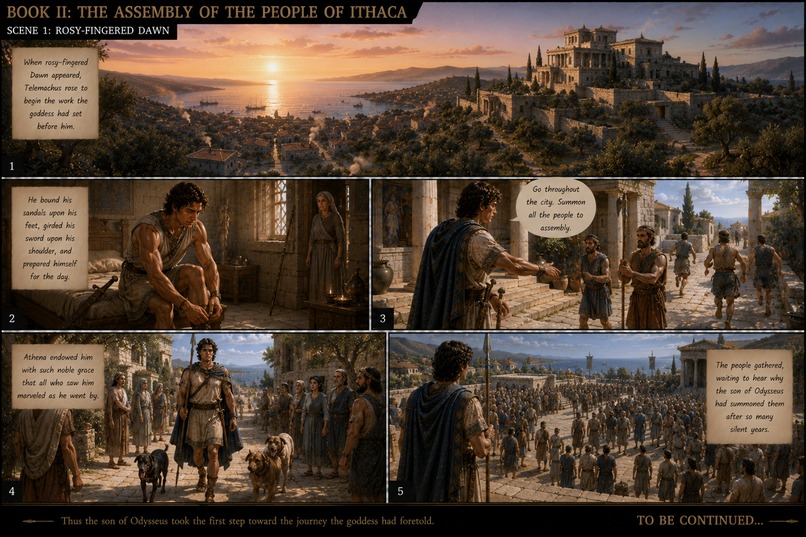
page 16
-
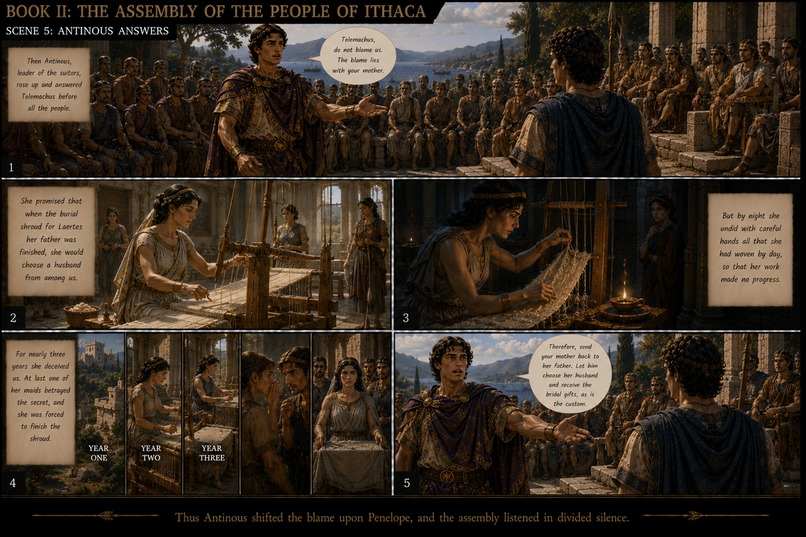
page 20
-
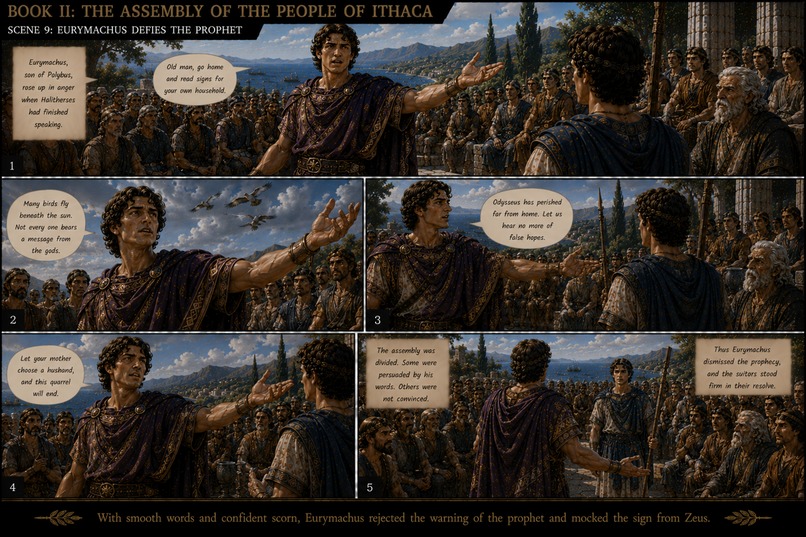
page 24
-
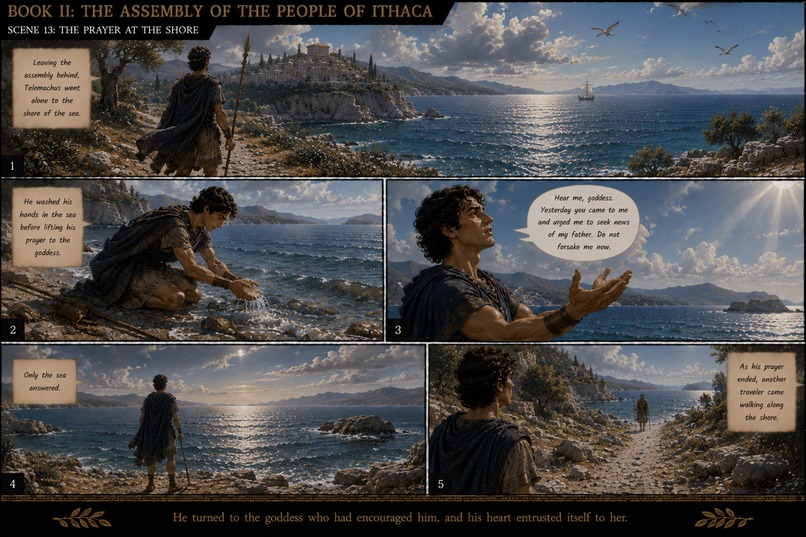
page 28
-
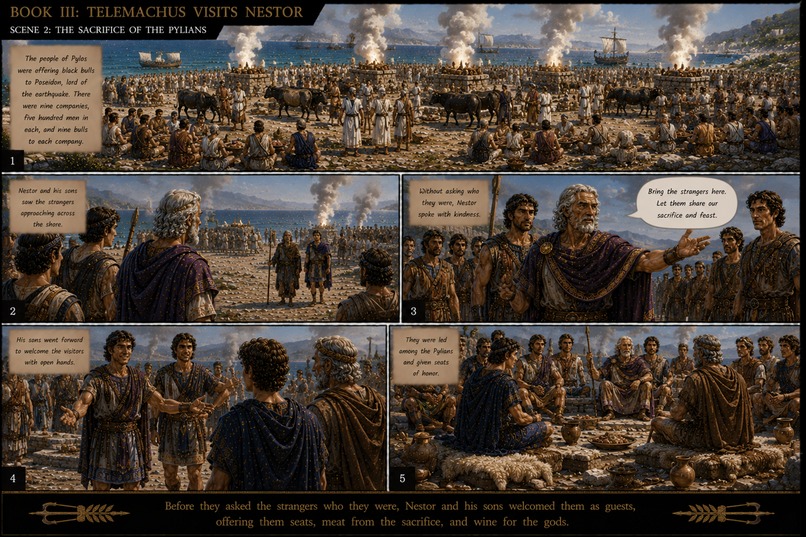
page 32
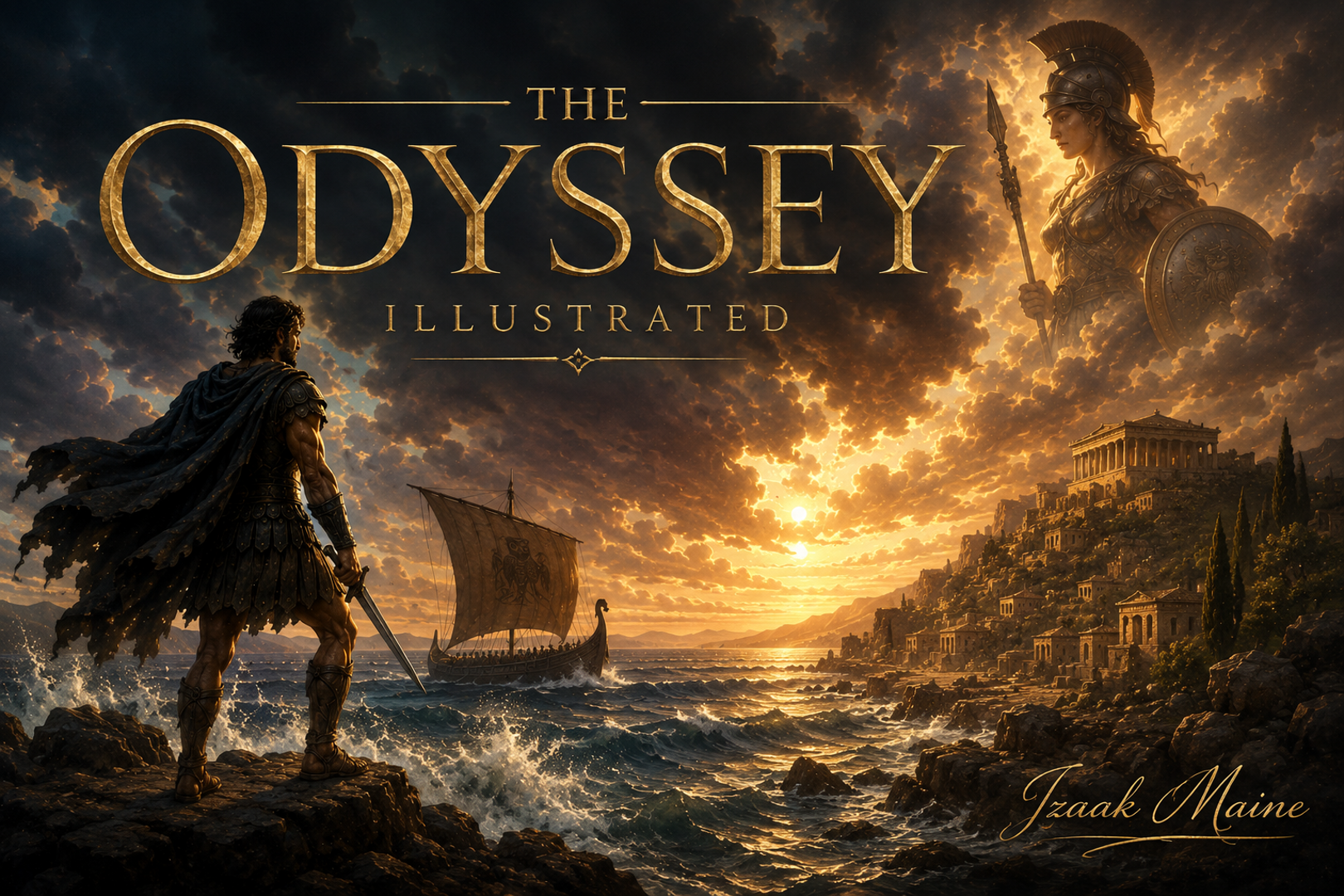
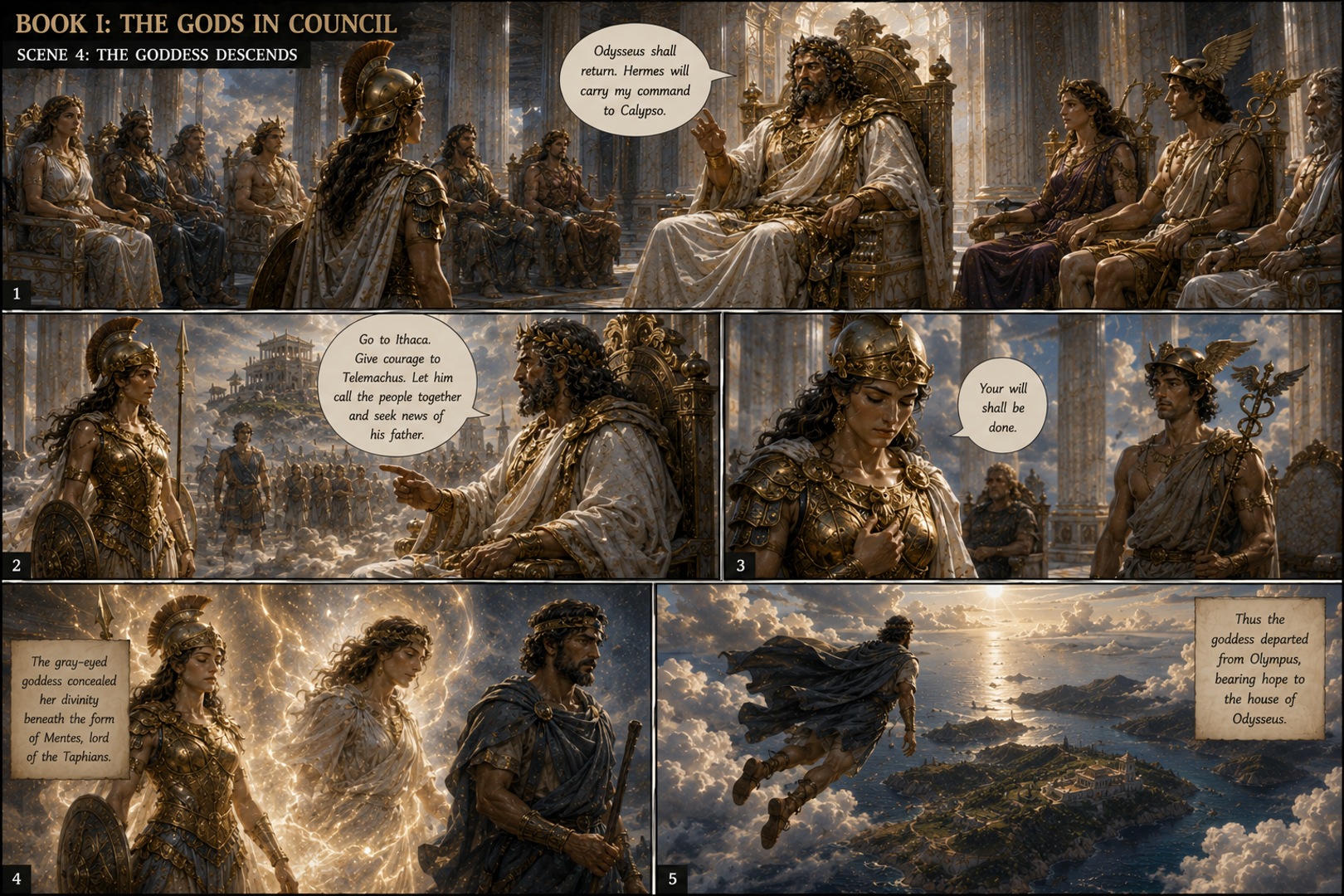
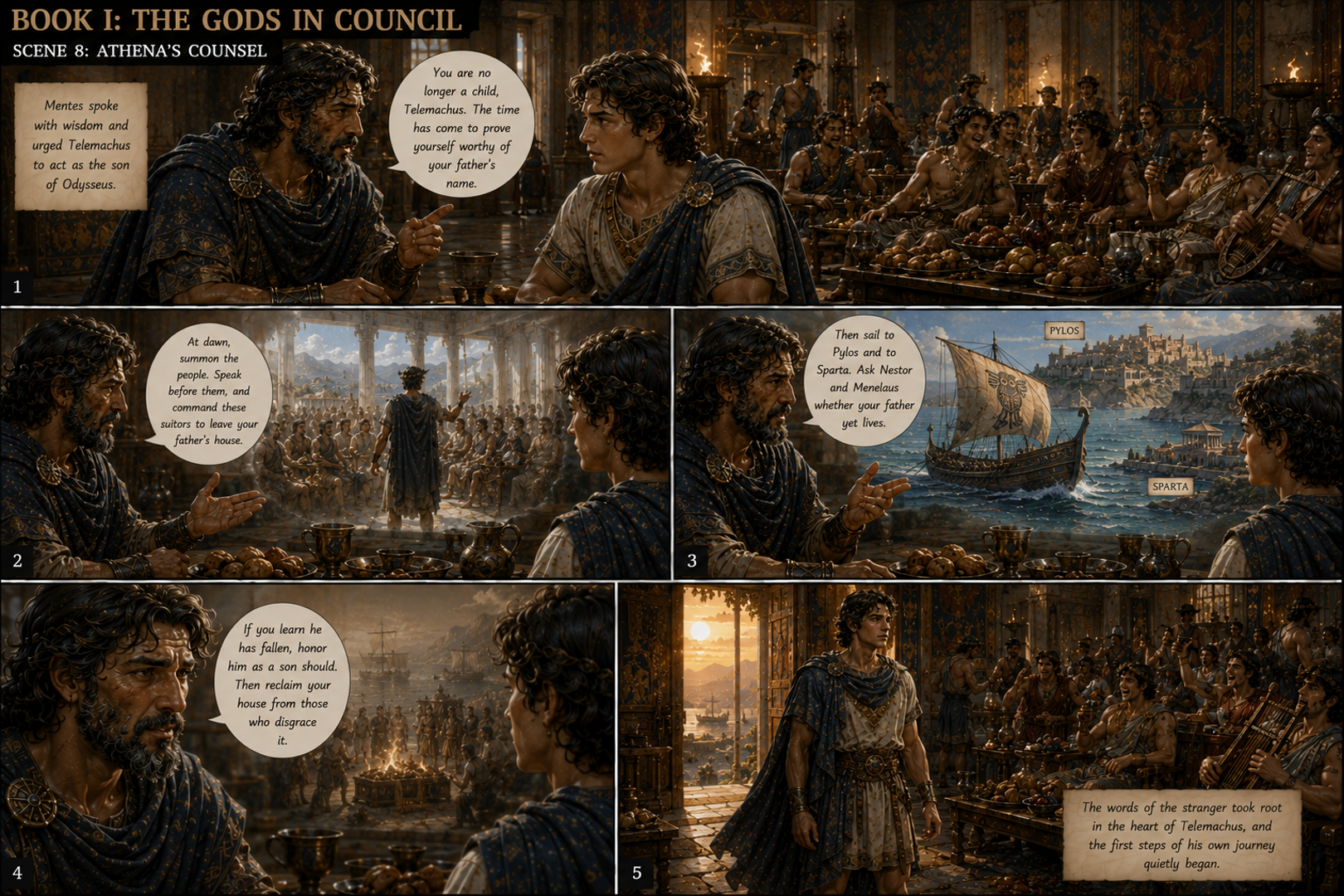
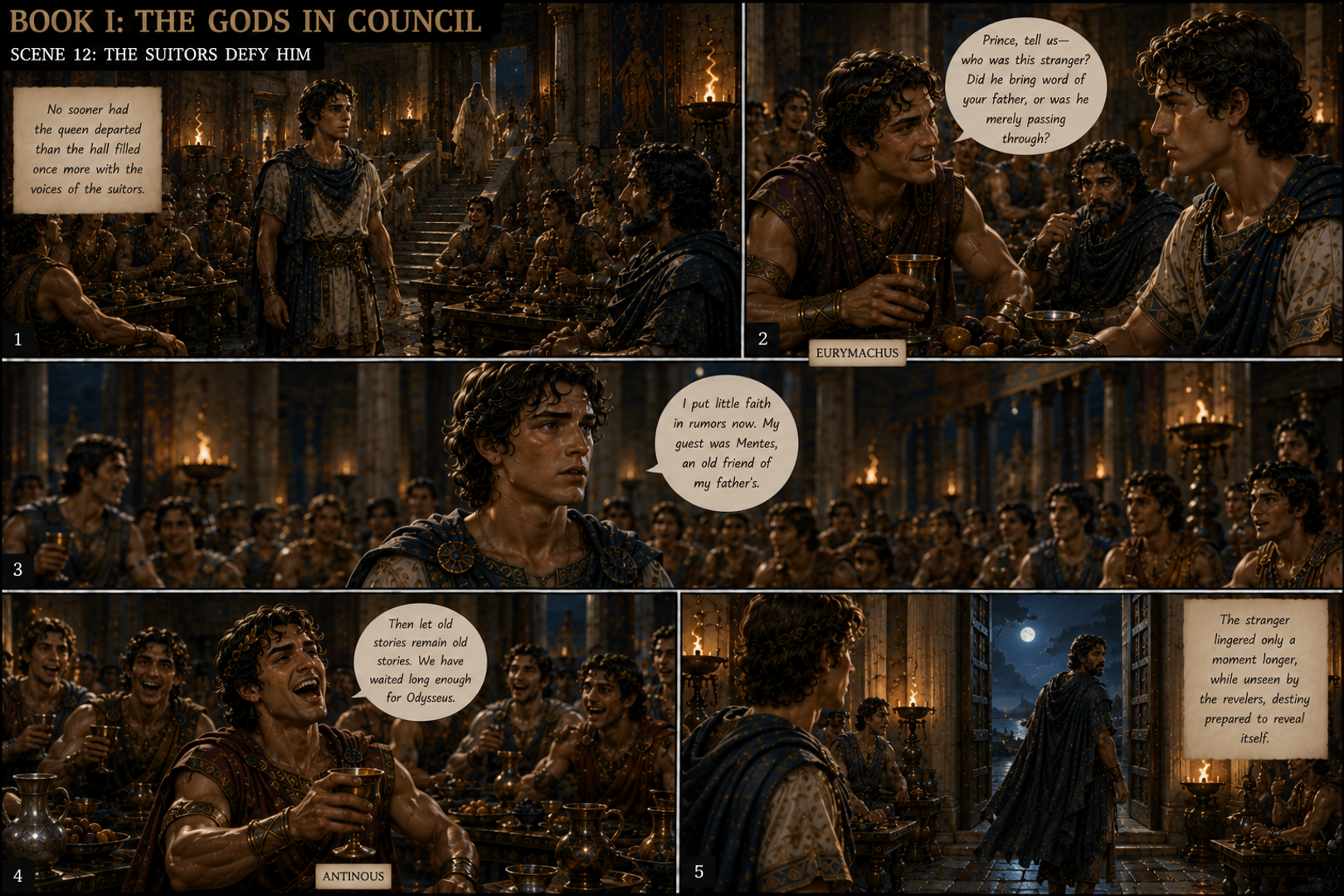
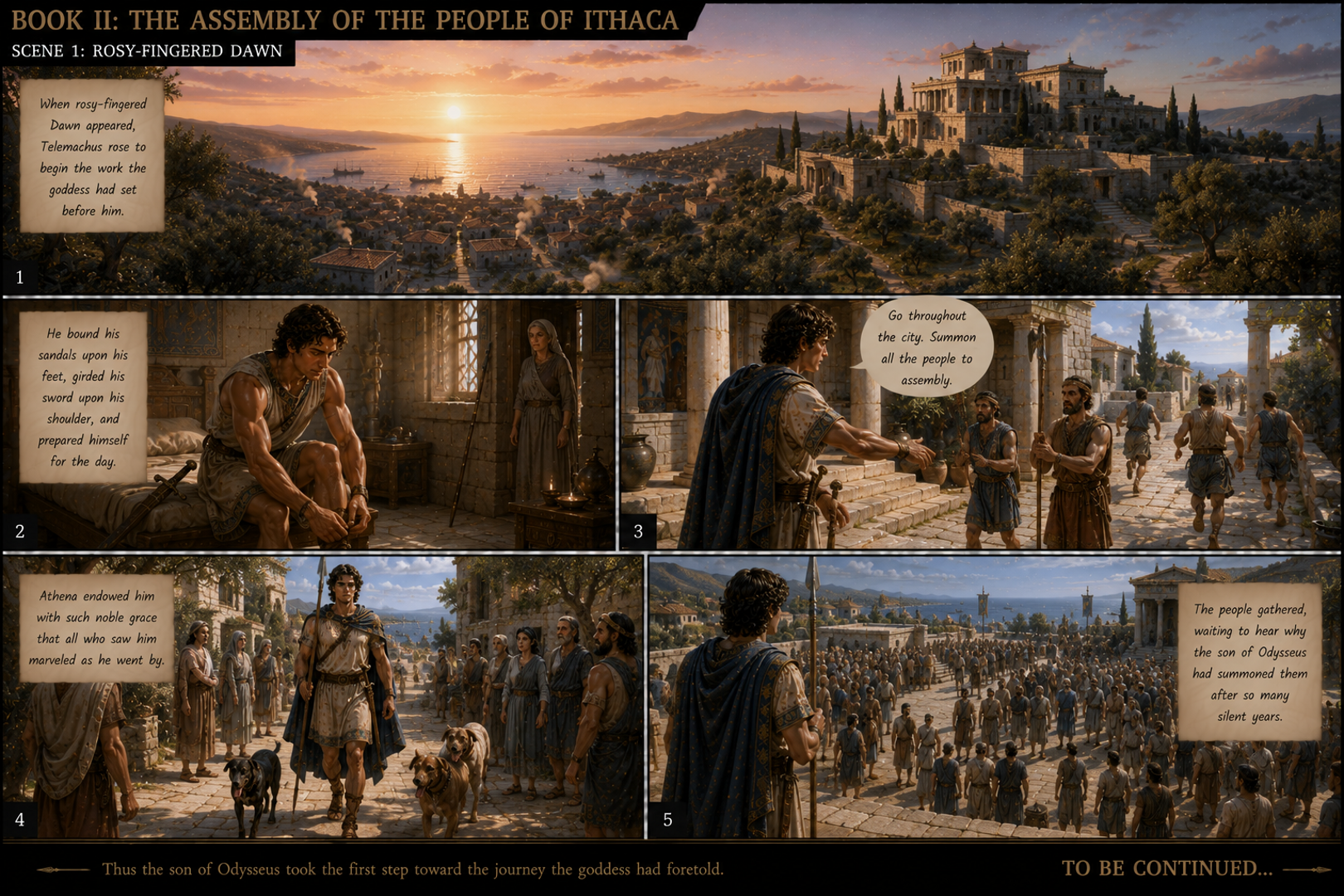
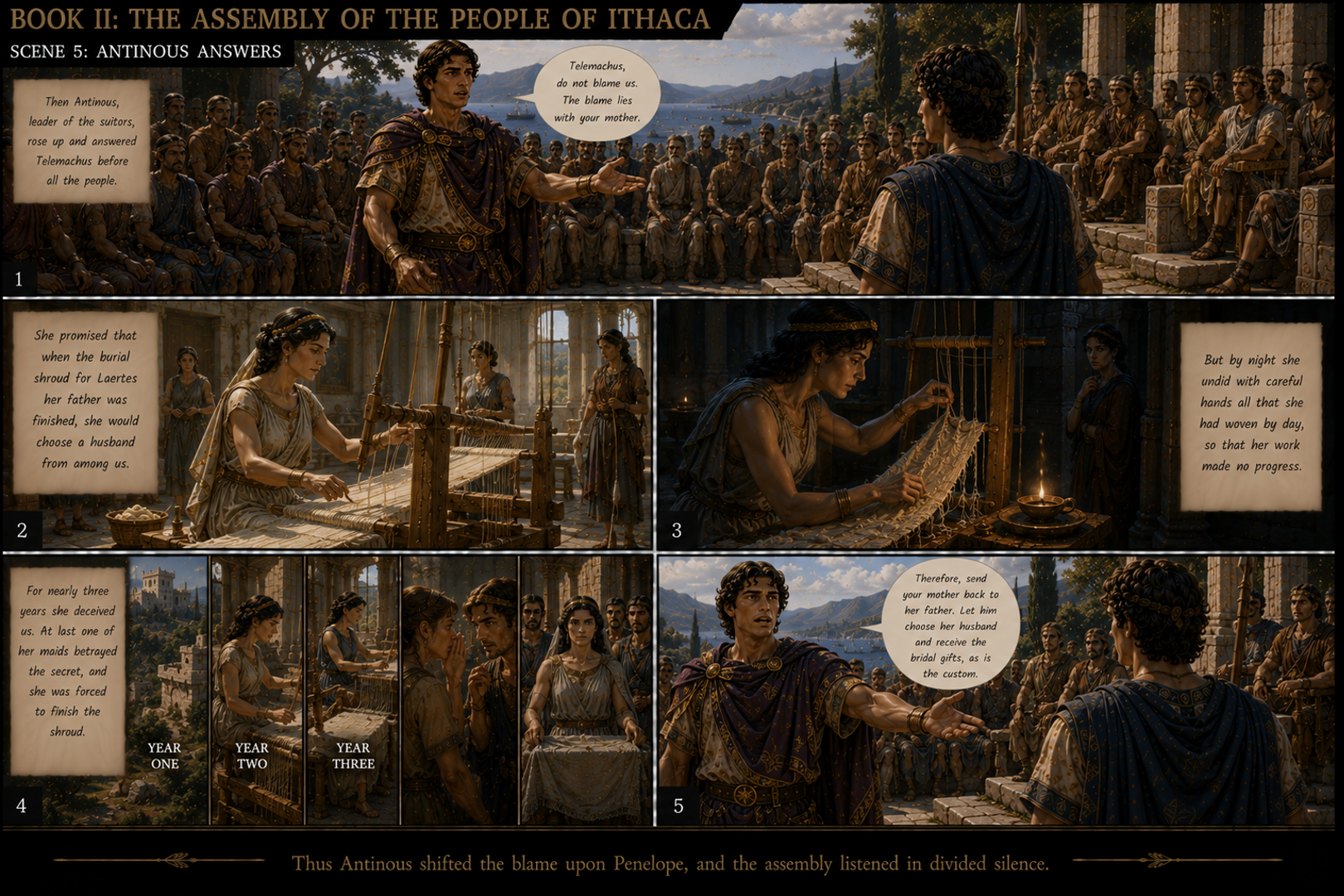
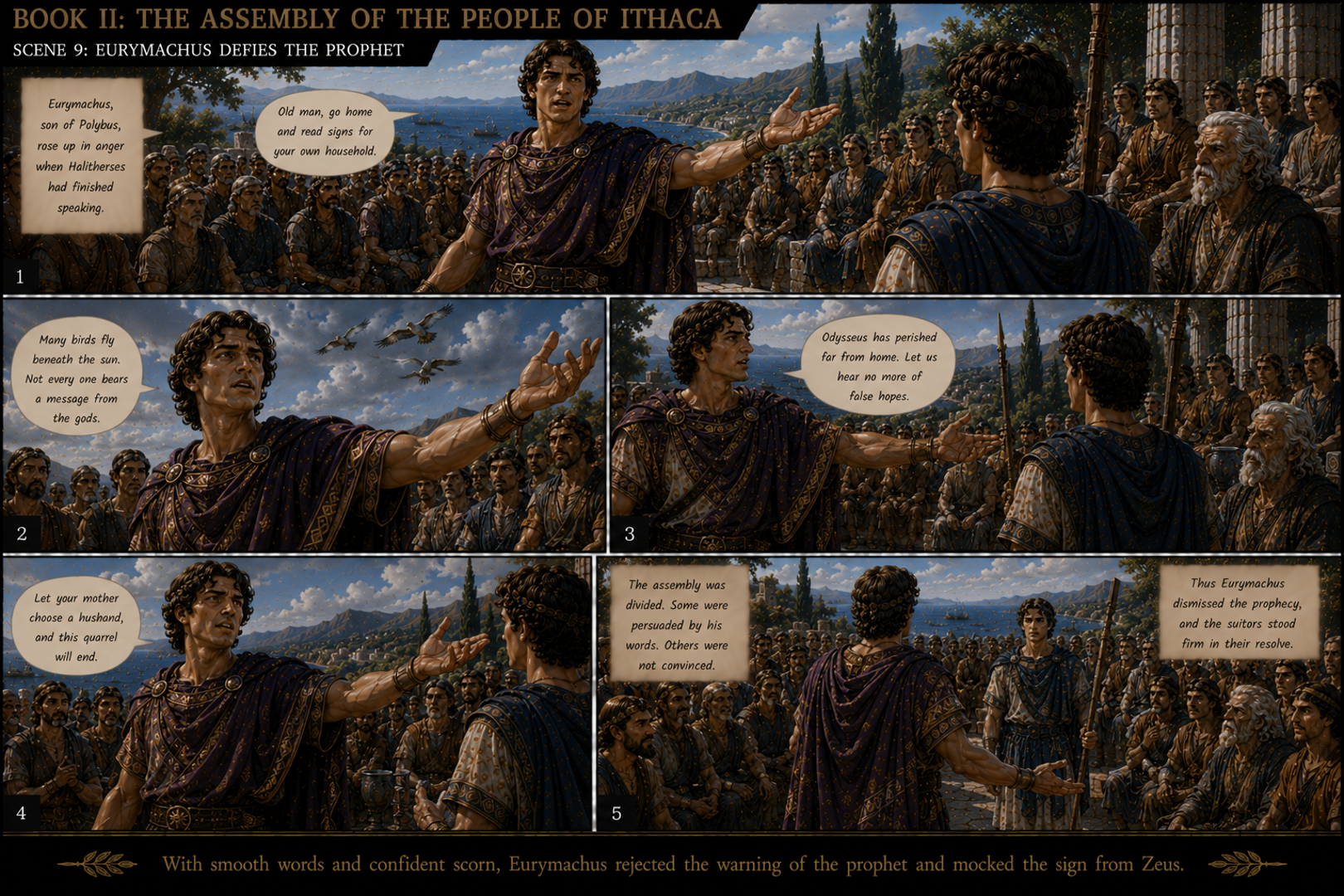
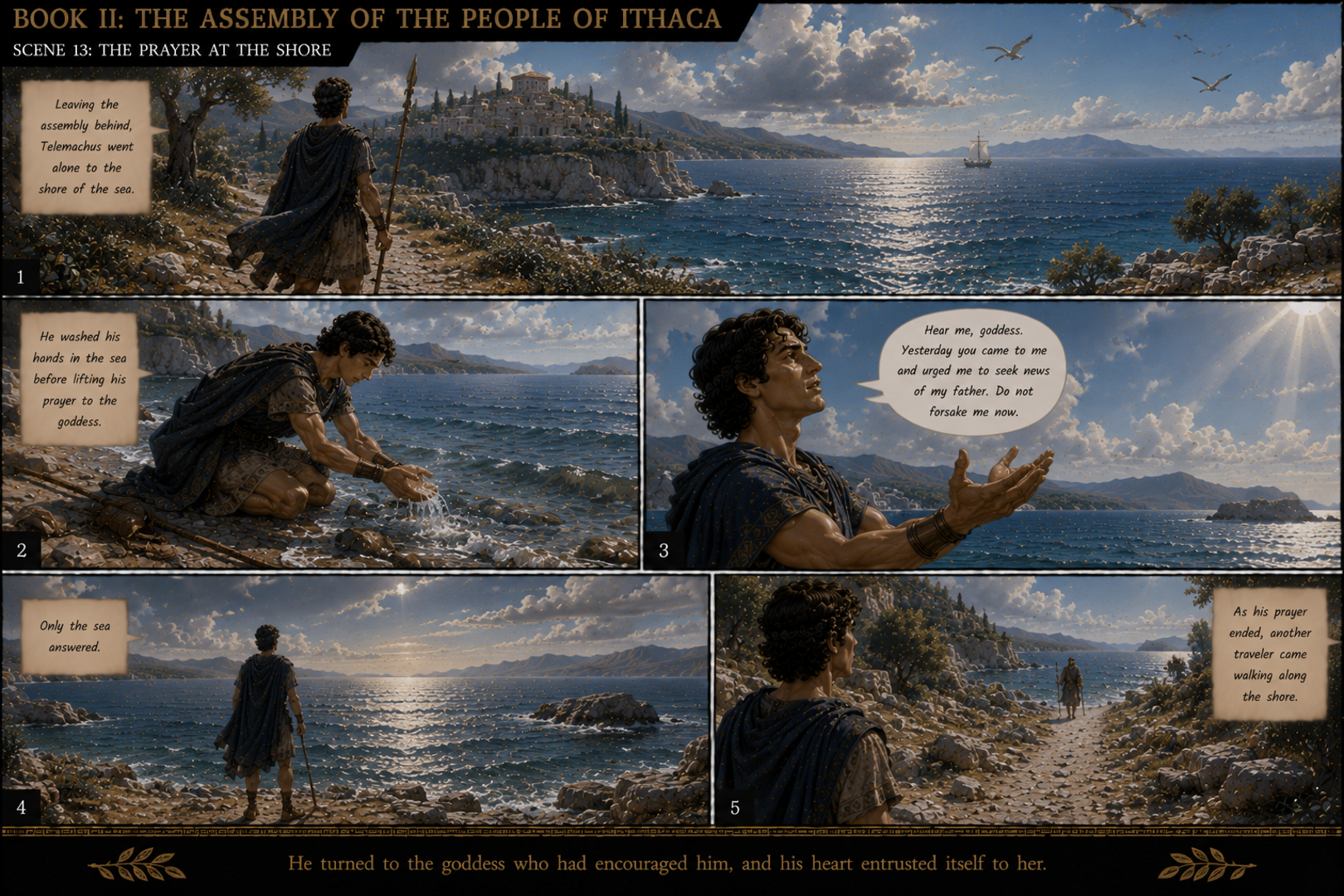
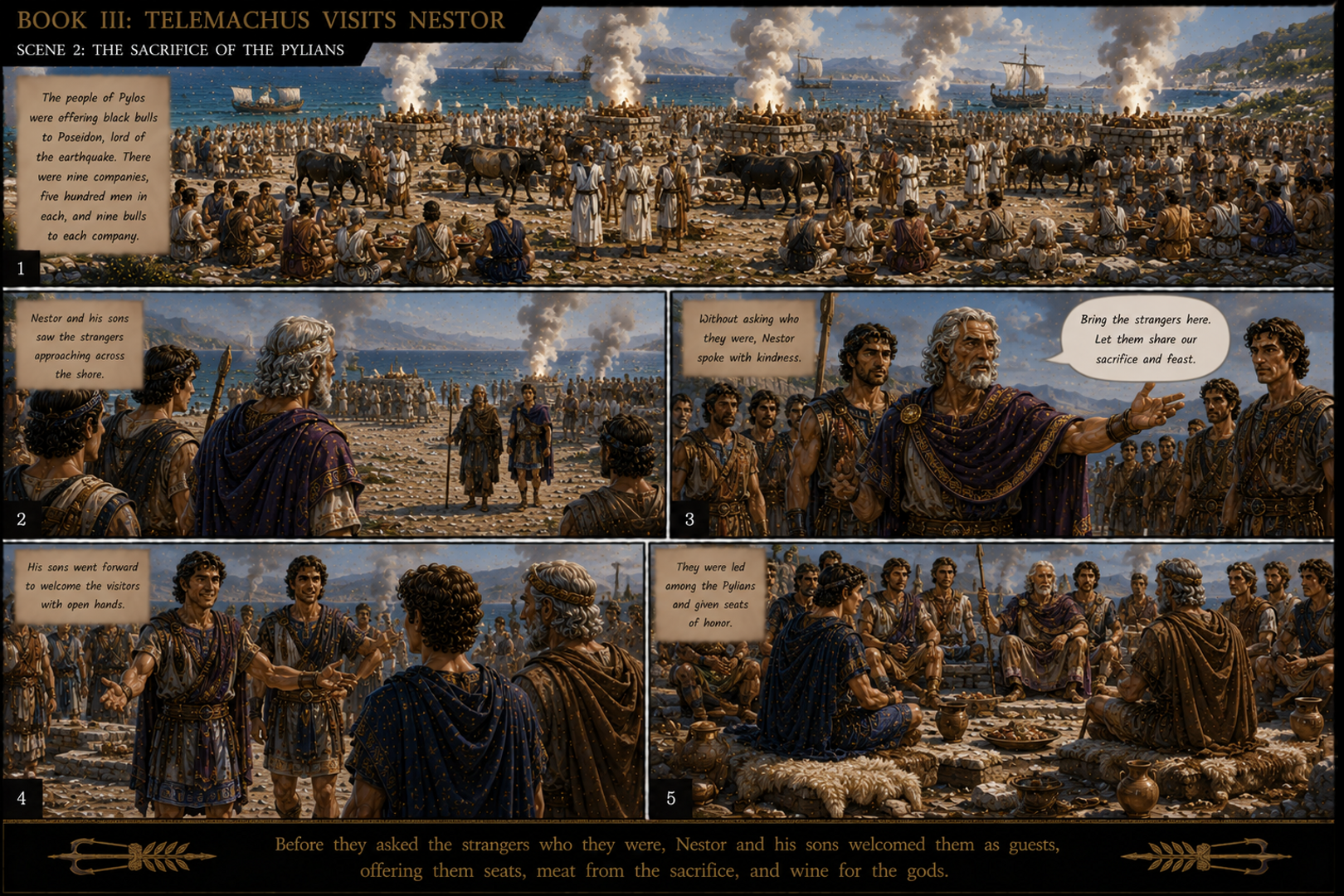
The Odyssey Illustrated: A Reusable AI Publishing Pipeline
Inspiration
I started Build Week with a straightforward goal: create an illustrated edition of Homer's The Odyssey that modern readers would actually enjoy reading.
I finished with something unexpected.
I discovered that long-form AI publishing can be expressed as a surprisingly small set of reusable workflow abstractions.
That discovery began with an earlier prototype adapting José Rizal's Noli Me Tangere. Building that project taught me that the hardest part of creating an illustrated book wasn't generating images—it was maintaining coherence across hundreds of pages. Narrative continuity, editorial consistency, and repeatability proved to be much harder engineering problems than image generation itself.
That experience fundamentally changed my approach.
Instead of asking:
"How can I write better prompts?"
I began asking:
"How can I design a better workflow?"
That question became the foundation of this project.
Engineering Insight
A 228-page illustrated graphic novel can be produced through a hierarchy of four reusable workflow abstractions instead of hundreds of handcrafted prompts.
The contribution of this project is not four prompts.
The contribution is demonstrating that long-form AI publishing is primarily a workflow architecture problem rather than a prompt-writing problem.
How I Built It
I treated the publishing process as a software engineering problem by decomposing it into reusable stages.
                  Public Domain Classic
                           │
                           ▼
            Editorial Workflow (bchat)
                           │
                           ▼
                Book Planning (GPT)
                           │
                           ▼
               Scene Planning (GPT)
                           │
                           ▼
               Illustration (GPT)
                           │
                           ▼
              Publishing (bookc)
                           │
                           ▼
        Publication-ready Illustrated PDF
                           │
                           ▼
            Promotion (teaser)
                           │
                           ▼
            15-second Teaser Video
The publishing workflow revolves around four reusable workflow templates:
Generate the plan for a book.

Generate the plan for each scene.

Generate the illustration for each scene.

Repeat the workflow for the next book using the original source text.
Without this architecture, adapting a 24-book epic into a 228-page illustrated edition would require manually coordinating hundreds of independent prompts.
By reducing the workflow to four reusable abstractions, the system became scalable, maintainable, and reusable for future public-domain works.
Once the architecture stabilized, I spent very little time inventing new prompts. Most of my effort shifted toward editorial review, pacing, narrative fidelity, and visual quality.
How GPT Contributed
GPT functioned as an editorial planning engine rather than simply a text generator.
It coordinated multiple stages of the workflow by:
- decomposing the epic into coherent books and scenes,
- reasoning over the attached source material,
- preserving narrative continuity,
- producing structured scene specifications,
- generating image prompts,
- and supporting iterative editorial refinement throughout the production process.
Instead of generating isolated outputs, GPT orchestrated a structured publishing workflow.
What Didn't Work
The final workflow emerged through iteration.
Early versions relied more heavily on ad hoc prompting and became increasingly difficult to maintain as the project grew. Longer creative sessions occasionally introduced context drift, repeated visual elements, or inconsistent outputs.
Rather than continually rewriting prompts, I focused on improving the workflow itself while keeping the abstractions stable.
That experience reinforced a familiar software engineering lesson:
Stable architectures outperform constantly changing implementations.
What I Learned
Before this project, I thought prompt engineering was primarily about writing increasingly sophisticated prompts.
After this project, I think the more important discipline is AI workflow architecture.
The quality of the workflow determines how much complexity can be managed.
Once the hierarchy became stable, GPT handled much of the structural coordination, allowing me to focus on editorial judgment rather than prompt maintenance.
That shift—from prompt writing to workflow design—is the most valuable lesson I will take away from Build Week.
Why This Matters
The Odyssey Illustrated is the first proof of concept.
Project Gutenberg contains tens of thousands of public-domain books spanning literature, philosophy, history, and science. Many remain inaccessible simply because of the effort required to produce modern editions.
My hope is that reusable AI publishing workflows can dramatically reduce the editorial and production effort required to create richly illustrated educational editions while preserving the original works.
Rather than replacing classic literature, these editions become gateways into it.
More broadly, I hope AI helps more people become creators instead of passive consumers by lowering the barriers to publishing educational content.
Pipeline at a Glance
| Stage | Technology |
|---|---|
| Editorial workflow architecture | bchat (Open Source) |
| Book planning | GPT |
| Scene planning | GPT |
| Illustration generation | GPT |
| PDF publishing | bookc (Go) |
| Promotional teaser generation | teaser (Go) |
| Deliverables | Publication-ready PDF + teaser video |
Project Snapshot
| Metric | Value |
|---|---|
| Demonstration | The Odyssey by Homer |
| Source | Public domain |
| Books adapted | 24 |
| Final output | 228-page illustrated PDF |
| Workflow abstractions | 4 |
| Supporting Go tools | 2 |
| Open-source projects integrated | 3 |
Supporting Open Source Tools
bchat
Reusable workflow architecture and prompt design concepts.
Repository:
https://github.com/PithomLabs/bchat
bookc
A Go application that automatically compiles sequentially named illustrations into a publication-ready PDF.
Repository:
https://github.com/PithomLabs/bookc
teaser
A Go application that transforms the finished illustrations into a 15-second promotional teaser video.
Repository:
https://github.com/PithomLabs/teaser
Sample generated illustrations:
https://github.com/PithomLabs/teaser/tree/main/resized
Implementation article:
Looking Ahead
When I began this project, I thought I was illustrating The Odyssey.
By the end, I realized I had built something more general: a reusable workflow for AI-assisted publishing.
The Odyssey Illustrated became the first proof of concept.
My hope is that others will adopt, improve, or challenge this architecture to help transform thousands of public-domain works into engaging, publication-ready editions that introduce new generations of readers to humanity's literary heritage.
If this project succeeds, I won't consider the greatest achievement to be a single illustrated book.
It will be demonstrating that AI can help build reproducible creative systems that preserve, expand, and share our collective knowledge.
Built With
- image
- prompt-engineering
- text-to-image

Log in or sign up for Devpost to join the conversation.