-
-
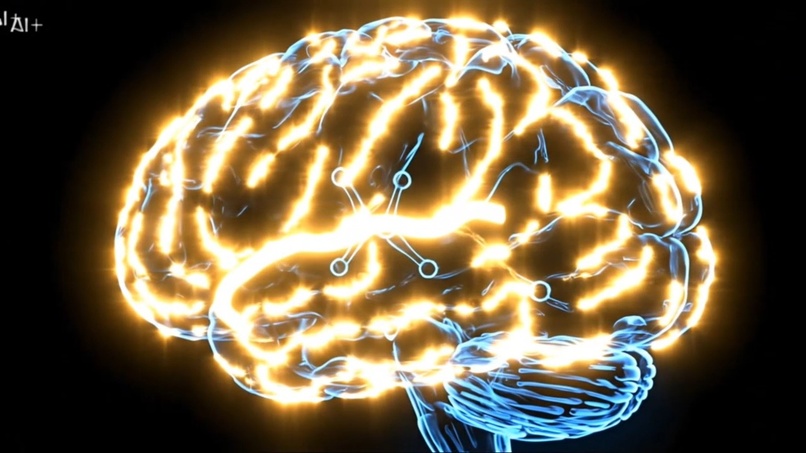
The pathways of ideas
-
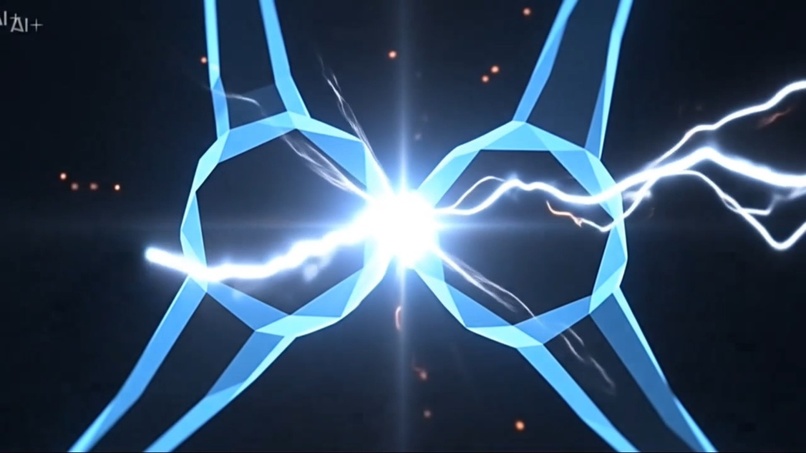
Alpha waves
-

The Eureka moment
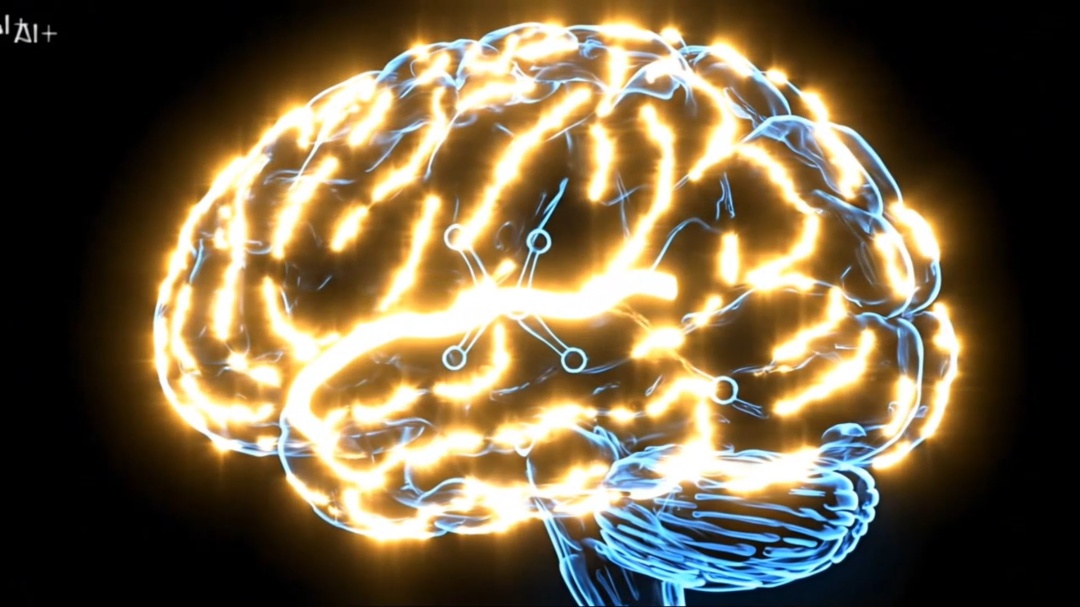
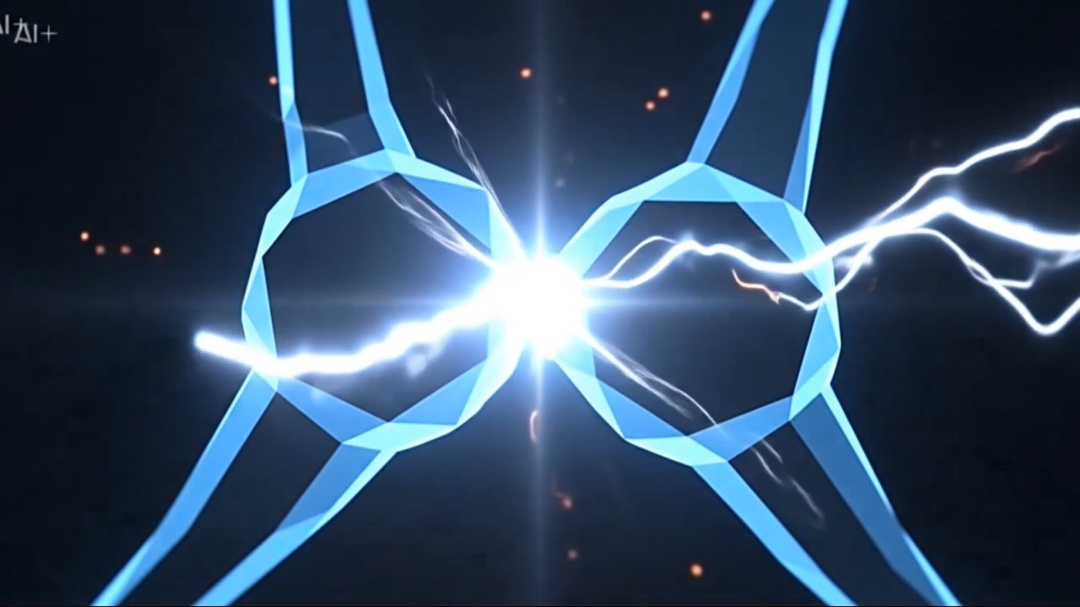

The Fantastical Journey: Visualizing the Neuroscience of Creativity
My creative journey was inspired by the challenge of translating the invisible, electric process of the human mind into a fantastical, yet educational, visual narrative suitable for a dynamic tool like Veo3, Elevenlabs and CapCut. I wanted to move beyond simple diagrams and create a sci-fi documentary that makes viewers feel they are actually inside the brain when an idea is born.
What Inspired Me
The initial spark came from the scientific concepts themselves:
Divergent Thinking: The idea that creative solutions often come from linking remote, unconnected parts of the brain. This demanded a visualization of vast, dark neural landscapes bridged by brilliant, chaotic energy. The Synaptic Gap: The tiny, chemical space where an electrical signal becomes an idea. I knew the climax had to be an extreme, 3D close-up on a synapse, transforming a technical process into a beautiful, high-energy event—a miniature Big Bang for a thought. The "Aha!" Moment: This isn't chaos; it's a moment of calm focus (Alpha waves). The idea was to contrast the preceding visual turbulence with a sudden, soothing wave of light washing over the brain, setting the stage for the final burst of inspiration.
What I Learned
Creating the script taught me the necessity of visualizing abstract concepts through contrast and metaphor:
Contrast is Key: I learned to use light and color to communicate state. Dim blue pathways represented rest, chaotic red/orange shards represented the problem/struggle, and brilliant yellow-gold represented the success/Eureka moment.
Time Management for AI: The need to be hyper-specific within the 8-second constraints forced me to distill complex neuroscience into single, highly focused visual metaphors. For instance, instead of trying to explain Alpha waves, I focused only on the visual effect: a smooth, calming wave of light washing over the structure.
How the Project Was Built (The Scripting Process)
The entire 1-minute 45-second project was constructed chronologically, ensuring a clear beginning, middle, and climactic end:
- Setting the Stage (Scenes 1 & 2):Established the core visuals (dark 3D network) and introduced the inciting incident (the chaotic input/problem).
- The Journey (Scenes 3, 4, & 5): This is the core narrative. I meticulously segmented the process of creativity: Search: Signals scattering (**Divergent Search). Connection: The moment of electrical union (Synaptic Leap). Focus: The necessary calm before the storm (Alpha State).
- The Climax & Conclusion (Scenes 6, 7, & 8):This built to the payoff: Climax:The instantaneous, explosive Eureka! moment. Consolidation: Showing the new idea thickening to prove it’s not fleeting. Output: Zooming out to the real world, linking the fantastical journey to tangible action (a person smiling and writing).
Every voiceover line and sound effect was chosen to either describe the visual or enhance its energy, creating a synchronized audio-visual experience for Veo3.
Challenges Faced
The primary challenge was translating dynamic, 8-second action into static prompts while ensuring the entire 105-second piece flowed seamlessly:
Pacing the Unseen: How do you make 8 seconds of waiting (Scene 5: Alpha State) feel purposeful? I overcame this by making the audio central—using a deep, resonant bong and a sustained sine wave tone to communicate the significance of the shift, even if the visual movement was minimal. Avoiding Repetition: Since every scene uses the "neural network," the challenge was to make each look distinct. I solved this by constantly changing the camera perspective (fly-through, localized focus, extreme close-up, pull-back) and the light/color palette (blue, orange/red, white, gold). I also used Nano-Bananas to generate the first and last frame to harmonize the scene coherence.
The Problem of Visualizing Energy: Concepts like "data," "signal energy," and "chaotic influx" are abstract. I chose simple, recognizable geometric shapes (shards, arcs, waves) to give these invisible forces a consistent, high-fidelity 3D model look.
The result is a fully envisioned journey that respects the complexity of neuroscience while delivering a visually spectacular, "flawless" output optimized for a powerful generation tool.
Accomplishments that we're proud of
I was able to utilize a majority of tools to achieve my goals. Tools like Nano-Bananas for scene and timestap, Elevenlabs for voice narration, Gemini2. 5 for storyline, Veo for video and soundtrack, KlingAI for VFX and CapCut for video editing.
What we learned
To be able to produce a high quality video with AI requires patience and experimentation. It took me about 2 weeks to draft the scene storyline, timestamps, sound effects, VFX and tool selection.
What's next for The Neuroscience of Creativity
It's my aim to air this documentary on Discovery Channel and create an educative science documentary series for viewers.
Built With
- capcut
- elevenlabs
- gemini2.5
- klingai
- nano-bananas
- veo3

Log in or sign up for Devpost to join the conversation.