-
home
-
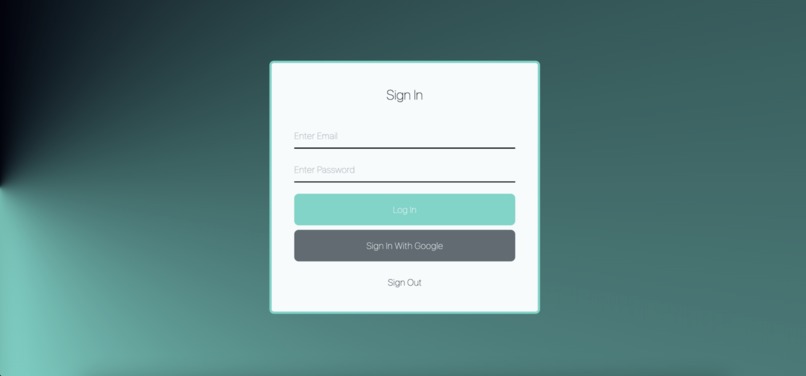
login
-
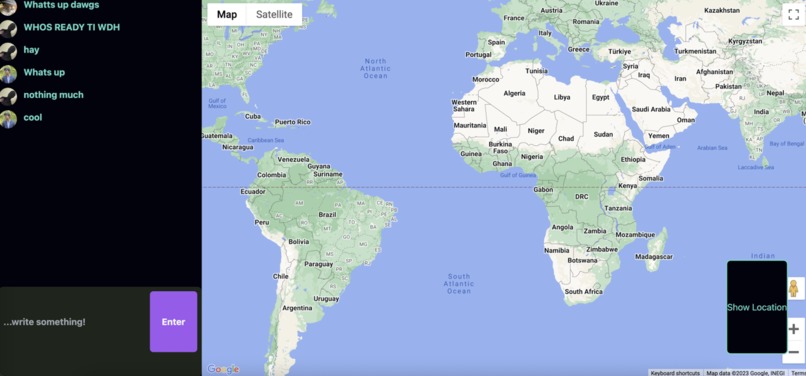
messaging and map
The Network
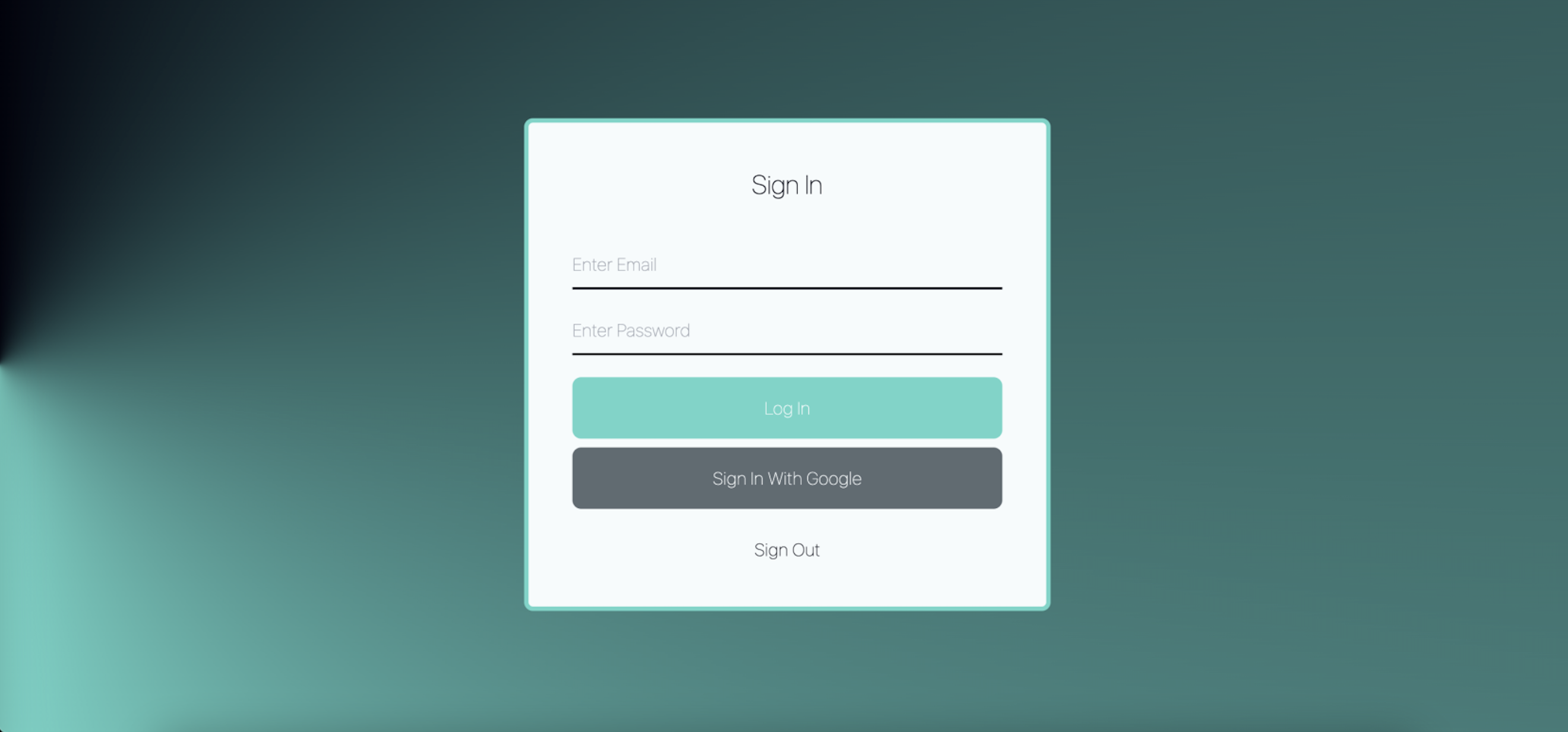
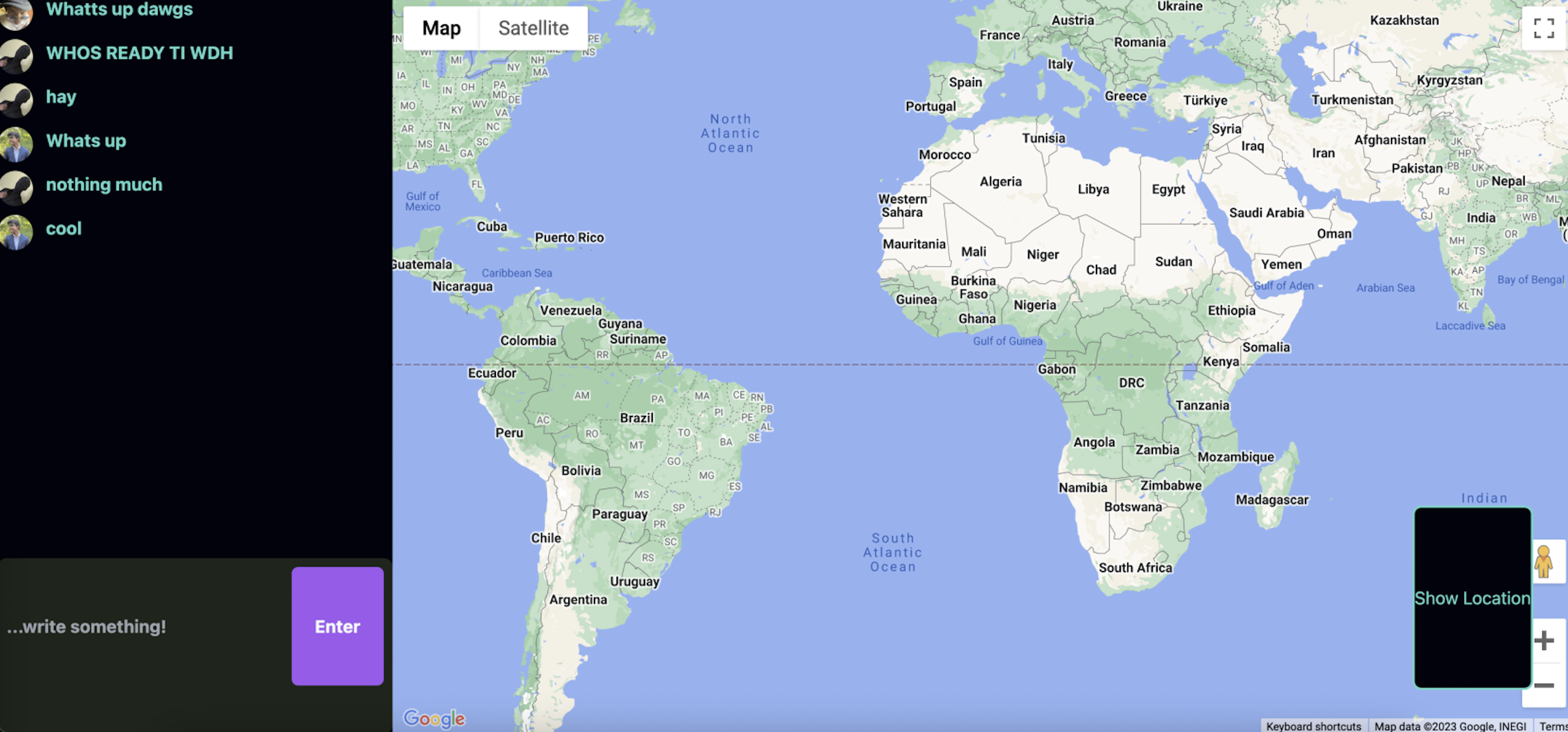
In our web messaging app, the network operates through a synergistic integration of React, Node, and Firebase. React, a frontend library, provides the user interface, enabling users to input messages and view conversations dynamically. Once a message is sent, it's processed by our backend, which handles data operations and ensuring secure communication between the frontend and the database. Firebase stores user registrations and messages. Additionally, user authentication is managed by Firebase, ensuring secure logins and data protection. The Google Maps API integrates seamlessly, plotting users on a map based on their locations. As messages are exchanged, they're also displayed, providing a visual representation of user interactions across different geographical locations. This holistic integration offers a seamless, interactive messaging experience.
What we Used/Learned to build it
React introduced us to component-based architecture, streamlining UI development and promoting code reusability. While powerful, it presented a learning curve, especially with hooks and state management. Node.js was our backend powerhouse, offering a non-blocking environment. Its vast npm ecosystem expedited our development, though mastering asynchronous operations was challenging. Google Maps API was pivotal for location-based features. Its comprehensive documentation aided integration, but we grappled with rate limits and quota management. Firebase provided a real-time database and seamless authentication. Its structure was initially perplexing but proved efficient for dynamic data handling. Lastly, GitHub facilitated team collaboration and code versioning. Its pull request system ensured code quality, but merge conflicts posed occasional hurdles. Collectively, these technologies enriched our development experience, teaching us the intricacies of modern web development and collaboration.
Challenges we ran into
For our new team, the primary challenge was navigating unfamiliar technologies under tight deadlines. Integrating diverse tools like React and Firebase required rapid upskilling. GitHub collaboration led to merge conflicts, testing our problem-solving. Balancing innovation with practicality, ensuring seamless communication, and managing time effectively amidst the pressure were constant hurdles. These challenges, however, fostered growth and team cohesion.
What's next for The Network
For "The Network", the immediate focus is on addressing privacy and security concerns to ensure user trust and data protection. We're also gearing up to host the web app online, expanding its accessibility and reach. This move will pave the way for real-world testing and iterative improvements, driving user engagement and growth.

Log in or sign up for Devpost to join the conversation.