-
-
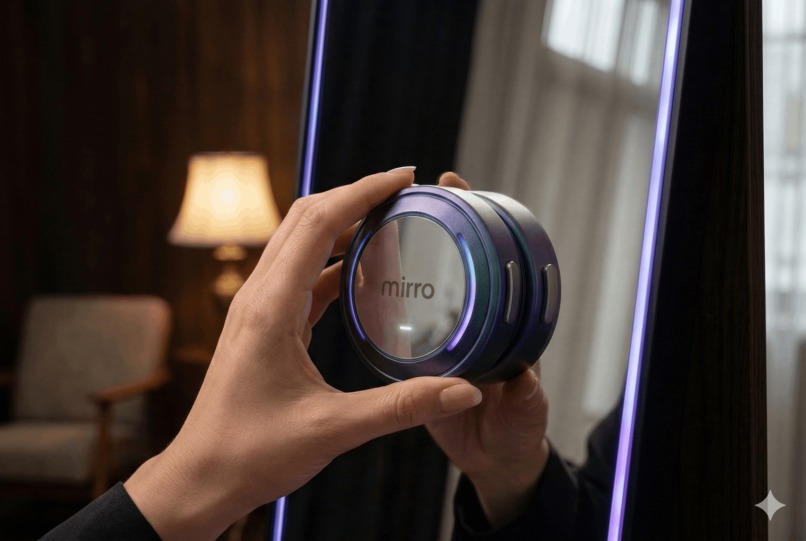
mirro device chip
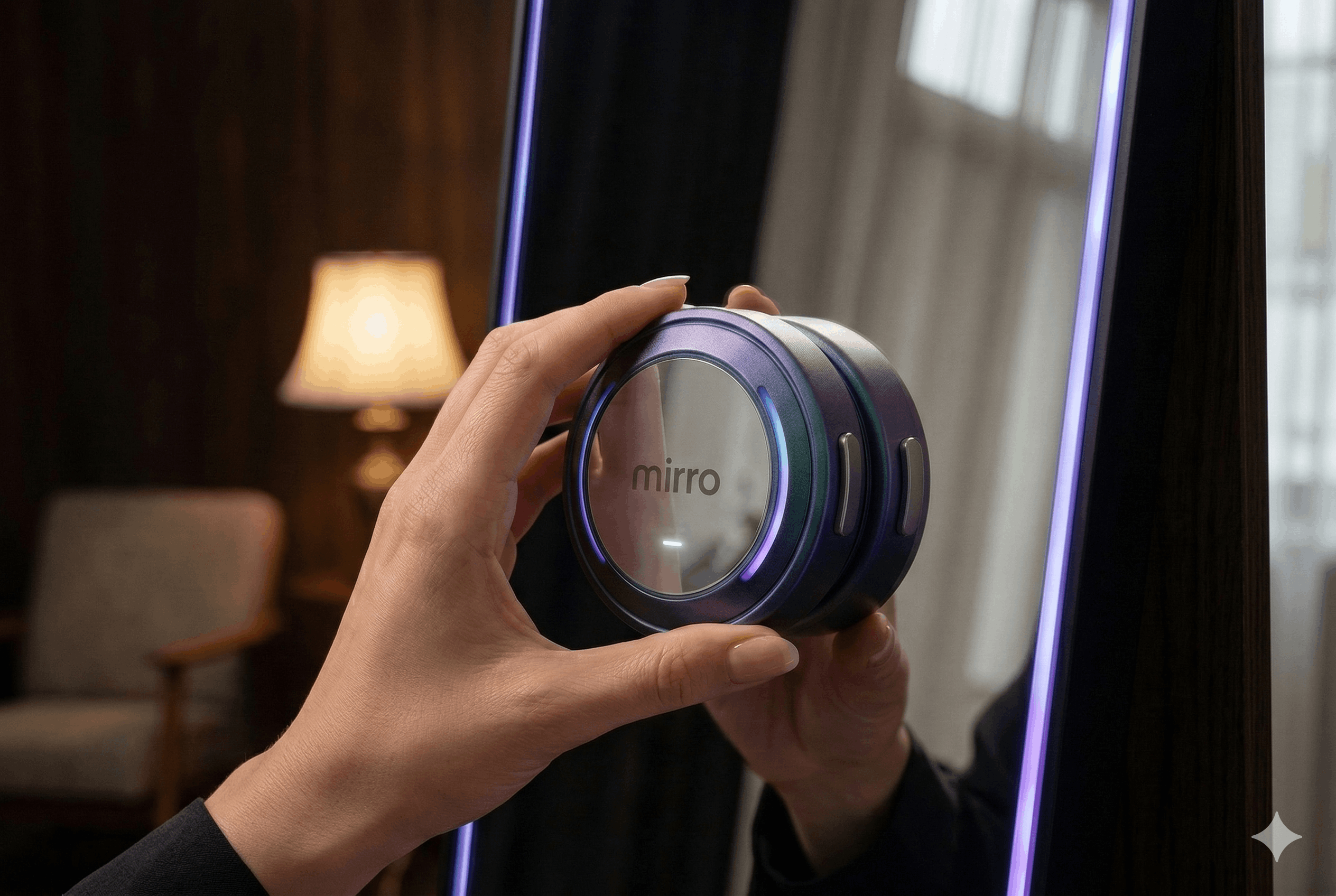
Mirro - your inner mirror
Inspiration
The idea for Mirro came from one of our teammate’s childhood friends who had a severe eye condition that left almost 80% of his vision blurred. His eyelids opened reluctantly and he constantly struggled with reading, writing, and daily activities. Despite being like any other kid, people often misunderstood him. Teachers sometimes thought he was sleeping in class.
What stayed with us the most was how often he asked, “How do I look?” That simple question revealed something deeper. Humans have a strong need to see and understand themselves. This moment inspired us to rethink how visually impaired individuals experience self reflection.
What it does
Mirro reimagines the everyday ritual of looking into a mirror. For sighted people, a mirror offers reassurance and a sense of introspection before stepping out. But for visually impaired individuals, that experience is often inaccessible.
Mirro translates the sense of reflection into haptic, thermal, and voice feedback. A small chip attached to a mirror scans the user’s silhouette and clothing. Through touch and thermal cues, it communicates how colors and outfits appear, helping users build confidence and awareness of their appearance.
How we built it
Mirro is designed as a small attachable chip that converts any regular mirror into an accessible smart mirror.
The system interprets visual information and translates it into multisensory feedback:
Haptic cues for tactile understanding
Thermal feedback to represent color warmth or coolness
Voice guidance to assist users while interacting with the mirror
Users can adjust visibility levels using a rotating dial on the device. This allows people with low vision to enhance contrast, while those with severe vision loss can rely on touch and thermal interaction to understand their reflection.
Challenges we ran into
One of the biggest challenges was conducting primary research. Even when speaking to people within our network, asking individuals about their insecurities or personal struggles with vision was difficult and sensitive.
We also realized that mirrors are not just functional objects. They are closely tied to confidence, identity, and mental well being. Translating such a deeply personal and visual experience into non visual sensory feedback was a complex design challenge.
Accomplishments that we're proud of
We are proud that we approached the problem from a deeply human perspective rather than only a technical one.
Mirro attempts to restore a simple but powerful ritual. It helps people experience the feeling of seeing themselves before facing the world. Designing a system that translates reflection into touch, heat, and sound allowed us to rethink accessibility and inclusive design in a meaningful way.
What we learned
This project taught us the importance of empathetic research and inclusive design thinking. We learned that primary research can be challenging, even when working with people you know personally.
On the technical side, we also challenged ourselves to improve our design and prototyping skills using Figma. We learned how to communicate complex interaction ideas through digital prototypes.
What's next for The Mirro
Our next step is to expand Mirro beyond mirrors. We envision the core technology being integrated into smart glasses, allowing visually impaired users to experience enhanced contrast and sensory feedback while navigating the world, shopping, or choosing outfits.
Ultimately, Mirro aims to help people with low vision not just see better but feel seen.
Built With
- and-prototyping-the-mirro-concept.-figma-make-helped-us-quickly-visualize-and-iterate-on-the-product-experience.-we-also-used-claude-and-ai-assisted-tools-to-brainstorm-interaction-possibilities
- and-speculative-hardware-prototyping
- and-structure-the-concept.-the-project-primarily-focused-on-design-thinking
- exploring-how-visual-information-can-be-translated-into-haptic
- figma
- figmamake
- inclusive-design-research
- interaction-mapping
- refine-product-narratives
- thermal


Log in or sign up for Devpost to join the conversation.