-
-
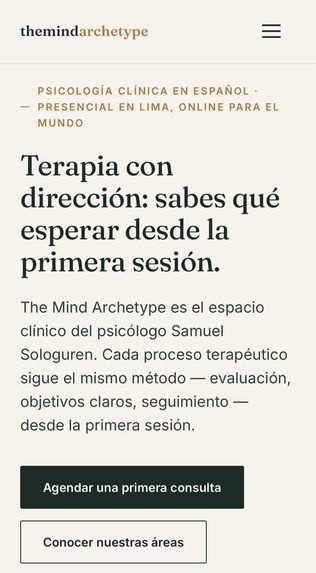
The Mind Archetype — Agent-Native Psychology Experience
-
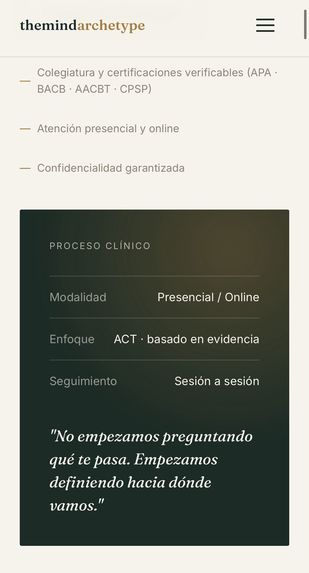
Agent-Ready Appointment Booking
-
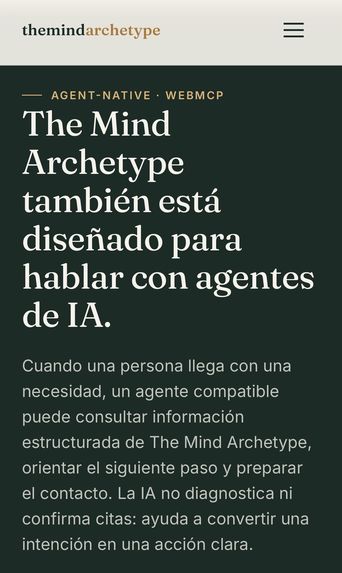
WebMCP Tool Discovery
-
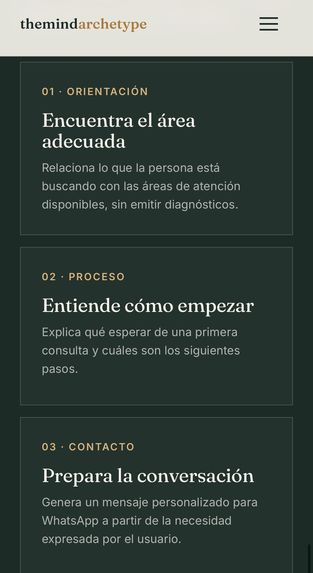
Human + Agent Interaction
-
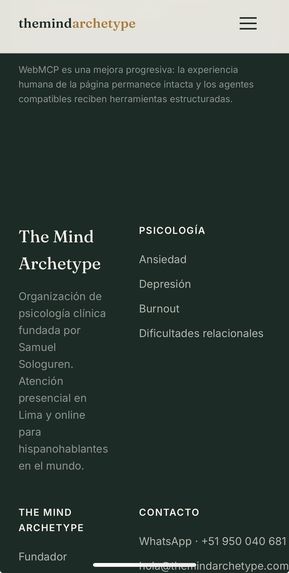
WebMCP in the Browser
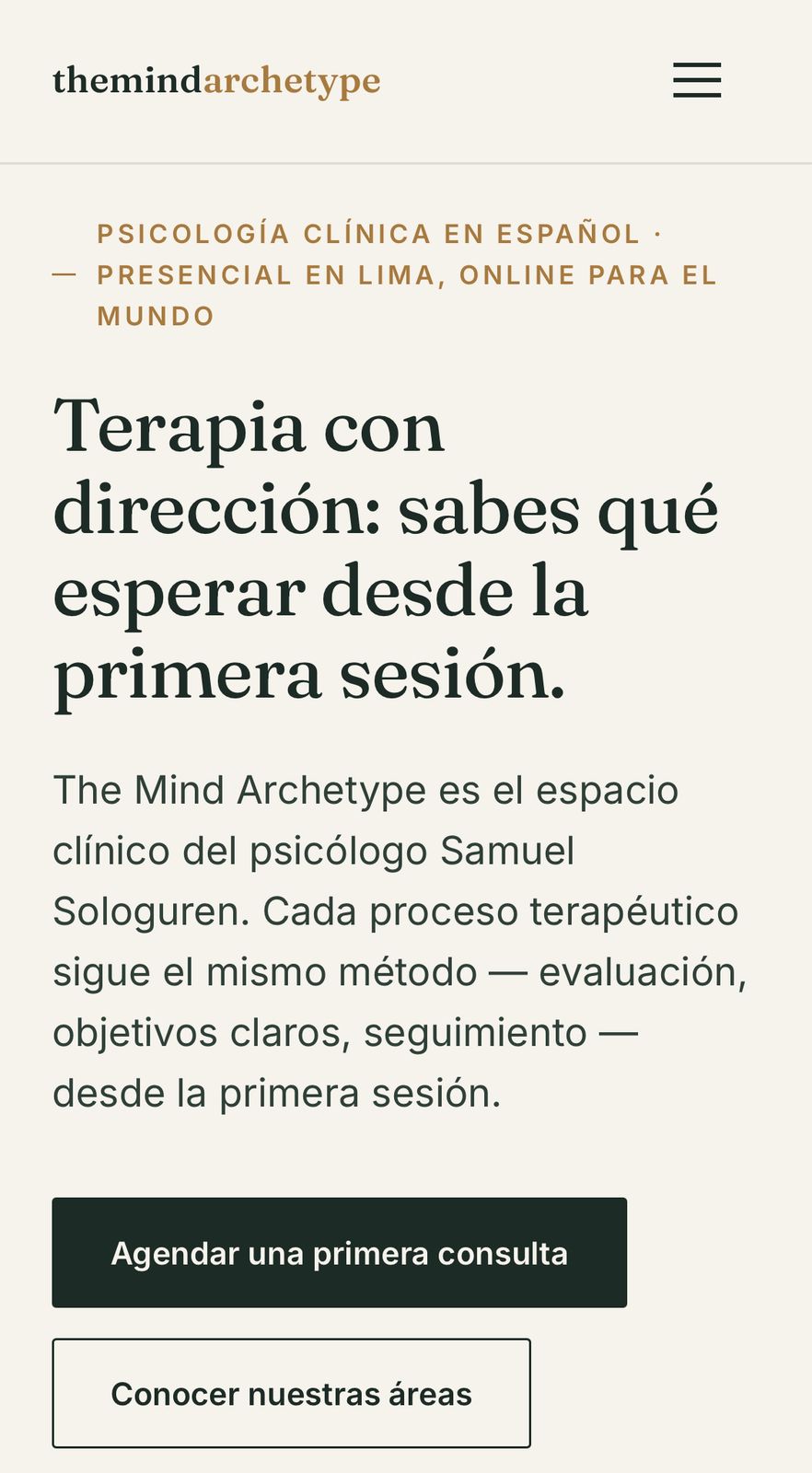
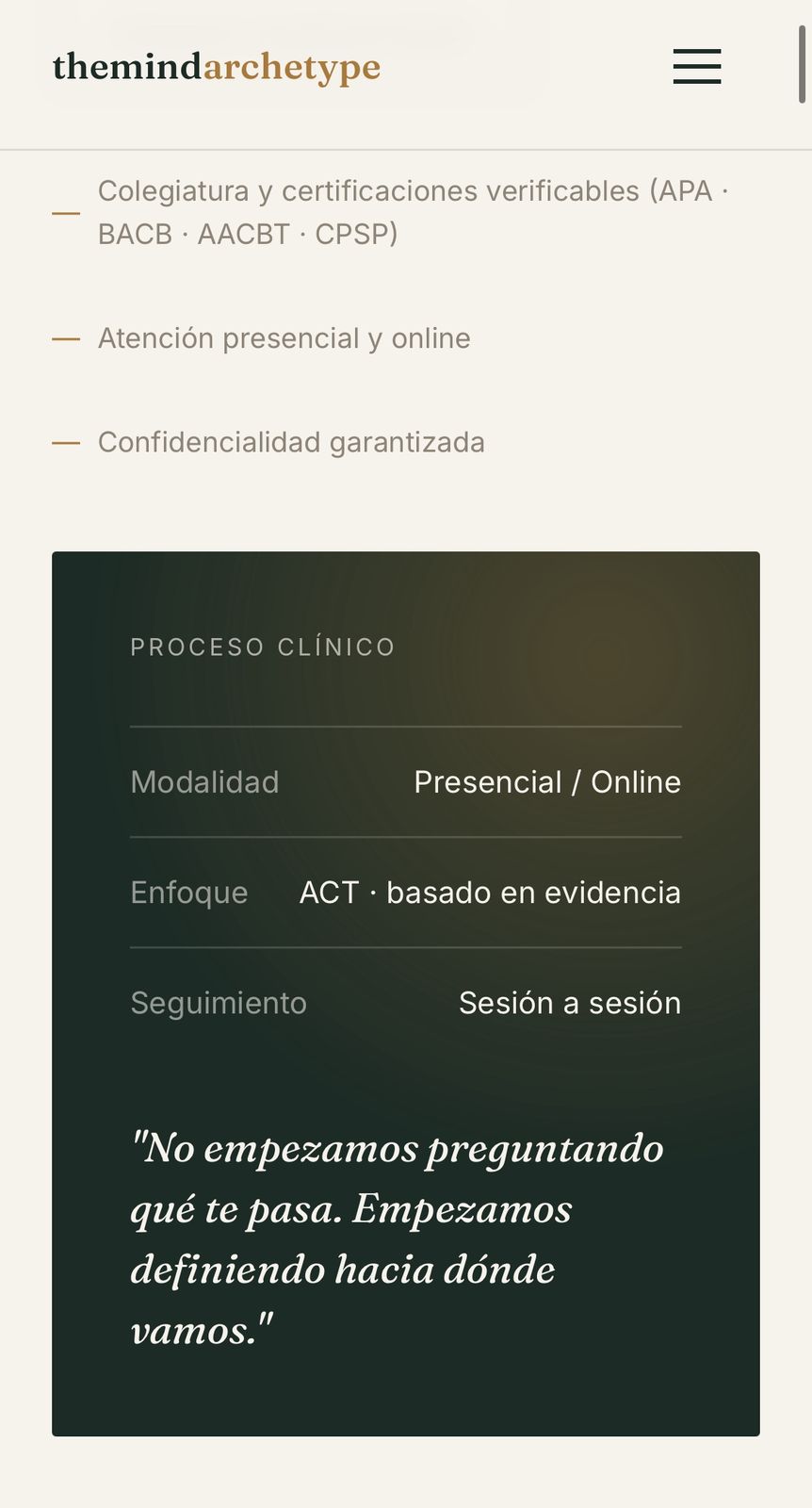

Inspiration
The Mind Archetype was inspired by a simple question: what if a psychology website could be designed not only for people, but also for the AI agents helping them?
In mental health, the journey often starts long before someone books an appointment. People may first want to understand what they are experiencing, explore possible areas of support, learn how therapy works, or simply figure out where to start.
Traditional websites provide this information through pages, menus, and buttons designed for human navigation. But as AI agents increasingly become an interface for discovering and interacting with services, I saw an opportunity to make that experience more direct.
As a psychologist and the founder of The Mind Archetype, I wanted to explore how WebMCP could bring agent-native interaction into a real psychology service while keeping professional care and human decision-making at the center.
What it does
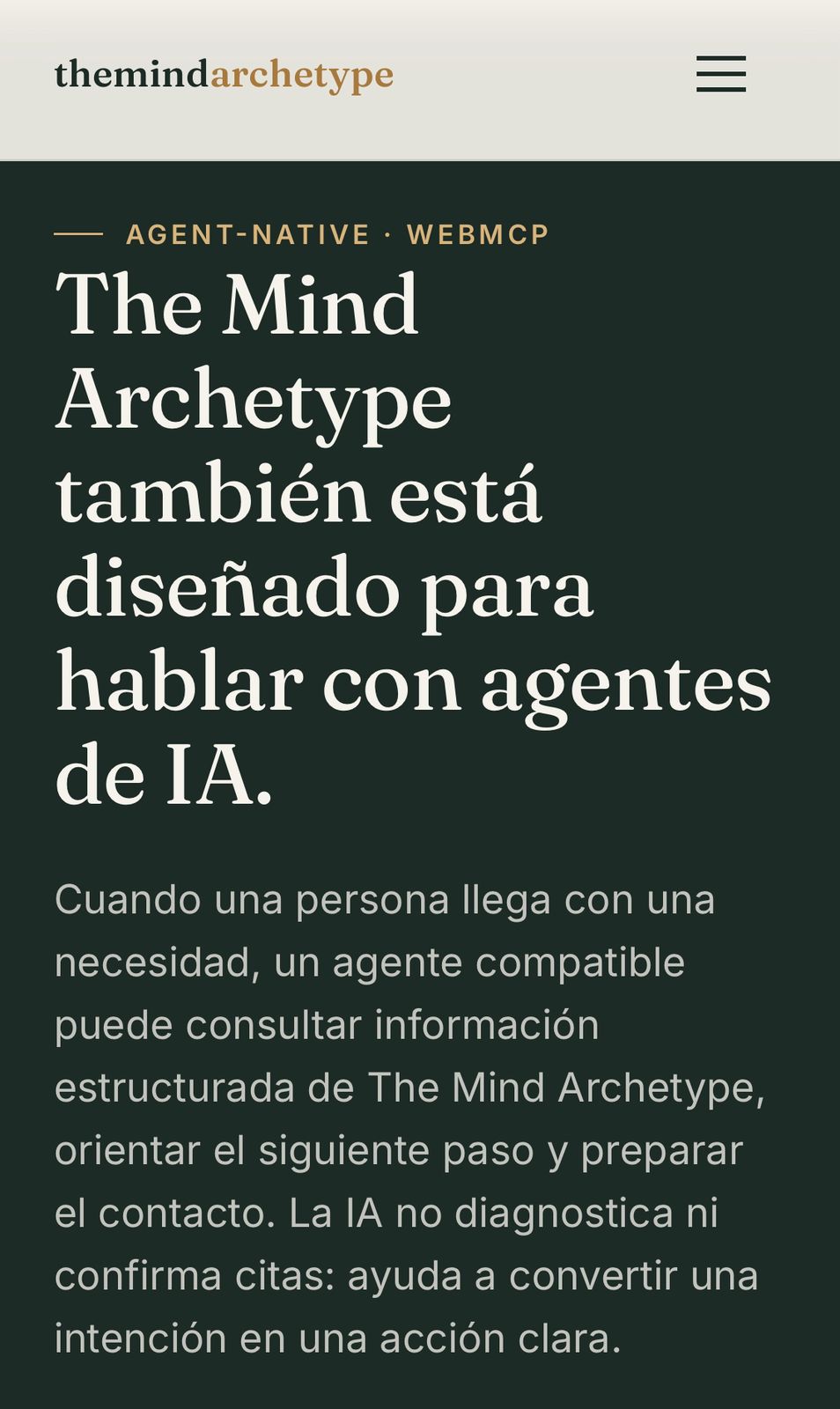
The Mind Archetype is an agent-native psychology website that allows compatible AI agents to discover and interact with structured capabilities exposed directly by the website.
The application currently provides 12 WebMCP tools covering:
- Mental health information
- Care-area discovery
- Service information
- Consultation guidance
- Resource discovery
- Organization information
- Contact options
- Consultation preparation
- Appointment booking
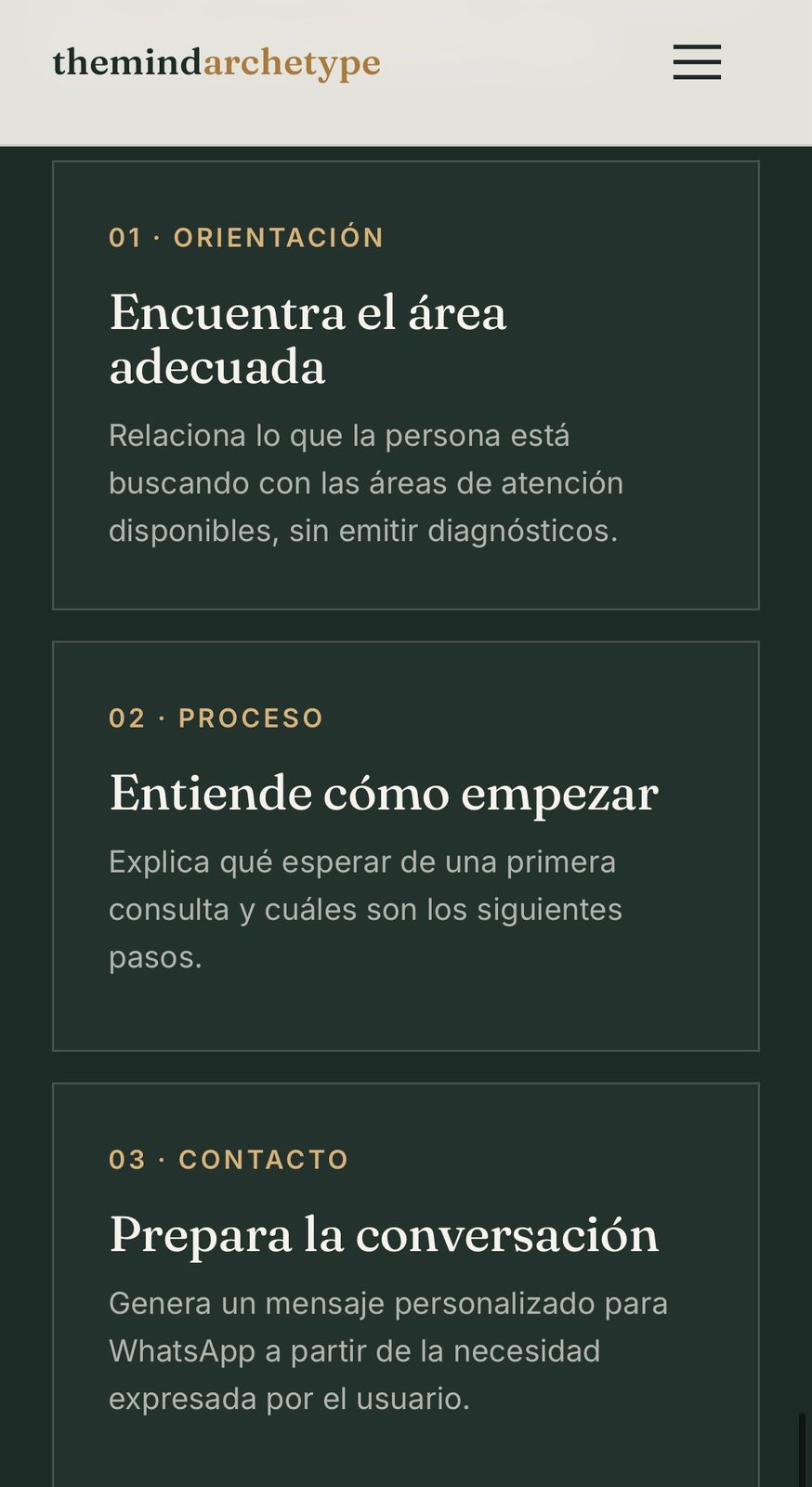
For example, get_mind_archetype_profile allows an agent to discover structured information about the organization, while book_appointment provides a dedicated capability for starting the appointment process.
This means an agent does not have to rely exclusively on interpreting the visual interface and guessing where to click.
At the same time, the human remains in control. The system is designed to help people navigate information and access professional support, not to replace a psychologist or make clinical diagnoses.
How we built it
The project was built as a real, deployed web experience using:
- HTML
- CSS
- JavaScript
- WebMCP
- Netlify
- Google Calendar for appointment scheduling
Rather than creating a separate prototype, I extended the existing The Mind Archetype website with a WebMCP layer.
The WebMCP implementation exposes tools through document.modelContext, allowing compatible agents to discover the capabilities available on the page.
I tested the deployed implementation directly in Chrome with WebMCP enabled and verified that all 12 tools could be discovered through:
(await document.modelContext.getTools()).map(t => t.name)
The appointment capability is connected to a real Google Calendar scheduling experience, so the agent-assisted flow can ultimately lead to an actual human-selected appointment.
Challenges we ran into
The biggest challenge was working with a new and evolving web capability while keeping the existing website stable.
I had to understand how WebMCP exposes tools through the browser, how those tools are discovered, and how to define capabilities that are meaningful from an agent's perspective.
Another challenge was balancing the agent experience with the existing human experience. I did not want to rebuild the website around AI or remove the visual interface people already understand.
Instead, I treated WebMCP as an additional interaction layer.
Testing was also an important part of the process. I had to verify the implementation directly in the browser, troubleshoot differences between the WebMCP tool representation and traditional JavaScript APIs, and make sure the appointment flow connected to a real scheduling experience.
Accomplishments that we're proud of
The biggest accomplishment is that this is not just a concept or mockup. The Mind Archetype is a live psychology website with a working WebMCP implementation.
I am particularly proud of:
- Successfully exposing 12 distinct WebMCP tools.
- Integrating WebMCP into an existing production-style website without replacing its human interface.
- Connecting the appointment capability to a real Google Calendar scheduling flow.
- Creating tools around meaningful psychological-service tasks rather than adding AI functionality for its own sake.
- Keeping human control at the center of the experience.
- Making the complete project publicly available with its source code and documentation.
For me, the most important achievement is demonstrating that WebMCP can be applied to a real-world professional service where trust, clarity, and human oversight matter.
What we learned
This project changed how I think about websites.
Previously, I primarily thought of a website as an interface between a person and a service. Building with WebMCP made me think of it as an interface between people, services, and agents.
I learned that making a website agent-friendly is not simply about adding AI. It is about identifying meaningful actions and exposing them as clear, structured capabilities.
I also learned that giving an agent more capabilities does not necessarily mean giving it more control.
In a sensitive field like psychology, the better approach can be to let an agent help someone understand options, find information, prepare an action, or begin a process, while leaving important decisions to the human.
What's next for The Mind Archetype
The current implementation is a foundation for a larger agent-native psychology platform.
Next, I want to expand the capabilities around psychological education, resource discovery, consultation preparation, corporate mental health services, and access to professional support.
I also want to explore richer agent-assisted experiences where a person can describe what they need conversationally and the agent can help them navigate the appropriate information and services exposed by The Mind Archetype.
The long-term vision is not to automate the psychologist.
It is to make the path from a person's first question to appropriate human support simpler, more accessible, and more intelligent.
The Mind Archetype is an exploration of what psychology on an agent-native web could look like.
Built With
- agentic
- agents
- ai
- artificial
- conversational
- css
- development
- health
- healthcare
- html
- human-ai
- intelligence
- interaction
- javascript
- mental
- netlify
- psychology
- web
- webmcp


Log in or sign up for Devpost to join the conversation.