Inspiration
Moving to university means leaving behind home, routines, and the shelf of books that quietly said this is who I am. A bare student room is a poor replacement. Hobbies are often the first thing to go, and we realised that's a wellbeing problem: losing the things that make you you makes homesickness worse and downtime emptier.
Goodreads and StoryGraph are great at listing what you've read, but they're lists. We wanted to build a place: somewhere that feels like yours and that you actually want to spend time in.
What it does
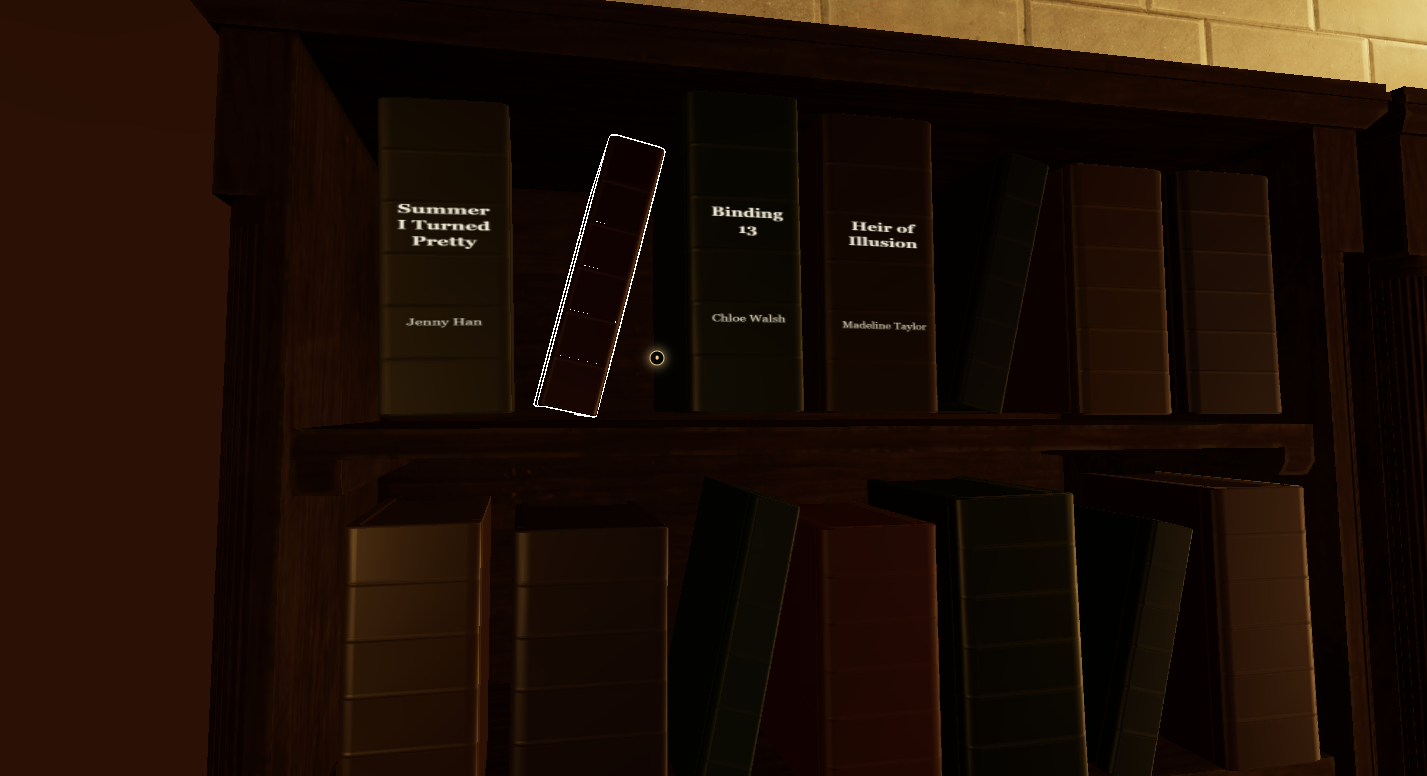
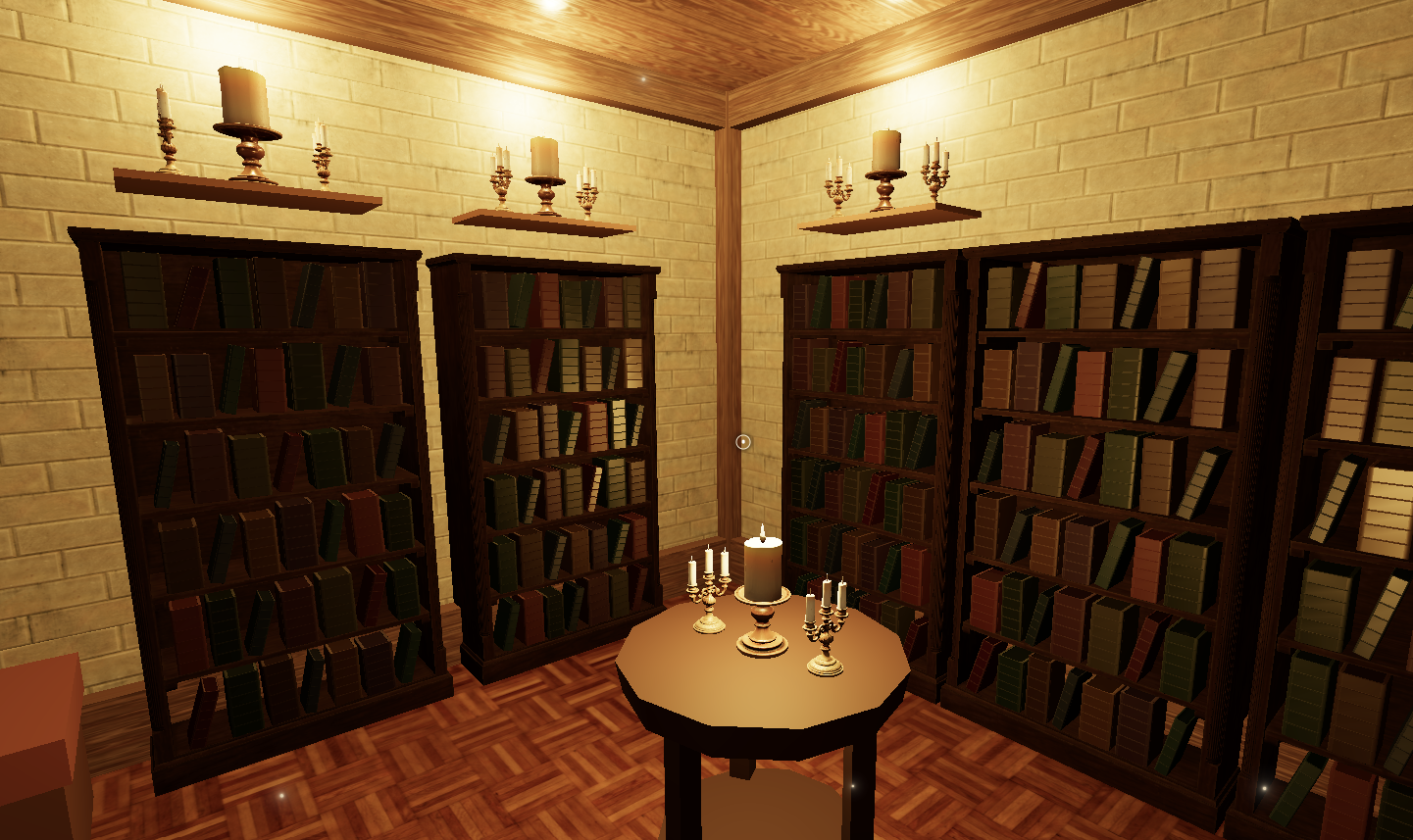
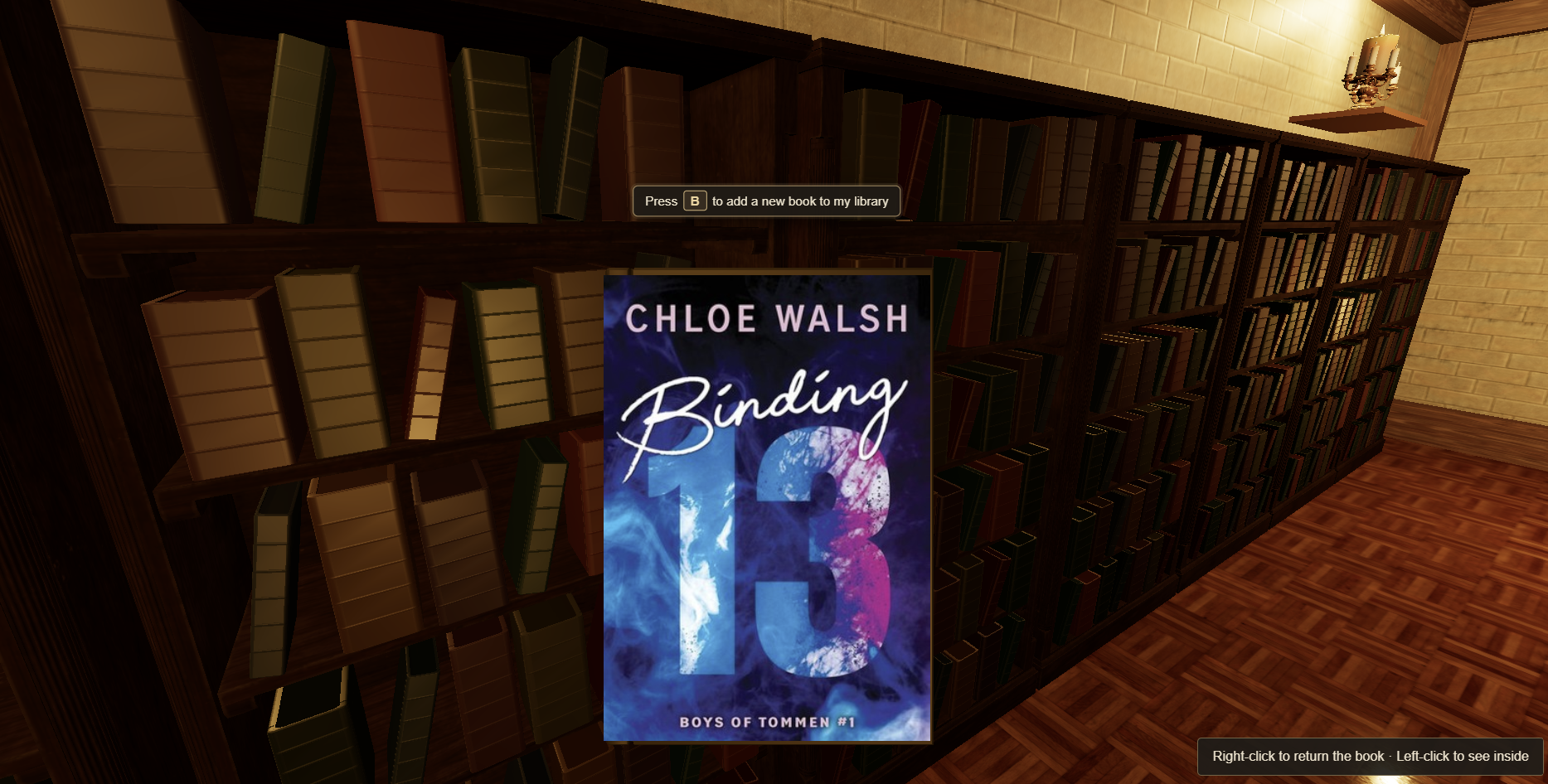
The Midnight Stacks is a navigable 3D virtual cosy library. You walk through a room with a fireplace, a window seat and shelves filled with books. Click any book to open a panel and write a review, which is saved so your thoughts stay with the book. It's a comfort space for downtime, designed to feel personal rather than productive.
How we built it
- Next.js and React for the app
- React Three Fiber (Three.js) to render the room in the browser, with WASD movement, mouse look and collision bounds
- glTF models and textures for the bookcases and fireplace
- A config-driven layout that defines the room, shelf positions and generated books, so every shelf fills automatically
- Local storage to save book reviews in the browser
Challenges we ran into
- Making movement feel natural while keeping players inside the room and out of the furniture
- Placing and aligning a large number of books on the shelves without overlaps, which led us to build a debug view that shows book placement boxes
- Loading and rendering textured 3D models smoothly in the browser
- Designing for comfort rather than pressure, so we left out streaks and scores
Accomplishments that we're proud of
- A fully walkable 3D library with every shelf filled
- Clicking any book opens a review panel, and reviews persist between visits
- A cosy atmosphere, with a fireplace and window seat, that feels like a place you'd want to be
What we learned
- How to build and navigate a 3D scene in the browser with React Three Fiber
- Working with 3D assets: models, textures, and collision data
- Designing around wellbeing is different from designing around productivity
What's next
- ISBN barcode scanning and cover recognition, so you can rebuild the library you left at home in minutes
- Real book data from a metadata API instead of sample titles
- Low-guilt reading goals such as 10 minutes a day, with no streaks
- Flatmate shelves for sharing and lending books
- A campus tie-in to see who else at your uni is reading the same book

Log in or sign up for Devpost to join the conversation.