-
-
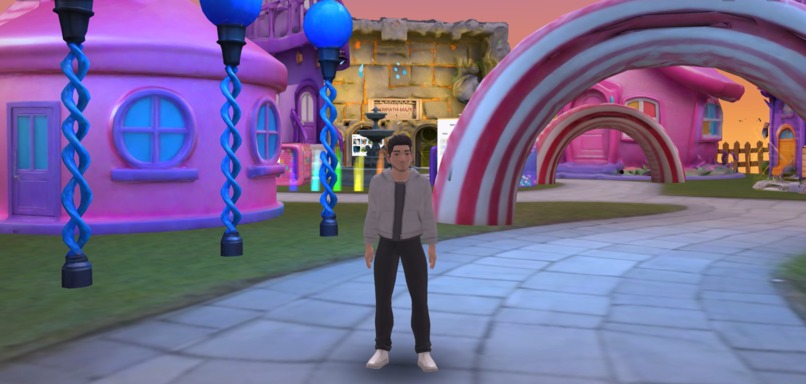
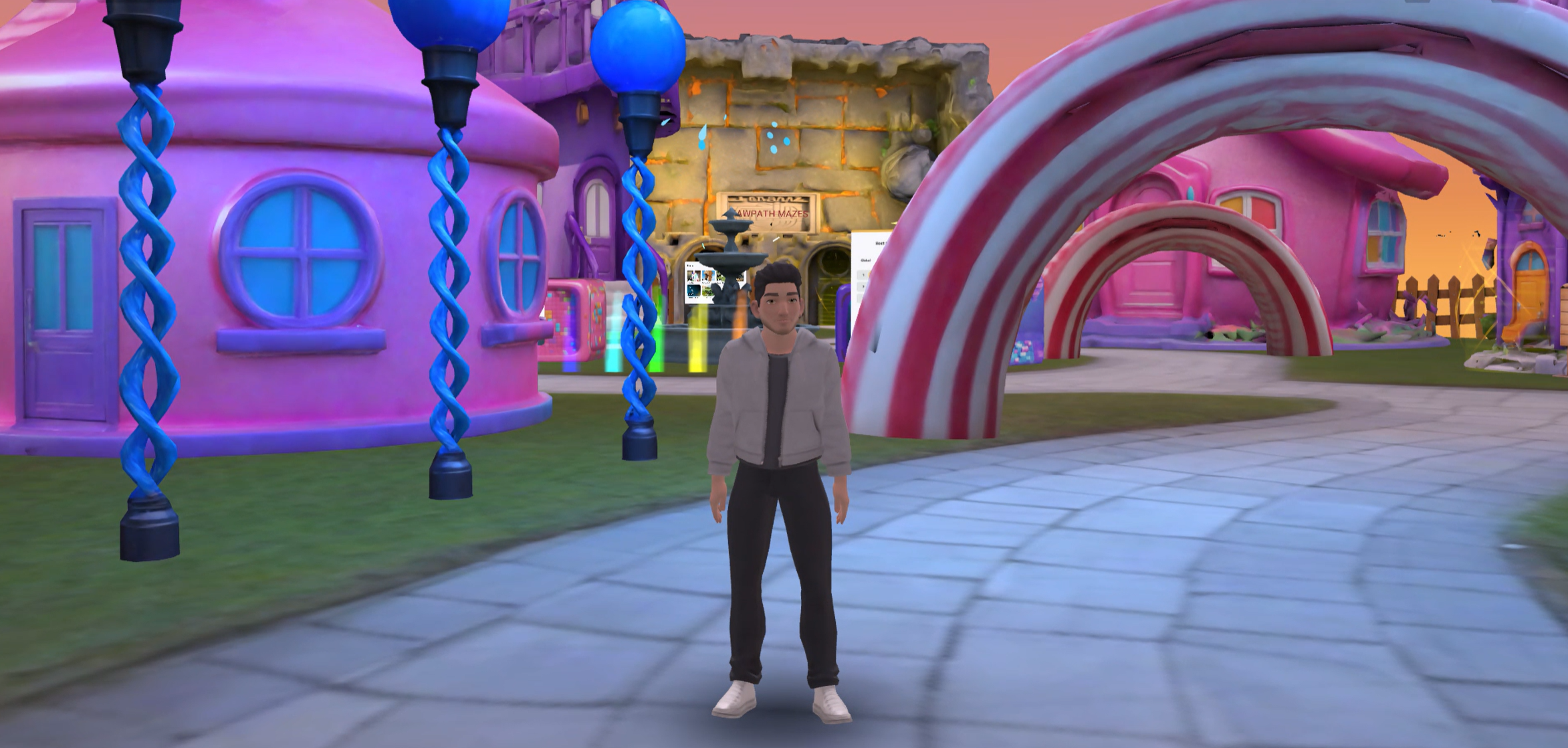
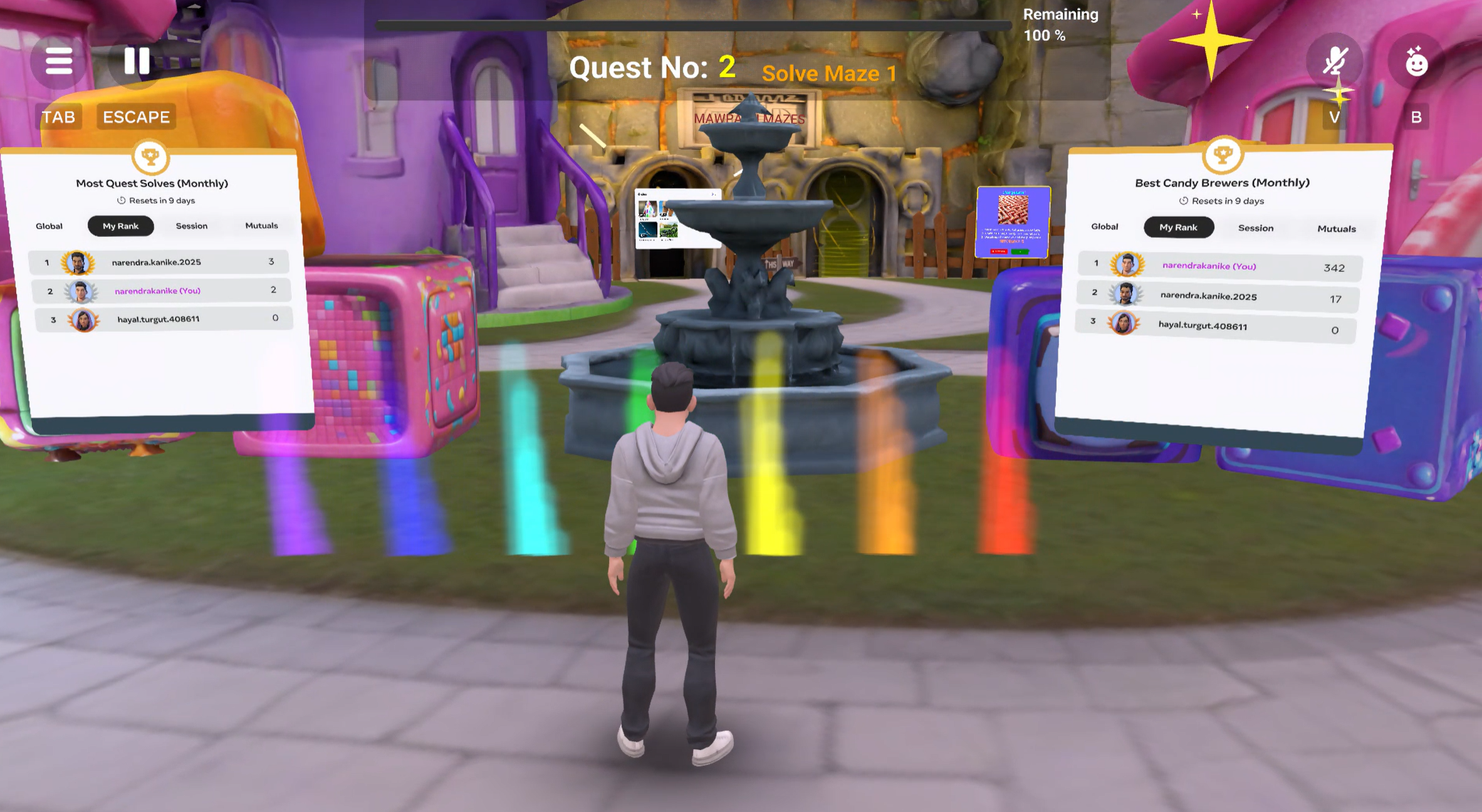
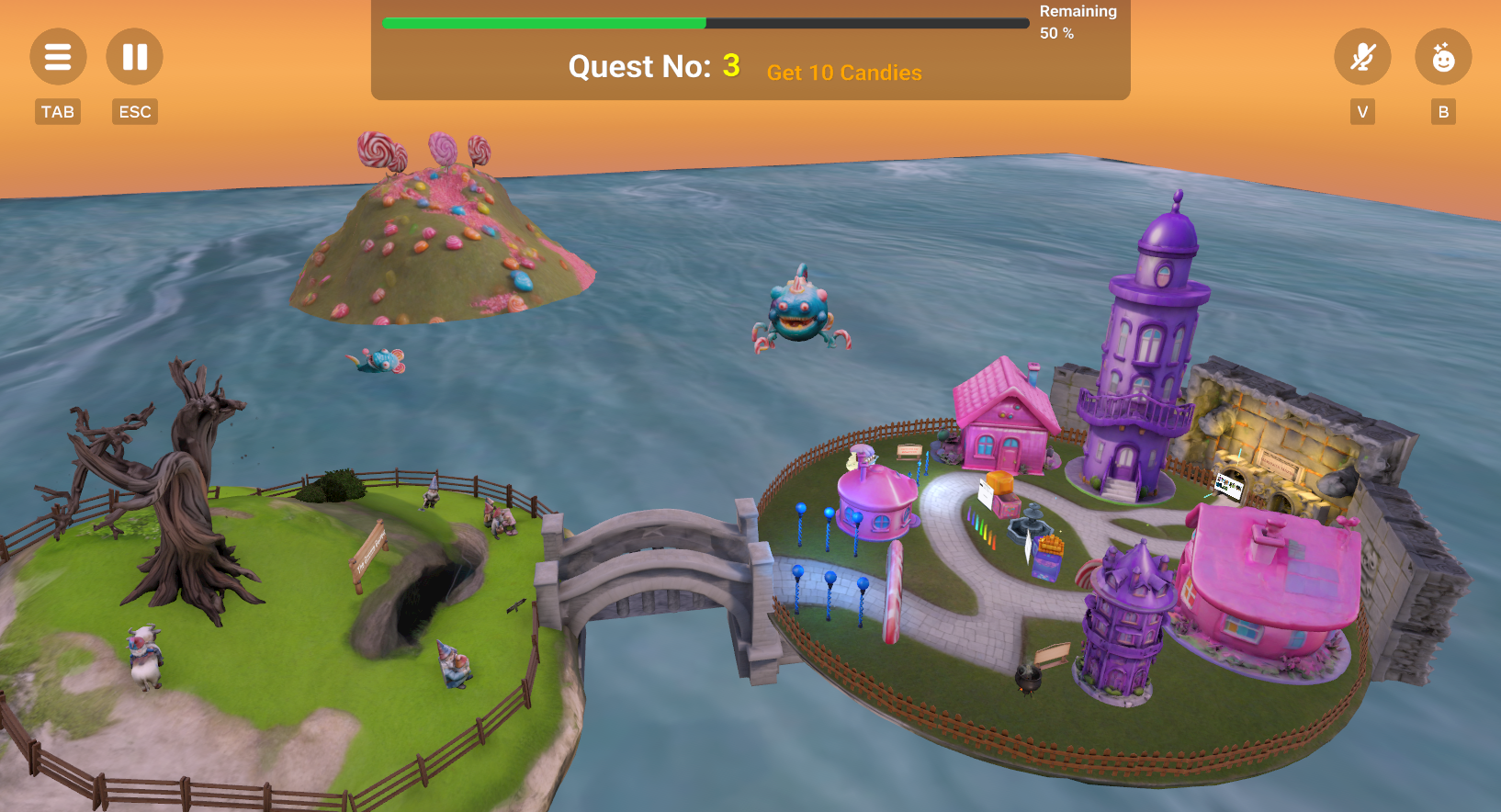
Main lobby themed as a colorful city
-
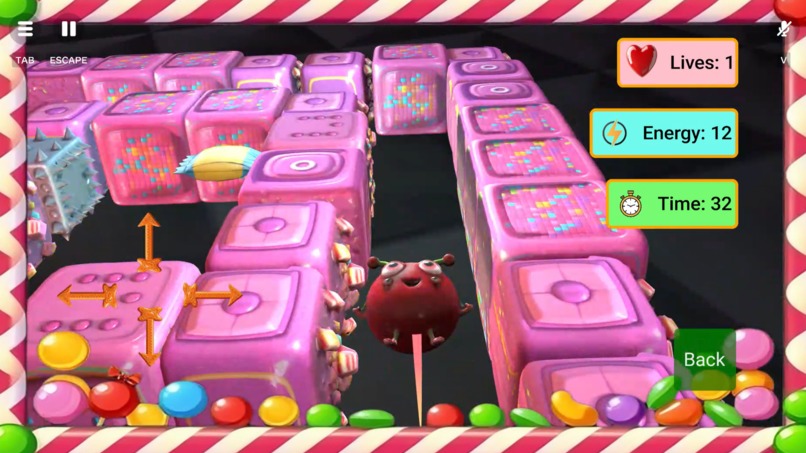
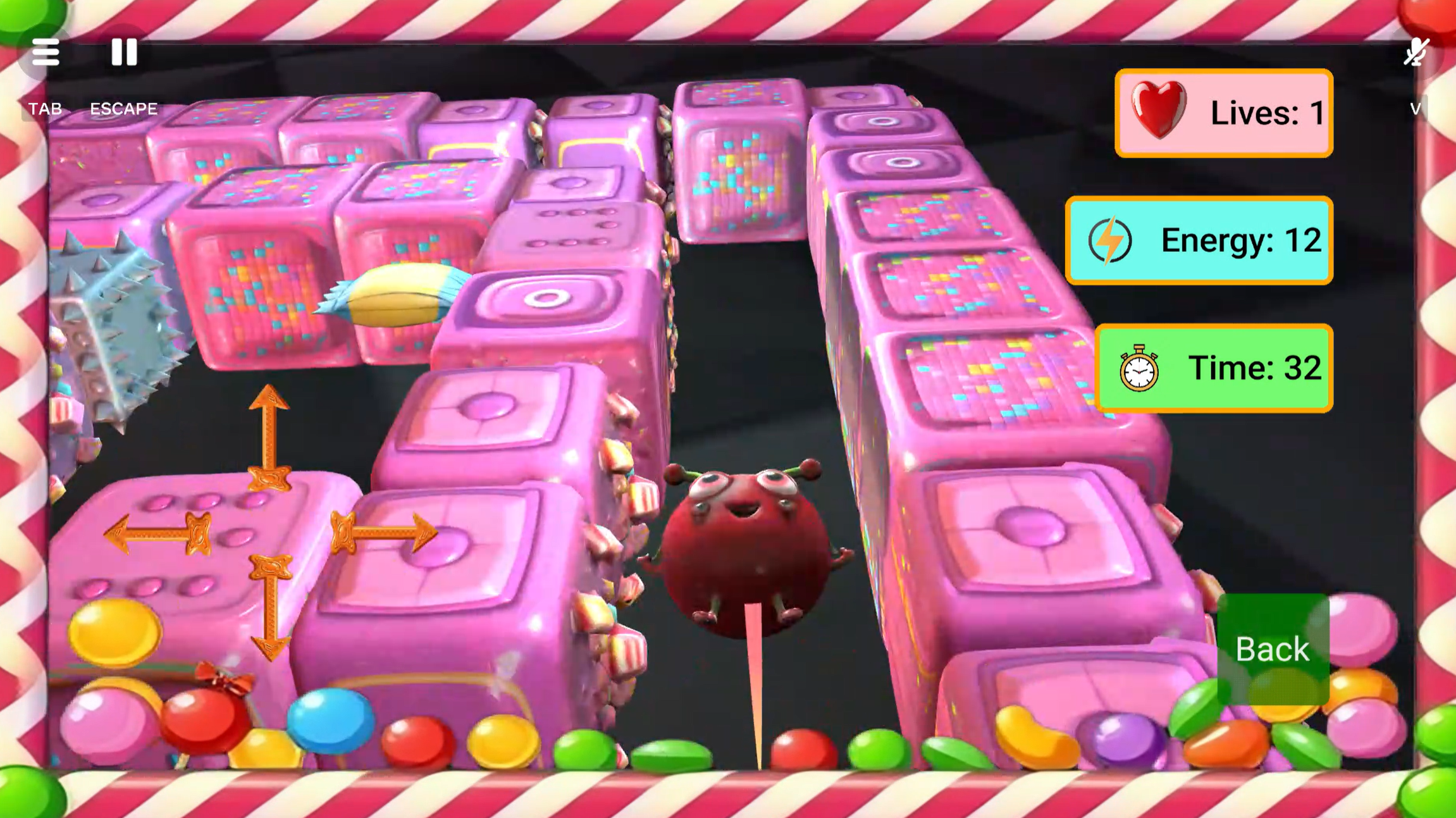
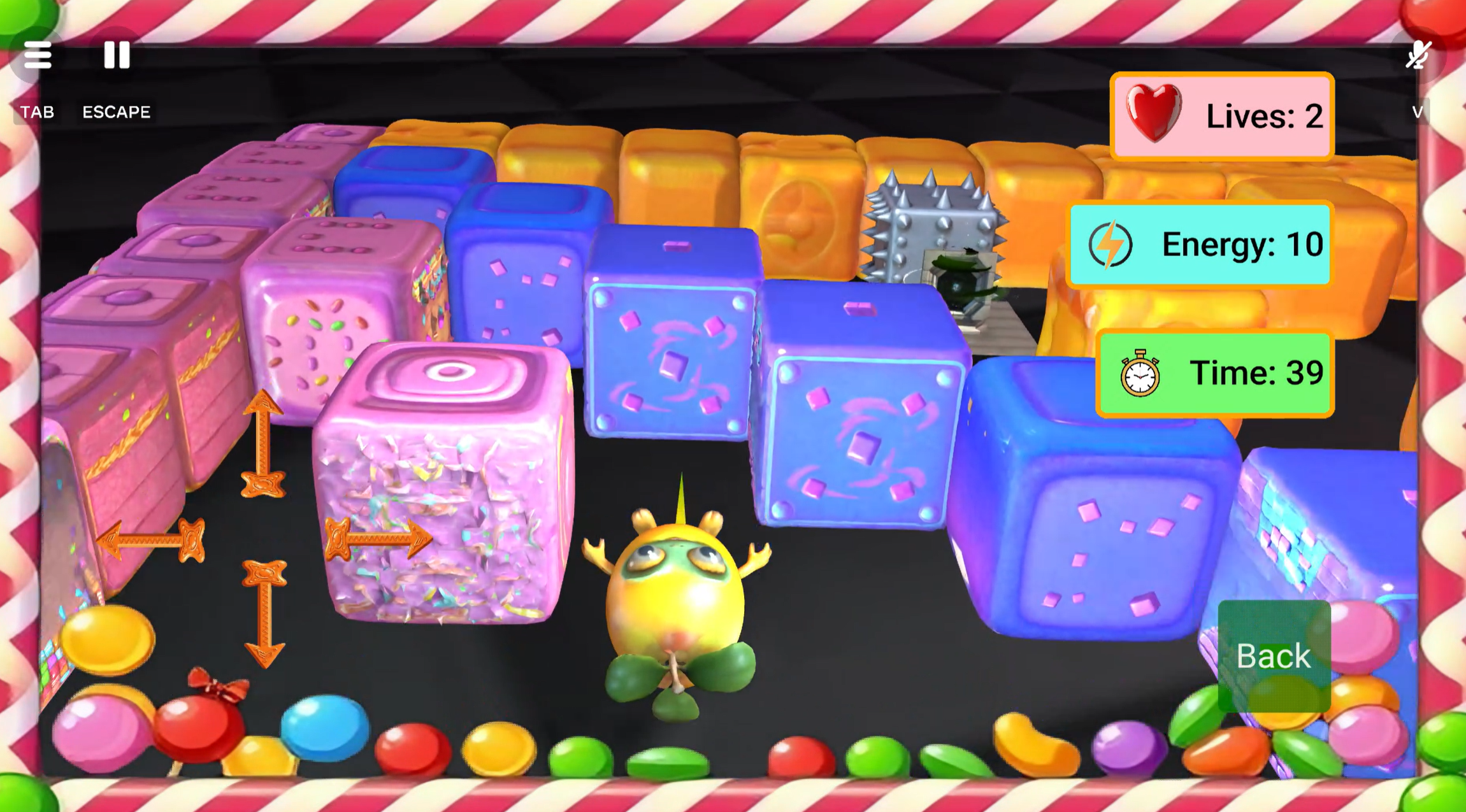
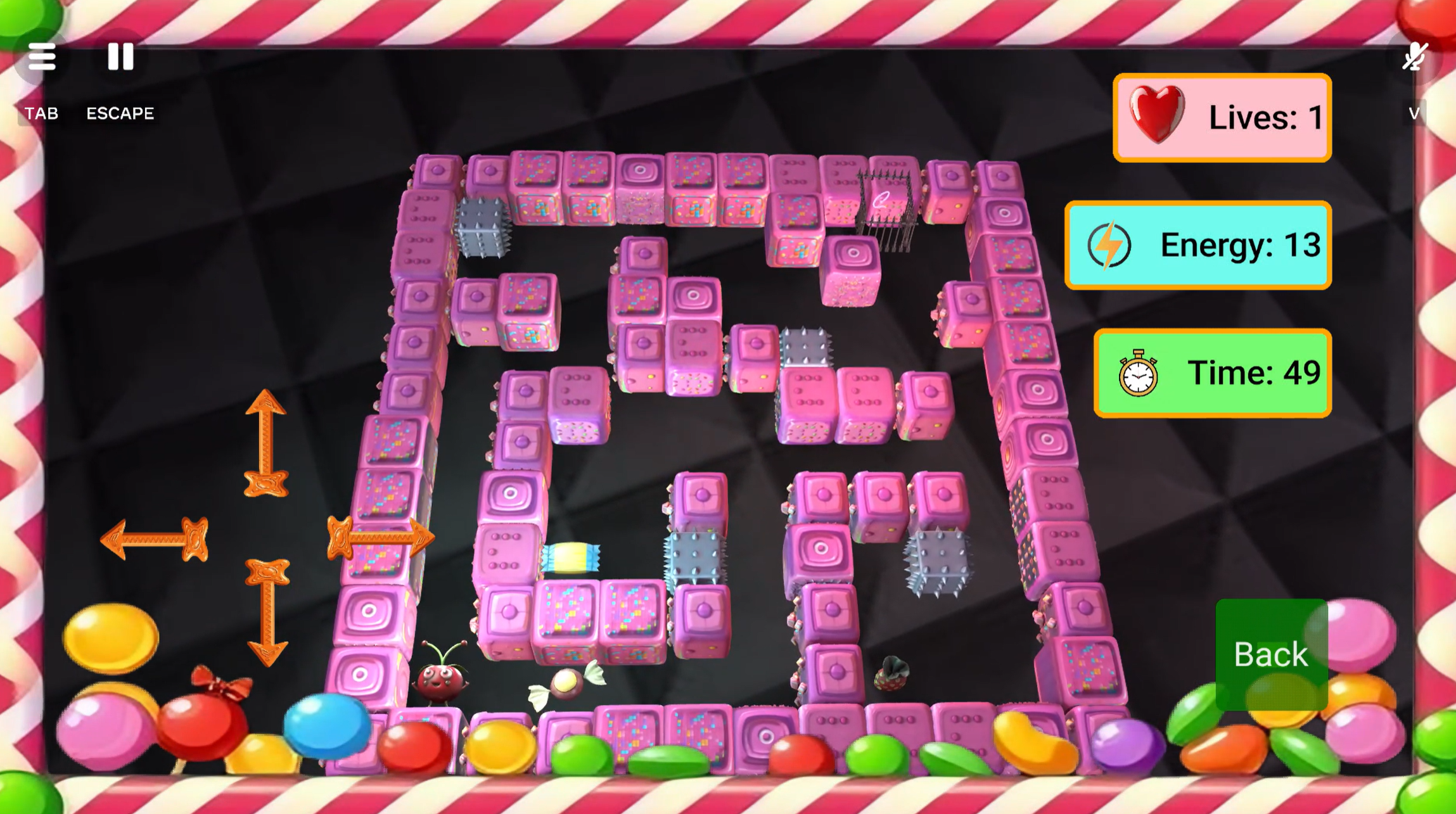
Navigating maze with a cherry pet
-
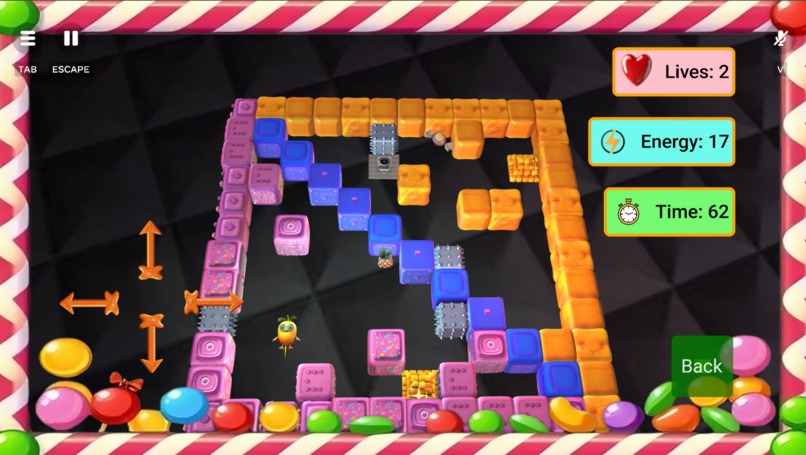
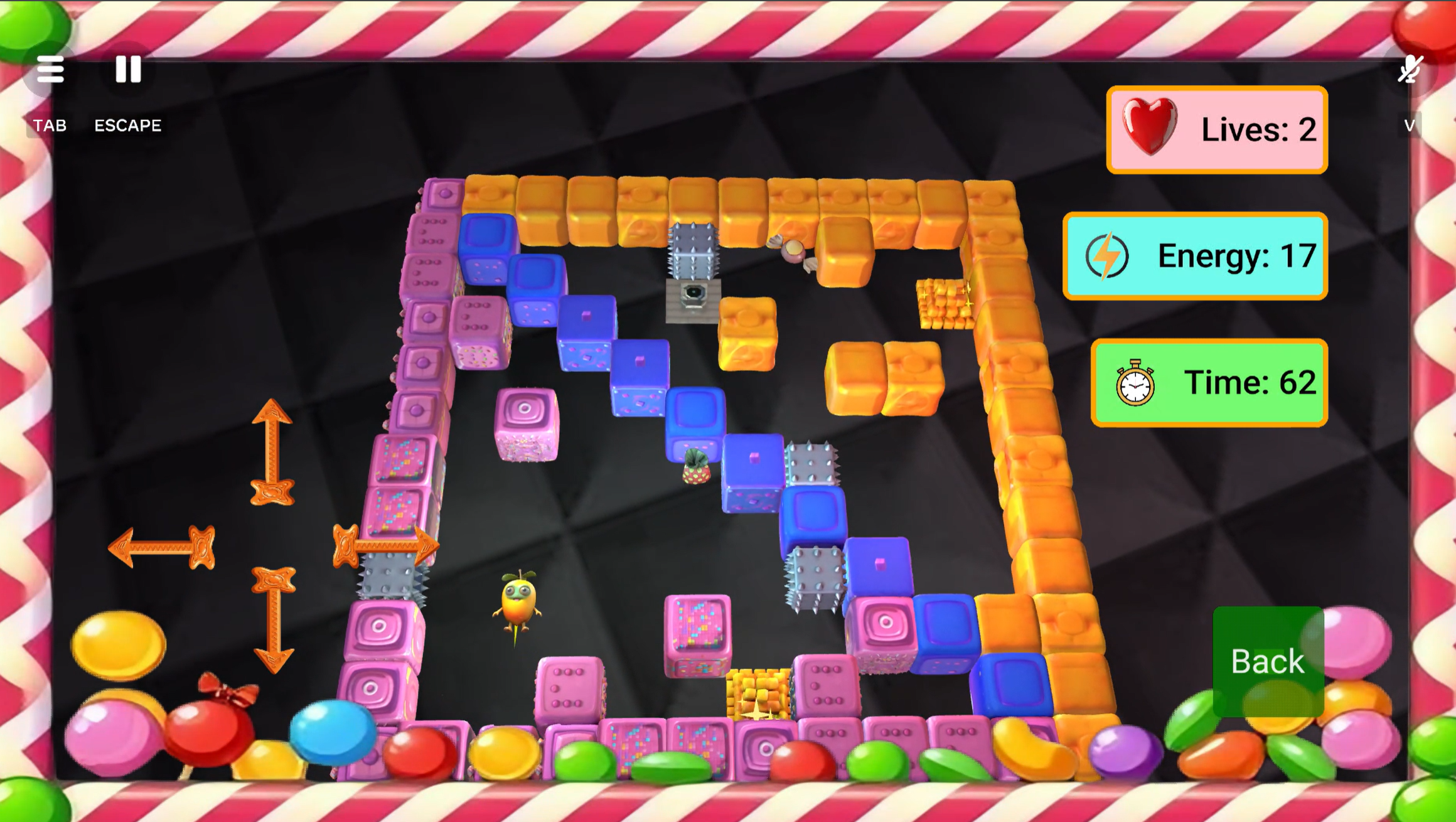
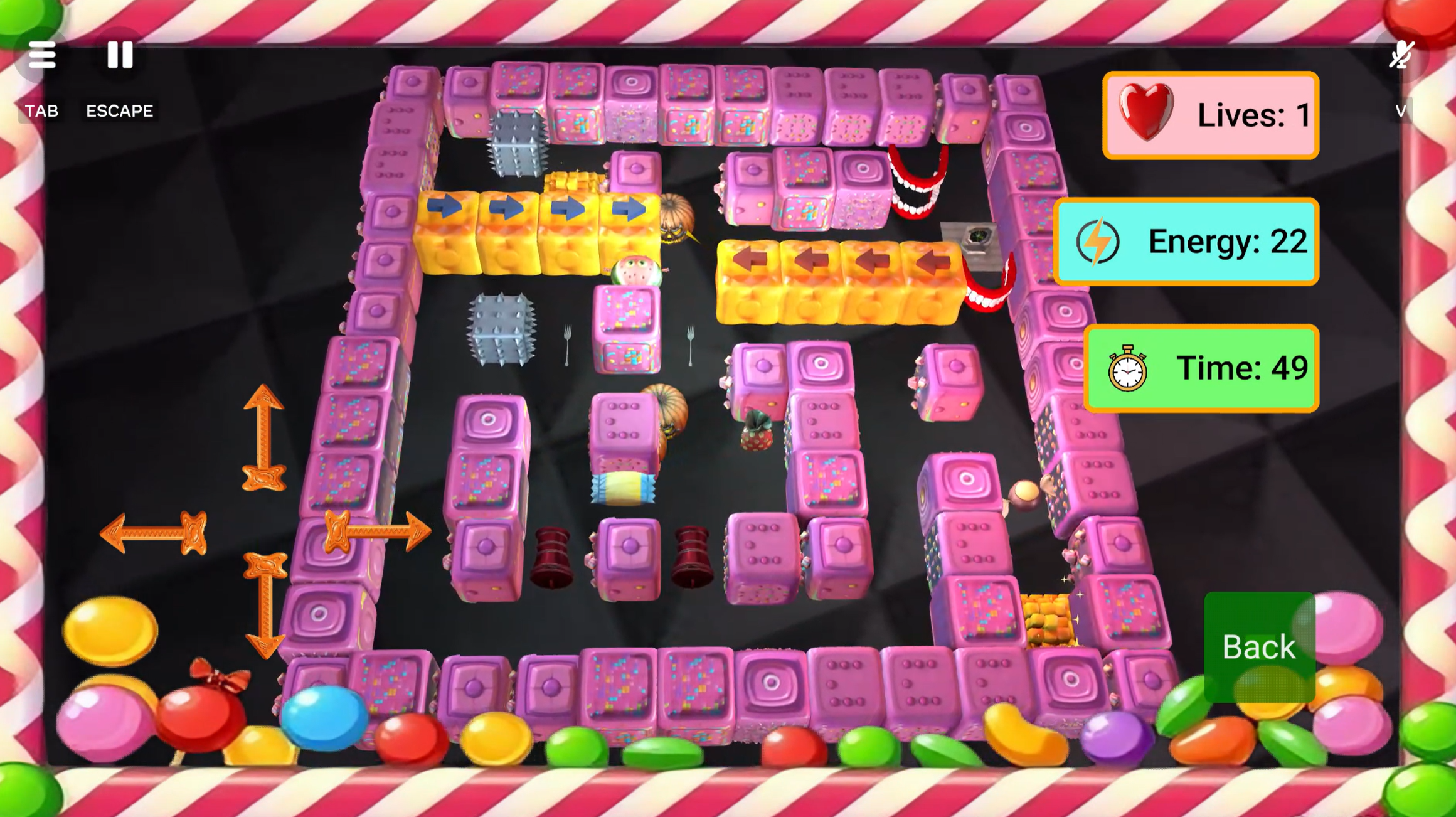
Using the mango pet to solve maze
-
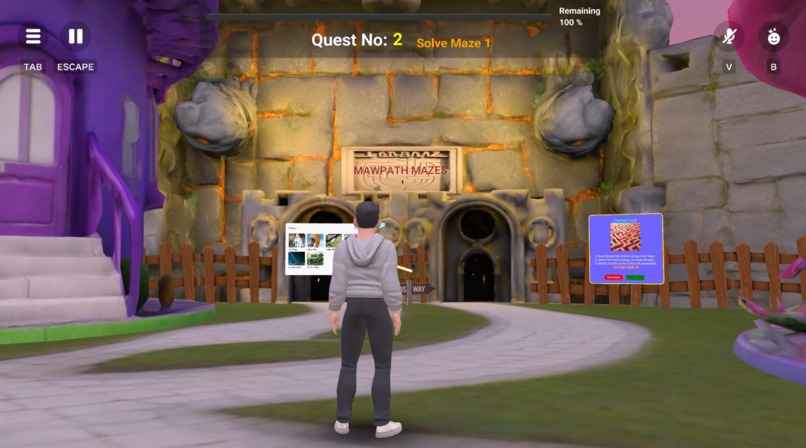
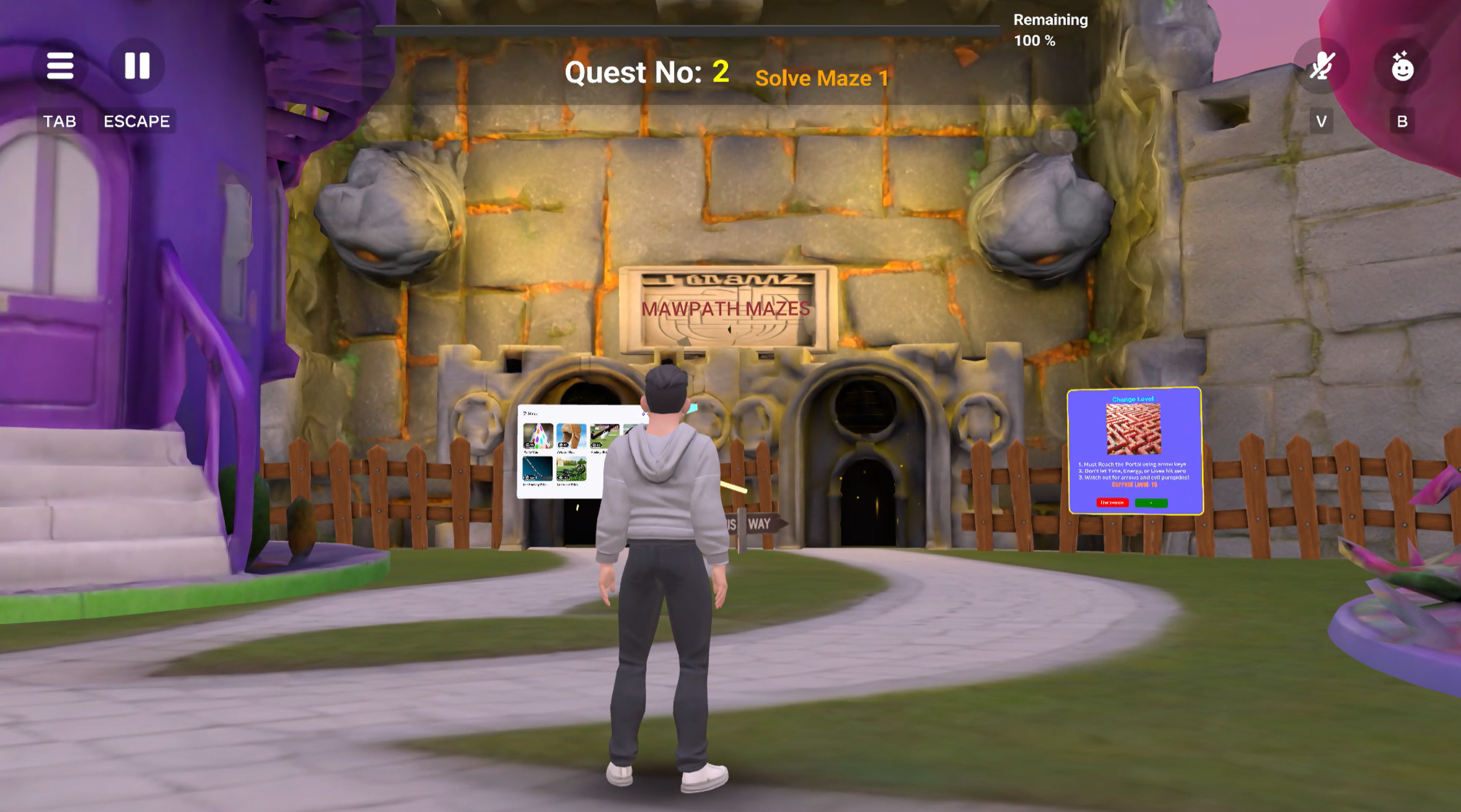
Entrance to the Mawpath Mazes
-
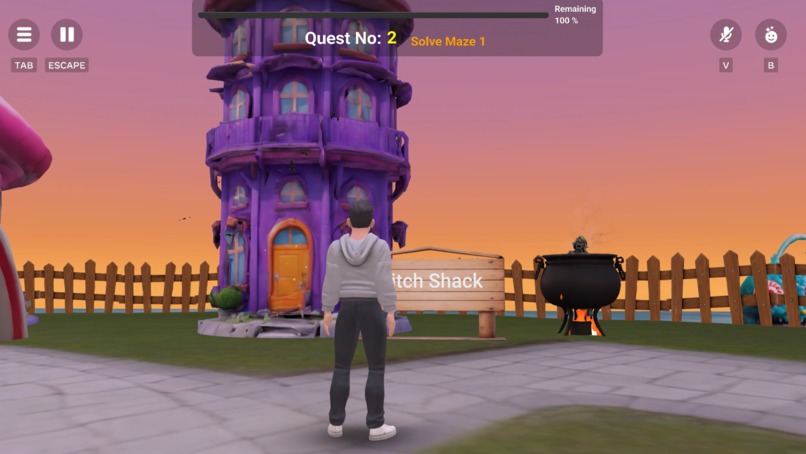
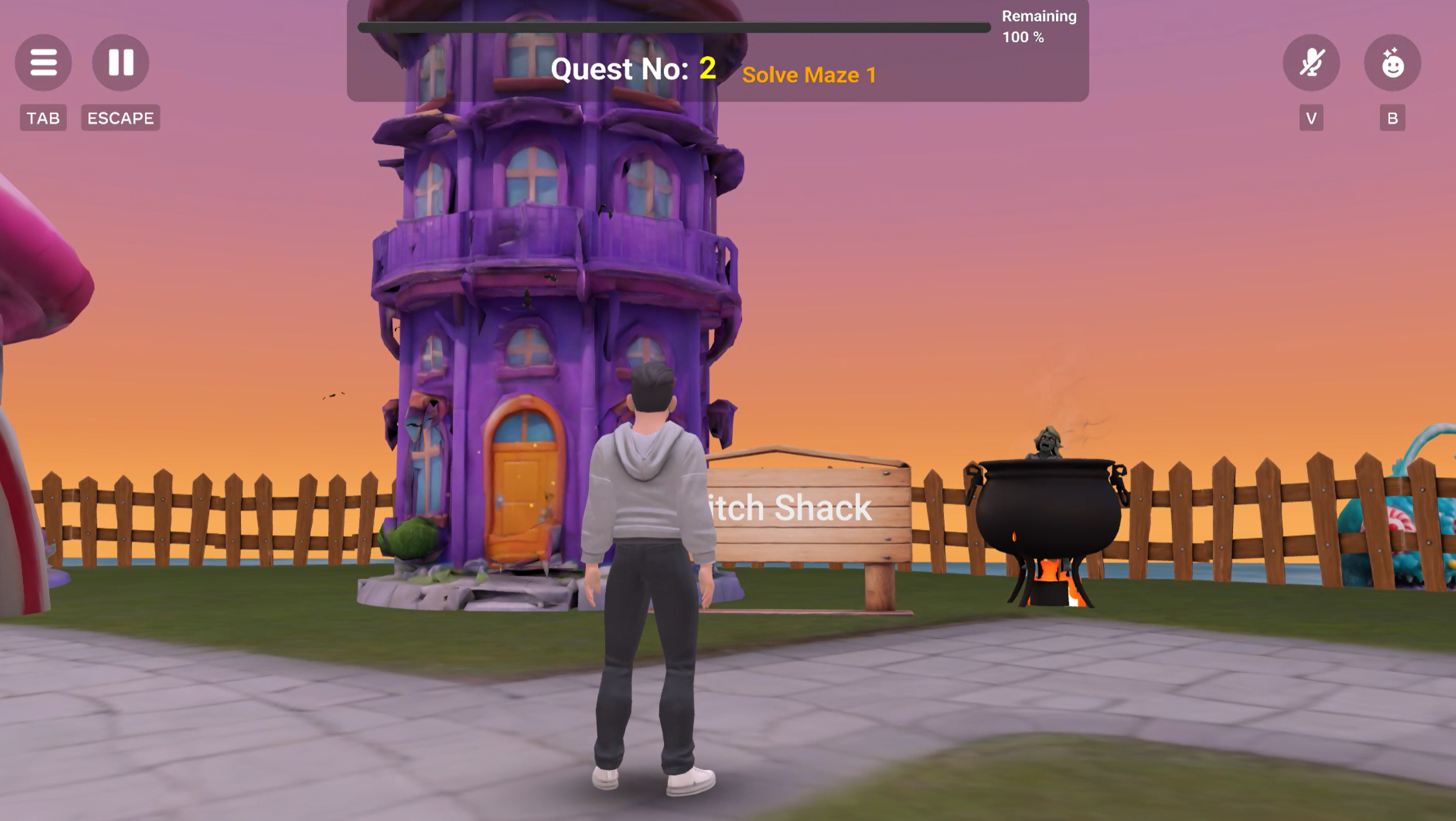
Entrance to the witch hut for crafting candy brews
-
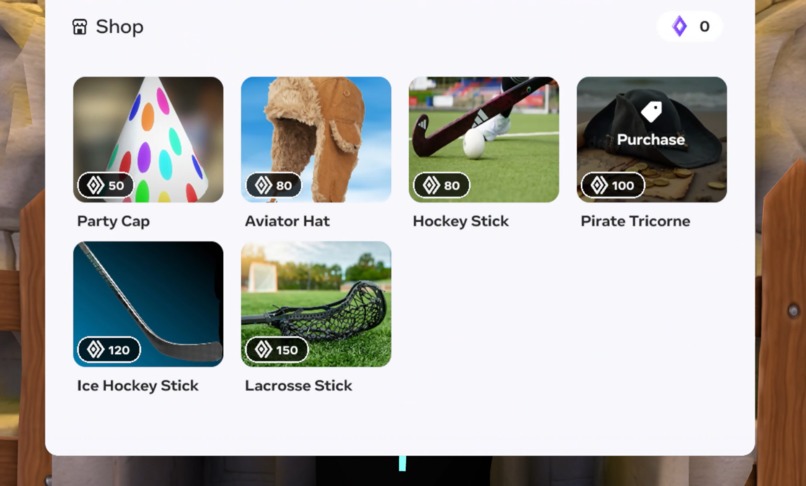
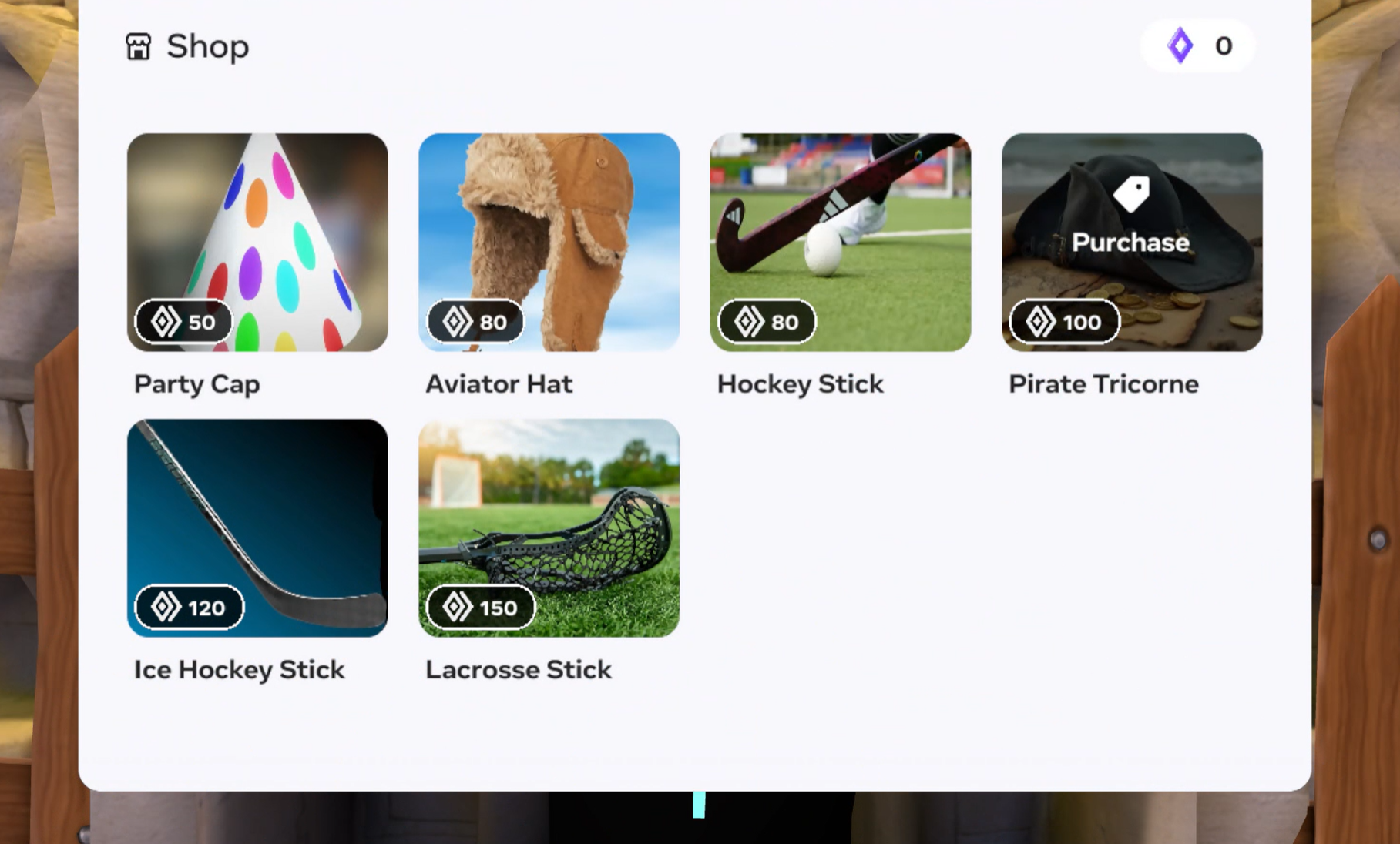
World Shop Gizmo
-
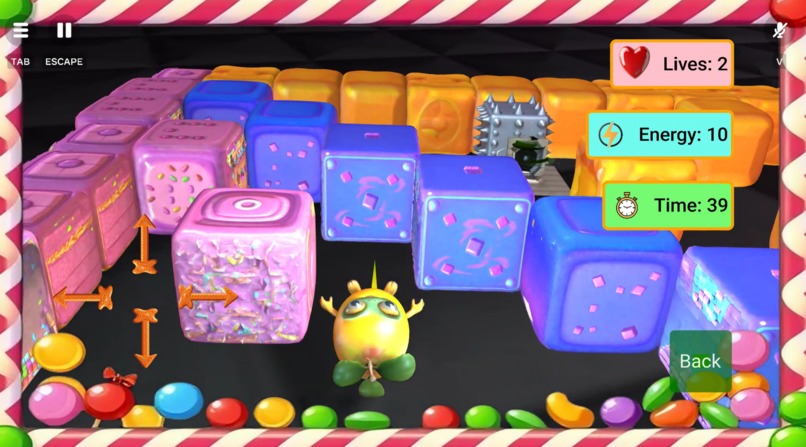
Mango pet zoomed in using Camera API
-
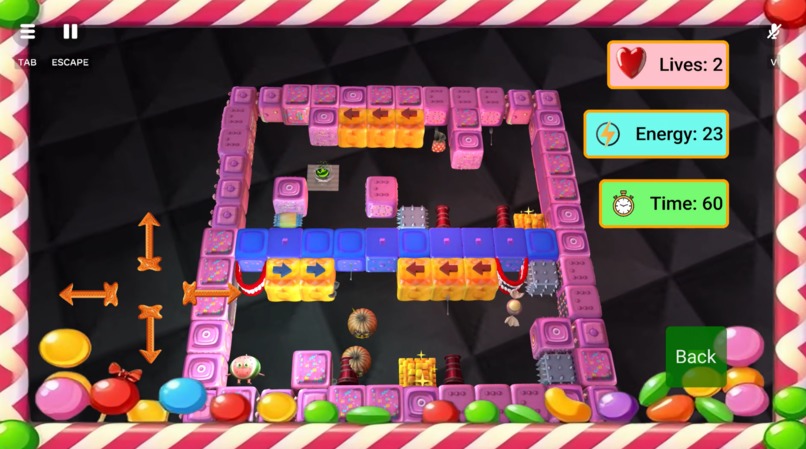
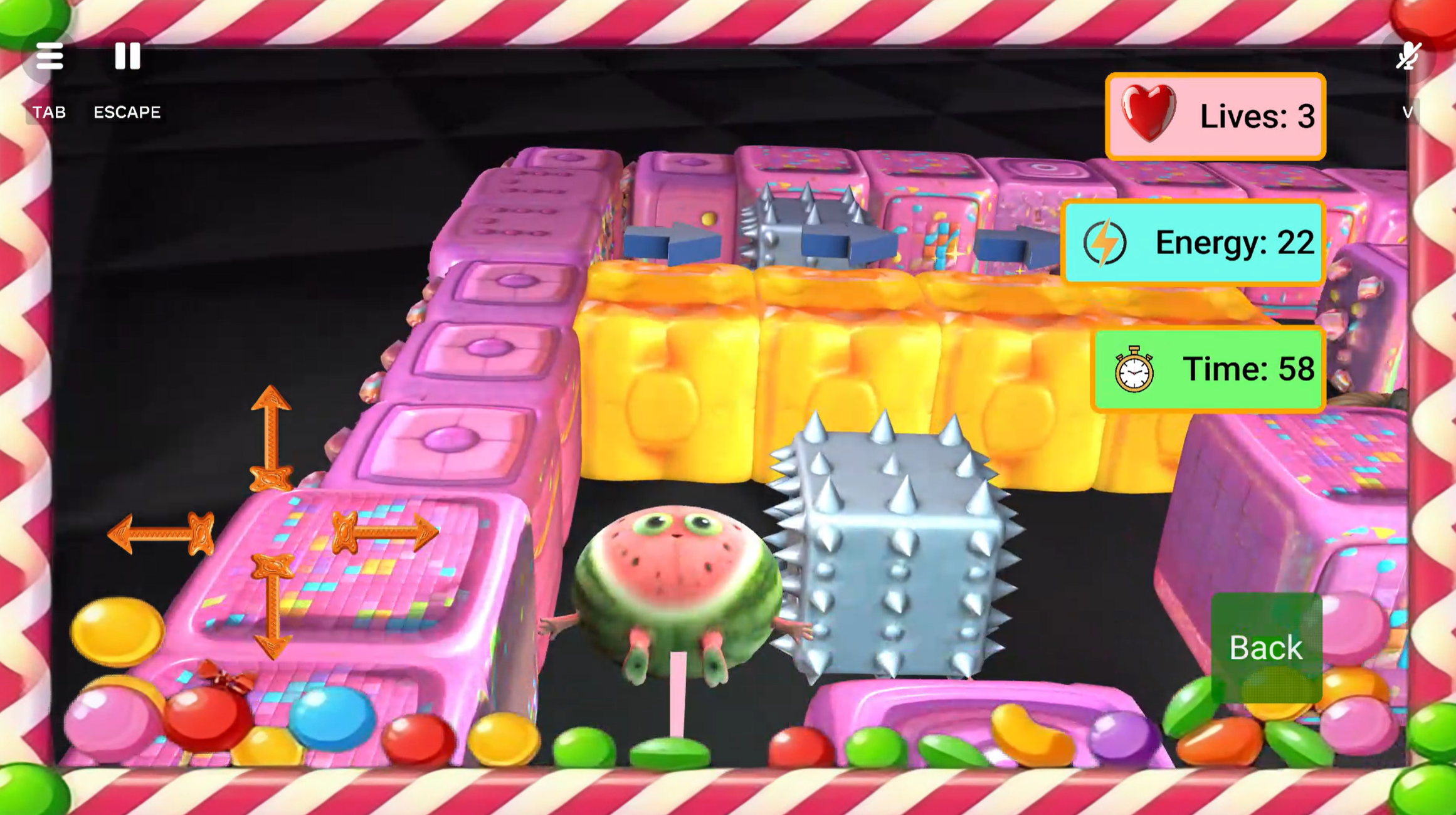
Navigating a complex maze with a powerful watermelon pet
-
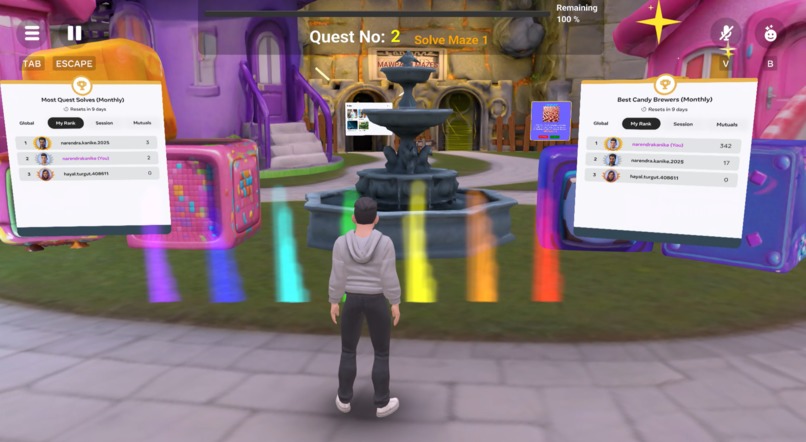
World leaderboards: Most quests solves & Best Candy Brewers
-
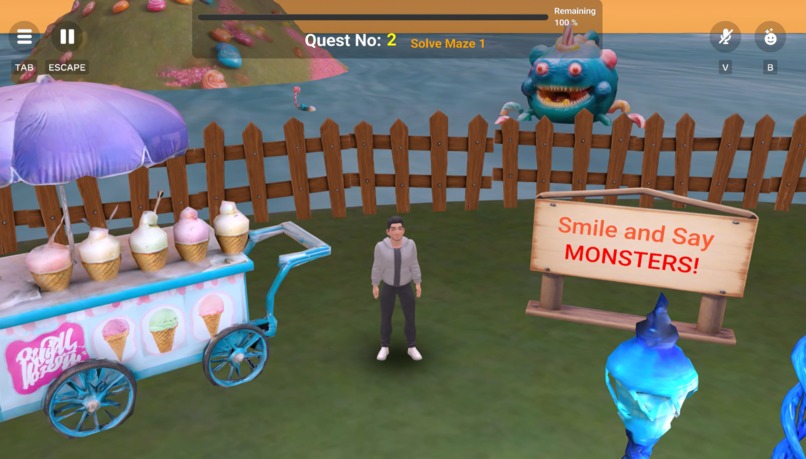
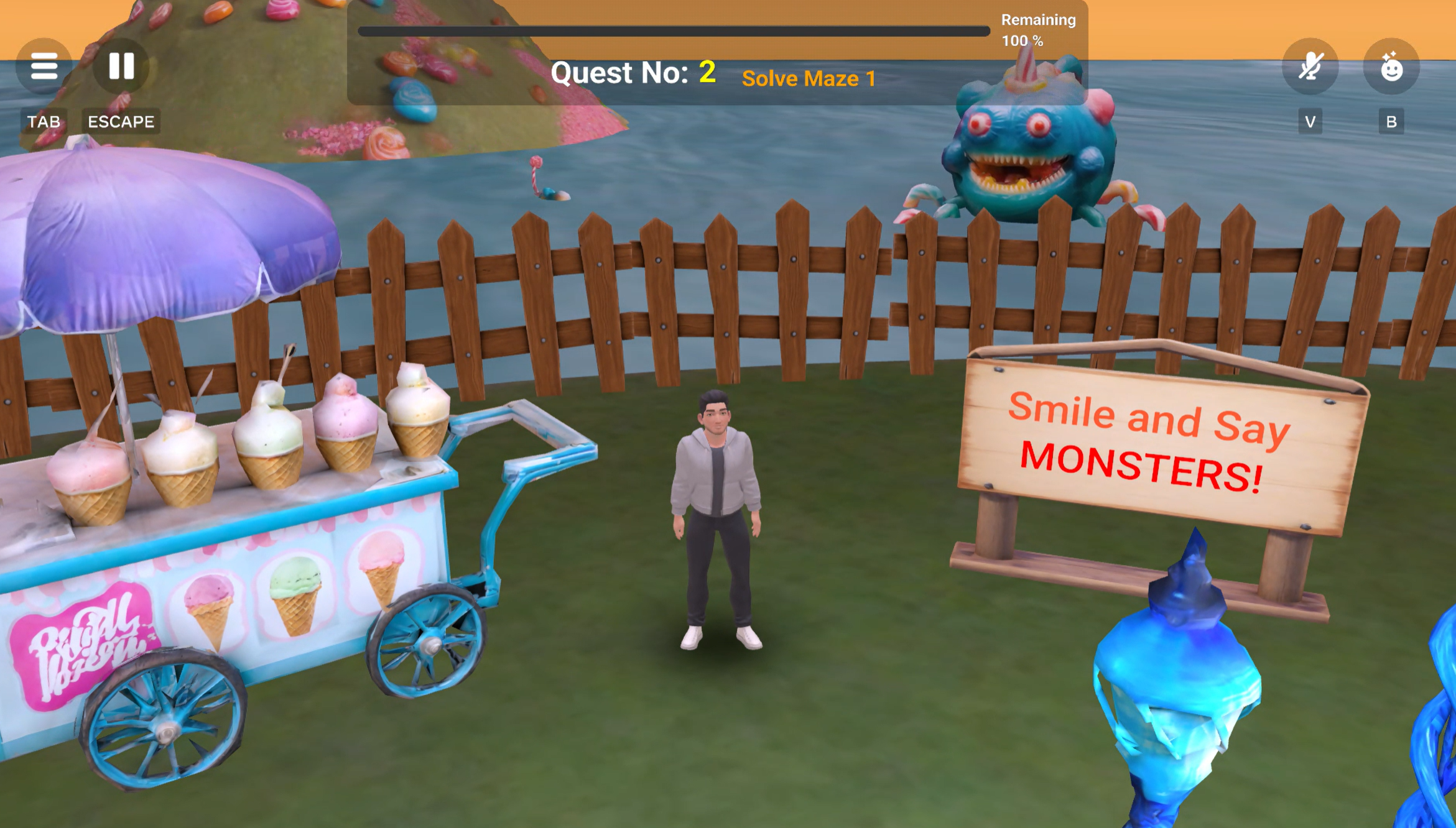
Funny selfie pose
-
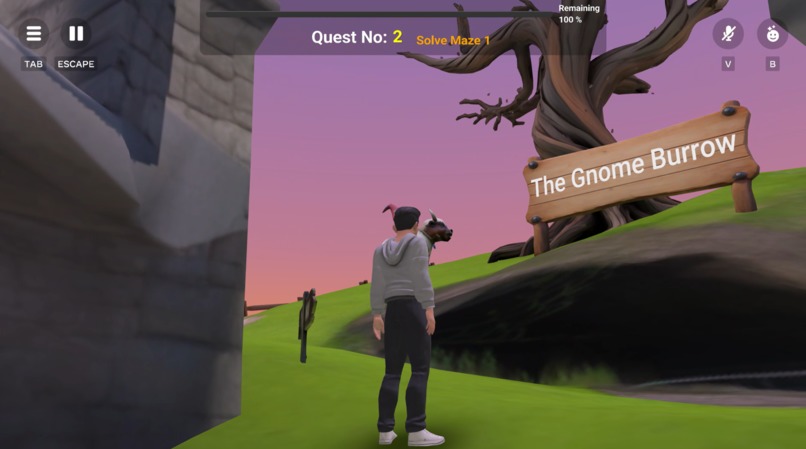
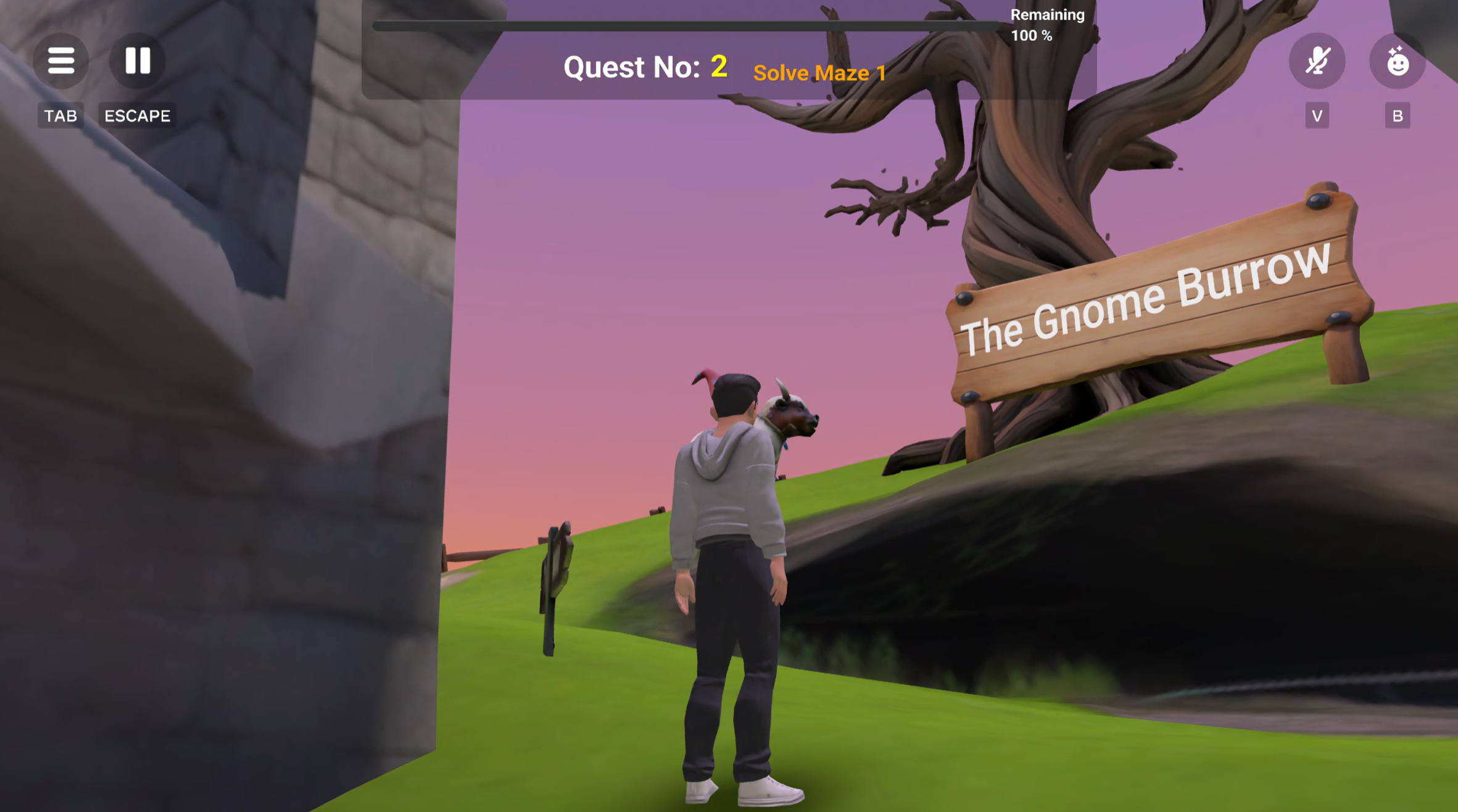
Iconic gnome hangout location
-
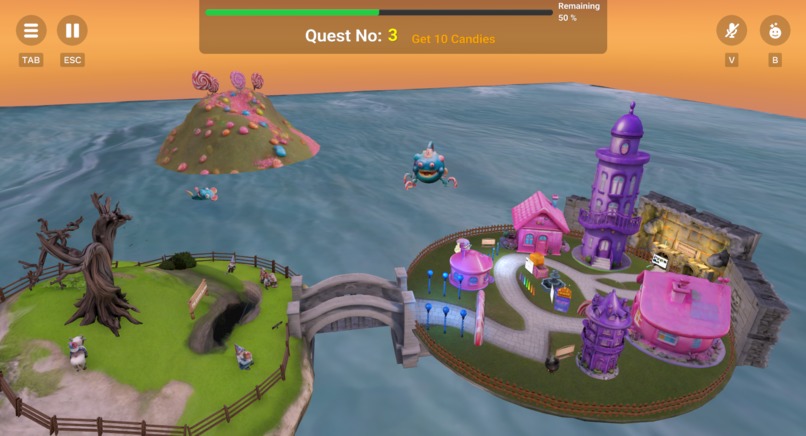
Picture of the entire map
-
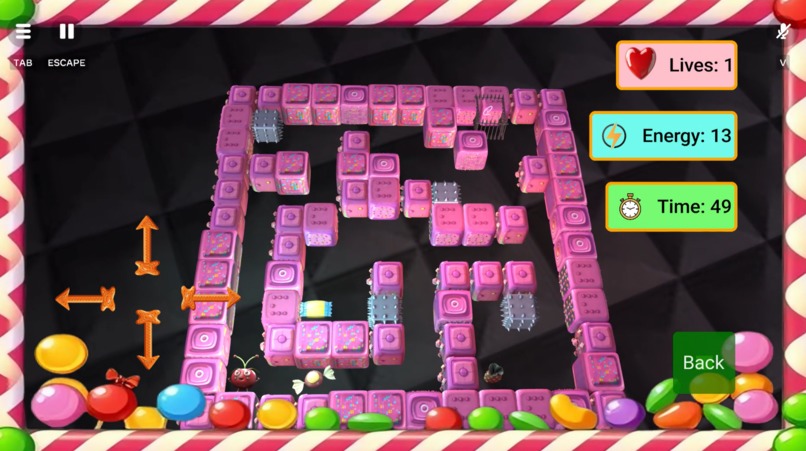
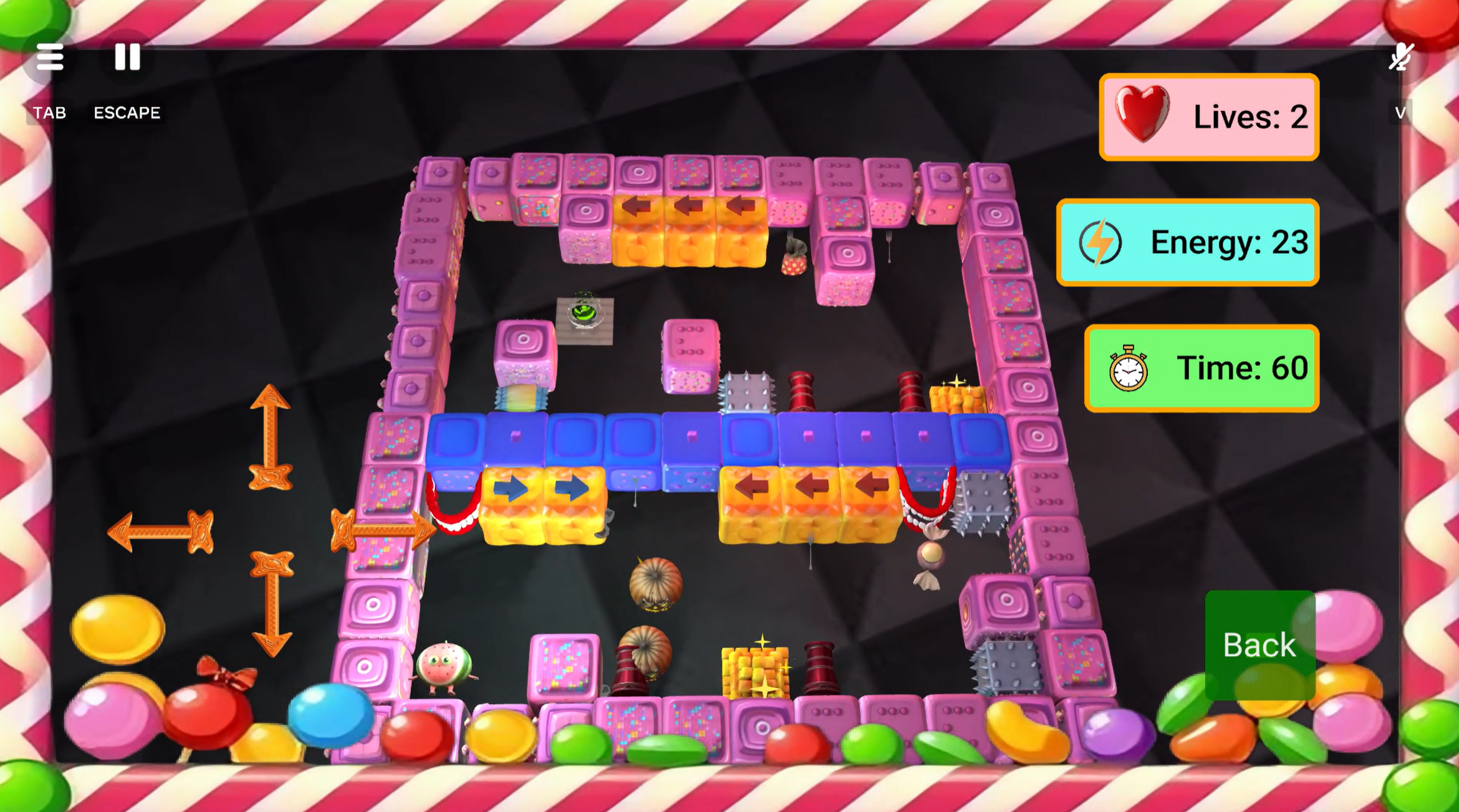
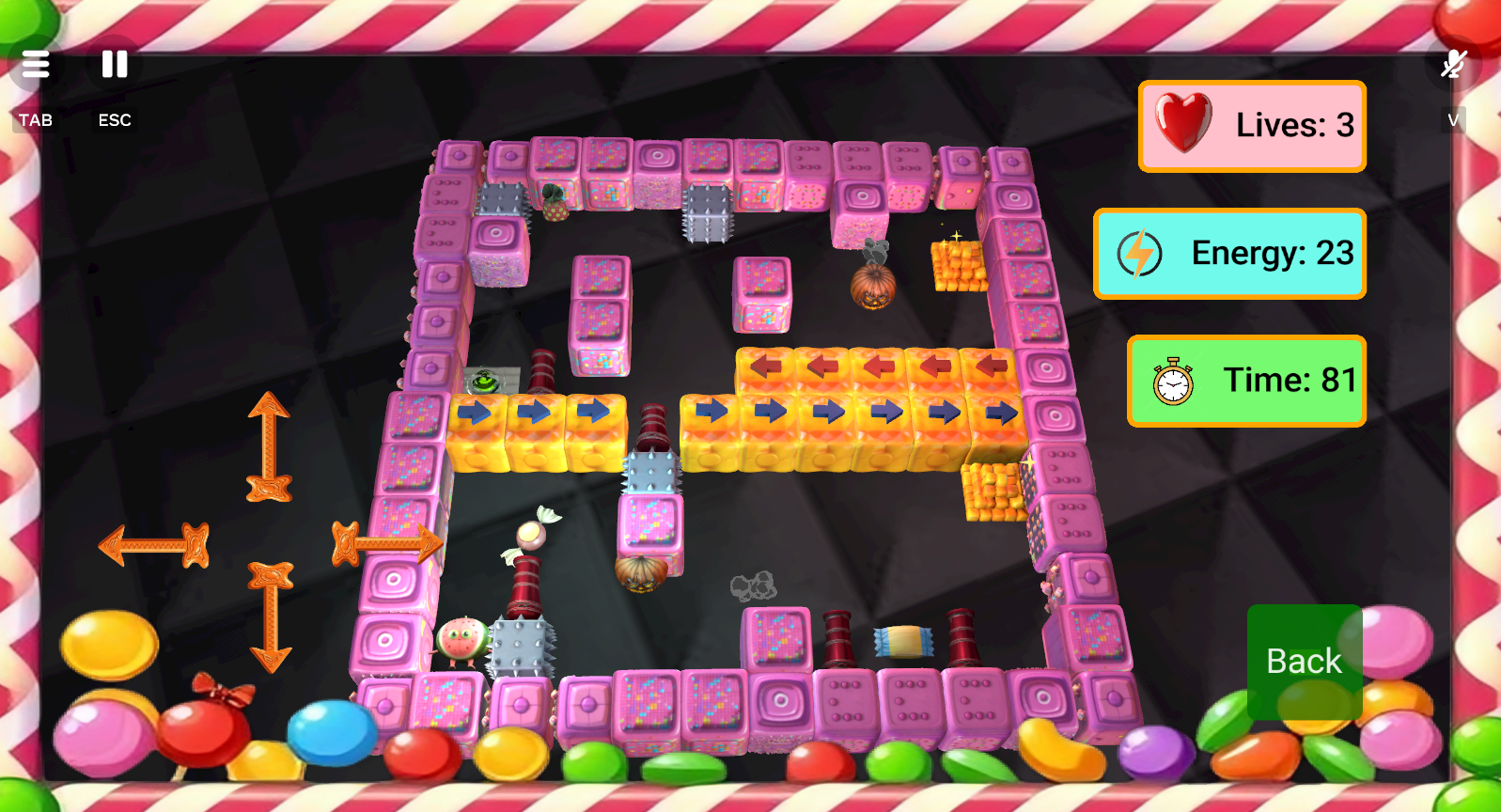
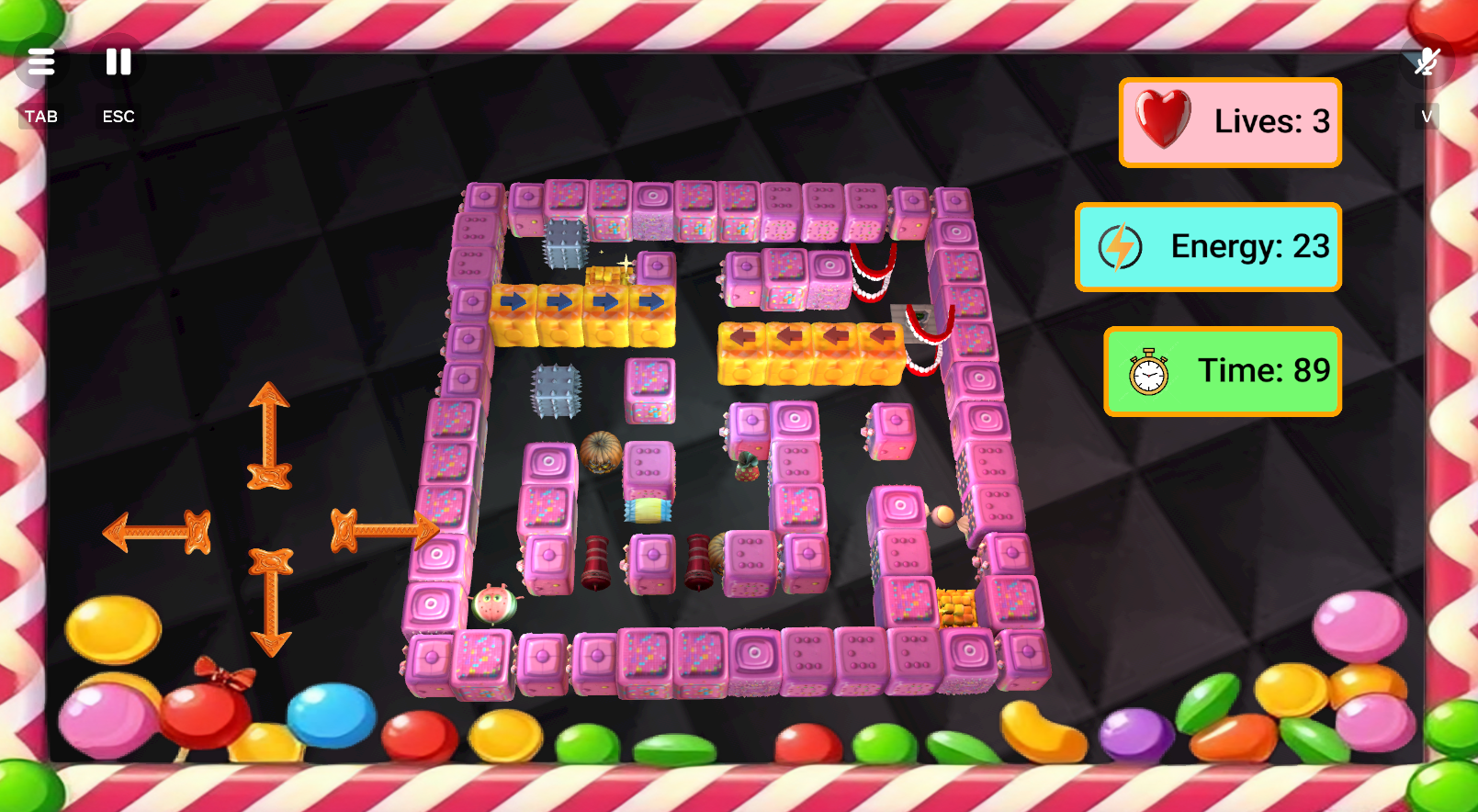
Example of level
-
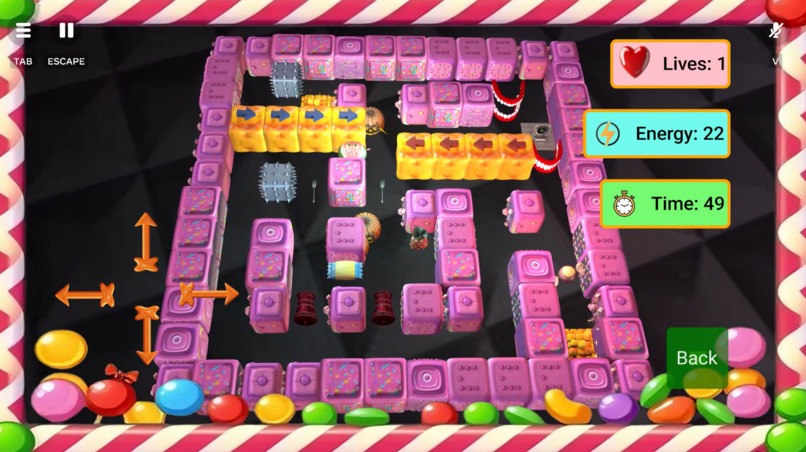
Example of level
-
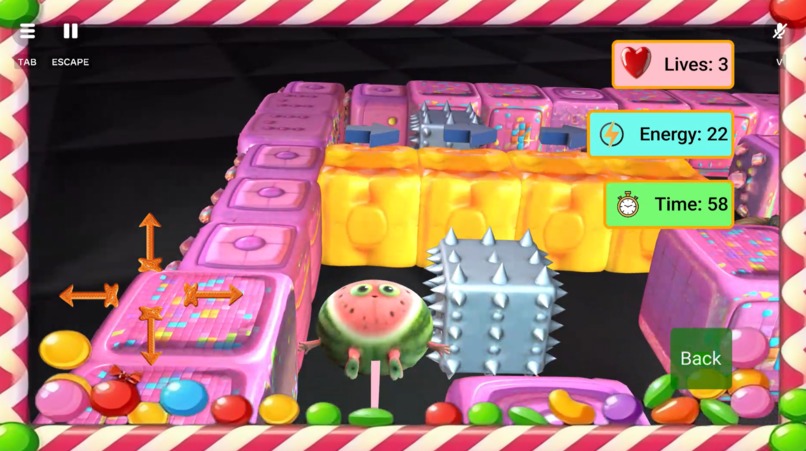
Example of level
-
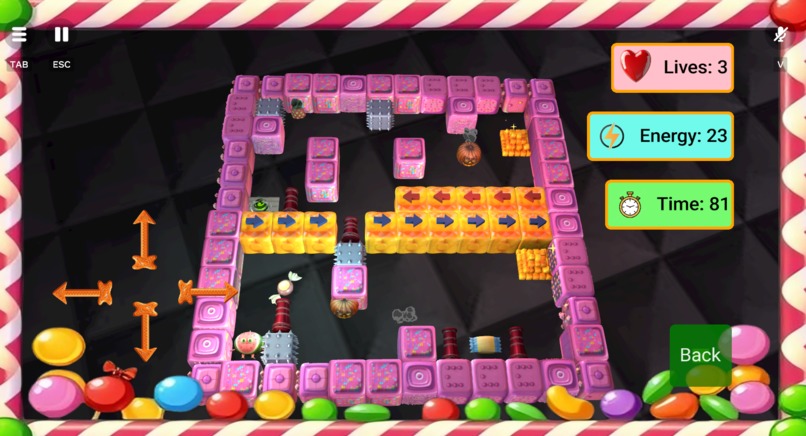
Example of level
-
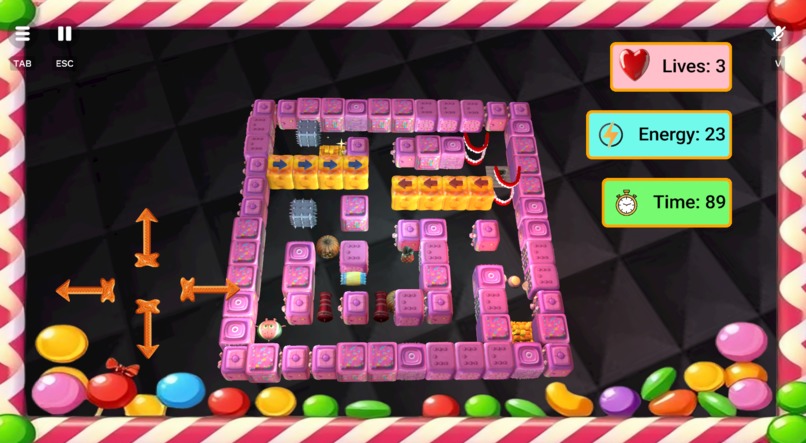
Example of level
Inspiration
I was able to learn from the project gallery of the Mobile Genre Showdown contest, especially a world called Blast Riders by Melissa Genao and Joe Rudy Rodriguez. I was intrigued by the bird’s eye view style, which had a significant impact on simplifying gameplay while also enabling unique functionalities. Furthermore, I always loved solving maze-style games and wanted to challenge myself to incorporate it into my original food-themed world, Sweet Fleet.
What it does
The game allows the player to navigate their pets through 15 maze levels, each progressively more difficult and incorporating new obstacles: spikes, caltrops, arrows, biting teeth, and even evil pumpkins! While the player tries to reach the end portal, they also attempt to pick up fallen candy ingredients, teleport through special blocks, and ride treadmills. The player then uses the collected ingredients to craft brews using recipes, propelling them up the leaderboard.
How I built it
A significantly beneficial typescript concept I learned was asset spawning because it allowed me to code an entire level as a 2D array. Furthermore, I heavily depended upon Gen AI assets to create the cubical building blocks of the maze corridors and the hidden pets that the player is to rescue. Furthermore, a World Shop Gizmo was added to allow players to buy wearables that enhance their powers, express themselves, and make shareable experiences.
Challenges I ran into
The time constraints for the contest posed a challenge because I wanted to make massive upgrades to my original world. Although my initial world, Sweet Fleet, involved 3d parkour, I did not realize it was difficult to use from a mobile perspective because it was my first time creating in Horizon Worlds. I had a lot of changes I wanted to implement while maintaining my original intention of a fast-paced, precise, maneuvering game.
Accomplishments that I’m proud of
Generating an actual storyline where the player is introduced to the world’s mechanics through gnomes and witches makes me proud. The dialog conversations between the player and the characters are the best I could make out of Camera API to generate a smooth onboarding experience. Furthermore, I was able to make achievable quests and generate a landscape that contains iconic locations for shareability.
What I learned
Probably the most important fact I have learned is that my work should be clear and understandable by a user who has never seen it before. In fact, I learned from my previous mistakes in Sweet Fleet and tried placing many signs, messages, and clues across the smaller map to prevent the user from getting lost. Additionally, I realized that larger worlds may not necessarily mean that they provide a better experience, and I tried for a smaller, more shareable city with bat sounds, sparkle VFX, purple houses, and colorful streetlights.
What's next for The Mawpath Mazes
I plan on adding several side-quests that help the player relax when they need a break from the core loop of solving mazes. For instance, I want to make a subplot of the player battling monsters that appear in the mazes and retrieving their spoils for the gnomes.
Built With
- blender
- chatgpt
- clideo
- horizon-worlds-desktop-editor
- mobile
- typescript
- windsurf


Log in or sign up for Devpost to join the conversation.