-
-
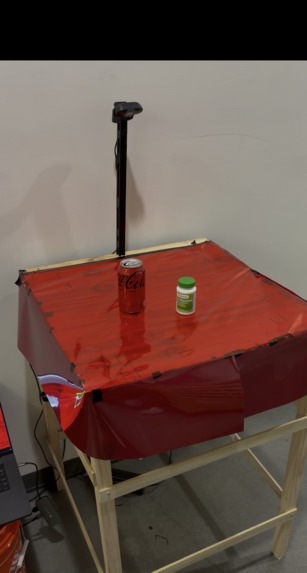
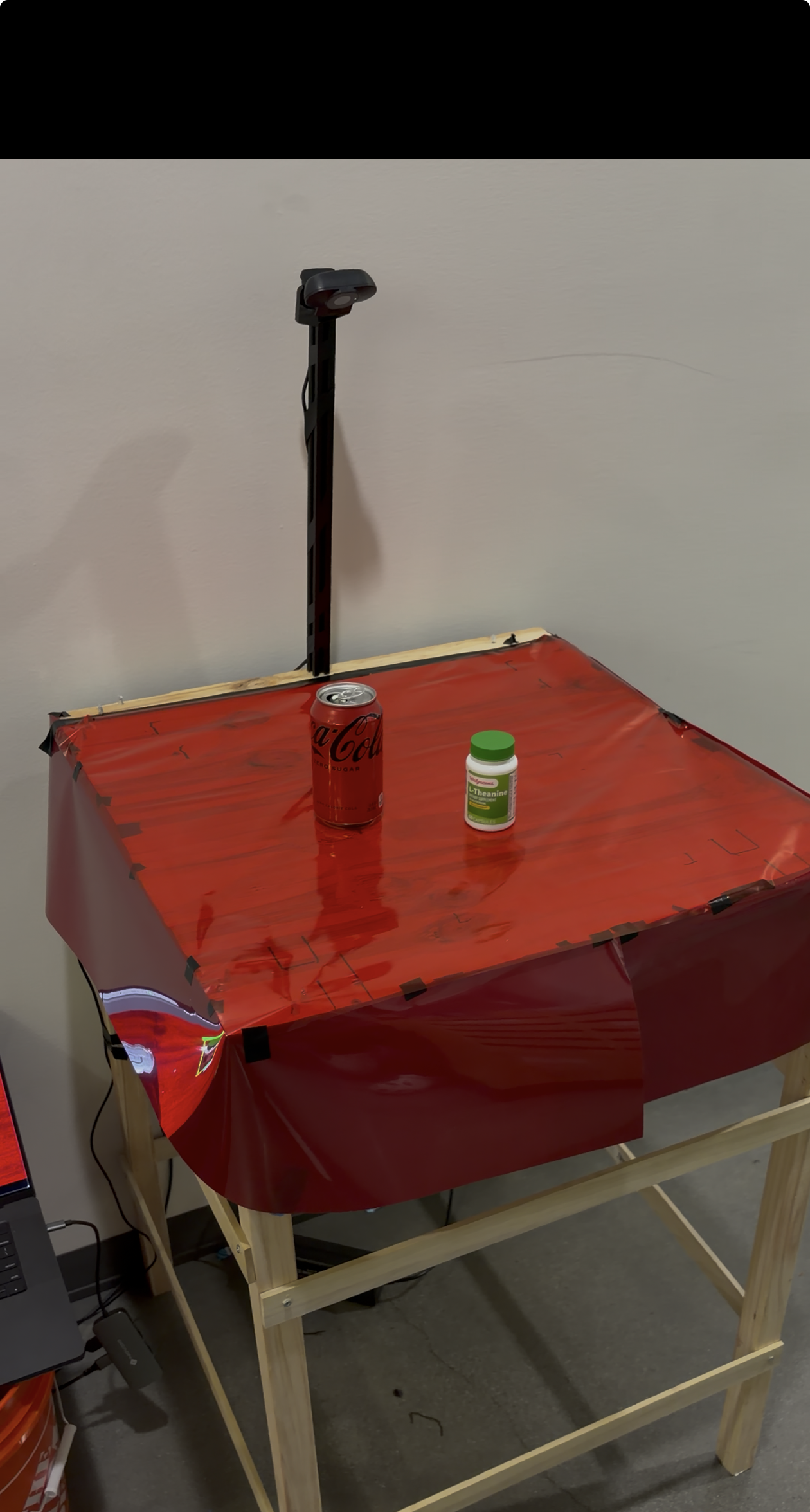
Our Prototype
-
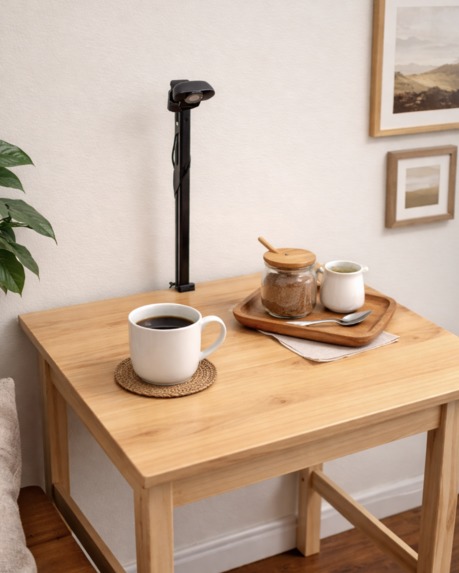
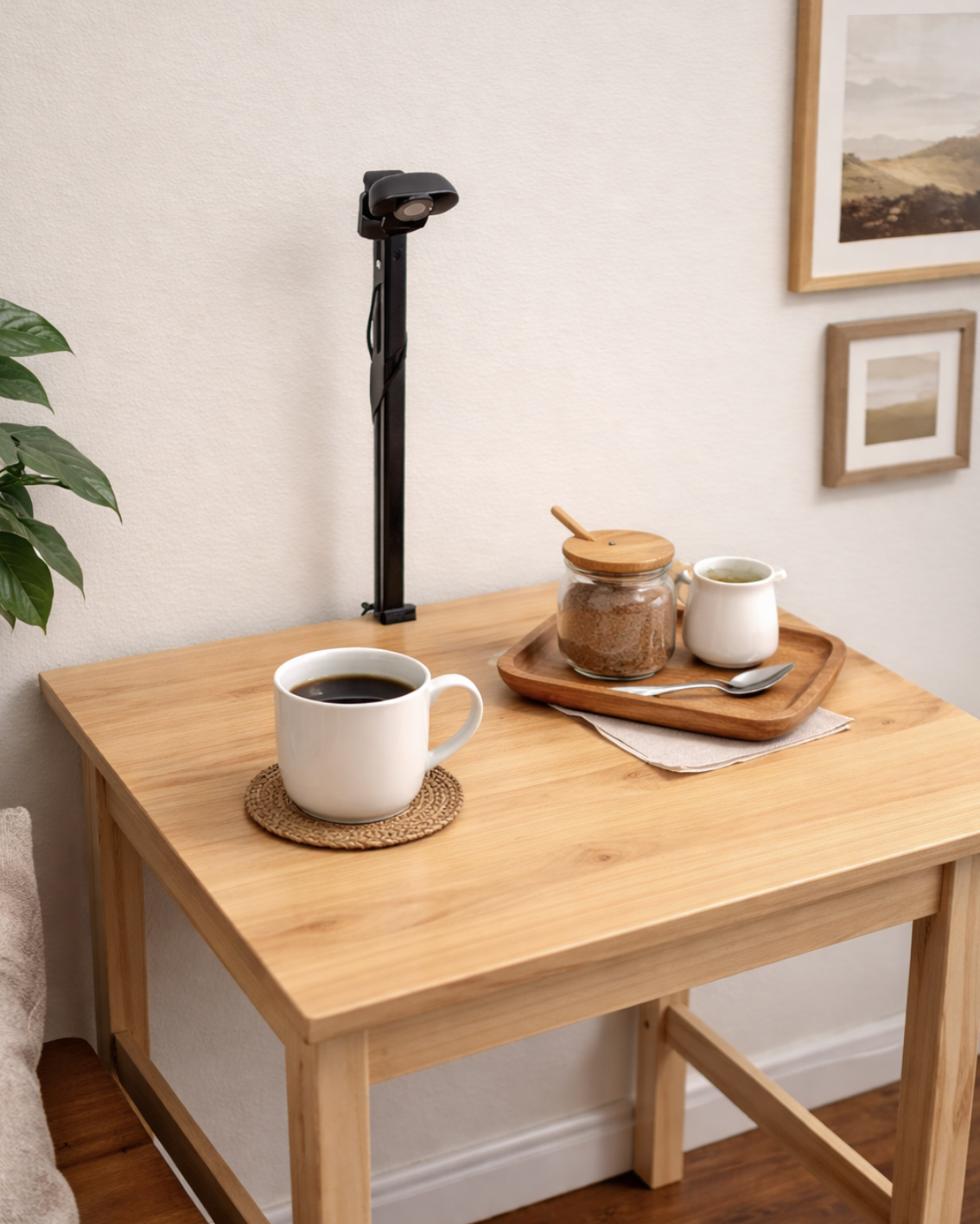
What it would look like!
Inspiration — A Problem With Poor Solutions There are about 1.3 billion people in the world living with significant disabilities - roughly one in six of us. That number is only climbing as populations age and chronic conditions become more common. At the same time, more than 2.5 billion people need assistive products to function safely and independently. Nearly a billion of them don’t have access to what they need. Not because the technology doesn’t exist — but because it hasn’t been delivered in a way that actually works for daily life. For someone with limited mobility, whether from age, a spinal cord injury, Parkinson’s, or another condition, the smallest tasks can turn into daily obstacles. Reaching for a glass of water. Finding the right medication. Picking up a phone that slid just out of reach. These aren’t abstract problems. They happen every day. We live in a world with advanced vision models, powerful AI systems, and affordable robotics. And yet the lived experience for many people hasn’t meaningfully changed. The gap between what’s technically possible and what’s actually accessible is still massive. That gap is exactly what the Magic Table is built to close.
What It Is - An Assistant Built Into the Surface of Life The Magic Table turns an ordinary bedside or tabletop into something responsive. Instead of being a passive surface that holds objects just out of reach, it becomes an active assistant. You speak to it the way you would speak to another person: “Bring my glasses.” “Hand me the bottle next to the water.” “Get my phone and charger.” It listens, understands what you mean, sees what’s in front of it, and moves accordingly. It retrieves objects. It can clean up a surface. It adjusts to preference. The goal wasn’t to build a flashy robot arm — it was to make something that feels almost invisible. Something that simply helps. How It Works — Quiet Intelligence Underneath The user doesn’t need to learn a command language. They just talk. Speech is converted to text, interpreted semantically, and translated into an action plan. The system handles conversational phrasing, incomplete sentences, even slightly messy requests. It’s built around how people naturally speak. At the same time, a vision pipeline continuously monitors the table. Using OpenAI’s API alongside a local vision-language model, it identifies objects, estimates their position, and tracks changes in real time. It also monitors user position to ensure that movement is aligned and safe. Beneath the surface, a custom-built gantry and manipulator system handles motion. Trajectories are smoothed. Movements are corrected in real time using visual feedback. The system accounts for small hardware imperfections and dynamic environments. It doesn’t assume the world is clean or predictable — because it isn’t. When all of this comes together, the result is simple: you ask, and the table responds.
Why It Matters The impact isn’t theoretical. For someone with limited mobility, reducing a few moments of friction per day compounds quickly. It supports independent living. It reduces reliance on constant assistance. It makes daily life less exhausting. And it’s not limited to one demographic. Elderly adults benefit. People recovering from surgery benefit. Someone with a temporary injury benefits. Even fully able-bodied users benefit from convenience and organization. Accessibility doesn’t have to be niche. It can be universal.
What Building It Taught Us Real-world engineering is messy. Hardware tolerances matter. Latency matters. Motion has to feel smooth and safe, not mechanical or abrupt. Vision models have to run fast enough to support continuous feedback, not just static snapshots. Getting speech, perception, planning, and motion to work together in real time is harder than building any one piece individually. The breakthrough wasn’t a single algorithm. It was getting everything to converge into one cohesive system. We also learned something simple but important: assistive technology has to adapt to people. Not the other way around. If a user has to memorize rigid commands or move in unnatural ways, the design has already failed. AI isn't a decoration here. It’s the bridge between intention and action.
Where It Goes Next The Magic Table isn’t meant to be a one-weekend prototype. It’s a platform. It can live in nursing homes and assisted living facilities. It can integrate with smart home systems. It can dock with wheelchairs or become part of a personalized accessibility station. It can evolve into commercial versions designed around universal design principles for homes and offices. The vision is simple: make intelligent assistance part of everyday surfaces. Not bulky. Not intimidating. Just present — ready when needed. That’s the direction.


Log in or sign up for Devpost to join the conversation.