-
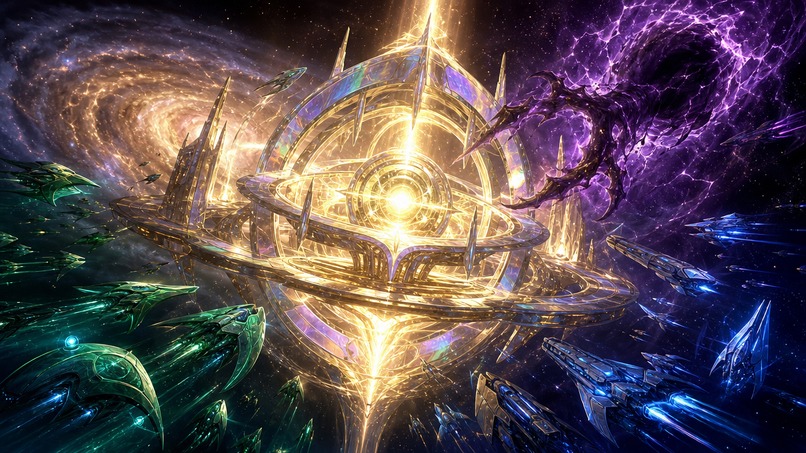
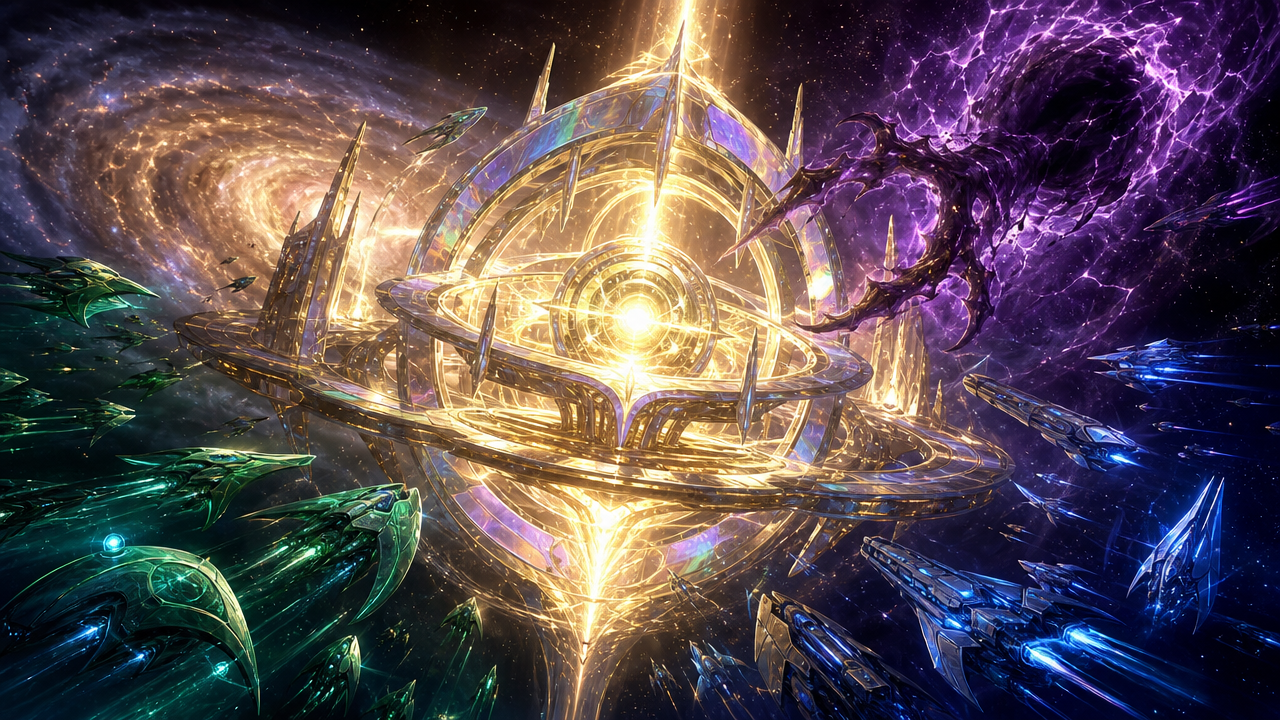
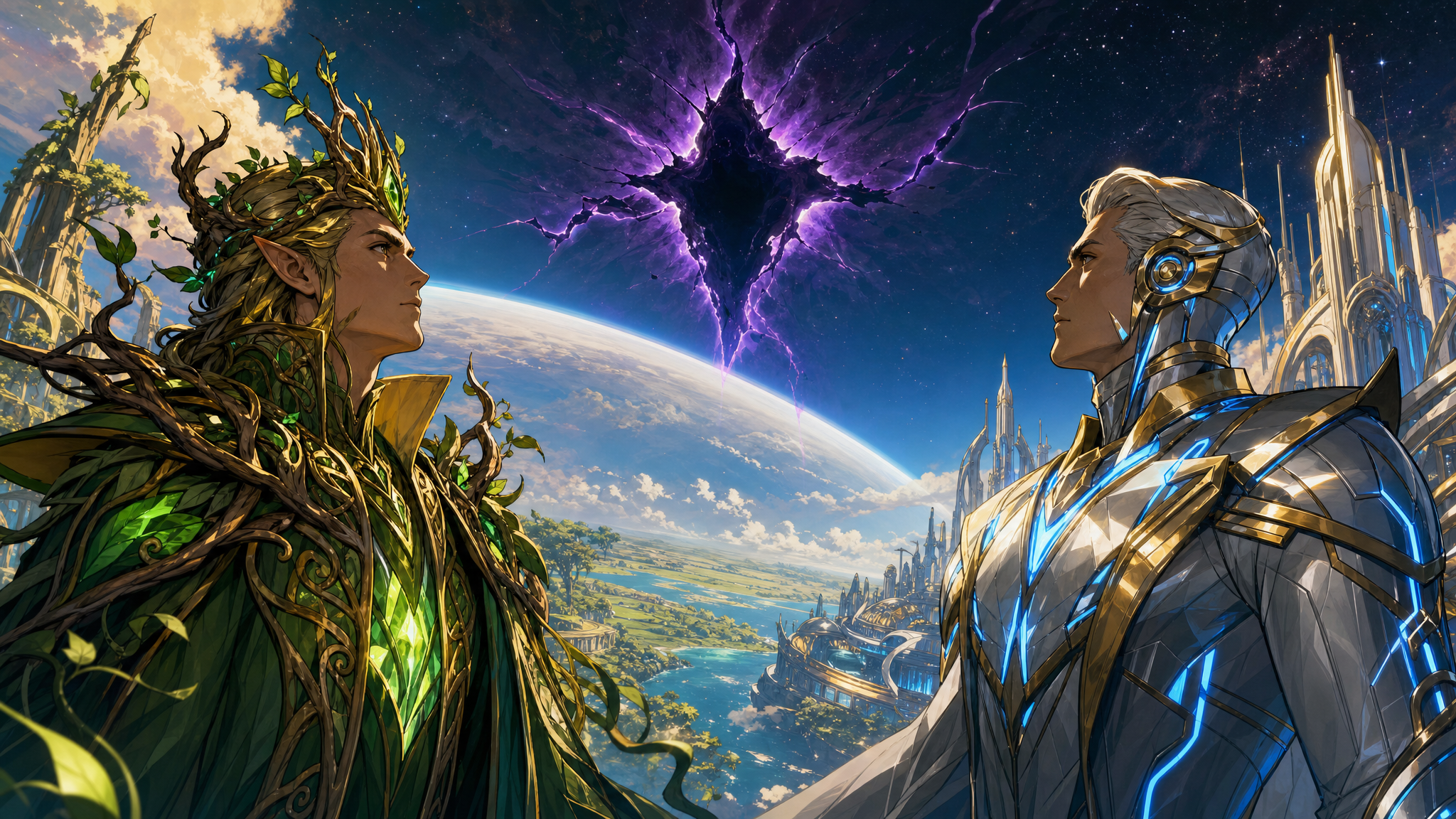
The Apotheosis Engine
-
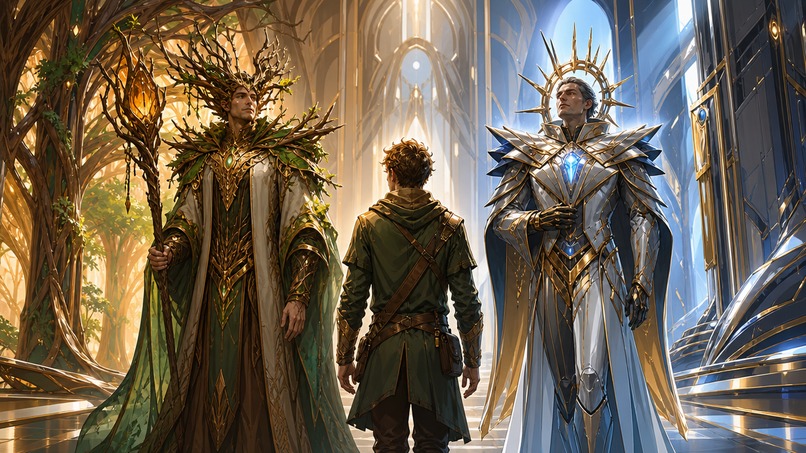
Experienced Player Drip
-
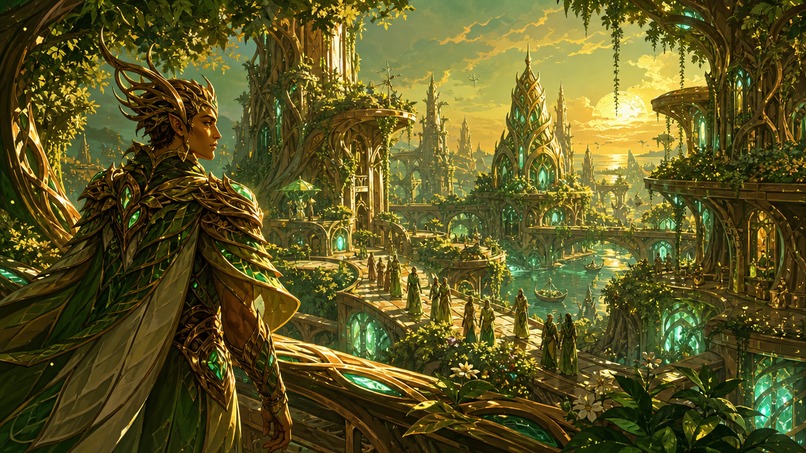
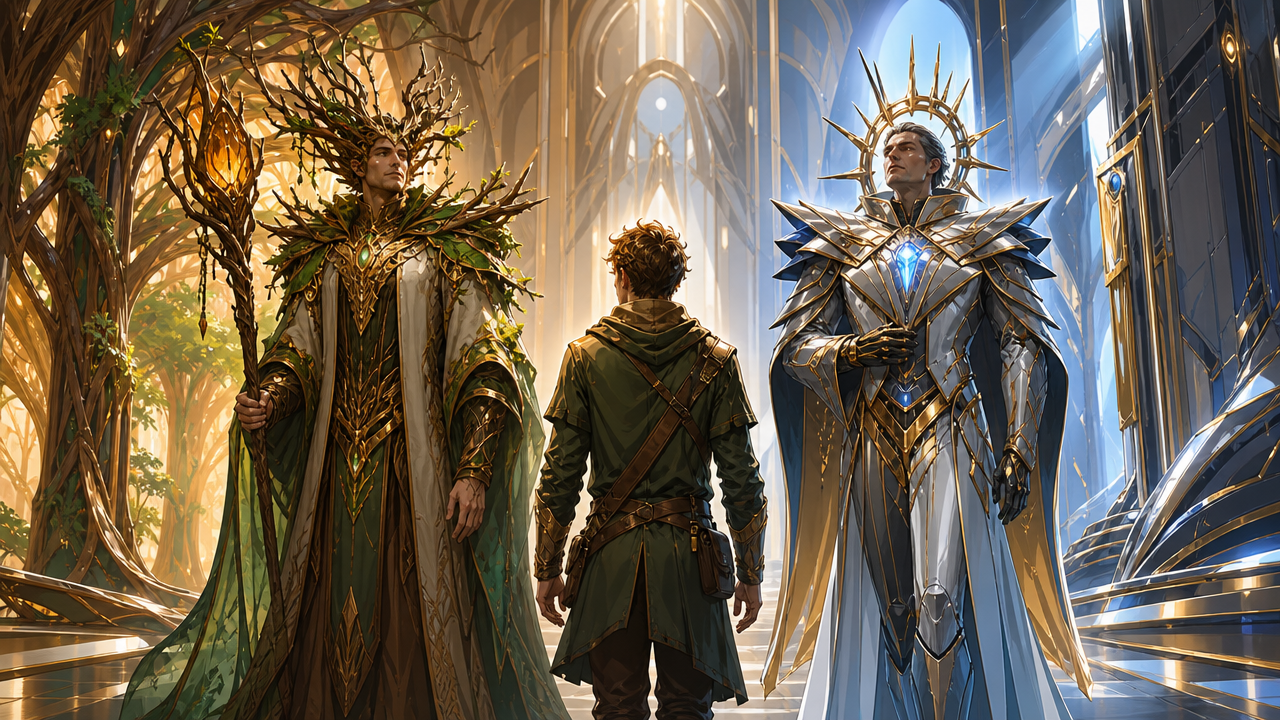
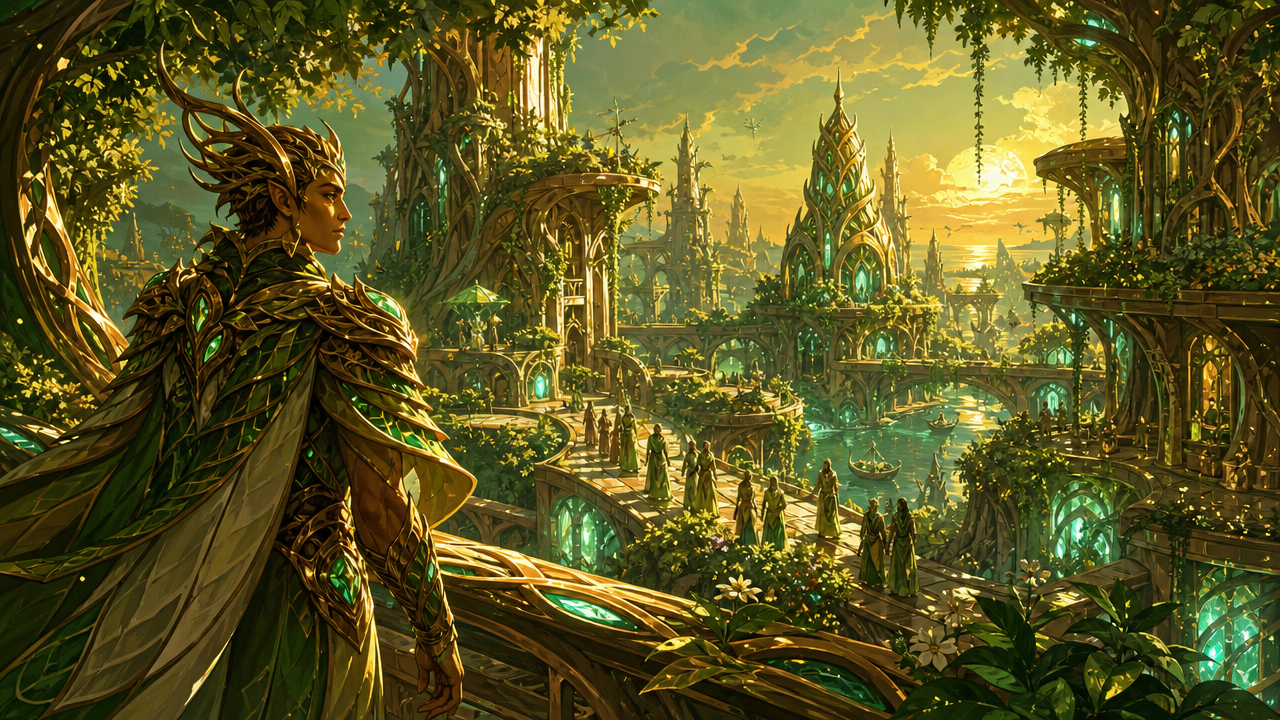
The Verdant Druids
-
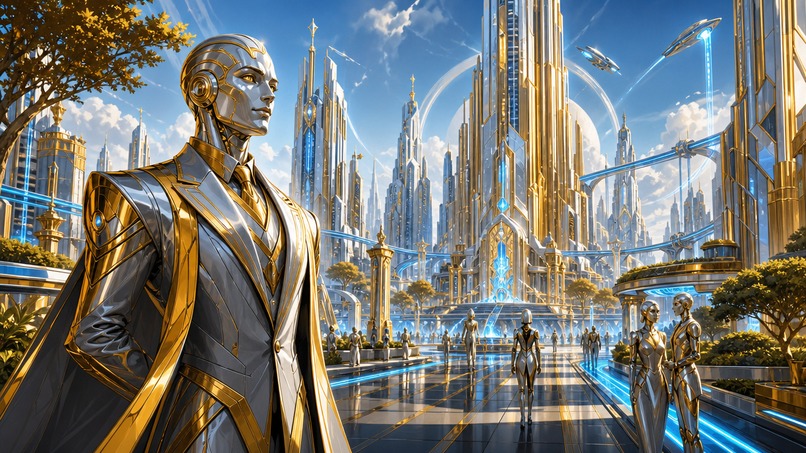
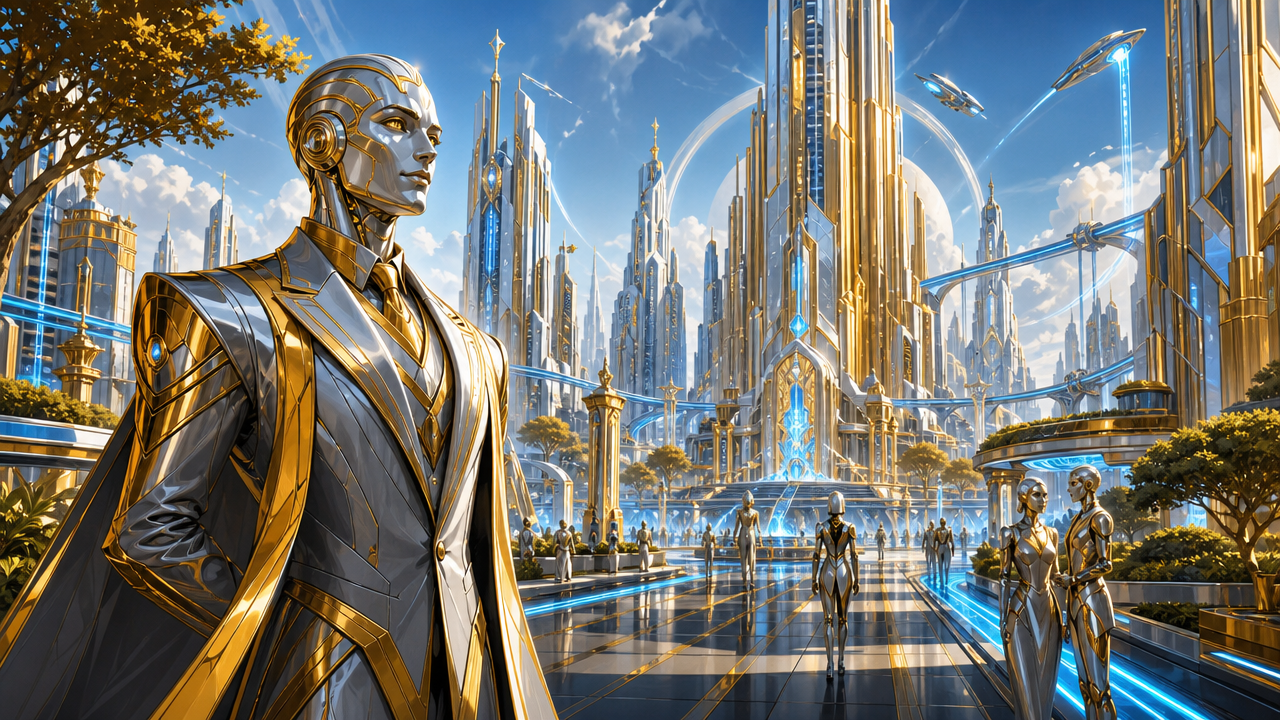
The Marvelous Androids
-
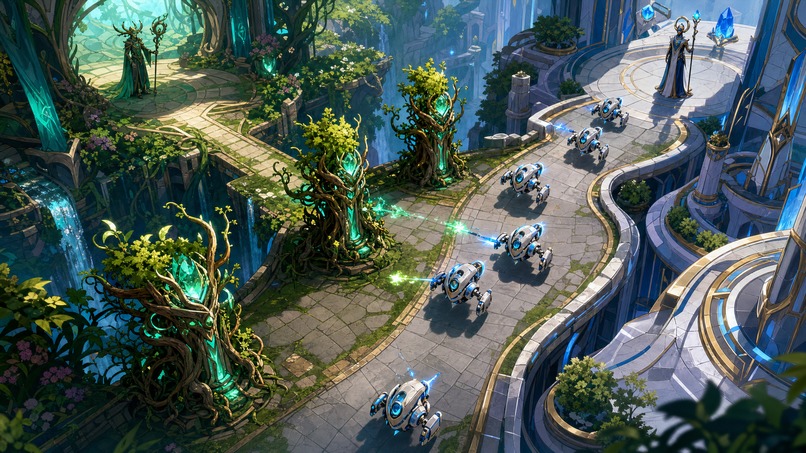
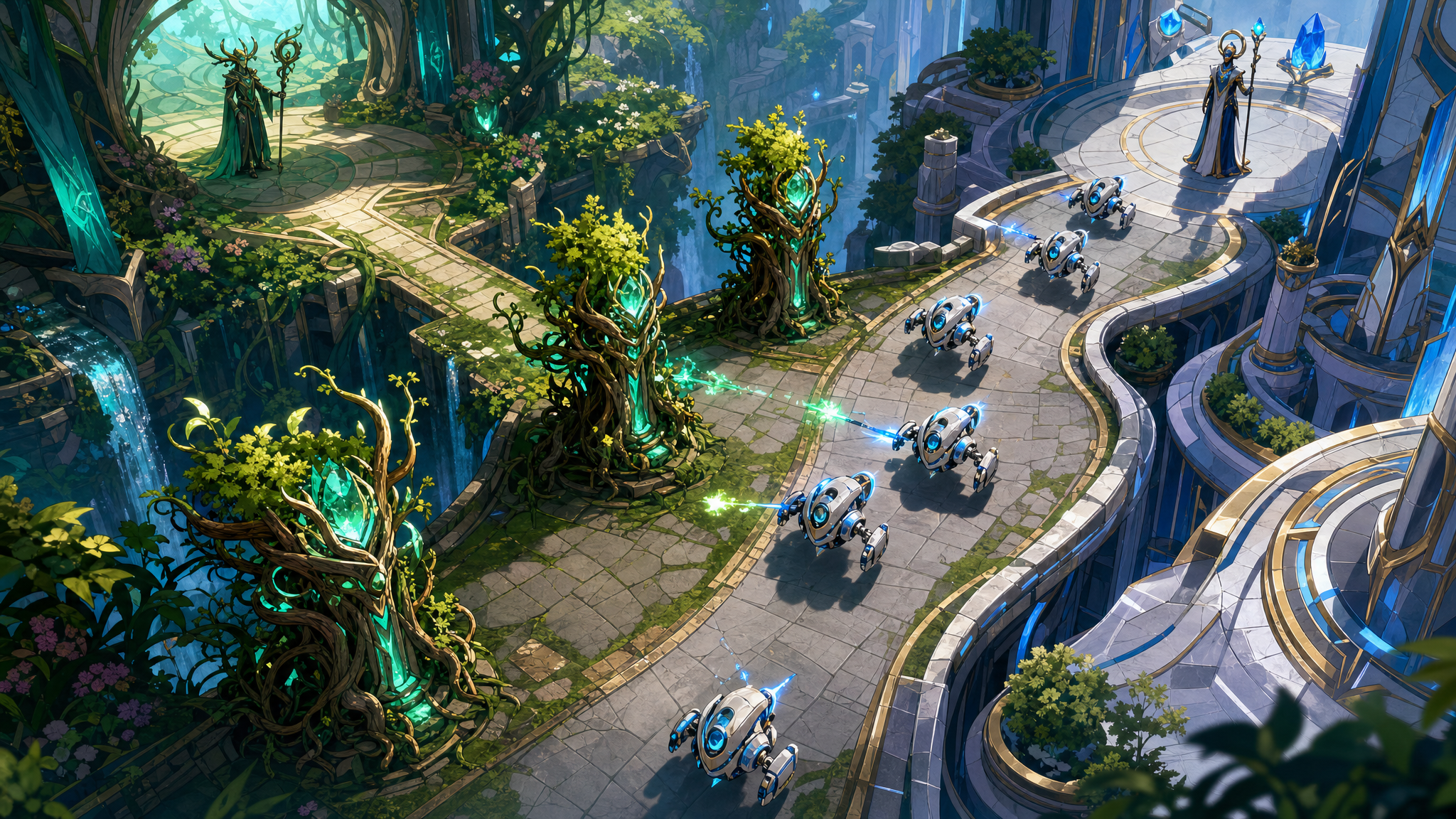
Tower Defense Concept
-
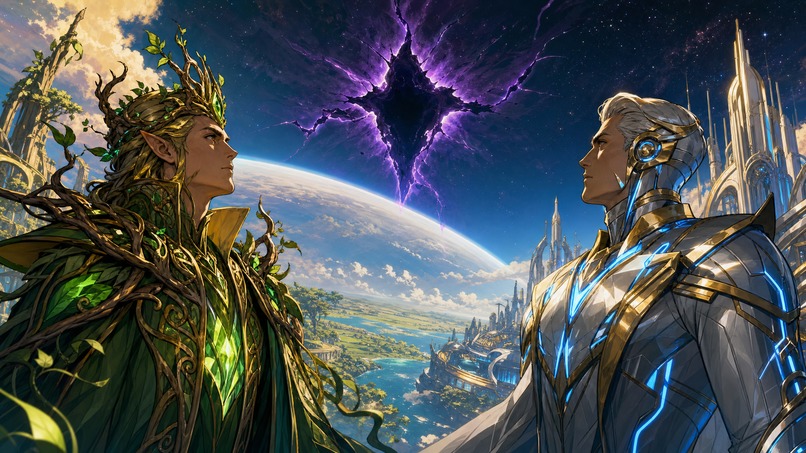
Three lords collide
-
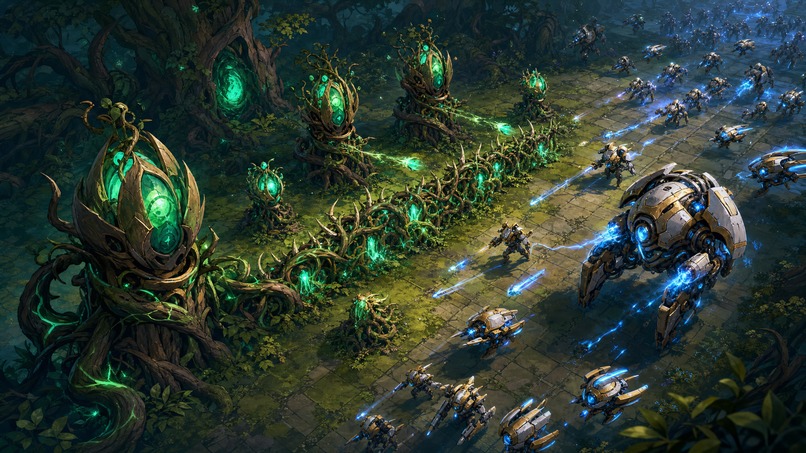
Tower Defense Concept
-
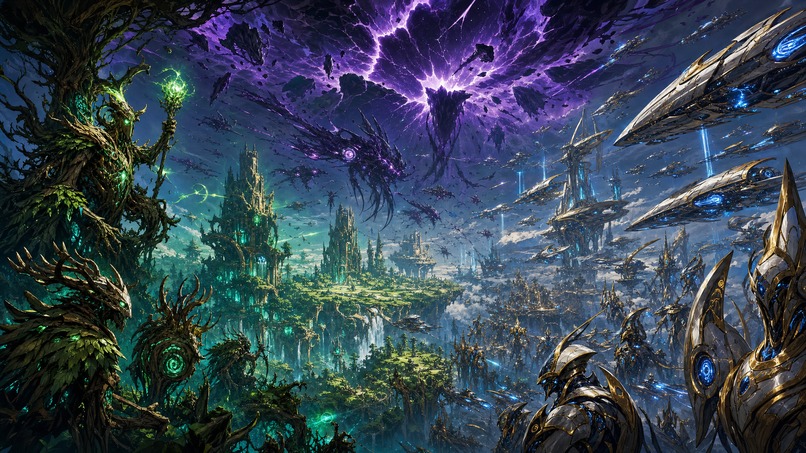
Three worlds collide
-
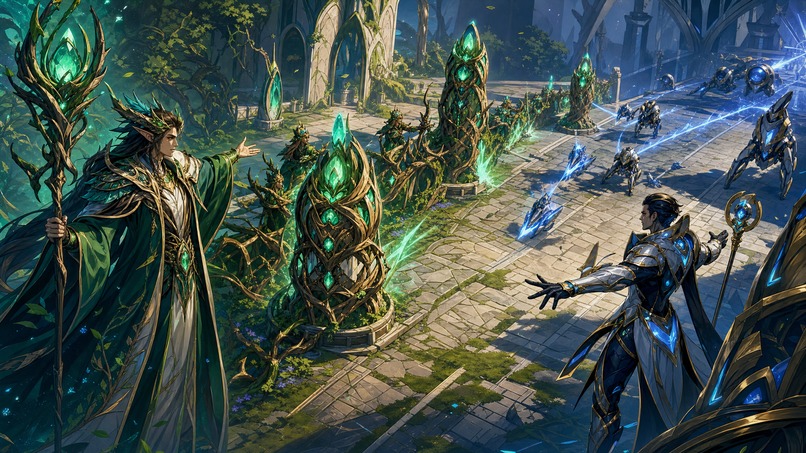
Tower Defense Concept
-
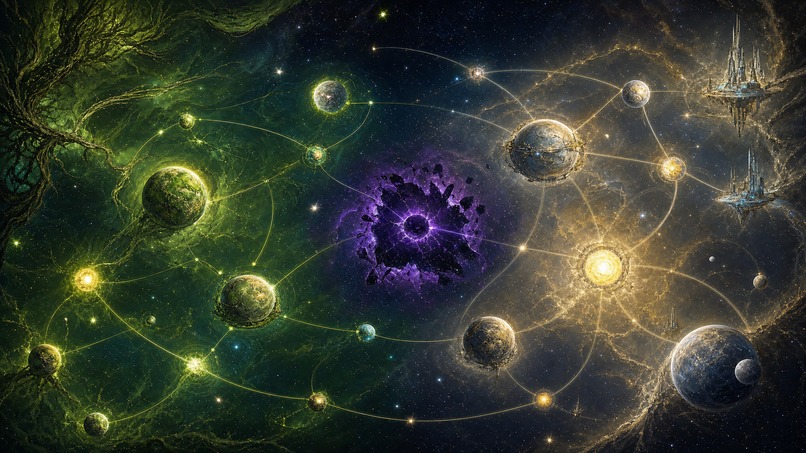
The Galaxy Map
Inspiration
When I was a kid, my friends and I played this flash based grand strategy game where you built units and sent fleets to do battle with other players, but the fleets only moved on a tick and a tick could take an hour to resolve. I was very addicted. I would spend the few minutes between class rushing to the computer lab to make as many moves as I could, and when I got home the first thing I would do would be hop on a computer and see what happened.
I got very frustrated. It felt like I could see armadas coming at me from miles away but I couldn't do coordinated, multi-tick maneuvers to fend them off because I had class, or practice, or just had to sleep. I've thought about that game for fifteen years at this point. I wanted to make something that fixed its problem. I remember thousands of people playing that game. I'm sure many of them still think about it.
What it does
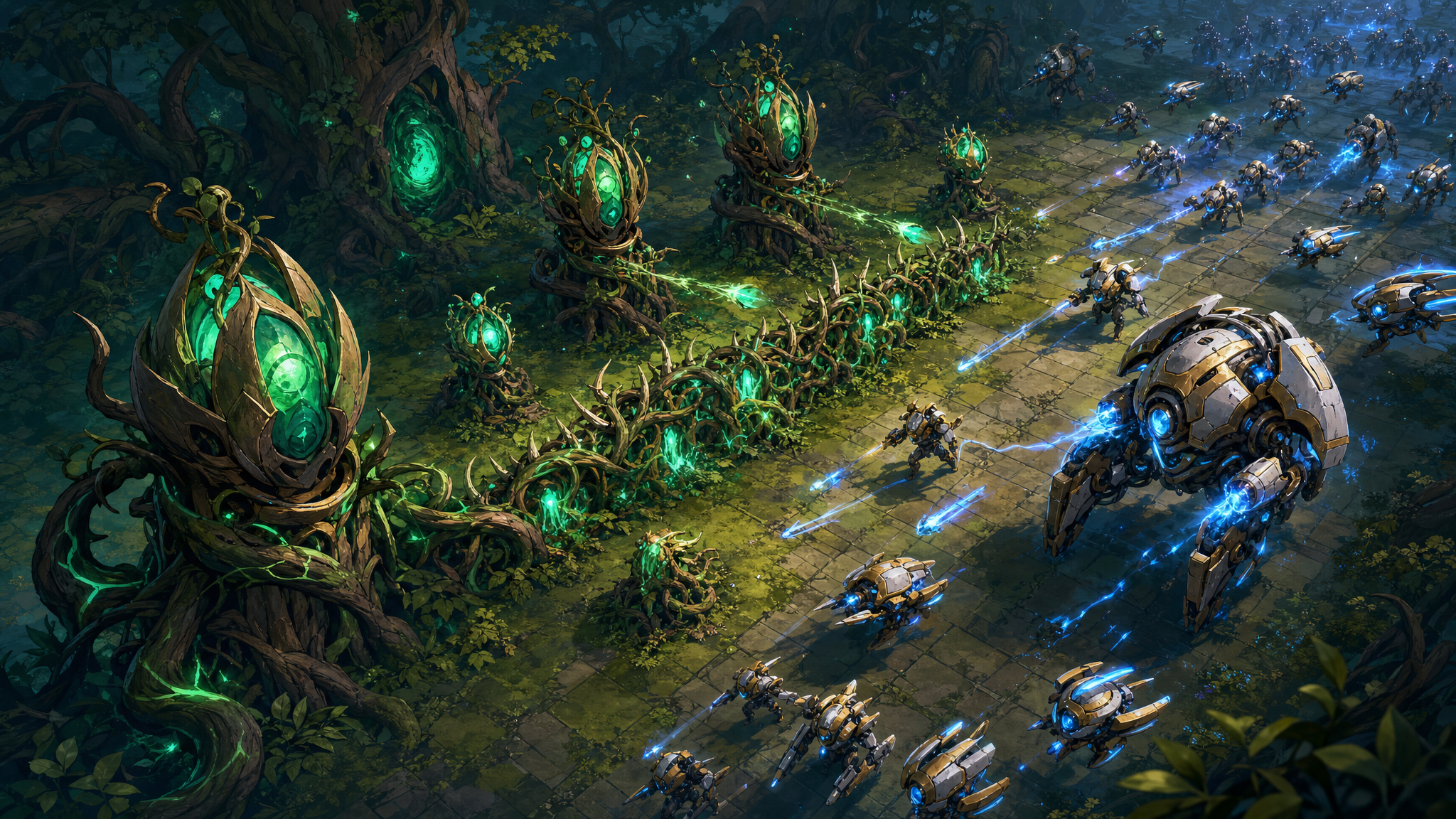
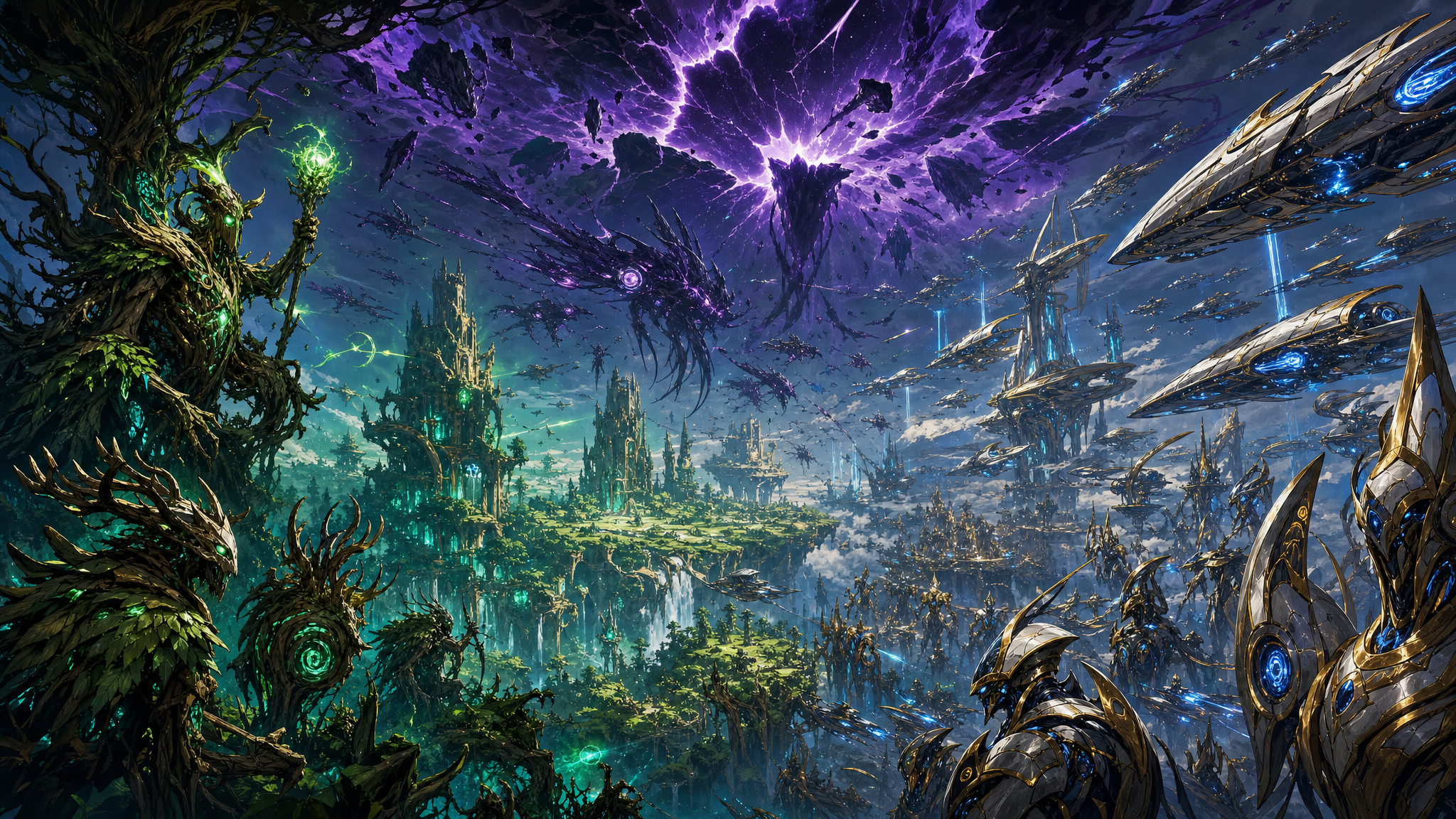
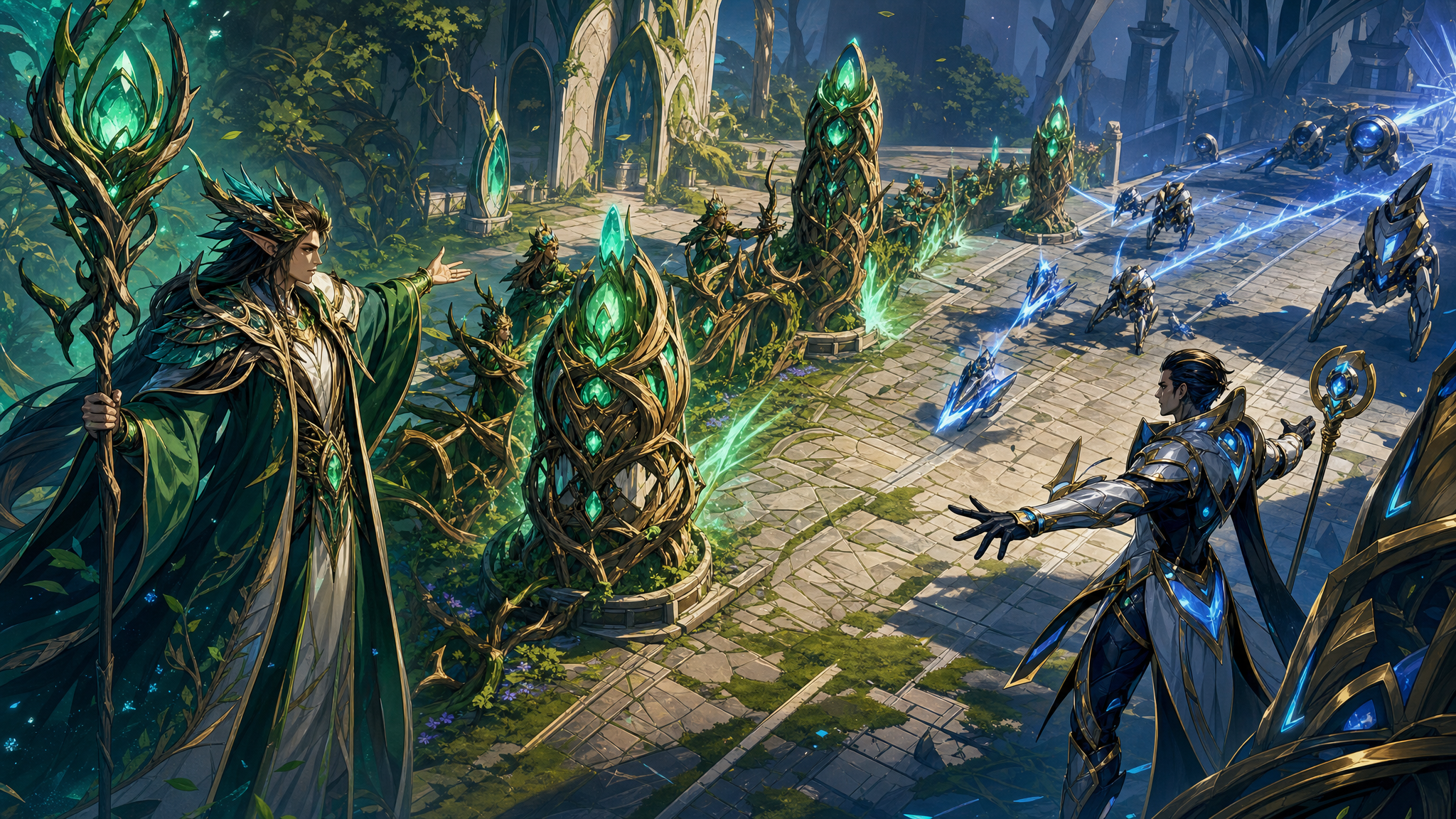
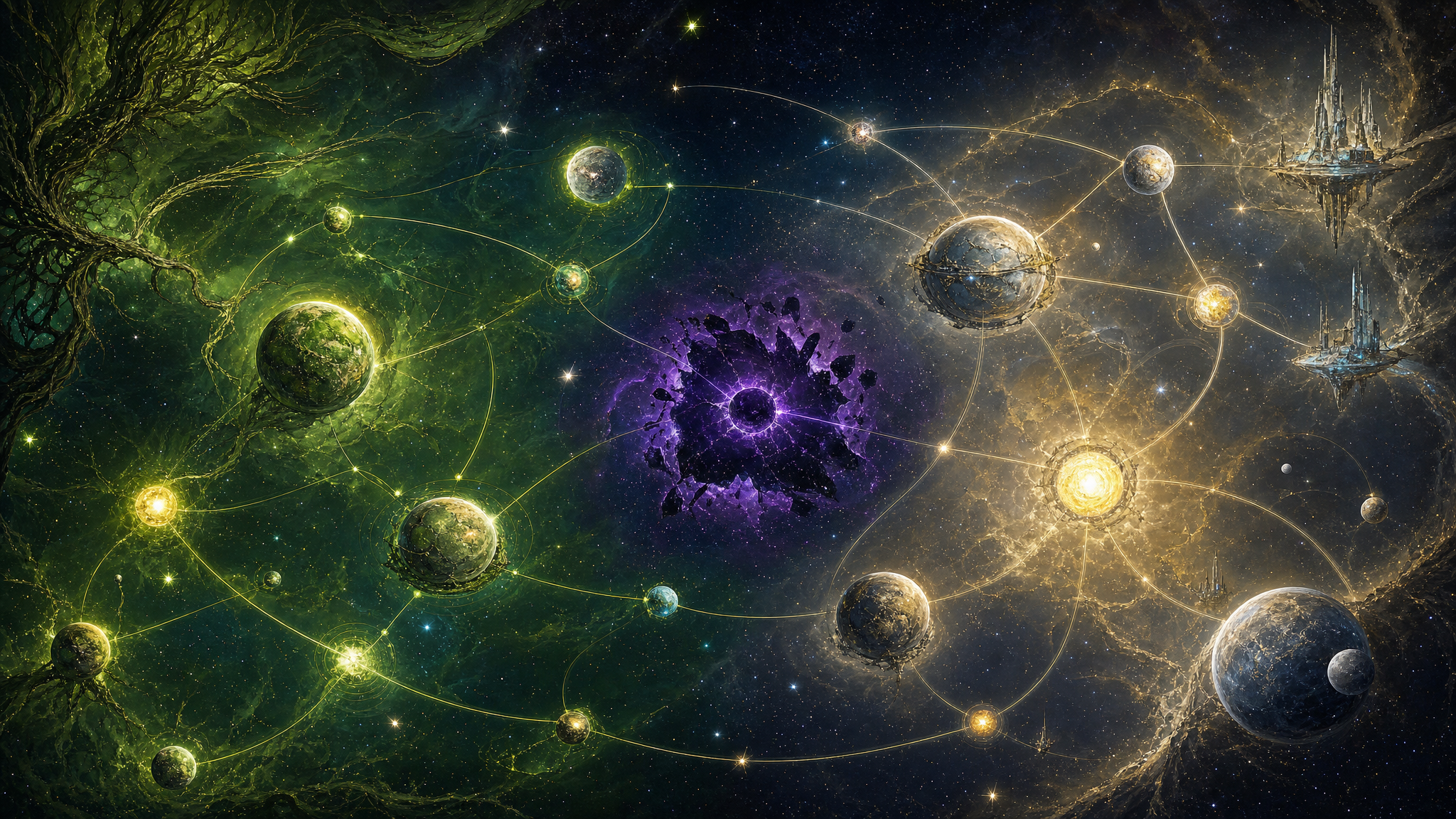
The Long Frontier is tower defense at two scales, wrapped in a persistent, async, social 4X for mobile. You hold a deck of units, spend planet-resources to field them, and fight hand-played lane sieges to take worlds. The galaxy is a tower defense too: enemy armadas advance through your territory, your garrisons hold the line, and a reserve you set aside auto-scrambles to defend a world while you sleep. Every unit is a card, your territory is the deck you fight with, and the armies you lose become the cards you draw next season. An AI Game Master — the Curator — runs the Void, a co-op raid threat that flips the table and keeps a thousand-player war fair.
How we built it
I designed it the way you'd build the game: smallest complete idea first, then deep as I could manage. I stress-tested every pass with my friends reviewing, resolving ambiguity and contradictions. The art is generated to a strict style guide and color palette. I built two tools to make the package: a data-driven card forge that composites a frame, stats, and cost pips onto generated art straight from a spreadsheet, and a level composer for the siege scenes. The four PDFs are authored in HTML and CSS and printed through headless Chrome from a single build script, so I could regenerate everything in seconds.
Challenges we ran into
The hardest part was proving "tower defense at two scales" actually plays — that the galaxy fights like a tower defense, world by world, instead of just borrowing the words. Async fairness was the next knife: how do you lose a battle while you sleep and still want to log in tomorrow? That drove the standing-orders garrison, the auto-scrambling reserve, and the rule that a raid wounds a world but never takes your collection. I managed to condense all the ideas I could into the page limits.
## Accomplishments that we're proud of
One idea runs through everything — magic is science — and you feel it in the combat, the factions, the economy, and the art. I'm proudest of the parts that turn losing into a reason to log back in: your defeats mint cards, a beaten army returns stronger, and a player who loses everything can turn pirate and tax the people who beat them. The Curator, an AI Game Master running the Void as co-op raid content woven into the war, is the piece I'd most want to play. And the package holds together — four artifacts that never contradict each other, every claim backed by a system.
What we learned
Judging my own work like a hostile reviewer — scoring it cold against the goals and cutting what bled points — moved the design further than any amount of polishing it in love. I learned to prove a mechanic before I claim it, to bound a player's worst night before shipping the system that causes it, and that the cheapest test that can kill a bad idea should run first: a lane laid out on a chessboard beats a sprint of code. And one clear idea, repeated by every system, reads as depth instead of sprawl.
What's next for The Long Frontier
Build the smallest version that's fun: one biome, a handful of Verdant units, and a hand-played siege that has to grip you in two minutes. If that lands, the rings go on — the async galaxy map and the feats-to-cards loop, then the Marvelous Androids and the politics of Houses and Firms, then the live Void and seasons, and finally the Apotheosis Engine, the month-long endgame a whole galaxy has to converge to stop. Prove the fun first; everything after is a choice.


Log in or sign up for Devpost to join the conversation.