Inspiration
Learning to code often suffers from austere interfaces disconnected from modern gaming reality. With The Legend of Syntax, our goal was to break the mold of traditional learning platforms. Inspired by immersive classic adventure RPGs, we wanted to intimately connect the execution of programming logic to the dynamic state of a virtual universe. Learning to code should no longer be a purely theoretical exercise, but a concrete quest where every fixed script brings the world back to life.
What it does
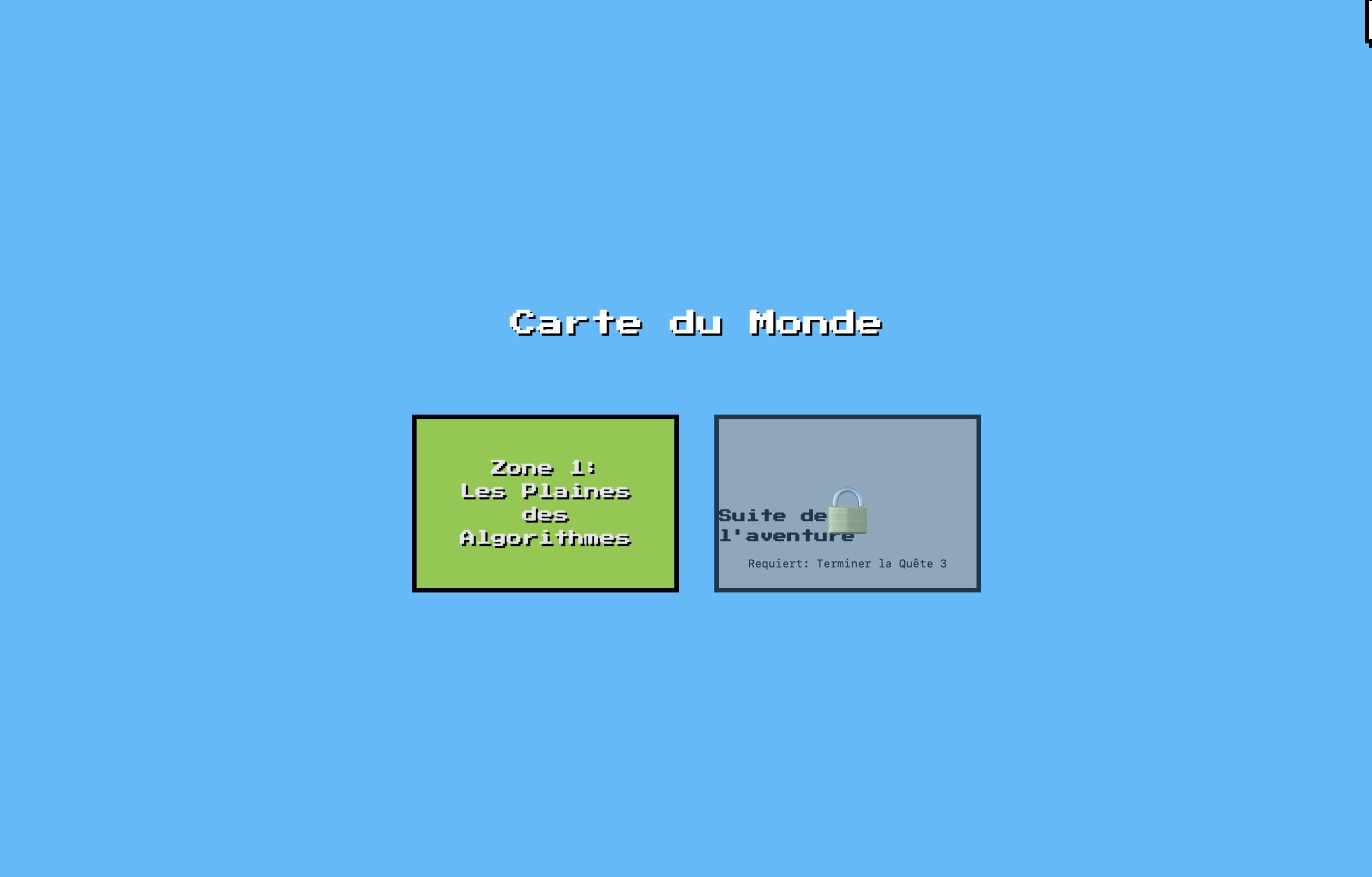
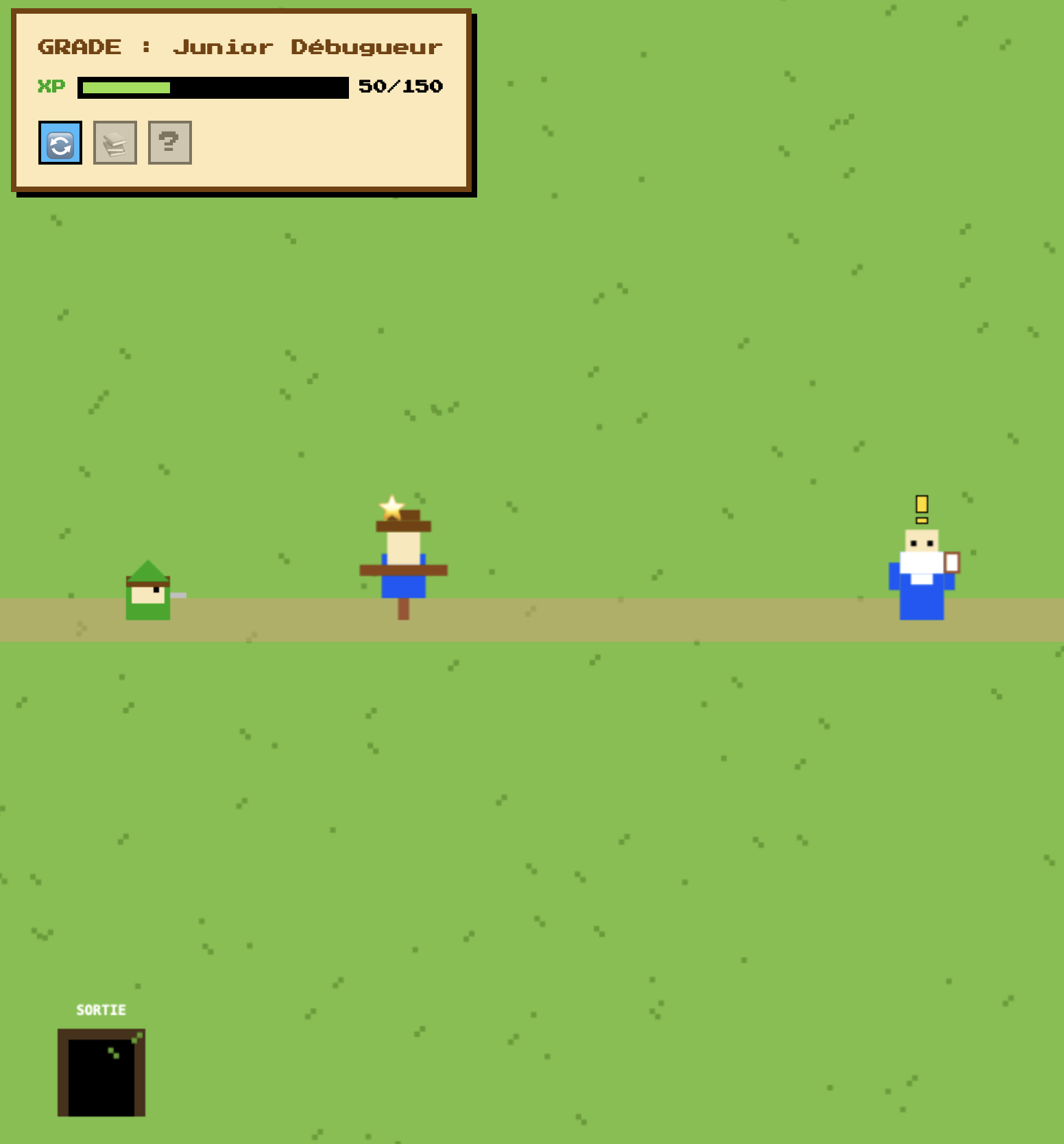
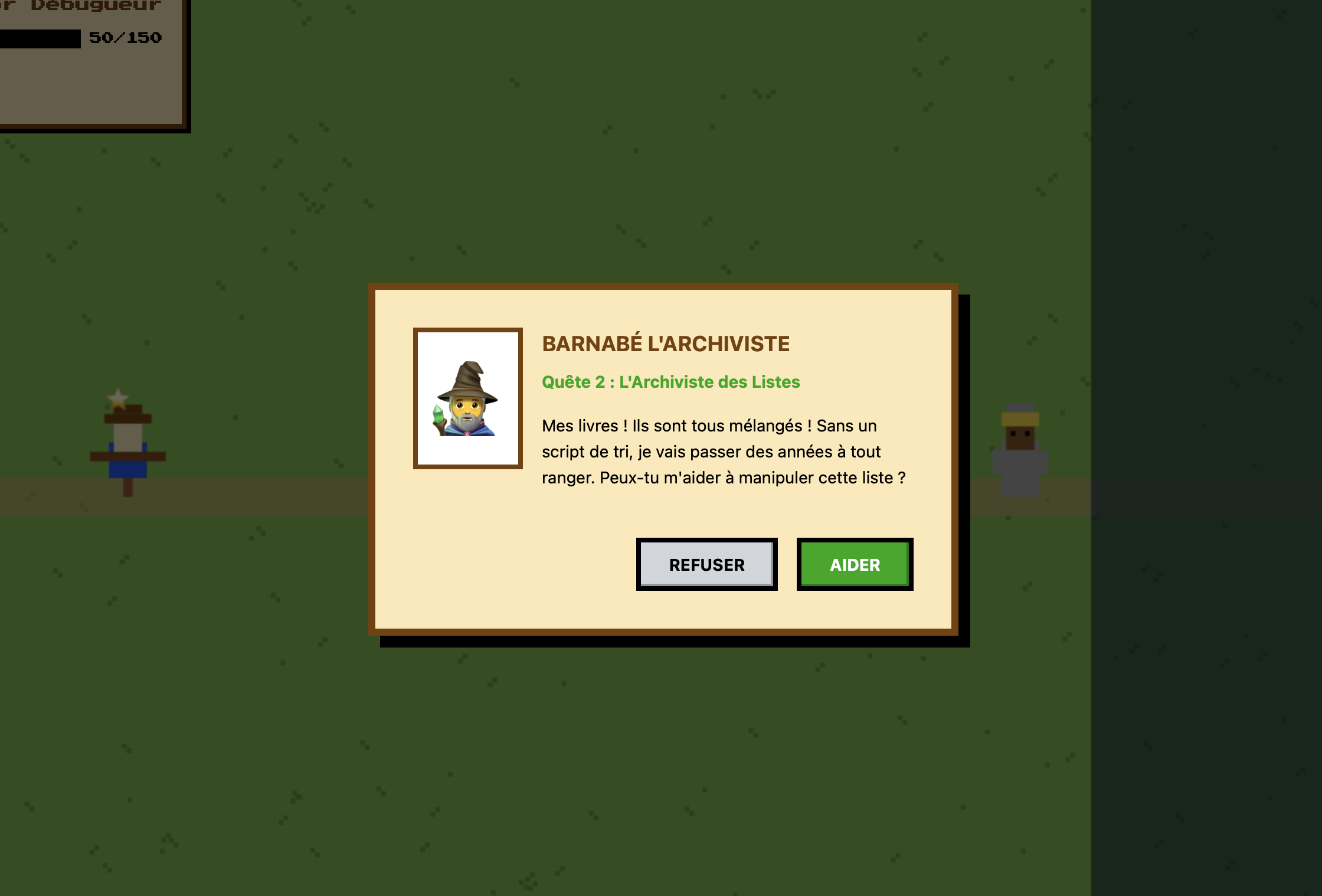
The player embodies an apprentice developer guided by the MeDo Core, a magical AI acting as a mentor. For this initial release, players can fully explore Zone 1: The Plains of Algorithms. They navigate the village in real-time, interact with NPCs, and fix critical system anomalies:
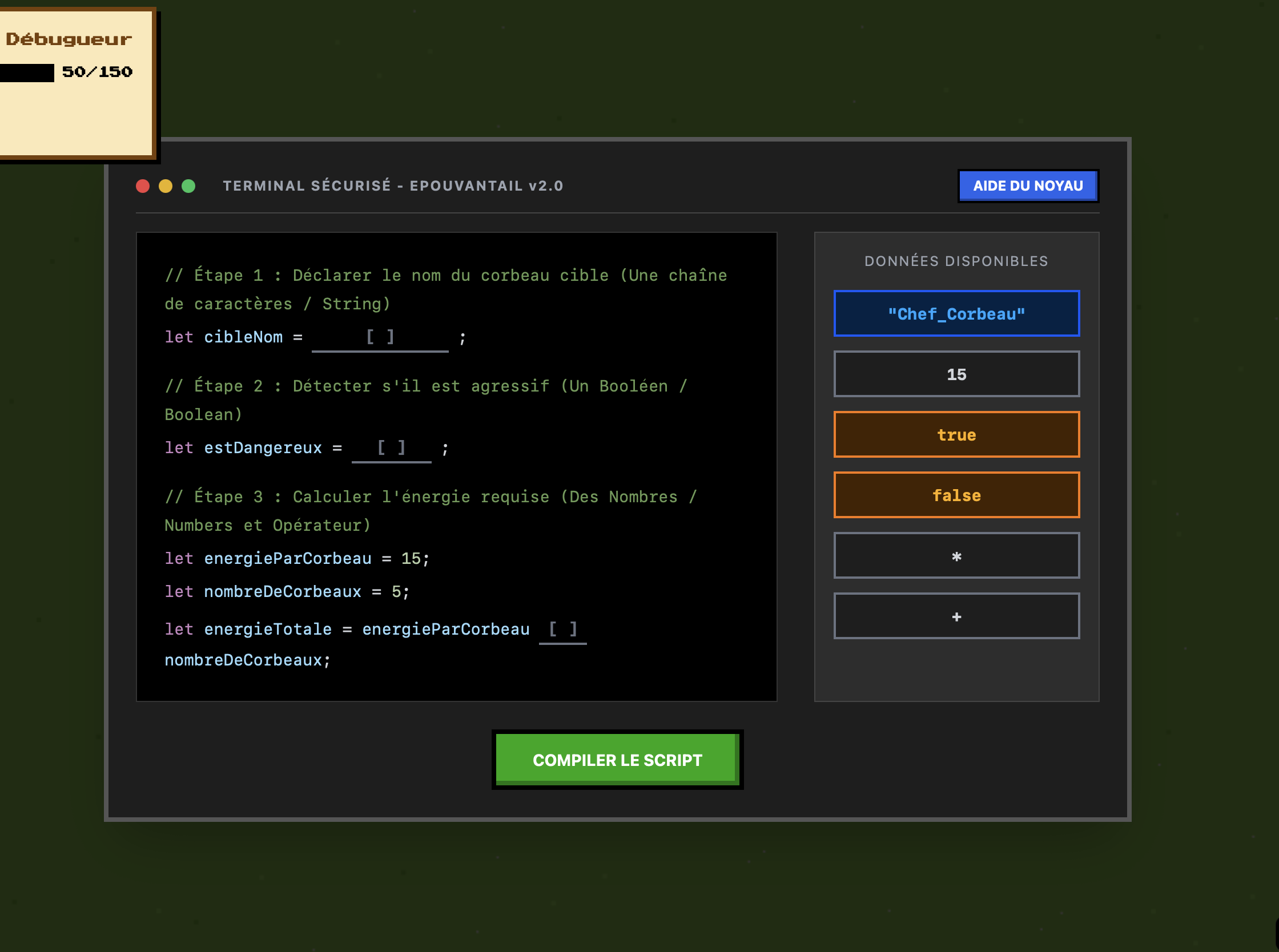
- Quest 1 (The Vegetable Patch): Initializing the foundations of logic. The player manipulates variables, validates data types (String, Number, Boolean), and uses arithmetic operators to calibrate an energy shield and save the crops.
- Future Expansions: While this version focuses on perfecting the core mechanics and fundamentals in Zone 1, subsequent zones, advanced logic mechanics, and complex script challenges are planned for future deployments.
How we built it
The project relies on a modern, high-performance architecture combining Web 3D and reactive state management:
- Core & UI: Powered by React 19 and TailwindCSS for a responsive, fluid, and modular user interface (terminal overlays, menus, progression HUD).
- Engine & Graphics: Integration of a rich rendering engine leveraging Three.js via the React Three Fiber / Drei ecosystem for high visual immersion.
- State Management: Utilizing Zustand for an ultra-lightweight global state management, ensuring smooth progression persistence (XP, completed quests) via
localStoragewithout unnecessary re-renders. - Tooling: A modern development stack optimized by Vite / Rolldown and secured with TypeScript.
What we learned
Marrying an interactive rendering engine with rigorous software programming concepts requires a clean software architecture. We learned how to design "in-game" compilation feedback systems (intercepting syntax errors, custom terminal messages) to turn the frustration of a bug into a fun, educational tool.
Challenges we faced
The major challenge was game state unification: synchronizing the reactive gameplay loop, real-time keyboard inputs, and granular validation of user-submitted code through terminal overlays, all while maintaining a rock-solid 60 FPS framerate.
What's next for The Legend Of Syntax
- Zone 2 Deployment (The Asynchronia Swamps): Introducing intermediate coding concepts such as Functions, API Requests (
fetch), and Asynchronous JavaScript (async/await). - Advanced Input Mechanics: Moving completely away from button selections to a fully interactive code editor where players must manually type chunks of code to repair scripts.
- Intelligent NPC Dialogue: Enhancing the MeDo Core companion with dynamic AI guidance to provide truly personalized hints based on the player's specific syntax mistakes.
- Cross-Platform Building: Expanding the build pipeline to compile the game into a standalone desktop application to reach broader educational networks.
Built With
- react-19
- react-three-fiber
- tailwindcss
- three.js
- typescript
- vite
- zustand


Log in or sign up for Devpost to join the conversation.