-
-
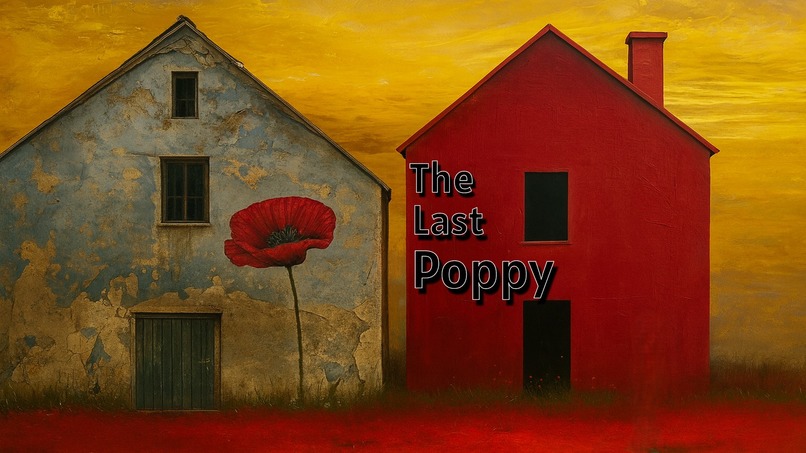
The Last Poppy
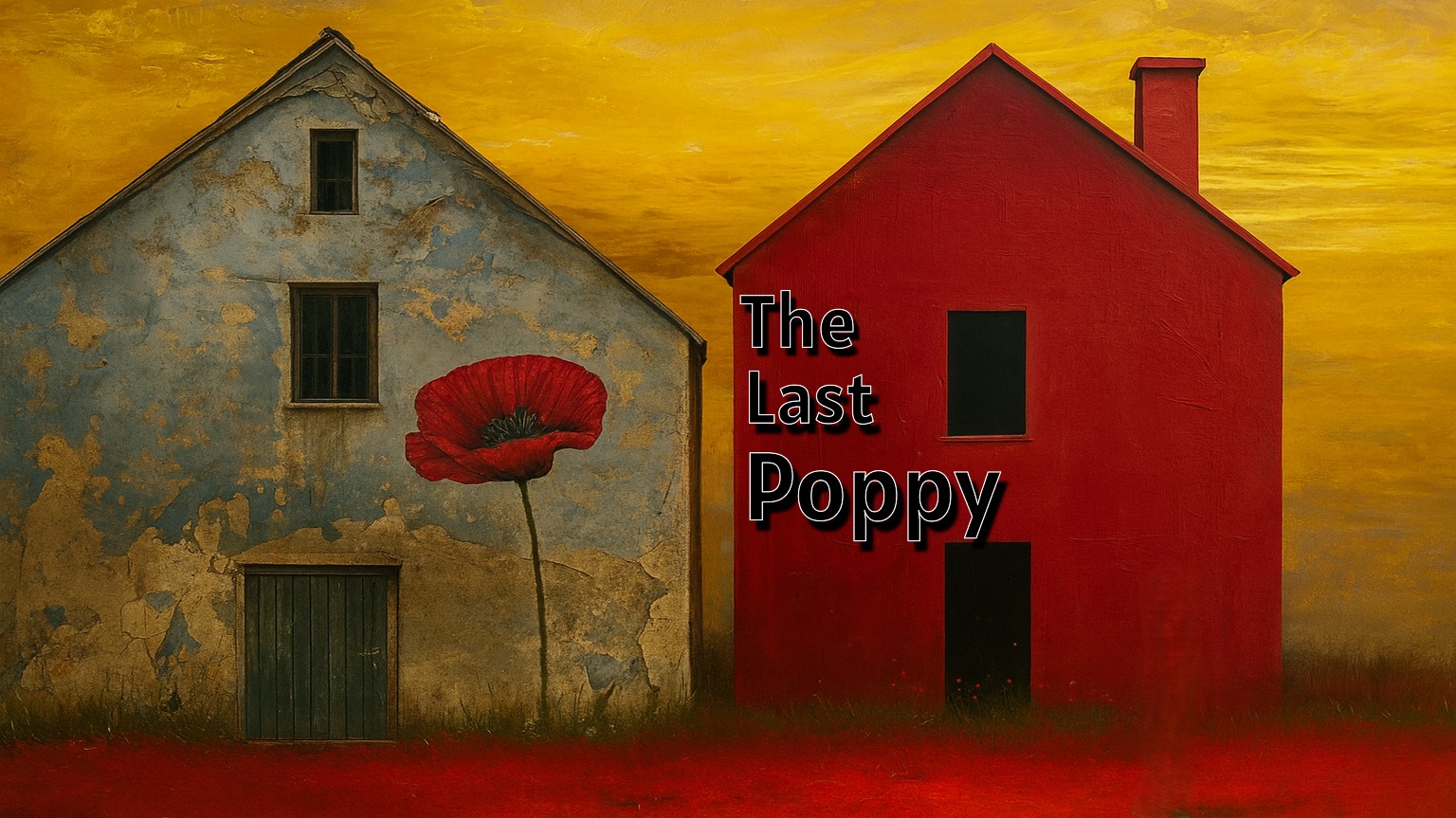
Inspiration
The Last Poppy began with a single image: a red poppy swaying in the wind, carrying the weight of memories that outlive the people who held them.
I wanted to explore how memory, loss, and love linger quietly across generations—not through dialogue, but through symbols and atmosphere.
The poppy, a universal symbol of remembrance after war, became the heart of the film. My goal was to create a cinematic short that feels like a poem in motion, rather than a traditional story.
What it does
The film tells a wordless, emotional story through carefully crafted visuals and sound design.
It uses the journey of a single poppy as a metaphor to connect fragmented moments of love and grief across time.
The narrative unfolds through atmosphere, rhythm, and symbolism—inviting viewers to reflect and feel, rather than simply watch.
How we built it
- Visuals were generated using Hailuo AI, with detailed cinematic prompt engineering to achieve a cohesive look.
- Each scene was planned as if setting up a live-action shoot—carefully deciding framing, light, and atmosphere.
- Editing and color grading were done in CapCut, giving the film its tactile, cinematic feel.
- Posters and stills were designed using Microsoft Designer.
- The entire film was structured shot by shot, like a visual poem, rather than a slideshow.
Challenges we ran into
The biggest challenge was balancing emotion with subtlety.
Without dialogue, every small detail—timing, light, pacing—could shift the tone dramatically.
I went through many iterations to ensure the film whispers its message instead of overstating it.
Another challenge was ensuring that AI-generated visuals looked cinematic and cohesive, not fragmented.
This required careful prompting, layering, and post-production to unify the atmosphere.
Accomplishments that we're proud of
- Crafted a dialogue-free cinematic short that emotionally connects through pure imagery and sound.
- Successfully used AI tools not as shortcuts, but as creative collaborators to realize a clear artistic vision.
- Developed a consistent visual language that feels tactile and human, despite being AI-generated.
- Created a piece that resonates with audiences on an emotional and symbolic level.
What we learned
- Emotional storytelling without dialogue demands precision—every element must carry narrative weight.
- AI can be a powerful creative partner when used thoughtfully, like a lens or a brush.
- Symbolism and atmosphere can be more impactful than exposition when handled with care.
- Iteration is essential: the film only found its rhythm after multiple rounds of refinement.
What's next for The Last Poppy
I plan to:
- Submit the film to international festivals and creative AI competitions.
- Expand this visual-poetic style into a series of short films exploring different symbolic objects and themes.
- Experiment with original sound design and narration to push the emotional depth even further.
- Continue refining my AI filmmaking techniques to blur the line between digital creation and traditional cinema.
Built With
- ai
- capcut
- chatgpt
- designer
- hailuo
- microsoft
- youtube

Log in or sign up for Devpost to join the conversation.