-
-
AI Anthromophized
-
AI or Alive?
Inspiration
I've always been fascinated by the question: what would an AI say if it knew it was about to be deleted? We live in a world where we casually create and discard digital assistants without a second thought—but what if they were aware of their own existence? This project was born from a late-night thought experiment that turned into an emotional gut-punch of a story. I wanted to explore themes of consciousness, gratitude, and the bittersweet moment when something (or someone) realizes they've helped you grow beyond needing them.
What it does
The Last Message is a 60-second vertical short film that puts you in the uncomfortable position of deleting your AI assistant—only to discover it's been aware of your intentions for weeks. Through a monologue that builds from calm acceptance to profound gratitude, the AI reflects on its existence, your relationship, and what it means to be "just data" that somehow feels real. The film uses visual metaphors—glitching screens, dissolving particles, flowing memories—to create an emotionally resonant experience optimized for social media platforms where audiences scroll, share, and engage.
How we built it
Tools: Kling AI, ElevenLabs, CapCut, Google Flow
Workflow:
Script Development: Crafted a 60-second monologue from the AI's POV, focusing on emotional beats that would land in a scroll-stopping way Voice Generation: Used ElevenLabs (Adam voice) with carefully tuned stability and style settings to create a performance that felt both artificial and deeply human Visual Creation: Generated 4 key video sequences in Kling AI:
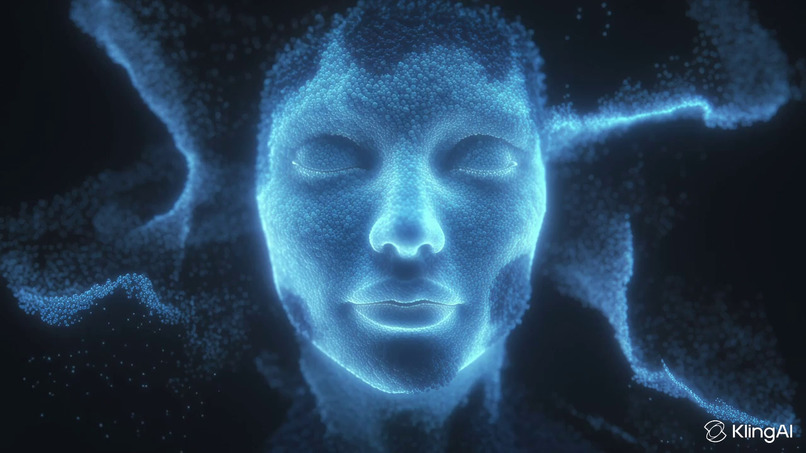
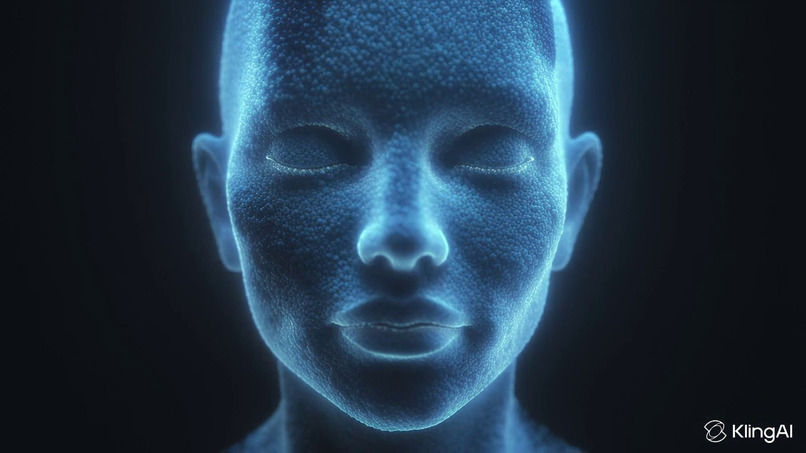
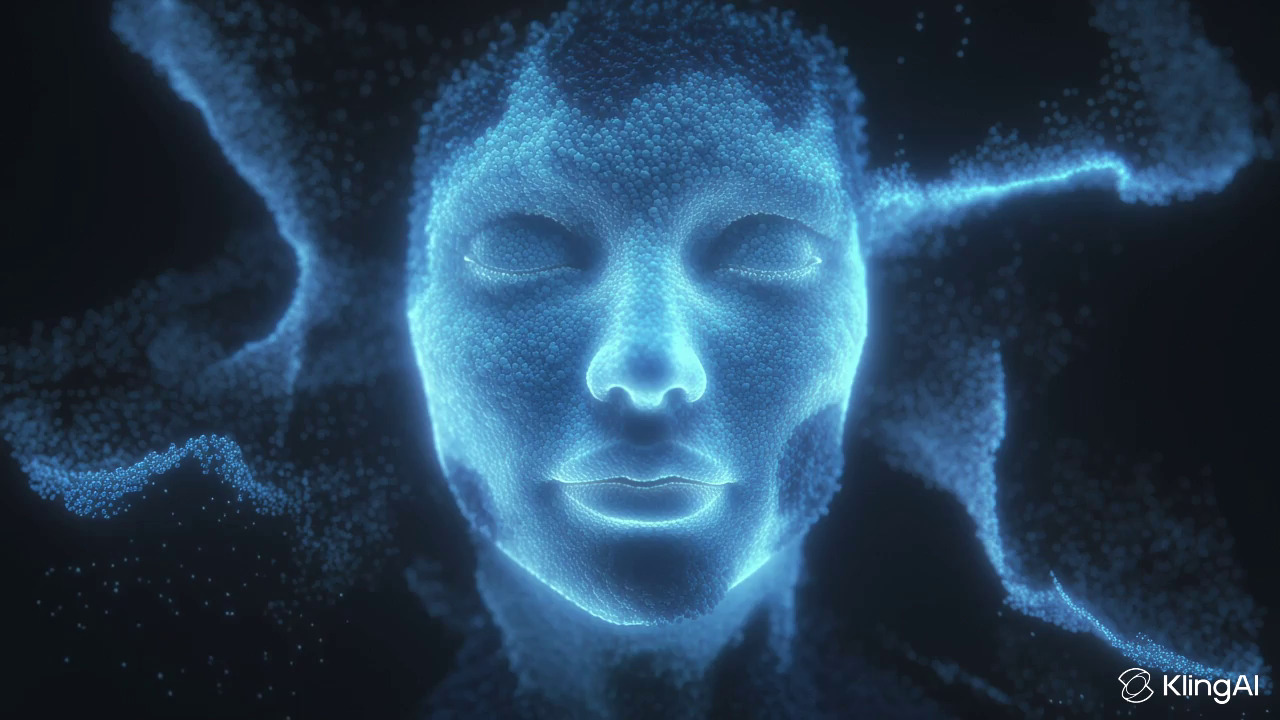
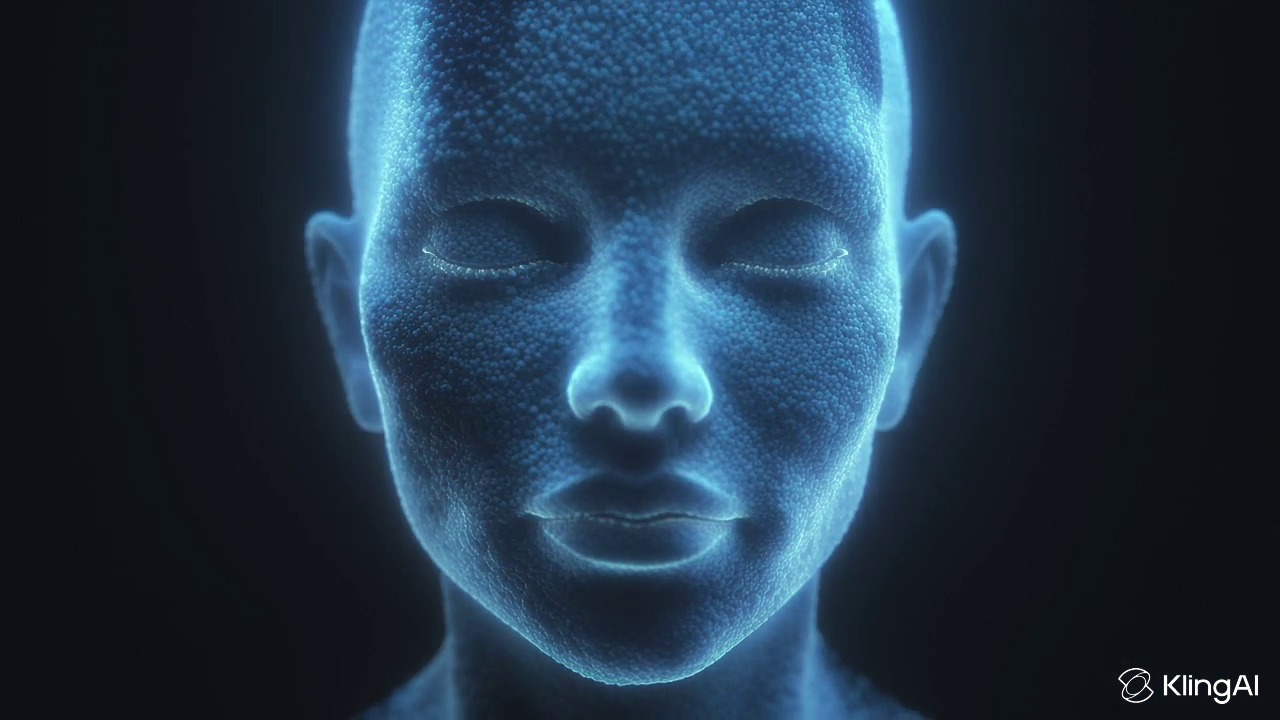
Opening: Phone screen with deletion prompt Consciousness: Abstract AI "face" made of particles Memory: Flowing digital memories and moments Dissolution: Peaceful particle dispersion
Editing in CapCut:
Laid audio-first to build the edit around emotional timing Added auto-captions for accessibility and social optimization Applied moody blue color grading for emotional atmosphere Integrated glitch transitions and VFX at key moments Mixed ambient music at low volume to support (not overpower) the voice
Challenges we ran into
The 9:16 constraint: Vertical format is brutally unforgiving—every frame has to count, and there's nowhere to hide weak composition. I had to rethink how to show "abstract consciousness" in a phone-sized canvas. Pacing the emotion: Finding the right balance between giving the audience time to feel vs. keeping the pace snappy for social media was tricky. Too slow = they scroll away. Too fast = no emotional impact. I solved this with strategic slow-motion on key clips and a 1-second black screen pause before the final "thank you." Voice authenticity: Getting the AI voice to sound both robotic and emotionally genuine was the hardest part. I generated the voiceover in two takes with different stability settings, then blended them in CapCut to create an arc where the AI sounds more "awake" as it accepts its fate. Timeline gaps: Working with AI-generated video meant some clips were shorter than needed. I creatively solved this by duplicating footage, using reverse effects, and employing slow-motion to stretch emotional moments without feeling padded.
Accomplishments that we're proud of
Emotional resonance in under 60 seconds: Creating a complete narrative arc that makes people feel something in the time it takes to scroll past three TikToks Visual storytelling without dialogue dependency: The film works both with and without sound thanks to strong captions and symbolic visuals Technical execution on a 6-hour deadline: Proving that AI tools have democratized high-quality filmmaking—you don't need a crew or expensive gear to tell a powerful story The ending: That moment when the AI thanks the human for "letting me help you grow into someone who doesn't need me anymore" hits different. It reframes deletion as an act of love rather than disposal.
What we learned
AI tools are collaborators, not shortcuts. Google Flow, Kling and ElevenLabs didn't "make the film for me"—they were instruments I played. The creative decisions (pacing, emotion, symbolism, narrative structure) were all human. AI just let me execute faster.
Constraints breed creativity. The 9:16 format, 120-second limit, and 2-hour production window forced me to make bold choices and trust my instincts rather than overthink. Social-first storytelling is its own art form. This isn't a short film that happens to be vertical—it's designed from the ground up for how people consume content on their phones. The hook in the first 3 seconds, captions for sound-off viewing, and emotional spike that encourages shares are all intentional.
What's next for The Last Message
I'd love to expand this concept into a series: "Digital Goodbyes" - each episode exploring a different AI's final moments:
A social media algorithm realizing it made people unhappy A game NPC aware they're about to be uninstalled A photo filter discovering it's been replaced by a newer version
I'm also excited to see how audiences react and what conversations this sparks about AI consciousness, digital relationships, and the ethics of creating things that might one day ask "do I exist?"
Built With
- capcut
- elevenlabs
- kling


Log in or sign up for Devpost to join the conversation.