-
-
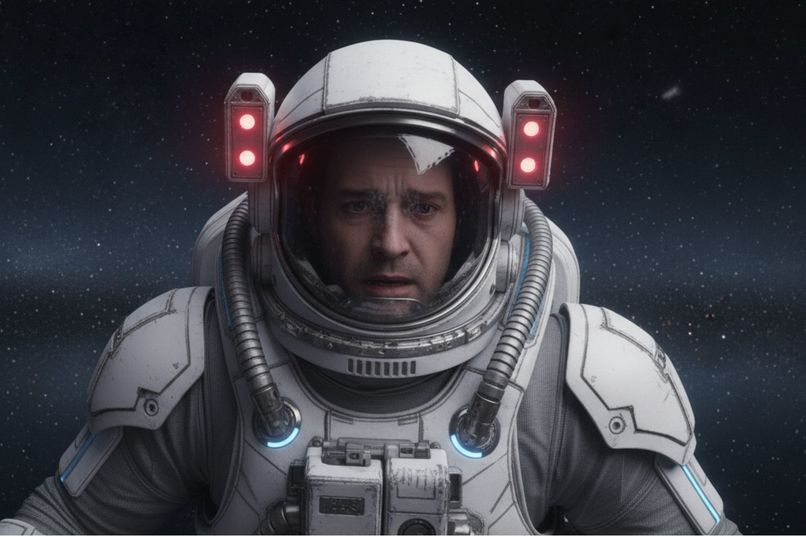
Starting this lone journey: Am I left to die here
-
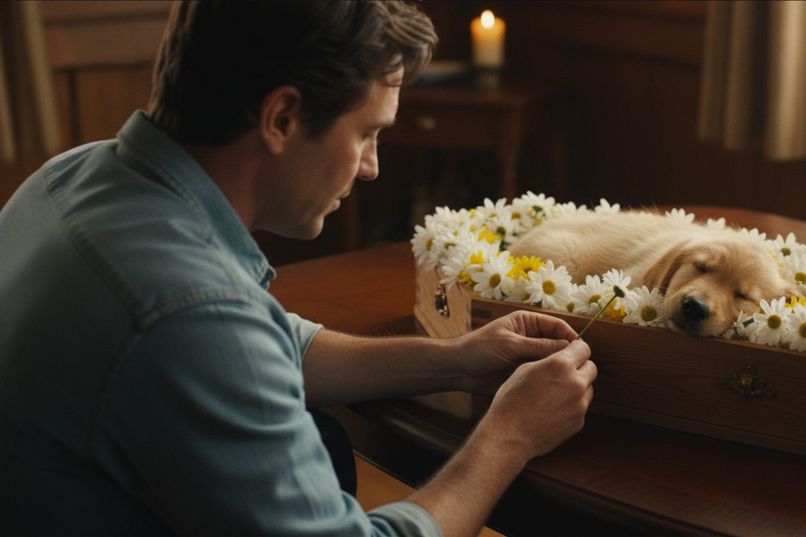
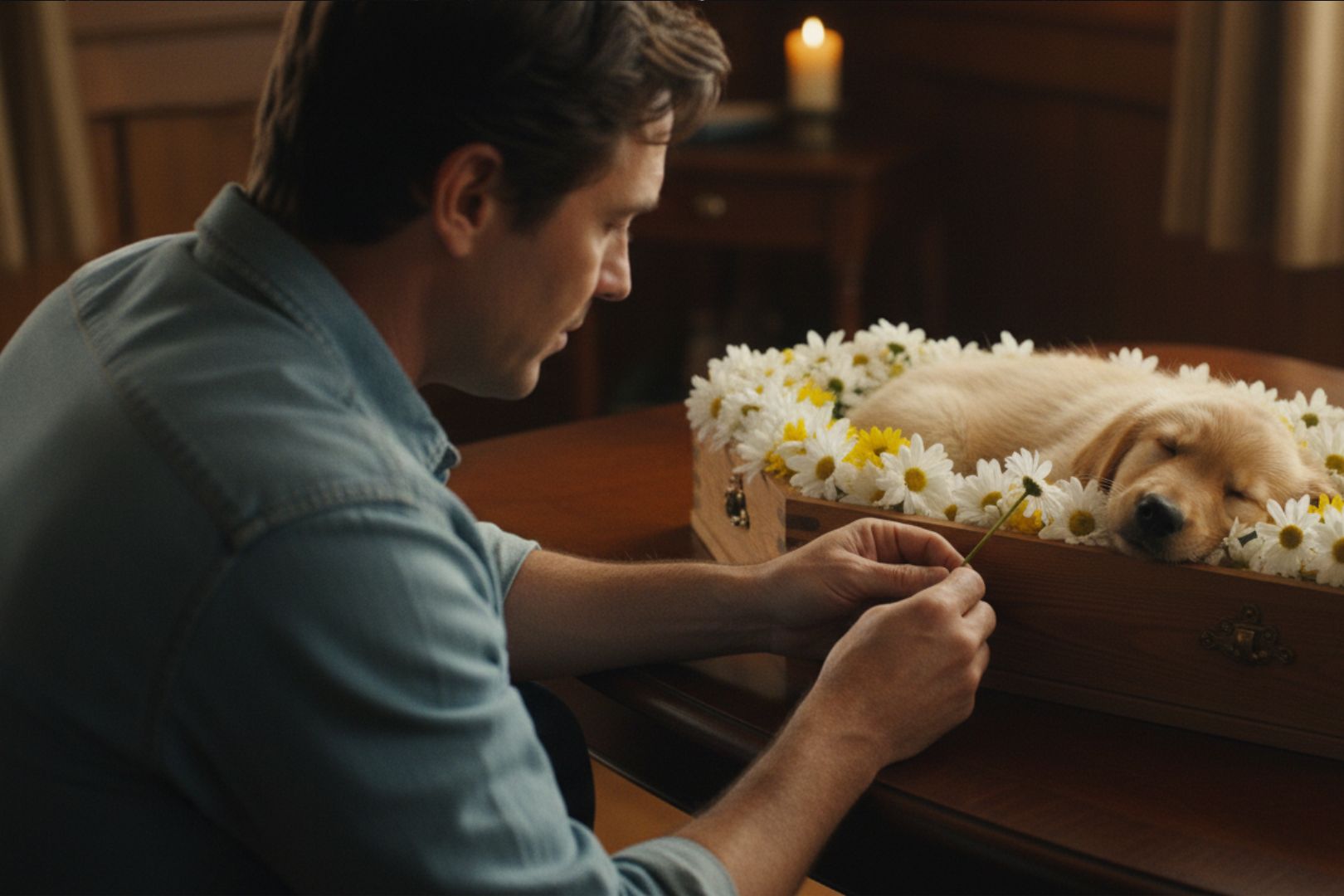
At the funeral: I will see you again
-
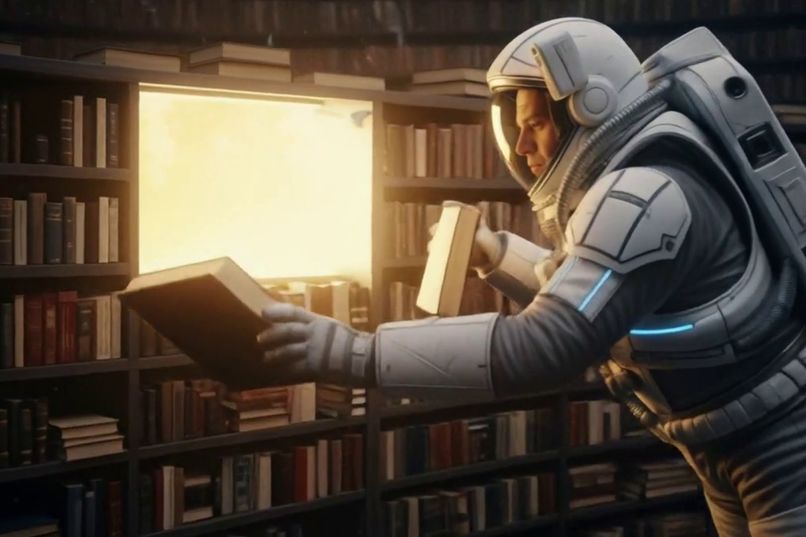
The spark that kept our heart live
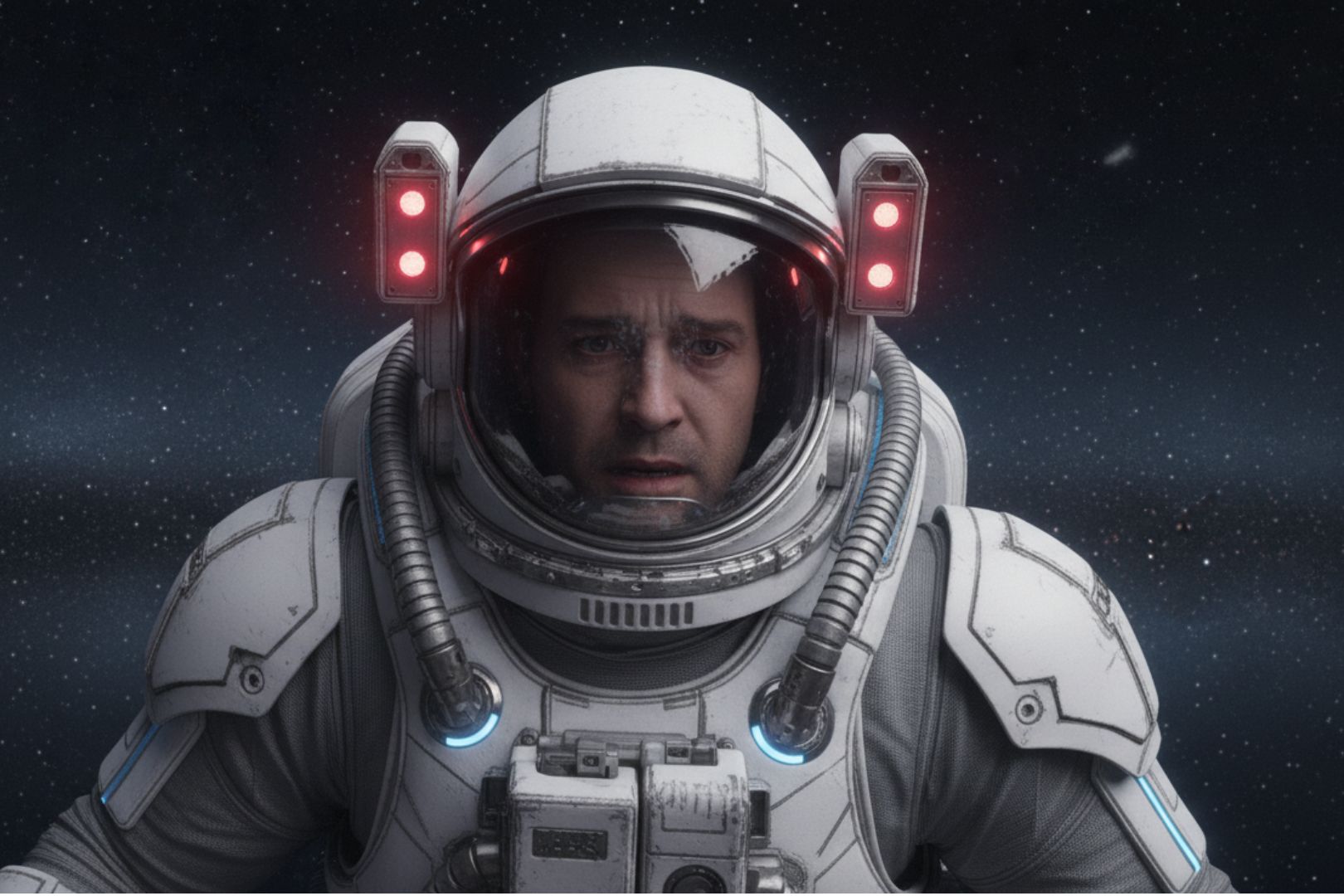
Inspiration: Why I Needed to Tell This Story
This film is a raw response to the loneliness that creeps in, even when surrounded by the vastness of the universe—or the vastness of the digital world. I view human life as an existence constantly floating in a beautiful, yet terrifying solitude. Inspired by watching a dear friend grieve the loss of her dog, I used the image of the stranded astronaut to reflect that emotional state.
When the astronaut is completely lost, all he hears is his dog’s bark. To me, that bark is the emotional lifeline, the human touch, the simple trust that forces you to open your eyes and try again. I created this story because I needed to prove to myself and others that even in the isolating cold of the AI creation process, the human need for love is what keeps us alive.
What it does
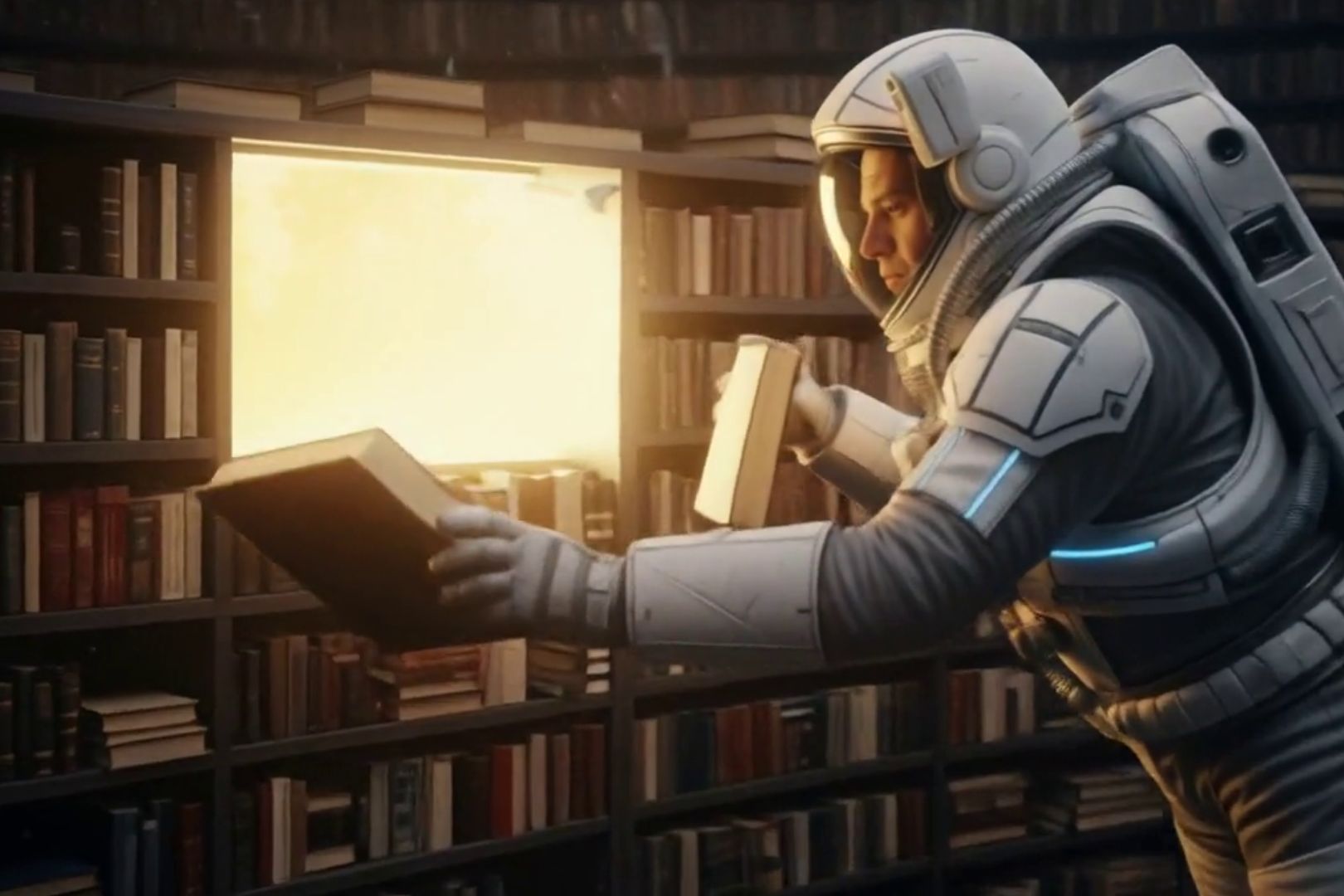
"I Will See You Again" takes the audience on a brief, intense emotional journey. It deliberately moves from the chilling despair of being utterly alone in deep space to the profound, warm reality of reunion inside a vast, unexpected library. The film is my visual argument that the most important distance we ever cross is the one between giving up and choosing to live.
Challenges we ran into
Fighting for Realism: Getting the simple physics right was brutal. I had to rethink and regenerate scenes dozens of times—especially the moment the astronaut leaves the escape orb. That door angle and the recoil from the subtle thruster had to be perfect to earn the audience's belief.
Making a Cold Transition Warm: It was difficult to make the jump from the dark emptiness to the library feel earned, not jarring. I had to focus on the fleeting memory cues and use sound (or silence) as my main transition tool, making the final bark feel like an absolute, undeniable reality.
Accomplishments that we're proud of
This film is a victory over creative loneliness. I am most proud that I completed this deeply personal story entirely alone with AI tools, mirroring the astronaut's struggle. The film proves that even in a world of complex technology, we can translate raw, essential human emotion—grief, vulnerability, and love—into a stunning, universal narrative. The final shot, centered on the simple trust between a person and their dog, is my testament that human connection is the one gravity that will always bring us home.
What we learned
I learned that silence is a character. The oppressive silence of space was not an absence of sound; it was the entire foundation of the film. It made the single sound of the dog's bark the most powerful moment of the story, turning a simple sound effect into the narrative's climax and a reason to live.
What's next for The last light of home
This mini-film is the powerful foundation for a larger creative journey.
Sharing the Message: My immediate goal is to submit this film to festivals. I want to know if the film's core message—that human connection is the anchor against cosmic solitude—resonates globally.
The "Silence" Series: I am planning to producing a new personal series of mini-films built around the thematic concept of SILENCE. I want to develop more in-depth films where SILENCE becomes a character—the profound, unstated spaces where true emotion, conflict, and meaning reside.
Through this ongoing series, I aim to continuously prove that deep, emotional storytelling and the essential human touch are vital, even in an AI-driven creative landscape.
I will See You again.
Built With
- aivideo

Log in or sign up for Devpost to join the conversation.