Inspiration
The Last Label is inspired by Peranakan ancestral-house culture in the former Straits Settlements. Its town, family, characters, and conspiracy are entirely fictional. I wanted to explore how museums shape memory, and what happens when a missing person's story survives only through objects and changing exhibit labels.
What it does
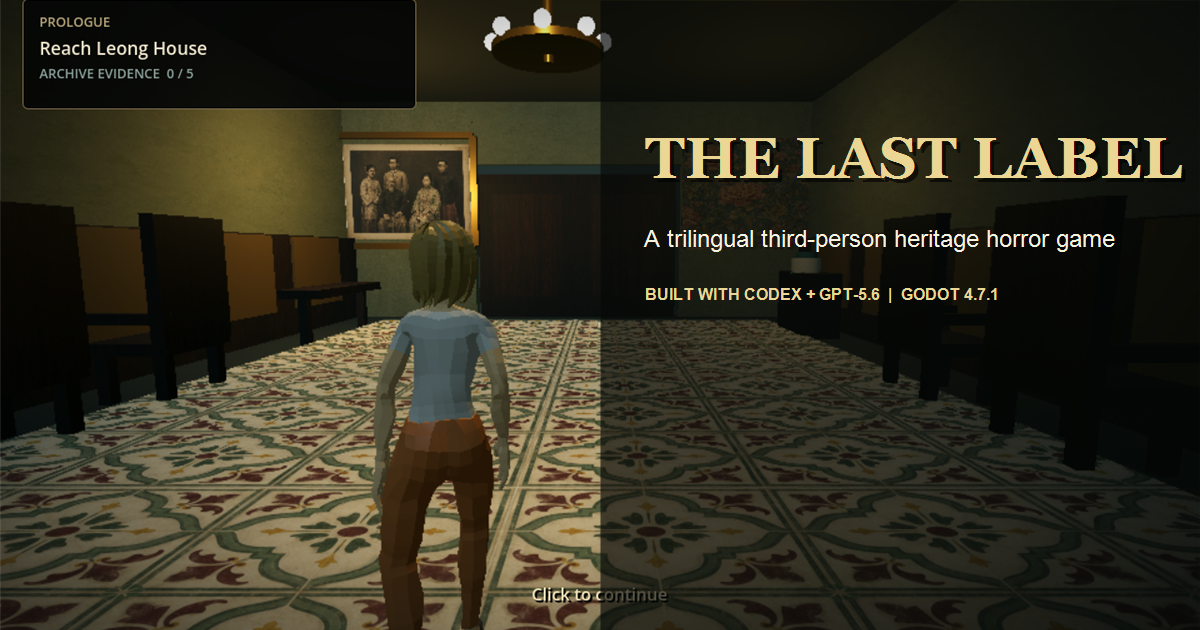
The player controls Xu Anning, a modern tourist visiting Leong House in the fictional port of Tanjong Serai. What begins as an ordinary museum tour slowly becomes a supernatural investigation.
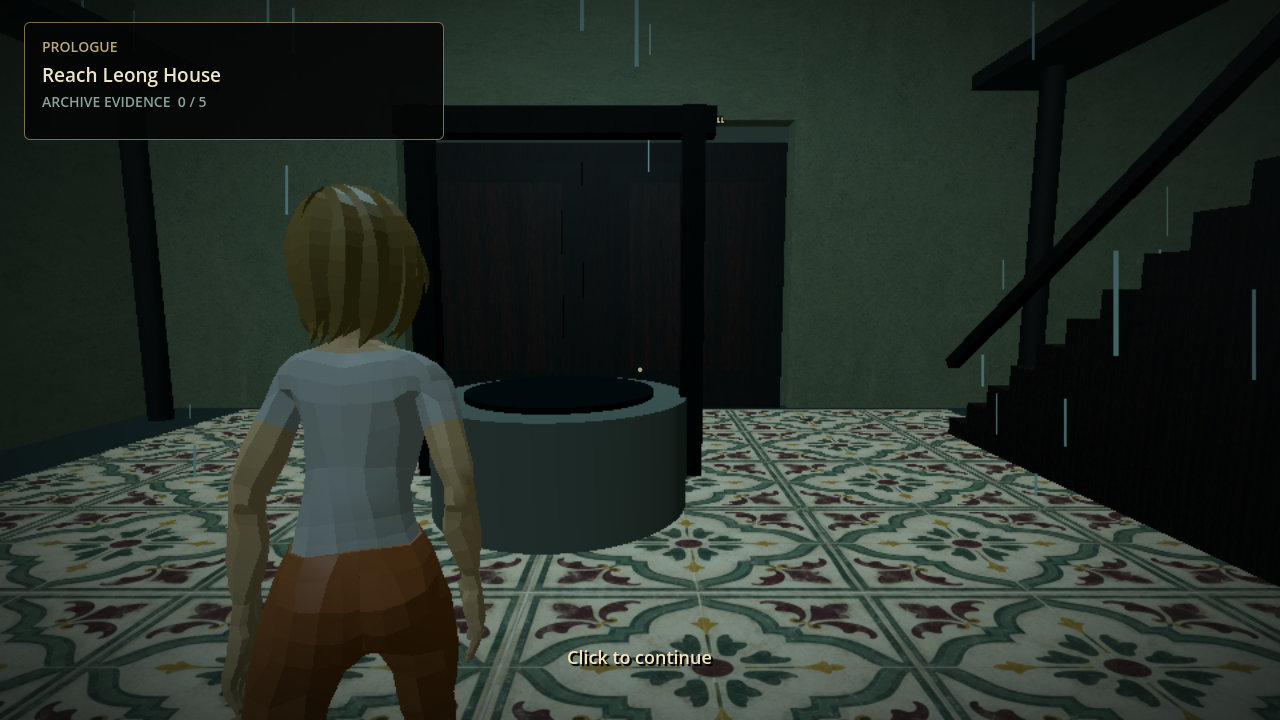
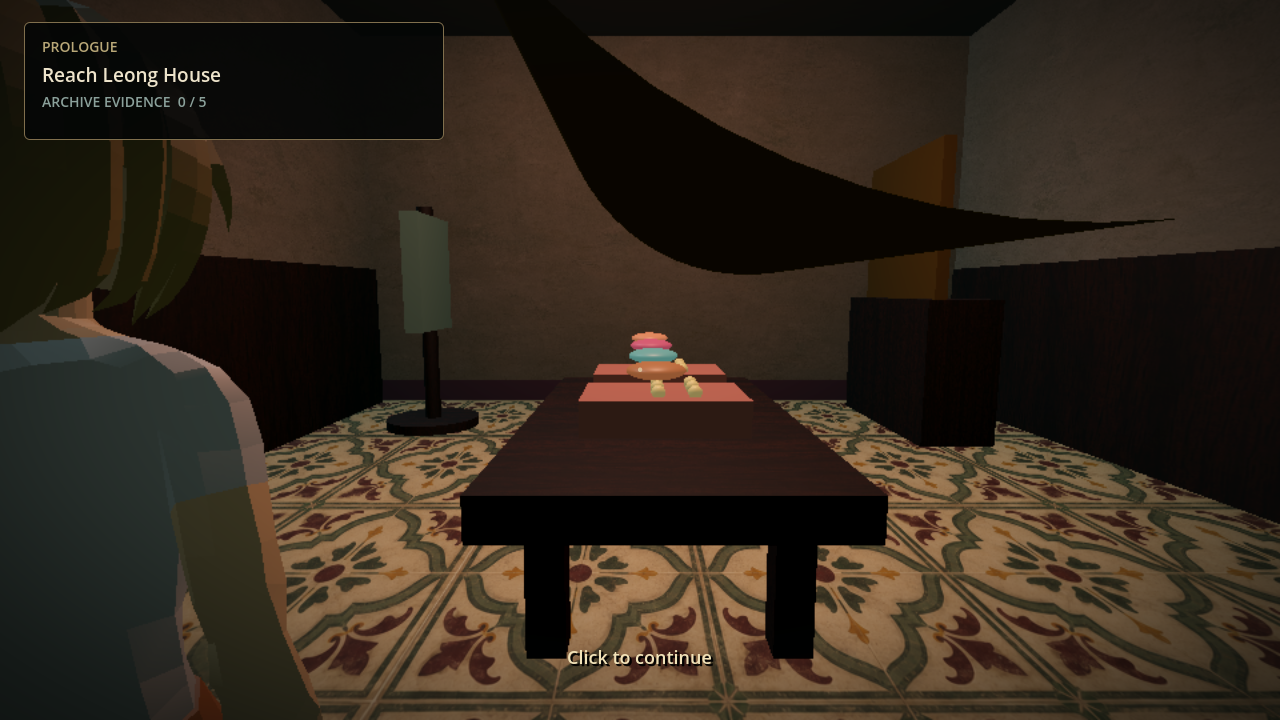
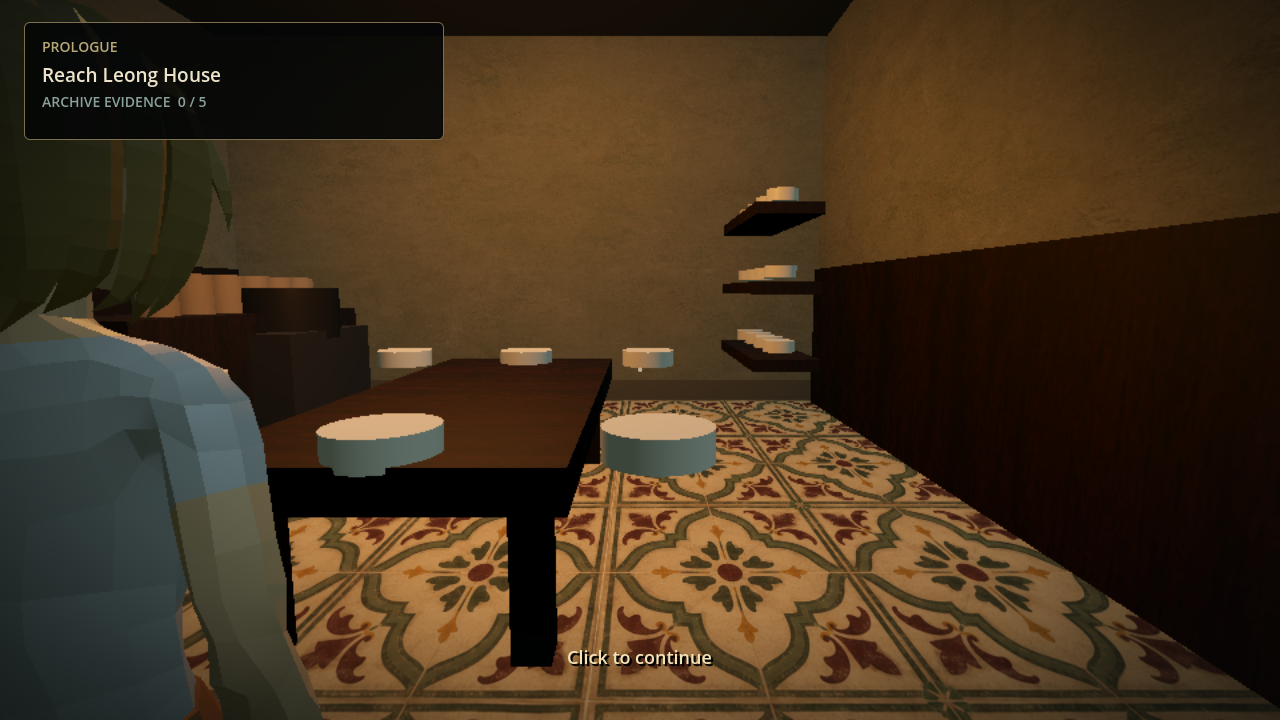
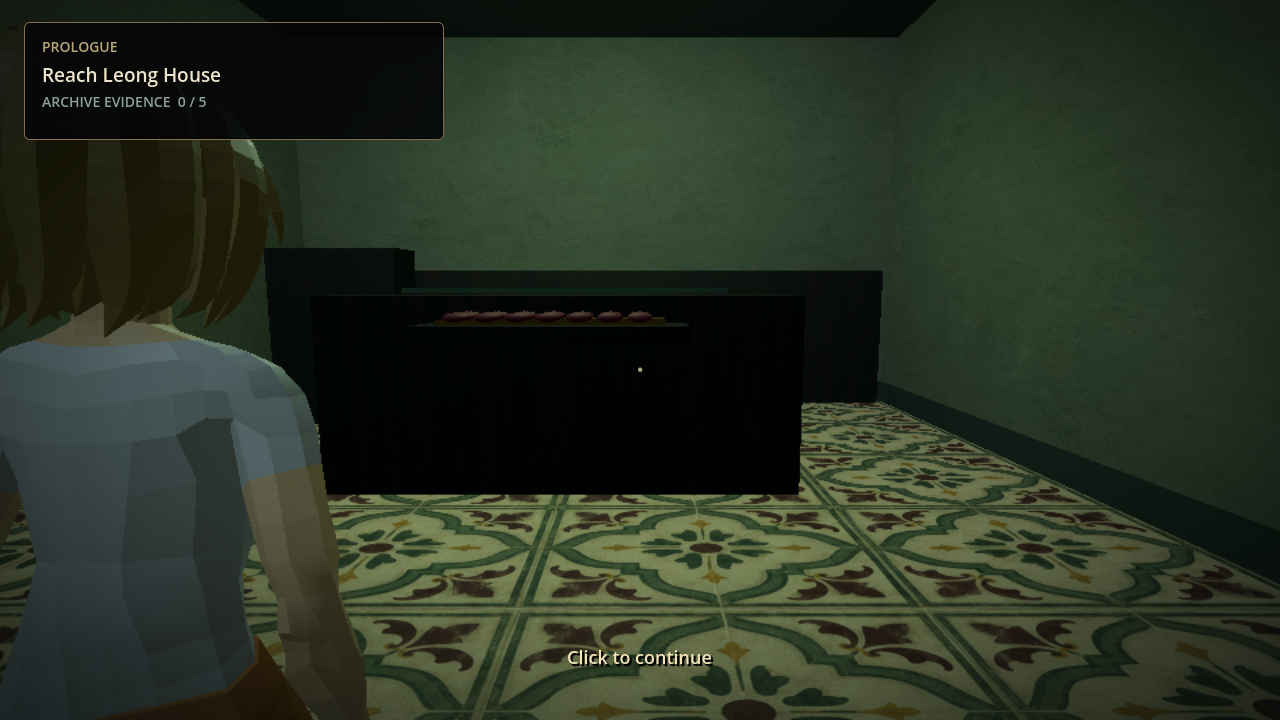
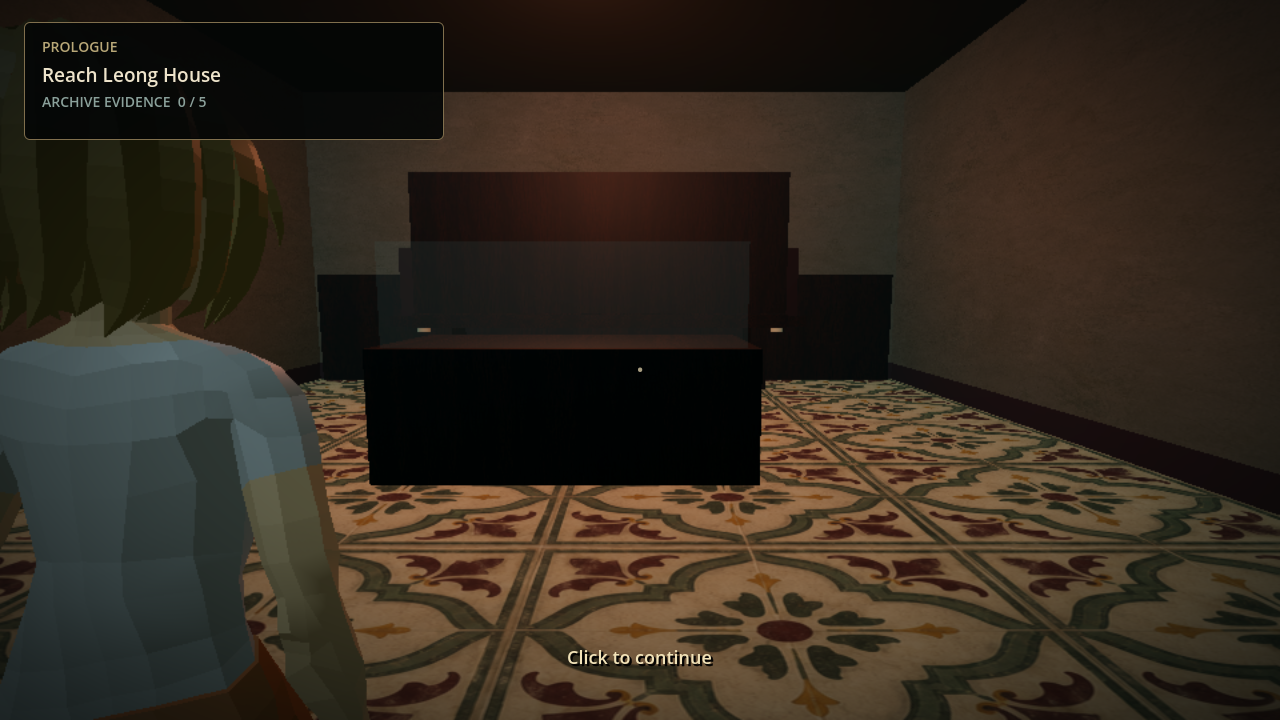
The game is a third-person heritage horror experience with WASD movement, an over-the-shoulder camera, environmental interaction, exploration, and puzzles. Players investigate the front hall, courtyard, beadwork room, kitchen, counting room, and ancestor hall.
The central mystery concerns Liang Yuecheng, a young woman erased from her family's official history in 1919. Players discover evidence through a damaged family photograph, beadwork patterns, a coded family recipe, pharmacy records, shipping documents, and changing museum labels.
The interface and narrative support English, Simplified Chinese, and Malay.
How I built it
I built the game in Godot 4 using GDScript. The environment, interaction system, third-person controller, camera, multilingual interface, evidence tracking, puzzles, scene progression, and Windows export were developed as one playable project.
Codex powered by GPT-5.6 was my main development collaborator. I used it to turn the narrative outline into a working Godot structure, implement gameplay systems, diagnose collision and camera problems, improve room layouts, build localization support, test progression, prepare the Windows release, and document the project.
Codex was especially useful for maintaining context across narrative design, code, level construction, debugging, and release preparation. I reviewed the generated work through repeated playtests and screenshots, then refined the prompts based on visible problems.
Challenges
The largest challenge was creating a coherent third-person environment while keeping navigation reliable. Early versions had missing collision, inaccessible stairs, unintended openings, and decorative images applied to the wrong surfaces. These issues required several passes over geometry, collision boundaries, camera behavior, and material placement.
Another challenge was presenting the same mystery naturally in three languages without breaking the interface or puzzle logic.
Accomplishments
I am proud that the project became a downloadable Windows game with a complete narrative route from the tourist opening to the ancestor-hall ending. It combines cultural atmosphere, environmental storytelling, a recipe-based seating puzzle, evidence collection, multilingual presentation, and third-person exploration.
What I learned
I learned that AI-assisted development works best as a tight loop: describe the intended player experience, generate a focused implementation, test it visually, identify concrete failures, and iterate. I also learned how strongly collision, lighting, camera distance, and environmental scale affect the credibility of a horror scene.
What's next
Next, I would expand the beadwork and accounting puzzles, add more character animation and original sound design, improve environment art, deepen the three endings, and release builds for additional platforms.
Built With
- codex
- gdscript
- godot
- gpt-5.6
- windows

Log in or sign up for Devpost to join the conversation.