Inspiration
We were inspired by the difficulty many individuals with limited hand dexterity face when turning pages. Existing automated solutions are limited in functionality, so we wanted to create a more accessible alternative. Electroadhesion provided inspiration as a compact and effective way to separate individual pages.
What it does
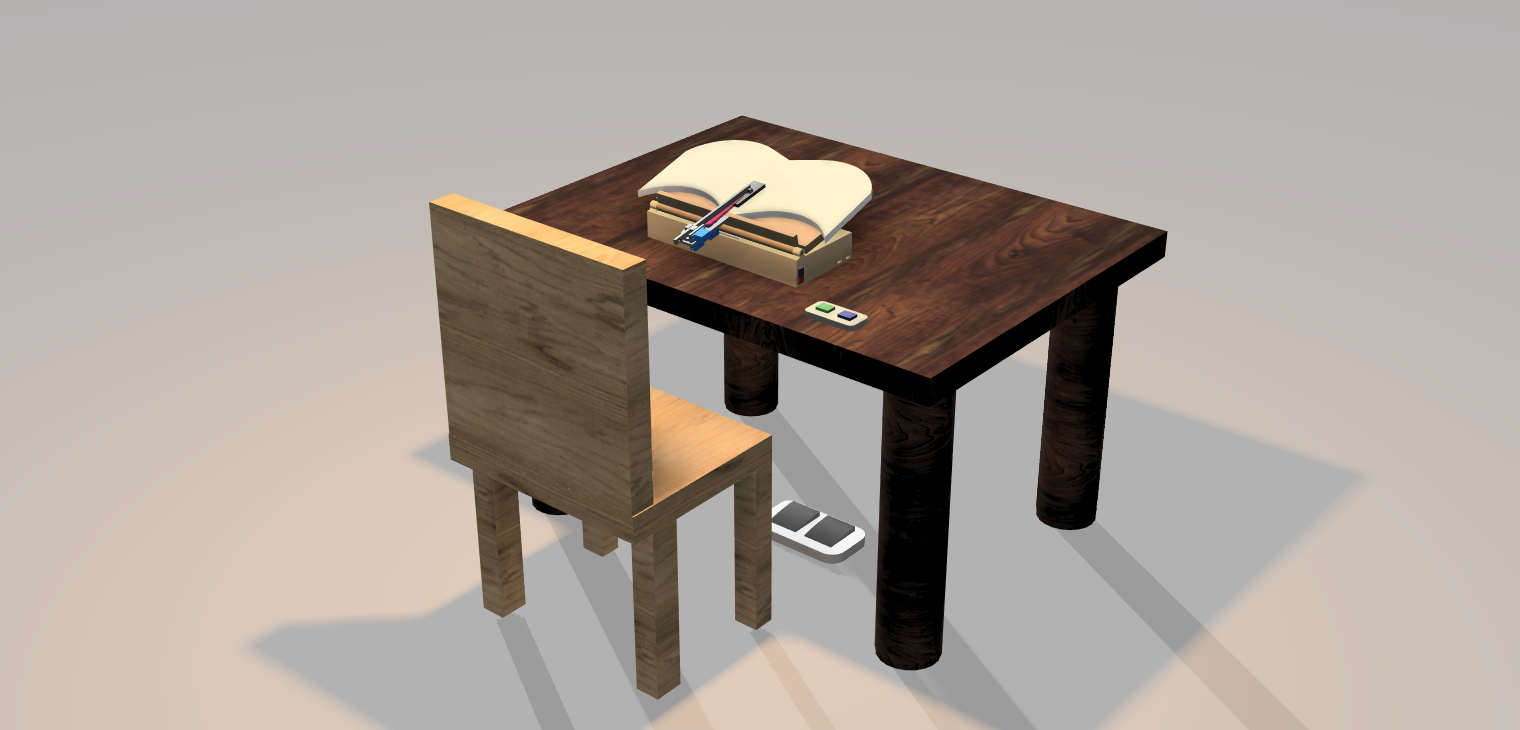
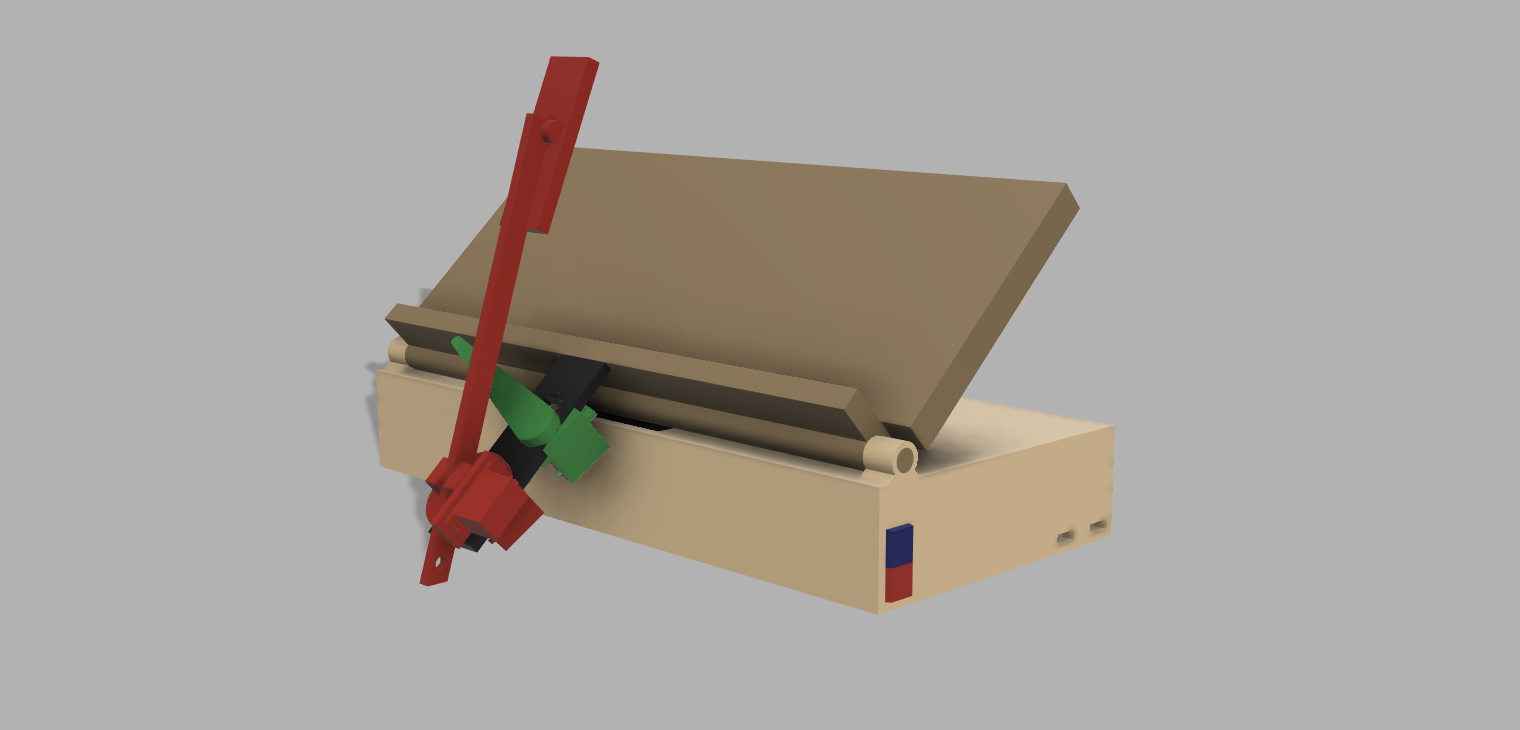
The Handless Automatic Book Page Turner allows users to turn book pages with a single button press, pedal, or accessible actuator. An electroadhesive separator lifts a page while a mechanical flipper rotates it to the opposite side. The device works in both directions and includes an adjustable reading stand.
How we built it
We researched existing page-turning mechanisms and evaluated different concepts using a Pugh Matrix. Our final design combines electroadhesion with a mechanical page flipper, powered by three independently controlled servo motors. The device was designed as a compact plastic product with some hidden mechanisms inside its base.
Challenges we ran into
Our biggest challenge was designing a mechanism that could reliably separate one page without damaging or grabbing multiple pages. We also had to balance accessibility, mechanical reliability, portability, and safety while designing the moving components.
Accomplishments that we're proud of
We are proud of creating an inclusive design focused on helping users enjoy reading independently. Combining electroadhesion and mechanical flipping into a compact, bidirectional system was a major accomplishment for our team.
What we learned
We learned the importance of designing around different users' abilities and providing multiple ways to interact with a device. We also gained experience combining mechanical engineering, electronics, automation, and ergonomic design to solve a real-world accessibility problem.
What's next for The Handless Automatic Book Page Turner
Our next step is developing a functional prototype to test the page separation and flipping mechanisms. Future improvements include supporting more book sizes, refining accessibility controls, and making the device more affordable and manufacturable.


Log in or sign up for Devpost to join the conversation.