-
-

Example Uber calling page, leads to branch 1 ending confirmation
-

Example calling the location data's phone number page, leads to transportation options page
-
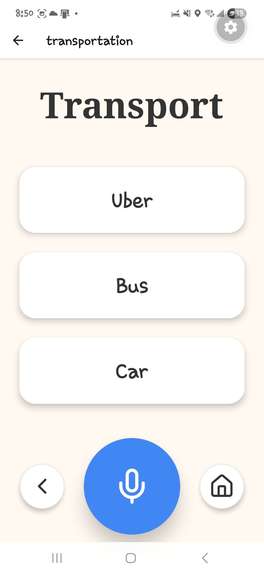
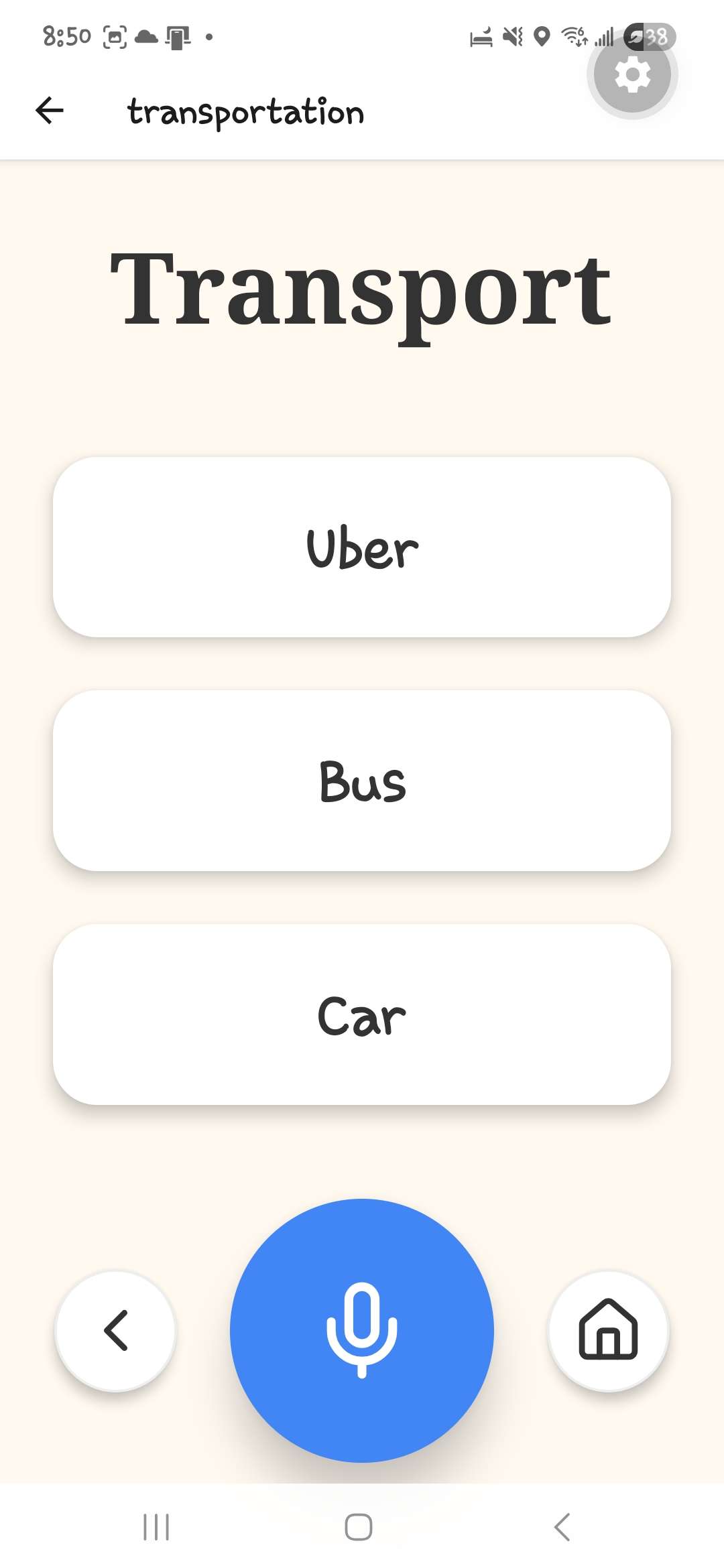
Transportation options page, leads to example uber calling page
-
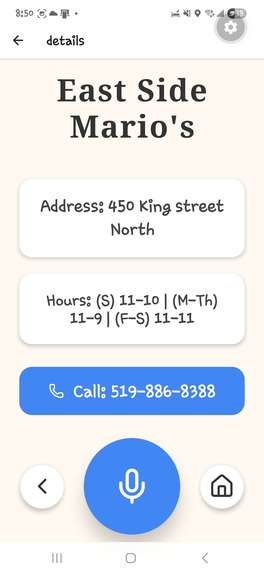
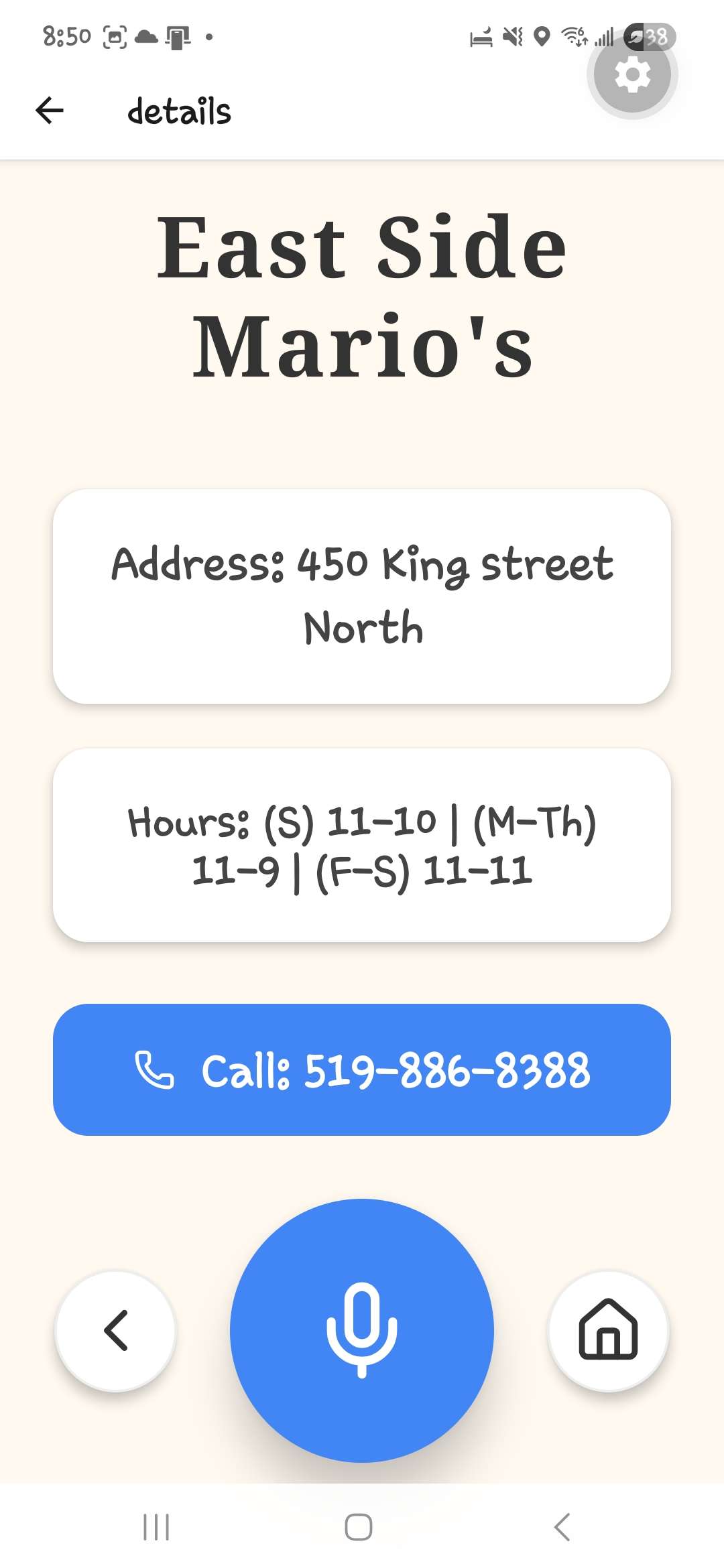
Example location data page, leads to example calling the location data's phone number page
-
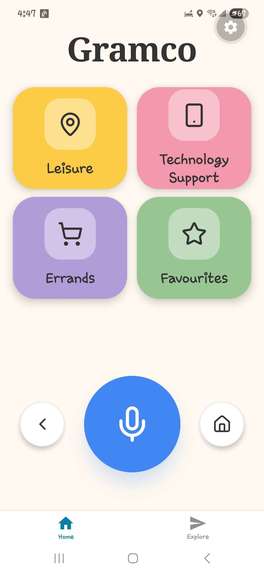
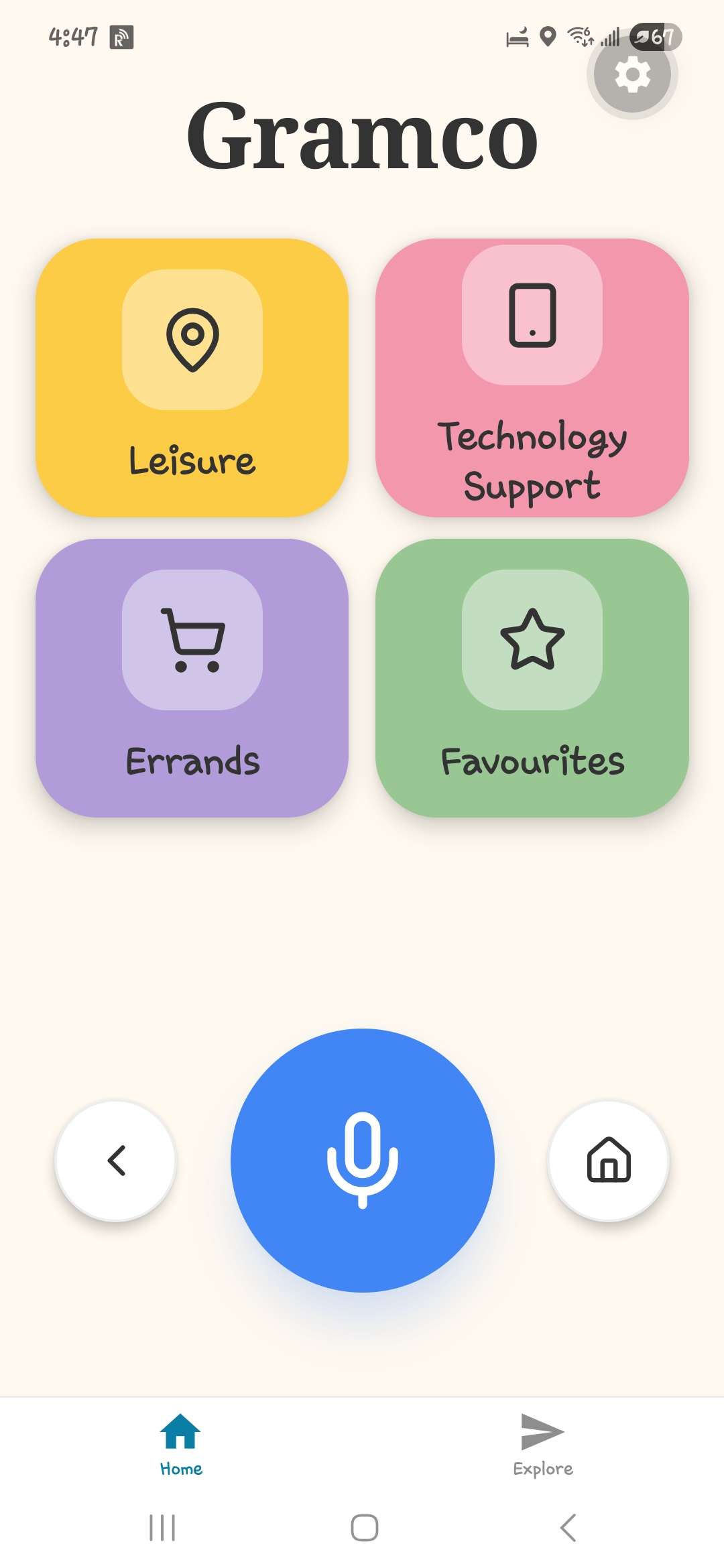
Initial main menu, leads to leisure subpage
-
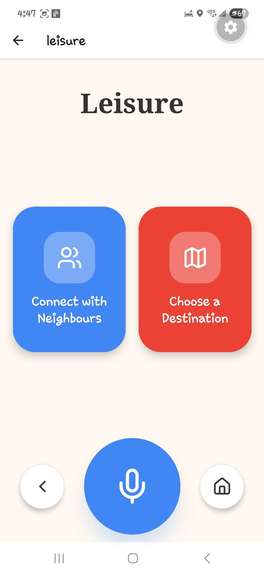
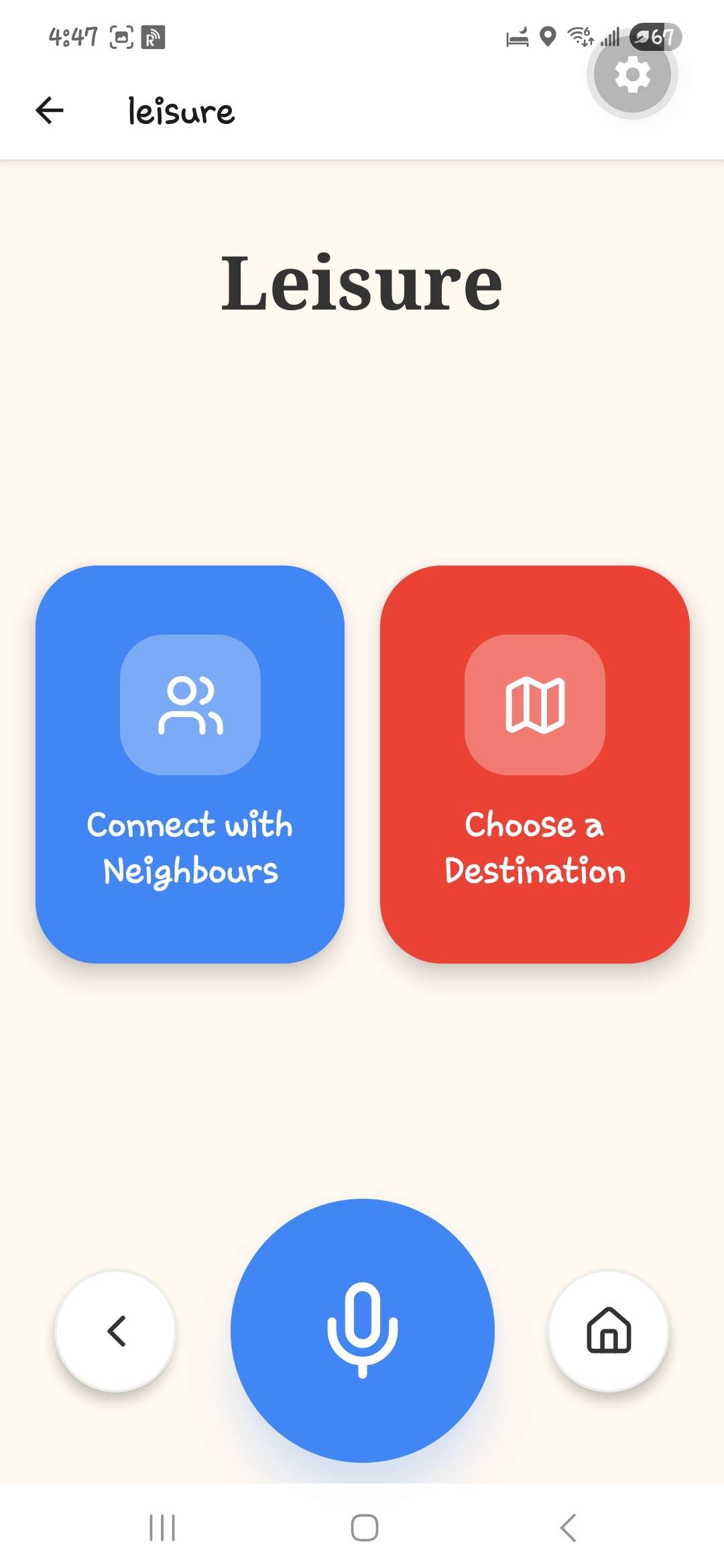
Leisure subpage, leads to example mapping page
-

Branch 1 ending confirmation
-
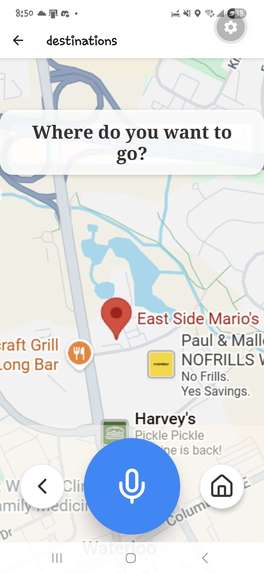
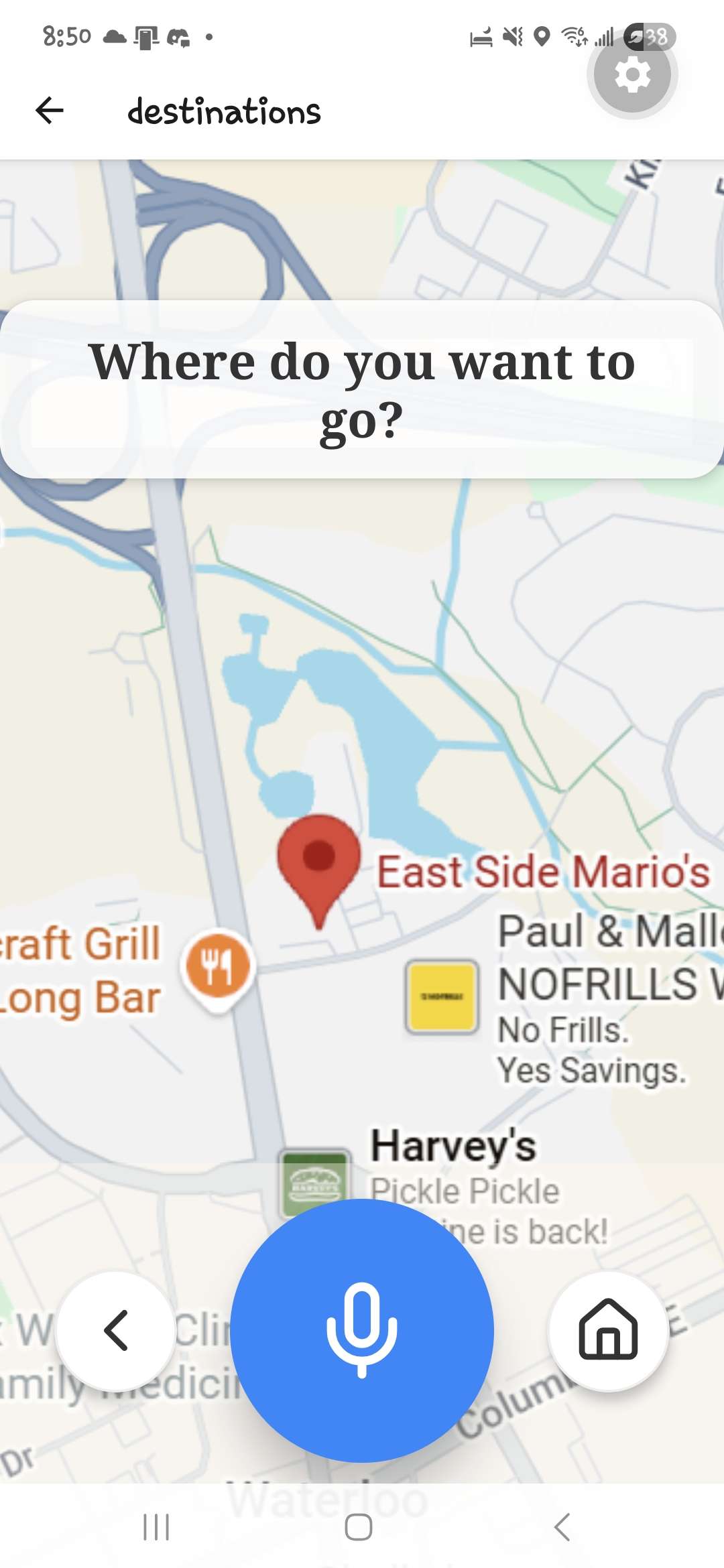
Example mapping page, leads to example location data page



Inspiration
All members of the Herd have aging parents and grandparents who struggle with idependently using technology that surrounds us today. Our goal was to help our loved ones achieve this freedom in the most accessible way. Many simple tasks such as reserving a space at a restaurant is challenging for seniors who are less tech savvy. They often rely on their sons/daughters to conduct any tasks that require technology, which is ever so increasing as the world enters an era of digitialization. Yet, seniors also value their autonomy and ability to individually complete tasks. These two key aspects of the senior population forces seniors to consider tradeoffs, which leads to am unwillingness to burden their children and a need to interact with the outside world.
What it does
Gramco is a centralised micro-service tool that targets the everyday needs of the average Canadian senior into one simple mobile app. It is a voice command-based system that simplifies tasks that exclusively require the use of technology such as reserving a spot at a restaurant or connecting with family and friends over Whatsapp. The mobile app does not require any touch screen interaction except the press of the mic button to speak into the phone. The micro-tasks are split into 3 main categories of service (leisure, errands, technological support). Each task is further split into 3 sub categories, depending on the user needs. Each split in category can be directed with voice or touch depending on user preference. Seniors usually prefer speech as it is the closest to giving a phone call, or speaking to a real human.
How we built it
Gramco was built using Google's IDE AntiGravity, as well as other AIs such as Gemini and Bland and the Google Maps. Additionally, web browser AI such as chat GPT and Claude were also used.
Challenges we ran into
Adapting the Google Maps API and retail AI (Bland.Ai) to our application proved to be the biggest challenge, where it tested our troubleshooting skills and patience. We also wanted to include the ElevenLabs track but our application would not work with it so we had to backtrack.
Accomplishments that we're proud of
We are proud of learning tools on how to build our own application by vibe coding, while experiencing our first hackathon. We identified a promising solution to a problem that is close to our hearts. Creating a support system that is focused on efficientily providing services to our loved ones.
What we learned
As this was the first hackathon for all members in our group, we walked in empty handed and had no expectation of how the process was going to go or how we were going to approach the problem space. As a result, there was more trial and error throughout the hack than there normally would be. Additionally, since we used AntiGravity and vibecoding for our project, we were not familiar with how to use github to allow more than one of us to work on the code as the AI would typically generate/change a large section of code. We only used one laptop for coding and wasted a lot of time waiting for builds to load. In terms of technicality, we learned how implementing AI works such as using API keys, voice commands, how vibecoding works in general, and elements of making a mobile app.
What's next for The Herd
To further polish our development, we plan to implement a neighbours feature, ensure that the APIs work (render and show on the app and that calls connect), and add personalized features such as catering results on the map to certain dietary restrictions, set profile for pharmacy medication pick ups, etc.
Built With
- antigravity
- claude
- cloudinary
- gemini
- github


Log in or sign up for Devpost to join the conversation.