-
-
The Green Place
-
Interactive Fire Map
-
Emissions Calculator
-
Nature Log
-
Resource Library


Inspiration
Living on the coast of suburban Vancouver, we often get wildfire warnings, terrible smoke and air quality, the intense urbanization and the smell of gasoline anywhere we go. Unfortunately, none of this has a very positive effect on our environment and we realize this, however, it doesn’t seem to be true for everyone. Studies show that over 60% of people globally don’t believe that global warming will affect them and therefore do not actively work to prevent it. The Green Place works to change that.
What it does
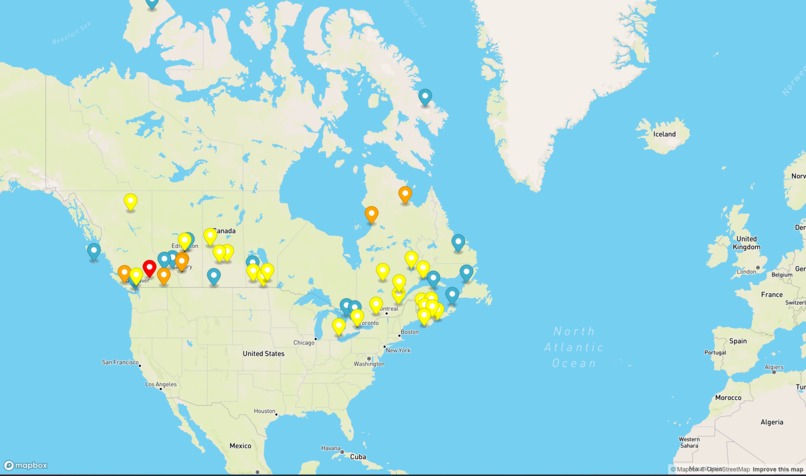
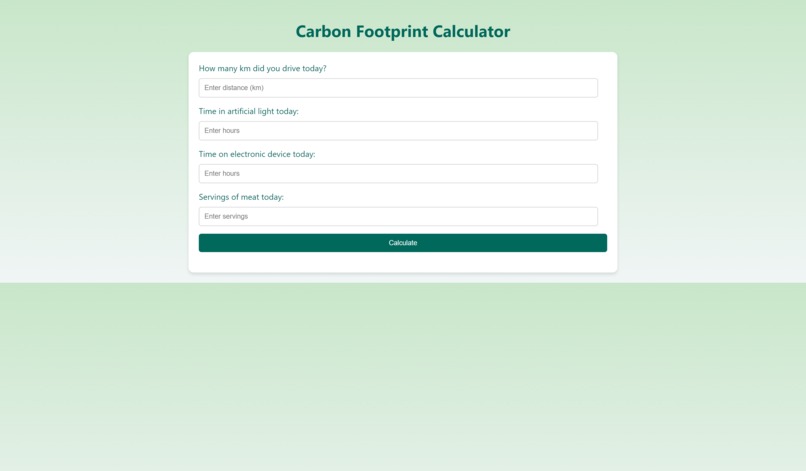
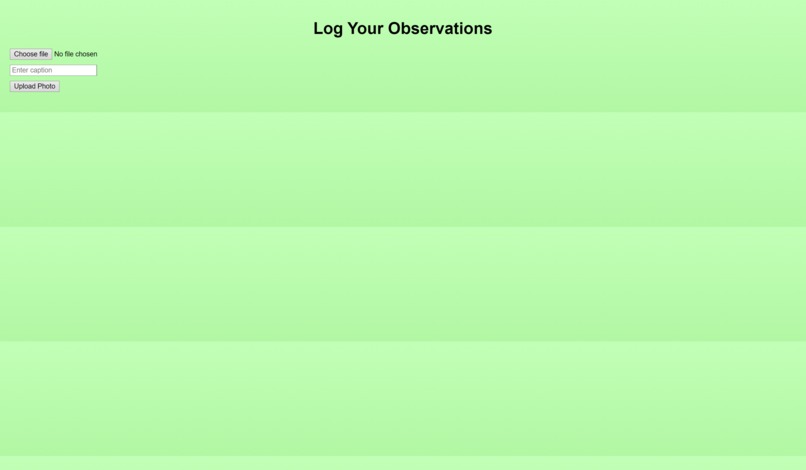
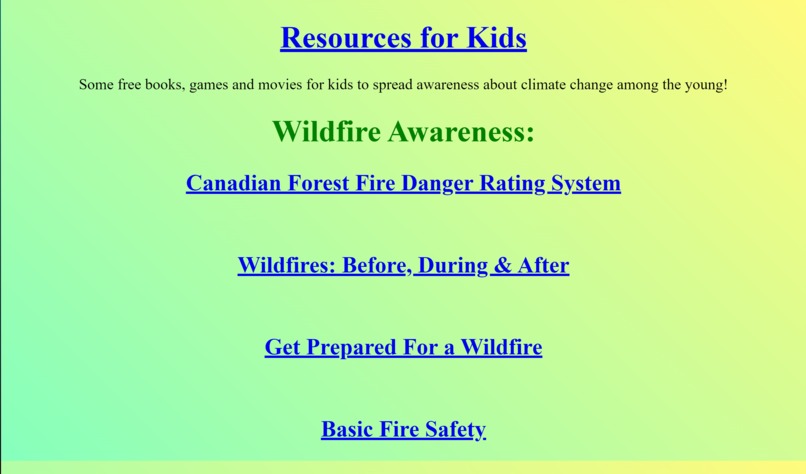
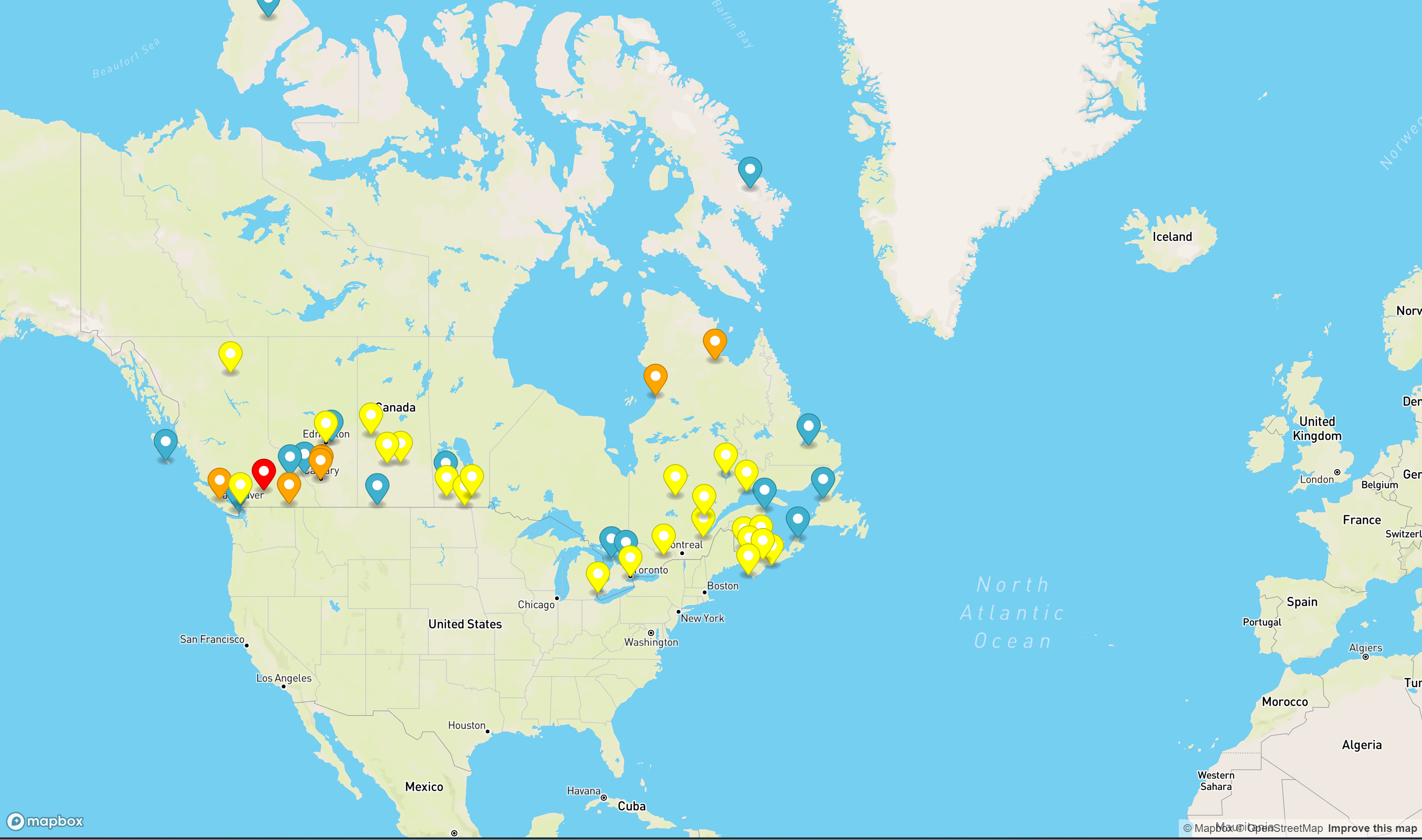
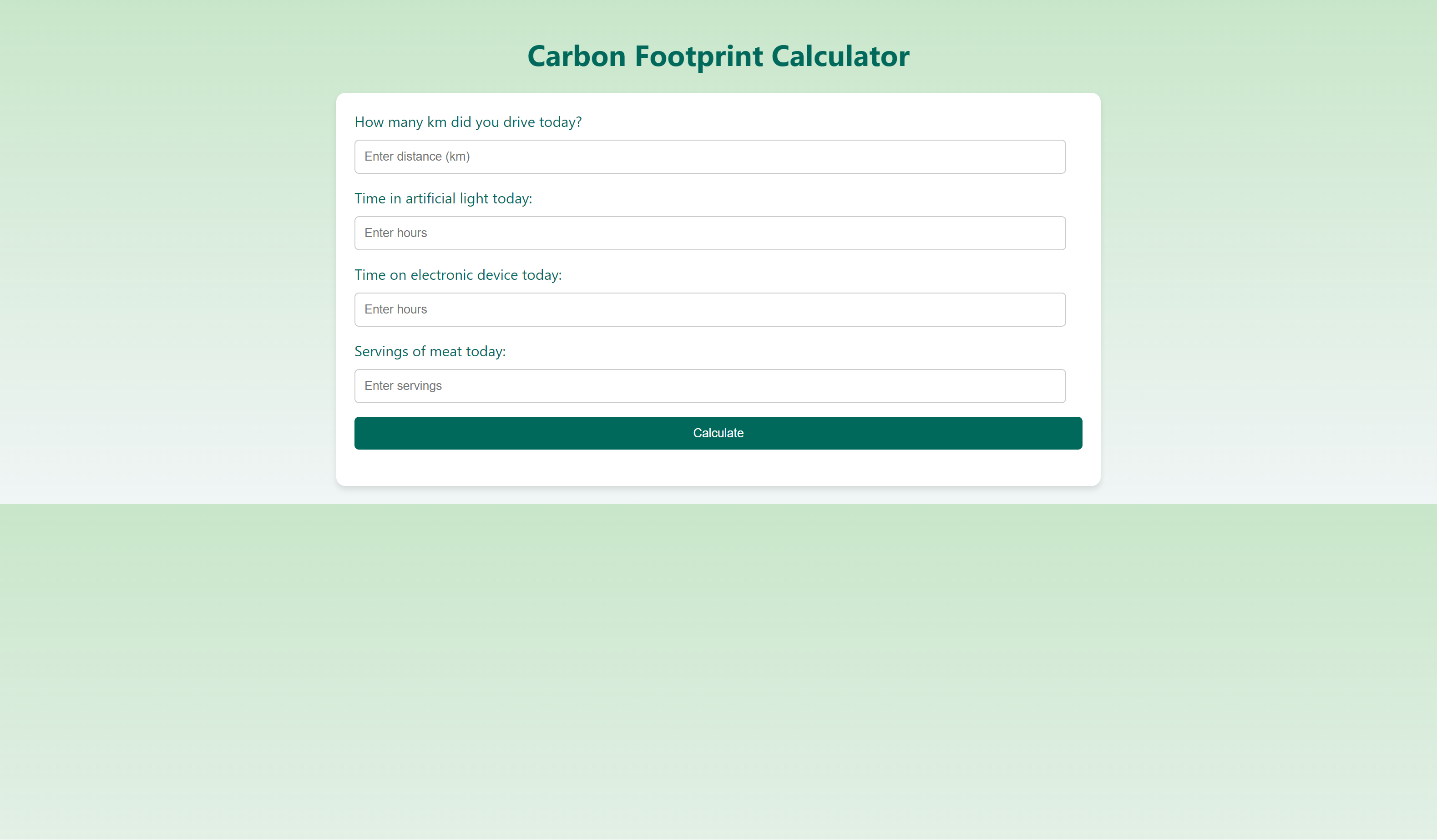
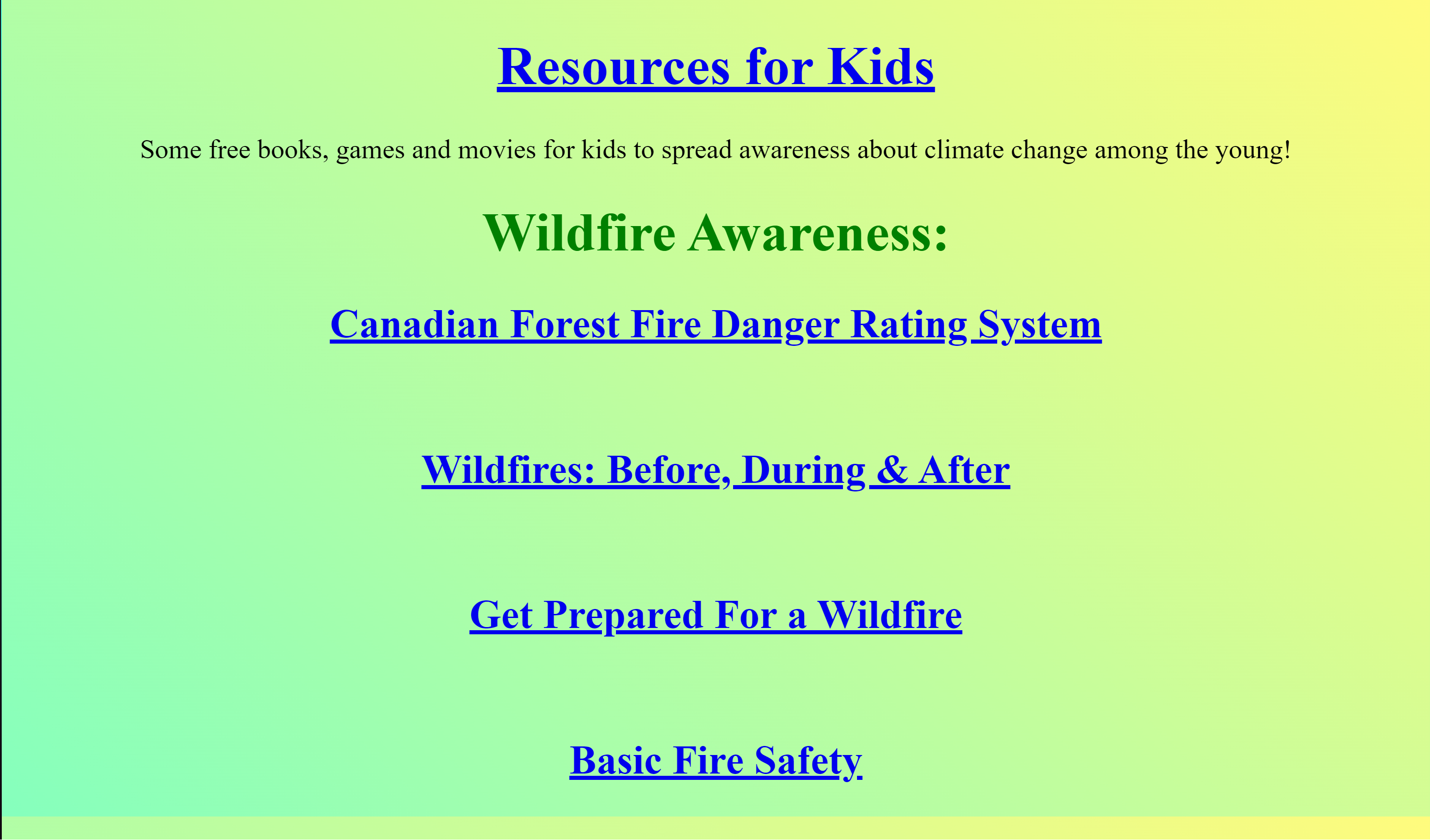
The Green Place is a hub for everyone to use, view and engage with; it offers a variety of services to raise awareness for, and improve the environmental issues that plague our world. First, we offer an interactive map with plotted out wildfire risk index factors in each province as a warning. The severity of the risk is indicated by the color or the markers: yellow is low risk, orange is moderate risk and red is high risk. Additionally, blue markers indicate national park reserve locations, to also log the damage wildfires have done to them. Second, we offer a nature photo logging system for users to better appreciate the world around them and document it. It comes with features like dated posts, and adding captions. Crucially, the photos save when the page is refreshed or when it is closed and reopened. Third, we designed a carbon emissions calculator which outputs the users daily carbon footprint when given several parameters. Fourth, our website features a library of environmental and nature-related literature and a list of charitable organizations to donate to for kids and adults in order to spread word of our problems to everyone. Finally, in order to address the non-believers of climate change, we created a page that shows the destruction of habitats and the burning of forests while also turning on the webcam to contrast with the user’s comfortable home as a final call to action.
How we built it
To create the Forest Fire Risk Index of different regions, a python program was employed and with semi automatic data processing we were able to generalize it to different parts of Canada. The rest of the program was built using HTML, Javascript and CSS.
Challenges we ran into
The biggest challenge that we ran into while coding this project was creating the interactive map. As we are quite new to hackathons and this type of programming in general, implementing the Mapquest API was especially challenging and then creating and modifying markers. Another challenge was building the Forest Fire Risk Index with semi automatic data processing. Passing through data from online into the program and training the model to predict and summarize the data was quite a new experience for us.
Accomplishments that we're proud of
We’re very proud of the entire project seeing as we are quite new to building large scale projects in limited time. Specifically, learning machine learning and implementing APIs was a difficult task that we’re proud to have learned.
What we learned
We learned lots through the workshops about hackathons in general, game development and even robotics. Moreover, we learned how to model data and build maps within a program!
What's next for The Green Place
Since our team has a very deep personal connection with the environmental issues in our area and our world as a whole, we will definitely continue to work on The Green Place after this hackathon. We can definitely improve on it without time restrictions in two main ways. First, improving the wildfire predictions system into fully automatic machine learning. This can help improve efficiency and the precision of the program giving even better data. We can also improve user interaction services so that users can interact with each other and share knowledge, information of just pictures that they took.


Log in or sign up for Devpost to join the conversation.